



Login
Get Instant Pricing On 23,000+ Aircraft


Airline charter services offer flexible travel options outside standard airline schedules, allowing groups to contract entire aircraft for specific trips. In the U.S., these services are regulated under FAA Part 135, ensuring higher safety and operational standards compared to casual private flights. Charter options include public charters, private rentals, and brokered trips, catering to various needs such as urgent business travel or group events. Key advantages of charter services include schedule control, direct airport access, and the ability to customize itineraries, making them ideal for travelers seeking efficiency and convenience.
Jay Franco Serevilla
Mar 10, 2026
|
5
min read


View all
The last major plane crash occurred on June 12, 2025, when Air India Flight AI171, a Boeing 787-8, crashed shortly after takeoff from Ahmedabad, resulting in 241 fatalities. This incident highlights ongoing concerns about aviation safety, despite the rarity of such disasters in the context of millions of flights each year. This article explores recent aviation accidents, their implications, and the importance of understanding risk in air travel.
Jay Franco Serevilla
Nov 8, 2026
|
5
min read
View all
The history of US air disasters highlights both tragedy and the evolution of aviation safety. Major incidents have led to significant regulatory reforms, improving maintenance practices, pilot training, and aircraft design. This article explores key disasters, their causes, and the lessons learned that have shaped modern aviation safety standards.
Jay Franco Serevilla
Nov 8, 2026
|
5
min read
View all
Understanding what happens during a plane crash can alleviate fears about flying. While the odds of experiencing a crash are extremely low, knowing the causes, survival strategies, and the importance of passenger actions can enhance safety. This article provides insights into aviation safety, the factors contributing to crashes, and what passengers can do to prepare.
Jay Franco Serevilla
Nov 6, 2026
|
5
min read
View all
Airbus crashes, though rare, have significant implications for aviation safety. This article reviews major incidents since 2000, highlighting key findings and lessons learned that have shaped safety reforms in the industry. Understanding these events helps travelers make informed choices about air travel and charter services.
Jay Franco Serevilla
Nov 6, 2026
|
5
min read
View all
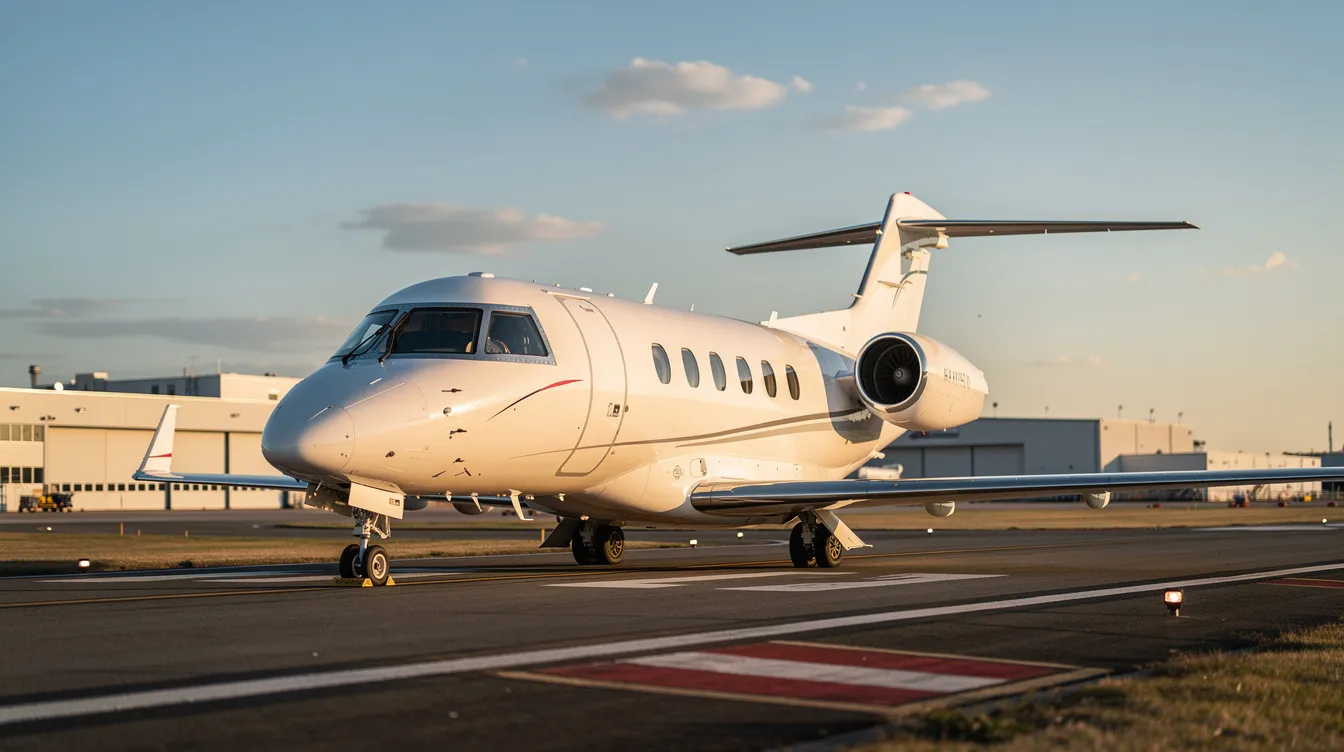
On November 1, 2026, a Learjet 60 tragically crashed near Greenacres, Florida, resulting in the deaths of all nine individuals on board. The victims included a tech entrepreneur, his family, and two pilots, highlighting the critical importance of aviation safety and regulations. Investigators are currently examining various factors, including weather conditions and aircraft maintenance, to determine the cause of the crash.
Jay Franco Serevilla
Nov 6, 2026
|
5
min read
View all
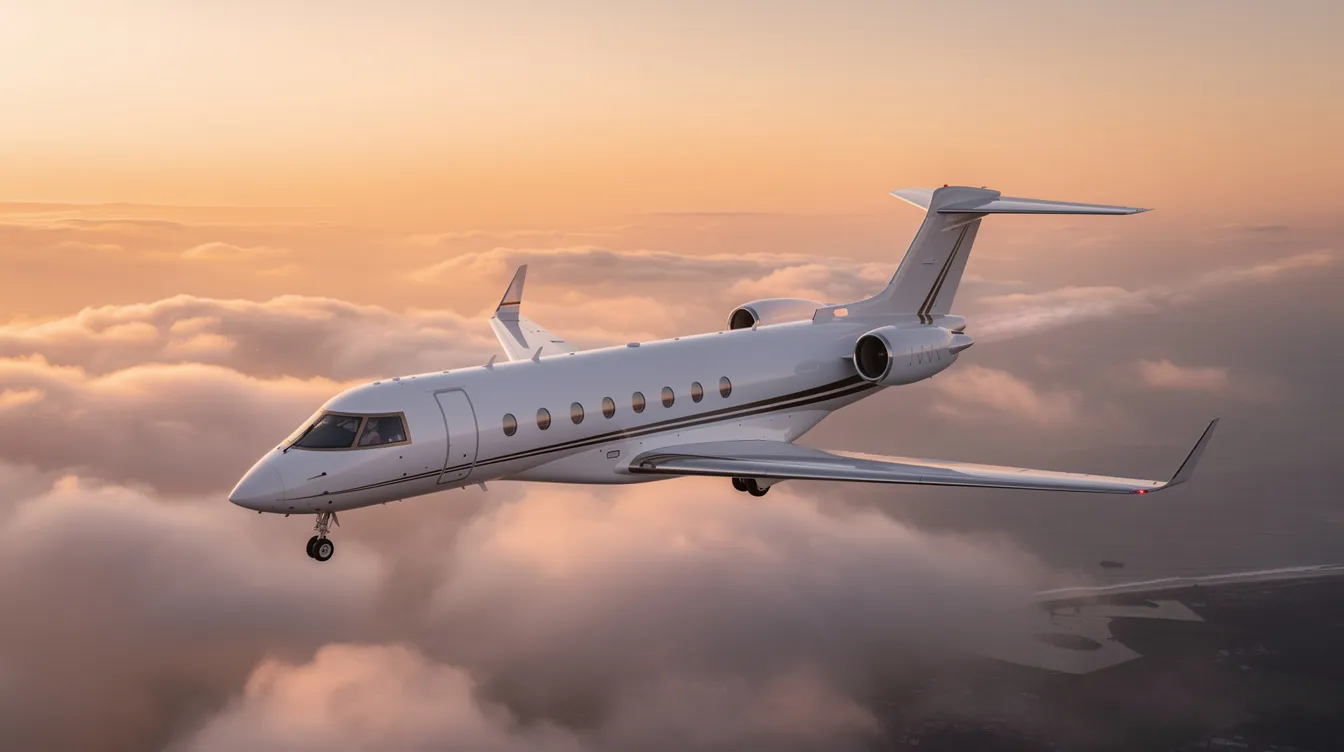
Mid-air collisions, though rare today, can lead to catastrophic outcomes. This article explores the history of such incidents, modern safety measures, and a recent Learjet 60 crash in Florida, emphasizing the importance of safety protocols for private jet travelers.
Jay Franco Serevilla
Nov 6, 2026
|
5
min read
Explore our latest articles and updates.
5
min read
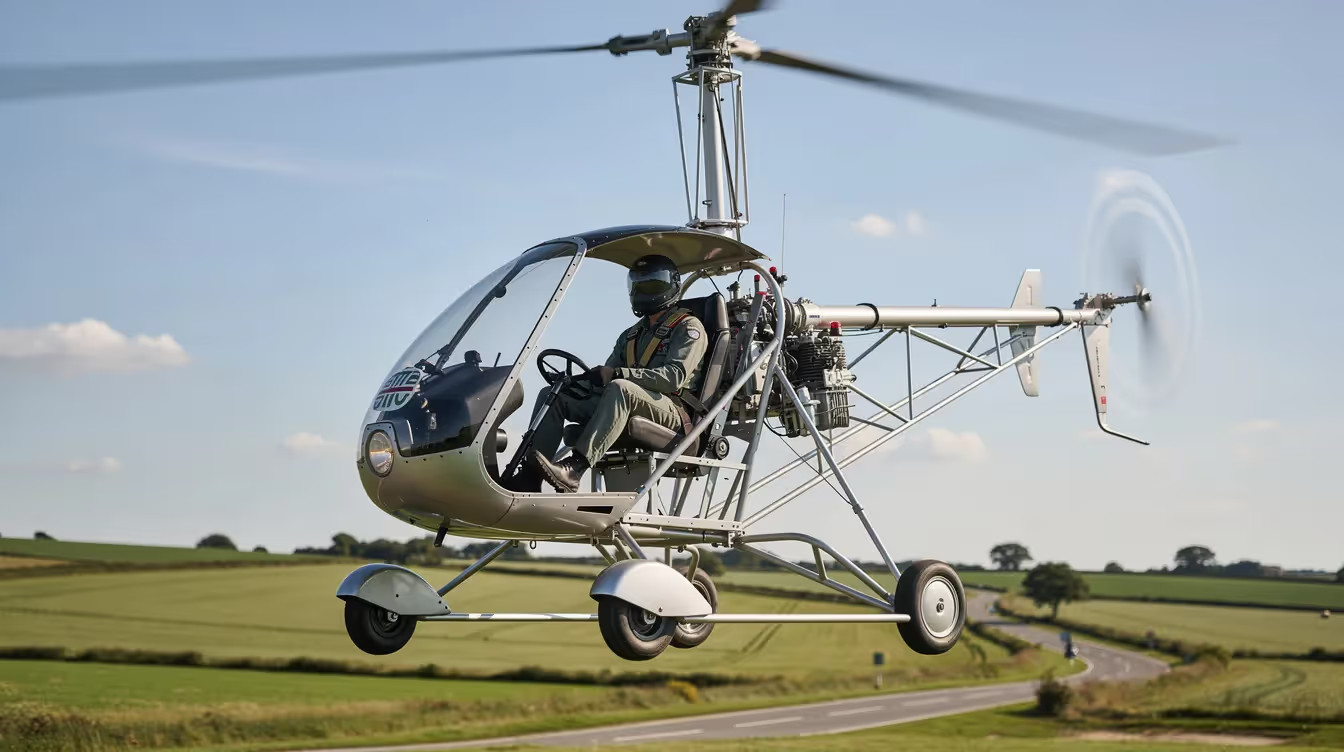
Gyroplane: How It Works, What It Costs, and Where It Fits in Modern Private Aviation
Gyroplanes, or autogyros, are a unique type of rotorcraft that generate lift through an unpowered rotor and require forward motion for flight, distinguishing them from helicopters. They are primarily used for recreational flying, agricultural monitoring, and low-altitude patrols due to their lower operating costs and ability to operate from short runways. While gyroplanes appeal to hobbyists and specialized operators, they are not suited for long-distance business travel, which is typically served by jets and helicopters available through platforms like Jettly. Overall, gyroplanes offer a niche alternative in private aviation, emphasizing affordability and versatility for specific applications rather than mainstream charter services.
Read More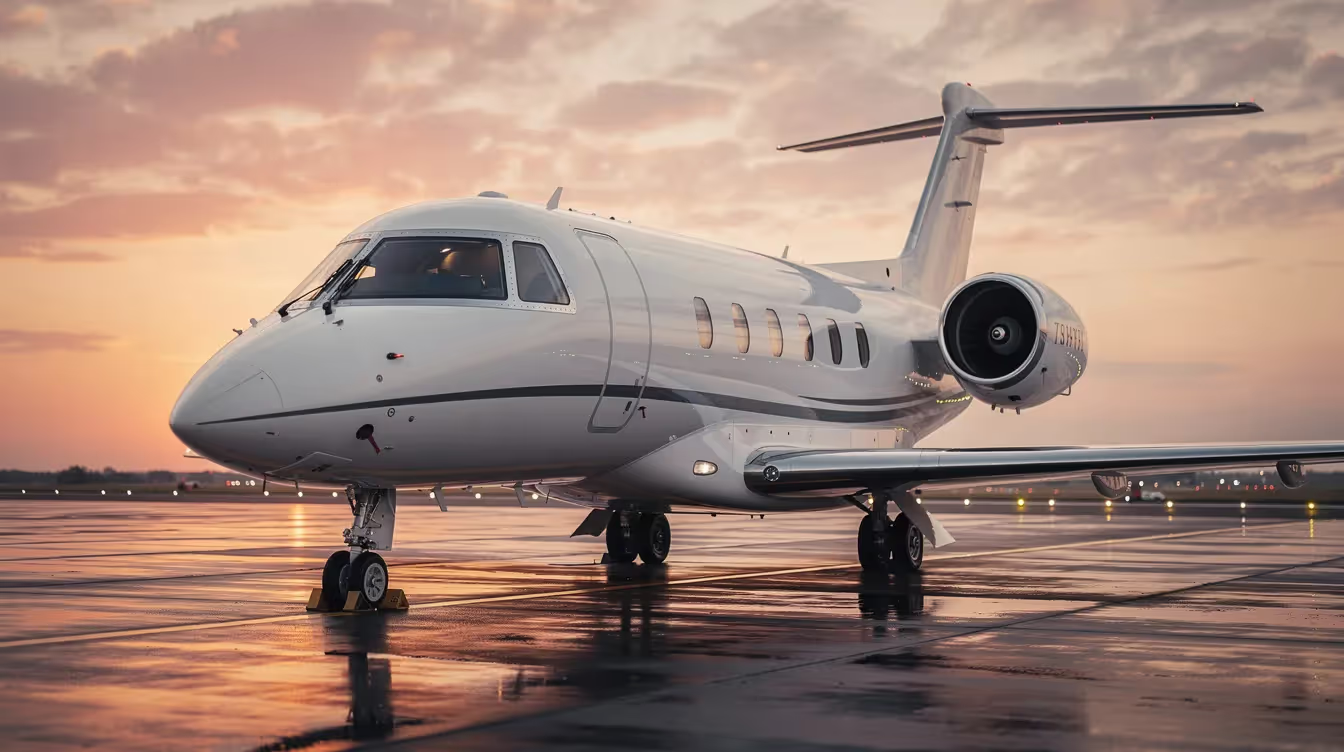
5
min read
Helicopter License Price: Full Cost Breakdown, Training Paths & Budget Tips
The cost of obtaining a helicopter pilot license in the U.S. ranges from approximately $25,000 to $35,000 for a Private Helicopter Pilot License (PPL-H) and can exceed $100,000 for a full commercial certification, depending on factors like flight hours, helicopter type, and geographic location. Key expenses include flight training, ground school, exams, and aircraft rental fees, with the Robinson R22 being a more affordable training option compared to the R44. While pursuing a helicopter license can lead to rewarding career opportunities, travelers seeking occasional private flights may find chartering options, such as those offered by Jettly, to be more cost-effective than investing in training. Overall, budgeting for training should include not only tuition but also additional costs like gear, insurance, and ongoing proficiency checks.
Read MoreJoin our community and receive the latest blog updates directly in your inbox.
MEMBERSHIPS AND ASSOCIATIONS



© 2026 Jettly Inc. All rights reserved.
Disclaimer: Jettly operates as a charter broker, offering access to a global digital jet charter marketplace. Jettly is not a direct air carrier and does not own or operate aircraft. All advertised flights are conducted by third-party air carriers that are fully licensed and hold the appropriate Part 135 or Part 121 certifications issued by the Federal Aviation Administration (FAA) or equivalent regulatory authorities under U.S. or foreign law. Jettly complies fully with the U.S. Department of Transportation's Part 295 and Part 298 Charter Broker regulations. Jettly does not carry additional liability insurance. Passengers are covered by aircraft operator insurance. TICO: 50023770


