



Login
Get Instant Pricing On 23,000+ Aircraft


Private jet travel offers exceptional luxury and personalization, extending through its security processes. Adherence to TSA regulations ensures the highest levels of safety for all passengers and crew. By following security protocols, travelers can enjoy a seamless and stress-free experience. These streamlined measures highlight the comfort, convenience, and sophistication unique to private aviation.

Justin Crabbe
May 6, 2025
|
5 minutes
min read


View all
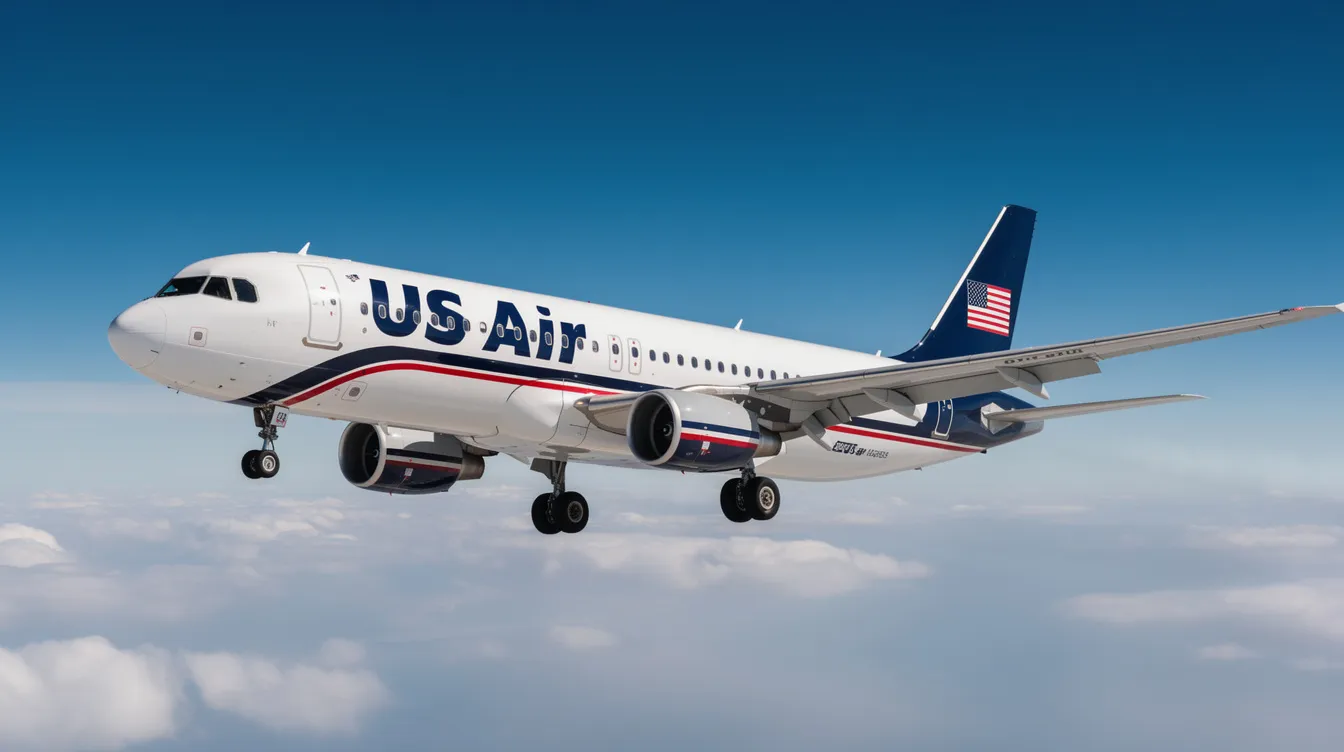
The history of US air disasters highlights both tragedy and the evolution of aviation safety. Major incidents have led to significant regulatory reforms, improving maintenance practices, pilot training, and aircraft design. This article explores key disasters, their causes, and the lessons learned that have shaped modern aviation safety standards.
Jay Franco Serevilla
Nov 8, 2026
|
5
min read

View all
Understanding what happens during a plane crash can alleviate fears about flying. While the odds of experiencing a crash are extremely low, knowing the causes, survival strategies, and the importance of passenger actions can enhance safety. This article provides insights into aviation safety, the factors contributing to crashes, and what passengers can do to prepare.
Jay Franco Serevilla
Nov 6, 2026
|
5
min read

View all
Airbus crashes, though rare, have significant implications for aviation safety. This article reviews major incidents since 2000, highlighting key findings and lessons learned that have shaped safety reforms in the industry. Understanding these events helps travelers make informed choices about air travel and charter services.
Jay Franco Serevilla
Nov 6, 2026
|
5
min read
View all
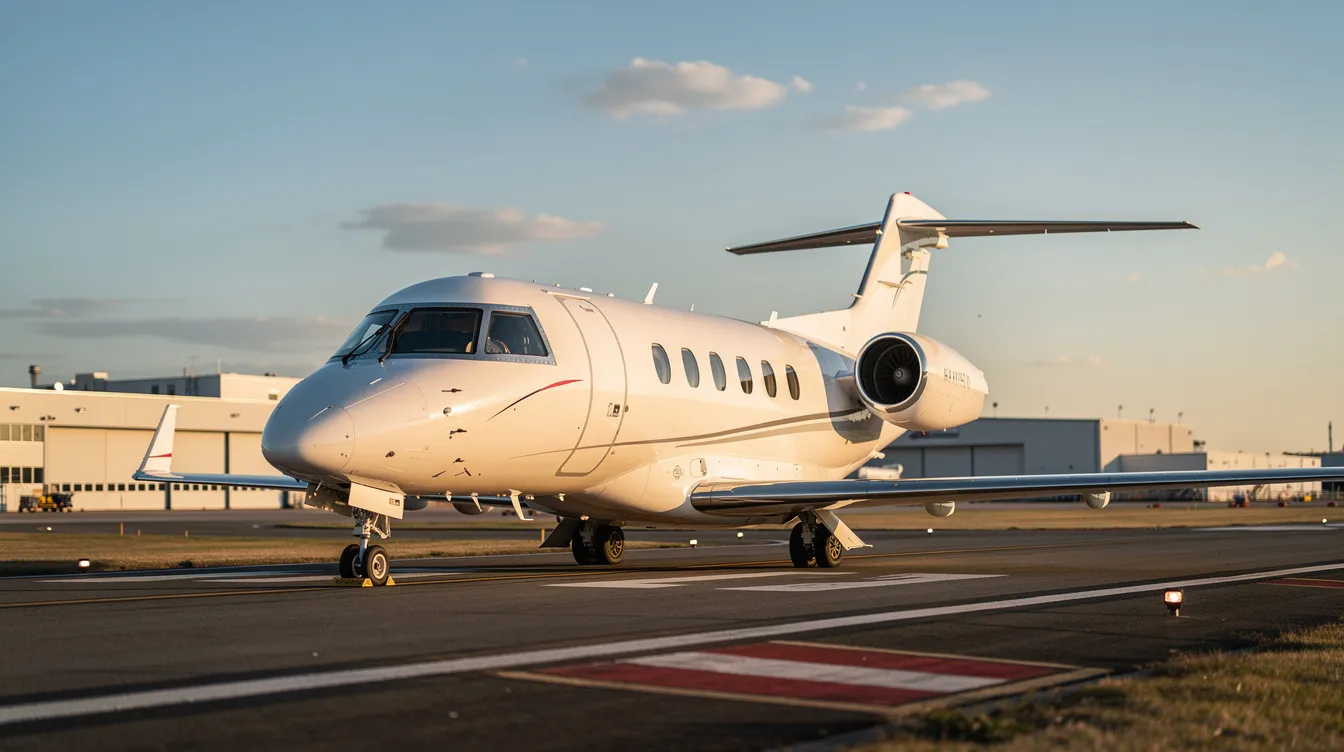
On November 1, 2026, a Learjet 60 tragically crashed near Greenacres, Florida, resulting in the deaths of all nine individuals on board. The victims included a tech entrepreneur, his family, and two pilots, highlighting the critical importance of aviation safety and regulations. Investigators are currently examining various factors, including weather conditions and aircraft maintenance, to determine the cause of the crash.
Jay Franco Serevilla
Nov 6, 2026
|
5
min read

View all
Mid-air collisions, though rare today, can lead to catastrophic outcomes. This article explores the history of such incidents, modern safety measures, and a recent Learjet 60 crash in Florida, emphasizing the importance of safety protocols for private jet travelers.
Jay Franco Serevilla
Nov 6, 2026
|
5
min read
View all
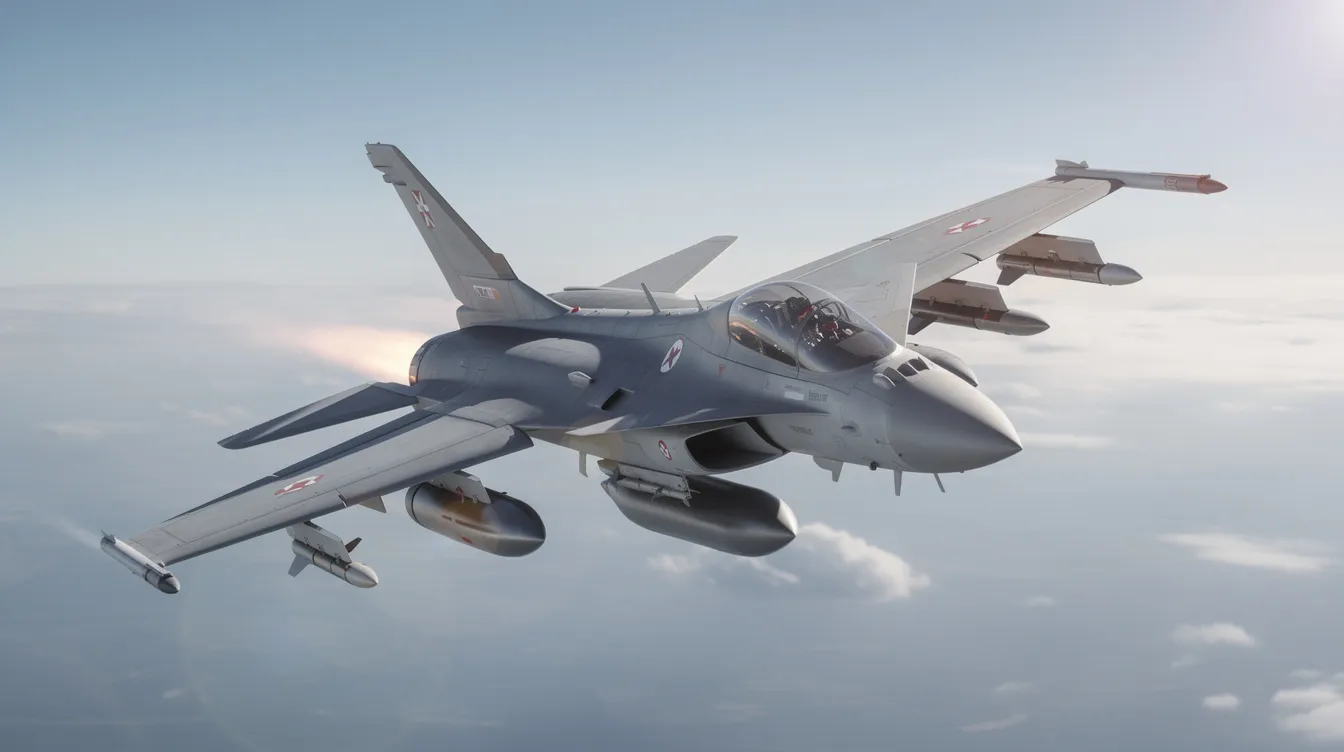
Military planes with two propellers, including twin-engine turboprops and tiltrotors, play crucial roles in logistics, surveillance, and humanitarian missions. This guide explores their capabilities, key aircraft, and how their performance informs civilian turboprop travel choices. Understanding these military aircraft helps travelers make informed decisions when comparing civilian options.
Jay Franco Serevilla
Nov 6, 2026
|
5
min read
Explore our latest articles and updates.

5
min read
MSP to Key West: How to Get from Minneapolis–St. Paul to Key West (EYW) with Commercial and Private Flights
Traveling from Minneapolis–St. Paul (MSP) to Key West (EYW) requires planning, as there are no year-round nonstop commercial flights. Travelers can choose between connecting flights through major hubs or opt for a private jet charter for a quicker, more direct route. This guide provides insights on flight options, pricing, and tips for a smooth journey to the sunny shores of Key West.
Read More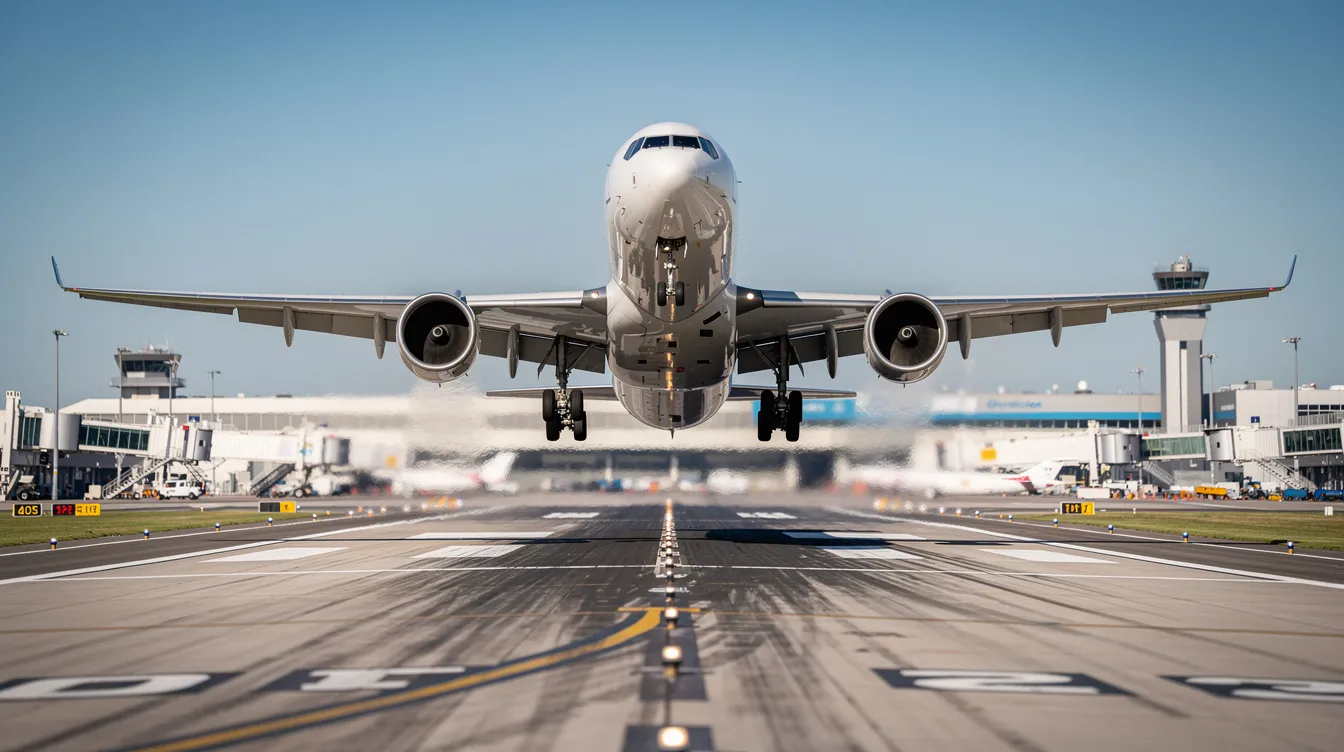
5
min read
How Long of a Runway Does a 777 Need? (Runway Length, Takeoff and Landing Explained)
The Boeing 777 requires approximately 9,000 to 11,000 feet of runway for takeoff at maximum weight under standard conditions. Landing distances are shorter, typically ranging from 5,500 to 7,000 feet. Factors such as aircraft weight, temperature, and runway conditions significantly influence these requirements.
Read MoreJoin our community and receive the latest blog updates directly in your inbox.
MEMBERSHIPS AND ASSOCIATIONS



© 2026 Jettly Inc. All rights reserved.
Disclaimer: Jettly operates as a charter broker, offering access to a global digital jet charter marketplace. Jettly is not a direct air carrier and does not own or operate aircraft. All advertised flights are conducted by third-party air carriers that are fully licensed and hold the appropriate Part 135 or Part 121 certifications issued by the Federal Aviation Administration (FAA) or equivalent regulatory authorities under U.S. or foreign law. Jettly complies fully with the U.S. Department of Transportation's Part 295 and Part 298 Charter Broker regulations. Jettly does not carry additional liability insurance. Passengers are covered by aircraft operator insurance. TICO: 50023770


