



Login
Get Instant Pricing On 23,000+ Aircraft


Fueling a private jet is a complex and costly process, with Jet-A fuel in 2024 averaging $6.20 per gallon in the U.S., and prices often reaching $8.00 in high-demand areas. Factors influencing these costs include the type of jet fuel, regional fuel logistics, geopolitics, and airport-specific fees. Travelers can manage these expenses by choosing efficient aircraft, planning refueling stops at cost-effective airports, and using tools like Jettly’s app for real-time fuel price comparisons. With careful planning, private jet fuel costs can become manageable for frequent flyers and corporate travelers.
Justin Crabbe
May 6, 2025
|
5 minutes
min read



View all
Understanding what happens during a plane crash can alleviate fears about flying. While the odds of experiencing a crash are extremely low, knowing the causes, survival strategies, and the importance of passenger actions can enhance safety. This article provides insights into aviation safety, the factors contributing to crashes, and what passengers can do to prepare.
Jay Franco Serevilla
Nov 6, 2026
|
5
min read
View all
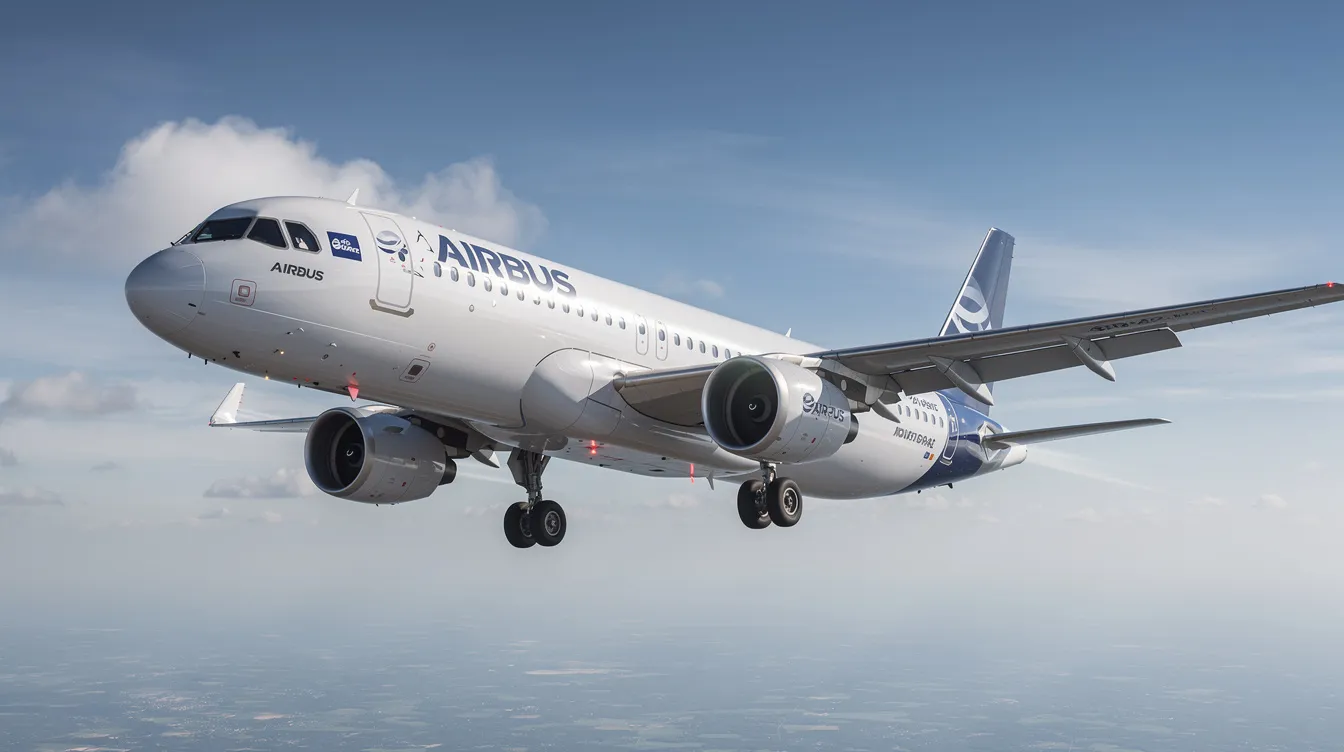
Airbus crashes, though rare, have significant implications for aviation safety. This article reviews major incidents since 2000, highlighting key findings and lessons learned that have shaped safety reforms in the industry. Understanding these events helps travelers make informed choices about air travel and charter services.
Jay Franco Serevilla
Nov 6, 2026
|
5
min read
View all
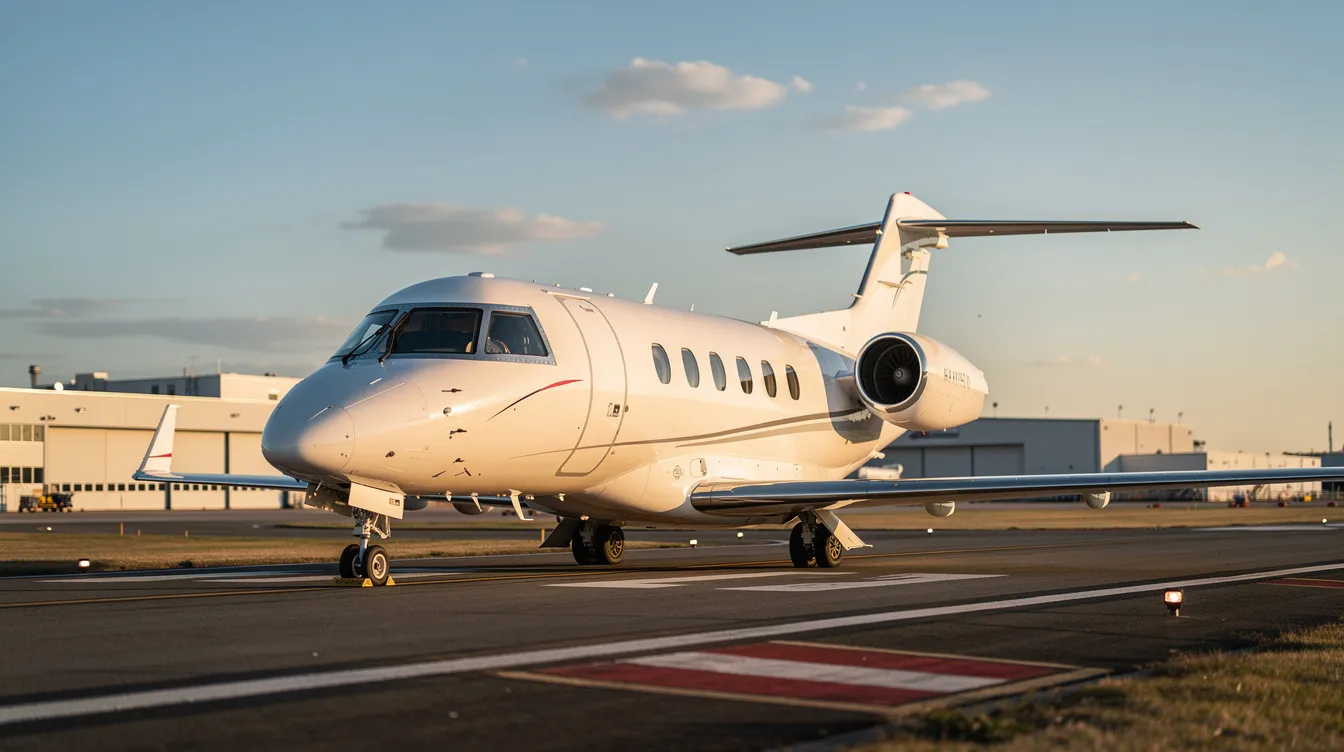
On November 1, 2026, a Learjet 60 tragically crashed near Greenacres, Florida, resulting in the deaths of all nine individuals on board. The victims included a tech entrepreneur, his family, and two pilots, highlighting the critical importance of aviation safety and regulations. Investigators are currently examining various factors, including weather conditions and aircraft maintenance, to determine the cause of the crash.
Jay Franco Serevilla
Nov 6, 2026
|
5
min read

View all
Mid-air collisions, though rare today, can lead to catastrophic outcomes. This article explores the history of such incidents, modern safety measures, and a recent Learjet 60 crash in Florida, emphasizing the importance of safety protocols for private jet travelers.
Jay Franco Serevilla
Nov 6, 2026
|
5
min read

View all
Military planes with two propellers, including twin-engine turboprops and tiltrotors, play crucial roles in logistics, surveillance, and humanitarian missions. This guide explores their capabilities, key aircraft, and how their performance informs civilian turboprop travel choices. Understanding these military aircraft helps travelers make informed decisions when comparing civilian options.
Jay Franco Serevilla
Nov 6, 2026
|
5
min read

View all
Virginia Beach's weather can change rapidly, impacting travel plans, especially for private jet travelers. Understanding the local forecast and seasonal patterns is crucial for smooth operations and optimal scheduling. Jettly provides tools to help travelers adjust their flights based on real-time weather conditions.
Jay Franco Serevilla
Nov 6, 2026
|
5
min read
Explore our latest articles and updates.

5
min read
Worldwide Jet Charter Reviews
Choosing the right jet charter service is crucial for a seamless private aviation experience, with reviews highlighting key factors such as safety, reliability, cabin quality, crew professionalism, and pricing transparency. Travelers consistently prioritize operators with strong safety records, effective communication, and personalized service, while expressing dissatisfaction with vague pricing and poor service. The article provides a structured checklist for comparing providers and emphasizes the importance of understanding different access models, including on-demand charters, jet cards, fractional ownership, and membership platforms. Ultimately, thorough review analysis combined with direct verification of operators ensures a safe and satisfying private travel experience.
Read More
5
min read
Private Jet Emissions: Impact, Inequality, and Cleaner Ways to Fly
Private jet emissions have drawn significant scrutiny due to their disproportionate environmental impact, with private jets emitting approximately 15–16 million tonnes of CO2 in 2023, representing about 1.7–1.8% of civil aviation emissions while serving a tiny fraction of passengers. The emissions per passenger are extraordinarily high, with private jets emitting 5–14 times more CO2 per passenger-kilometre than commercial flights, largely due to low occupancy rates. A small group of ultra-wealthy individuals and corporations accounts for the majority of these emissions, highlighting stark inequalities in carbon footprints. To mitigate their environmental impact, travelers can consider options like utilizing empty leg flights, choosing more efficient aircraft, and prioritizing sustainable aviation fuels.
Read MoreJoin our community and receive the latest blog updates directly in your inbox.
MEMBERSHIPS AND ASSOCIATIONS



© 2026 Jettly Inc. All rights reserved.
Disclaimer: Jettly operates as a charter broker, offering access to a global digital jet charter marketplace. Jettly is not a direct air carrier and does not own or operate aircraft. All advertised flights are conducted by third-party air carriers that are fully licensed and hold the appropriate Part 135 or Part 121 certifications issued by the Federal Aviation Administration (FAA) or equivalent regulatory authorities under U.S. or foreign law. Jettly complies fully with the U.S. Department of Transportation's Part 295 and Part 298 Charter Broker regulations. Jettly does not carry additional liability insurance. Passengers are covered by aircraft operator insurance. TICO: 50023770


