


Login
Get Instant Pricing On 23,000+ Aircraft

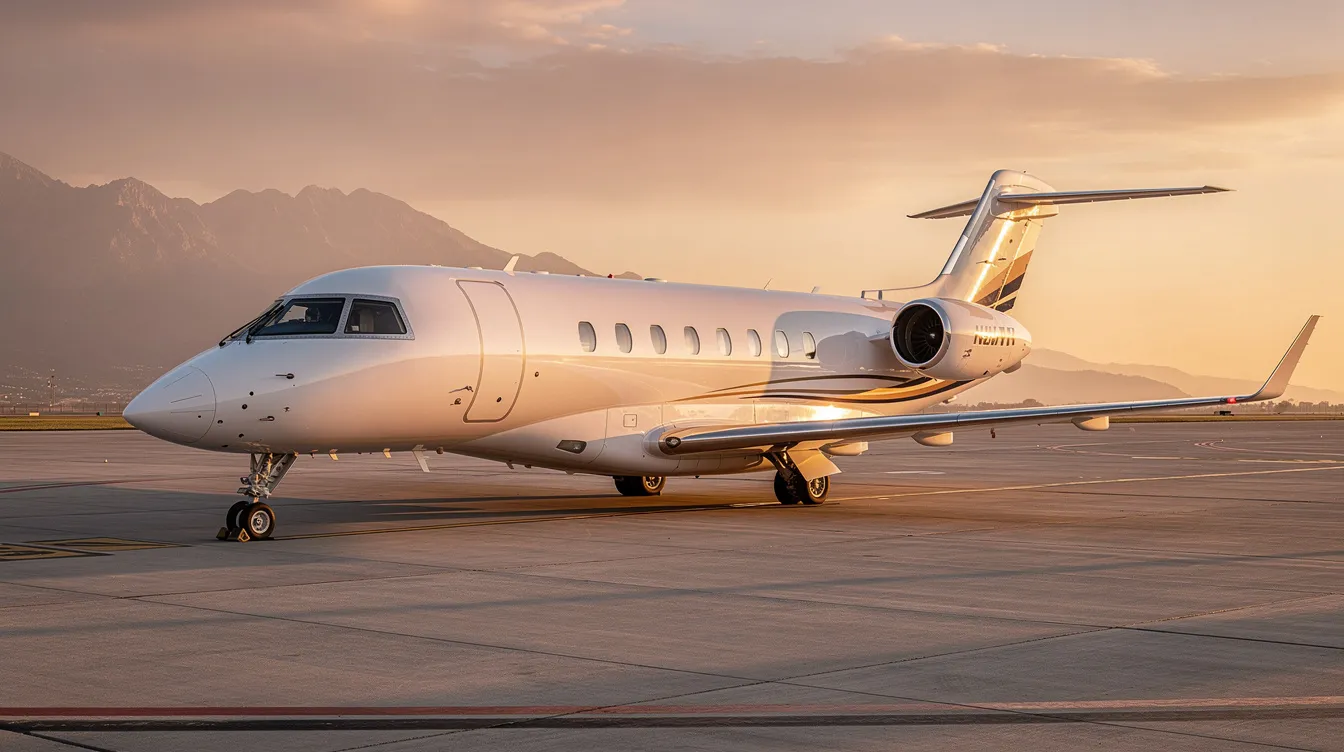
Private world tours by private jet offer a luxurious and flexible way to explore multiple destinations around the globe, typically spanning 19 to 26 days and visiting 8–12 locations. These tours provide fully customized itineraries, eliminating the hassles of commercial travel, such as layovers and long airport waits, while allowing travelers to focus on unique experiences tailored to their interests. Platforms like Jettly facilitate the planning process by offering access to over 20,000 aircraft and enabling bespoke itinerary design without long-term commitments. With dedicated expedition teams handling logistics and local guides providing insights, private world tours ensure a seamless and enriching travel experience.
Jay Franco Serevilla
Jun 25, 2026
|
5
min read


View all
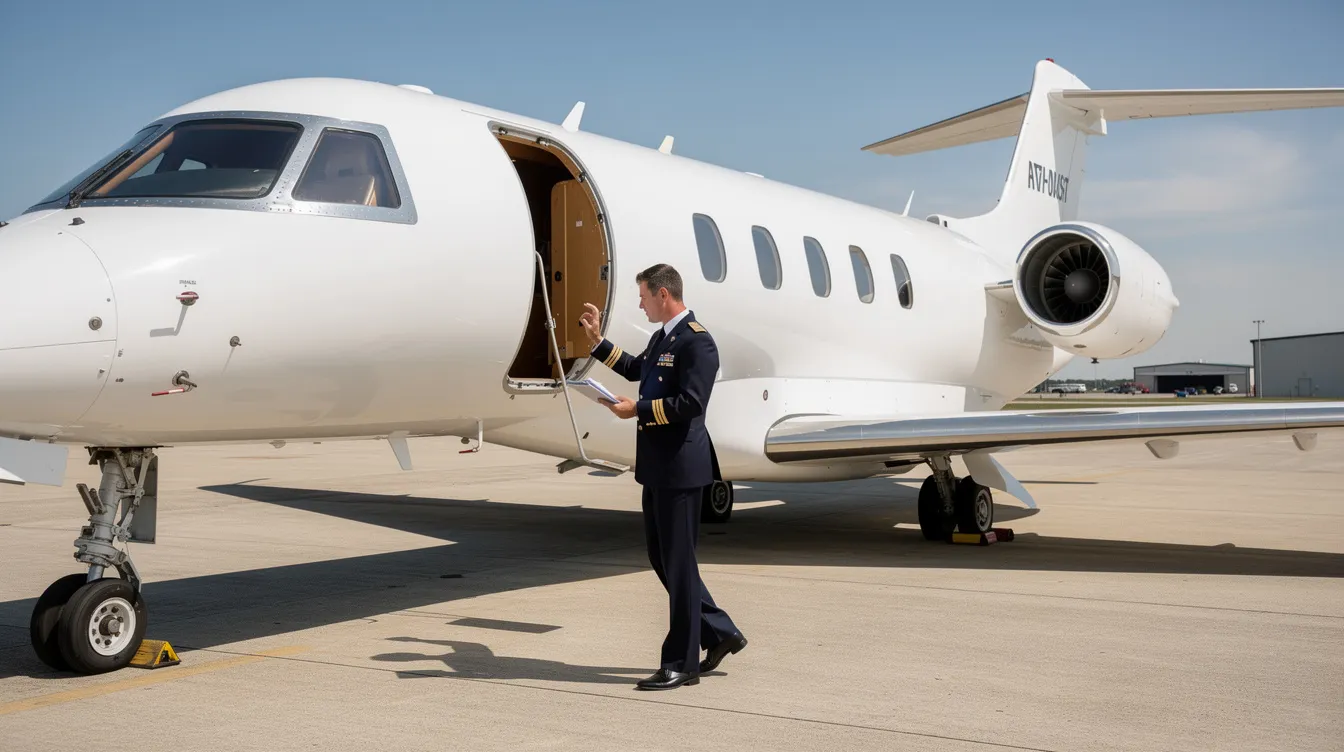
Jettly is a digital marketplace that connects travelers with certified pilots and a network of over 20,000 private jets, streamlining the process of booking private air travel. By sourcing vetted operators, Jettly ensures that all flights meet safety and regulatory standards, eliminating the risks associated with informal pilot hiring. The platform offers instant pricing and supports on-demand charters from smaller airports, making private aviation more accessible and efficient. For pilots, Jettly generates job opportunities within charter and corporate operators, reflecting the growing demand for private aviation services.
Jay Franco Serevilla
Jun 29, 2026
|
5
min read

View all
An airport locator is a valuable tool for private jet travelers, allowing them to find airports closer to their actual destinations rather than defaulting to major hubs, which can save significant ground time. Jettly utilizes this technology to connect travelers with suitable aircraft across over 5,000 public-use airports, providing essential data such as runway specifications and available services. By selecting the right airport, travelers can enhance their overall experience, reducing travel time and potentially lowering costs. Jettly's platform streamlines the booking process by automatically matching optimal airports with a global inventory of aircraft, ensuring a tailored private flight experience.
Jay Franco Serevilla
Jun 29, 2026
|
5
min read
View all
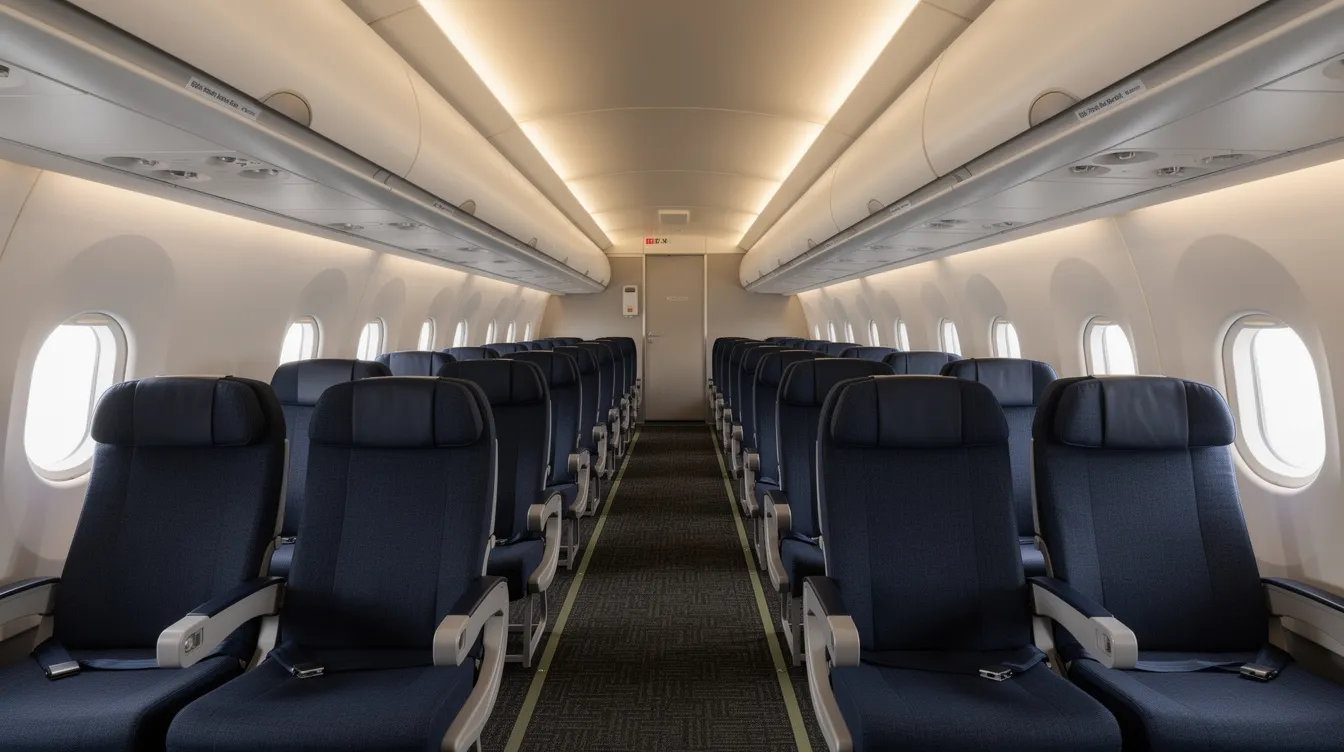
Smoking and vaping on planes are strictly prohibited worldwide due to safety and health concerns, with fines in the U.S. reaching up to $4,000 per violation and potentially exceeding $40,000 if it causes a flight diversion. Passengers caught smoking may face arrest, lifetime bans from airlines, and even criminal charges for interfering with crew members. While private jets may have varying smoking policies, most operators enforce strict non-smoking rules to protect cabin conditions and crew health. Travelers are advised to plan ahead, use nicotine alternatives, and confirm smoking policies before booking to avoid costly penalties and disruptions.
Jay Franco Serevilla
Jun 29, 2026
|
5
min read
View all
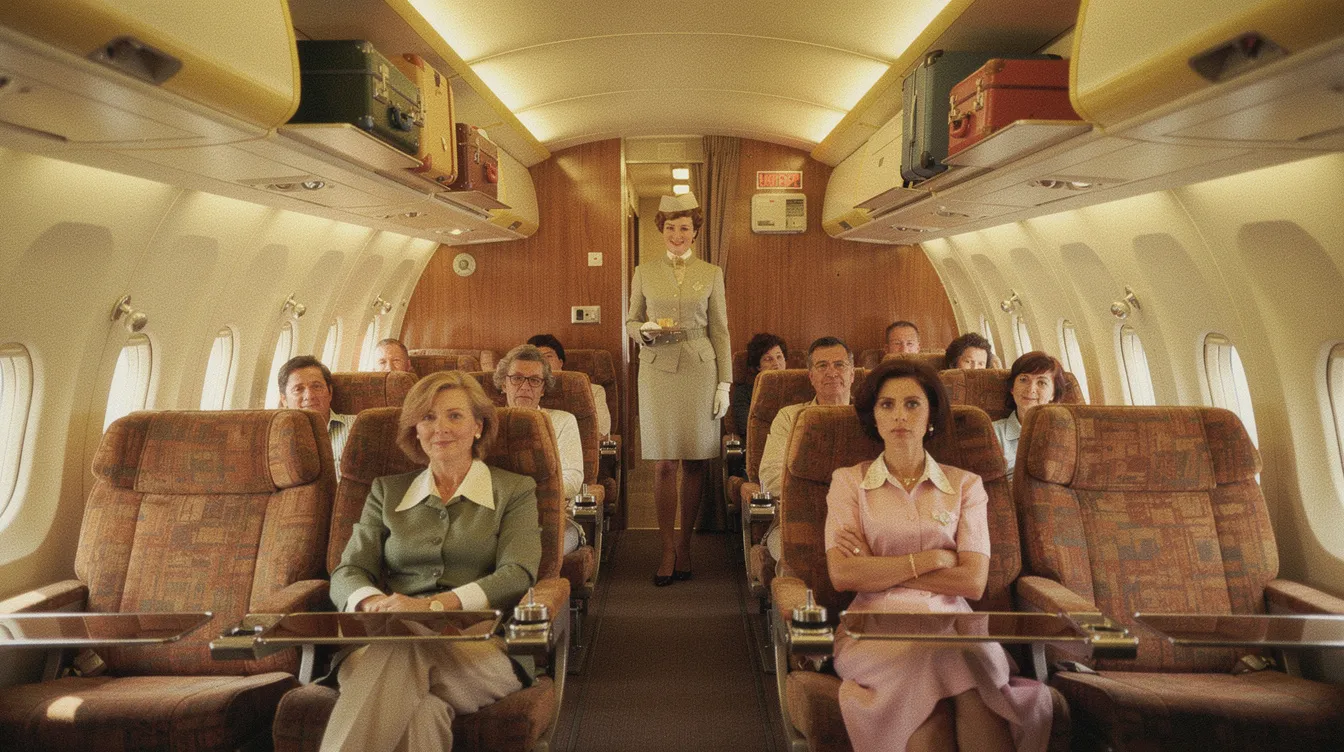
Smoking on airplanes has evolved from a common practice to a universal ban on commercial flights, implemented in the early 2000s due to health and safety concerns. While private jets may have varying smoking policies set by operators, many still enforce non-smoking rules to protect interiors and crew health. Violating smoking regulations can lead to significant penalties, including fines and potential legal action. Understanding these regulations is crucial for travelers to ensure compliance and a safer flying experience.
Jay Franco Serevilla
Jun 29, 2026
|
5
min read
View all
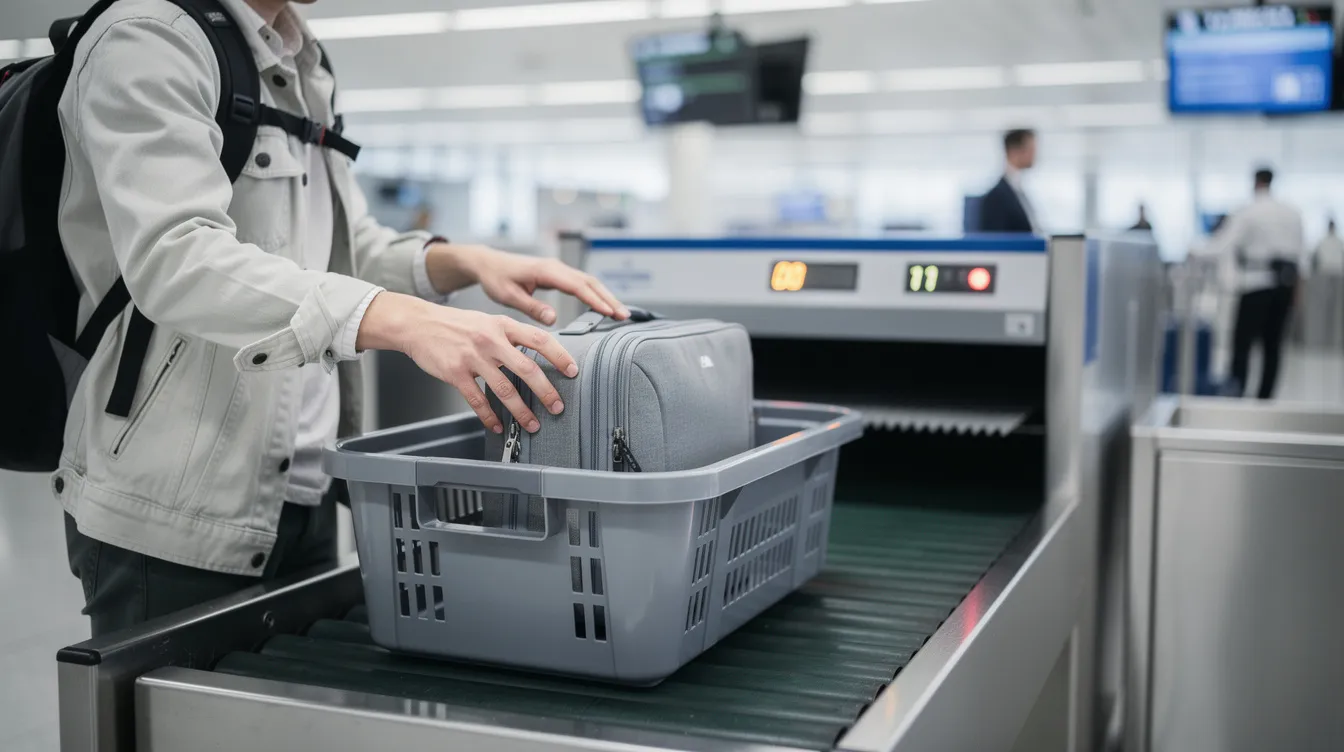
Cigarettes can be carried in both carry-on and checked luggage on most airlines, but smoking on commercial flights is strictly prohibited, with fines up to $4,000 for violations. While there are no domestic limits on the number of cigarettes for personal use in the U.S., international travel is subject to customs regulations, typically allowing around 200 cigarettes duty-free per adult, though this varies by country. Lighters, vapes, and other smoking accessories have stricter rules, often requiring them to be kept in carry-on luggage only. Private jet charters may allow smoking if permitted by the aircraft owner and operator, offering more flexibility compared to commercial flights.
Jay Franco Serevilla
Jun 29, 2026
|
5
min read
View all
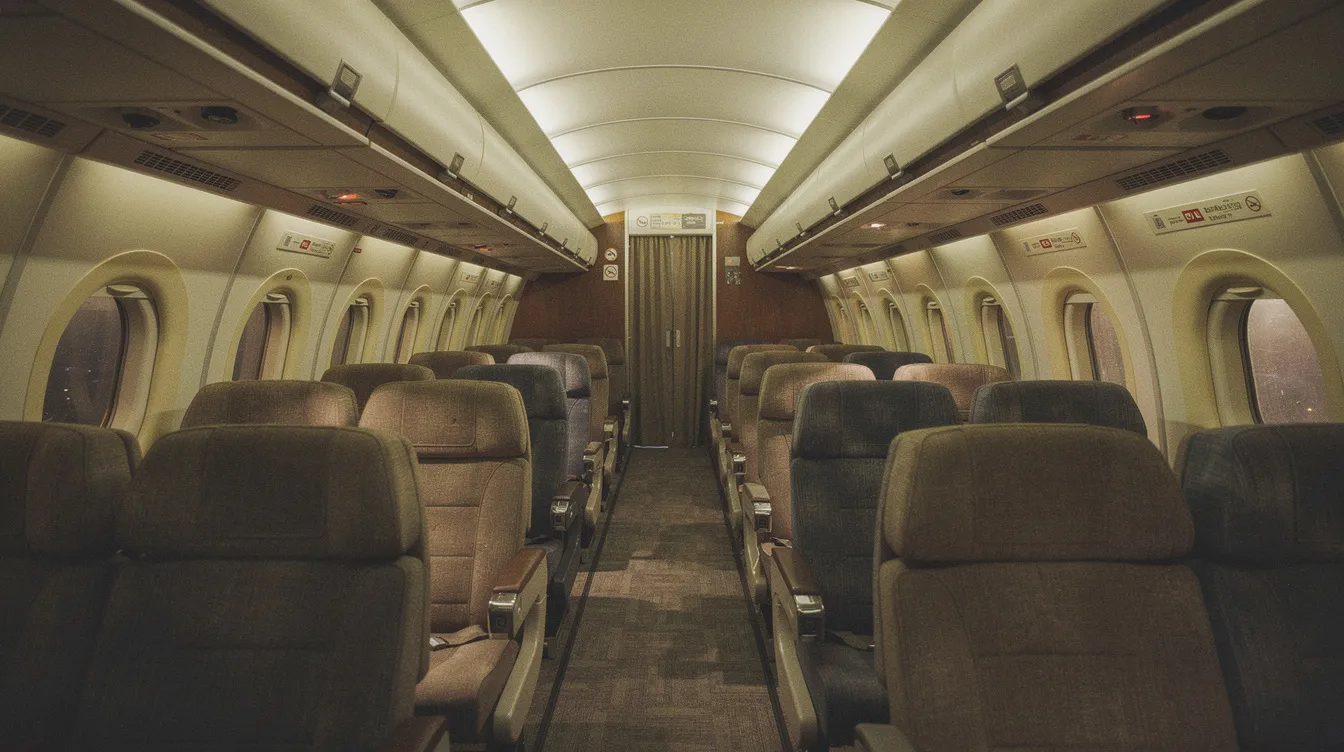
Smoking on U.S. airplanes was gradually banned, starting with domestic flights under two hours in 1988 and culminating in a complete federal ban on June 4, 2000. This movement was driven by health and safety concerns, particularly regarding secondhand smoke and fire risks, despite resistance from the tobacco industry. By the early 2000s, most commercial airlines worldwide had adopted similar smoking bans, leading to a universal expectation of smoke-free flights. Today, smoking and vaping are prohibited on nearly all commercial and private flights, reflecting a commitment to passenger safety and comfort.
Jay Franco Serevilla
Jun 29, 2026
|
5
min read
Explore our latest articles and updates.
5
min read
Learjet Private Jet: Comprehensive Guide to Models, Performance, and Charter Options
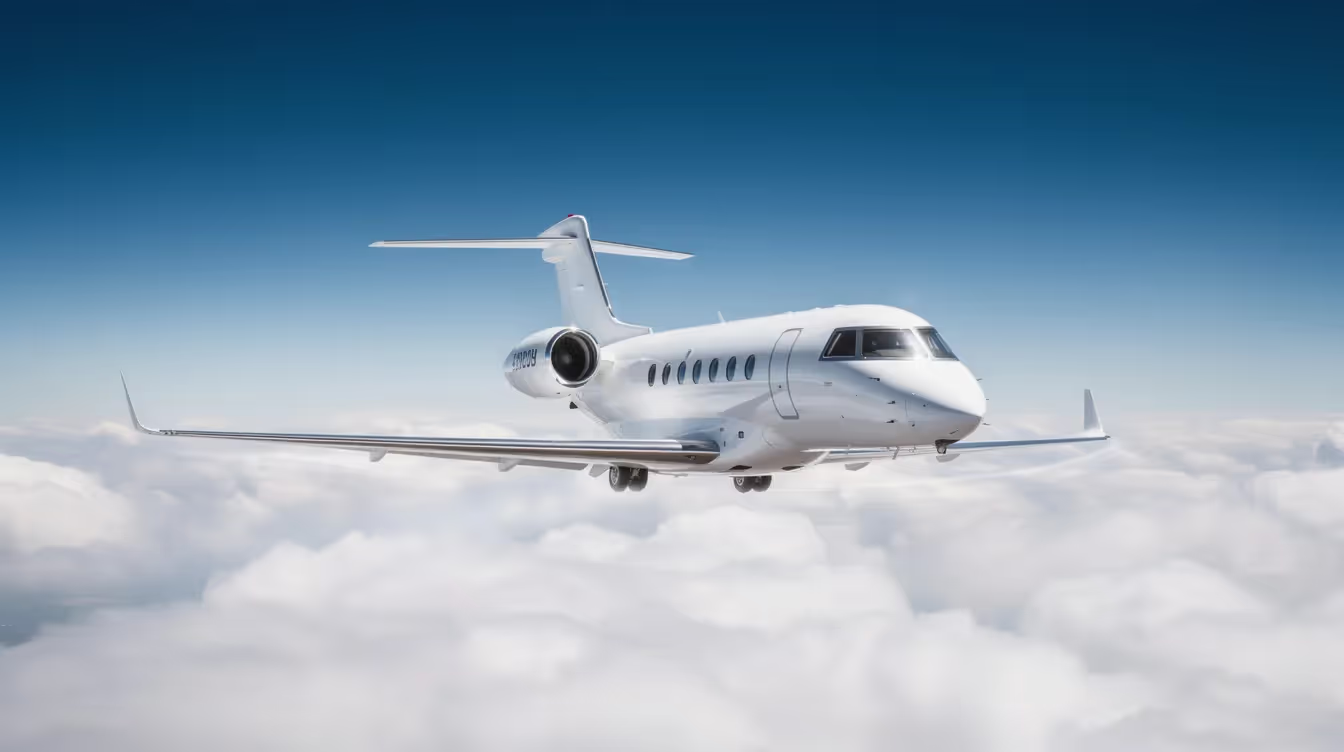
The Learjet private jet, a staple in business aviation since its first flight in 1963, is renowned for its speed, agility, and efficient cabin designs, with models like the Learjet 35, 45, 60, 70, and 75 available for charter. Although Bombardier ceased production in 2021, thousands remain active in global charter fleets, offering cruise speeds around Mach 0.80 and ranges between 1,900 and 2,800 nautical miles. Travelers can easily charter Learjets through platforms like Jettly, which provide transparent pricing and access to various models without the burdens of ownership. The Learjet's performance, cabin comfort, and operational flexibility make it an ideal choice for business trips, family getaways, and urgent travel needs.
Read More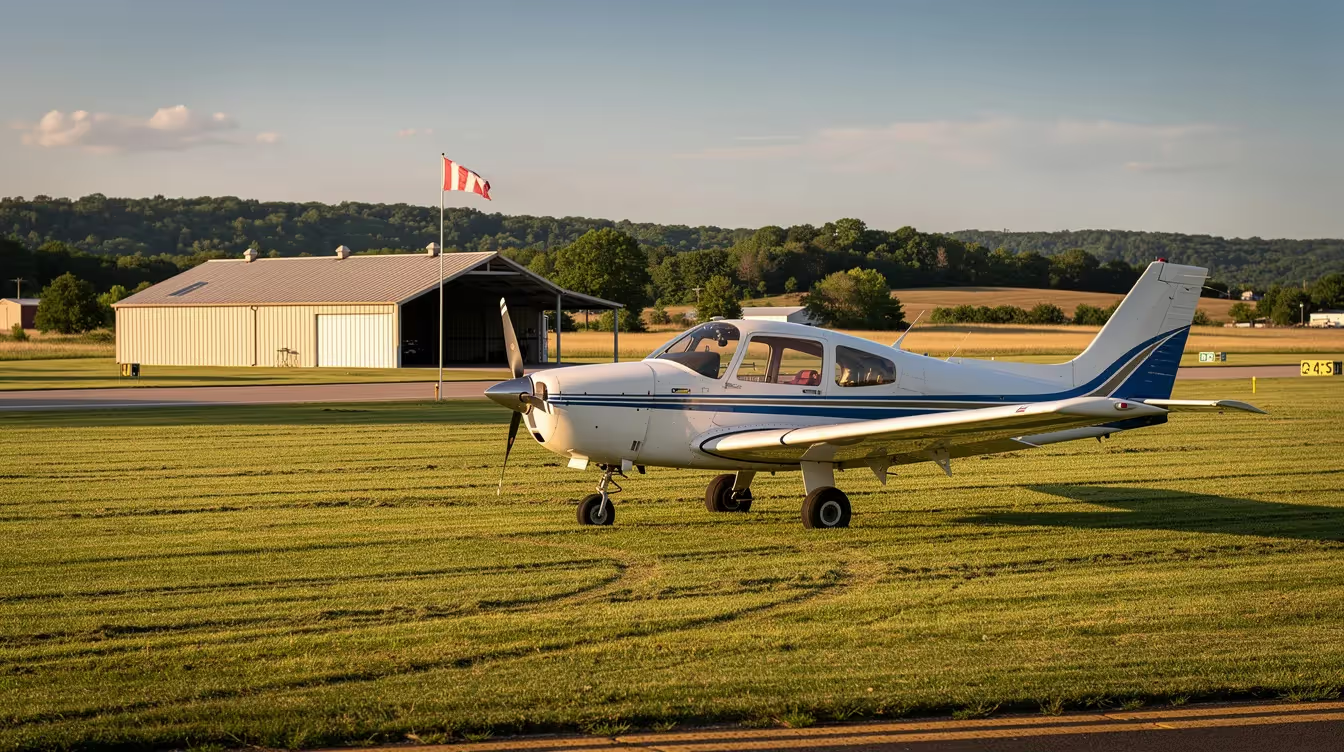
5
min read
How Much Is a Plane to Buy? (And When Chartering Makes More Sense)
The cost of buying a plane varies widely, with used two-seat trainers starting around $15,000 and new large business jets exceeding $75 million. Buyers must also consider ongoing expenses, which can equal or surpass the purchase price over time, including maintenance, fuel, insurance, and crew salaries, with annual operating costs often ranging from $500,000 to over $1 million. For those flying less than 150 hours annually, chartering through platforms like Jettly may be more cost-effective than ownership, as it eliminates asset risk and maintenance responsibilities. Ultimately, the decision between buying and chartering should be based on individual flying needs and financial considerations.
Read MoreJoin our community and receive the latest blog updates directly in your inbox.
MEMBERSHIPS AND ASSOCIATIONS



Disclaimer: Jettly operates as a charter broker, offering access to a global digital jet charter marketplace. Jettly is not a direct air carrier and does not own or operate aircraft. All advertised flights are conducted by third-party air carriers that are fully licensed and hold the appropriate Part 135 or Part 121 certifications issued by the Federal Aviation Administration (FAA) or equivalent regulatory authorities under U.S. or foreign law. Jettly complies fully with the U.S. Department of Transportation's Part 295 and Part 298 Charter Broker regulations. Jettly does not carry additional liability insurance. Passengers are covered by aircraft operator insurance. TICO: 50023770


