


Login
Get Instant Pricing On 23,000+ Aircraft

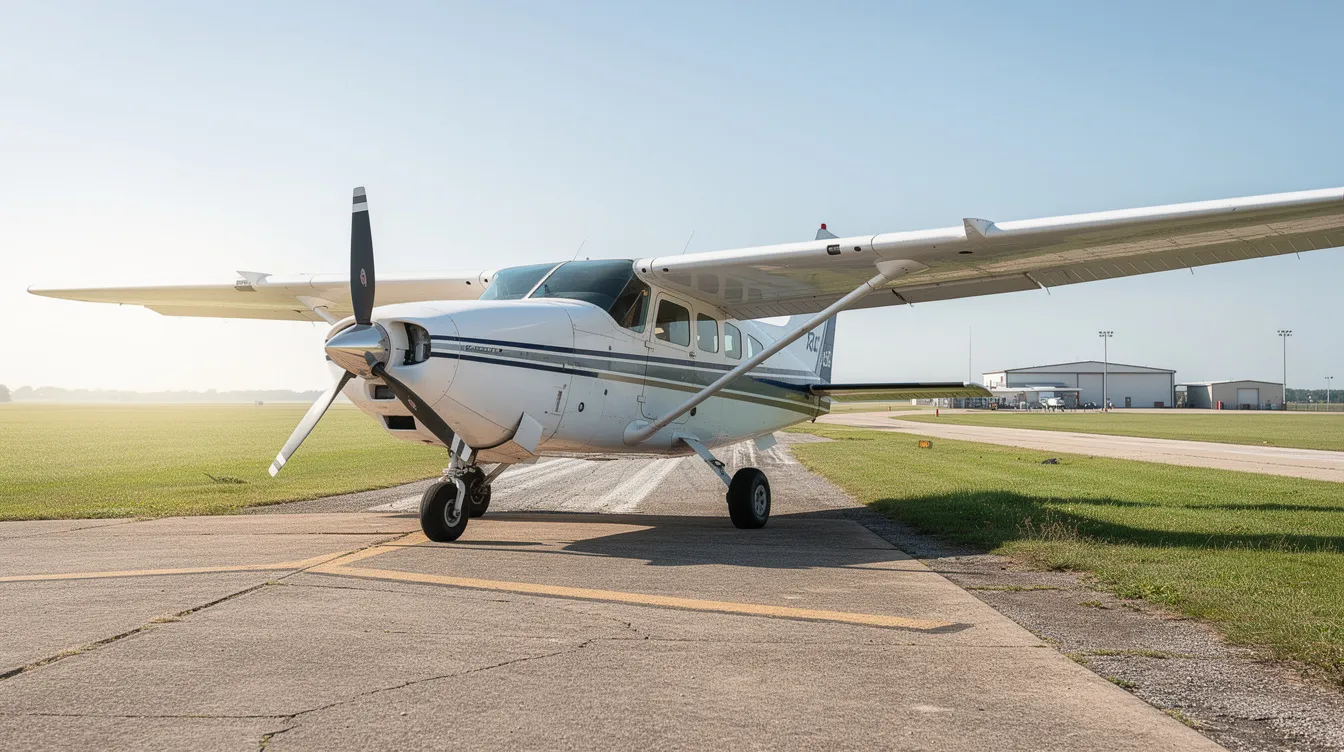
Cessna twin-engine aircraft have significantly influenced private aviation since the 1950s, offering models like the 310, 340A, and 421C that combine performance and safety. These versatile planes are ideal for charter, training, and personal use, providing enhanced operational flexibility and engine redundancy. This guide helps pilots and aviation enthusiasts understand the advantages and operational considerations of Cessna twin-engine aircraft.
Jay Franco Serevilla
Aug 12, 2026
|
5
min read


View all
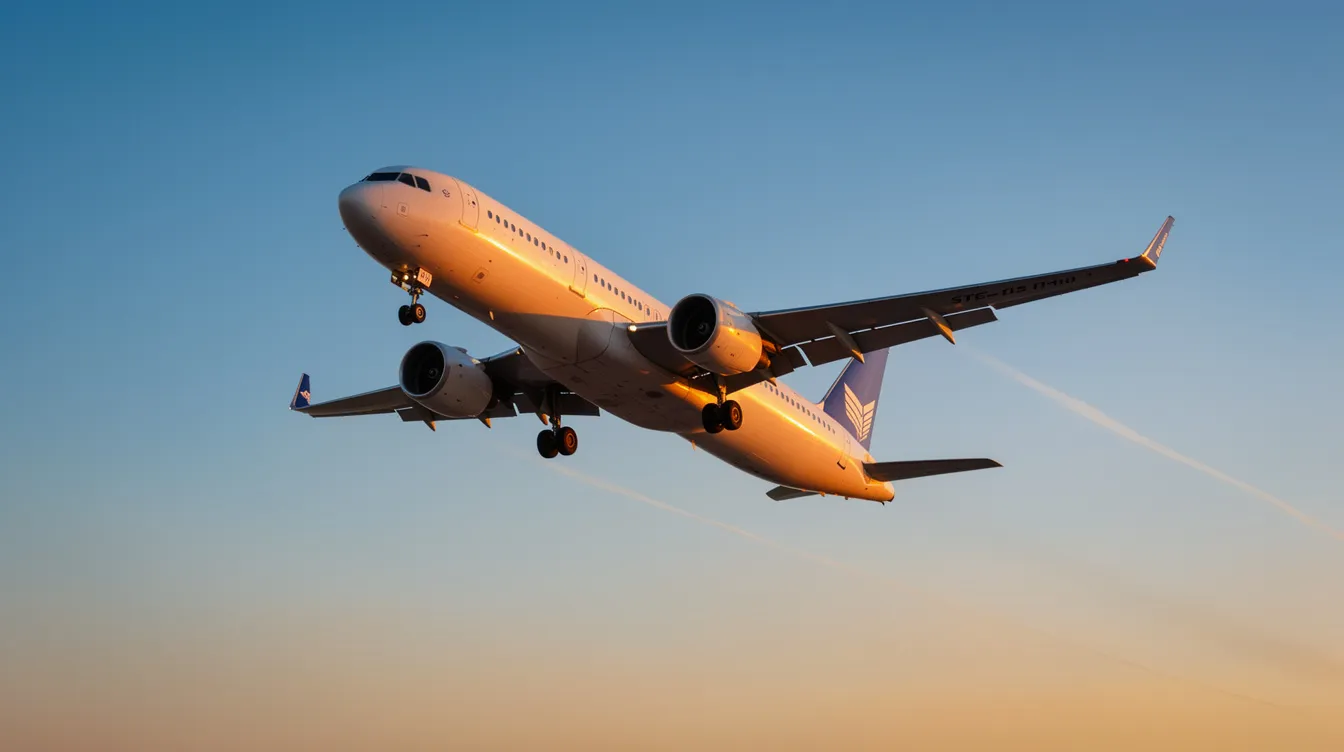
Booking flights at the right time can save you money, with domestic flights best booked 1 to 3 months in advance and international flights 2 to 8 months ahead. Understanding pricing dynamics and using tools like fare alerts can help you find the best deals. For those needing flexibility or last-minute travel, private jets may offer better value despite higher upfront costs.
Jeff Ryan Serevilla
Sep 26, 2026
|
5
min read
View all
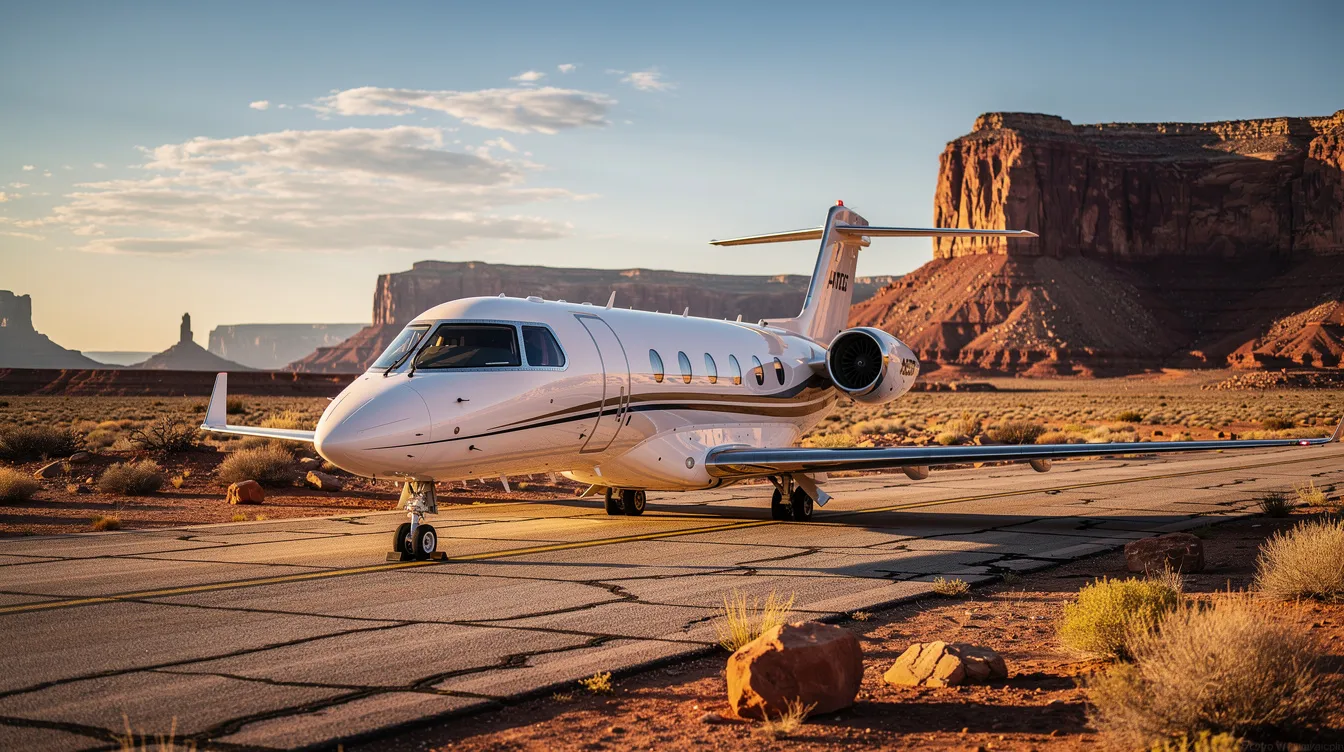
Traveling from Las Vegas to Arizona varies significantly based on your destination, with distances ranging from 35 miles to over 420 miles. Popular spots like the Grand Canyon and Hoover Dam are easily accessible, making for memorable day trips. Whether you choose to drive, take a guided tour, or fly privately, each option offers unique experiences and scenic views along the way.
Jeff Ryan Serevilla
Sep 26, 2026
|
5
min read

View all
Jet It, a fractional jet ownership company, ceased operations in mid-2023 due to financial and operational challenges, highlighting the risks of low-cost models in private aviation. Its collapse serves as a cautionary tale for potential buyers, emphasizing the importance of understanding costs and flexibility in private flight options. As a result, many customers are now turning to platforms like Jettly for more reliable and adaptable private aviation solutions.
Jay Franco Serevilla
Sep 26, 2026
|
5
min read
View all
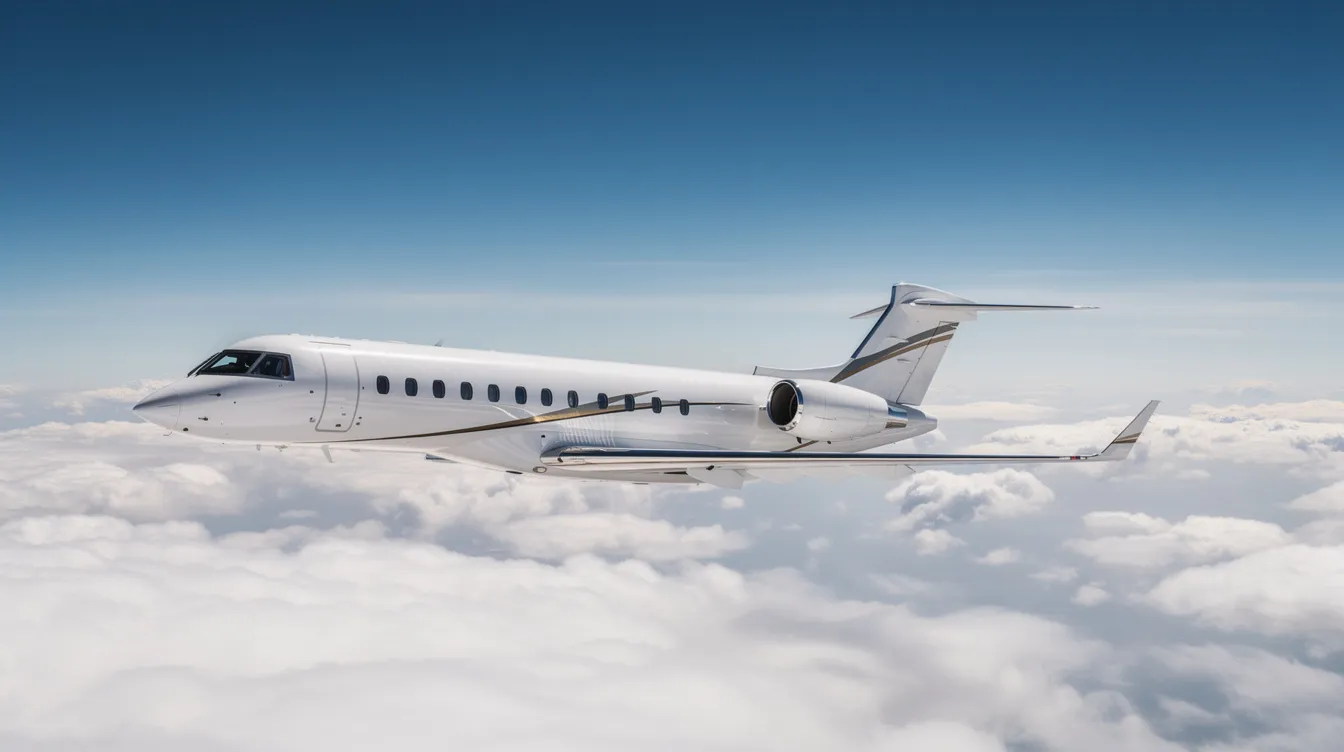
Hawker Beechcraft, a prominent name in private aviation, combined the legacies of Beechcraft and Hawker to produce a diverse fleet of business jets and turboprops. Although the company no longer exists, its aircraft continue to operate globally, supported by Textron Aviation. This guide explores the history, aircraft families, and charter options available through platforms like Jettly.
Jay Franco Serevilla
Sep 26, 2026
|
5
min read
View all
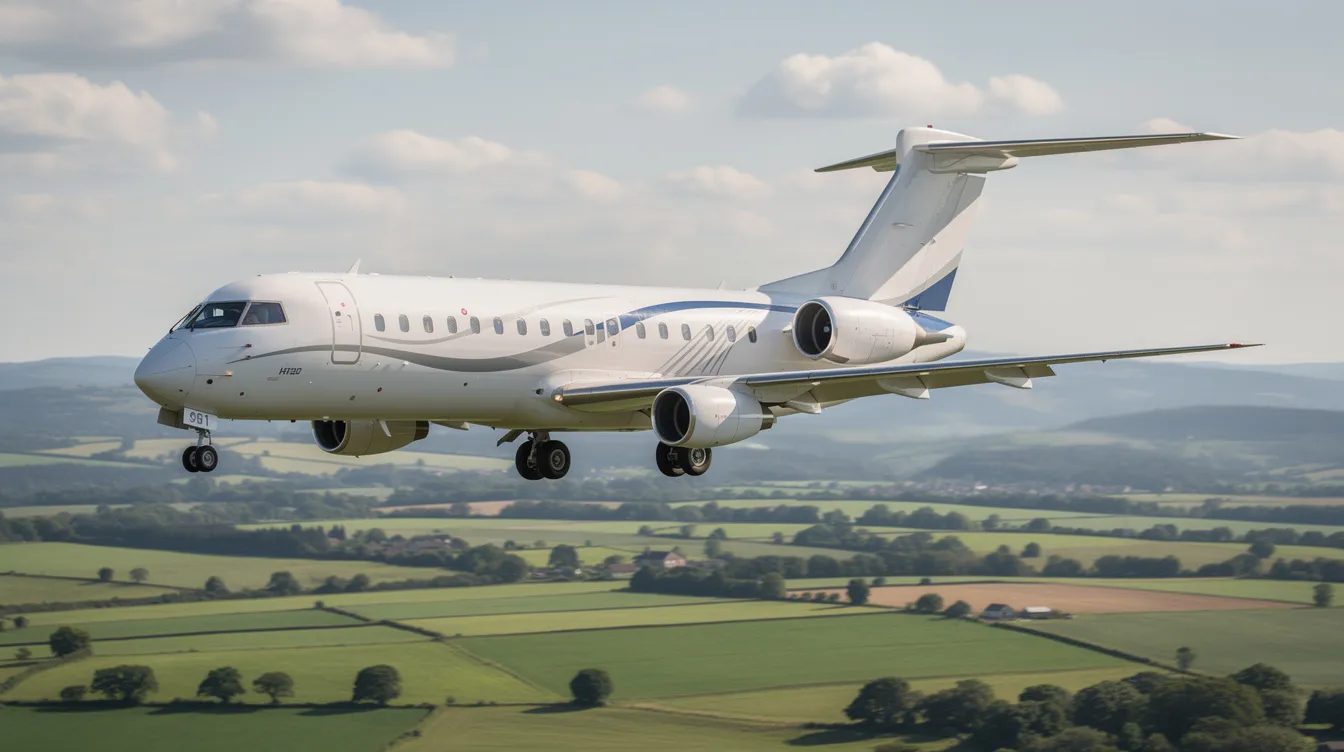
The British Aerospace BAe 146, known as the 'Whisperjet,' is a versatile regional jet designed for short runways and noise-sensitive airports. With a capacity ranging from 70 to 112 passengers, it serves various roles including passenger transport, cargo, and specialized missions. This guide provides insights into the BAe 146's history, design, operational capabilities, and charter options for travelers seeking access to challenging airports.
Jay Franco Serevilla
Sep 26, 2026
|
5
min read
View all
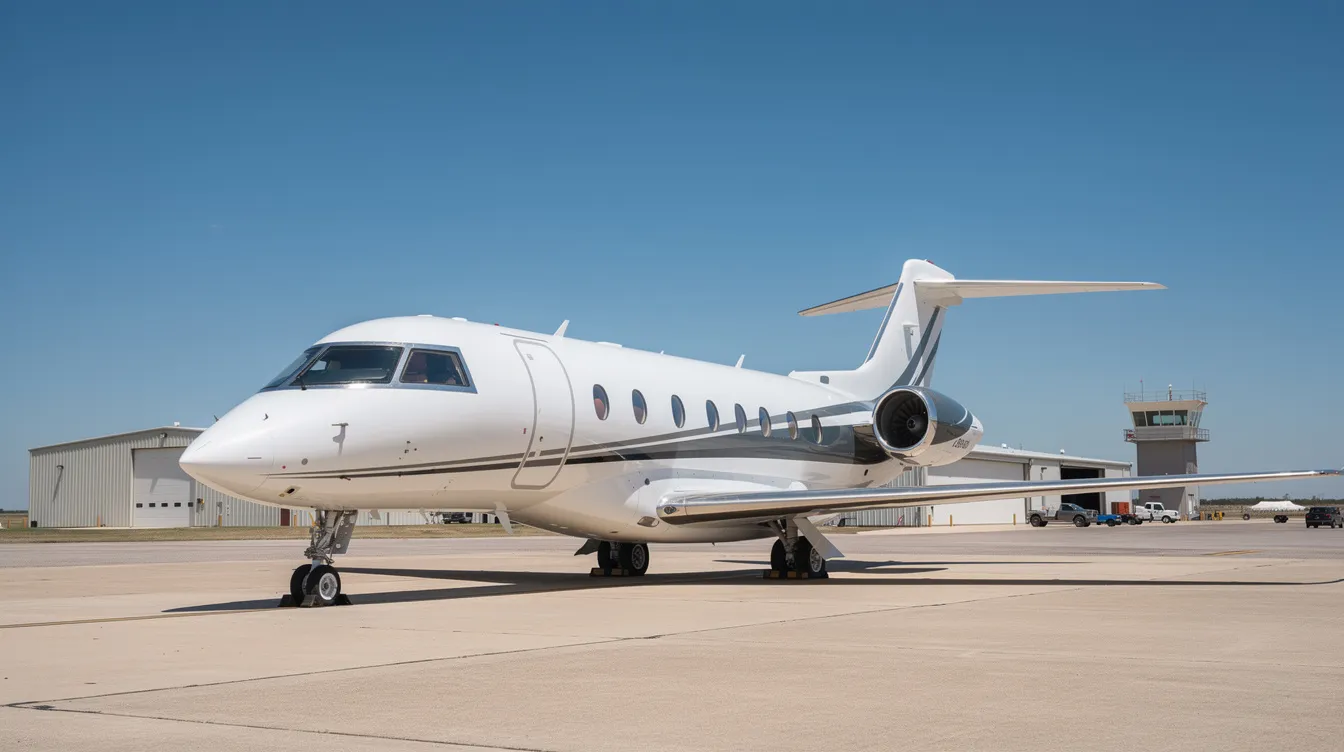
Trinity Jet is a leading Dallas-based private aviation operator, offering managed fleet solutions and a diverse range of charter aircraft. This guide explores Trinity Jet's operations, fleet, and how it compares to digital marketplaces like Jettly, which connects travelers to a broader network of charter options. With a focus on safety and efficiency, Trinity Jet provides tailored services for both business and leisure travel.
Jay Franco Serevilla
Sep 26, 2026
|
5
min read
Explore our latest articles and updates.
5
min read
What Days Are Best to Book Flights (and Fly) in 2026?
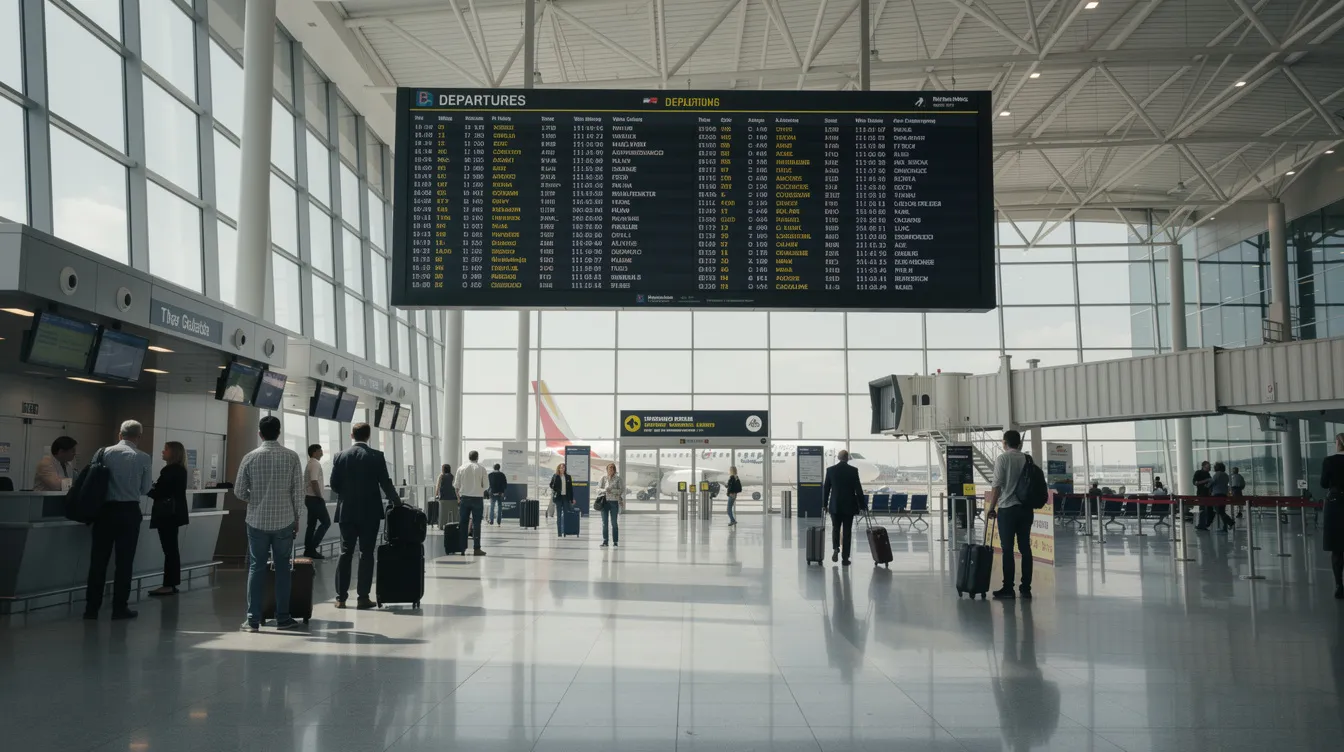
In 2026, Sundays are the best days to book flights, while Tuesdays, Wednesdays, and Saturdays are ideal for flying to save on domestic fares. Booking 1 to 3 months in advance for domestic flights and 3 to 6 months for international trips can lead to significant savings. Understanding these patterns can help travelers maximize their budget and enjoy more flexible travel options.
Read More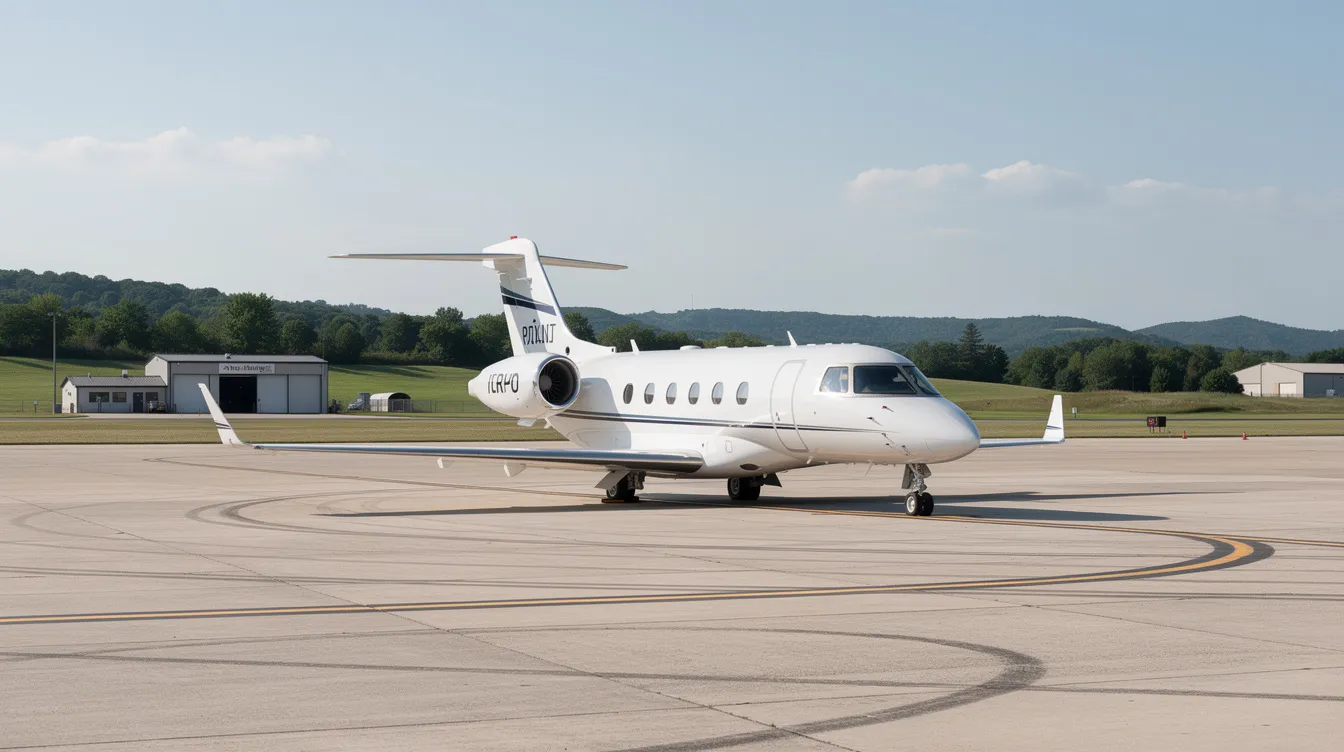
5
min read
Private Small Jet Price: What It Really Costs to Fly and Own Light & Very Light Jets in 2026
In 2026, the cost of flying private in small jets varies significantly based on factors like aircraft type and usage. Very light jets typically charter for $2,500 to $4,800 per hour, while light jets range from $3,500 to $7,000. Understanding the full scope of ownership and operational costs is crucial for making informed decisions about private aviation.
Read MoreJoin our community and receive the latest blog updates directly in your inbox.
MEMBERSHIPS AND ASSOCIATIONS



Disclaimer: Jettly operates as a charter broker, offering access to a global digital jet charter marketplace. Jettly is not a direct air carrier and does not own or operate aircraft. All advertised flights are conducted by third-party air carriers that are fully licensed and hold the appropriate Part 135 or Part 121 certifications issued by the Federal Aviation Administration (FAA) or equivalent regulatory authorities under U.S. or foreign law. Jettly complies fully with the U.S. Department of Transportation's Part 295 and Part 298 Charter Broker regulations. Jettly does not carry additional liability insurance. Passengers are covered by aircraft operator insurance. TICO: 50023770


