


Login
Get Instant Pricing On 23,000+ Aircraft


Private jumbo jets redefine luxury travel by offering unparalleled comfort, exclusivity, and convenience, allowing travelers to bypass commercial airline hassles and access remote destinations. These aircraft, such as the Boeing 747-8i and Boeing Business Jets (BBJ), feature spacious interiors customizable to individual preferences, complete with amenities like bedrooms, dining areas, and advanced technology. The demand for private aviation has surged among business leaders and celebrities seeking privacy and flexibility, with options for full ownership, fractional ownership, and charter services available to suit various needs. As the industry evolves, innovations in design and technology continue to enhance the luxurious experience of flying private.
Jay Franco Serevilla
Aug 21, 2025
|
5
min read



View all
The jet passport concept is revolutionizing private aviation by providing seamless access to over 20,000 aircraft through Jettly's digital platform. This innovative approach eliminates the complexities of ownership and traditional booking processes, allowing travelers to enjoy flexible and transparent private jet travel. With features like instant pricing and personalized profiles, Jettly makes flying private more accessible than ever.
Jay Franco Serevilla
Jul 11, 2026
|
5
min read

View all
As of July 2026, Jet Airways is not operating scheduled flights, leaving travelers to seek alternatives. Options include flying with other airlines like Air India or chartering private jets through Jettly, which offers access to over 20,000 aircraft. This guide provides insights on how to find and book flights, compare options, and understand pricing for private charters.
Jay Franco Serevilla
Jul 11, 2026
|
5
min read

View all
Flying on JetBlue provides travelers with a comfortable economy experience, featuring generous legroom, free Wi-Fi, and various fare options from Blue Basic to Mint. JetBlue's exclusive operations from JFK's Terminal 5 enhance convenience, while private jet charters through Jettly offer flexibility for complex itineraries. Combining both options can optimize travel plans for leisure and business travelers alike.
Jay Franco Serevilla
Jul 11, 2026
|
5
min read
View all
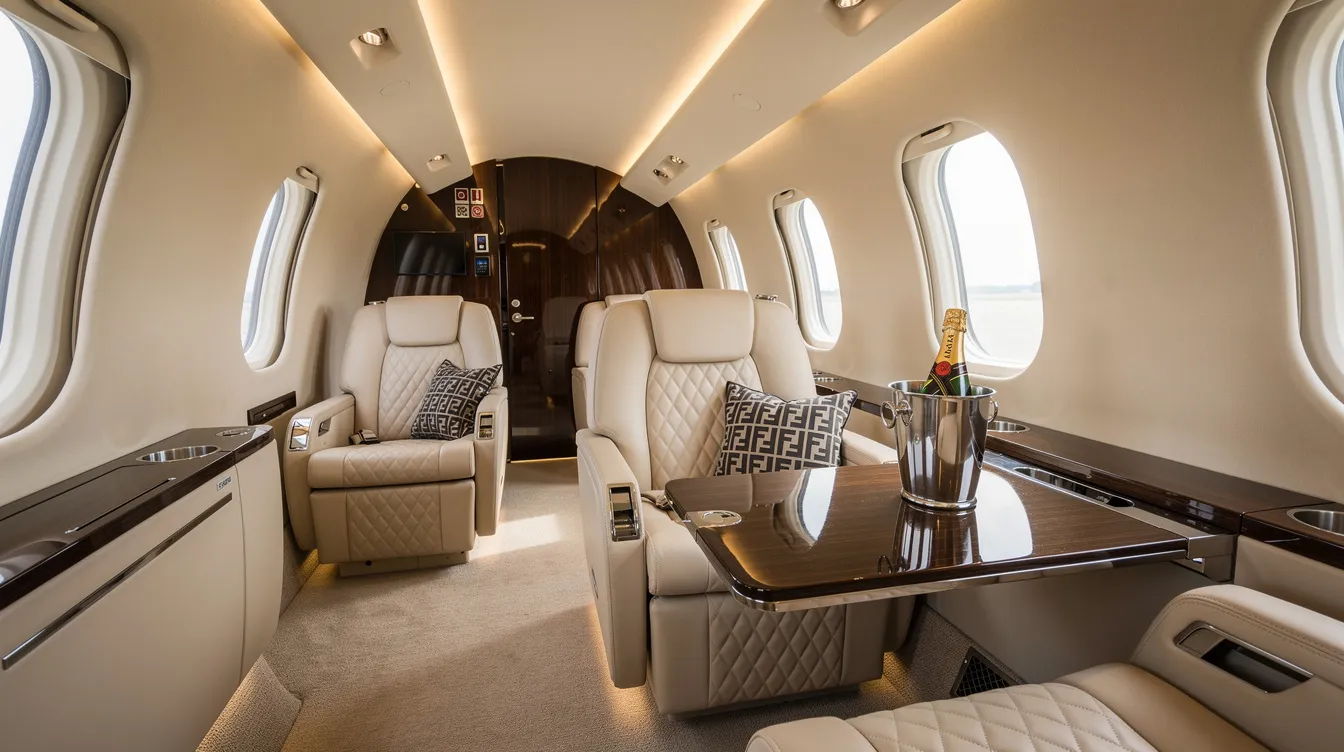
In 2026, the cost of luxury private jet travel varies significantly between chartering and ownership, with rental rates ranging from $2,000 to over $20,000 per hour based on aircraft type and route. Ownership costs start at around $2 million for older jets, escalating to over $75 million for new ultra-long-range models, with annual operating expenses typically 15-25% of the aircraft's value. Platforms like Jettly enhance transparency in pricing, allowing users to compare costs across 20,000+ aircraft and access discounts through empty-leg flights. For most travelers flying under 300 hours annually, chartering remains the more cost-effective option, while understanding the various fees and operational extras is crucial for accurate budgeting.
Jay Franco Serevilla
Jul 11, 2026
|
5
min read

View all
Private jet kitchens, or galleys, are designed to provide gourmet meals at high altitudes, varying significantly by aircraft size and capabilities. Unlike commercial aircraft, which serve standardized meals to large groups, private jets offer personalized dining experiences with flexible menus tailored to small passenger counts. The evolution of these kitchens has led to advanced facilities, including ovens and refrigeration, enabling multi-course meals even on shorter flights. Jettly's platform helps travelers select the right aircraft based on galley capabilities, ensuring that catering expectations align with the onboard kitchen's offerings.
Jay Franco Serevilla
Jul 11, 2026
|
5
min read

View all
Private jet parties are a rising trend for birthday celebrations, offering a unique experience that combines travel and venue into one. This guide outlines essential planning elements, including aircraft selection, budgeting, and onboard etiquette, ensuring a smooth and stylish event. Jettly, a digital private jet charter marketplace, provides access to over 20,000 aircraft, allowing for flexible scheduling and personalized experiences. Key considerations include safety regulations, guest behavior, and the importance of early planning to secure the desired aircraft and customizations.
Jay Franco Serevilla
Jul 10, 2026
|
5
min read
Explore our latest articles and updates.
5
min read
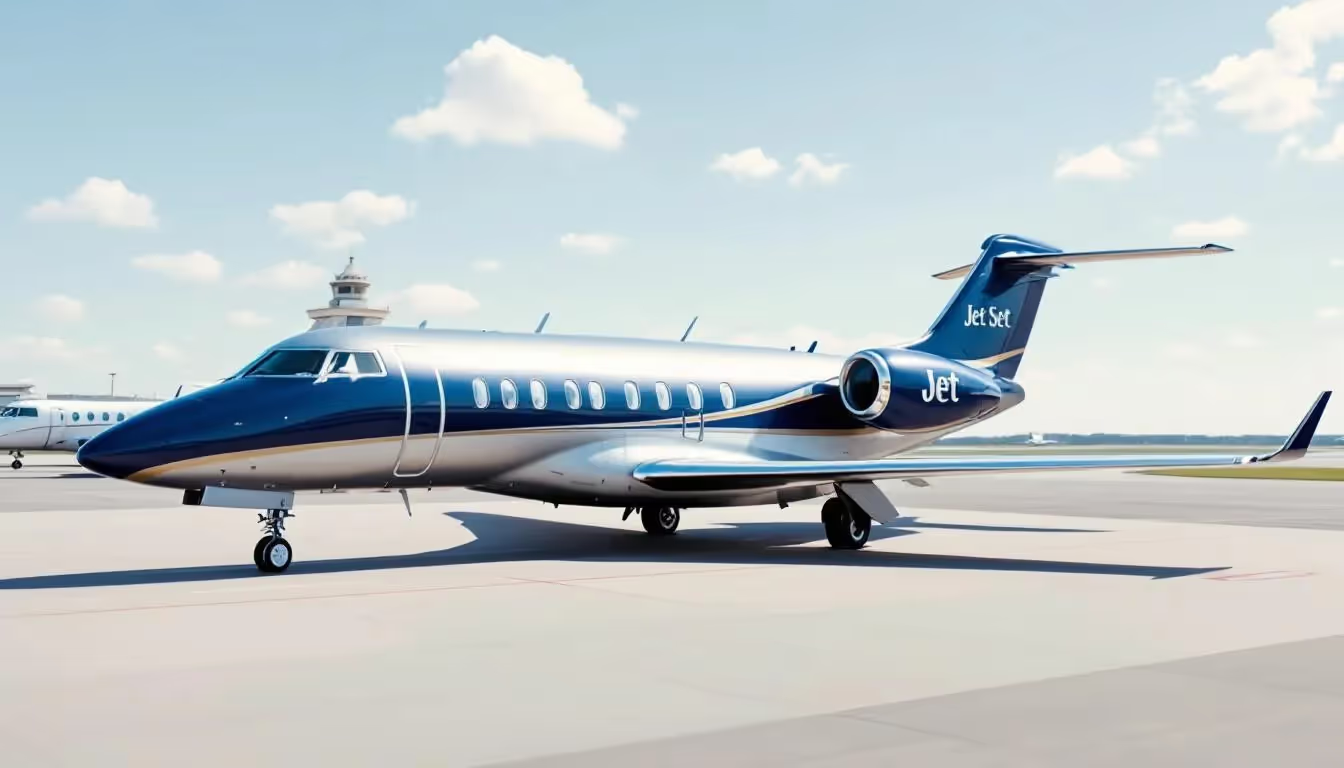
Top Choices for Jet Set Private Jets: Elevate Your Travel Experience
Jettly is a leading provider of private aviation services, offering luxury, convenience, and personalized travel experiences for business executives and leisure travelers. With a diverse fleet of aircraft tailored to various trip needs, Jettly ensures unmatched comfort, time-saving advantages, and access to remote locations. Their on-demand charter services provide flexibility and transparent pricing, while dedicated flight coordinators offer personalized support throughout the journey. Committed to safety and operational integrity, Jettly transforms private travel into a seamless and exceptional experience.
Read More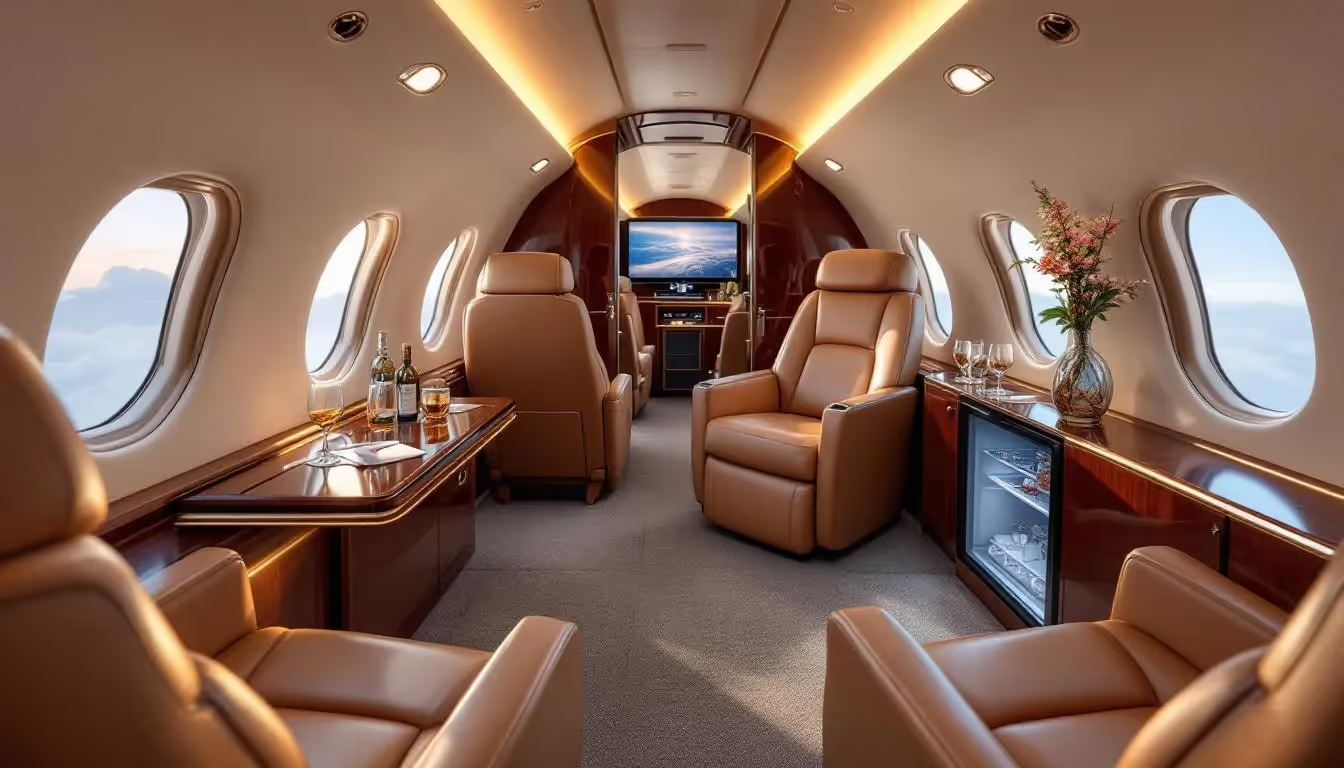
5
min read
Inside the 2 Million Dollar Private Jet: Luxury and Cost Breakdown
Investing in a $2 million private jet, such as the Cirrus Vision Jet, represents a lifestyle choice that offers luxury, convenience, and control over travel schedules. These jets are typically designed for regional flights, with limitations on transatlantic capabilities without modifications, and come with significant ongoing operational costs ranging from $100,000 to $200,000 annually. Buyers can customize their jets to reflect personal style, and advanced safety features like the Cirrus Airframe Parachute System enhance passenger security. For those who fly less frequently, alternatives like fractional ownership or charter services may provide better value without the responsibilities of full ownership.
Read MoreJoin our community and receive the latest blog updates directly in your inbox.
MEMBERSHIPS AND ASSOCIATIONS



Disclaimer: Jettly operates as a charter broker, offering access to a global digital jet charter marketplace. Jettly is not a direct air carrier and does not own or operate aircraft. All advertised flights are conducted by third-party air carriers that are fully licensed and hold the appropriate Part 135 or Part 121 certifications issued by the Federal Aviation Administration (FAA) or equivalent regulatory authorities under U.S. or foreign law. Jettly complies fully with the U.S. Department of Transportation's Part 295 and Part 298 Charter Broker regulations. Jettly does not carry additional liability insurance. Passengers are covered by aircraft operator insurance. TICO: 50023770


