


Login
Get Instant Pricing On 23,000+ Aircraft

>
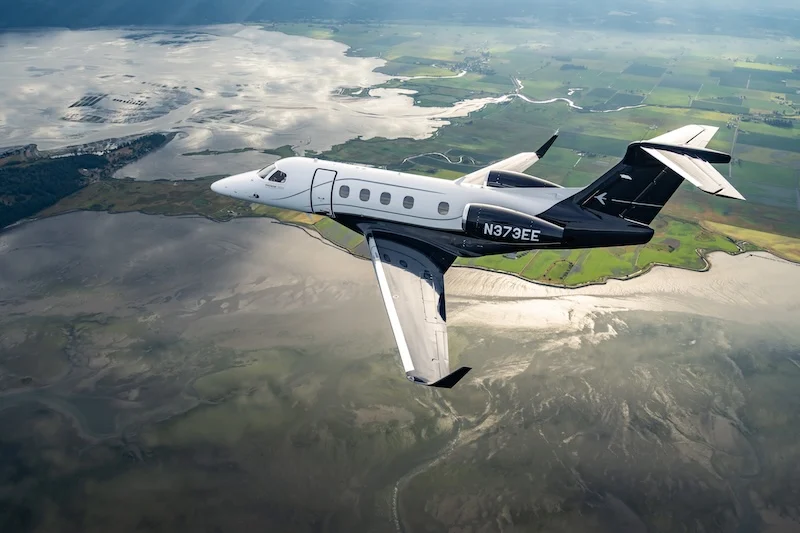
Many people believe that having a jet card means fully owning a jet personally, but there's no ownership involved at all. This is simply a card that consumers can purchase to fly a jet when they want.
The term "jet card" is often blurred with not only "full ownership," but also "fractional shares." Knowing the key differences between all three can enable people to choose the right product for their needs and know exactly what to expect from their purchases.
Jet cards can feel like ownership since they provide guaranteed or priority access to private aircraft, often with:
Many companies' marketing can also blur the distinction by emphasizing words such as "access," "membership," and "personalized aircraft services."
No, a jet card isn't the same thing as owning a private jet. The main distinction is that the former is a service arrangement while the latter involves an asset.
With jet cards, customers prepay for a defined amount of private-jet flying (typically measured in hours), and the provider arranges the aircraft and crew. The specific aircraft chosen may vary depending on availability, aircraft category, and operational requirements.
Full ownership is different because you purchase the aircraft itself and assume responsibility for its operation. That includes costs such as:
This means that one of the top private jet card benefits is access without asset ownership. Jettly describes jet cards as "ideal for travelers who fly privately several times per year and want a streamlined booking experience."
Another term often confused with "jet card" is fractional aircraft ownership. This represents an actual ownership interest in an aircraft or aircraft program; customers purchase a portion of an aircraft and get contractual rights to use it for a specified number of hours or days.
A jet card works differently in that you purchase access to private aviation rather than an ownership stake. Once your purchased jet card flight hours are used, you need to buy additional hours to continue flying.
This places fractional ownership right between jet cards and full ownership.
No, a jet card doesn't automatically create equity in a particular aircraft. The payment gives customers access to a defined aviation service rather than a proportional claim on an aircraft's value.
Here's a quick comparison of the three options:
Fractional ownership is considered a middle ground since clients don't have to bear the entire cost of an aircraft. The arrangement can provide more predictable access than traditional charters while giving participants an actual ownership stake.
Fractional ownership still involves financial commitments, though, and these don't necessarily apply to jet cards. Owners may face:
Full private jet ownership means purchasing an aircraft and taking responsibility for the asset. The owner has control over the aircraft, but is also subject to aviation regulations, any management arrangements, and costs associated with keeping it operational, such as private aviation tax implications. There are also:
The main distinction is control and responsibility. An owner possesses the aircraft as an asset and makes decisions about its management and use, while a jet card customer doesn't assume that same ownership burden.
Yes, and this is one reason why the distinction can become confusing. Jet cards can provide many experiences associated with private aviation, without requiring customers to own an aircraft. They include:
For some travelers, this is preferable, such as with someone who flies privately but doesn't want to manage crew, maintenance, hangar arrangements, or aircraft depreciation.
It depends on how frequently someone flies and how much value they place on consistent access to aircraft. For example, frequent private-aviation users find fractional ownership attractive because they receive an ownership interest alongside contractual access to aircraft.
Jet cards are more straightforward for those who want private flying, but don't want to be committed to an aircraft asset. They can also avoid some of the longer-term considerations associated with buying and eventually selling a fractional share.
Do note that neither option is automatically cheaper. The economics depend on:
The difference between the three is access, partial ownership, and complete ownership.
Each model also transfers different amounts of financial responsibility to the customer. For instance, jet card users avoid many ownership obligations, fractional owners share the economics and responsibilities of an aircraft program, and full owners assume the broadest range of costs, risks, and management decisions.
By understanding these differences, consumers can avoid the unrealistic expectations that marketing terminology creates.
A jet card gives customers access to aircraft, not ownership. There are also fractional shares available, which offer a good middle ground between the two options. Each choice has its pros and cons, which make them suitable for different types of travelers.
Jettly has over 20,000 unique aircraft available worldwide and various jet card programs available, from pay-as-you-fly to set hours (50, 100, 200) and unlimited flying.
Get in touch with us now if you're interested in getting a jet card. We can get you instant pricing.
Share this post:
Jay Franco Serevilla
Aug 18, 2026
|
5
min read
Discover tips and trends in the industry.
5
min read
Private World Tours by Private Jet: The Complete Guide
Private world tours by private jet offer a luxurious and flexible way to explore multiple destinations around the globe, typically spanning 19 to 26 days and visiting 8–12 locations. These tours provide fully customized itineraries, eliminating the hassles of commercial travel, such as layovers and long airport waits, while allowing travelers to focus on unique experiences tailored to their interests. Platforms like Jettly facilitate the planning process by offering access to over 20,000 aircraft and enabling bespoke itinerary design without long-term commitments. With dedicated expedition teams handling logistics and local guides providing insights, private world tours ensure a seamless and enriching travel experience.
Read More
5
min read
Jet Taylor Swift: Inside Her Dassault Falcon 7X, Costs, Controversy, and Charter Alternatives
Taylor Swift owns a Dassault Falcon 7X, a long-range business jet valued between $40 million and $58 million, with annual operating costs exceeding $3 million. The jet has attracted significant attention due to its environmental impact, as it was reported to have emitted 1,200 tonnes of CO2 in 2023, leading to public criticism and discussions about celebrity jet usage and climate responsibility. Swift's extensive touring schedule necessitates private air travel, and while ownership offers benefits like customization and privacy, platforms like Jettly provide flexible charter options that can be more cost-effective for occasional travelers. The article explores the jet's specifications, costs, and the ongoing debate surrounding private aviation's environmental footprint.
Read MoreStay updated with our latest insights and tips to elevate your journey with us.
MEMBERSHIPS AND ASSOCIATIONS



Disclaimer: Jettly operates as a charter broker, offering access to a global digital jet charter marketplace. Jettly is not a direct air carrier and does not own or operate aircraft. All advertised flights are conducted by third-party air carriers that are fully licensed and hold the appropriate Part 135 or Part 121 certifications issued by the Federal Aviation Administration (FAA) or equivalent regulatory authorities under U.S. or foreign law. Jettly complies fully with the U.S. Department of Transportation's Part 295 and Part 298 Charter Broker regulations. Jettly does not carry additional liability insurance. Passengers are covered by aircraft operator insurance. TICO: 50023770


