



Login
Get Instant Pricing On 23,000+ Aircraft

>
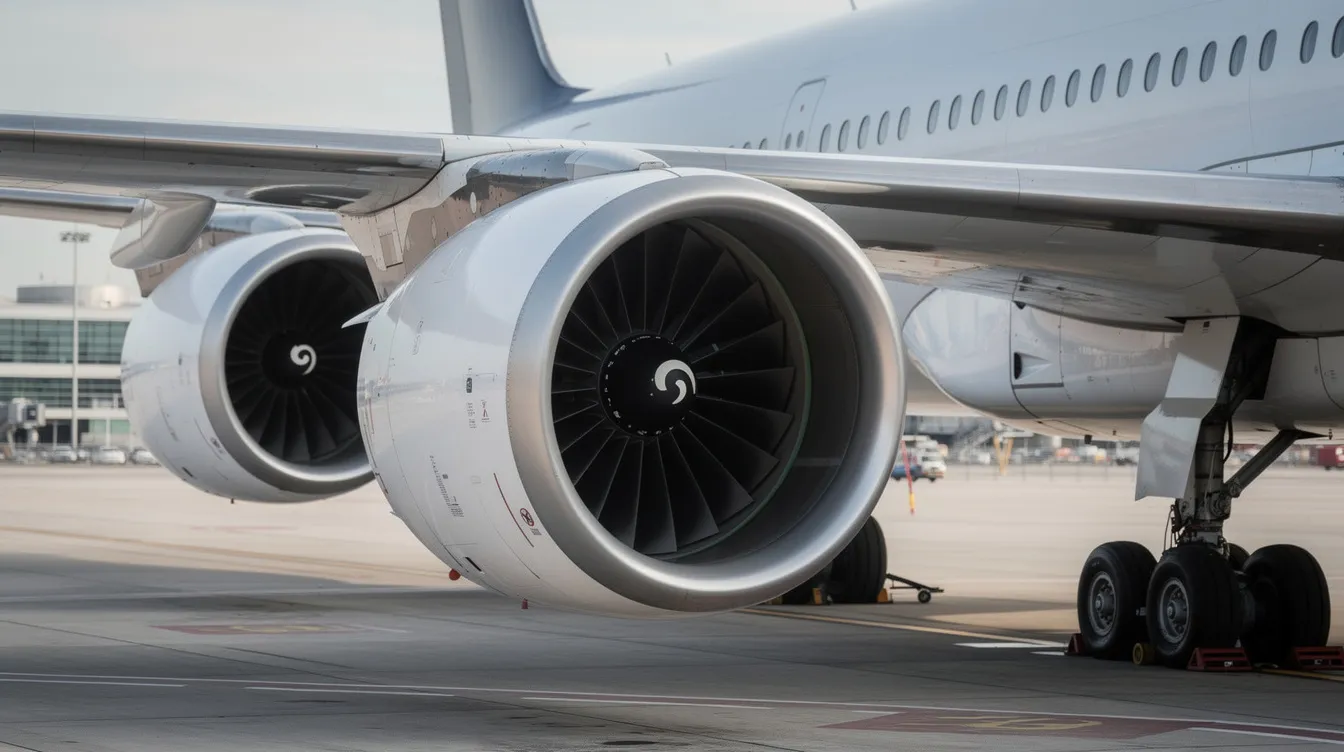
The Airbus A380 remains the largest commercial aircraft ever built — and one of the hardest to buy. With production over and fewer than a dozen airframes realistically on the market at any time, finding an A380 for sale in 2026 means navigating a small, opaque world of airline disposals, leasing company negotiations, and specialist brokers. This guide breaks down real pricing, operating costs, buyer profiles, and practical charter alternatives for organizations and travelers considering A380-class lift.
The Airbus A380 for sale market in 2026 is tiny, opaque, and dominated by airlines and lessors offloading retired or surplus frames. For most potential buyers, Jettly can provide charter access to large aircraft — including widebodies — without the capital risk and operational burden of ownership.
Only 251 Airbus A380S were ever built. By mid-2026, 180 to 190 remain in active or planned service, and fewer than a dozen A380S are typically listed for sale at any given time.
Used Airbus A380 prices range from $25 to $60 million in 2026 — a dramatic drop from the former $445 million list price — but operating costs of $40,000 to $55,000 per flight hour mean the purchase price is just the beginning.
Major operators like Emirates and Singapore Airlines still fly the aircraft on high-density, long-haul routes, while airlines such as Thai Airways and Lufthansa have stored or parted out their fleets.
For most organizations and UHNW individuals, chartering large commercial aircraft or heavy jets via Jettly is more practical than owning an Airbus A380 — chartering provides flexibility without long-term financial commitment.
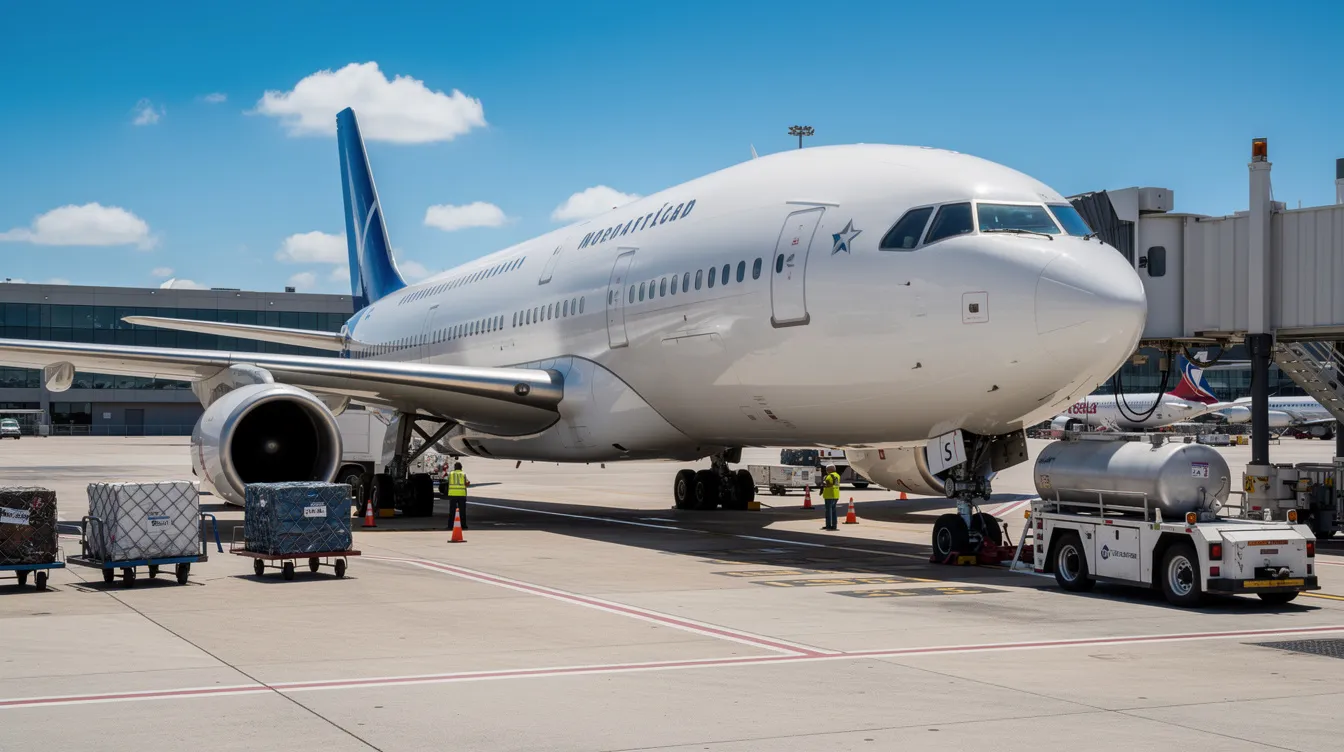
Airbus ended A380 production in December 2021, with the final airframe (MSN 272) delivered that same month. That means any Airbus A380 for sale in 2026 is a used, stored, or off-lease aircraft with a full operational history.
Of the 251 aircraft Airbus delivered between 2007 and 2021, roughly 180 to 190 A380-800s remain on airline books by mid-2026. The remainder have been scrapped, cannibalized for parts, or placed into indefinite storage. Active flying examples number closer to 160–165 when accounting for airframes parked for heavy maintenance.
Typical sellers include airlines that have retired the type - Thai Airways, for example, put its six ex-A380s up for sale in 2023, offering stored frames at Utapao on an "as is, where is" basis. Leasing companies that took back aircraft from carriers, along with specialized trading companies and asset-management firms, round out the seller side.
There is no new aircraft inventory. Every transaction involves a pre-owned commercial aircraft with a specific cabin configuration, engine variant, and maintenance status. A380 transactions often occur quietly through brokers rather than on public listing sites, so apparent online supply under-represents the true market.
The gap between original price and current market value tells the A380's story in a single number. Airbus's last published list price was approximately $445 million (2018), though airlines routinely negotiated discounts of 30–50%, putting effective new-delivery prices in the $220–$310 million range.
In 2026, second-hand A380S range from $21 million to $70 million depending on condition:
|
Condition |
Typical Price Range |
|---|---|
|
Stored, high-cycle, needs heavy checks |
$21M–$30M |
|
Mid-life, moderate hours, decent records |
$30M–$45M |
|
Late build, low cycle, strong maintenance |
$40M–$70M |
Concrete examples help calibrate expectations. Ex-Thai Airways A380s have been marketed around $27.5 million each. Frames from other carriers, including ex-Singapore Airlines aircraft, have traded in the $25–$35 million bracket depending on cabin configuration and engine condition. Cabin configuration impacts A380 resale value significantly - premium three-class layouts command higher prices than dense economy interiors.
Beyond the purchase price, financing rates for A380s typically range from $1.2 to $1.5 million monthly, and refurbishing an A380 interior can cost between $30 million and $50 million.
The A380 entered service in October 2007 with Singapore Airlines as the world's largest passenger version of any commercial plane. Peak orders came in the late 2000s, but Airbus announced program termination in 2019. The final delivery followed in December 2021.
Several forces crushed residual values. The limited operator base - never more than about 15 airlines - restricted the secondary market. High operating costs and expensive cabin reconfiguration deterred new entrants. Then COVID-19 grounded entire A380 fleets in 2020–2021, accelerating retirements.
Compared to the Boeing 747-400, which found a second life in freighter conversions, the A380 had no certified cargo variant. A380 resale liquidity is exceptionally low due to the shift towards twin-engine aircraft like the Airbus A350 and Boeing 787. Many operators prefer newer twin-engine jets over large quad-engine aircraft like the A380, and that preference continues to suppress values.
Some early adopters used sale-and-leaseback structures to offload residual-value risk, pushing more exposure into the leasing and asset-management sector — where losses have been substantial.
There is no "standard" price for a used A380. Every airframe is a one-off asset whose value hinges on technical and commercial details. Due diligence involves reviewing maintenance records and flight hours before any serious offer is made.
Key value drivers include:
Build year and cycles: Total flight hours matter, but pressurization cycles are often more critical because they drive structural fatigue. Proximity to major checks (C-check or D-check) can shift value by tens of millions.
Engine status: Whether the aircraft carries Rolls-Royce Trent 900 or Engine Alliance GP7200 engines, remaining time before overhaul, and life-limited parts status all factor in. Engine overhauls for A380 engines cost $10 million to $15 million each — multiply that by four engines and the number becomes significant.
Cabin layout: Premium three-class configurations with first-class suites generally command better prices than dense all-economy interiors.
Soft factors: Completeness of records, previous operator reputation, and existing lease or financing structures that a buyer must assume or unwind.
Many potential buyers evaluate an Airbus A380 for sale both as a flying asset and as a source of spare parts. A large segment of the A380 market focuses on part-out economics due to high component value.
Serviceable engines, landing gear shipsets, APUs with current avionics, and high-value structural components can recover tens of millions of dollars. For older, high-cycle aircraft, higher value recovery can be achieved by parting out A380 components than by returning the plane to revenue service. This dynamic effectively sets a price floor.
Reactivation after long-term storage - particularly in humid or coastal facilities - can cost many millions in inspections, corrosion repairs, ADS-B compliance updates, and regulatory certification work. That cost heavily influences buyer decisions.
Emirates, for example, has acquired retired A380s specifically to harvest parts for its active fleet of 116 airframes. Other investors follow the same playbook: buy cheap, strip strategically, and supply airlines like British Airways and Qantas with components that are increasingly scarce now that production has ended.
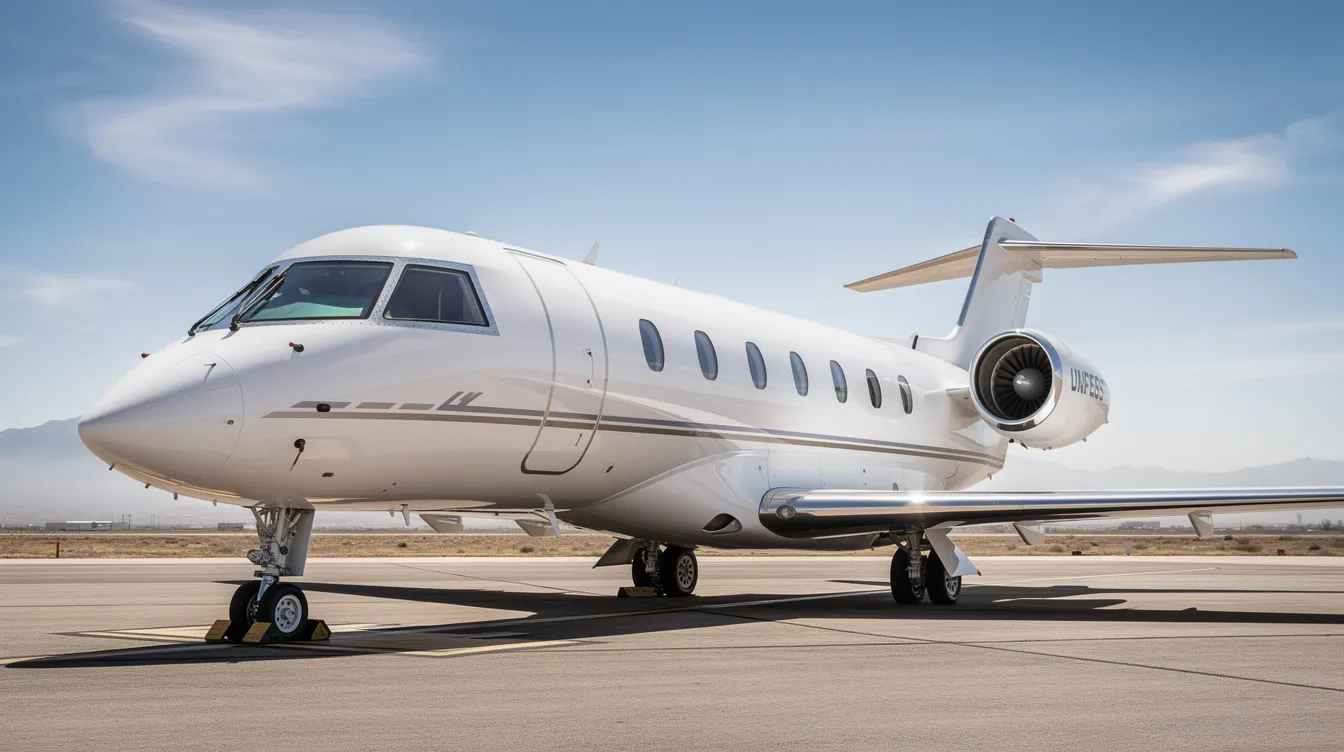
While acquisition prices have fallen dramatically, operating costs have not. This is the main barrier for any private owner or niche operator considering the type.
A380 operating costs range from $40,000 to $55,000 per flight hour in 2026 dollars, covering fuel, crew, maintenance reserves, and airport fees. Savvy travelers sometimes mitigate these expenses on smaller aircraft by booking empty leg flights, but this type of optimization is far more difficult at A380 scale. Here is how the major line items break down:
|
Cost Category |
Estimate |
|---|---|
|
Fuel burn |
11 to 13 tonnes per hour (~4,600 gallons) |
|
Crew |
20–30 members (3–4 pilots, 18–24+ cabin crew) |
|
A-check |
$50,000–$100,000 |
|
C-check |
$5 million–$10 million |
|
D-check |
$20 million–$50 million |
|
Engine overhaul (per engine) |
$10 million–$15 million |
A single D-check or a set of four engine overhauls can rival the entire purchase price of a business jet. For comparison, a Gulfstream G650 costs about $15 million used - roughly what one A380 engine overhaul runs.
Any prospective A380 owner needs a detailed multi-year operating-cost model and robust traffic demand, not just access to purchase funding. Acquisition of an A380 involves evaluating multiple factors including operational costs and market liquidity, and many prospective clients begin with a private jet charter cost estimator before deciding if outright ownership is justified.
A380 operations are constrained by airport infrastructure and increasingly by environmental regulations. Only about 80 airports worldwide can accommodate the Airbus A380, requiring Code F stands, widened taxiways, and reinforced pavement for its maximum takeoff weight of 575 tonnes.
The aircraft requires specific airport infrastructure, including wide taxiways and dual-jet bridges. Ground handling is more complex: more crew, larger fueling operations, and higher landing and parking fees that can add tens of thousands of dollars per long-haul turn. A major challenge for A380 operators is the limited availability of specialized infrastructure at airports, particularly outside major hubs like London Heathrow and New York JFK, so evaluating routings with an airport locator tool becomes essential for planners considering A380-class lift.
Environmental pressures add another layer. The A380's four engines produce higher absolute CO₂ emissions per flight than twin-engine alternatives, and tightening carbon-pricing schemes in Europe and elsewhere increase the ongoing cost of operations. The aircraft's per-seat efficiency is competitive when full, but the absolute emissions footprint complicates corporate ESG narratives for would-be owners - whether airlines, governments, or private operators.
The A380's defining feature is its massive double-deck cabin. The A380 features a double-deck layout with 550 square meters of cabin space — more usable floor area than any other aircraft in service.
Typical three-class layouts accommodate 469–555 passengers, while the A380 can carry up to 853 passengers in a single-class layout. In practice, most airlines configure the aircraft for 400–600 passengers, while private jets carry 10–19. The A380's wingspan measures 79.75 meters, its cruise speed is near Mach 0.85, and its range is approximately 8,000 to 8,500 nautical miles — enough to fly nonstop from Europe to South America or across the Pacific.
Premium interiors from Emirates (onboard showers, first-class suites), Singapore Airlines (floor-to-ceiling suites), and Qatar Airways set the standard for widebody airliners. Unlike smaller aircraft that might need auxiliary fuel tanks for range increase on ultra-long missions, the A380 achieves intercontinental reach with standard tankage.
VIP or head-of-state conversion is technically possible — and some governments, including the German Luftwaffe's transport fleet, have evaluated large Airbus aircraft for presidential missions where a president delivered a specific request for outsized capacity. But full VVIP conversions easily exceed $100–$200 million and take 18–36 months. For most private buyers, Airbus corporate jets such as the Airbus ACJ TwoTwenty deliver VIP comfort at far lower cost, especially when paired with flexible private jet memberships that allow access to a wide range of aircraft without full ownership.
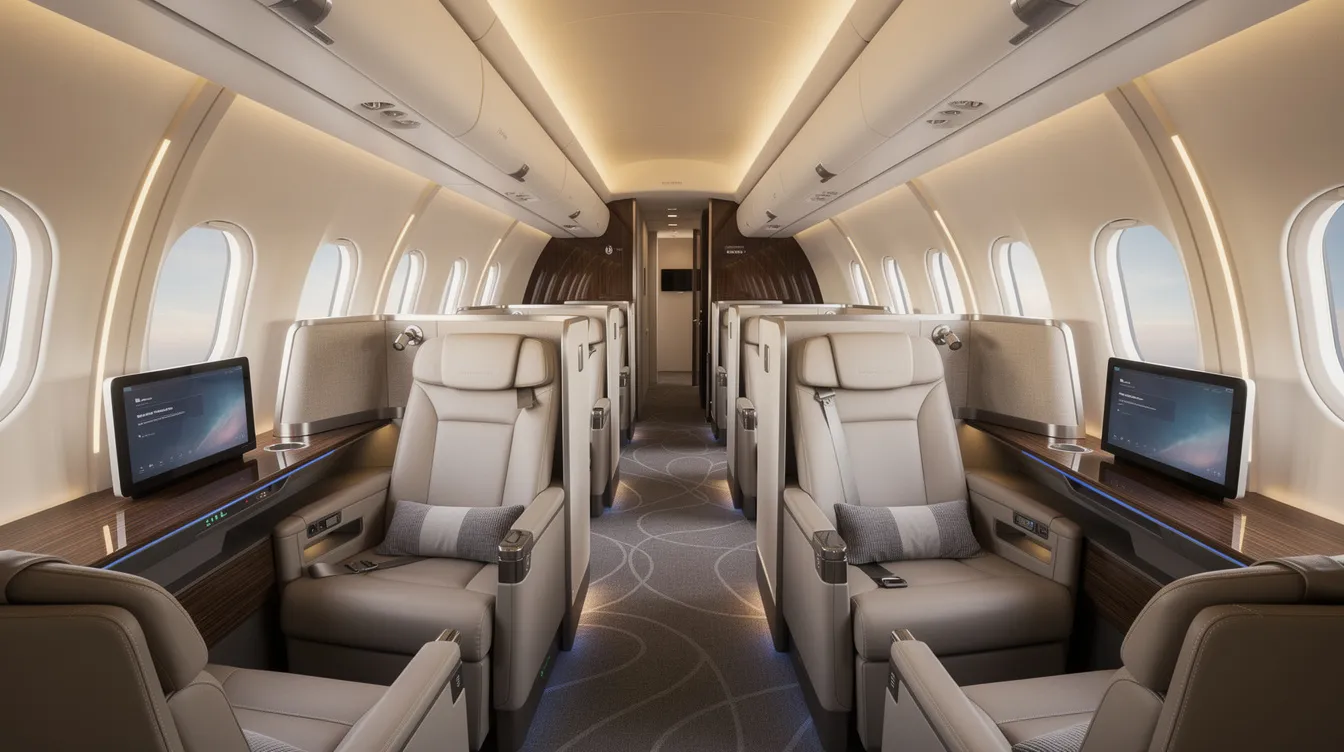
Despite public fascination, genuine A380 buyers are a small and specialized group. Buying an A380 is typically reserved for major airlines, specialized charter operators, or wealthy individuals with very specific use cases.
Realistic buyer categories include:
Large network airlines operating slot-constrained hubs where per-seat cost matters (Emirates, which plans to fly A380s into the 2040s)
ACMI and wet lease operators focused on Hajj, Umrah, or event traffic where capacity demand spikes seasonally
Government and head-of-state fleets seeking symbolic, high-capacity aircraft
Part-out investors acquiring retired frames to supply the remaining active fleet
Private individuals almost never proceed beyond feasibility studies. A380 ownership requires extensive crew and airport infrastructure, and fixed costs relative to actual flying hours are difficult to justify. Acquiring an A380 involves significant regulatory and certification requirements based on intended operation.
Transacting A380 sales often involves specialized aircraft brokers and leasing companies, coordinated with legal teams, technical consultants, financiers, and insurance specialists over many months. For most potential buyers, chartering makes more sense than purchasing, and leveraging broad private charter aircraft options allows them to match capacity more closely to actual demand.
Anyone running a search for "A380 for sale" online will find very few public listings. Finding an A380 for sale typically requires engagement with specialized entities rather than retail platforms.
Typical sale channels include direct negotiations between airlines and lessors, specialist widebody brokers (including firms like CSDS Aircraft Sales and similar aircraft listing specialists), and targeted requests for proposals to vetted buyers. Detailed information - exact MSN, maintenance status, interior description, specifications - often requires non-disclosure agreements and proof of funds before being released.
Some online marketplaces show generic Airbus A380 aircraft listing pages with no active available aircraft, serving more as lead-capture tools than genuine inventory displays. Serious inquiries should go through experienced aviation advisors.
For clients and travelers who want access to large-capacity lift without the complexity, on-demand charter through platforms like Jettly is a more practical path. Learn more about how to charter a plane through Jettly's digital booking tools.
Jettly operates as a digital charter broker and global marketplace, connecting travelers with certified third-party operators across more than 20,000 aircraft - from turboprops to heavy jets and commercial airliners, sitting alongside many of the best private jet charter companies that serve global premium travelers.
Realistic use cases for A380-class charter include transporting 400+ passengers for major sports events, corporate incentive trips, or religious pilgrimages where a single large plane is more efficient than multiple smaller ones. A380 charter rates can exceed $300,000 per flight, depending on route, season, and configuration.
Chartering avoids high maintenance and operational costs of ownership. By contrast, private jets can access around 5,000 airports worldwide, offering far more route flexibility than the A380's limited airport footprint.
Jettly's marketplace breadth means the platform can "right-size" the lift — recommending an A321, Boeing 777, or Airbus A350 charter instead of an A380 when that better fits the mission. Jettly's instant-quote tools, transparent pricing, and membership options let organizations model trip-by-trip costs easily before deciding whether ownership of any aircraft makes sense. In many cases, Jettly's focus on affordable private jet charter helps clients unlock A380-class experiences at far lower overall cost. Explore private jet charter cost comparisons on the platform.
For most buyers, more efficient widebodies or Airbus corporate jets provide better economics than an A380. The aircraft sales market offers several compelling alternatives.
Modern Airbus commercial aircraft like the A350-900/1000 and A330neo deliver lower fuel burn, two-engine simplicity, and stronger lease and resale markets. Airlines worldwide are building routes around these models rather than the quad-engine A380, with efficient long-haul options such as the Airbus A330-300 often preferred for charter and scheduled services.
Airbus Corporate Jets products - including the Airbus ACJ TwoTwenty, ACJ319neo, and ACJ320neo - accommodate 8–25 passengers with intercontinental range at far lower operating costs. For personal or corporate missions, these are the only aircraft in Airbus's lineup that make sense for a private owner.
Ultra-long-range business jets like the Gulfstream G700, Bombardier Global 7500, and Dassault Falcon 10X offer typical hourly operating costs in the $7,000–$15,000 range — a fraction of the A380's $40,000–$55,000 per hour. Prospective users comparing these categories benefit from guides to affordable airplane rental costs and options before committing to any specific platform or aircraft type.
Jettly allows travelers to access heavy jets, long-range aircraft, and even regional airliners on demand, achieving similar comfort and nonstop capability without tying up capital. For those considering selling a jet and switching to charter, the math often works strongly in favor of on-demand access, especially when leveraging crowdsourced private jet flights and shared empty seats to improve utilization.
This FAQ addresses common questions not fully covered above, focusing on practical concerns for prospective buyers and charterers.
While about 250 A380s were built, only a small single-digit number are actively marketed at any time, with a few more quietly offered through brokers or lessors. Availability shifts as airlines like Emirates, Singapore Airlines, Qantas, or Lufthansa adjust their long-haul strategies and storage plans, so many travelers instead focus on getting a seat on a private jet easily rather than pursuing ultra-rare A380 opportunities.
Ownership is legally possible but operationally complex. The aircraft must be operated under an appropriate Air Operator's Certificate (AOC) with certified crew and maintenance. Most private "owners" would contract a commercial operator to run the aircraft on their behalf, turning it into a de facto charter or corporate shuttle rather than a personal aircraft.
As of 2026, there is no certified Airbus A380 freighter or passenger-to-freighter (P2F) program, despite earlier studies. Cargo operators favor other widebodies - Boeing 747-400F, 777F, and converted A330s - due to payload efficiency, door configuration, and airport-handling considerations. Airbus announced no plans to revisit the concept.
Concept design, engineering, completion, and certification typically require 18–36+ months depending on complexity. During this time, the aircraft produces no revenue, and the owner must budget for both conversion costs and the opportunity cost of capital.
A380 charters are rare but sometimes possible through Jettly's network of certified third-party operators, subject to aircraft availability, route, and regulatory constraints. In many cases, Jettly will recommend more efficient alternatives - like an Airbus A330, A350, or Boeing 777 - to fly passengers on the right routes at the right cost, similar to the guidance found in lists of leading private jet charter companies for smaller-group travel.
Ready to explore large-aircraft charter options or get instant pricing for your next mission? Request a quote at https://www.jettly.com.
An Airbus A380 for sale can appear affordable compared with its original list price, but the purchase price is only one part of the decision. Operating costs of $40,000 to $55,000 per flight hour, expensive maintenance, specialized airport requirements, and limited resale liquidity make ownership practical for only a small group of airlines, charter operators, governments, and parts investors.
Before pursuing a purchase, buyers should assess passenger demand, maintenance status, certification needs, airport access, and long-term financing. They should also compare different aircraft, including modern twin-engine widebodies and smaller business jets, against the actual mission. For occasional group travel, chartering can provide capacity without the long-term financial commitment and operational costs of ownership.
Jettly is a charter broker that connects travelers with properly certified third-party carriers through a global aircraft marketplace. Its instant-quote workflow and membership options can help organizations compare available aircraft and plan trips around their needs. Explore charter options or request a quote at https://www.jettly.com.
Share this post:
Jay Franco Serevilla
Nov 9, 2026
|
5
min read
Discover tips and trends in the industry.
5
min read
How Fast Is Mach 1? (And Why It Matters in Aviation and Private Jet Travel)
Mach 1, the speed of sound, varies with altitude and temperature, measuring approximately 761 mph at sea level and about 660 mph at cruise altitude. Understanding Mach 1 is crucial for private jet travelers as it influences flight times, fuel efficiency, and overall costs. By grasping these concepts, travelers can make informed decisions when booking flights through platforms like Jettly.
Read More
5
min read
Is Alcohol Free on Delta International Flights? A Practical Guide for Travelers
Delta Airlines typically offers complimentary alcohol on most long-haul international flights, including beer, wine, and spirits in Main Cabin. However, policies may vary for shorter routes and different cabin classes, so it's essential to check the specific offerings for your flight. This guide provides a comprehensive overview of Delta's beverage policy and regional differences.
Read MoreStay updated with our latest insights and tips to elevate your journey with us.
MEMBERSHIPS AND ASSOCIATIONS



© 2026 Jettly Inc. All rights reserved.
Disclaimer: Jettly operates as a charter broker, offering access to a global digital jet charter marketplace. Jettly is not a direct air carrier and does not own or operate aircraft. All advertised flights are conducted by third-party air carriers that are fully licensed and hold the appropriate Part 135 or Part 121 certifications issued by the Federal Aviation Administration (FAA) or equivalent regulatory authorities under U.S. or foreign law. Jettly complies fully with the U.S. Department of Transportation's Part 295 and Part 298 Charter Broker regulations. Jettly does not carry additional liability insurance. Passengers are covered by aircraft operator insurance. TICO: 50023770


