



Login
Get Instant Pricing On 23,000+ Aircraft

>
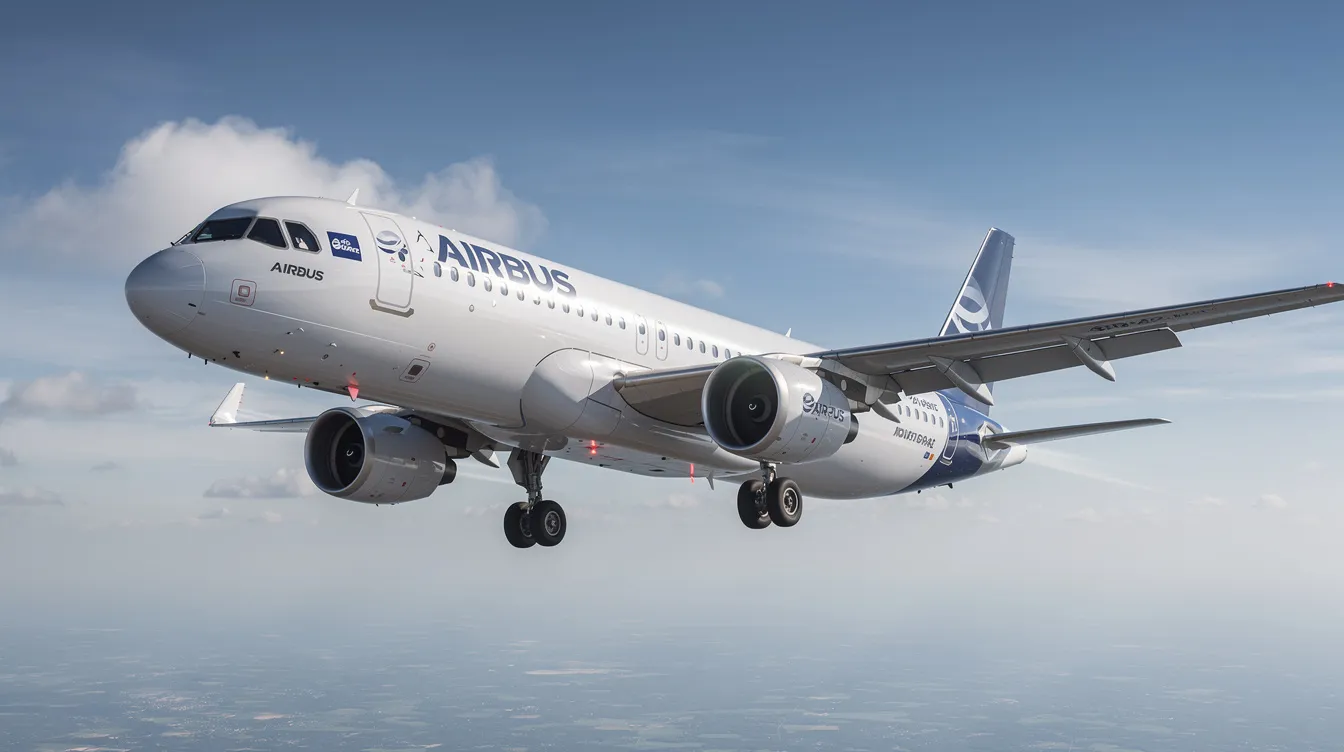
Every Airbus crash makes global headlines. These events are rare, but when a plane crashes carrying hundreds of passengers, the world pays attention. This article examines significant Airbus incidents since 2000, what investigators found, and how each accident reshaped aviation safety for commercial airlines and private charter operations.
High-profile incidents involving the A330 (Air France Flight 447, 2009), A320 (Germanwings, March 2015), and A350 (Japan Airlines, 2024) led to safety reforms in crew training, sensor design, and cockpit policy.
Accidents are rarely caused by a single mechanical failure. They more often involve a combination of weather, sensor faults, and human decisions under pressure.
Human error accounts for roughly 80% to 90% of aviation incidents, making pilot training and crew resource management critical across manufacturers.
There is no statistically significant difference in safety performance between modern Airbus and Boeing fleets. Both have extremely high reliability.
Lessons from commercial crash investigations apply to private aviation. Certified charter operators accessible through Jettly’s platform follow applicable airworthiness directives and crew-training standards. Jettly is a charter broker; flights are operated by appropriately certified third-party carriers.
Airbus is a European aircraft manufacturer responsible for some of the world’s most widely flown commercial jets, including the A320 family, A330, and A350. The search phrase “airbus crash” remains common because major incidents involve many people and receive sustained media coverage.
Context matters. Commercial aviation accident rates are very low, and Airbus aircraft have accumulated millions of hours of flight time across thousands of operators. Continuous monitoring of operational data helps identify emerging safety problems before they become catastrophic.
Aviation events are categorized as accidents, serious incidents, and fatal crashes. This article focuses on fatal and high-profile events not because they represent the norm, but because they show how the industry learns and adapts.
Private aviation, including charter flights arranged through platforms like Jettly, operates at a different scale but within regulated safety frameworks such as Part 135 charter companies. These include certified operators, maintenance requirements, and trained flight crews. The goal is to present facts, causes, and safety lessons without sensationalism.
The following table summarizes several major Airbus accidents and high-profile events, including their outcomes and key investigation findings.
|
Date and flight |
Aircraft and route |
Outcome |
Key finding or safety lesson |
|---|---|---|---|
|
1 June 2009 — Air France Flight 447 |
A330-200; Rio de Janeiro to Paris |
228 people died after the aircraft crashed into the Atlantic during a storm. |
Iced pitot tubes produced unreliable airspeed readings; investigators identified sensor issues, stall-recovery difficulties, and crew coordination factors. |
|
28 December 2014 — AirAsia Flight QZ8501 |
A320-200; Surabaya to Singapore |
All 162 people aboard died when the aircraft crashed into the Java Sea. |
Investigators identified a cracked solder joint in the Rudder Travel Limiter Unit and inadequate stall recovery. |
|
24 March 2015 — Germanwings Flight 9525 |
A320; Barcelona to Düsseldorf |
All 150 people aboard died in the French Alps. |
The crash was attributed to deliberate actions by the co-pilot, prompting changes to cockpit access and crew procedures. |
|
31 October 2015 — Metrojet Flight 9268 |
A321; over the Sinai Peninsula |
All 224 people aboard died. |
Russian investigators concluded that a bomb caused the in-flight destruction. |
|
22 May 2020 — PIA Flight PK8303 |
A320-214; Karachi |
97 of the 99 people aboard and one person on the ground died. |
The aircraft made a gear-up landing attempt, scraped its engines, and crashed after a failed go-around. |
|
2 January 2024 — Japan Airlines Flight 516 |
A350-900; Tokyo Haneda |
The A350 was destroyed by fire; all 379 passengers and crew evacuated safely. Five people aboard the Coast Guard aircraft died in the runway collision. |
The A350 collided with a Japan Coast Guard DHC-8 on the runway, highlighting runway-clearance and incursion risks. |
On 1 June 2009, Air France Flight 447, an A330-200, crashed into the Atlantic during a storm while flying from Rio de Janeiro to Paris. The crash killed 228 people on flight AF447. Wreckage and flight recorders were not recovered from the sea floor until 2011, underscoring the challenges of deep-sea recovery.
On 28 December 2014, AirAsia Flight QZ8501, an A320-200, crashed into the Java Sea en route from Surabaya to Singapore. All 162 people aboard were killed. Investigators identified a cracked solder joint in the Rudder Travel Limiter Unit and inadequate stall recovery by the pilots.
On 24 March 2015, an Airbus A320 crashed in the French Alps. All 150 people on board were killed. The aircraft was operated by Germanwings, a Lufthansa subsidiary, and the crash was attributed to deliberate actions by the co-pilot.
On 31 October 2015, Metrojet Flight 9268, an A321, was destroyed over the Sinai Peninsula. All 224 people aboard were killed. Russian investigators concluded that a bomb caused the in-flight destruction.
On 22 May 2020, PIA Flight PK8303, an A320-214, attempted a gear-up landing in Karachi. The nose and engines scraped the ground, and the aircraft crashed into a residential area after a failed go-around. Of 99 people aboard, 97 were killed, as was one person on the ground.
On 2 January 2024, Japan Airlines Flight 516, an A350-900, collided with a Japan Coast Guard DHC-8 on the runway at Tokyo Haneda. The A350 was destroyed by fire, but all 379 passengers and crew evacuated safely. Five of the six people aboard the Coast Guard aircraft were killed.
Flight AF447 remains one of the most studied Airbus crashes. The A330 was at cruise altitude over the Atlantic when ice crystals blocked its pitot tubes, which measure airspeed. Unreliable readings caused the autopilot to disconnect, and the aircraft entered alternate law, a degraded fly-by-wire mode in which some envelope protections are unavailable.
Unable to diagnose the situation quickly, the flight crew raised the nose instead of recovering from the stall. The aircraft stalled and descended for more than three minutes before hitting the water. France’s BEA spent years reconstructing the sequence from recovered flight data and wreckage. Investigators identified a combination of sensor failure, insufficient high-altitude manual-flying skills, and a breakdown in crew resource management.

The aftermath led to significant safety changes. Mandatory software and wiring upgrades were required for A330 fleets to address data-synchronization flaws. Redesigned pitot probes replaced models prone to icing. Airlines also updated stall-recovery training, particularly for high-altitude scenarios where pitch and speed cues behave differently.
The legal case reached a landmark outcome. The Paris Appeals Court ruled Air France and Airbus solely responsible for the crash. Air France and Airbus were found guilty of manslaughter and face a maximum fine of €225,000 each. Both have appealed. The ruling underscored the legal accountability manufacturers and operators may face after fatal aviation events.
The flight was en route from Barcelona to Düsseldorf on 24 March 2015 when the first officer locked the captain out of the cockpit and initiated a controlled descent into the French Alps. Voice and data recorders confirmed the deliberate act. Investigators found that the co-pilot had a history of mental health issues that had not been reported to his employer.
The crash prompted policy changes across the industry. Many airlines adopted a “two-person-in-cockpit” rule, requiring a cabin crew member to remain on the flight deck whenever one pilot steps out. Psychological screening became more rigorous, and some countries updated regulations covering medical privacy and fitness-to-fly reporting.
Deliberate acts by pilots are extremely rare. This crash nevertheless forced regulators to address a difficult balance: protecting pilot privacy while ensuring that a person with an untreated condition does not have sole control of an aircraft carrying passengers.
Not every Airbus crash happens at cruise altitude. The landing and approach phase accounts for roughly 35% of fatal events in aviation accidents. Runway excursions and abnormal landings are also significant contributors to non-fatal serious events.
The January 2024 collision at Tokyo Haneda illustrates the risks. Japan Airlines’ A350 landed normally but struck a Coast Guard DHC-8 that had entered the runway without proper clearance. Contributing factors included inoperable runway stop-bar lights and a runway-incursion warning system that was down for maintenance. The A350’s cabin was evacuated in under 90 seconds, and all passengers survived. The aircraft was destroyed.
In the 2020 PK8303 crash in Karachi, pilots missed stabilized-approach criteria, did not deploy the landing gear, and scraped both engines along the ground before taking off again. The resulting engine failure left them unable to maintain flight. These accidents show why clear communication with air traffic control, checklist use, and adherence to approach procedures remain essential.
Runway safety matters in private aviation too. Charter flights use both busy commercial airports and smaller regional fields, reflecting the broader range of airports where private jets land. Certified operators must follow applicable runway communication and clearance standards.
Investigations across multiple incidents reveal recurring patterns:
Weather and environment: Severe turbulence, windshear, and icing contribute to non-fatal aviation events. The storm during AF447 and cloud conditions during QZ8501 stressed sensors and complicated crew decisions.
Sensor and system failures: Airbus pioneered widespread commercial fly-by-wire technology with protective envelope-limiting software. These protections work under normal conditions, but sensor failures, such as iced pitot tubes, can cause a shift into alternate law and reduce the protections available to pilots.
Human factors: Pilot errors remain a major contributor to aviation accidents across manufacturers. Loss of situational awareness and improper energy management are leading factors. In AF447, the crew faced conflicting warnings; in QZ8501, the crew pulled circuit breakers that disabled the autopilot.
Deliberate acts and external threats: Germanwings 9525 was a deliberate act, while Metrojet 9268 was attributed to terrorism. Both are statistical outliers that shaped security and screening policies.
Operational challenges: Airbus incidents frequently involve routine operational challenges and environmental factors rather than unusual technical failures.
Airbus has introduced flight-envelope protections to enhance commercial aviation safety. But no protection system can fully compensate for a pilot who misreads a situation or a maintenance lapse that goes unaddressed. Modern Airbus and Boeing commercial fleets both exhibit extremely high reliability and low accident rates.
After a major crash, agencies such as France’s BEA and the NTSB examine flight data and cockpit voice recorders, map wreckage, and reconstruct events. The objective is to identify systemic risks and recommend fixes, not simply to assign blame.
Concrete outcomes from past investigations include:
Redesigned pitot probes and EASA airworthiness directives banning vulnerable sensor models on A330 and A340 fleets.
Updated stall-recovery procedures and high-altitude manual-flying drills in airline training programs.
Recorder locator beacons required to transmit for 90 days instead of 30, giving investigators more time for deep-sea recovery.
Updated cockpit-access protocols and enhanced crew screening after Germanwings.
These changes apply beyond commercial airlines. Certified charter operators must also comply with applicable airworthiness directives and training updates. Jettly connects travelers with third-party operators that follow relevant standards, whether the aircraft is a light jet or a heavy-cabin type, and forms part of a wider ecosystem of private and charter airlines. Learn more about FAR Part 135 certification and how to evaluate operator compliance.
Commercial aviation on Airbus fleets is statistically among the safest forms of transportation. When a crash occurs, however, many passengers may be affected, and the event can dominate news coverage. That attention can distort perceptions of risk.
Private aviation operates at a different scale. Smaller aircraft, fewer passengers per flight, and differences in operator practices mean that safety depends heavily on who operates the aircraft. Choosing a reputable provider—such as a NetJets alternative like Jettly that emphasizes safety oversight and transparency—helps ensure that a professionally run charter flight with a certified crew, current maintenance, and compliance with manufacturer bulletins benefits from strong safety practices.
Travelers evaluating a charter operator can consider:
Air operator certificate status and regulatory jurisdiction
Safety ratings from organizations such as ARGUS or Wyvern
Crew experience and recurrent training records
Maintenance intervals and compliance with airworthiness directives
They can also review broader guidance on affordable air rental costs and options to understand how pricing and safety considerations interact.
For travelers seeking flexible, on-demand travel and transparent pricing, exploring charter options through a vetted broker is a practical step—and understanding top private jet charter companies can help frame those choices. Jettly’s platform provides access to a broad aircraft marketplace and a digital quote workflow. Flights are operated by properly certified third-party carriers, and travelers can consult Jettly’s guidance on affordable private jet charter pricing when weighing cost against safety and service.
Jettly operates as a charter broker and digital marketplace, not an airline. It matches clients with third-party carriers that hold appropriate regulatory approvals. The platform reviews operator licenses, insurance coverage, aircraft maintenance status, and crew qualifications as part of its onboarding process.
Customers can access a wide range of private charter aircraft through Jettly, from light jets and turboprops to heavy jets and helicopters. Depending on the aircraft and route, private flights may use airports closer to a traveler’s destination than major commercial hubs, including regional airports across Florida and Europe, and frequent users can reference a jet card flight cost estimator to compare routes and budgets.
The lessons from major Airbus crash investigations—including current avionics, compliance with airworthiness directives, and recurrent crew training—are relevant to charter operations. Safety requirements and improvements apply to operators according to the aircraft, jurisdiction, and type of operation.
Ready to explore private travel on your terms? Consider flexible private jet membership options, or request a quote or compare aircraft options at https://www.jettly.com.

No. There is no statistically significant difference in safety performance between modern Airbus and Boeing fleets. Both manufacturers design and certify aircraft under strict international standards, and both have comparable safety records across millions of flight hours. High-profile Airbus crashes receive extensive media coverage, but they do not by themselves indicate a systemic safety gap. Consider an airline’s safety culture, crew training, and regulatory oversight rather than the manufacturer’s name alone.
Passengers can review an airline’s or charter operator’s certifications, safety audit ratings, such as IOSA for airlines, and published incident history. For private jet travel, a charter broker can connect customers with carriers holding valid air operator certificates and appropriate insurance. Travelers can also ask about crew experience, recurrent training, and aircraft maintenance intervals before flying, and verify that any private jet provider operates under the appropriate Part 135 charter company framework or equivalent local regulation.
Put the event in context: serious crashes are rare compared with the number of flights operating worldwide. Practical steps include choosing an airline or charter operator with a strong safety record and speaking with a medical professional if anxiety is severe. Some nervous flyers find charter travel more comfortable because of smaller cabins and flexible schedules, and researching reputable private and charter airlines can help align comfort with robust safety practices, though comfort does not replace safety checks.
Accident rates depend on operator quality, maintenance, pilot training, and flight conditions—not aircraft size alone. Smaller aircraft appear in a different mix of incident reports because of fleet size and varied operating environments. Travelers can ask about the carrier’s certification, crew, and maintenance practices when evaluating a charter flight, and review the operator’s private charter aircraft options to ensure they meet safety and performance needs.
Jettly’s online platform lets travelers enter routes and dates, compare aircraft options, and receive pricing for on-demand charters and, where available, empty leg flights with significant discounts. Customers can compare aircraft types, range, and amenities, then use tools like Jettly’s private jet charter cost estimator to plan budgets and arrange a booking without a long-term ownership commitment. Jettly is a charter broker, and flights are operated by appropriately certified third-party carriers, including instant-book providers like ZENFLIGHT in certain markets. Explore options or request a quote at https://www.jettly.com.
An Airbus crash is a rare but serious event, and investigations show why safety depends on more than an aircraft’s manufacturer. AF447 and other major accidents revealed how weather, equipment, training, and human decisions can combine to create risk. The resulting reforms—from improved sensor design to updated pilot training—help strengthen aviation safety across the industry.
For travelers, the practical takeaway is to consider the operator, crew training, maintenance, and regulatory oversight alongside the aircraft type. Modern Airbus and Boeing fleets have very high reliability, and there is no statistically significant difference in their safety performance. In private aviation, passengers should confirm that a properly certified carrier will operate the flight. Jettly is a charter broker, not an airline; it connects travelers with third-party operators and provides a digital way to compare private jet aircraft, review Part 135 charter requirements, and request pricing.
Learn more about Jettly’s charter options or private jet membership options, or request a quote to explore available flights.
Share this post:
Jay Franco Serevilla
Nov 6, 2026
|
5
min read
Discover tips and trends in the industry.
5
min read
Military Plane With Two Propellers: Twin-Engine Turboprops, Tiltrotors, and Modern Missions
Military planes with two propellers, including twin-engine turboprops and tiltrotors, play crucial roles in logistics, surveillance, and humanitarian missions. This guide explores their capabilities, key aircraft, and how their performance informs civilian turboprop travel choices. Understanding these military aircraft helps travelers make informed decisions when comparing civilian options.
Read More
5
min read
Weather in Virginia Beach: Forecast, Seasons, and Private Jet Travel Planning
Virginia Beach's weather can change rapidly, impacting travel plans, especially for private jet travelers. Understanding the local forecast and seasonal patterns is crucial for smooth operations and optimal scheduling. Jettly provides tools to help travelers adjust their flights based on real-time weather conditions.
Read MoreStay updated with our latest insights and tips to elevate your journey with us.
MEMBERSHIPS AND ASSOCIATIONS



© 2026 Jettly Inc. All rights reserved.
Disclaimer: Jettly operates as a charter broker, offering access to a global digital jet charter marketplace. Jettly is not a direct air carrier and does not own or operate aircraft. All advertised flights are conducted by third-party air carriers that are fully licensed and hold the appropriate Part 135 or Part 121 certifications issued by the Federal Aviation Administration (FAA) or equivalent regulatory authorities under U.S. or foreign law. Jettly complies fully with the U.S. Department of Transportation's Part 295 and Part 298 Charter Broker regulations. Jettly does not carry additional liability insurance. Passengers are covered by aircraft operator insurance. TICO: 50023770


