



Login
Get Instant Pricing On 23,000+ Aircraft

>
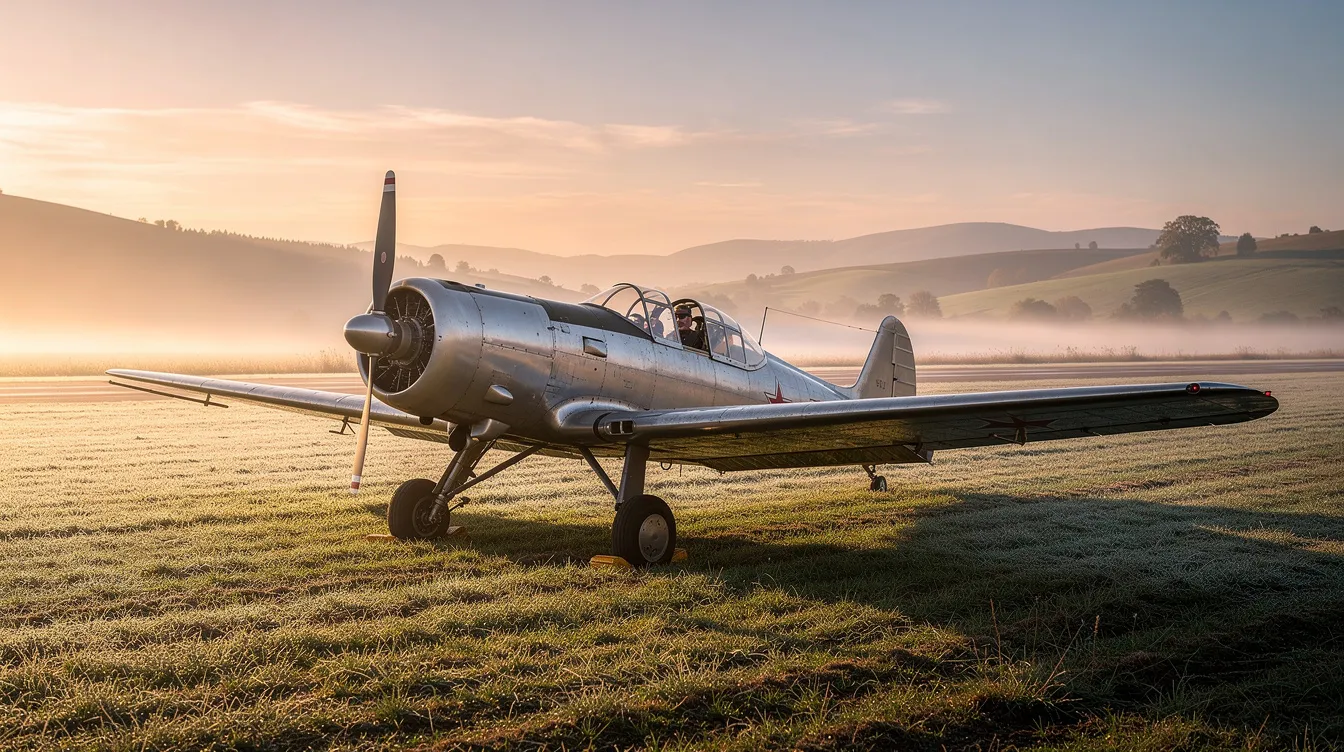
Most budget-friendly airplanes range from $15,000 to $100,000 on the used market. For pilots shopping for their first aircraft, the question is rarely "Can I find a cheap airplane?" but rather "Which cheap airplane will stay cheap once I start flying it?" This guide covers specific models, realistic 2026 prices, and the operating costs that determine whether a small plane is a bargain or a money pit.
The cheapest planes in 2026 are older two-seat trainers and vintage taildraggers, with airworthy examples typically running $15,000 to $40,000. Entry-level, airworthy certified or light-sport aircraft cost between $18,000 and $60,000.
Popular picks include the ERCO Ercoupe 415 (under $20,000), Aeronca Champion ($25,000), Taylorcraft BC-12D ($20,000), Cessna 150 ($20,000 to $35,000), and the Stinson 108 ($25,000 to $40,000 for four seats).
The purchase price typically constitutes only 40% to 50% of airplane ownership costs. Fuel, maintenance expenses, annual inspections, insurance premiums, and storage costs make up the rest.
Budget-minded pilots can cut costs through flying club memberships, co-ownership, and smart storage choices like outdoor tie-down versus hangar rental.
For longer or business trips, on-demand private aviation charter through a platform like Jettly avoids fixed ownership costs entirely and can be more cost-effective than owning a second, larger aircraft.
Cheap planes are older certified aircraft and some light-sport or experimental models typically found between about $15,000 and $60,000 on the used market. Most of these are single-engine, fixed-gear designs from the 1940s through the 1970s.
The cheapest option in most cases is a single- or two-seat trainer or vintage aircraft like the Ercoupe, Champ, or Taylorcraft, with many airworthy examples in the $18,500 to $40,000 range depending on engine time, fabric condition, and avionics. Four-seat models, the cheapest family aircraft category, usually start above $30,000 to $35,000. Aircraft like the Stinson 108 or older Piper PA series run $35,000 to $80,000 for clean examples.
The sticker price alone does not predict annual costs. An affordable aircraft with a high-time engine or deferred maintenance can cost more in a few years than a pricier plane with a fresh overhaul. Pilots who mainly want cross-country speed or occasional travel should also consider that chartering through Jettly can eliminate fixed ownership expenses entirely.
These are concrete, commonly available models, not rare collector pieces. Each appears regularly on Barnstormers, PlaneFile, and type-club listings. Prices vary with condition, equipment, engine time, and location.
|
Aircraft |
Typical asking price |
Seats |
Best suited for |
|---|---|---|---|
|
ERCO Ercoupe 415 |
$7,500–$29,500; median around $17,900 |
2 |
Local flying and easy handling |
|
Taylorcraft BC-12D |
$18,500–$40,000 |
2 |
Tailwheel practice and personal flying |
|
Aeronca Champion 7AC |
About $25,000–$50,000 |
2 |
Tailwheel training and recreational flights |
|
Luscombe 8 |
Mid-$20,000s–about $50,000 |
2 |
Responsive vintage flying |
|
Cessna 120/140 |
$25,000–$55,000 |
2 |
Weekend cross-country trips |
|
Cessna 150/152 |
$20,000–$60,000+ |
2 |
Training and time building |
|
Piper PA-22-108 Colt |
$20,000–$40,000 |
2 |
Training and local flights |
|
Piper PA-38 Tomahawk |
$20,000–$45,000 |
2 |
Flight training |
|
Stinson 108 |
$25,000–$60,000 |
4 |
Family trips and light bush flying |
|
Piper PA-28-140 Cherokee / Beechcraft Musketeer |
$40,000–$80,000 |
4 |
Cross-country flying with passengers |
Entry level examples of models 1 through 8 are where pilots find the best value airplanes in absolute terms. Models 9 and 10 are "affordable" rather than rock-bottom cheap.
The ERCO Ercoupe 415 is often cited as one of the cheapest planes to buy and operate for personal flying. Its aviation history dates to the late 1930s, designed to be stall- and spin-resistant from day one.
The ERCO Ercoupe costs under $20,000 in 2026 for basic but flyable condition; better examples with low engine hours and recent annuals reach $25,000 to $30,000. The design links ailerons and rudder together. Many versions lack rudder pedals entirely, which makes them nearly spin-proof and friendly for new pilots who have not yet developed tailwheel operations skills.
Fuel burn runs about 5 gallons per hour at a cruise of roughly 88 knots. All-in operating costs (fuel, maintenance reserves, insurance, hangar) sit around $60 per flight hour when flown regularly. Simple systems and a relatively low-cost parts supply keep maintenance expenses manageable.
Limitations: useful load is tight for two adults with full fuel, cruise speed is modest, and the wing design can feel soft in turbulence. Rear windows in some models are small, limiting over-the-shoulder visibility. But for budget-minded pilots seeking a $20,000 airplane with $60/hour operating costs, few certified aircraft compete.
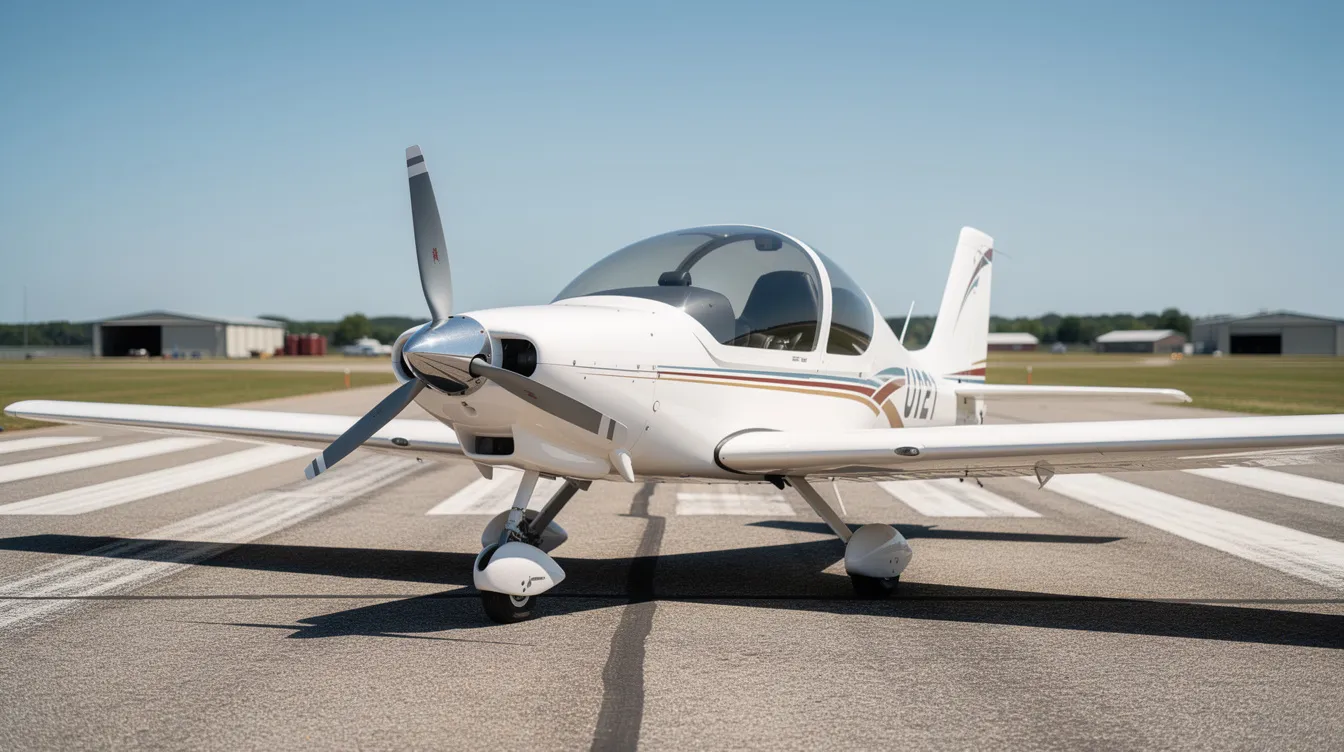
The Cessna 150 and 152 are often considered the gold standards for affordable training aircraft. Cessna built over 31,000 of them between 1959 and 1985, and the Cessna 150 is widely used for flight training at flight schools across North America.
Cessna 150 prices range from $20,000 to $35,000 for older models needing some work, while clean later models with modern avionics and low engine time push into the $45,000 to $60,000 band. True bargains under $25,000 usually need immediate attention: corroded airframes, high-time engines, or panels missing ADS-B Out compliance.
These are best value airplanes for long-term ownership because mechanics are everywhere, parts are abundant, and type-club knowledge is deep. Fuel burn falls between 5 and 7 gallons per hour. Many owners report annual operating costs (excluding purchase amortization) in the $10,000 to $15,000 range, depending on storage costs and flight hours.
Strengths: predictable handling, benign stalls, great visibility, excellent for flight training, and a straightforward annual inspection process. Trade-offs: only two seats, a cabin that gets tight for taller pilots, and limited baggage capacity. Many pilots start here, then move to four seats once their purchase decision shifts from training to family flying.
These three represent the heart of the vintage market: affordable, simple, and built for the joy of flying. All three are classic taildragger designs that remain among the cheapest planes for fun flying and tailwheel training.
Aeronca Champion airplanes deliver a nostalgic flying experience with forgiving handling and a roomier cabin than some peers. Aeronca Champion prices remain stable around $25,000 for flyable condition, with restored examples climbing toward $50,000. Fuel burn is about 4 gallons per hour; all-in cost sits near $65 per flight hour. Many owners love the Champ for its easy handling, good visibility, and reputation as one of the best tailwheel trainers ever built.
The Taylorcraft BC-12D can be found for about $20,000 in average condition. Clean, recently inspected examples with fresh fabric reach $35,000 to $43,000. Fuel burn is just 4.2 to 4.5 gallons per hour, keeping operating costs among the lowest of any certified aircraft. Its lightweight aircraft construction and simple systems mean low maintenance when the airframe and fabric are sound.
The Luscombe 8 appeals to pilots who want more responsive controls and sportier handling. Prices run from the mid-$20,000s to around $50,000. Its all-metal (or partial fabric) construction ages differently than the tube-and-fabric Champ or Taylorcraft, and it rewards pilots who value stick and rudder skills. All three of these vintage aircraft suit solo or two-person local flying rather than cross-country missions.
True four-seat cheap planes are harder to find, but a few older models offer a low-cost path into family-capable private aviation.
The Stinson 108 is priced between $25,000 and $40,000 for airworthy examples. It seats four, handles short strips well, and has a loyal following among bush and backcountry pilots. More power than a typical two-seat taildragger (150 hp Franklin or Lycoming) gives it genuine short-field performance with a useful load that works for family flying.
An older Piper PA-28-140 Cherokee typically lists between $40,000 and $80,000 depending on engine time and avionics. The Cherokee is known for stable handling, easy maintenance, and parts that remain widely available. Many pilots consider it the cheapest practical four-seat aircraft for regular cross-country flying.
The Beechcraft Musketeer and early Cessna 172 sit in a similar band. While the purchase price is higher than any two-seat trainer, cost per seat drops when flying with three or four passengers. Buyers moving from two seats to four seats need to recalculate fuel burn, insurance, and annual costs. Operating costs for a four-seat piston single can run 30% to 50% higher than a comparable two-seat aircraft.
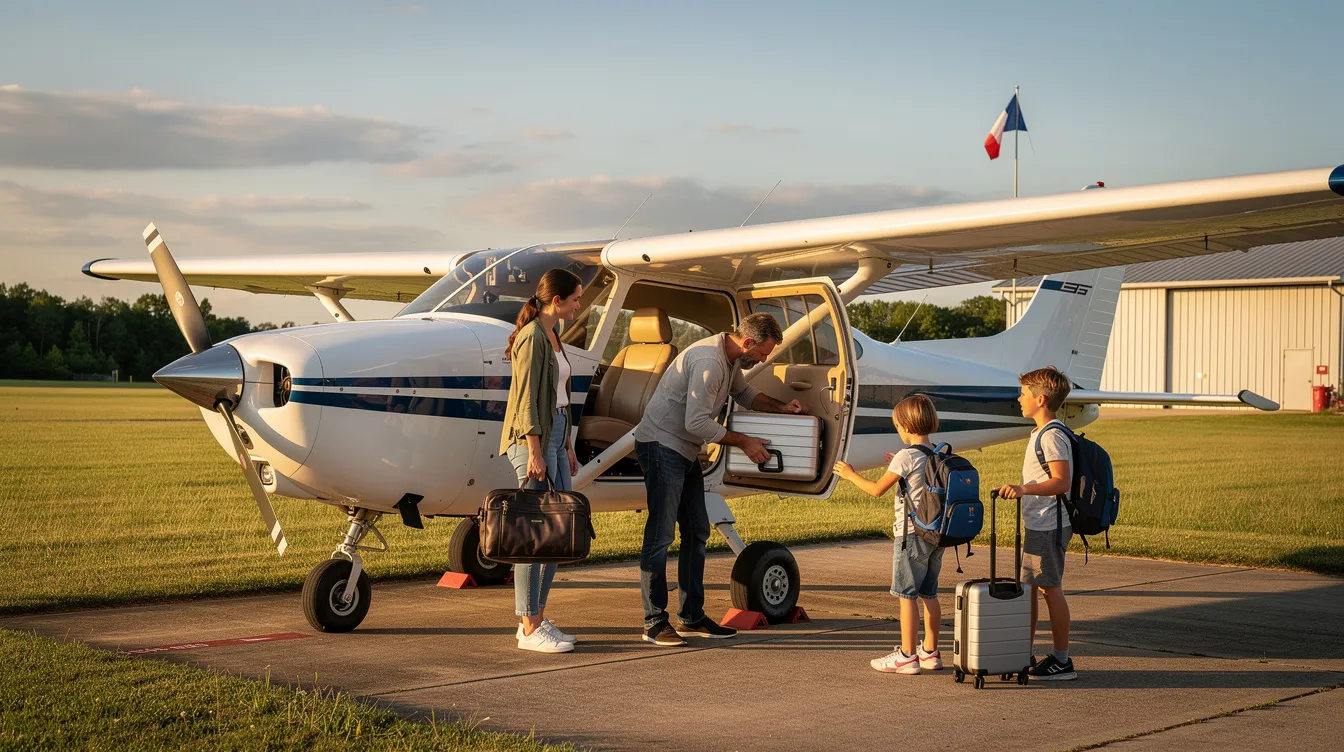
The true cost of airplane ownership goes beyond the initial purchase price. Recurring operating costs determine whether a cheap airplane stays cheap.
Fixed annual costs apply whether an aircraft is flown or not:
Annual inspections: $750 to $2,000 in labor, plus parts
Insurance premiums: $1,200 to $2,500 per year for two-seat trainers. Insurance costs can spike based on pilot experience and aircraft type; a low-time pilot in a vintage taildragger may pay 20% to 40% more
Hangar fees and insurance are fixed costs. Storage ranges from $100/month for an outdoor tie-down to $800 to $1,500/month for a private T-hangar
Variable costs scale with flight hours:
Fuel costs can account for up to 70% of variable operational costs. At 5 gallons per hour and $6.50/gallon, that is $32.50 per flight hour for fuel alone
Maintenance costs typically range from $1,500 to $3,000 per year; maintenance costs can range from 10% to 45% of total yearly expenses depending on aircraft age
Budget $5 to $10 per flight hour for engine overhaul reserves. Aircraft engines have a Time Between Overhaul recommendation of 1,800 to 2,000 flight hours; engine time for piston aircraft runs on calendar and operational hours, typically 1,500 to 2,000 hours
Annual operating costs can reach $12,570 for lightweight aircraft even before engine reserve contributions. The cost of maintaining a budget aircraft can exceed its purchase price if extensive repairs are needed, particularly when an engine reaches TBO or fabric needs full replacement.
A pilot flying 50 to 100 hours per year should build a line-item budget that includes fuel, maintenance, insurance, storage, inspection, and engine reserves, not just a loan payment.
Many of the cheapest planes are two-seat trainers. Some pilots genuinely need four seats for family or gear; others just like the idea.
Two-seat cheap planes offer lower fuel burn, simpler systems, lower insurance, and easier handling. A Cessna 150 or Piper Colt is ideal for training, time building, and solo or dual local flights. A pilot who flies alone or with one passenger 90% of the time will pay less per year in a two-seat trainer than in any four-seat aircraft.
Four seats add the ability to carry family or friends, more baggage, and greater mission flexibility for weekend trips or regional travel. A Piper PA-28 Cherokee, Stinson 108, or Beechcraft Musketeer opens up family flying at the cost of higher fuel burn, more powerful engines, and higher annual costs that increase across the board.
Honest self-assessment matters. If a pilot rarely fills the back seats, overbuying capacity means paying for weight and drag that mostly flies empty.
Almost all cheap planes are found on the used market, where condition and documentation matter more than paint.
Search through established online marketplaces (Barnstormers, Trade-A-Plane, PlaneFile), local airport bulletin boards, and type-club forums specific to ERCO, Cessna, Piper PA, Aeronca, and similar models. Type clubs often surface aircraft before they hit the broader market.
Full logbooks, clear maintenance history, and verified total time and engine time since overhaul separate good deals from trouble. A pre-purchase inspection by an independent A&P mechanic is essential before buying an aircraft. Budget $500 to $1,500 for a thorough pre-purchase inspection by an IA familiar with the specific type, focusing on corrosion, prior damage repairs, and AD compliance. Airworthiness Directives can become financial drains if not resolved before closing.
Avoid very cheap "project" planes unless experienced. A $12,000 Taylorcraft without logs or with bad fabric can absorb $25,000 in restoration before it flies. That money buys a flyable condition example of the same type outright.
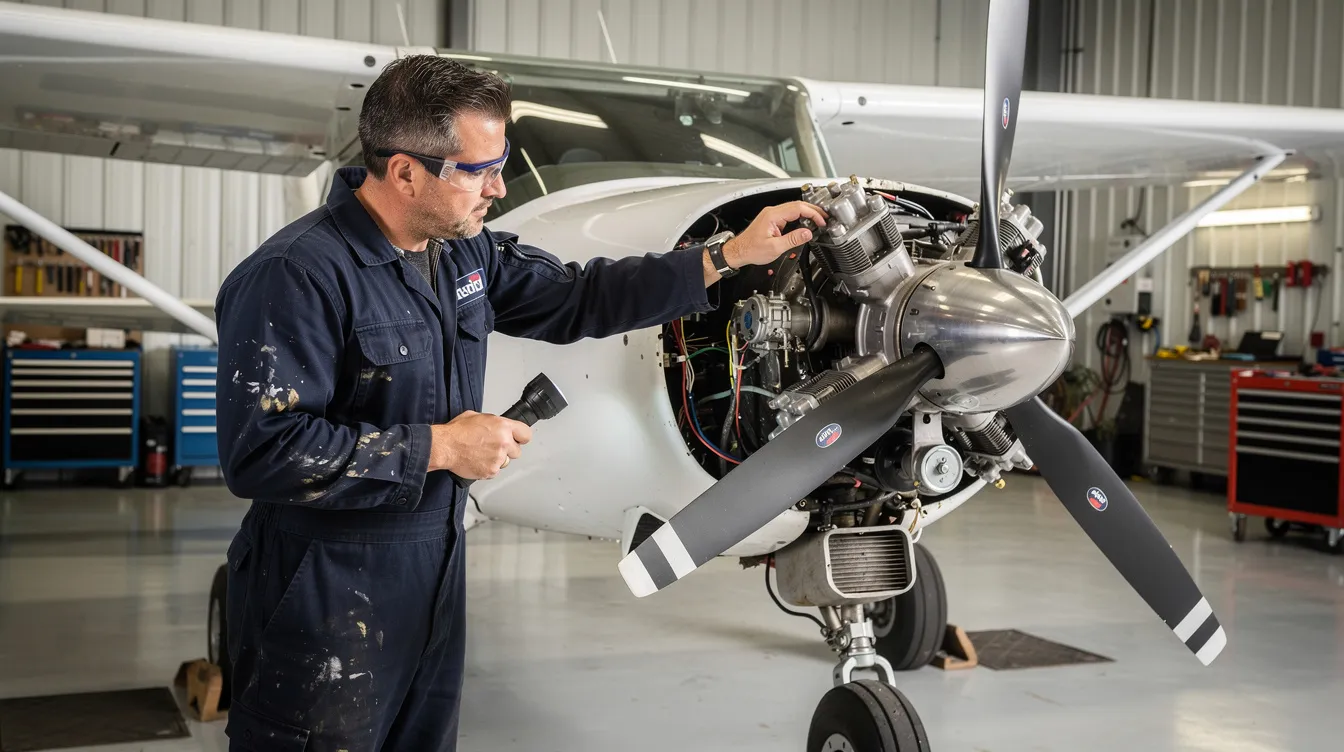
Smart ownership structures make even non-cheapest planes affordable.
Join local flying clubs for shared ownership models to reduce costs and access various aircraft. A typical flying club splits purchase, maintenance, insurance, and hangar costs among four to eight members, often cutting individual bills by half or more. Buying into a flying partnership can reduce aircraft ownership costs to a fraction of solo ownership, and a shared four-seat aircraft can deliver better utility than solo ownership of the cheapest plane on the field.
Storage choices compound over time. An outdoor tie-down at $100/month saves $6,000 to $12,000 per year compared to a private hangar, but exposure increases corrosion risk and can raise insurance premiums. Shared hangars split the difference in cost and protection.
Careful DIY preventive maintenance (oil changes, tire replacements, cleaning) within legal limits, combined with regular flying, prevents small issues from becoming expensive surprises. An engine that sits unused corrodes faster than one flown weekly.
For some missions, owning even the cheapest plane is not the most economical or time-efficient option. A Cessna 150 cruises at 90 to 100 knots with a range of about 350 nautical miles. A 600-mile business trip in that aircraft takes most of a day, requires fuel stops, and offers minimal weather capability.
Chartering avoids fixed ownership costs entirely. Private jet charter enhances convenience for business trips, multi-city itineraries, and time-sensitive travel where a small plane's speed and payload do not match the mission. Chartering provides flexibility for occasional travel needs without tying up capital in an asset that depreciates.
Jettly operates as a global digital private jet charter marketplace. Charter platforms offer access to over 20,000 aircraft, from turboprops to heavy jets, with digital booking and instant pricing that allows for transparent budgeting for trips. A pilot who owns a Cessna 150 for weekend fun flying might charter a small plane through Jettly for a family holiday or a business trip where speed and comfort matter. For a breakdown of what those flights actually cost, Jettly publishes a detailed private jet charter cost guide with real line items and pricing examples.
This combination of relatively low-cost ownership for local pleasure flying and on-demand charter for longer legs gives many pilots the broadest access to private aviation at the lowest total annual spend.
Older two-seat aircraft like the ERCO Ercoupe, Cessna 150, or Aeronca Champ can often be purchased for under $30,000 and are capable of 200 to 400 nautical mile cross-country flights in good weather. The Ercoupe is the cheapest option in absolute purchase price, while the Cessna 150 offers better parts support and a wider mechanic base. All require VFR conditions and patience; none carry meaningful weather equipment at entry-level example pricing.
Ownership typically starts to justify its fixed costs around 50 to 100 flight hours per year. Below that, rentals or occasional private jet charter may be more cost-effective once hangar fees, insurance, and annual inspections are included. Fixed costs apply whether an aircraft is flown or not.
Many vintage aircraft are safe when well maintained, but beginners should work with an instructor familiar with tailwheel operations and that specific type. A thorough pre-purchase inspection before buying catches airframe corrosion, control cable wear, and deferred ADs that could ground the aircraft or require expensive repairs. New pilots also benefit from type-specific ground school before flying an unfamiliar design.
Owners may legally perform some preventive tasks (changing oil, replacing tires, cleaning spark plugs) on certified aircraft under 14 CFR Part 43 Appendix A. Major work, annual inspections, and any return-to-service signoff must be done or supervised by a licensed A&P/IA mechanic. Doing legal preventive maintenance saves $500 to $1,500 per year on a simple two-seat trainer.
Travelers who mainly need fast, long-distance trips a few times a year, or who prioritize schedule flexibility and comfort, often benefit more from chartering through Jettly than from owning any aircraft. A single 800-mile charter trip in a light jet takes about two hours; the same trip in a Cessna 150 takes seven or more hours with fuel stops. For infrequent travel, charter eliminates every fixed cost of ownership.
Cheap airplanes to buy in 2026 range from sub-$20,000 two-seat designs like the ERCO Ercoupe to relatively affordable four-seat aircraft such as the Stinson 108 and older Piper PA or Beechcraft models. The right choice depends on total yearly costs, your mission—training, local flying, or family trips—and how often you expect to fly. Pilots comparing models to buy cheap planes should look beyond the asking price and assess condition, maintenance history, and operating costs.
For many pilots, combining low-cost ownership for personal flying with on-demand private jet charter for longer or higher-value journeys offers a practical balance of cost, time, and comfort. A small airplane can suit weekend flying, while a chartered turboprop or light jet may better fit a longer business trip or family journey. Jettly is a charter broker that connects travelers with properly certified third-party operators; its platform offers aircraft access and instant pricing for trip planning.
Ready to compare charter options or request an instant quote? Explore flights at Jettly.
Share this post:
Jay Franco Serevilla
Nov 9, 2026
|
5
min read
Discover tips and trends in the industry.
5
min read
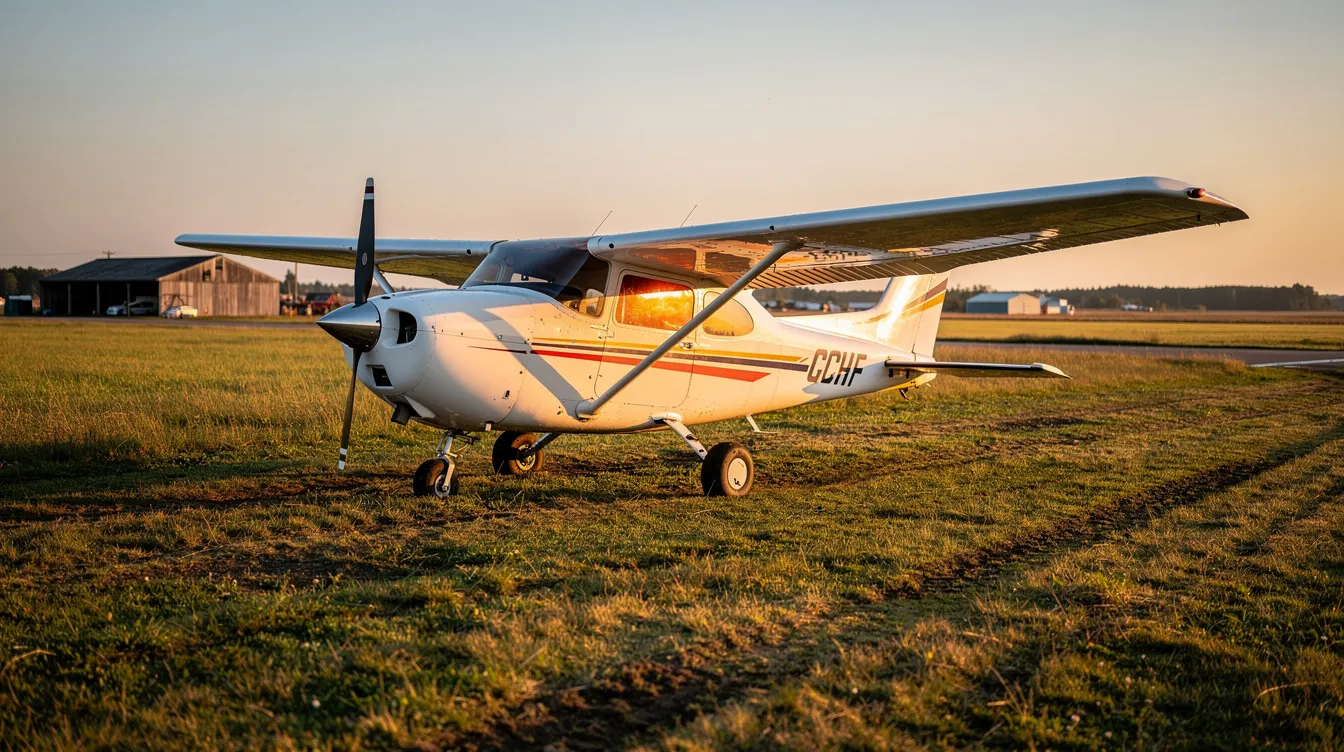
Cessna 182 Operating Cost: What It Really Costs to Fly a Skylane in 2026
Understanding the operating costs of a Cessna 182 Skylane in 2026 involves analyzing both fixed and variable expenses. Hourly costs typically range from $180 to $210, with annual expenses between $25,000 and $40,000, influenced by factors like fuel prices and aircraft condition. This guide provides insights into budgeting for ownership and when chartering may be more economical.
Read More
5
min read
Manston International Airport (Kent International) – History, Redevelopment, and Private Jet Access
Manston International Airport, formerly a wartime base, is undergoing redevelopment to become a freight hub by 2028. Currently closed to commercial flights, private jet travelers can utilize nearby airports like London Biggin Hill and Southend. Jettly offers tailored private jet charter solutions for accessing Kent and the surrounding areas during this transition.
Read MoreStay updated with our latest insights and tips to elevate your journey with us.
MEMBERSHIPS AND ASSOCIATIONS



© 2026 Jettly Inc. All rights reserved.
Disclaimer: Jettly operates as a charter broker, offering access to a global digital jet charter marketplace. Jettly is not a direct air carrier and does not own or operate aircraft. All advertised flights are conducted by third-party air carriers that are fully licensed and hold the appropriate Part 135 or Part 121 certifications issued by the Federal Aviation Administration (FAA) or equivalent regulatory authorities under U.S. or foreign law. Jettly complies fully with the U.S. Department of Transportation's Part 295 and Part 298 Charter Broker regulations. Jettly does not carry additional liability insurance. Passengers are covered by aircraft operator insurance. TICO: 50023770


