


Login
Get Instant Pricing On 23,000+ Aircraft

>
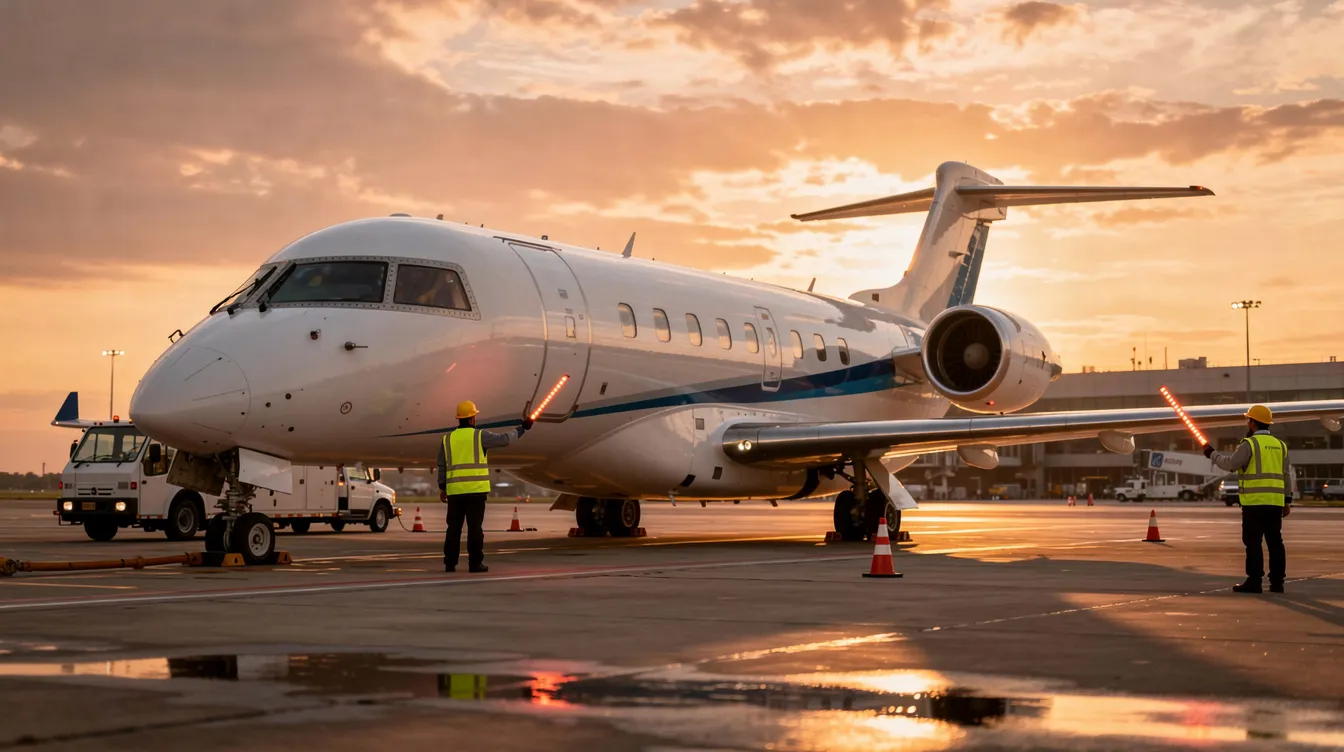
The Embraer ERJ 190 sits in a sweet spot that few aircraft occupy. Too large for the private jet category yet smaller than a full narrow-body airliner, this regional aircraft handles group travel for 50 to 100-plus passengers with a level of comfort and efficiency that makes it a go-to choice for charter missions worldwide. This guide is intended for corporate travel planners, charter brokers, and group organizers considering the Embraer ERJ 190 for private charter. This guide covers everything from cabin layout and performance specs to charter pricing and how to book an Embraer 190 through Jettly's platform.
The Embraer ERJ 190 is a regional jet seating around 97 to 114 passengers in airline layouts. On Jettly's platform, it often appears as a corporate shuttle or private group charter option configured for 50 to 100 seats with extra legroom.
Typical Embraer 190 charter rates start around $14,000 to $16,000 per flight hour, with the average hourly rental rate sitting at approximately $14,850. Total trip cost depends on route, operator, and onboard services.
With a maximum range of about 2,400 nautical miles (roughly 4,400+ km), the aircraft covers non-stop sectors like New York to Dallas, London to Athens, or Toronto to Cancún.
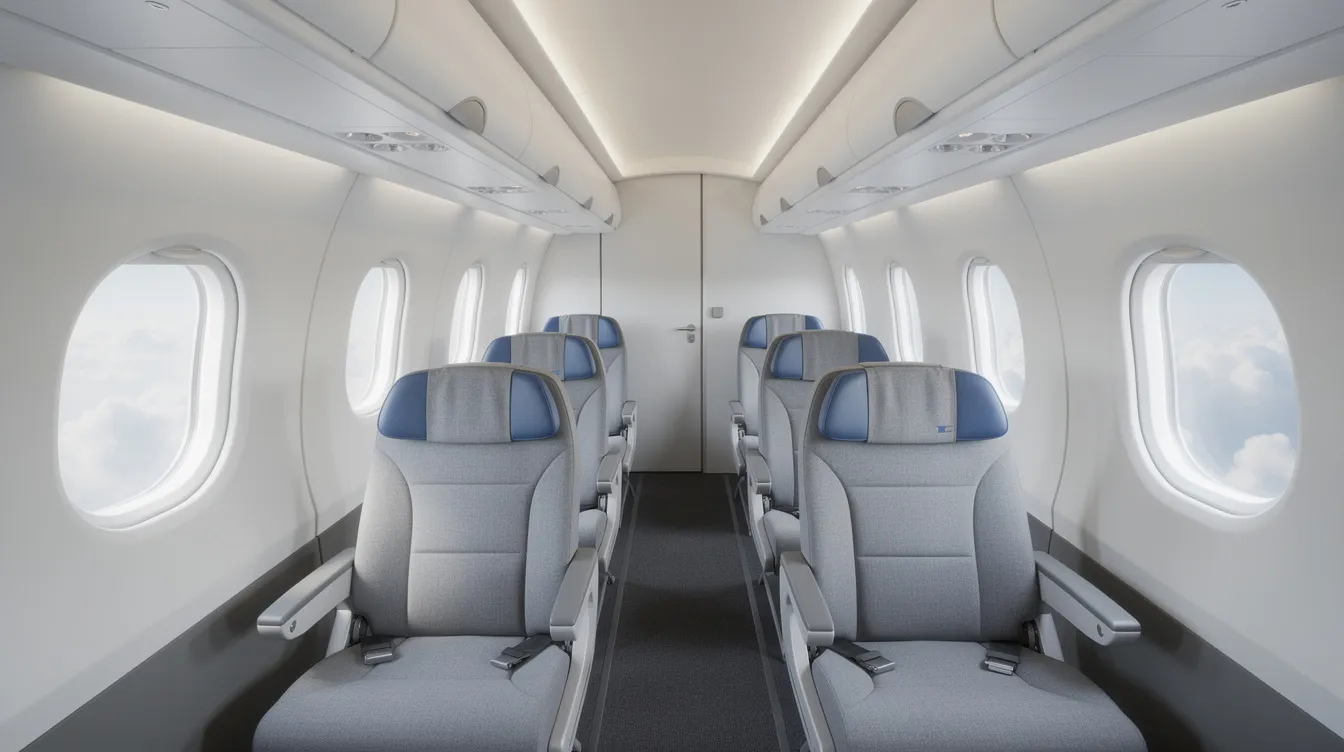
The 2+2 seating configuration means no middle seats, making the cabin feel more spacious than many comparable regional jets.
Check real-time Embraer 190 charter options at Jettly.
The Embraer ERJ 190 is a twin-engine, single-aisle regional jet built by Embraer, a leading Brazilian aerospace company headquartered in São José dos Campos, Brazil. It belongs to the E-Jet family, which Embraer launched in the early 2000s to fill the gap between small commuter aircraft and mainline jets like the Boeing 737 or Airbus A320.
In practice, "Embraer ERJ 190," "Embraer 190," and "E190" all refer to the same aircraft type. The E190 is a hybrid crossover jet that serves regional airlines by linking smaller airports to major hubs, and major airlines use the E190 to feed passengers into central hubs on high-frequency routes. This means the E190 bridges the gap between small commuter aircraft and mainline jets, offering a unique combination of capacity and efficiency. It is also frequently used by low-cost carriers on short routes where a full-size airliner would be oversized.
The E190 typically seats 97 to 114 passengers, depending on configuration, which means it accepts fewer passengers than larger mainline jets but offers considerably more capacity than small business jets. It shares 89% commonality with the smaller jets in the E-Jet family (the E170 and E175), simplifying maintenance and crew training across fleets.
The first flight of the E190 occurred on 12 March 2004, and JetBlue was the launch customer for the E190 in 2005. Key design features include a 2+2 seating layout, under-wing General Electric CF34-10E engines, a larger wing compared to the E170/175 for improved lift and fuel capacity, and a larger horizontal stabilizer for enhanced stability at higher weights.
This section serves as a quick reference for corporate flight departments, travel planners, and aviation enthusiasts evaluating the E190 for charter missions.
|
Specification |
Value |
|---|---|
|
Overall length |
38.7 meters (126 ft 1 inch) |
|
Fuselage length |
36.24 m |
|
Wingspan |
33.70 m |
|
Height |
~10.3 m (~34 ft) |
|
Max takeoff weight |
~51,800 kg (114,199 lb) |
|
Cruise speed |
Mach 0.78–0.82 (~830–870 km/h) |
|
Maximum speed |
890 km/h (Mach 0.82) |
|
Maximum range |
~2,400 nautical miles (~4,400 km) |
|
Extended range (variants) |
Approximately 2,400 to 2,850 nautical miles |
|
Service ceiling |
41,000 ft |
|
Engines |
2× General Electric CF34-10E turbofan |
|
The E190 is powered by two General Electric CF34-10E engines, which are FADEC-controlled and known for reliability, moderate noise, and improved efficiency on short to mid-haul routes. The aircraft is also equipped with the Honeywell Primus Epic avionics suite, giving pilots advanced situational awareness and reducing workload. |
Range figures deserve attention. The Embraer 190 has a maximum range of 2,400 nautical miles in its standard configuration, with long-range and advanced variants extending this further. That range enables routes such as Dallas to Bogotá, Paris to Moscow, or Toronto to Cancún without a fuel stop.
Field performance is another advantage. Compared to larger narrow-body jets, the E190 can land at and depart from shorter runways, potentially opening access to secondary airports, including fields requiring a steep approach certification, such as London City. Takeoff distances at max weight typically fall between 6,000 and 6,900 ft, while landing distances come in around 4,000 ft.
The Embraer 190 features spacious cabin interiors that set it apart from earlier-generation regional jets. The 2+2 single-aisle layout and a cabin height of approximately 2 meters (6 ft 7 in) create an open, breathable environment, especially for passengers accustomed to cramped 3+3 configurations on larger aircraft.
In standard airline service, the E190 can carry up to 100 passengers in a two-class configuration, with around 96 seats in a typical business-plus-economy split. Charter configurations on Jettly often reduce seat counts to between 50 and 100, allowing customers to choose more generous pitch, mixed business and economy seating, or all-business layouts fitted to the mission.
Key comfort details include:
No middle seats. Every passenger sits in a window or aisle seat.
Generous overhead bins. More storage than smaller regional jets.
Large windows. More natural light than older aircraft in this class.
Quieter cabin. Modern insulation and engine design reduce noise.
Optional amenities on chartered E190 aircraft can include in-seat power and USB charging, Wi-Fi connectivity, streaming-capable entertainment, premium catering with hot meals, and privacy partitions for forward cabin rows.
The cabin supports a range of mission profiles. Corporate roadshows, sports team travel, music tours, film crews, and family events all benefit from the ability to board an entire group onto a single aircraft rather than splitting across multiple smaller jets.
Buyers often compare the Embraer ERJ 190 against aircraft like the Airbus A220-100, Boeing 737-700, and smaller regional jets when planning charters. Here is a simplified comparison table for reference.
|
Feature |
Embraer 190 |
Airbus A220-100 |
Boeing 737-700 |
ERJ 145 |
|---|---|---|---|---|
|
Typical seats |
97–114 |
100–135 |
126–149 |
44–50 |
|
Seating layout |
2+2 |
2+3 |
3+3 |
1+2 |
|
Approx. range (nm) |
2,400 |
3,400 |
3,010 |
1,550 |
|
Charter use case |
Group shuttle, sports teams |
Larger group charters |
High-capacity charters |
Small group shuttle |
|
Relative operating cost |
Moderate |
Moderate-high |
High |
Low |
The E190 is designed for lower operational costs compared to larger aircraft like the 737 or A320, making it efficient for sectors of one to three hours. It's 2+2 seating with no middle seats is a clear comfort advantage over the A220's 2+3 and the 737's 3+3 layouts.
For groups of 50 to 100 passengers, chartering an Embraer 190 can be more cost-effective than splitting into multiple smaller private jets or booking a full-size airliner that would fly partially empty. Compared to smaller Embraer ERJ models like the ERJ 135 or ERJ 145, the E190 offers significantly more space, larger luggage capacity in its cargo hold, and a "mainline jet" feel that passengers appreciate.
The E190's wings and new engine options in the E2 generation continue to push the type forward, though the original variants remain a strong value proposition for charter.
The Embraer ERJ 190 sits within Jettly's global inventory of over 20,000 aircraft, typically listed under the regional airliner or regional jet category. Availability depends on operator base, repositioning needs, and seasonal demand, but the aircraft appears regularly for group charter requests.
Jettly's platform allows users to search for Embraer 190 availability by route, date, and passenger count. The digital process is straightforward: submit an online quote request, receive transparent pricing breakdowns covering the aircraft cost, fuel, handling, and taxes, and work with dedicated support for complex multi-leg itineraries.
Common charter use cases on Jettly include:
Corporate shuttle programs between company hubs
Event shuttles for conferences and trade shows
Sports team travel for league games
Film and production crew movements
Government delegation flights
Operational considerations matter. Airport selection (regional fields versus major hubs), customs and immigration handling on international routes, and optional ground transportation coordination can all be arranged through Jettly's concierge partners. Continuing to refine the itinerary before departure is easy through the platform's planning tools.
Many Embraer ERJ 190 charters start in the region of $14,000 to $16,000 per flight hour, with the average hourly rental rate for an E190 sitting at $14,850. Total trip cost depends on several factors beyond the base rate.
Cost breakdown elements:
|
Cost Component |
Description |
|---|---|
|
Base hourly rate |
$12,500–$16,000, depending on operator |
|
Landing and handling fees |
Varies by airport; major hubs charge more |
|
Crew expenses |
Overnight, per diem, and positioning costs |
|
Fuel surcharges |
Tied to current fuel prices and sector length |
|
De-icing / overnight charges |
Seasonal and location-dependent |
|
Repositioning (ferry) legs |
Empty flights to/from your departure or arrival airport |
Primary cost drivers include distance flown, airport choice, duration of ground time at the destination, and whether the aircraft must reposition empty.
Example scenario: A same-day return corporate shuttle for 80 passengers on an Embraer 190 between New York and Chicago (roughly 700 nm each way, about 2 hours per leg). At $14,000 per hour for approximately 4 flight hours, the base aircraft cost comes to around $56,000, plus fees. That works out to roughly $700 or more per seat round-trip, competitive with last-minute business-class fares on commercial carriers, with far more flexibility.
On the acquisition side, the average purchase price of a pre-owned E190 is $11.9 million, though early E190s were valued under $10 million by 2018, and recent E190s are worth around $30 million depending on age and configuration. For operators not looking to buy, E190s can be leased for less than $200,000 per month.
Jettly offers both one-off on-demand charters and membership options, which can help frequent users optimize costs across multiple flights in this year and beyond.
The Embraer 190 shines on short to medium-haul routes of 300 to 1,500 nautical miles, where its speed, capacity, and operating economics hit a sweet spot. The aircraft is often used for short international flights as well as domestic shuttles.
Example routes suited to the E190:
New York–Miami
Toronto–Vancouver
London–Milan
Frankfurt–Athens
São Paulo–Buenos Aires
Dubai–Riyadh
Major airlines utilize the E190 for shuttle operations from small to central airports, and the same logic applies to charter. Airlink inaugurated service to Saint Helena using an E190 in 2017, demonstrating the type's ability to reach remote destinations. The longest E190 flight on record was 2,694 nautical miles, flown by JetBlue, showing the aircraft can stretch well beyond typical regional sectors when needed.
Specific charter use cases include daily corporate shuttles between two company locations, sports league away-game travel, festival and tour logistics, incentive travel for sales teams, and emergency group evacuations when scheduled capacity is limited.
Consider a technology firm chartering an Embraer 190 for a product launch tour across multiple European cities within a week. The aircraft flies the full team of engineers, marketers, and executives between London, Berlin, and Milan on a custom schedule, eliminating connection delays and keeping the group together. That kind of flexibility is where the E190 earns its keep.
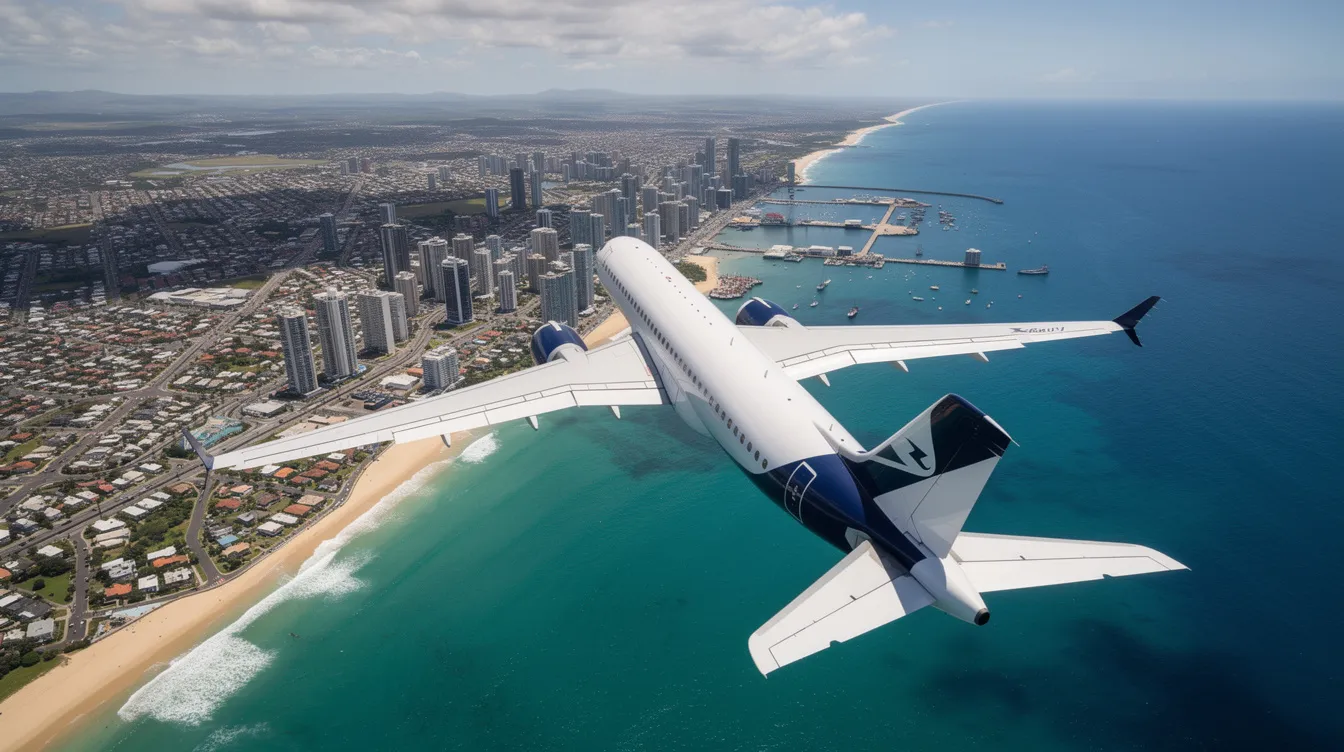
The E190 is known for its strong safety record across millions of flight hours in global commercial service since the world's first deliveries began in 2004 and 2005. Over 1,700 E-Jets have been delivered across the family as of the mid-2020s, operating with airlines on every continent.
Embraer ERJ 190 aircraft in Jettly's network are operated by certified air carriers subject to national aviation authority regulations such as FAA Part 135/121 in the United States and EASA standards in Europe. These frameworks mandate strict maintenance schedules, crew training, and operational oversight. Embraer's diagnostic systems, including tools like AHEAD PRO, support predictive maintenance and high dispatch reliability.
Fleet statistics reinforce confidence in this aircraft type. Air Canada operated 45 E190 aircraft until May 2020 as a fleet workhorse, and Alliance Airlines is the largest E190 operator with 64 aircraft in service. These numbers reflect sustained trust from major operators.
On the environmental front, the E190 offers relatively efficient fuel burn for its seat class. Right-sizing aircraft for group travel, flying one E190 rather than two smaller jets, can reduce emissions per passenger on mid-distance sectors. Jettly can connect clients with carbon offset options where requested.
Embraer's continuing sustainability efforts include the newer E2 variants, which feature a new engine type and redesigned wings for further improved efficiency. Jettly focuses on sourcing well-maintained, efficient aircraft from its operator partners, whether standard E190s or the latest variants available in its fleet.
Chartering an Embraer ERJ 190 through Jettly is handled fully online or with support from a charter specialist. The process is designed to be easy and transparent.
Enter your route and dates. Specify departure, destination, and travel window.
Set your passenger count and preferences. Note group size, seating comfort level, and any catering or ground transport needs.
Review regional jet options. Embraer 190 listings appear alongside other aircraft in the list, letting you compare capacity, range, and pricing.
Compare quotes. Jettly provides itemized costs with no hidden surcharges, so you agree on exact pricing before committing.
Confirm and sign online. Lock in your charter and visit the platform dashboard to manage final details.
For complex multi-city or multi-day itineraries, Jettly's team can recommend whether an Embraer ERJ 190 or an alternative aircraft type will deliver better efficiency and value. Clients can adjust the schedule, catering, and ground transfers before finalizing.
Ready to fly? Search Embraer 190 availability, compare it with other regional jets, or request a tailored quote at Jettly.

Ready to experience private travel on your terms? Explore real-time Embraer ERJ 190 charter options, compare aircraft types, or request an instant quote at Jettly.
These frequently asked questions address practical charter concerns about the Embraer ERJ 190 not fully covered above.
While airline configurations seat around 97 to 114 passengers, private charter and corporate shuttle layouts on Jettly usually range from 50 to 100 seats, depending on seat pitch and desired comfort level. The optimal passenger count can be tailored to the mission; sports teams may prefer fewer seats with extra space for equipment, while conference shuttles may maximize capacity.
In standard layouts, each passenger can typically bring one checked suitcase and one carry-on. The E190's cargo holds are substantially larger than those on smaller business jets. Heavy or oversized equipment, such as musical gear, filming equipment, or sports gear, should be discussed with Jettly in advance so operators can confirm weights and dimensions before departure.
Booking several weeks in advance is recommended during peak seasons or around major events, as regional jets like the ERJ 190 see high demand for group travel, particularly in September and December when corporate events and holiday travel spike. Jettly can often arrange last-minute charters when aircraft and crew are available, but flexibility on departure times and airports may be required.
Many Embraer 190 aircraft in charter service are fitted with in-flight Wi-Fi, but availability depends on the specific operator and aircraft tail number. Travelers should request connectivity and any specific bandwidth needs when obtaining a quote through Jettly so an appropriately equipped aircraft can be sourced.
One of the key advantages of the Embraer 190 is its ability to operate into many regional and secondary airports with shorter runways than those required by larger narrow-body jets, subject to performance and regulatory limits. Factors such as altitude, temperature, and approach requirements affect what is possible. Share preferred departure and arrival airports with Jettly so the operations team can confirm suitability and propose alternatives if needed.
The Embraer ERJ 190 delivers regional jet efficiency, a 2+2 seating layout with no middle seats, strong range for one to four-hour flights, and the right capacity for groups of 50 to 100 travelers. It bridges the gap between smaller private jets and full-size airliners in a way few other aircraft can match.
For large groups, chartering an Embraer 190 via Jettly can deliver both time savings and per-seat value when compared with fragmented commercial travel or splitting passengers across multiple smaller aircraft. For many group missions, the Embraer ERJ 190 offers an ideal balance of comfort, capacity, and cost.
Ready to experience private travel on your terms? Explore real-time Embraer ERJ 190 charter options, compare aircraft types, or request an instant quote at Jettly.
Share this post:
Jay Franco Serevilla
Jun 15, 2026
|
5
min read
Discover tips and trends in the industry.
5
min read
Richmor Aviation, Inc.: Charter Services, Flight School, and How Jettly Helps You Compare Options
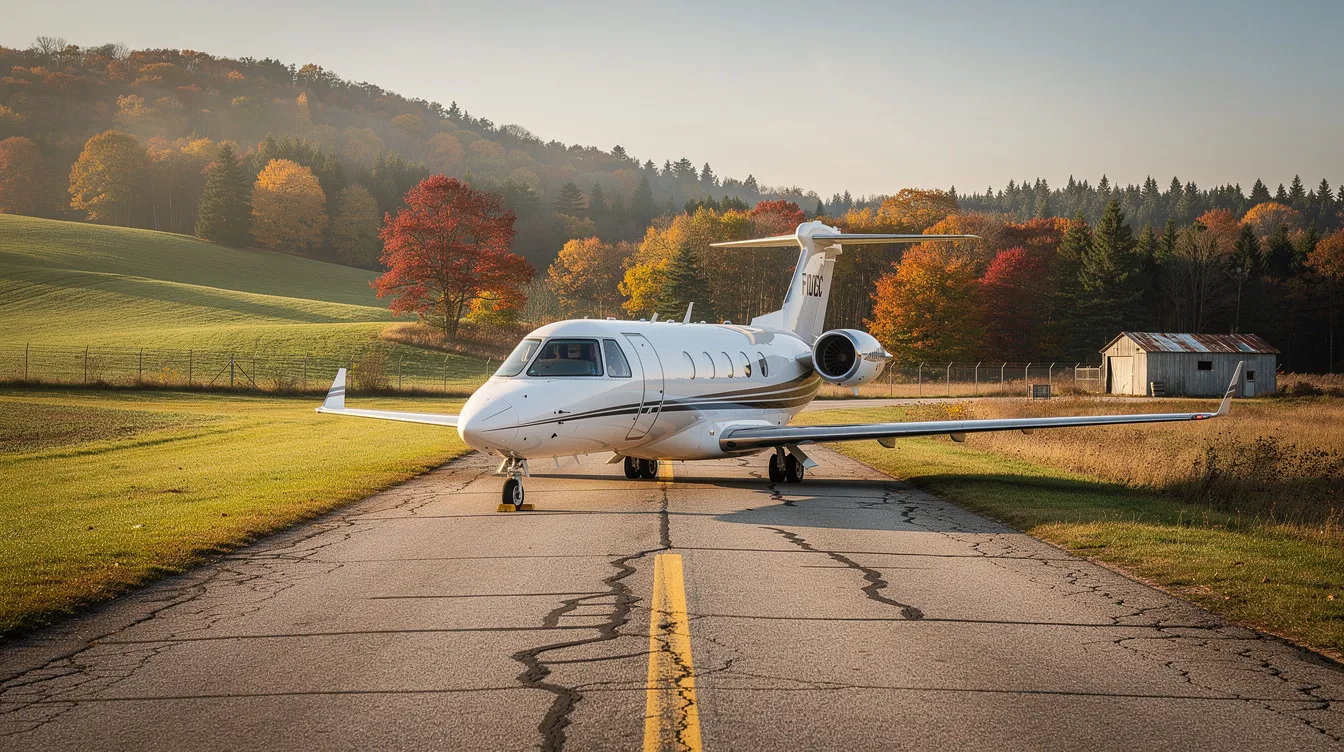
Richmor Aviation, Inc. has been a key player in New York's aviation sector since 1967, offering charter services and a renowned flight school. For those seeking to compare private jet options beyond Richmor, Jettly provides a digital marketplace to explore a vast network of aircraft and operators. This guide details Richmor's offerings and how Jettly enhances the travel experience.
Read More
5
min read
Plane Flying Height in km: How High Different Aircraft Fly and Why It Matters
Most commercial planes fly between 9 to 12 km, while private jets can reach up to 15.5 km. The chosen altitude balances fuel efficiency, safety, and passenger comfort. Understanding these heights helps travelers appreciate the dynamics of air travel and optimize their flight experience.
Read MoreStay updated with our latest insights and tips to elevate your journey with us.
MEMBERSHIPS AND ASSOCIATIONS



Disclaimer: Jettly operates as a charter broker, offering access to a global digital jet charter marketplace. Jettly is not a direct air carrier and does not own or operate aircraft. All advertised flights are conducted by third-party air carriers that are fully licensed and hold the appropriate Part 135 or Part 121 certifications issued by the Federal Aviation Administration (FAA) or equivalent regulatory authorities under U.S. or foreign law. Jettly complies fully with the U.S. Department of Transportation's Part 295 and Part 298 Charter Broker regulations. Jettly does not carry additional liability insurance. Passengers are covered by aircraft operator insurance. TICO: 50023770


