



Login
Get Instant Pricing On 23,000+ Aircraft

>
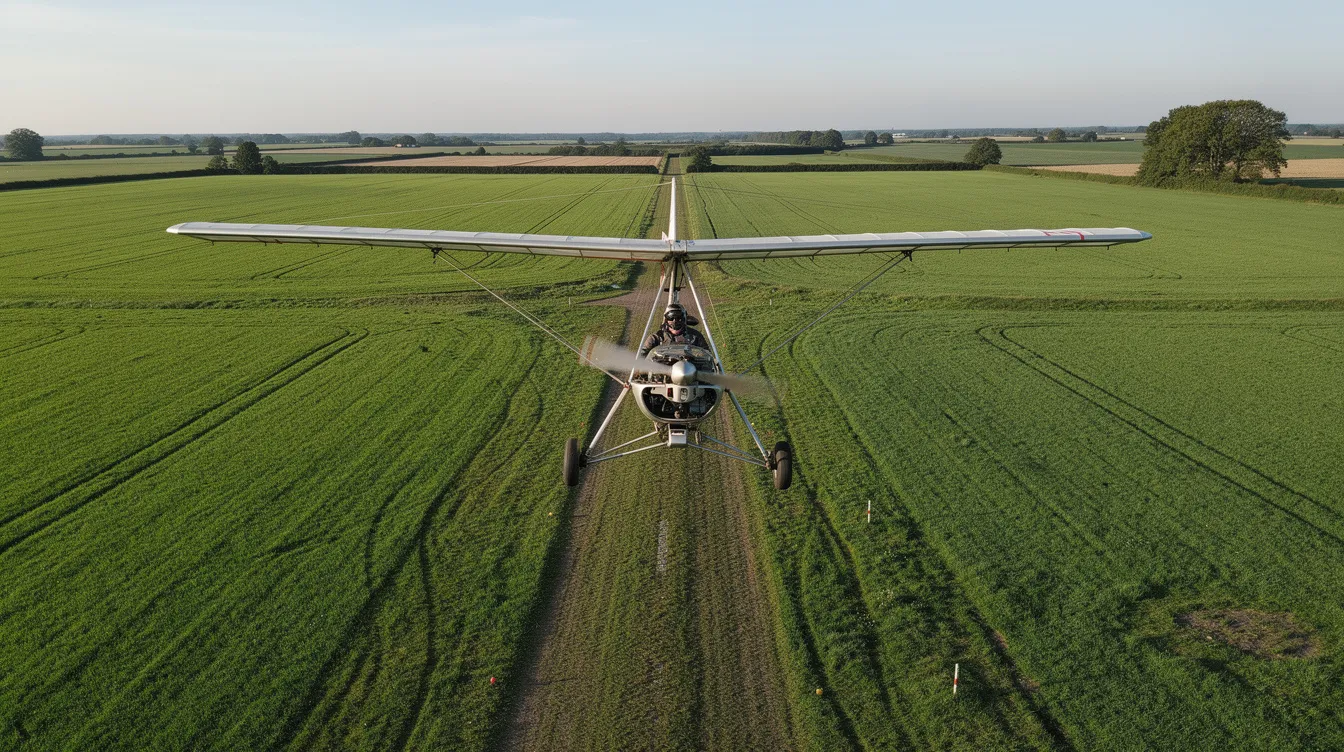
Under U.S. federal law, you can fly a personal aircraft with no license, no medical exam, and no aircraft registration. The catch: the machine must qualify as an ultralight vehicle under FAA Part 103, a regulation that caps weight, speed, fuel, and occupancy to keep these aircraft in a tightly defined recreational category.
In the U.S., FAA Part 103 lets you fly an ultralight personal aircraft with no pilot license, no medical certificate, and no airworthiness certificate, provided the aircraft meets strict limits: under 254 pounds empty weight, no more than 5 gallons of fuel, a top speed of 55 knots or less, and single occupant use only.
Most ultralights operate in rural Class G airspace during daylight hours. Flights over congested areas and into controlled airspace (Class B, C, D, surface Class E) require prior ATC authorization.
Light sport aircraft are not the same as Part 103 ultralights. LSAs require at least a sport pilot certificate, aircraft registration, and formal flight training.
Training is not legally required under Part 103, but flying ultralight aircraft without training or instruction is considered dangerous. Organizations like the EAA and USUA offer guidance and instructor referrals.
For trips that exceed the range, speed, payload, or passenger limits of ultralight aviation, platforms like Jettly provide on-demand access to professionally operated charter aircraft worldwide.
Yes, but only under one narrow category. The FAA allows a person to fly an ultralight vehicle defined in 14 CFR Part 103 without holding any pilot certificate, medical certificate, or aircraft registration. No other type of aircraft qualifies. All normal airplanes, helicopters, and light sport aircraft require some level of pilot certification.
Under Part 103, ultralight aircraft do not require registration or airworthiness certificates. There is no N-number on the tail, no logbook requirement, and no mandatory annual inspection. Ultralight aircraft must only be used for recreational or sport purposes; commercial operations of any kind are prohibited.
Staying within Part 103 matters because the penalties for flying outside it are real:
Operating a non-Part-103 aircraft without a valid pilot certificate can result in civil fines, FAA enforcement actions, and in some cases criminal prosecution. The DOJ has prosecuted individuals for piloting aircraft without an airman's certificate, resulting in probation and fines.
Many potential ultralight pilots use Part 103 flying as a low-barrier entry point before deciding whether to pursue a sport pilot, private pilot license, or professional certification path.
An ultralight is a single-occupant recreational aircraft regulated as a "vehicle" under FAA Part 103, not as a standard certificated airplane. The FAA does not consider it an "aircraft" in the conventional regulatory sense, which is why it escapes the normal requirements for pilot certification, registration, and airworthiness certification.
For a powered ultralight to qualify, every one of these limits must be met simultaneously:
Maximum empty weight of 254 pounds (115 kg), excluding floats and safety devices like a ballistic recovery parachute
Fuel capacity of no more than 5 U.S. gallons
Maximum full power level flight speed of 55 knots calibrated airspeed
Maximum power off stall speed of 24 knots calibrated airspeed
For unpowered ultralights (hang gliders, paragliders, and similar craft), the maximum empty weight drops to 155 pounds.
Meeting these numbers is assessed per individual airframe. Adding a bigger engine, an electric starter, or heavy avionics can quietly push an aircraft past the weight limit and out of Part 103 compliance. When that happens, the machine falls into categories that require at least a sport pilot or private pilot license, plus registration and an airworthiness certificate.
The gap between ultralight vehicles, light sport aircraft, and standard certificated airplanes is defined by concrete differences in licensing, weight, speed, and operational freedom.
Part 103 ultralights do not require a pilot license under FAA rules. Light sport aircraft require at least a sport pilot certificate, formal flight training, aircraft registration, and an airworthiness certificate. Certified piston and turbine aircraft demand private, commercial, or airline transport pilot licenses, plus medical certificates and structured maintenance programs.
A light sport aircraft can weigh up to 1,320 pounds on land (1,430 for seaplanes), accommodate one or two occupants, and cruise around 100 to 120 knots. Most ultralights cruise near 50 to 60 mph with a practical range of 50 to 150 miles. By contrast, a small private jet sourced through Jettly can cruise at 430 to 520 knots with a range exceeding 1,500 miles.
Ultralights: no pilot license required, one seat, under 254 lb empty, 55 knots max, Class G airspace only (without ATC permission)
Light sport aircraft: sport pilot certificate required, one or two seats, up to 1,320 lb, ~120 knots max
Certified aircraft: private pilot license or higher, multiple seats, wide speed and altitude range, all airspace classes
Anyone wanting to carry passengers, fly at night, operate in instrument conditions, or travel cross-country will leave Part 103 behind and either train for a pilot license or charter aircraft with professional crews.
Even though no license is required, Part 103 tightly controls where and when ultralight pilots may fly. These restrictions exist because most ultralights lack the avionics, structural strength, and communication equipment found in other aircraft.
Where you can fly:
Ultralight operations take place primarily in uncontrolled airspace, away from congested areas. Overflight of congested towns, cities, and open air assemblies (stadiums, festivals, outdoor concerts) is prohibited. Entry into Class A, Class B, Class C, Class D, or surface Class E controlled airspace requires prior authorization from the controlling ATC facility, which is rarely granted for ultralights without radios or transponders.
When you can fly:
Ultralight operations are limited to daylight hours only, between sunrise and sunset. A 30-minute twilight extension (before sunrise or after sunset) is available if the ultralight carries an anticollision light visible from at least 3 statute miles, and only in uncontrolled airspace.
Pilots must maintain visual reference with the surface and observe cloud clearance requirements that apply to their altitude and airspace class. Part 103 does not set an explicit altitude ceiling, but practical limits come from airspace boundaries and the need to maintain clear visual contact with the ground.
Class G airspace is uncontrolled airspace where the FAA does not provide air traffic control services. It is typically found at lower altitudes around rural areas and small non-towered airports, often extending from the surface up to 700 or 1,200 feet AGL before transitioning to Class E.
Most people who fly ultralights or any personal aircraft with no pilot license do so almost entirely in Class G airspace. This avoids the need for ATC coordination, transponders, and two-way radio communication that controlled airspace demands. Class G is where the freedom of Part 103 ultralight flying operates in practice.
Even in Class G, ultralight pilots must yield the right-of-way to all other aircraft and operate in a manner that does not endanger people or property on the ground. Situational awareness, scanning for traffic, and conservative altitude selection are the pilot's primary safety net.
A typical flight looks like this: a Sunday morning circuit around a grass strip outside a small Midwestern town, staying at 600 to 1,200 feet AGL, visibility greater than 3 statute miles, winds calm, no overflying of the town or gathering places. The pilot monitors a handheld radio for traffic advisories at the local frequency but is not required to use one.
Below are concrete examples of ultralights that many pilots operate legally without a pilot license. Each qualifies under Part 103 when built and configured correctly.
Fixed-wing models:
Aerolite 103: A high-wing, enclosed-cockpit design with an empty weight around 235 lb. Stall speed near 23 knots, cruise around 48 knots. Aerolite 103 kits start at about $23,000. Complete ready-to-fly versions with a mid-range engine run $29,000 to $35,000.
Quicksilver MX 103: An open-cockpit classic that has defined ultralight flying since the 1980s. Quicksilver MX103 fully assembled versions cost as low as $18,000.
Kolb Firefly: A single-seat high-wing pusher with folding wings, making it practical for storage in a standard home garage or trailer transport. Kolb Firefly quick-build kits start at $17,270, excluding the engine.
Hummel Ultracruiser: An all-metal, low-wing taildragger using a 37 hp half-VW engine. Empty weight sits near the 254 lb ceiling. Hummel Ultracruiser build kits cost $28,442 without the engine. A ready-to-fly Hummel Ultracruiser starts at $37,292.
Phantom X1: A powered fixed wing design with an empty weight of 254 lbs and a 40 hp engine, sitting right at the Part 103 maximum empty weight.
Non-fixed-wing options:
Mosquito XEL (helicopter): A single-seat rotorcraft kit priced around $58,000 (kit) to $77,000 (factory-finished). Endurance is roughly one hour. Weight compliance depends on configuration; floats can be excluded from the weight calculation.
Powered paragliders and powered parachutes also qualify under Part 103 when they meet the weight, fuel, and speed limits. These lightweight aircraft offer the lowest cost of entry, with some powered hang gliders available for under $10,000 used.
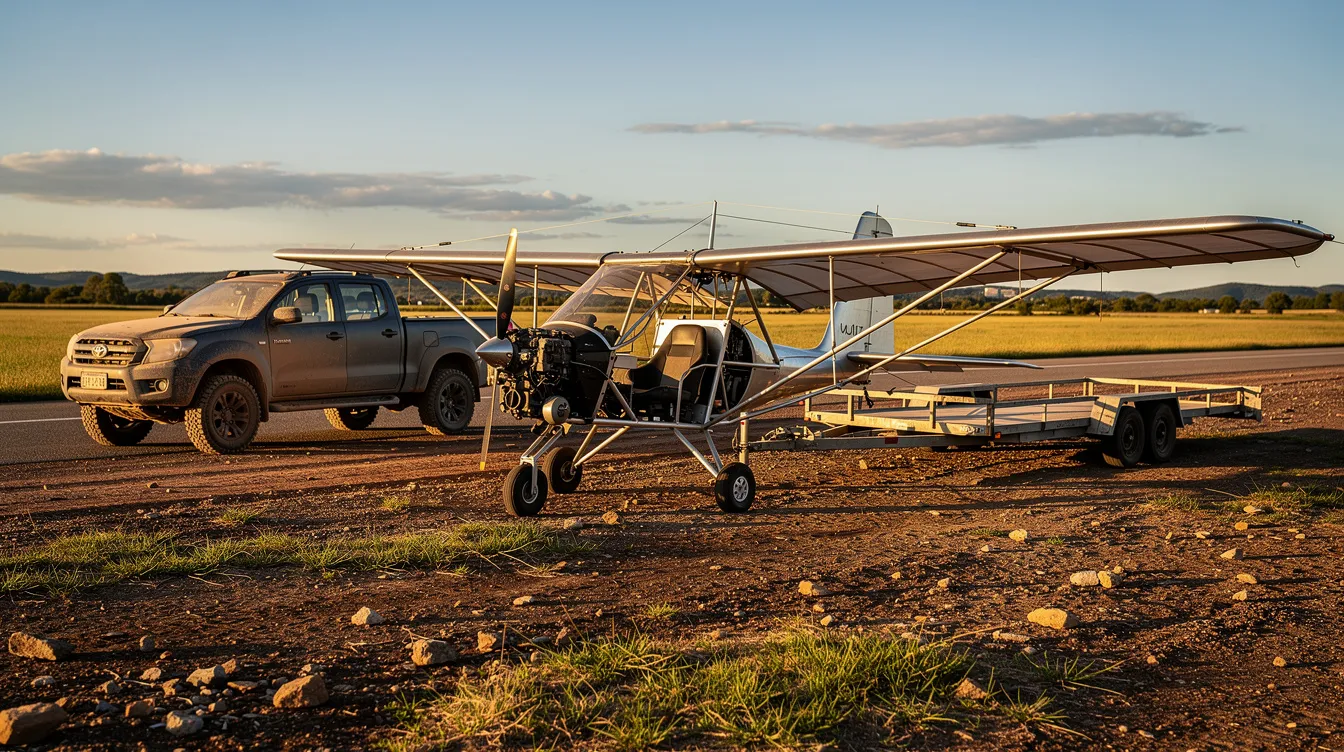
Amphibious ultralights are aircraft that take off and land on both water and land, typically using bolt-on floats or hull-style fuselages. They occupy a small corner of the Part 103 world.
FAA Part 103 allows floats and safety devices intended for catastrophic deployment (like parachutes) to be excluded from the 254 lb empty weight calculation. This means an amphibious ultralight can show a higher number on the scales and still qualify, as long as the airframe without floats meets the weight limit.
The challenge: added structural reinforcement, water rudders, step hull modifications, and corrosion-resistant hardware often push many amphibious designs beyond Part 103 limits on speed or total systems weight. At that point, the aircraft moves into light sport aircraft territory, where a sport pilot certificate, registration, and an airworthiness certificate become mandatory.
Amphibious ultralights remain a niche segment. A practical example: a single-seat amphib with detachable floats operated on quiet lakes in Minnesota, launched from a shoreline ramp, and stored on a trailer. The pilot respects both local boating rules and FAA airspace requirements, avoiding congested areas and staying in Class G.
The FAA does not require formal training to fly an ultralight under Part 103. Training is recommended for ultralight pilots despite this, because flying ultralight aircraft without training or instruction is considered dangerous. Weather misjudgment, poor airmanship, and maintenance errors cause most ultralight accidents, not the absence of a license.
A responsible learning path typically follows this sequence:
Ground study: Aeronautical knowledge covering aerodynamics, weather interpretation, airspace rules, and engine operation.
Simulator or desktop training: Familiarization with control inputs and emergency procedures.
Dual instruction: Flying with a certified instructor in a two seat ultralight trainer. These trainers now operate mostly as experimental or light sport aircraft, so instructors teach under sport pilot or higher certificates even when students plan to fly ultralights only. The two seat configuration is specifically for training infrastructure; a true Part 103 ultralight has one seat.
Key organizations that support pilot training and community building:
Experimental Aircraft Association (EAA): Chapters nationwide offer mentorship, fly-ins, and aircraft meets.
U.S. Ultralight Association (USUA): Instructor directories and safety programs.
Aero Sports Connection: Training standards for powered parachutes and powered paragliders.
Even a handful of hours with an instructor, combined with ground study, provides far more margin than learning solo. Fewer hours of formal training can still cover the fundamentals.
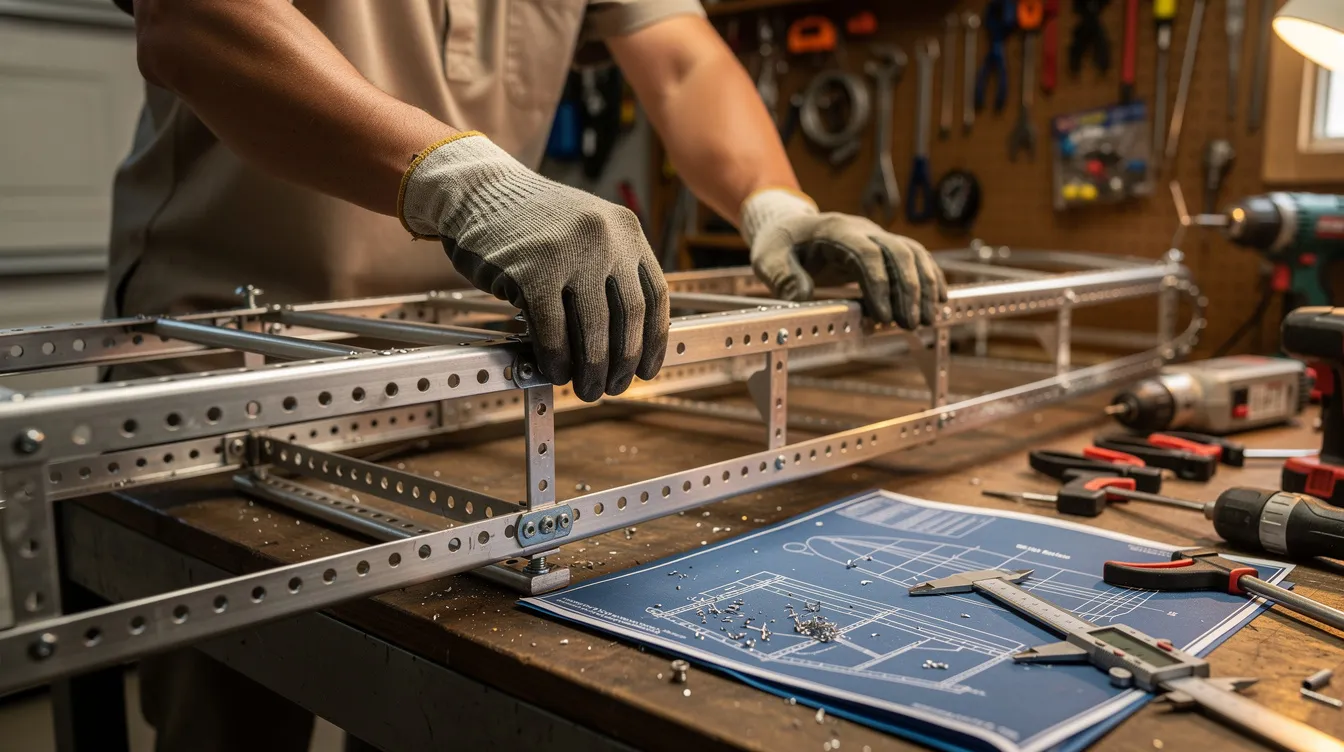
Owning a personal aircraft with no license required usually means either buying a compliant Part 103 ultralight or building one from DIY ultralight aircraft kits or plans.
Typical 2026 price ranges:
|
Category |
Price Range |
|---|---|
|
Older used ultralights |
$8,000 to $20,000 |
|
New DIY ultralight aircraft kits |
$15,000 to $35,000 |
|
Factory-built, fully assembled and ready to fly models |
$25,000 to $60,000+ |
Before purchasing or after completing a build, verify compliance yourself:
Weigh the airframe on calibrated scales. Do not rely on manufacturer brochures for empty weight. The maximum empty weight is 254 lb excluding floats and safety devices.
Confirm fuel capacity does not exceed 5 U.S. gallons for powered ultralights. Auxiliary tanks that push total capacity higher disqualify the aircraft from Part 103.
Test realistic top speed in level flight at full power. If it exceeds 55 knots calibrated airspeed, the aircraft is no longer Part 103 compliant.
Kit-built vs. fully assembled:
Kits offer lower cost and customization but demand 200 to 500+ hours of build time, tools, and mechanical skill. Completed aircraft cost more but get the pilot flying sooner. Both paths produce the same legal result under Part 103; no foreign airworthiness certificate or domestic airworthiness certificate is needed.
Document everything. Keep maintenance notes, component receipts, and scale tickets. Part 103 does not require a logbook, but records support safety decisions, resale value, and insurance applications.
The absence of a required pilot license does not eliminate personal, civil, or financial risk. Ultralight pilots carry full responsibility for their own safety and for any harm caused to others.
Core safety practices:
Preflight inspections before every flight: check control surfaces, engine mounts, fuel lines, tire condition
Conservative weather minimums: winds under 12 to 15 knots for beginners, no flight into marginal visibility or approaching storms
Helmets and proper restraint harnesses on every flight
Recurring proficiency flights with an instructor, even after gaining experience
Liability or hull insurance for Part 103 ultralights varies by state and insurer. Some owners rely on personal umbrella policies to manage third-party risk. Joining a local ultralight or EAA chapter provides access to safety briefings, group fly-outs, and peer review of maintenance and modifications.
While FAA enforcement may be limited for purely Part 103 matters, pilots can still be held responsible under general negligence laws if their operations cause injury or property damage. Restricted airspace violations and flights over congested areas create the highest enforcement risk.
The hands-on appeal of ultralight flying and the efficiency of professionally operated private jets serve different needs for the same aviation-minded person.
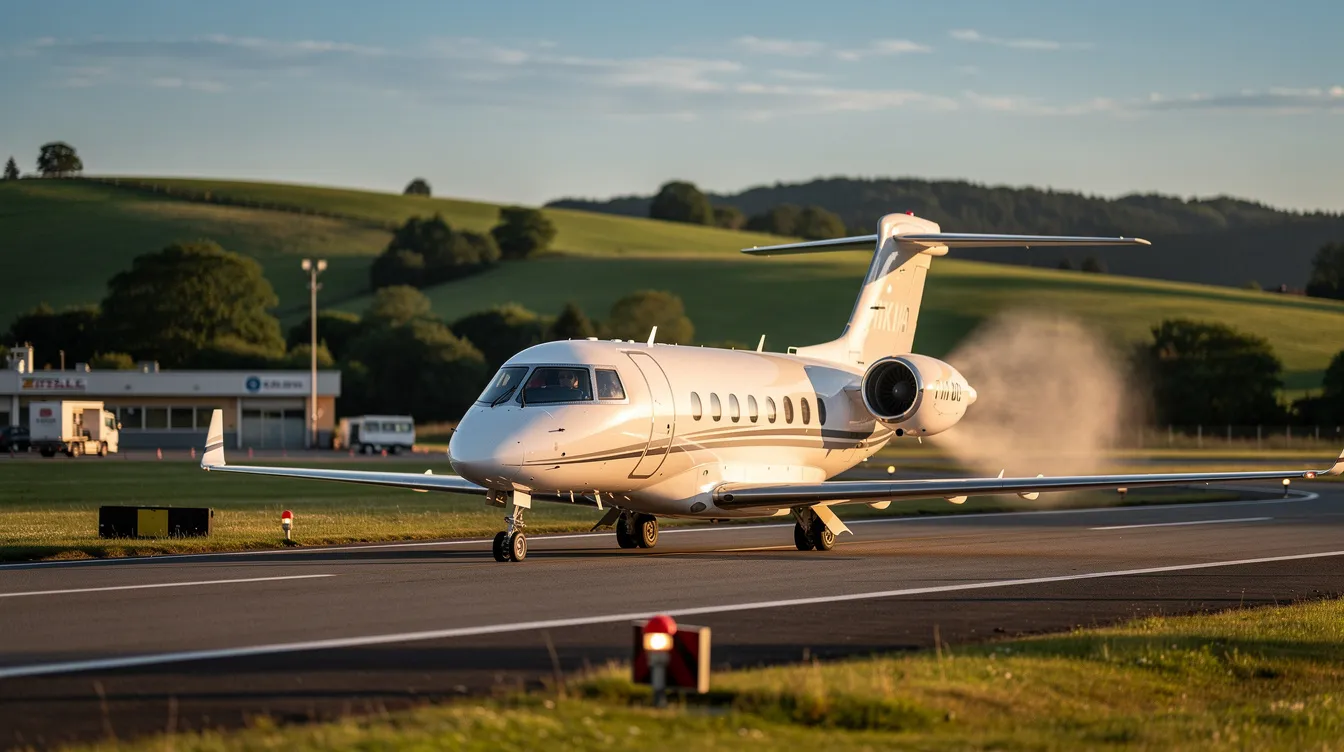
Ultralights let you fly without a pilot license for local, recreational flying. The 5-gallon fuel capacity and 55-knot speed cap mean these machines are built for leisure circuits, not business itineraries. Longer-distance trips for work, family vacations, or time-sensitive travel are handled more practically via chartered jets with licensed crews.
Jettly, as a charter broker, gives travelers on-demand access to more than 20,000 aircraft worldwide, from turboprops and light jets to large-cabin and long-range jets, without the cost of ownership.
Saturday morning: A 30-minute ultralight hop from a grass strip near home in Class G airspace.
Monday morning: A Jettly-arranged light jet from a regional airport to Miami for meetings, carrying three colleagues and luggage.
Private jet charter is not a competitor to recreational flying. It is the logical solution for missions where weather, range, payload, and scheduling push far beyond what Part 103 aircraft can safely handle.
Many pilots discover aviation through ultralight flying, then later pursue a sport pilot certificate or private pilot license to expand what and where they can fly.
Common motivations:
Desire to carry passengers (Part 103 is strictly single occupant)
Flying at night or under instrument conditions
Operating in controlled airspace without needing prior authorization each time
Access to faster light sport aircraft and certified singles with greater range
Sport pilot training (often 20 to 30 flight hours minimum) is a popular next step for those accustomed to ultralights. It offers a shorter path and lower cost than full private pilot training, while opening access to two seat LSAs and broader airspace.
Once licensed, some aviators combine personal flying in rented or owned aircraft with occasional private jet charter through platforms like Jettly when timelines, weather, or international routes demand more capable aircraft. Ultralights can be either a satisfying lifelong niche or a stepping-stone. Structured pilot training and respect for FAA rules are valuable regardless of which path a pilot chooses.
The questions below address edge cases and practical concerns beyond the main sections, including international rules, gear restrictions, avionics, and combining ultralight ownership with chartered travel.
The U.S. Part 103 framework is unique. Many countries classify similar machines as microlights or ultralights but require pilot licenses, aircraft registration, and medical certificates. In EASA member states, for example, microlight pilots must hold a license issued by their national authority. Readers should consult the aviation regulator in their target country (Transport Canada, EASA, CASA in Australia) before assuming "no license" privileges apply. Cross-border flights in Part 103 ultralights are generally impractical due to regulatory, range, and equipment limitations.
Part 103 limits ultralights to a single occupant. No passengers, including pets, are legally allowed in a true Part 103 vehicle. Carrying modest gear (a GoPro, a small bag) is generally acceptable if total weight and center-of-gravity limits published by the designer are respected, but permanently mounted hardware might push empty weight over the 254 lb limit. Fuel capacity may not exceed 5 U.S. gallons for powered ultralights; auxiliary tanks that increase capacity beyond this threshold disqualify the aircraft from Part 103.
Part 103 does not mandate radios or transponders in Class G airspace, which is where most ultralights operate. Entering airspace like Class C or the Mode C veil around major airports would require a transponder and often two-way radio, which is equipment many ultralights do not carry. A handheld aviation radio is still useful for situational awareness near non-towered airports, even when not legally required.
Part 103 vehicles are for personal recreational flying only. They cannot be used for commercial passenger carriage, paid instruction, or sightseeing. Offering rides or flight lessons for compensation triggers FAA rules requiring aircraft certification, pilot licensing, and operating certificates. Anyone interested in commercial flying operations should explore certified aircraft and proper pilot certificates, or work with regulated operators through charter platforms.
Ultralights are owner-flown, single-seat recreational machines with strict limits on weight, speed, and where they can operate. Maintenance and risk management fall directly on the pilot. Jettly connects travelers to a vetted network of certified operators and professional crews flying everything from turboprops to long-range jets. Chartered jets access thousands of airports worldwide, operate under instrument rules in all classes of controlled airspace, and carry multiple passengers and baggage in comfort. Use the Jettly cost calculator to compare charter pricing for trips that ultralights cannot safely or legally cover.
Under FAA Part 103, you can legally fly an ultralight personal aircraft with no pilot license, no medical certificate, and no registration. The aircraft must stay within strict limits: under 254 lb empty weight, 5 gallons of fuel, 55 knots top speed, and single-occupant use for sport or recreation only.
Safe ultralight flying depends on voluntary training, conservative decision-making, and honest compliance with Part 103, particularly regarding Class G airspace use and avoidance of congested areas. The freedom is real, but so is the responsibility.
That freedom sits at one end of a spectrum. At the other end: a 1,500-mile same-day business itinerary on a chartered jet with a professional crew. Each serves a different purpose in aviation.
Ready to explore efficient, professionally flown travel beyond the reach of ultralights? Check out Jettly's on-demand charter options and instant pricing.
Understanding the rules, from Part 103 through commercial charter standards, lets aviation enthusiasts enjoy both personal ultralight freedom and the convenience of modern private air travel.
Share this post:
Jay Franco Serevilla
Nov 8, 2026
|
5
min read
Discover tips and trends in the industry.
5
min read
Jet Bathroom Guide: Private Jet Toilets, Jet Sprays, and What to Expect in the Air
Understanding private jet bathrooms is crucial for travelers, as facilities can vary significantly. From simple chemical toilets to luxurious showers, knowing what to expect can enhance your flying experience. Always confirm the bathroom type with your charter broker before booking to ensure your needs are met.
Read More
5
min read
JustFly vs. Jettly: How to Book Smart, Avoid Hidden Fees, and Upgrade Your Travel
This guide compares JustFly, a budget-focused online travel agency, with Jettly, a private jet charter service. While JustFly offers cheap flights, it often comes with hidden fees and customer service issues. Jettly, on the other hand, provides transparent pricing and flexibility for travelers seeking private flights, making it a viable alternative for time-sensitive trips.
Read MoreStay updated with our latest insights and tips to elevate your journey with us.
MEMBERSHIPS AND ASSOCIATIONS



© 2026 Jettly Inc. All rights reserved.
Disclaimer: Jettly operates as a charter broker, offering access to a global digital jet charter marketplace. Jettly is not a direct air carrier and does not own or operate aircraft. All advertised flights are conducted by third-party air carriers that are fully licensed and hold the appropriate Part 135 or Part 121 certifications issued by the Federal Aviation Administration (FAA) or equivalent regulatory authorities under U.S. or foreign law. Jettly complies fully with the U.S. Department of Transportation's Part 295 and Part 298 Charter Broker regulations. Jettly does not carry additional liability insurance. Passengers are covered by aircraft operator insurance. TICO: 50023770


