



Login
Get Instant Pricing On 23,000+ Aircraft

>
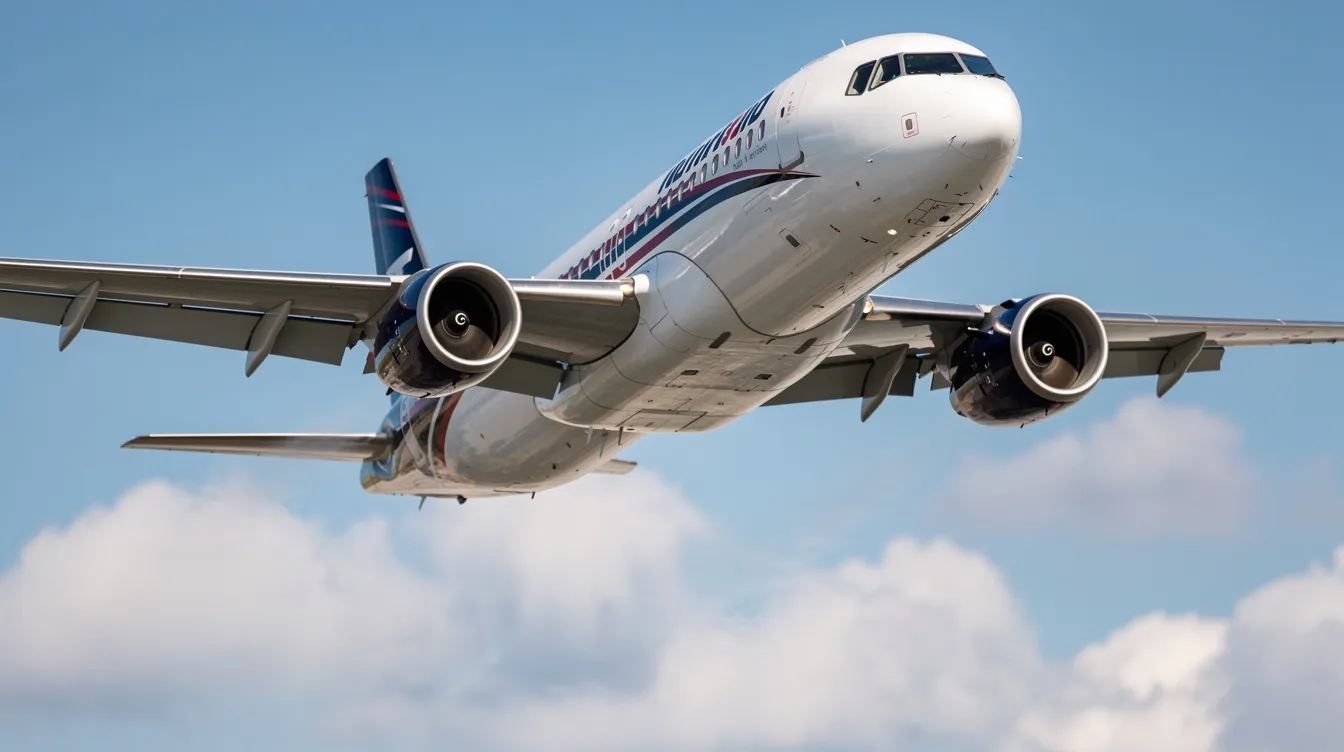
When people hear about a plane crash, they may imagine mid-air explosions, aircraft breaking apart, or passengers in freefall. The reality is different: the leading plane crash cause of death is usually blunt force trauma from violent deceleration on impact. Cabin collapse, post-crash fire, and smoke inhalation also account for fatalities.
In aviation forensics, “cause of death” has two meanings. The medical cause refers to the injuries that killed someone, such as blunt-force injuries, internal hemorrhage, burns, or inhalation injury. The investigative cause refers to the mechanical, human, or environmental factors that led to the crash.
Most deaths in plane crashes result from violent deceleration on impact, structural collapse, or post-crash fires—not the scenarios often depicted in movies. Human error and mechanical failure can contribute to accidents, sometimes in combination. Understanding what happens helps separate myths from risk and shows how safety standards and investigations support prevention.
This article explains medical causes of death, crash dynamics, weather, investigation processes, and survivability. It also considers what aviation safety means for private jet travelers, frequent flyers, and anyone seeking to understand aircraft risk.
The leading plane crash cause of death is blunt force trauma from rapid deceleration, not “falling from the sky.” Post-impact fire and smoke inhalation account for a significant minority of fatalities.
Modern aviation is statistically very safe. Total aviation accident fatalities since 1970 are 83,772, but fatal accident rates have dropped sharply; fewer than 170 aviation incidents occurred annually from 2009 to 2017.
Fatalities in aviation accidents often result from a combination of factors, including impact speed, angle, weather conditions, aircraft type, and crash-site terrain.
Certified investigators like the NTSB, BEA, and Transportation Safety Board follow international frameworks, including ICAO Annex 13 and GADSS, to learn from fatal accidents and prevent recurrence.
Jettly, a digital private jet charter broker, connects travelers with licensed third-party operators that adhere to applicable safety and maintenance standards.
Understanding what kills people in a crash starts with separating immediate causes from secondary ones. Immediate causes are injuries sustained at or within moments of impact. Secondary causes develop later and can include exposure, infection, or organ failure.
Blunt force trauma is the leading cause of death in aviation accidents. Autopsy reviews of general aviation pilot fatalities have reported blunt trauma in 86% of fatal cases, with rib fractures in roughly 72% and skull fractures in about 55%. Head injuries account for approximately 22% of aircraft crash fatalities in some death-certificate data.
High-G deceleration can cause severe internal damage. Organs may tear away from supporting ligaments, while aortic rupture, spinal injuries, and cervical fractures can occur in extreme impacts, particularly during vertical or nose-down crashes.
Post-crash fires can cause deaths from smoke inhalation and thermal injuries. Canadian Transportation Safety Board data covering 521 accidents with post-impact fire found that nearly 30% of 728 fatalities were partly or fully attributed to fire or smoke inhalation. Combustion products such as carbon monoxide and hydrogen cyanide, along with superheated air, can rapidly damage airways and lungs.
Crushing injuries occur when the fuselage collapses, seats intrude, or cargo shifts. Secondary causes include hypothermia at remote or cold crash sites and drowning, which can occur when an aircraft crashes into water and occupants cannot escape a submerged cabin.
|
Cause or contributing factor |
How it can affect occupants |
When it may occur |
|---|---|---|
|
Blunt-force trauma |
Rapid deceleration can cause fatal head, chest, spinal, or internal injuries. |
At impact |
|
Fire and smoke inhalation |
Heat and toxic combustion products can injure the lungs and airways. |
After impact, if a fire starts |
|
Crushing injuries |
Collapsing structure, seat intrusion, or shifting cargo can cause serious trauma. |
During impact or structural failure |
|
Drowning or exposure |
Water, cold, or delayed rescue can create additional life-threatening conditions. |
After an impact, especially in remote areas or water |
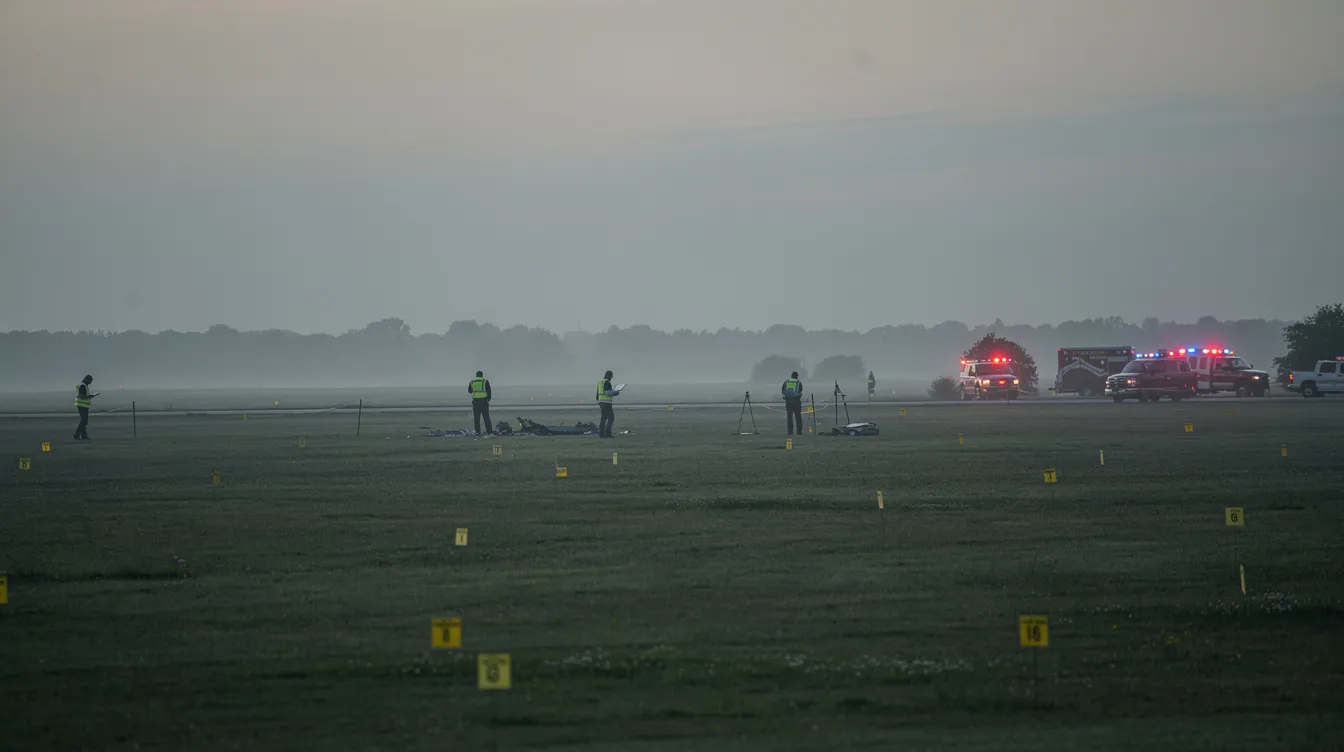
The speed, angle, and type of impact largely determine whether injuries are survivable. High-speed impacts generally involve greater energy transfer, affecting survival across the cabin.
Vertical, high-speed impacts produce extreme forces. When an aircraft dives into terrain at a steep angle, structural destruction can be extensive. Controlled flight into terrain (CFIT) occurs when an otherwise functioning aircraft strikes terrain, often because of reduced situational awareness or visibility. Although deceleration can be severe, survivable areas may remain when the impact angle is shallower.
Runway overruns and undershoots can occur at lower speeds. The final approach and landing phases account for a significant percentage of fatal crashes, yet these accidents can have higher survival rates when the aircraft structure remains largely intact. Risks can also arise during takeoff, when an emergency leaves pilots with limited time and space to respond, and travelers considering private options can benefit from understanding the private and charter airline landscape.
In a Florida Learjet crash, investigators reported evidence that parts of the aircraft broke off before impact. Nine people were killed. The jet was at 35,000 feet when it reported problems, and the pilot reported ice accumulation and turbulence before the aircraft descended at 20,000 feet per minute. Investigators examine debris distribution and other evidence to establish whether breakup occurred before impact; the investigation determines the cause.
Loss of control in flight is a major cause of fatal aviation accidents. When pilots lose control, the resulting impact speed and angle can be catastrophic. Seatbelt use, seat design, and brace position also matter. Restraints help limit movement and reduce the risk of injuries during impact.
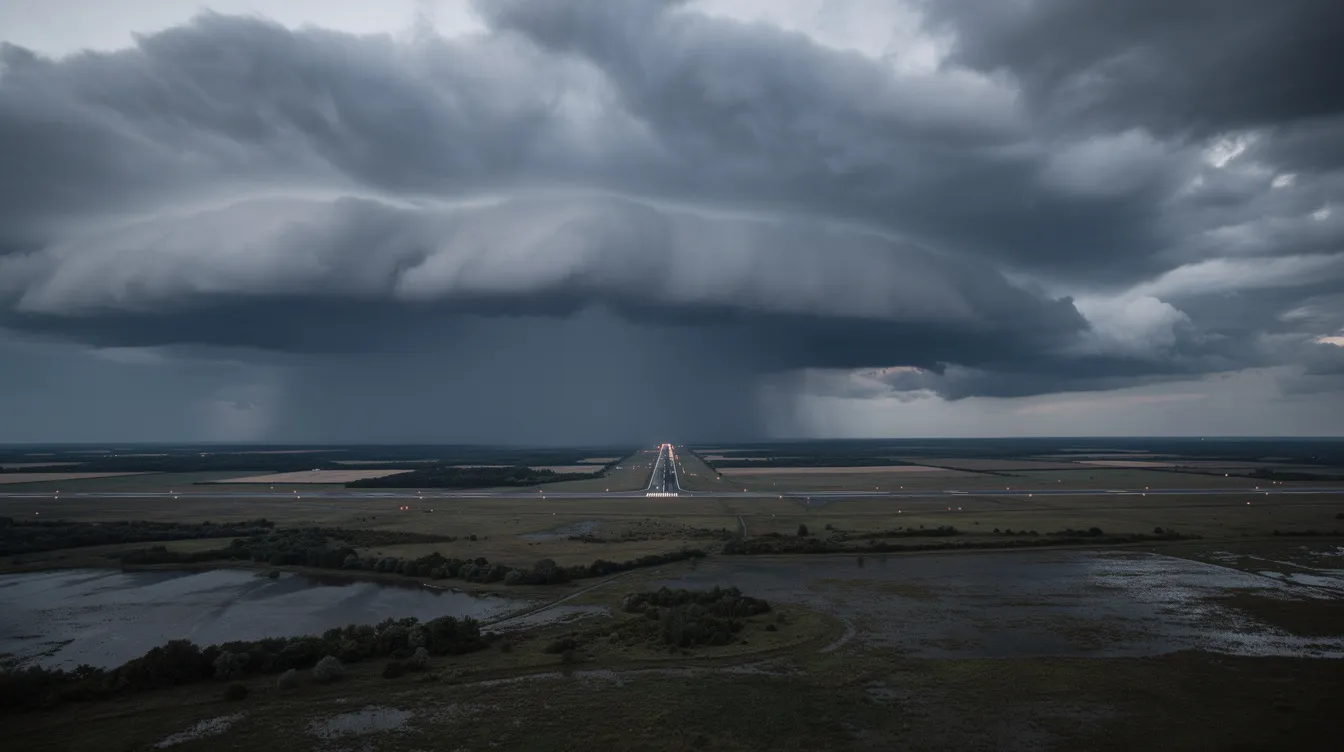
Weather can contribute to aviation accidents and influence their outcomes. Thunderstorms and severe turbulence can contribute to structural stress or loss of control. Moderate turbulence is not usually dangerous to modern aircraft, but it can compound an already difficult situation, especially in contrast to the robust protections built into the safest private jets in the world. Learn more about how turbulence affects private jets.
Icing events can affect lift and control. Before the Florida Learjet’s descent, the pilot reported ice accumulation and turbulence. The jet was at 35,000 feet when it reported problems. Understanding how high planes fly provides additional context about operating conditions at altitude.
Reduced visibility from fog, rain, low cloud, or night conditions can increase CFIT risk. Weather near airports may also affect approach and landing decisions, making alternate airports and timely diversions important tools for flight crews.
Environmental conditions significantly influence crash outcomes and survival. Mountainous terrain can intensify impact forces. Open water introduces drowning and hypothermia risks, while remote locations may delay rescue. Certified operators in Jettly’s marketplace use professional weather information, alternate-airport planning, and tools like an airport locator for private flights, along with de-icing procedures, as part of risk management.
At a crash site, first responders prioritize fire suppression, securing the area, and searching for survivors. The immediate focus is rescue; recovery and evidence preservation follow as conditions allow.
Medical examiners and forensic pathologists determine cause of death through autopsy, toxicology testing, and injury documentation. Identification may rely on dental records, DNA, and fingerprints. In large-scale accidents, disaster victim identification protocols coordinate this work.
Injury patterns can help explain crash dynamics. Fractures concentrated on one side of the body may indicate the direction of force. Burn patterns can help establish whether a fire occurred before or after impact, and comparisons across major private aviation providers, such as industry leader NetJets and its safety practices, further inform how operators mitigate these risks.
The process can take weeks or months depending on terrain, the debris field, and evidence needs. Investigators treat human remains with respect and coordinate updates with families. Autopsy findings can inform safety recommendations, including improved cabin materials, fire-resistant seat fabrics, and floor-level emergency lighting.
There is an important distinction between the medical cause of death, such as multiple blunt-force injuries, and the accident cause, such as loss of control associated with icing, pilot actions, or mechanical failure. Investigators focus on the latter to help prevent recurrence.
The NTSB in the United States, the BEA in France, and the Transportation Safety Board in Canada investigate aircraft accidents. Their safety investigations aim to establish what happened and issue recommendations, rather than assign legal blame. The Aviation Safety Reporting System collects voluntary safety incident reports that can help identify hazards and trends.
ICAO Annex 13 provides an international framework for aircraft accident investigations. Investigators use cockpit voice and flight data recorders, radar information, and crash-site mapping to reconstruct events and compare the impact sequence with injury evidence.
Mechanical failures may result in accidents, but they do not automatically lead to fatalities; many mechanical problems are managed through emergency landings. The European Union Aviation Safety Agency provides an annual safety review, while long-term data show that aviation fatality rates have declined over decades, and travelers can compare safety practices across the best private jet charter companies when choosing how to fly.
The disappearance of MH370 exposed challenges in locating aircraft and debris beyond radar coverage. Finding crash sites quickly can support search-and-rescue efforts and help investigators establish what happened.
The International Civil Aviation Organization’s Global Aeronautical Distress and Safety System (GADSS) includes tracking measures for aircraft in distress. Under applicable requirements, commercial aircraft report their position every 15 minutes. Newer aircraft subject to distress-tracking rules may transmit more frequently when an emergency is detected, which also supports emerging models like crowdsourced and shared private jet flights that still rely on robust tracking.
Faster location can improve the response after an accident. In survivable crashes, reducing the time between impact and rescue may limit deaths from exposure, hypothermia, and untreated injuries. Chartered aircraft in Jettly’s network are operated by certified air carriers that must comply with applicable tracking, communications, and distress-alerting requirements, and they draw from a broad range of private charter aircraft types matched to route and safety needs.
Many plane crashes, including accidents involving small private or regional aircraft, have survivors. In NTSB Part 121 data, roughly 94% of accidents had 100% survival among occupants. Even in serious accidents involving fire and substantial damage, 59% of occupants survived, a reassuring statistic for travelers who may be exploring options to buy a single seat on a private jet rather than an entire aircraft.
Aircraft structural integrity plays a major role in passenger survival. When sections of the fuselage remain intact, they can preserve space in which passengers may withstand deceleration forces, and those considering private aviation often weigh these design features alongside the overall cost of private jet travel.
Seat location patterns are less important than safety procedures. Wearing restraints, adopting a brace position when instructed, and responding quickly to crew directions can improve the chance of survival. For context on aircraft design, read about the safest private jets, which may incorporate features such as crash-resistant fuel systems and reinforced cabin structures, and are also discussed in depth in this guide to the safest private jet models worldwide.
Effective evacuation procedures are crucial for improving survival rates after a crash. Functioning exits, crew guidance, and manageable smoke conditions can make a critical difference. In a burning cabin, conditions may deteriorate quickly, so passengers should follow crew instructions and move promptly to an available exit.
Design changes over recent decades, including fire-resistant materials, improved signage, and floor-level lighting, have helped improve cabin safety, while evolving booking models make it easier for travelers to get a seat on a private jet that benefits from these modern safety features.

Movies and news footage can shape inaccurate beliefs about how passengers die when an aircraft crashes. The facts are more complex.
Myth: Most deaths come from mid-air explosions. Many fatalities result from ground impact and post-impact fire, rather than dramatic breakups at altitude.
Myth: No one survives serious plane crashes. Survivors have been documented in both airline and business jet accidents. Survival depends on impact conditions, aircraft integrity, and evacuation.
Myth: Victims are always unconscious at impact. Some people die at impact; others may survive long enough to require rescue. The timeline varies by accident.
Myth: Smaller aircraft are inherently more dangerous. Safety depends on operator standards, maintenance, pilot training, and flight profile—not simply whether an aircraft is a jet, turboprop, or airliner, and understanding how certified Part 135 charter companies operate can help clarify the real risk factors.
Jettly is a digital charter broker, not an aircraft operator. The platform connects travelers with third-party air carriers that hold the required certifications. Flights are operated by those carriers, not by Jettly, whether you’re booking through partners such as Dexter Air Taxi private jet services or Zenflight’s instant-book charter options.
In the United States, reputable private operators work under applicable rules such as Part 135 or equivalent standards in other jurisdictions. These rules address maintenance, pilot qualifications and currency, duty-time limits, and operational procedures. Safety ratings and audit programs such as ARGUS, Wyvern, and IS-BAO can provide additional information for travelers comparing operators, especially on longer trips where private jets fly internationally under strict regulations.
Private flying offers scheduling flexibility, but no travel option removes all risk. A direct route can avoid some connections, while flexible departure times may allow a crew to wait for weather to improve or choose an alternate airport. Travelers can ask about operator certification, audit results, maintenance, and weather decision-making, and many compare these factors when evaluating NetJets alternatives such as Jettly.
Jettly’s platform provides access to a broad global aircraft marketplace, helping customers compare available charter options and operators through options like private jet memberships with flexible access. Learn more about private aviation safety and use tools such as a private jet charter cost estimator to make an informed booking decision.
Beyond technical and medical causes, plane crashes have deep emotional consequences for families and communities. Each person lost leaves a lasting absence for relatives, colleagues, and friends.
Uncertainty can make grieving harder. Delayed recovery or an ongoing investigation may leave families waiting for answers. Residents near a crash site, including communities in South Florida and West Palm Beach, may also experience lasting distress after witnessing an impact or encountering debris; in other regions, such as India, travelers routinely use private jet charter services in Kolkata, West Bengal, where local operators must also manage safety and community impacts responsibly.
Official briefings, memorial services, and support groups can help relatives and communities process loss. Improving safety systems, supporting transparent investigations, and making informed charter choices are constructive ways to honor those affected.
In very high-speed impacts or uncontrolled descents, many fatalities occur at impact. In lower-energy or partially survivable accidents, some passengers may survive impact but later die from burns, smoke inhalation, or complications. Investigators use medical and forensic evidence to understand the timing and mechanisms of death and to improve crashworthiness standards.
Yes. Many documented accidents involving airlines and private aircraft have survivors. In NTSB data, even serious accidents with fire and structural damage saw 59% of occupants survive. Wearing a seat belt, knowing exit locations, and following crew instructions promptly are useful safety practices. Aircraft design changes, including stronger seats, fire-resistant materials, and improved exits, have also supported survivability.
Multiple blunt-force injuries from rapid deceleration and impact are the most common medical cause documented in many aviation accident analyses. Burns and inhalation of hot gases or toxic smoke can also be fatal, particularly after an impact that leaves survivors exposed to fire. Injury patterns vary by crash type, speed, and structural damage.
Weather conditions such as icing, turbulence, storms, and low visibility are usually contributing factors that can lead to loss of control or CFIT rather than direct medical causes of death. Fatal injuries typically result from impact or from conditions that delay rescue, such as exposure at a remote crash site. Professional operators use weather minimums, de-icing procedures, and diversion policies to manage these risks.
Direct comparisons between commercial airlines and private aircraft are complex because they operate under different regulations, traffic patterns, and missions. Safety depends on operator quality, maintenance, pilot training, and compliance with applicable rules—not simply whether a plane is private or commercial. A charter broker like Jettly can connect travelers with certified third-party operators; travelers can ask about operator certification, maintenance practices, and crew qualifications.
The primary plane crash cause of death is often blunt-force trauma from impact, while burns and smoke inhalation can also be fatal. Understanding these outcomes has informed improvements in aircraft design, pilot training, regulation, and emergency response.
Aviation safety has improved through tracking systems, stronger crashworthiness standards, pilot training, and investigations conducted under international frameworks. Each investigation can provide lessons that help prevent similar accidents. Travelers can learn more about private aviation safety and certified Part 135 charter operators when comparing charter options.
The plane crash cause of death is not a subject meant to create fear. It is a subject that has helped guide improvements in aircraft design, operations, and emergency planning. For private jet travelers, choosing a properly certified operator and following crew instructions are practical steps. Jettly is a charter broker connecting travelers with certified third-party carriers. Explore aircraft and charter options or estimate trip pricing with the private jet charter cost estimator.
Ready to experience private travel on your terms? Explore flight options or request a quote at Jettly.
Share this post:
Jay Franco Serevilla
Nov 8, 2026
|
5
min read
Discover tips and trends in the industry.
5
min read
Military Plane With Two Propellers: Twin-Engine Turboprops, Tiltrotors, and Modern Missions
Military planes with two propellers, including twin-engine turboprops and tiltrotors, play crucial roles in logistics, surveillance, and humanitarian missions. This guide explores their capabilities, key aircraft, and how their performance informs civilian turboprop travel choices. Understanding these military aircraft helps travelers make informed decisions when comparing civilian options.
Read More
5
min read
Weather in Virginia Beach: Forecast, Seasons, and Private Jet Travel Planning
Virginia Beach's weather can change rapidly, impacting travel plans, especially for private jet travelers. Understanding the local forecast and seasonal patterns is crucial for smooth operations and optimal scheduling. Jettly provides tools to help travelers adjust their flights based on real-time weather conditions.
Read MoreStay updated with our latest insights and tips to elevate your journey with us.
MEMBERSHIPS AND ASSOCIATIONS



© 2026 Jettly Inc. All rights reserved.
Disclaimer: Jettly operates as a charter broker, offering access to a global digital jet charter marketplace. Jettly is not a direct air carrier and does not own or operate aircraft. All advertised flights are conducted by third-party air carriers that are fully licensed and hold the appropriate Part 135 or Part 121 certifications issued by the Federal Aviation Administration (FAA) or equivalent regulatory authorities under U.S. or foreign law. Jettly complies fully with the U.S. Department of Transportation's Part 295 and Part 298 Charter Broker regulations. Jettly does not carry additional liability insurance. Passengers are covered by aircraft operator insurance. TICO: 50023770


