



Login
Get Instant Pricing On 23,000+ Aircraft

>
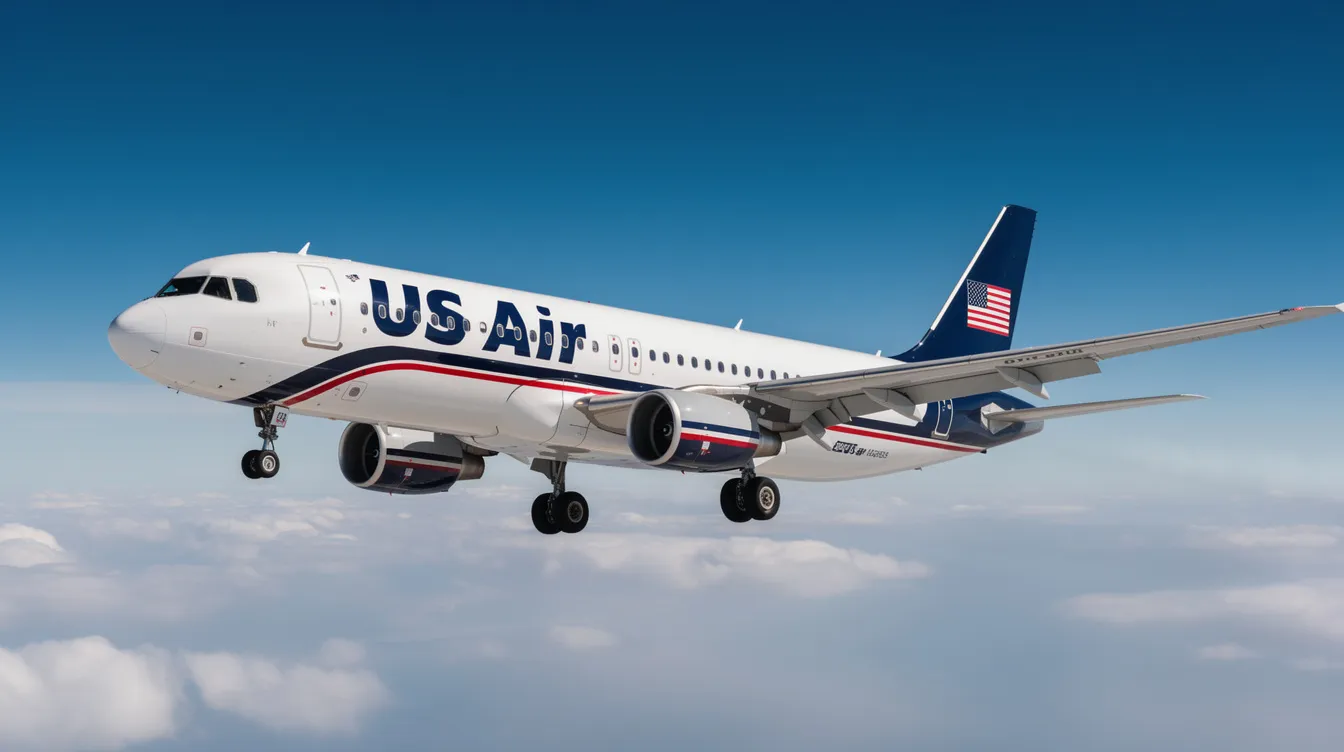
The history of US air disasters is defined not only by tragedy but also by the drive to prevent the next one. From engine separations and fuel tank explosions to microburst wind shear and improper checklists, major crashes have forced regulators, manufacturers, and airlines to confront what went wrong—and fix it. This article examines significant incidents, what investigators found, and how those findings reshaped aviation safety.
Major US air disasters—including American Airlines Flight 191, TWA Flight 800, and Northwest Airlines Flight 255—prompted measurable safety reforms.
Lessons from these crashes led to changes in maintenance rules, fuel tank safety, wind shear detection, and pilot training.
U.S. commercial aviation fatal accident rates are now historically low when measured against flight activity.
Commercial airlines and private charter operators manage safety under different regulatory frameworks. Jettly connects travelers with third-party certified operators as a charter broker.
The term “US air disasters” generally refers to major airliner accidents that occurred in or involved the United States, often with significant loss of life. These events span decades, from the early jet age through the 2000s.
The Federal Aviation Administration, established in 1958, improved air traffic control oversight and laid the foundation for modern safety regulation. Later decades saw devastating crashes, including American Airlines Flight 191 in 1979, Pan Am Flight 759 in 1982, Northwest Airlines Flight 255 in 1987, TWA Flight 800 in 1996, and American Airlines Flight 587 in 2001.
These incidents were inflection points. Investigations led to changes in aircraft design, crew training, maintenance practices, and air traffic procedures. Today’s lower accident rates reflect decades of work informed by accident investigations and safety data.
This article covers major crash case studies, how aviation risk is measured, and how safety improvements apply to commercial and private aviation.
Not every aviation incident qualifies as one of the deadliest disasters. Lists and databases may use different criteria, but common considerations include:
Fatality threshold: Lists often include events with 100 or more fatalities, counting passengers, crew, and people on the ground.
Accidents versus intentional acts: Memorial-focused lists may exclude terrorism and hijackings, while broader safety datasets can include fatalities from illegal acts.
Total human cost: Counts may include ground victims as well as people aboard the aircraft.
On May 25, 1979, American Airlines Flight 191, a McDonnell Douglas DC-10, departed Chicago O’Hare Airport for Los Angeles. Seconds after takeoff, the left engine and pylon assembly separated from the wing. The aircraft lost control and crashed into a field near Des Plaines, Illinois.
The crash killed 258 passengers and crew aboard the plane, plus two people on the ground, for 260 fatalities. It remains the deadliest single-aircraft crash on U.S. soil.
Technical cause: Investigators found that improper maintenance procedures had damaged the pylon mounting during engine removal. When the pylon separated, it severed hydraulic lines and led the outboard leading-edge slats to retract. The resulting asymmetric stall caused the aircraft to roll uncontrollably.
Flight crew response: The pilots believed they were dealing with an engine failure and could not know that the aircraft had also lost hydraulic power and aerodynamic symmetry.
Regulatory response: The FAA grounded the DC-10 fleet for inspections. Changes followed in engine-removal procedures, pylon-mounting inspections, and maintenance oversight.
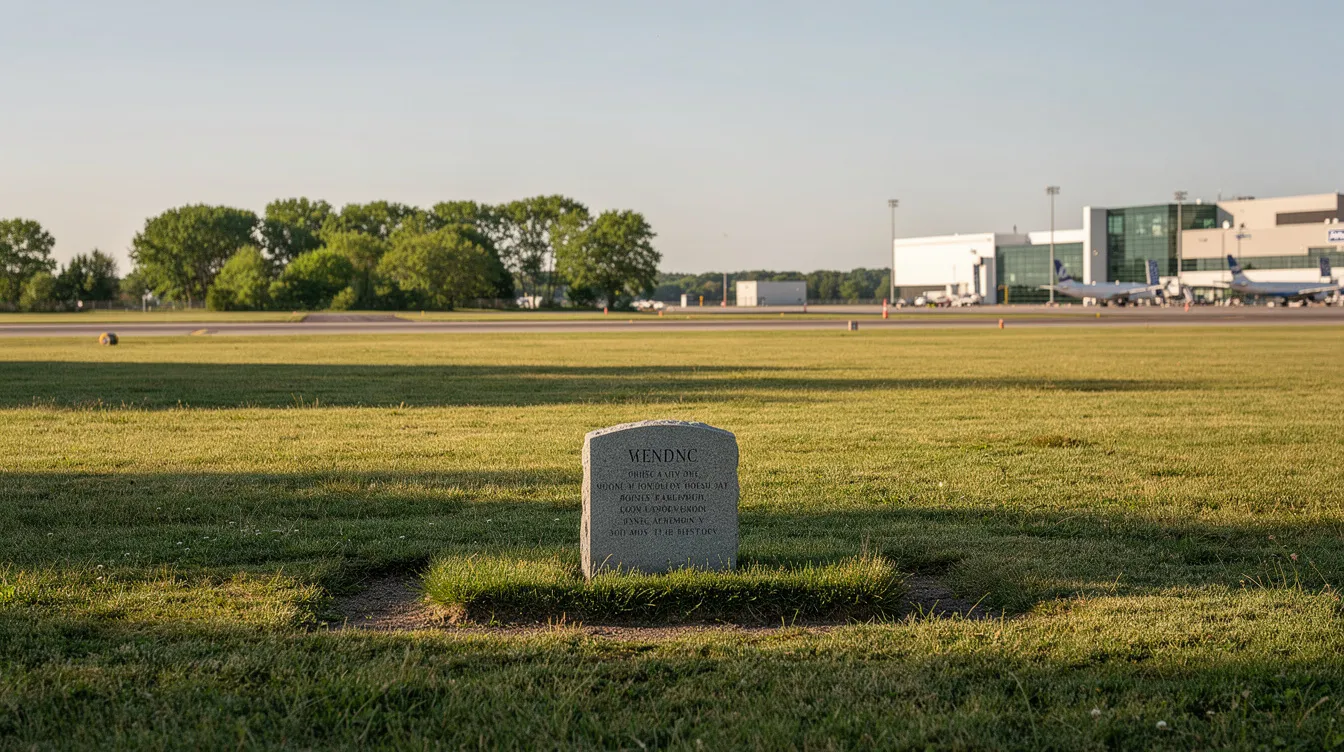
Memorial: A memorial near Lake Opeka in Des Plaines, about two miles from the crash site, displays the victims’ names.
On November 12, 2001, American Airlines Flight 587, an Airbus A300-600R, departed JFK Airport for Santo Domingo, Dominican Republic. Shortly after takeoff, the aircraft broke apart and crashed into a residential neighborhood in Queens.
A total of 265 people died: 251 passengers, nine crew members, and five people on the ground. It is the second-deadliest U.S. air disaster involving a single aircraft.
NTSB findings: The National Transportation Safety Board determined that the first officer made aggressive rudder pedal inputs while encountering wake turbulence from a preceding Boeing 747. The inputs overstressed the vertical stabilizer, which separated from the aircraft.
Contributing factors: The NTSB also examined American Airlines’ Advanced Aircraft Maneuvering Program and the A300-600’s rudder sensitivity at high speed.
Safety changes: Regulators revised guidance on rudder use in upset-recovery training. Airbus updated guidance on rudder authority, and airlines reviewed procedures for wake turbulence encounters.
Memorial: The Rockaway Park memorial faces the Atlantic Ocean and is oriented toward the Dominican Republic, reflecting the community affected by the tragedy.
TWA Flight 800, a Boeing 747-100, departed JFK Airport on July 17, 1996, bound for Paris and Rome. About 12 minutes after takeoff, it exploded in midair and crashed into the Atlantic Ocean near Long Island. All 230 people aboard died.
Investigation: Wreckage was recovered from the ocean floor and reconstructed in a hangar. Investigators spent years analyzing evidence before issuing a final report.
Probable cause: The explosion originated in the center wing fuel tank, where a fuel-air vapor mixture ignited. The likely ignition source was an electrical short involving fuel quantity indication system wiring. Heat from air-conditioning packs beneath the tank contributed to flammability conditions.
Safety legacy: The disaster led to new fuel tank safety regulations, including fuel tank inerting requirements for many aircraft, improved wiring inspections, and design changes intended to reduce ignition risk.
Memorial: The Smith Point County Park memorial in Shirley, New York, includes a granite lighthouse and the names of the victims.

On August 16, 1987, Northwest Airlines Flight 255, a McDonnell Douglas MD-82, began its takeoff from Detroit Metropolitan Airport. It crashed shortly after departure, struck a road overpass and cars on Middlebelt Road, and broke apart in Romulus, Michigan.
Of the 149 people aboard, only a four-year-old girl survived. Two people in a passing car were also killed, bringing the total fatalities to 156. Three crew members and 148 passengers died.
Cause: The flight crew did not extend the wing flaps and slats to the required takeoff configuration. The takeoff configuration warning system was inoperative because a tripped circuit breaker had cut its electrical power.
Investigation details: The cockpit voice recorder captured a stall warning but no configuration warning. Investigators believed the crew omitted the taxi checklist that could have identified the error.
Safety outcomes: The disaster reinforced checklist discipline and led to improvements in warning-system redundancy and cockpit training.
Memorials: Commemorations stand near Middlebelt Road, in Phoenix, and at other locations. The lone survivor’s story became a point of reflection on loss and resilience.
Pan Am Flight 759, a Boeing 727, departed New Orleans International Airport on July 9, 1982. It encountered severe thunderstorm conditions shortly after takeoff and crashed into a residential neighborhood in Kenner, Louisiana. The crash killed 153 people: 138 passengers, seven crew members, and eight people on the ground. Homes were destroyed or heavily damaged, and other people on the ground were injured.
Primary cause: A microburst, a powerful downdraft associated with convective storms, generated rapidly changing wind shear that forced the aircraft toward the ground.
Technology gap: Weather detection and wind shear forecasting technology was less developed at the time. Airborne radar had limited ability to detect microbursts, and company guidance was not sufficiently specific.
Safety legacy: The disaster accelerated the development of ground-based and airborne wind shear detection systems, improved pilot training, and strengthened air traffic control weather coordination. Research programs such as JAWS gathered data on wind shear.
Memorial: Our Lady of Perpetual Help Church in Kenner has a courtyard memorial honoring passengers and local residents.
Other fatal incidents have shaped U.S. aviation safety. Several recurring patterns help explain how reforms developed:
USAir and Allegheny Airlines: Before USAir’s 1997 name change and its later merger with American Airlines, incidents involving the airline and its predecessors were often categorized separately. Accident records include events involving controlled flight into terrain, approach errors, and weather.
Earlier decades: Large crashes were more frequent when navigation, engine technology, structural fatigue detection, and air traffic control systems were less mature.
Crew Resource Management: Crew Resource Management training emerged in response to the United Airlines Flight 173 accident in 1978. The crew focused on a landing gear problem while the aircraft ran out of fuel. The accident prompted greater emphasis on communication and shared decision-making in the cockpit.
Collision avoidance: The Traffic Alert and Collision Avoidance System was implemented following mid-air collisions, adding an automated layer to help crews avoid potential collisions.
The common thread is that accidents exposed vulnerabilities and helped drive changes in aircraft design, maintenance, and operations.
US Airways traces its history through Allegheny Airlines and USAir before its merger with American Airlines in 2015. Its best-known later event occurred on January 15, 2009, when US Airways Flight 1549, an Airbus A320, struck a flock of Canada geese shortly after taking off from New York’s LaGuardia Airport. Both engines lost power.
Captain Chesley Sullenberger and First Officer Jeffrey Skiles made a controlled ditching in the Hudson River, about 8.5 miles from the airport. All 150 passengers and five crew members survived. Everyone evacuated, though one passenger sustained serious injuries.
Why it matters: The “Miracle on the Hudson” demonstrated how training, cockpit decision-making, and emergency coordination can support survival in an emergency.
Survivability factors: The aircraft remained sufficiently intact for evacuation, forward slide rafts deployed, and ferries, the Coast Guard, and NYPD reached the scene within minutes.
Contrast with earlier events: Flight 1549 illustrates how training and coordinated emergency response can help manage a crisis, while earlier disasters exposed weaknesses that led to safety reforms.

Since 2000, the United States has experienced serious aircraft accidents, but major airline disasters have become less frequent than in earlier decades. Accidents still occur across cargo, regional, and general aviation, including runway overruns, approach errors, and mechanical failures.
Improved cabin materials, evacuation procedures, and structural design can improve the chances of survival in some accidents. Important regulatory milestones include:
Pilot fatigue management rules were strengthened after Colgan Air Flight 3407 crashed near Buffalo in 2009, killing 50 people.
The Airline Safety and Federal Aviation Administration Extension Act of 2010 raised pilot experience requirements for first officers at regional airlines.
Air Florida Flight 90 prompted improvements in aircraft deicing procedures after its 1982 crash into the Potomac River.
Some accidents have involved ditching in the Atlantic or Pacific, with outcomes influenced by crew training and the distance to rescue services. The NTSB and FAA maintain detailed records of accidents and investigations.
The U.S. Department of Transportation compiles air carrier safety data on fatalities, serious injuries, total accidents, and fatal accidents. Rates help compare performance across periods with different levels of flight activity.
Rate metrics: U.S. air carrier accident rates are calculated per aircraft-mile, departure, and flight hour. The chosen denominator affects the comparison, so a rate should be read with its metric and reporting scope.
Regulatory definitions: Safety datasets may count fatalities from illegal acts in accident totals. Historical comparisons are also affected by changes to the aircraft and operations included in reporting.
September 11 exception: In 2001, fatalities resulting from the September 11 terrorist acts were excluded from certain accident-rate figures, apart from people aboard the aircraft who were killed.
Historical note: Data from 1991 excludes a collision involving a SkyWest commuter aircraft, in which 12 people died.
The trend: Fatal accident rates for large U.S. air carriers operating under 14 CFR Part 121 have fallen substantially since the 1970s. NTSB investigations inform safety recommendations that contribute to this improvement cycle.
Major US air disasters have historically led to aviation safety reforms. Each investigation identifies failures and can lead to targeted changes, although improvements are implemented through a wider regulatory and operational process.
Fuel tank safety: TWA Flight 800 led to stronger fuel tank safety rules, including inerting requirements for certain aircraft and measures to reduce ignition risk.
Maintenance and structural integrity: American Airlines Flight 191 prompted closer attention to pylon mounting, engine-removal procedures, and maintenance oversight.
Wind shear detection: Pan Am Flight 759 accelerated work on ground-based and airborne wind shear warning systems and pilot training on microbursts.
Cockpit discipline and checklists: Northwest Airlines Flight 255 reinforced standardized checklists and the importance of reliable takeoff warning systems.
Rudder and wake turbulence training: American Airlines Flight 587 led to revised rudder-use instruction and renewed attention to wake turbulence procedures.
Fire and engine monitoring: Later cargo and regional aircraft incidents contributed to advances in fire detection, engine health monitoring, and runway overrun protection.
Major regulations have evolved to enhance aviation safety in response to past accidents. Together, design, training, maintenance, and operational controls help reduce the chance that one failure will lead to a catastrophe.
Commercial airlines and properly regulated private charter operators work within FAA oversight frameworks, though the specific requirements differ.
Scheduled airlines: Most large U.S. scheduled carriers operate under FAA 14 CFR Part 121, with extensive requirements for training, maintenance, and operational control.
Private charter operations: Many U.S. on-demand charter flights operate under Part 135. Its requirements are structured differently to account for varied aircraft, fleets, and point-to-point operations.
Different operating contexts: Major U.S. air disasters have largely involved large commercial airliners, while business aviation includes a broader mix of smaller aircraft and operations. NTSB investigation methods apply across sectors.
Operator selection matters: Jettly is a charter broker, not an airline or aircraft operator. The platform connects travelers with third-party carriers that operate flights and must hold the appropriate certifications.
Traveler due diligence: Customers can ask about operator credentials, aircraft equipment, and independent safety audit ratings when considering a charter flight.
Jettly is a digital private jet charter marketplace that provides access to a global network of more than 20,000 aircraft operated by third-party carriers. Jettly does not operate the aircraft; properly certified operators are responsible for conducting flights.
Charter planning involves matching private charter aircraft to the route, runway requirements, weather, and passenger needs. Travelers can compare aircraft categories, including light jets, midsize jets, heavy jets, and turboprops, while considering range, cabin space, and airport access.
Safety-conscious travelers can ask about regulatory details and how they compare with Part 135 charter companies and their safety framework.
The operating carrier and its certificates
Aircraft type, equipment, and maintenance status
Available safety audit information
How weather or operational constraints may affect departure timing
Route flexibility and access to secondary airports, supported by tools such as Jettly’s airport locator tool, can be useful planning advantages, but neither guarantees a safer flight. Operational decisions remain with the carrier and flight crew. Learn more about how Jettly works and what to consider when booking.
Communities respond to US air disasters through memorials, anniversary observances, and family support organizations. These sites honor those who died, provide places for reflection, and help visitors understand what happened and what changed afterward.
Lake Opeka, Des Plaines: A memorial for American Airlines Flight 191 near the crash site displays the names of the victims.
Rockaway Park, Queens: The Flight 587 memorial faces the Atlantic Ocean and is oriented toward the Dominican Republic.
Smith Point County Park, Shirley, New York: A granite lighthouse memorial honors the victims of TWA Flight 800.
Our Lady of Perpetual Help Church, Kenner: The memorial honors passengers and local residents killed in the Pan Am Flight 759 crash.
These sites remind visitors that safety standards and reforms are connected to real people, families, and communities.
Fatal accidents involving large U.S. scheduled airlines are rare compared with earlier decades. Rates depend on how the data are defined and whether they are measured per aircraft-mile, departure, or flight hour. NTSB and U.S. Department of Transportation data provide historical context.
Preliminary findings may appear within weeks, while complex investigations can take a year or longer. Investigators may recover wreckage, analyze materials and recorder data, test scenarios, and issue a final report with probable cause and safety recommendations.
Private charter flights and scheduled airline flights operate under different FAA rules. Many U.S. charter flights are conducted under Part 135, while major scheduled airlines generally operate under Part 121. Travelers can ask for the operating carrier’s certification and relevant safety audit information. Jettly is a charter broker; third-party carriers operate the flights.
Listen to the safety briefing, identify the nearest exits, keep the seat belt fastened while seated, and keep aisles clear. On either commercial or private aircraft, passengers can ask crew members about safety equipment such as life vests, emergency exits, and oxygen masks.
Review FAA and NTSB information, independent safety audit details where available, and the operator’s disclosures about aircraft, training, and maintenance. For a charter flight booked through a marketplace, confirm which carrier will operate the flight and ask about its certifications and safety practices.
Historic US air disasters—from American Airlines Flight 191 and Northwest Airlines Flight 255 to TWA Flight 800 and Pan Am Flight 759—reshaped regulations, technology, and training. Modern aviation benefits from decades of learning through NTSB investigations, manufacturer changes, and regulatory action, though no form of travel is entirely risk-free.
Travelers comparing commercial flights and private charter can consider schedule flexibility, airport access, aircraft type, and operator oversight. Guides to the charter airlines and private aviation landscape can also help them understand different service models. In private aviation, the carrier operates the flight, while a charter broker such as Jettly helps travelers find and book available options.
Ready to explore private travel options? Tools like Jettly’s private jet charter cost estimator can help you understand pricing before you request a quote or review flights on Jettly.
Share this post:
Jay Franco Serevilla
Nov 8, 2026
|
5
min read
Discover tips and trends in the industry.

5
min read
Private Jet Charter Cost in 2026 (Real All-In Pricing, Fees, and 3 Line-Item Examples)
Understanding private jet charter costs in 2026 can be complex due to various fees beyond the hourly rate. This guide breaks down the all-in pricing, including examples and factors affecting costs, ensuring travelers can make informed decisions. Learn how to request accurate quotes and avoid hidden charges.
Read More
5
min read
Hub for Alaska Airlines: Key Airports, Routes, and Private Jet Alternatives
Alaska Airlines operates a focused hub network primarily along the West Coast, enhancing connectivity to Alaska, Hawaii, and beyond. This guide details key airports, routes, and how private jet alternatives like Jettly can complement commercial flights for a seamless travel experience.
Read MoreStay updated with our latest insights and tips to elevate your journey with us.
MEMBERSHIPS AND ASSOCIATIONS



© 2026 Jettly Inc. All rights reserved.
Disclaimer: Jettly operates as a charter broker, offering access to a global digital jet charter marketplace. Jettly is not a direct air carrier and does not own or operate aircraft. All advertised flights are conducted by third-party air carriers that are fully licensed and hold the appropriate Part 135 or Part 121 certifications issued by the Federal Aviation Administration (FAA) or equivalent regulatory authorities under U.S. or foreign law. Jettly complies fully with the U.S. Department of Transportation's Part 295 and Part 298 Charter Broker regulations. Jettly does not carry additional liability insurance. Passengers are covered by aircraft operator insurance. TICO: 50023770


