


Login
Get Instant Pricing On 23,000+ Aircraft

>
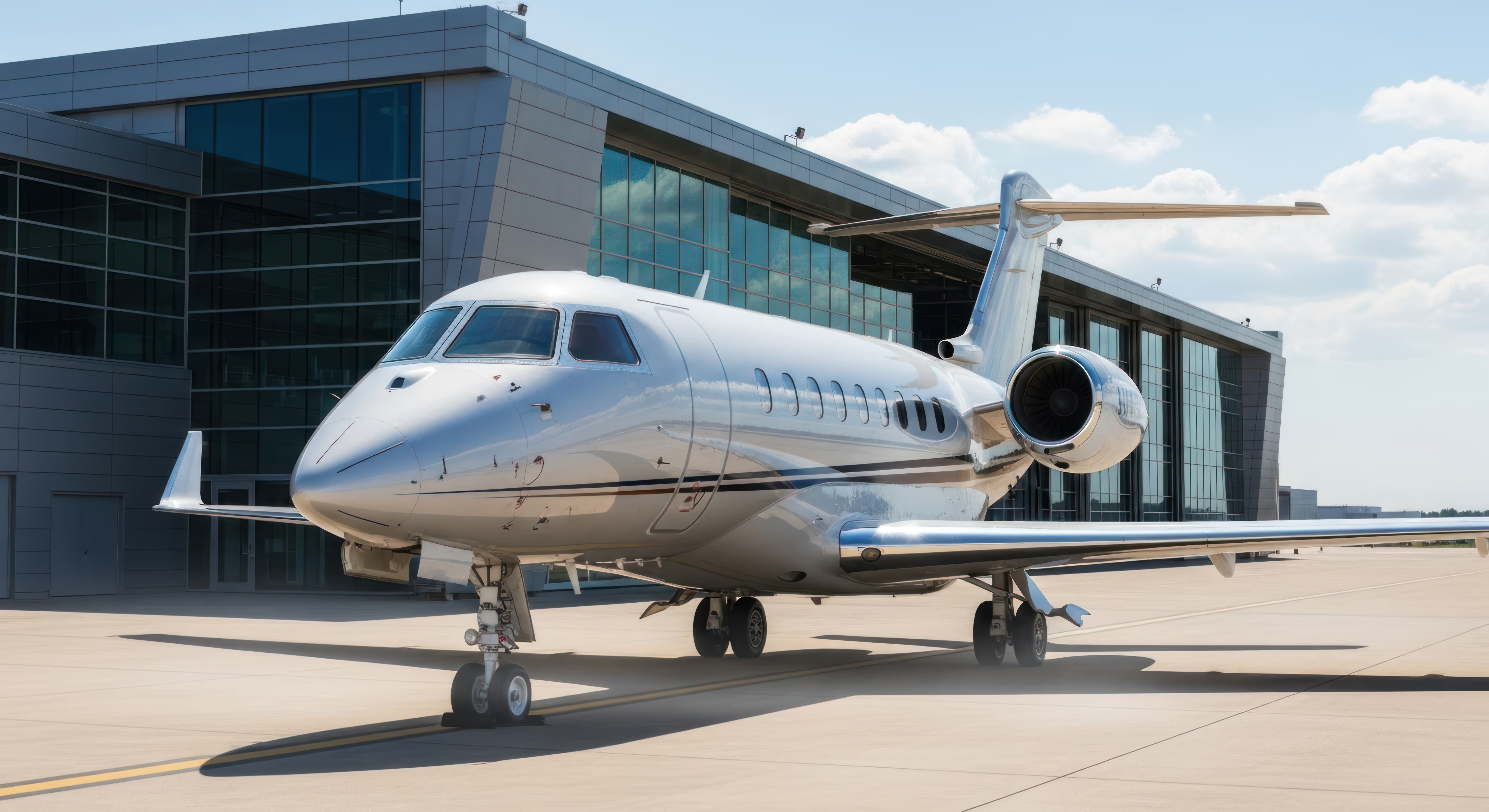
Traditional fractional programs were designed when aircraft access was scarce, pricing was opaque, and flexibility didn’t exist.
Share this post:
Jay Franco
Jan 13, 2026
|
5
min read
Discover tips and trends in the industry.
5
min read
Pilot Lessons Cost in 2026: What You’ll Really Pay to Learn to Fly
In 2026, pilot lesson costs range from $10,000 to $20,000 for a Private Pilot License and can exceed $130,000 for a full professional training path. Key expenses include hourly flight rates ($150–$250), instructor fees, testing costs, and living expenses, with total costs often surpassing advertised minimums due to additional flight hours needed. Training frequency significantly impacts costs, with more frequent flying leading to faster completion and lower overall expenses. Financing options, including loans, GI Bill benefits, and scholarships, can help manage these costs, making flight training more accessible for aspiring pilots.
Read More
5
min read
Private Jet Flight Attendant Jobs: How to Start and Grow Your Career in Corporate Aviation
Private jet flight attendant roles blend aviation safety with luxury hospitality, offering higher earning potential and global travel opportunities compared to commercial airlines. Candidates typically need 2-4 years of experience in commercial aviation or luxury hospitality, along with advanced safety training. The job involves personalized service for VIP clients, with responsibilities ranging from safety briefings to gourmet meal service, and compensation can range from $65,000 to $120,000 annually, plus additional benefits. As demand for private aviation grows, networking and targeted job searches are essential for securing these competitive positions.
Read MoreStay updated with our latest insights and tips to elevate your journey with us.
MEMBERSHIPS AND ASSOCIATIONS



Disclaimer: Jettly operates as a charter broker, offering access to a global digital jet charter marketplace. Jettly is not a direct air carrier and does not own or operate aircraft. All advertised flights are conducted by third-party air carriers that are fully licensed and hold the appropriate Part 135 or Part 121 certifications issued by the Federal Aviation Administration (FAA) or equivalent regulatory authorities under U.S. or foreign law. Jettly complies fully with the U.S. Department of Transportation's Part 295 and Part 298 Charter Broker regulations. Jettly does not carry additional liability insurance. Passengers are covered by aircraft operator insurance. TICO: 50023770


