


Login
Get Instant Pricing On 23,000+ Aircraft

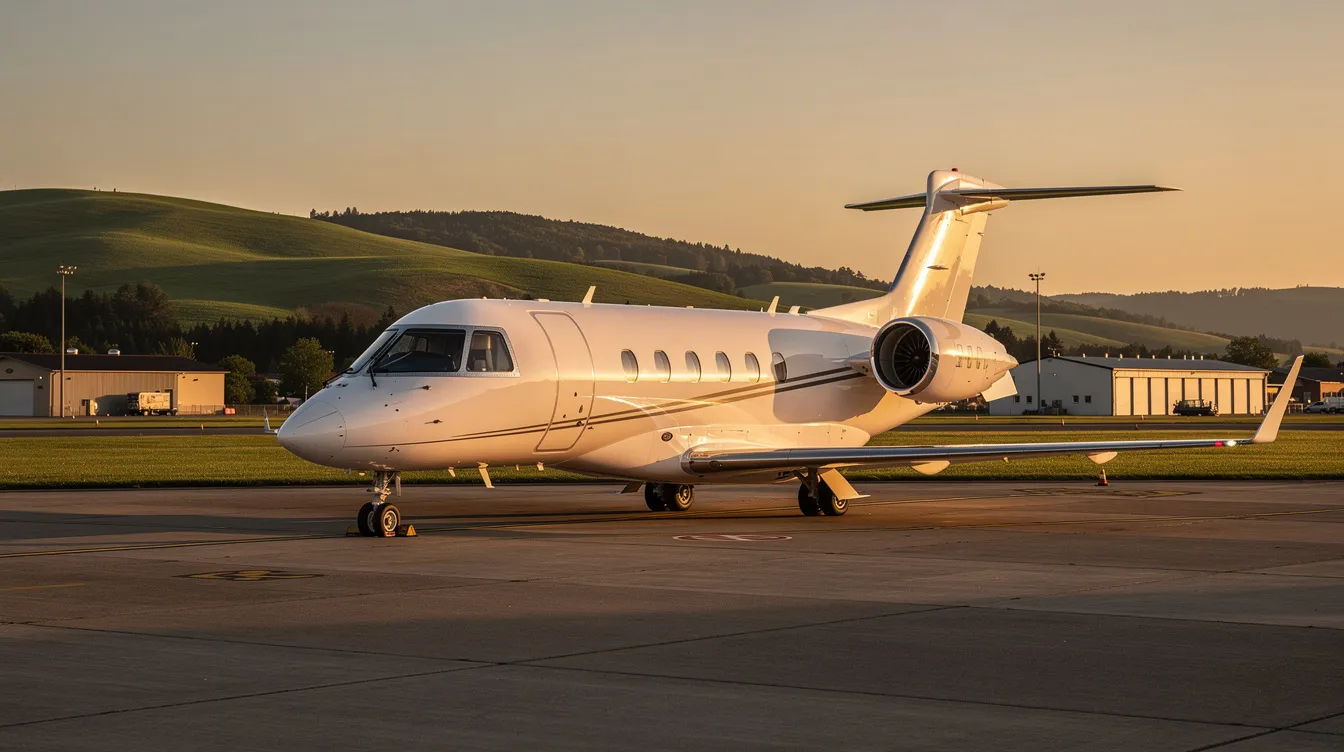
Executive aviation revolutionizes travel by offering private flights tailored to individual schedules and preferences, bypassing the limitations of commercial airlines. With options like on-demand charters and memberships, travelers can enjoy significant time savings, enhanced comfort, and privacy, making it ideal for both business and leisure trips.
Jay Franco Serevilla
Sep 16, 2026
|
5
min read



View all
An instant private jet quote provides a quick price estimate based on specific travel details, but actual flight confirmation requires operator acceptance, a signed charter agreement, and secured payment. Pricing is dynamic and can change rapidly due to factors like aircraft positioning and crew availability, making it essential to understand the difference between an instant quote and real availability. For accurate pricing, travelers should provide detailed information including exact airports, travel dates, passenger counts, and flexibility in scheduling. Booking 24 to 72 hours in advance typically offers the best selection and pricing, while same-day trips may be possible under certain conditions.
Jay Franco Serevilla
Jul 9, 2026
|
5
min read

View all
The CH-47 Chinook is a highly capable heavy-lift helicopter, with a maximum external lift capacity of approximately 26,000 pounds at sea level, which decreases in higher altitudes and temperatures. Its tandem rotor design enhances stability and efficiency, making it suitable for various missions, including military operations, disaster relief, and construction. The Chinook's versatility is further supported by its spacious cabin, triple-hook cargo system, and advanced safety features, ensuring reliable performance even in challenging conditions. While primarily used in specialized operations, understanding its capabilities helps clients assess their needs against available civilian charter options.
Jay Franco Serevilla
Jul 7, 2026
|
5
min read

View all
The 2026 Helicopter Taxi Price Guide outlines the costs associated with point-to-point private helicopter charters, which typically range from $1,200 to over $6,000 per flight hour, depending on factors like aircraft type, route, and seasonality. Key routes include Manhattan to East Hampton ($4,000-$8,000) and Los Angeles to Palm Springs ($3,500-$6,000). Pricing is influenced by operational fees, flight duration, and demand, with strategies such as booking early or flying on weekdays potentially reducing costs by 10-30%. Jettly's platform offers real-time comparisons and transparent quotes to help travelers find the best value for their helicopter charters.
Jay Franco Serevilla
Jul 7, 2026
|
5
min read

View all
Commercial airline charters allow groups to hire an entire aircraft, offering flexibility in scheduling, routing, and airport access that traditional airlines cannot match. These charters can accommodate 20 to 480 passengers and are ideal for large groups with tight schedules or specific destinations. Jettly provides a digital platform that connects clients to over 50,000 aircraft globally, facilitating transparent pricing and efficient booking processes. Overall, commercial charters can be cost-effective for larger groups, providing significant advantages in time savings and customized travel experiences.
Jay Franco Serevilla
Jul 7, 2026
|
5
min read
View all
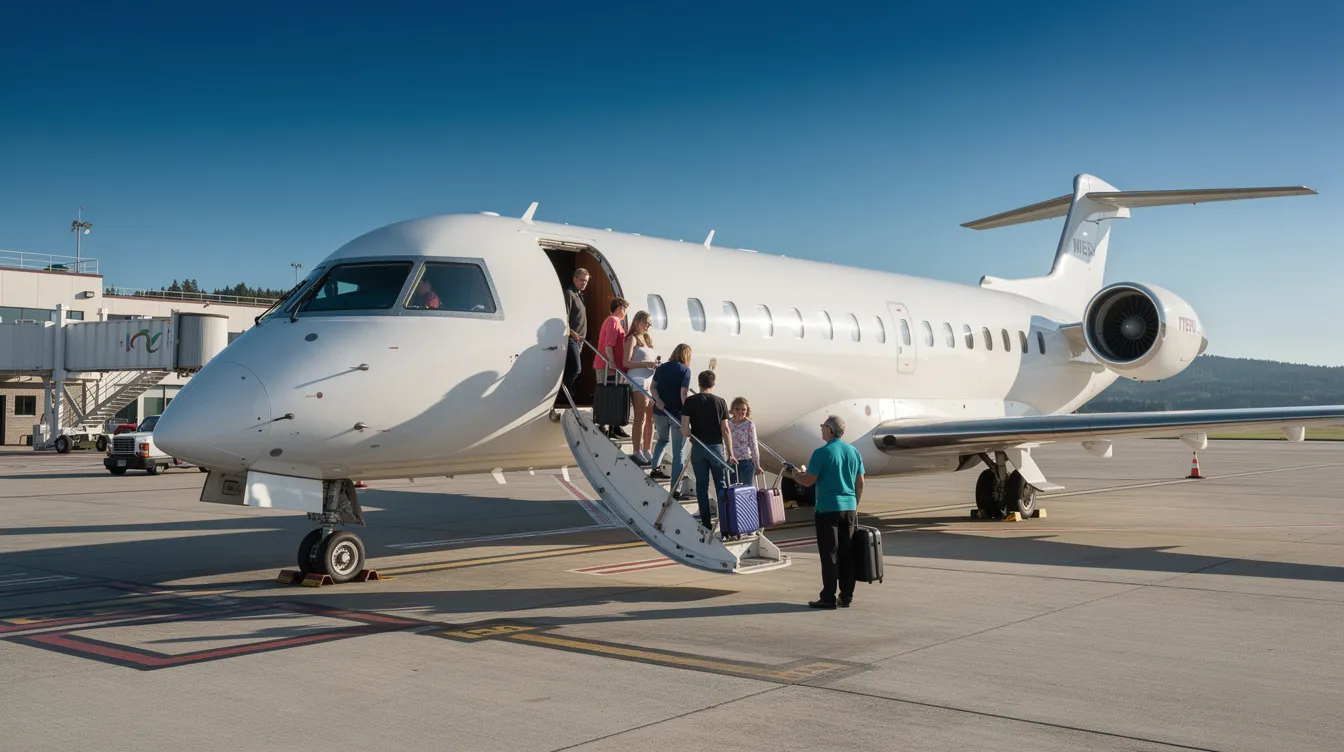
American Eagle Airlines, the regional brand of American Airlines, connects smaller cities to major hubs across the U.S. and beyond, operating over 340 daily flights and serving 242 destinations. It utilizes a network of wholly owned and contracted regional carriers, including Envoy Air, Piedmont Airlines, and PSA Airlines, ensuring consistent service and AAdvantage loyalty benefits for passengers. While American Eagle offers cost-effective scheduled travel, private jet charter services like Jettly provide greater flexibility, privacy, and direct routing options, catering to travelers who prioritize convenience and time savings. This guide helps travelers compare the two options based on factors such as cost, schedule flexibility, and overall travel experience.
Jay Franco Serevilla
Jul 7, 2026
|
5
min read

View all
US fighter jets have been pivotal in maintaining American air superiority for over 70 years, evolving from Cold War icons to advanced 5th-generation platforms like the F-22 and F-35, which emphasize stealth, sensor fusion, and multirole capabilities. Legacy fighters such as the F-15, F-16, and F/A-18 remain essential, continuously upgraded to meet modern combat demands. The future of US air power lies in the development of 6th-generation fighters through programs like NGAD, focusing on advanced networking and human-machine collaboration. Additionally, the principles of safety and efficiency in military aviation are mirrored in the private sector, as seen in platforms like Jettly, which offers flexible private jet charter services.
Jay Franco Serevilla
Jul 7, 2026
|
5
min read
Explore our latest articles and updates.
5
min read
Yakovlev Yak-42D: Guide, Specifications & Charter Options
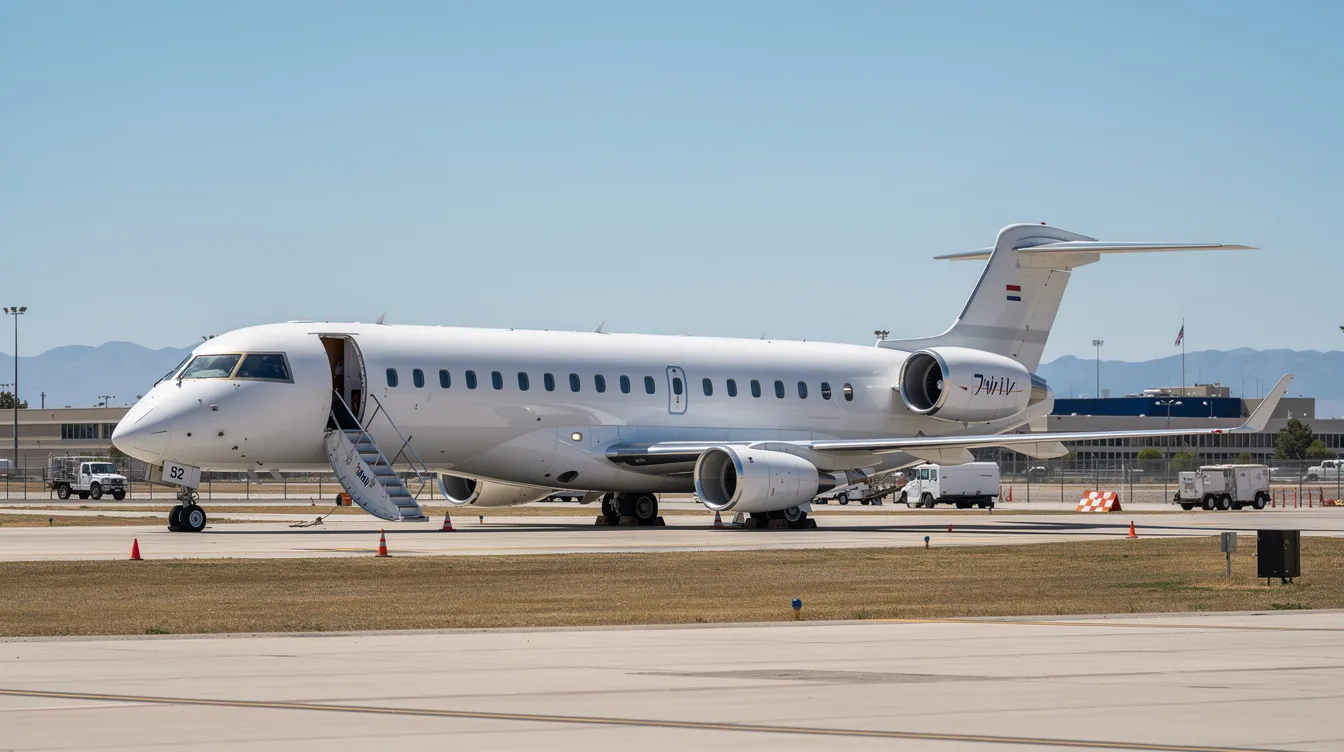
The Yakovlev Yak-42D is a versatile Soviet-era airliner designed for medium-range travel, accommodating 54 to 120 passengers. With its improved fuel capacity and operational flexibility, it remains relevant for VIP and group charters today. This guide explores its specifications, charter options, and the unique advantages it offers for efficient group travel.
Read More
5
min read
Tupolev 204 Guide for Charter, Cargo, and Special Mission Operations
The Tupolev Tu-204 is a versatile Russian narrowbody airliner designed for passenger, cargo, and special mission operations. This guide provides insights into its variants, performance, and charter applications, making it essential for aviation enthusiasts and organizations planning large-group travel. Understanding the Tu-204's capabilities helps operators make informed decisions when comparing aircraft options.
Read MoreJoin our community and receive the latest blog updates directly in your inbox.
MEMBERSHIPS AND ASSOCIATIONS



Disclaimer: Jettly operates as a charter broker, offering access to a global digital jet charter marketplace. Jettly is not a direct air carrier and does not own or operate aircraft. All advertised flights are conducted by third-party air carriers that are fully licensed and hold the appropriate Part 135 or Part 121 certifications issued by the Federal Aviation Administration (FAA) or equivalent regulatory authorities under U.S. or foreign law. Jettly complies fully with the U.S. Department of Transportation's Part 295 and Part 298 Charter Broker regulations. Jettly does not carry additional liability insurance. Passengers are covered by aircraft operator insurance. TICO: 50023770


