


Login
Get Instant Pricing On 23,000+ Aircraft


This article provides developers and travel planners with essential insights into accessing JetBlue's aviation data, including flight schedules and real-time status. It highlights the importance of integrating JetBlue's API with private charter services like Jettly to enhance travel solutions and optimize trip planning. Understanding these options allows for seamless passenger experiences and operational advantages.
Jay Franco Serevilla
Sep 13, 2026
|
5
min read



View all
The Piper Arrow is a single-engine complex aircraft in the PA-28R family, known for its retractable landing gear, constant-speed propeller, and IFR-capable avionics, making it ideal for advanced flight training and personal travel. Variants include the PA-28R-200 (Arrow II) and PA-28R-201 (Arrow III), with cruise speeds ranging from 130 to 165 knots depending on the model. The Arrow is recognized for its stable handling and cost-effectiveness, appealing to pilots transitioning from basic trainers to more complex aircraft. For longer or more demanding trips, charter services like Jettly provide efficient alternatives, allowing Arrow owners to balance personal flying with on-demand travel needs.
Jay Franco Serevilla
Jul 1, 2026
|
5
min read

View all
The Piper PA-31-350 Navajo Chieftain is a twin-engine piston aircraft known for its efficiency in regional charter aviation, accommodating up to 10 passengers with a typical cruise speed of 205-225 knots and a range of approximately 855-950 nautical miles. Introduced in 1973 and produced until 1984, it features upgraded engines and counter-rotating propellers for improved handling and safety. The Chieftain is particularly valued for its ability to access smaller airports, making it a cost-effective option for short-haul business and leisure flights. Jettly offers a platform for instant pricing and booking, highlighting the aircraft's appeal for travelers seeking flexible and economical charter solutions.
Jay Franco Serevilla
Jul 1, 2026
|
5
min read

View all
The Piper PA-28 Cherokee, introduced in 1960, is a popular family of four-seat, single-engine light aircraft primarily used for flight training and personal flying, with over 32,000 units delivered. Its all-metal, low-wing design has made it a staple in general aviation, offering models like the Warrior, Archer, and Arrow that cater to various operational roles, including training and personal transport. While the PA-28 is not typically used for charter services, it serves as a foundational aircraft for many pilots who later transition to larger charter options, such as those available through platforms like Jettly. The guide also highlights the PA-28's performance, safety considerations, and maintenance requirements, emphasizing its affordability and suitability for short regional trips compared to chartered jets.
Jay Franco Serevilla
Jul 1, 2026
|
5
min read
View all
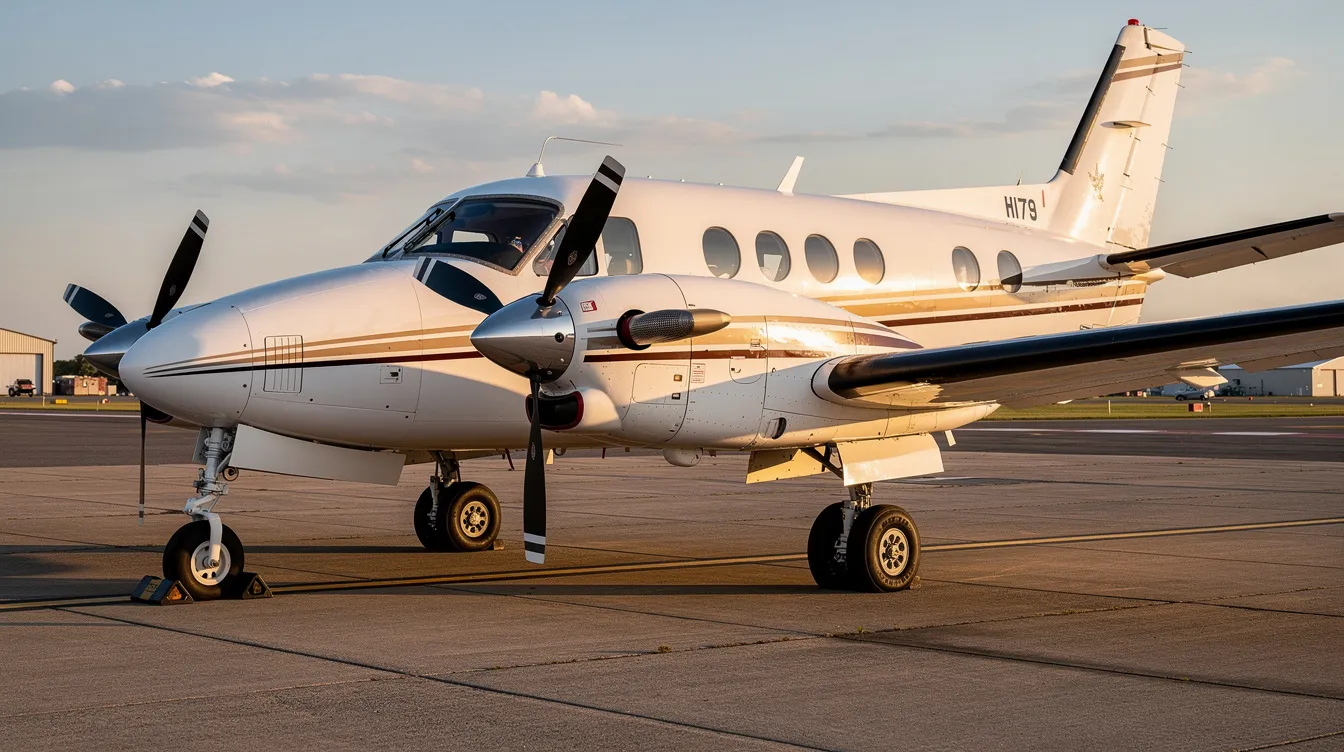
The 1974 Beechcraft King Air E90 is a practical twin-turboprop aircraft known for its reliability and versatility, serving various roles in business, charter, and special missions. With powerful Pratt & Whitney PT6A-28 engines, it offers a comfortable 6-passenger executive cabin and impressive short-field performance, making it suitable for regional travel. Buyers should prioritize maintenance history and upgrades when considering acquisition, while chartering through platforms like Jettly provides a flexible, cost-effective alternative without the burdens of ownership. Jettly connects travelers with a wide range of private aircraft options, including the King Air E90, facilitating easy comparisons and bookings.
Jay Franco Serevilla
Jul 1, 2026
|
5
min read
View all
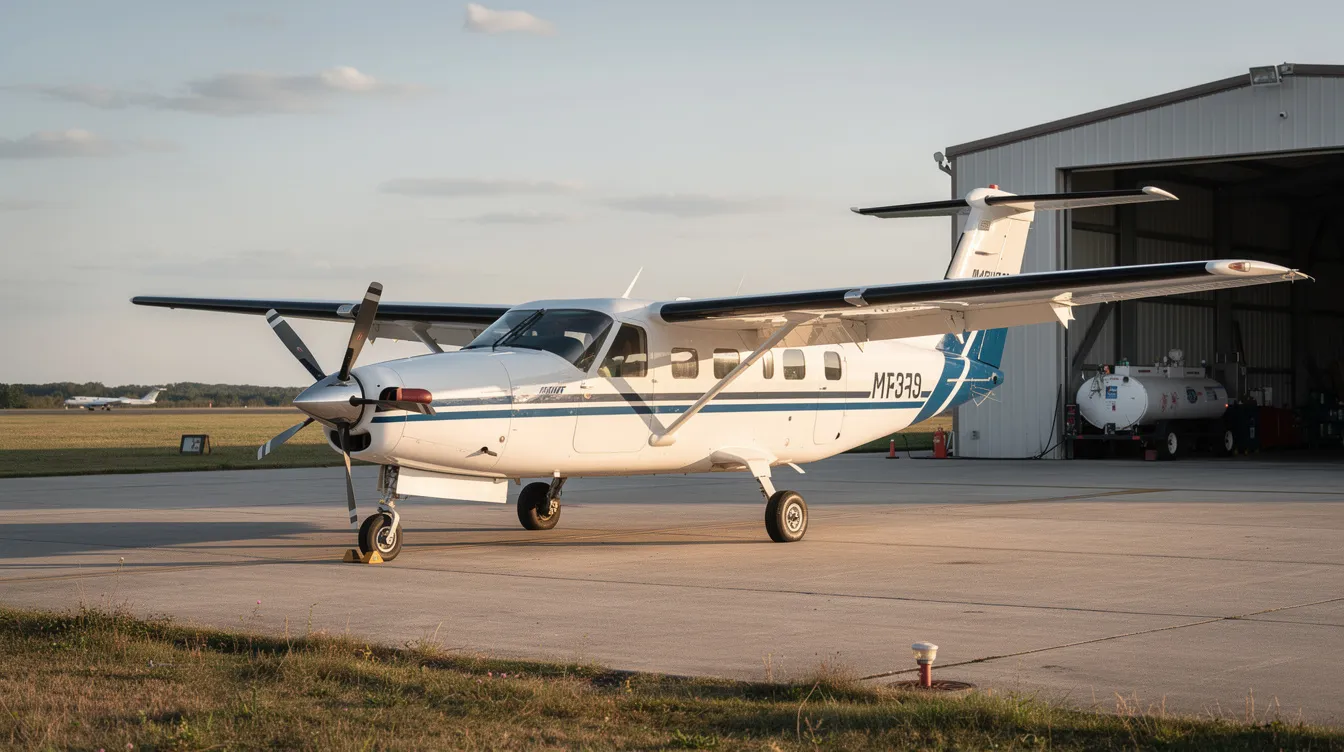
Finding the cheapest turboprop aircraft in 2026 involves understanding total ownership costs, including maintenance, fuel, and engine overhauls, rather than just the purchase price. Buyers should focus on pre-owned single-engine or older twin-engine models, with prices ranging from $150,000 to $650,000, while considering that operating costs can be 30-50% lower than light jets. For those flying under 150 hours annually, chartering through platforms like Jettly may be more cost-effective than ownership, as it eliminates fixed costs associated with owning an aircraft. Ultimately, smart shopping requires evaluating total costs and mission fit rather than solely the initial price.
Jay Franco Serevilla
Jul 1, 2026
|
5
min read

View all
The Beechcraft King Air 350 has a published landing distance of approximately 2,692 feet under optimal conditions, making it suitable for shorter regional runways that many jets cannot access. Its takeoff distance is about 3,300 feet, meaning takeoff requirements often dictate runway selection more than landing distances. Factors such as aircraft weight, weather, elevation, and runway conditions can significantly affect actual landing performance, necessitating careful planning by charter operators. Jettly's platform utilizes this performance data to match travelers with appropriate aircraft and runways, ensuring efficient and safe charter experiences.
Jay Franco Serevilla
Jul 1, 2026
|
5
min read
Explore our latest articles and updates.

5
min read
Flights from Denver to Key West: Commercial Routes vs. Private Charter Options
Travelers from Denver to Key West can choose between commercial flights with layovers and private charters for a direct experience. While commercial options are budget-friendly, private jets offer significant time savings and convenience. This guide provides insights into pricing, travel times, and booking tips to help you make the best choice for your trip.
Read More
5
min read
Best Airline to Fly to Key West in 2026: Commercial vs. Private Jet Options
Choosing the best airline to fly to Key West in 2026 involves evaluating your departure city, budget, and travel preferences. This guide compares commercial airlines like American, Delta, and Allegiant with private jet options through Jettly, helping you find the ideal route to paradise. Whether you prioritize cost, convenience, or time savings, there are options to suit every traveler.
Read MoreJoin our community and receive the latest blog updates directly in your inbox.
MEMBERSHIPS AND ASSOCIATIONS



Disclaimer: Jettly operates as a charter broker, offering access to a global digital jet charter marketplace. Jettly is not a direct air carrier and does not own or operate aircraft. All advertised flights are conducted by third-party air carriers that are fully licensed and hold the appropriate Part 135 or Part 121 certifications issued by the Federal Aviation Administration (FAA) or equivalent regulatory authorities under U.S. or foreign law. Jettly complies fully with the U.S. Department of Transportation's Part 295 and Part 298 Charter Broker regulations. Jettly does not carry additional liability insurance. Passengers are covered by aircraft operator insurance. TICO: 50023770


