



Login
Get Instant Pricing On 23,000+ Aircraft


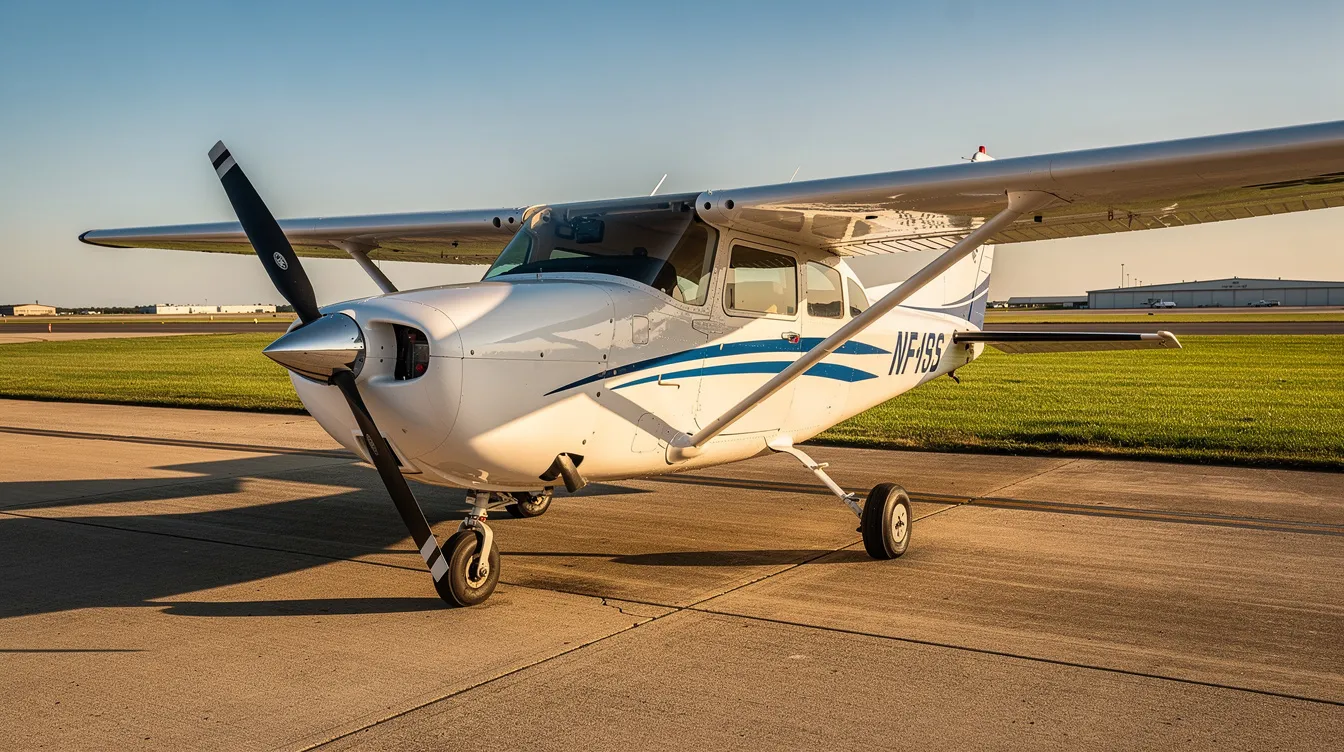
Understanding what happens during a plane crash can alleviate fears about flying. While the odds of experiencing a crash are extremely low, knowing the causes, survival strategies, and the importance of passenger actions can enhance safety. This article provides insights into aviation safety, the factors contributing to crashes, and what passengers can do to prepare.
Jay Franco Serevilla
Nov 6, 2026
|
5
min read


View all
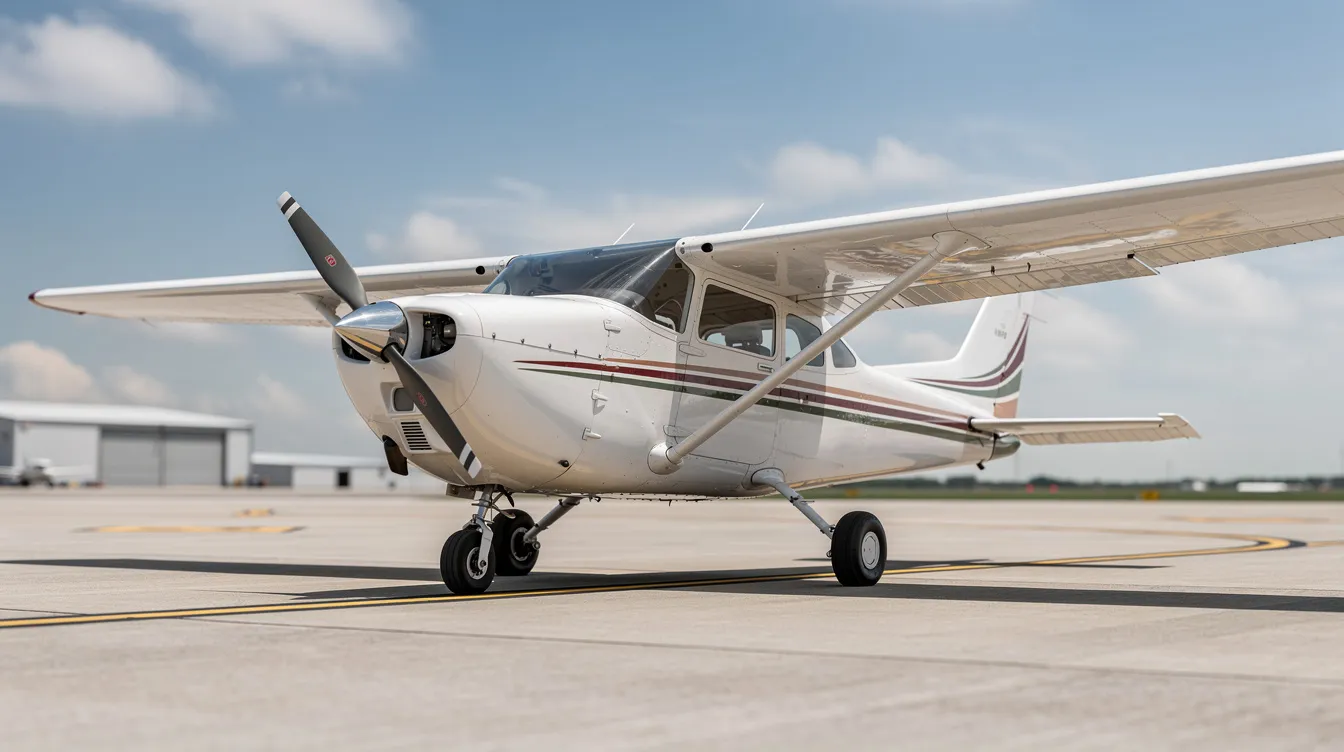
The Cessna 172S POH & Information Manual is an essential resource for student pilots and aircraft owners, detailing critical operational procedures and safety guidelines. This guide helps users navigate the POH, understand its structure, and apply its data for effective flight planning and compliance with FAA regulations. Mastering the POH is key to enhancing pilot proficiency and ensuring safe aircraft operation.
Jay Franco Serevilla
Aug 13, 2026
|
5
min read
View all
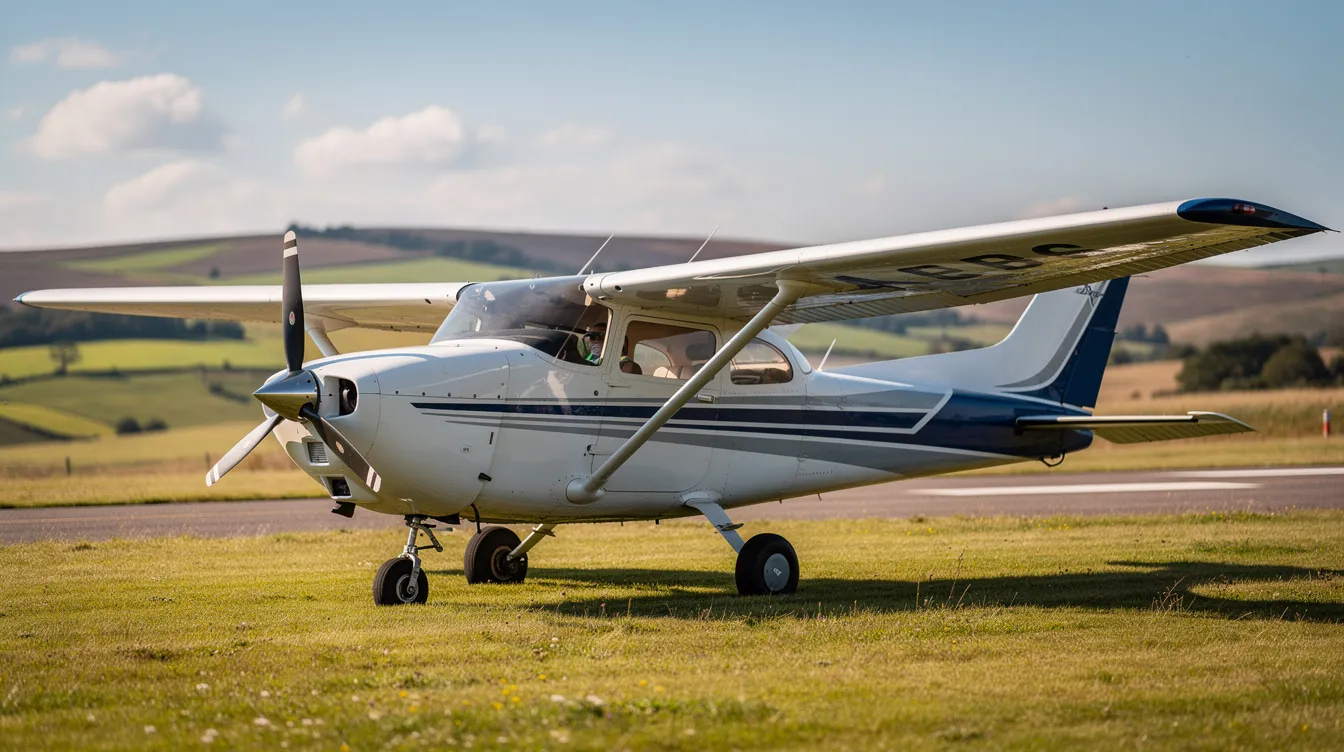
The Cessna 172 Skyhawk features a high-wing design that has evolved significantly since its introduction in 1955. Owners considering wing swaps must navigate compatibility, FAA regulations, and maintenance documentation to ensure airworthiness and safety. Understanding these factors is crucial for both aircraft owners and renters in the private aviation market.
Jay Franco Serevilla
Aug 13, 2026
|
5
min read
View all
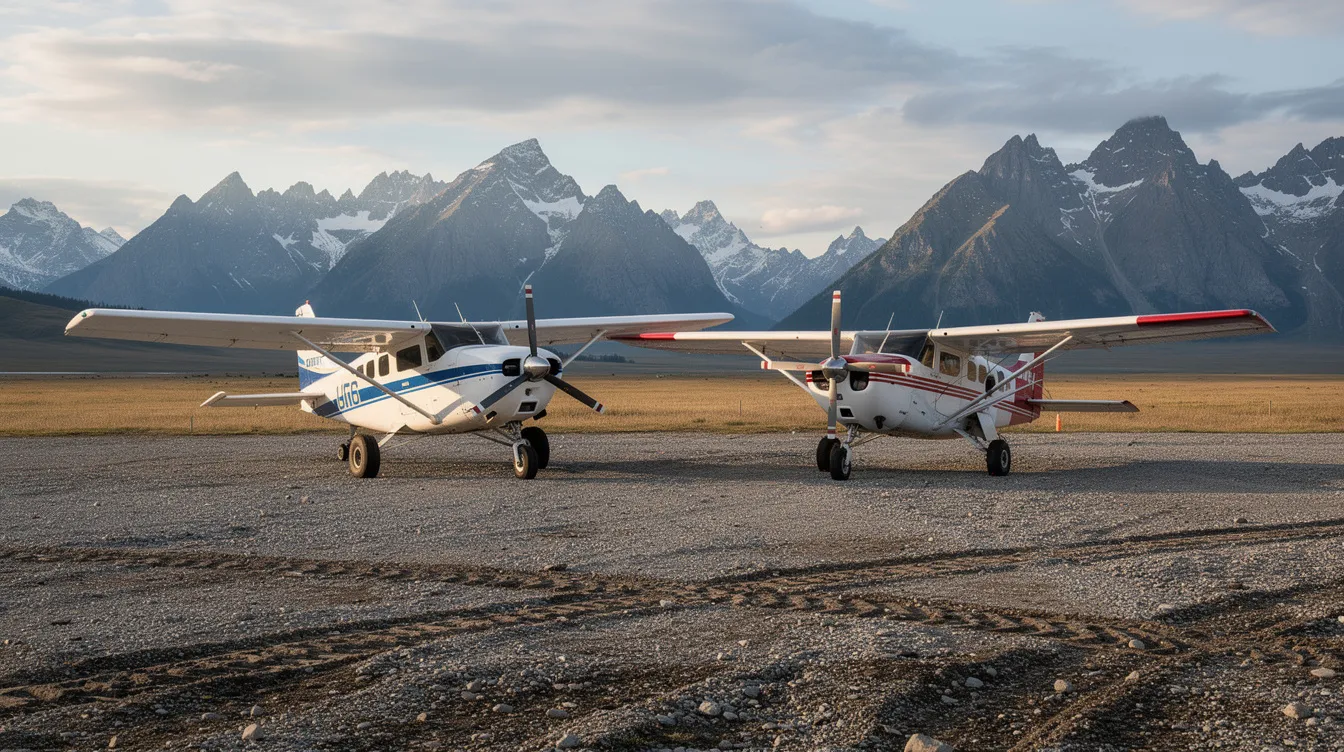
The Cessna 172, powered by reliable Lycoming and Continental engines, has become the most popular training aircraft in history. Its efficient design and manageable performance make it ideal for flight schools and private owners. Understanding its engine variants, fuel systems, and maintenance needs is crucial for pilots and aviation enthusiasts alike.
Jay Franco Serevilla
Aug 13, 2026
|
5
min read
View all
The Cessna 206 and 207 are rugged utility aircraft designed for different missions. The 206 excels in short-field performance and versatility for personal use, while the 207 is optimized for heavier loads and larger groups. Understanding their differences in capacity, performance, and operational costs is crucial for selecting the right aircraft for your needs.
Jay Franco Serevilla
Aug 13, 2026
|
5
min read

View all
The Cessna 172 Skyhawk, a staple in aviation, has a service ceiling of 13,500 to 14,000 feet, with some variants reaching up to 15,000 feet. While it excels in flight training and short trips, factors like weight and weather can limit its altitude performance. For higher, faster travel, private jets are a more suitable option.
Jay Franco Serevilla
Aug 13, 2026
|
5
min read

View all
Cessna single-engine aircraft, particularly the Cessna 172 Skyhawk, are essential in pilot training and personal flying due to their affordability and stability. This guide explores their history, key models, ownership costs, and how they integrate with private charter services like Jettly for longer trips. Understanding these aircraft helps pilots and enthusiasts make informed decisions about training and travel.
Jay Franco Serevilla
Aug 13, 2026
|
5
min read
Explore our latest articles and updates.

5
min read
Boeing Planes: Guide to Boeing Commercial Aircraft, Boeing Business Jets, and Travel Choices
This comprehensive guide explores Boeing's commercial aircraft, business jets, and travel options, helping travelers and aviation enthusiasts make informed choices. From the iconic 737 MAX to the luxurious BBJ variants, Boeing planes cater to various needs, whether for commercial flights or private charters. Understanding the differences in aircraft types and configurations can enhance the travel experience and optimize costs.
Read More
5
min read
Air Force One Layout: Inside America's Flying Oval Office
Air Force One is a highly modified Boeing 747 that serves as the U.S. president's airborne command center. Its layout includes dedicated zones for governance, security, and press operations, ensuring the president remains operational at 45,000 feet. With approximately 4,000 square feet of space, the aircraft is designed for privacy and efficiency, accommodating up to 76 passengers and 26 crew members.
Read MoreJoin our community and receive the latest blog updates directly in your inbox.
MEMBERSHIPS AND ASSOCIATIONS



© 2026 Jettly Inc. All rights reserved.
Disclaimer: Jettly operates as a charter broker, offering access to a global digital jet charter marketplace. Jettly is not a direct air carrier and does not own or operate aircraft. All advertised flights are conducted by third-party air carriers that are fully licensed and hold the appropriate Part 135 or Part 121 certifications issued by the Federal Aviation Administration (FAA) or equivalent regulatory authorities under U.S. or foreign law. Jettly complies fully with the U.S. Department of Transportation's Part 295 and Part 298 Charter Broker regulations. Jettly does not carry additional liability insurance. Passengers are covered by aircraft operator insurance. TICO: 50023770


