


Login
Get Instant Pricing On 23,000+ Aircraft

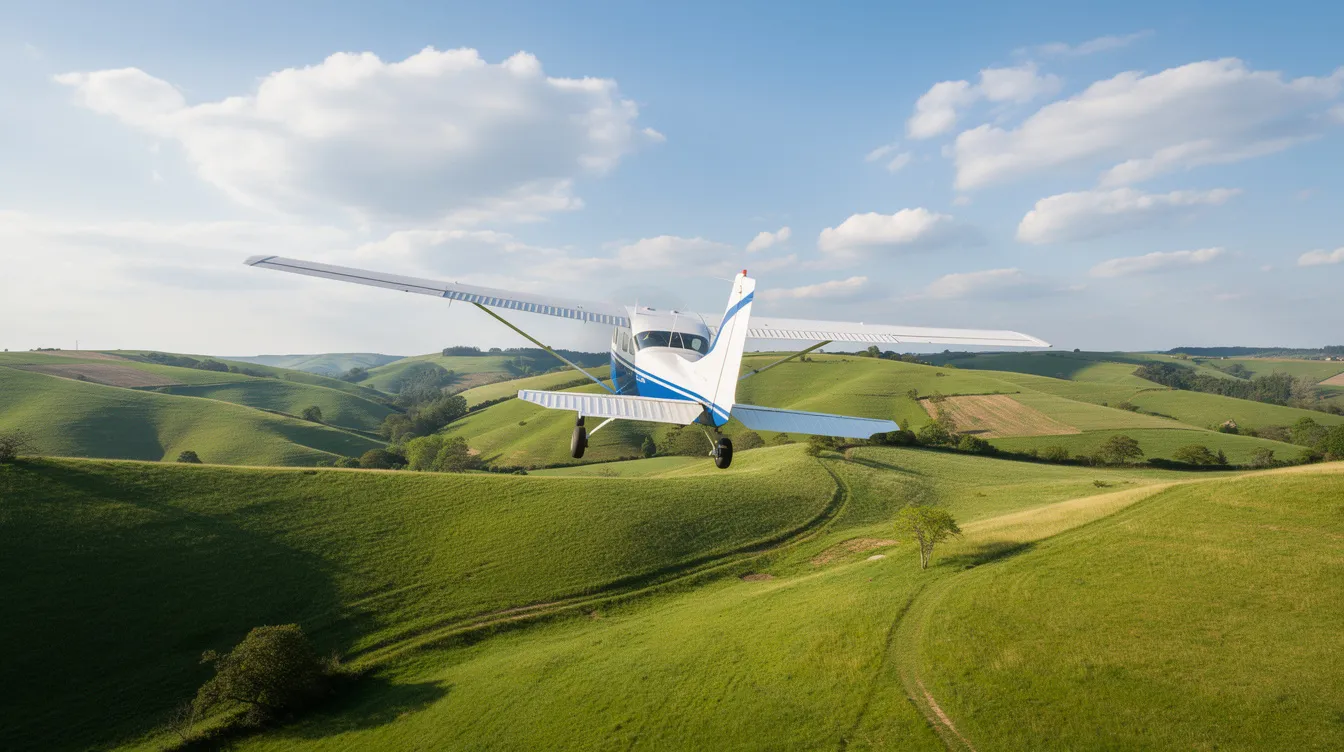
Single-engine planes typically cruise between 110 and 180 knots, with high-performance models exceeding 200 knots. Factors like aircraft type, altitude, and weight significantly influence actual speeds. Understanding cruise speed is crucial for effective trip planning and can often rival commercial airliners in total travel time.
Jay Franco Serevilla
Sep 7, 2026
|
5
min read


View all
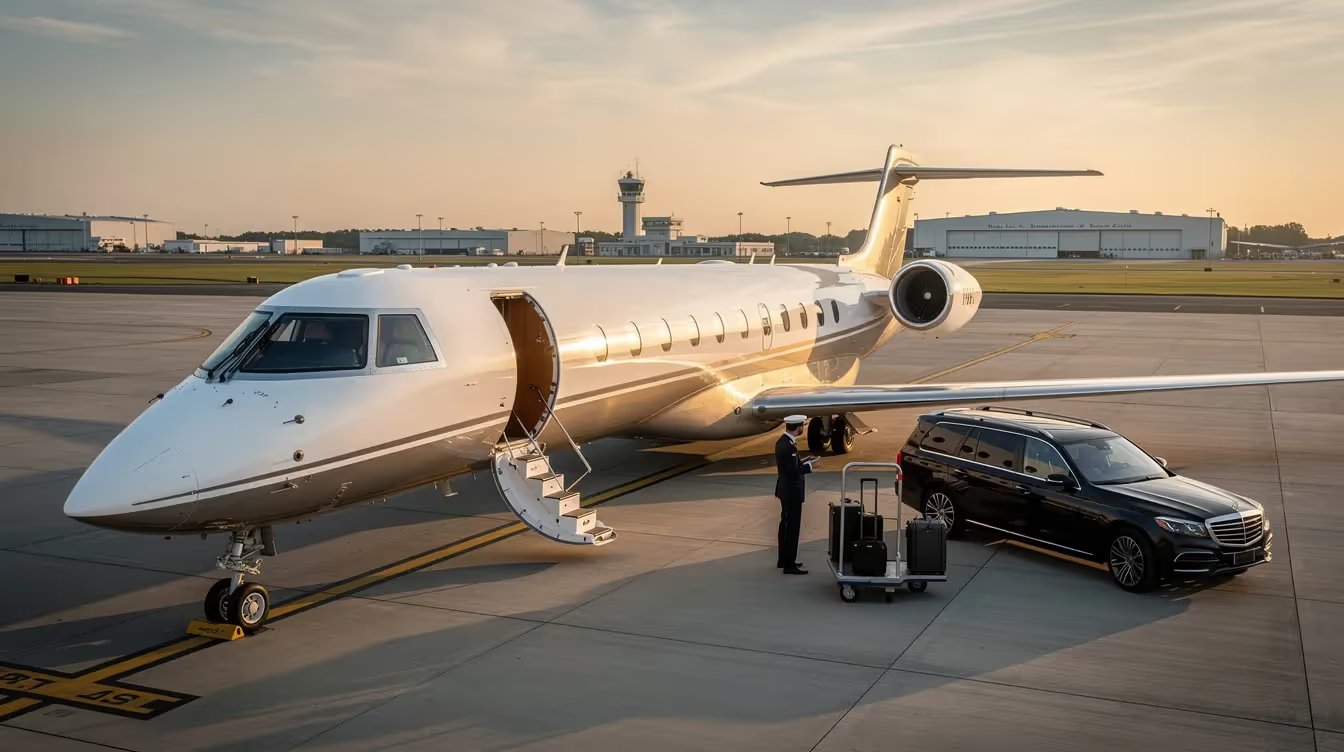
Single-seat jets provide autonomy and lower acquisition costs for pilots but are impractical for most private travelers due to their limited capacity. For those needing flexibility and the ability to travel with others, chartering very light jets or light jets through Jettly is often a more efficient choice. Jettly offers transparent pricing, instant booking, and access to over 20,000 aircraft globally, making private air travel convenient without the burdens of ownership. Overall, Jettly connects travelers to versatile jets tailored to their needs, enhancing the private aviation experience.
Jay Franco Serevilla
May 22, 2026
|
5
min read
View all
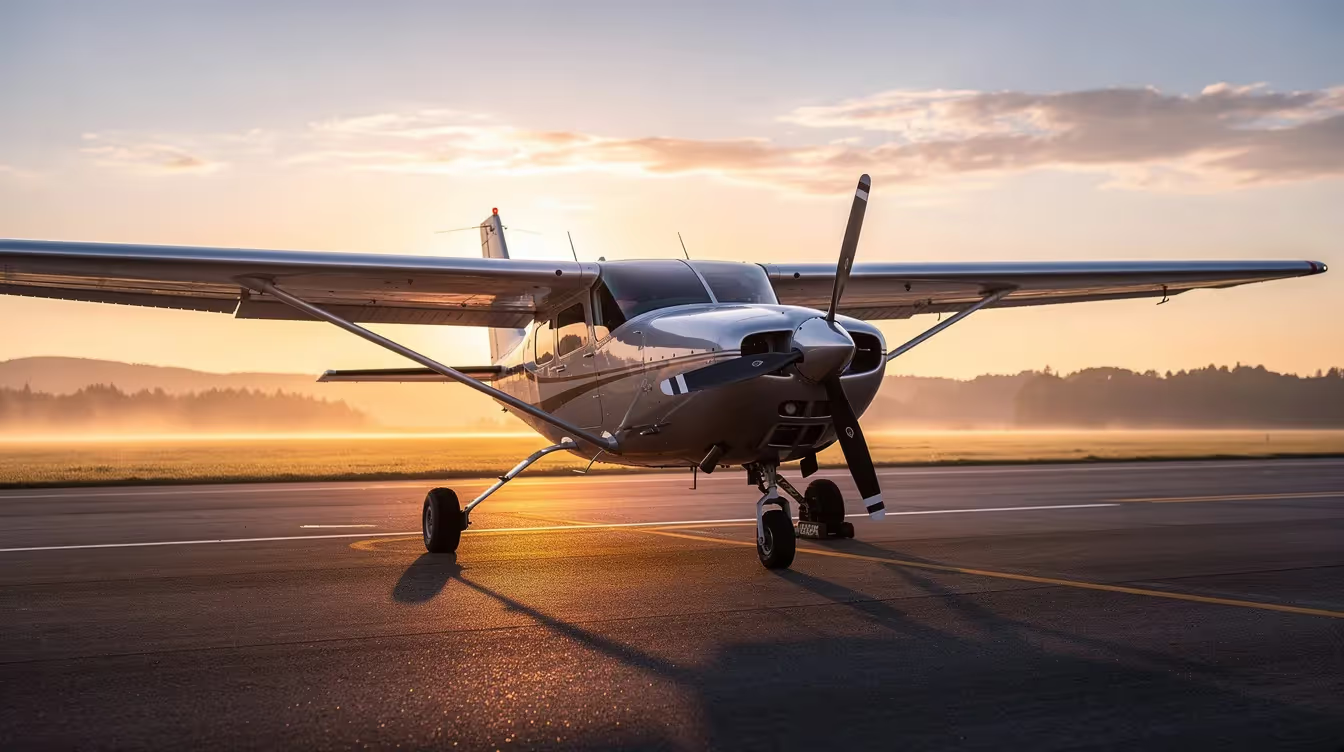
The Cessna 172 Skyhawk typically has a practical range of 500 to 640 nautical miles, depending on factors such as fuel capacity, weight, weather, and flight settings. While it is an excellent choice for training and short regional flights, its limitations make it unsuitable for long-distance travel without multiple fuel stops. For business or longer trips, private jets offer faster, more comfortable, and non-stop options, which can be accessed through platforms like Jettly. Understanding the capabilities of a Cessna is crucial for effective flight planning and ensuring safe travel.
Jay Franco Serevilla
May 22, 2026
|
5
min read
View all
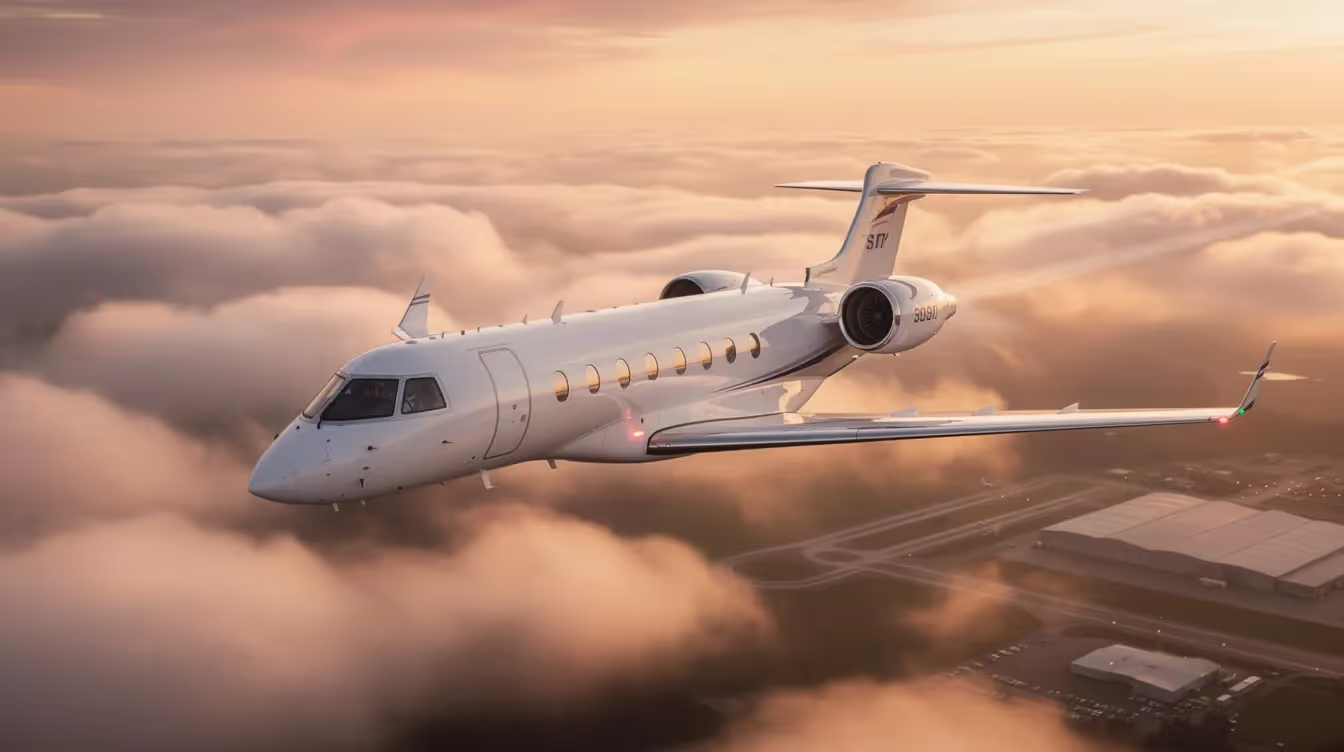
Private Low Fares is widely regarded as a scam by Reddit users, who report issues such as missing tickets, surprise charges, and personal data risks. Many travelers have experienced bait-and-switch tactics, where advertised low fares are suddenly unavailable, leading to demands for additional payments. Users are advised to book directly through airlines or reputable platforms like Google Flights to avoid these risks. For those seeking private jet charters, platforms like Jettly offer transparent pricing and confirmed bookings, distinguishing them from unreliable low-fare sites.
Jay Franco Serevilla
May 20, 2026
|
5
min read
View all
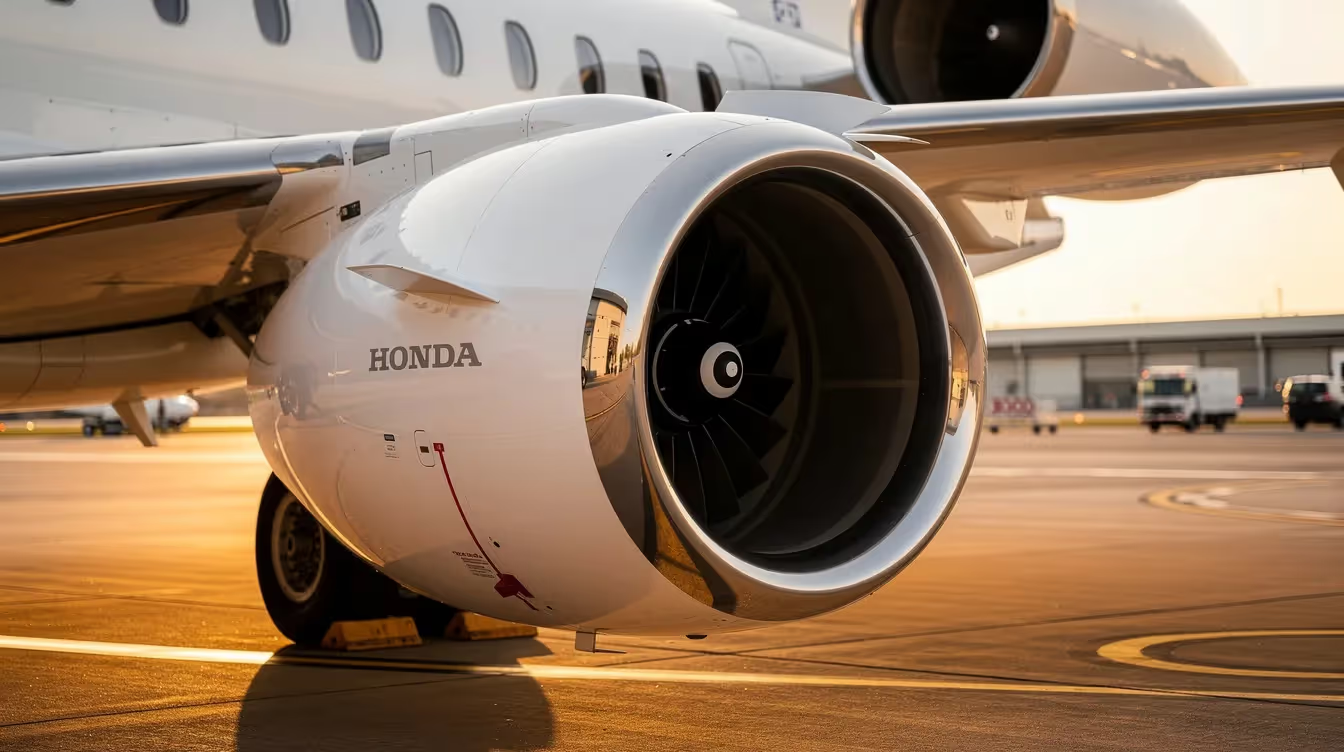
The HondaJet features the GE Honda HF120 turbofan engine, known for its over-the-wing engine mount design, which enhances aerodynamic performance and fuel efficiency, making it a competitive option in the private jet charter market. With a range of approximately 1,000–1,200 nautical miles and a maximum cruising speed of 422 knots, the HondaJet is ideal for short to medium-range missions, accommodating 2-5 passengers comfortably. The aircraft's innovative design allows for increased cabin space and reduced noise, while its fuel efficiency can lead to lower operating costs for charter users. Jettly offers on-demand access to HondaJet charters, providing transparent pricing and a wide selection of aircraft for various travel needs.
Jay Franco Serevilla
May 20, 2026
|
5
min read

View all
HondaJet sales are a key indicator of trends in the very light and light business jet markets, with the HondaJet family recognized for its innovative design and fuel efficiency. The HondaJet has consistently led its segment, delivering 37 units in 2021 and surpassing 250 total deliveries by early 2024, while the fleet has accumulated over 210,000 flight hours. Buyers can choose between ownership or charter options, with platforms like Jettly offering flexible access to HondaJets without the costs associated with ownership. The upcoming HondaJet Echelon aims to capture a larger market share, reflecting Honda's commitment to advancing private aviation technology and meeting evolving customer preferences.
Jay Franco Serevilla
May 20, 2026
|
5
min read
View all
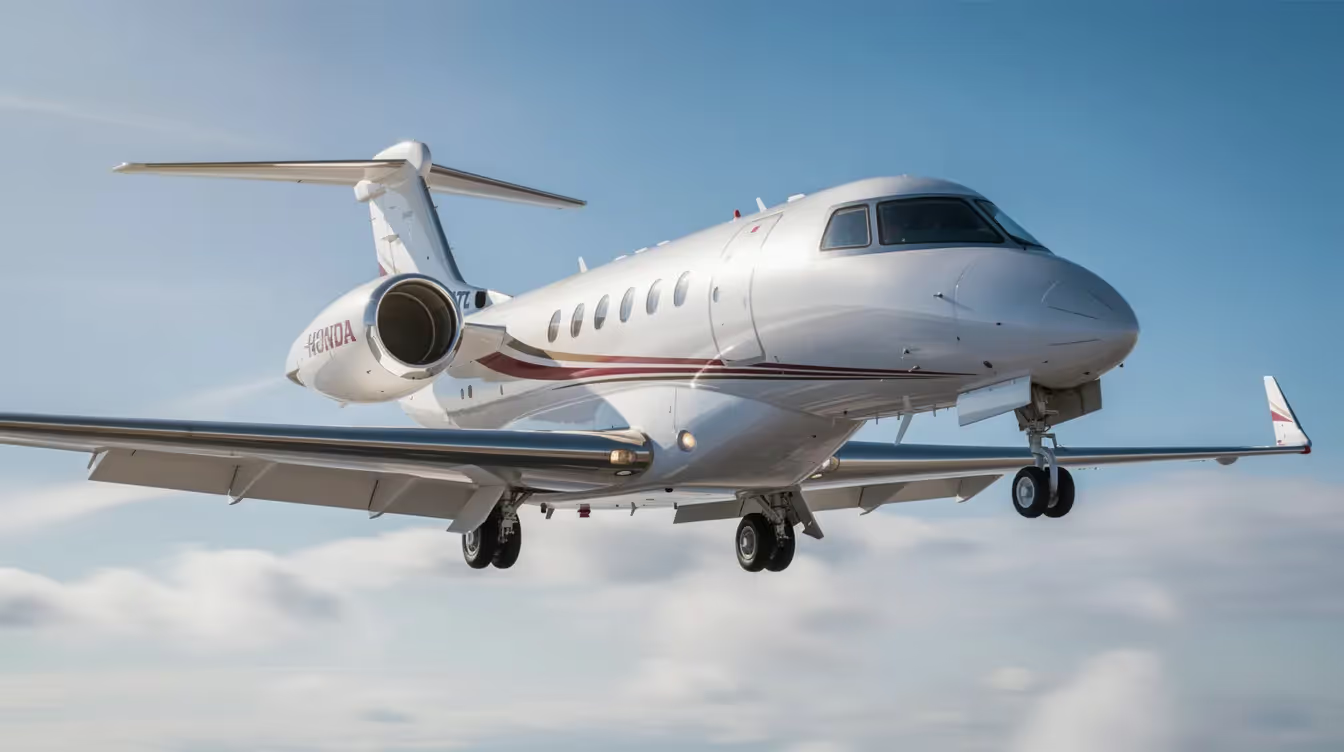
The article outlines the pricing and ownership costs of HondaJet aircraft, ranging from approximately $2.5 million for older models to over $6 million for new HondaJet Elite II models. It emphasizes that total ownership costs, including fixed and variable expenses, can reach $500,000 to $1.2 million annually, making chartering a more flexible option for those flying under 150-200 hours per year. For frequent flyers, ownership may become more viable, but Jettly provides a convenient alternative for accessing HondaJet-level travel without the long-term commitment of ownership. Overall, understanding the comprehensive costs associated with HondaJet ownership versus chartering is crucial for informed decision-making in private jet travel.
Jay Franco Serevilla
May 20, 2026
|
5
min read
Explore our latest articles and updates.
5
min read
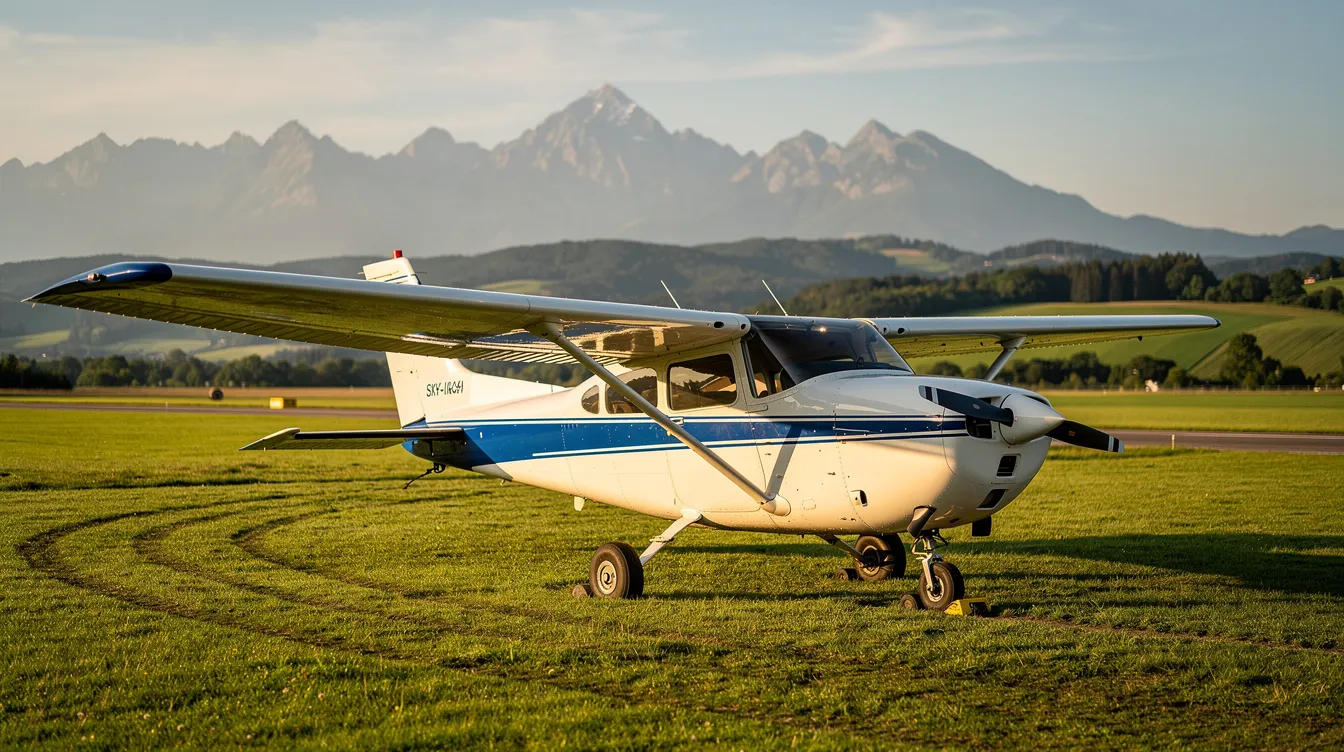
What Is a Cessna? A Complete Guide for Private and Training Flights
Cessna is a renowned brand in general aviation, known for its reliable and versatile aircraft used in training, private flying, and charter services. This guide explores Cessna's history, popular models, and their roles in aviation, helping you choose the right aircraft for your needs. Whether you're a student pilot or a charter traveler, understanding Cessna can enhance your flying experience.
Read More
5
min read
What Days Are Best to Book Flights (and Fly) in 2026?
In 2026, Sundays are the best days to book flights, while Tuesdays, Wednesdays, and Saturdays are ideal for flying to save on domestic fares. Booking 1 to 3 months in advance for domestic flights and 3 to 6 months for international trips can lead to significant savings. Understanding these patterns can help travelers maximize their budget and enjoy more flexible travel options.
Read MoreJoin our community and receive the latest blog updates directly in your inbox.
MEMBERSHIPS AND ASSOCIATIONS



Disclaimer: Jettly operates as a charter broker, offering access to a global digital jet charter marketplace. Jettly is not a direct air carrier and does not own or operate aircraft. All advertised flights are conducted by third-party air carriers that are fully licensed and hold the appropriate Part 135 or Part 121 certifications issued by the Federal Aviation Administration (FAA) or equivalent regulatory authorities under U.S. or foreign law. Jettly complies fully with the U.S. Department of Transportation's Part 295 and Part 298 Charter Broker regulations. Jettly does not carry additional liability insurance. Passengers are covered by aircraft operator insurance. TICO: 50023770


