


Login
Get Instant Pricing On 23,000+ Aircraft

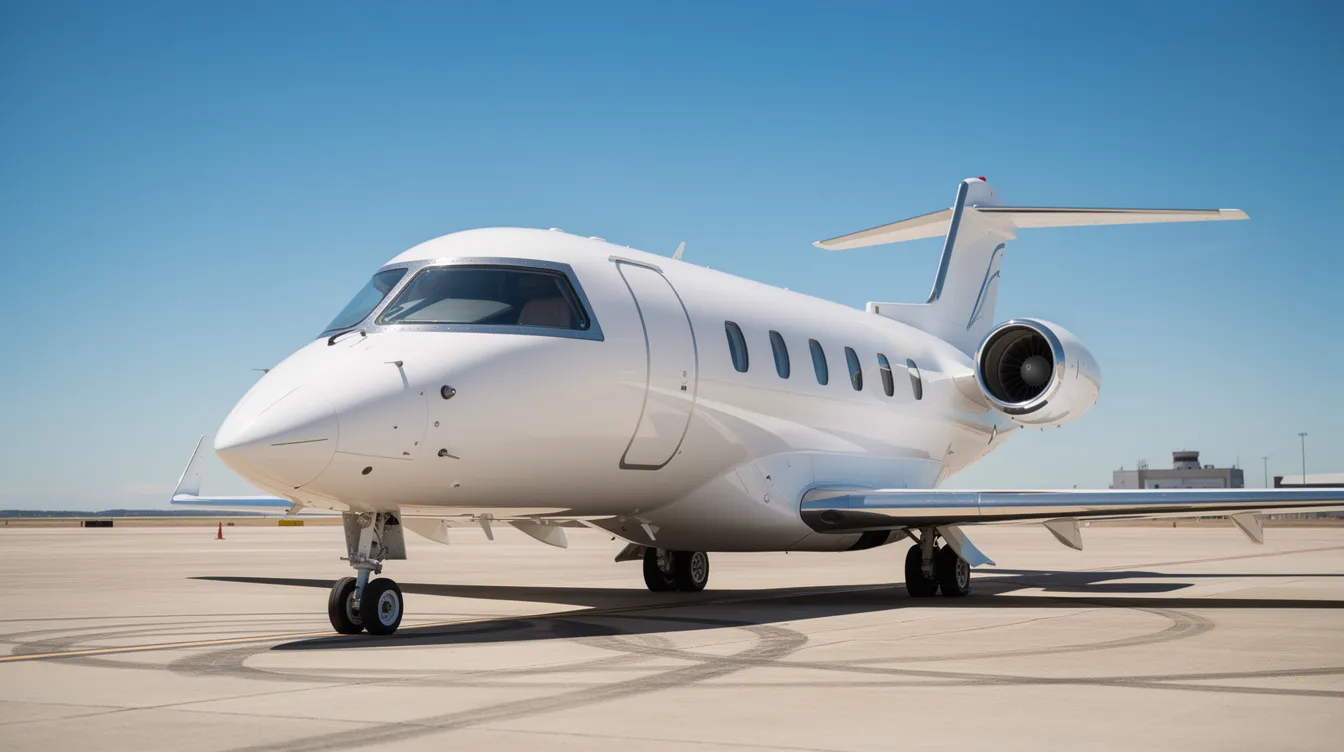
The private jet industry features various manufacturers, each with unique aircraft designed for specific missions. This guide provides insights into key brands, jet categories, and practical tips for selecting the right aircraft for your travel needs. Understanding these factors can enhance your private flying experience, whether for business or leisure.
Jeff Ryan Serevilla
Sep 21, 2026
|
5
min read


View all
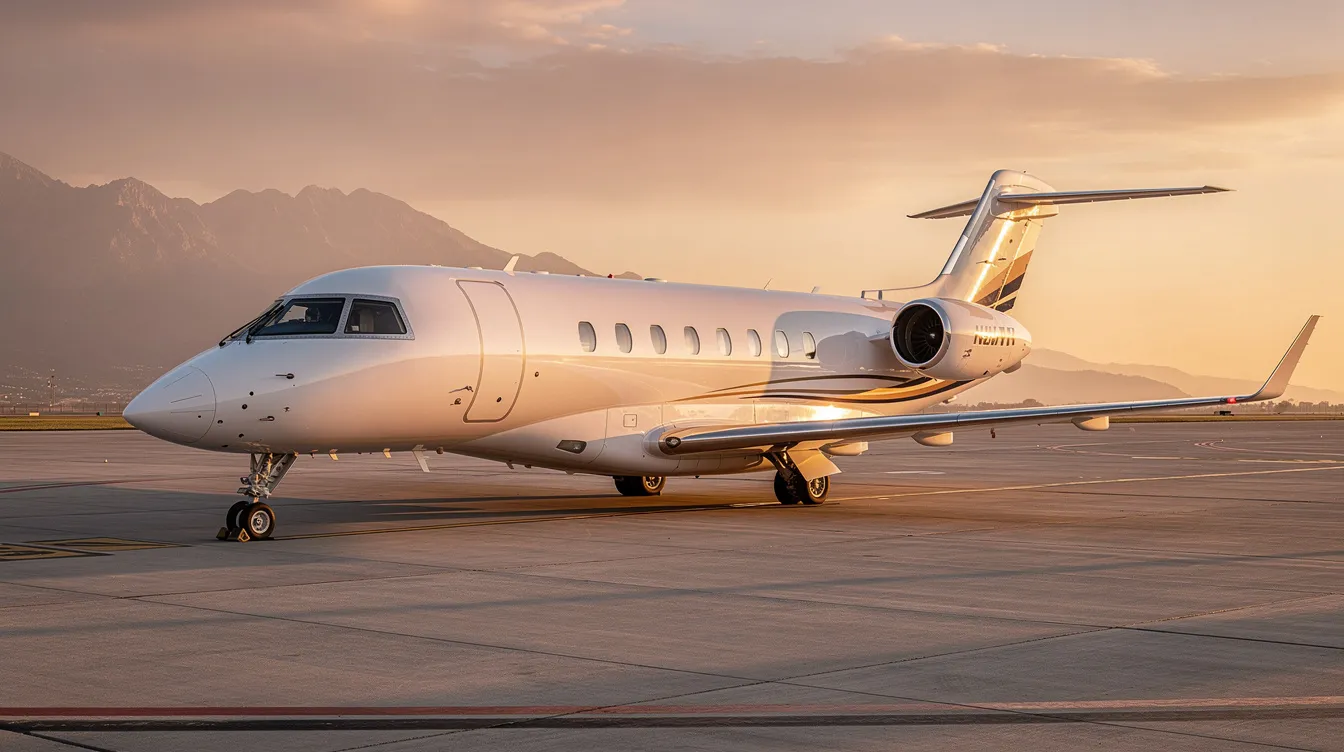
Private world tours by private jet offer a luxurious and flexible way to explore multiple destinations around the globe, typically spanning 19 to 26 days and visiting 8–12 locations. These tours provide fully customized itineraries, eliminating the hassles of commercial travel, such as layovers and long airport waits, while allowing travelers to focus on unique experiences tailored to their interests. Platforms like Jettly facilitate the planning process by offering access to over 20,000 aircraft and enabling bespoke itinerary design without long-term commitments. With dedicated expedition teams handling logistics and local guides providing insights, private world tours ensure a seamless and enriching travel experience.
Jay Franco Serevilla
Jun 25, 2026
|
5
min read

View all
Taylor Swift owns a Dassault Falcon 7X, a long-range business jet valued between $40 million and $58 million, with annual operating costs exceeding $3 million. The jet has attracted significant attention due to its environmental impact, as it was reported to have emitted 1,200 tonnes of CO2 in 2023, leading to public criticism and discussions about celebrity jet usage and climate responsibility. Swift's extensive touring schedule necessitates private air travel, and while ownership offers benefits like customization and privacy, platforms like Jettly provide flexible charter options that can be more cost-effective for occasional travelers. The article explores the jet's specifications, costs, and the ongoing debate surrounding private aviation's environmental footprint.
Jay Franco Serevilla
Jun 25, 2026
|
5
min read
View all
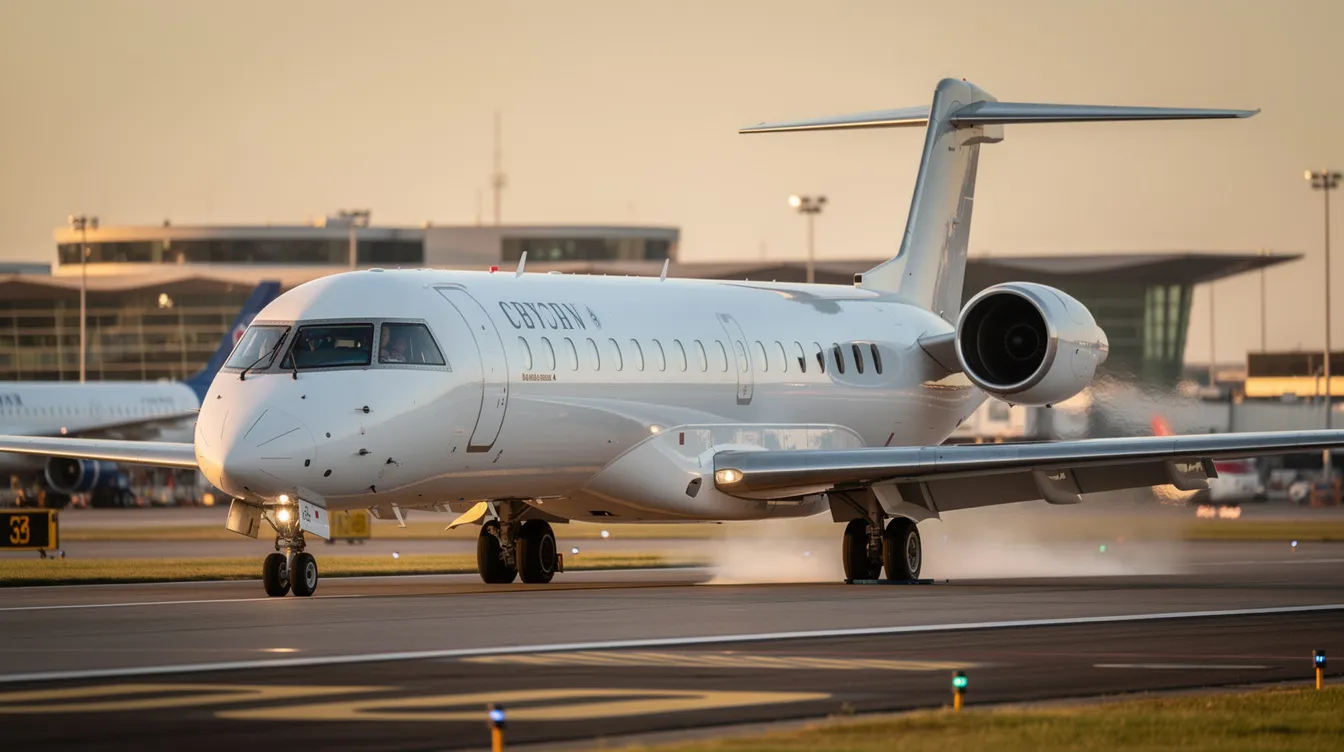
The Bombardier CRJ 900 is a regional jet designed for short-to-medium-haul flights, accommodating 76 to 90 passengers and offering a range of approximately 1,784 miles. Since its introduction in 2001, it has become a key player in regional aviation, effectively linking smaller cities to major hubs across North America and Europe. The aircraft is popular for private charters, particularly for groups such as corporate teams and sports organizations, thanks to its efficient operational costs and flexibility in scheduling. Platforms like Jettly facilitate easy booking and tailored services for CRJ 900 charters, enhancing the travel experience for larger groups.
Jay Franco Serevilla
Jun 25, 2026
|
5
min read

View all
The blog post discusses the advancements in high-speed personal aircraft, highlighting the Bombardier Global 8000 as the fastest private jet, capable of reaching Mach 0.94 using sustainable aviation fuel. It outlines the performance spectrum of modern personal planes, which range from single-engine aircraft to ultra-fast jets, emphasizing the importance of speed, efficiency, and comfort for business and personal travel. The article also covers critical factors such as operating costs, safety features, and the evolving market dynamics driven by innovation and competition among manufacturers. Finally, it touches on the future of aviation, focusing on sustainable practices and potential developments in electric and hybrid propulsion systems.
Jay Franco Serevilla
Jun 24, 2026
|
5
min read
View all
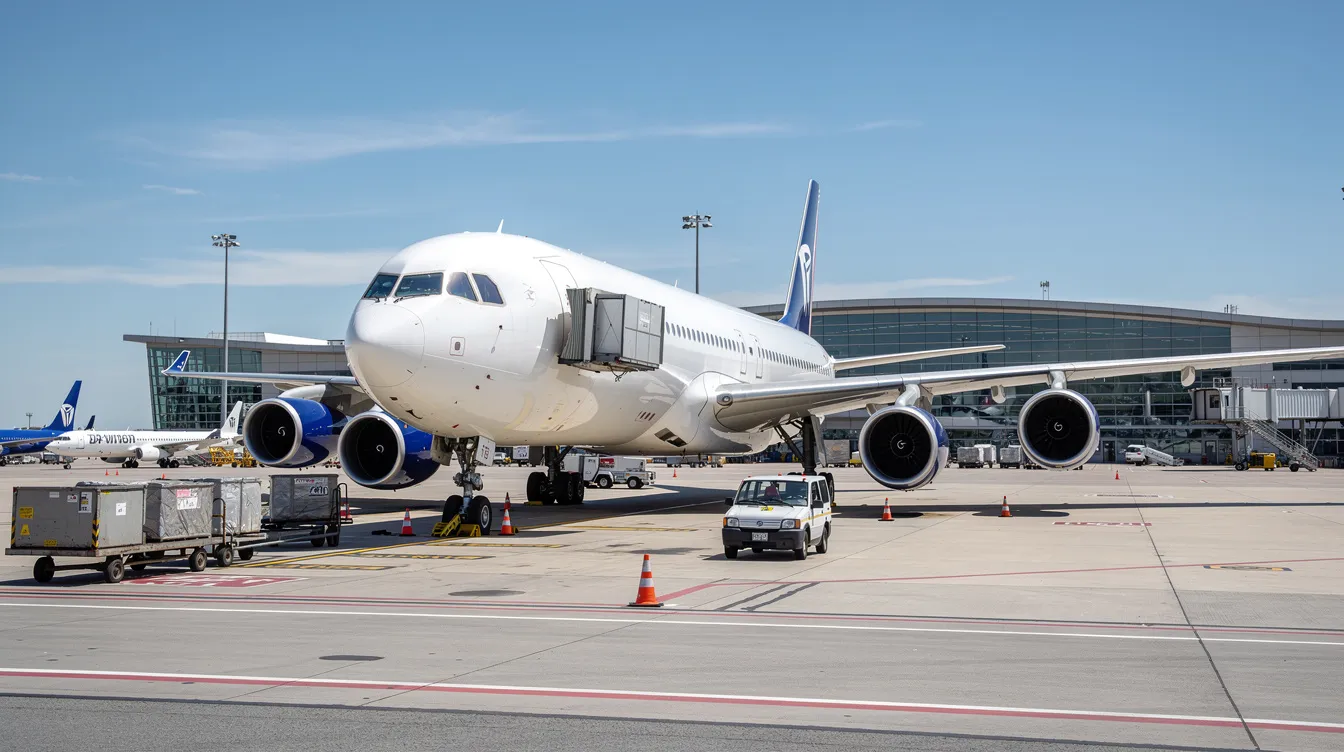
The Airbus A340 is a four-engine wide-body aircraft designed for long-haul travel, with seating capacities ranging from 210 to 440 passengers depending on the variant and cabin configuration. The A340 family includes four models: A340-200, A340-300, A340-500, and A340-600, each differing in length, range, and typical seating arrangements. While production ceased in 2011, the A340 remains relevant for charter, VIP, and occasional scheduled services, with airlines customizing layouts based on market demand. Understanding the seating capacities and configurations of the A340 is crucial for planning group travel, especially when comparing options through platforms like Jettly, which connects clients with various aircraft for charter needs.
Jay Franco Serevilla
Jun 24, 2026
|
5
min read
View all
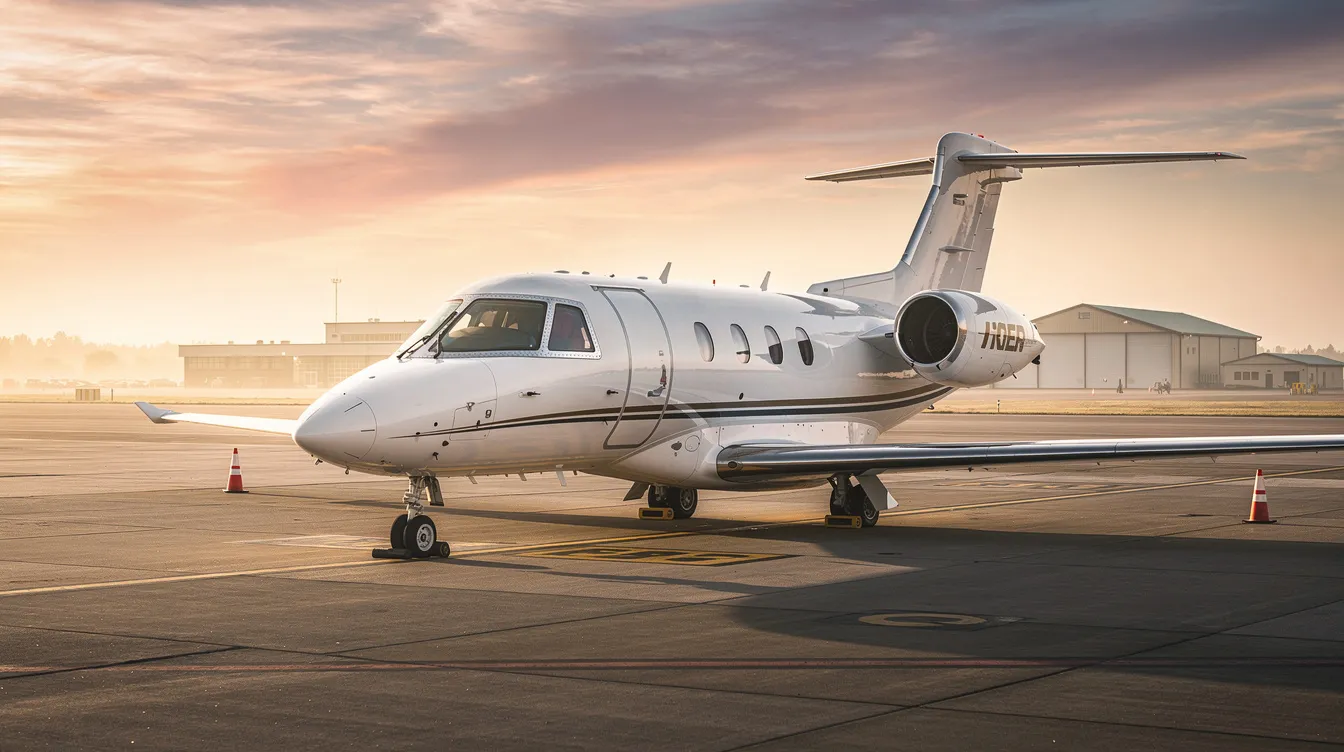
A $2 million private jet typically buys a pre-owned light jet or a high-end turboprop, with total ownership costs potentially matching or exceeding the purchase price within five years. Annual operating expenses can range from $400,000 to $800,000, making ownership less economical for those flying fewer than 150-200 hours per year. Alternatives like chartering or jet cards often provide better value and flexibility without the complexities of ownership, such as maintenance and insurance. For potential buyers, evaluating actual travel patterns and costs through platforms like Jettly can help determine if ownership is a justified investment.
Jay Franco Serevilla
Jun 24, 2026
|
5
min read
Explore our latest articles and updates.
5
min read
Worldwide Jet Charter Reviews
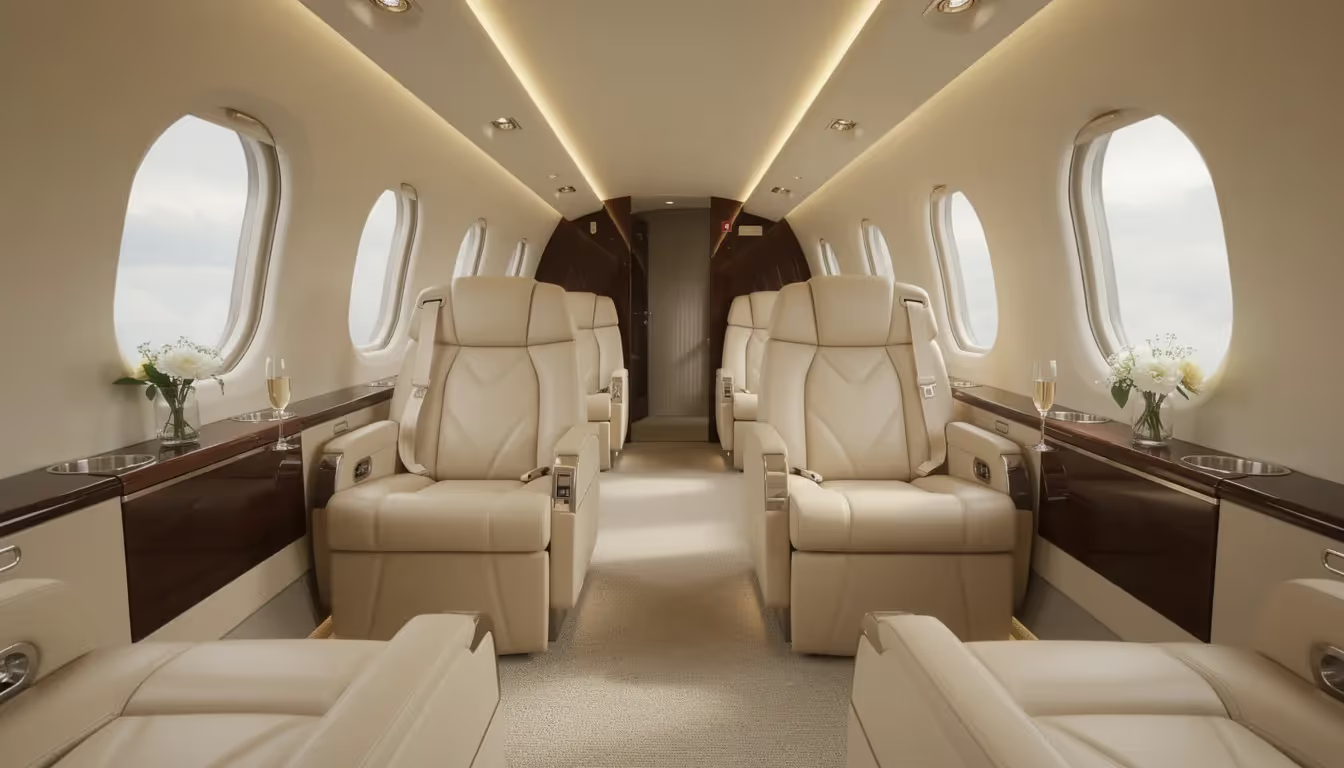
Choosing the right jet charter service is crucial for a seamless private aviation experience, with reviews highlighting key factors such as safety, reliability, cabin quality, crew professionalism, and pricing transparency. Travelers consistently prioritize operators with strong safety records, effective communication, and personalized service, while expressing dissatisfaction with vague pricing and poor service. The article provides a structured checklist for comparing providers and emphasizes the importance of understanding different access models, including on-demand charters, jet cards, fractional ownership, and membership platforms. Ultimately, thorough review analysis combined with direct verification of operators ensures a safe and satisfying private travel experience.
Read More
5
min read
Private Jet Emissions: Impact, Inequality, and Cleaner Ways to Fly
Private jet emissions have drawn significant scrutiny due to their disproportionate environmental impact, with private jets emitting approximately 15–16 million tonnes of CO2 in 2023, representing about 1.7–1.8% of civil aviation emissions while serving a tiny fraction of passengers. The emissions per passenger are extraordinarily high, with private jets emitting 5–14 times more CO2 per passenger-kilometre than commercial flights, largely due to low occupancy rates. A small group of ultra-wealthy individuals and corporations accounts for the majority of these emissions, highlighting stark inequalities in carbon footprints. To mitigate their environmental impact, travelers can consider options like utilizing empty leg flights, choosing more efficient aircraft, and prioritizing sustainable aviation fuels.
Read MoreJoin our community and receive the latest blog updates directly in your inbox.
MEMBERSHIPS AND ASSOCIATIONS



Disclaimer: Jettly operates as a charter broker, offering access to a global digital jet charter marketplace. Jettly is not a direct air carrier and does not own or operate aircraft. All advertised flights are conducted by third-party air carriers that are fully licensed and hold the appropriate Part 135 or Part 121 certifications issued by the Federal Aviation Administration (FAA) or equivalent regulatory authorities under U.S. or foreign law. Jettly complies fully with the U.S. Department of Transportation's Part 295 and Part 298 Charter Broker regulations. Jettly does not carry additional liability insurance. Passengers are covered by aircraft operator insurance. TICO: 50023770


