


Login
Get Instant Pricing On 23,000+ Aircraft


Private plane flight times are significantly shorter than commercial travel, influenced by factors like distance, aircraft type, and weather conditions. Understanding these variables is crucial for efficient scheduling and cost management, especially for corporate travelers and families. Jettly offers tools to provide accurate flight time estimates, enhancing the private flying experience.
Jeff Ryan Serevilla
Sep 8, 2026
|
5
min read



View all
Austin Executive Airport (EDC) serves as a vital hub for private and business aviation in the Austin area, offering a streamlined alternative to Austin–Bergstrom International Airport. With a 6,025-foot runway and modern facilities, EDC caters to corporate travelers and private pilots, providing quick access to downtown Austin and nearby tech campuses. The airport features 24-hour FBO services through Henriksen Jet Center, ensuring exceptional customer service and operational efficiency. Jettly's platform simplifies the charter process, allowing users to compare aircraft options and pricing for a seamless private travel experience.
Jay Franco Serevilla
May 17, 2026
|
5
min read

View all
Private jet travel in Indonesia offers a convenient and flexible way to navigate the country's vast archipelago of over 17,000 islands, providing direct access to major cities and remote destinations. Jettly, a leading digital platform, simplifies the booking process with instant pricing and a wide selection of aircraft, catering to both business and leisure travelers. Pricing varies based on aircraft type and distance, with typical hourly rates ranging from $2,000 for turboprops to $23,000 for VIP airliners. Key airports include Soekarno Hatta International Airport in Jakarta and Ngurah Rai International Airport in Bali, making it easier for travelers to access popular routes like Jakarta to Bali and Jakarta to Singapore.
Jay Franco Serevilla
May 16, 2026
|
5
min read

View all
American Express (Amex) now offers private jet travel primarily through partnerships, notably with Wheels Up, providing exclusive benefits for Platinum and Centurion Card Members. This model emphasizes curated access to private aviation rather than a standalone program, with pricing for Wheels Up flights often exceeding $6,500 per hour. In contrast, Jettly serves as an independent digital charter platform, offering access to over 20,000 aircraft with instant pricing and no long-term commitments, making it a flexible alternative for travelers. By understanding both Amex's offerings and Jettly's marketplace, travelers can make informed decisions for their private jet needs.
Jay Franco Serevilla
May 16, 2026
|
5
min read

View all
Jettly is revolutionizing private air travel through its digital charter marketplace, focusing on innovation and sustainability, particularly with the blended wing body (BWB) aircraft design that enhances fuel efficiency and reduces emissions. By partnering with industry leaders like Delta Air Lines, Jettly aims to develop next-generation aircraft that offer longer ranges and improved performance while maintaining environmental responsibility. The platform provides travelers with access to over 20,000 aircraft globally, emphasizing convenience, flexibility, and cost-effectiveness without the complexities of ownership. Jettly's commitment to exceptional customer service and advanced technology positions it as a leader in shaping the future of efficient and sustainable private aviation.
Jay Franco Serevilla
May 16, 2026
|
5
min read

View all
The Boeing 767 private jet is a wide-body aircraft ideal for large groups needing long-haul travel, offering spacious cabins, impressive range, and fuel efficiency. It accommodates 25 to over 100 passengers in customizable VIP layouts, making it suitable for corporate events, sports teams, government delegations, and touring artists. Jettly provides access to Boeing 767 charters worldwide, allowing for flexible booking without ownership commitments. With its ability to combine comfort, privacy, and significant cargo capacity, the Boeing 767 is a compelling choice for those requiring extensive travel solutions.
Jay Franco Serevilla
May 16, 2026
|
5
min read

View all
Jett Travel Agency in Burbank, IL specializes in commercial flight bookings, particularly to the Middle East, offering personalized services such as guided tours and travel packages. In contrast, Jettly is a digital platform providing access to over 20,000 private jets for travelers seeking flexibility and convenience. Travelers can benefit from a hybrid approach, using Jett Travel for affordable commercial fares and Jettly for private segments when time or privacy is a priority. This combination allows for a tailored travel experience that meets diverse needs and preferences.
Jay Franco Serevilla
May 16, 2026
|
5
min read
Explore our latest articles and updates.

5
min read
Totegegie Airport (GMR) Guide – Routes, Access and Private Jet Options
Totegegie Airport (GMR) is the only airport serving the Gambier Islands in French Polynesia, providing essential connections despite its limited infrastructure. With only domestic flights operated by Air Tahiti and requiring boat transfers to the main island, planning is crucial for travelers. Private jet charters through Jettly offer a flexible alternative for those needing more control over their travel schedules.
Read More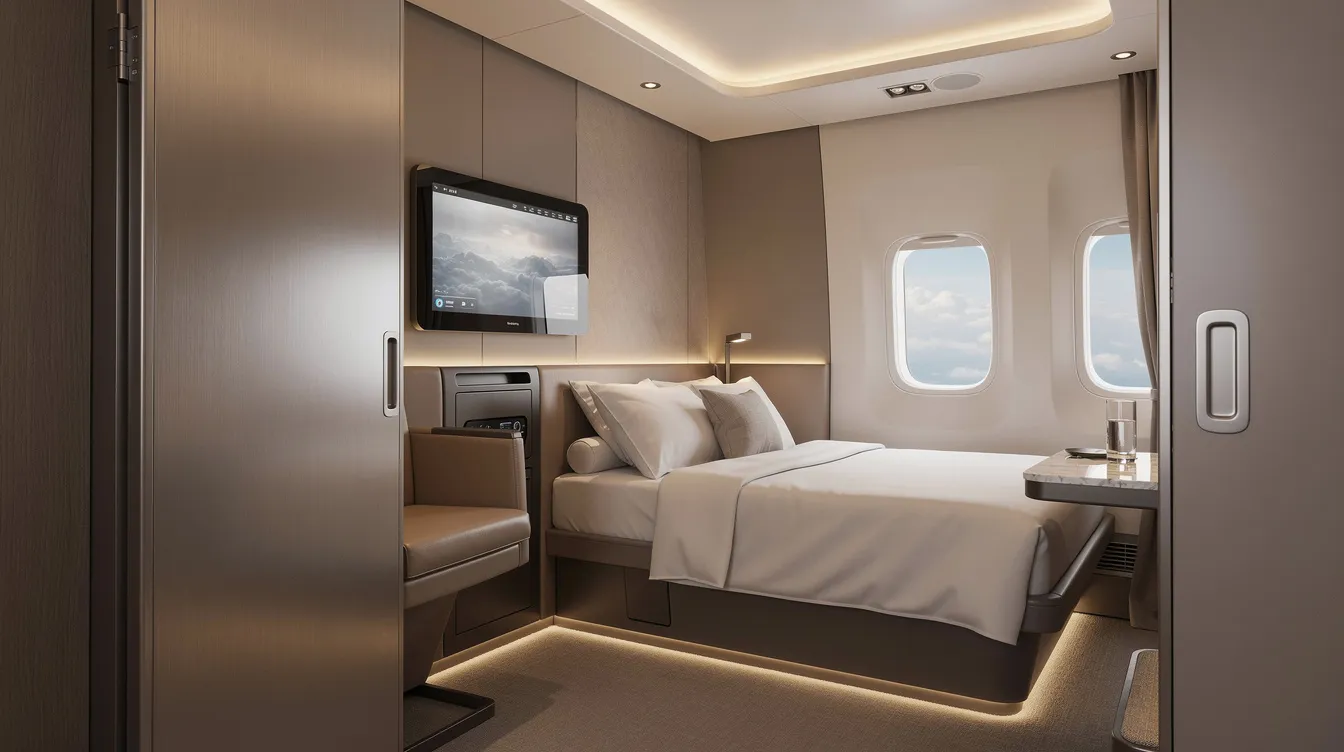
5
min read
Luxury Airlines: The Ultimate Guide to First Class Comfort and Business Class Travel
Luxury airlines have transformed air travel with private suites, gourmet dining, and exceptional service, setting a new standard for first and business class experiences. This guide explores top luxury carriers for 2025-2026, comparing their offerings and highlighting private jet alternatives like Jettly for maximum comfort and flexibility.
Read MoreJoin our community and receive the latest blog updates directly in your inbox.
MEMBERSHIPS AND ASSOCIATIONS



Disclaimer: Jettly operates as a charter broker, offering access to a global digital jet charter marketplace. Jettly is not a direct air carrier and does not own or operate aircraft. All advertised flights are conducted by third-party air carriers that are fully licensed and hold the appropriate Part 135 or Part 121 certifications issued by the Federal Aviation Administration (FAA) or equivalent regulatory authorities under U.S. or foreign law. Jettly complies fully with the U.S. Department of Transportation's Part 295 and Part 298 Charter Broker regulations. Jettly does not carry additional liability insurance. Passengers are covered by aircraft operator insurance. TICO: 50023770


