


Login
Get Instant Pricing On 23,000+ Aircraft

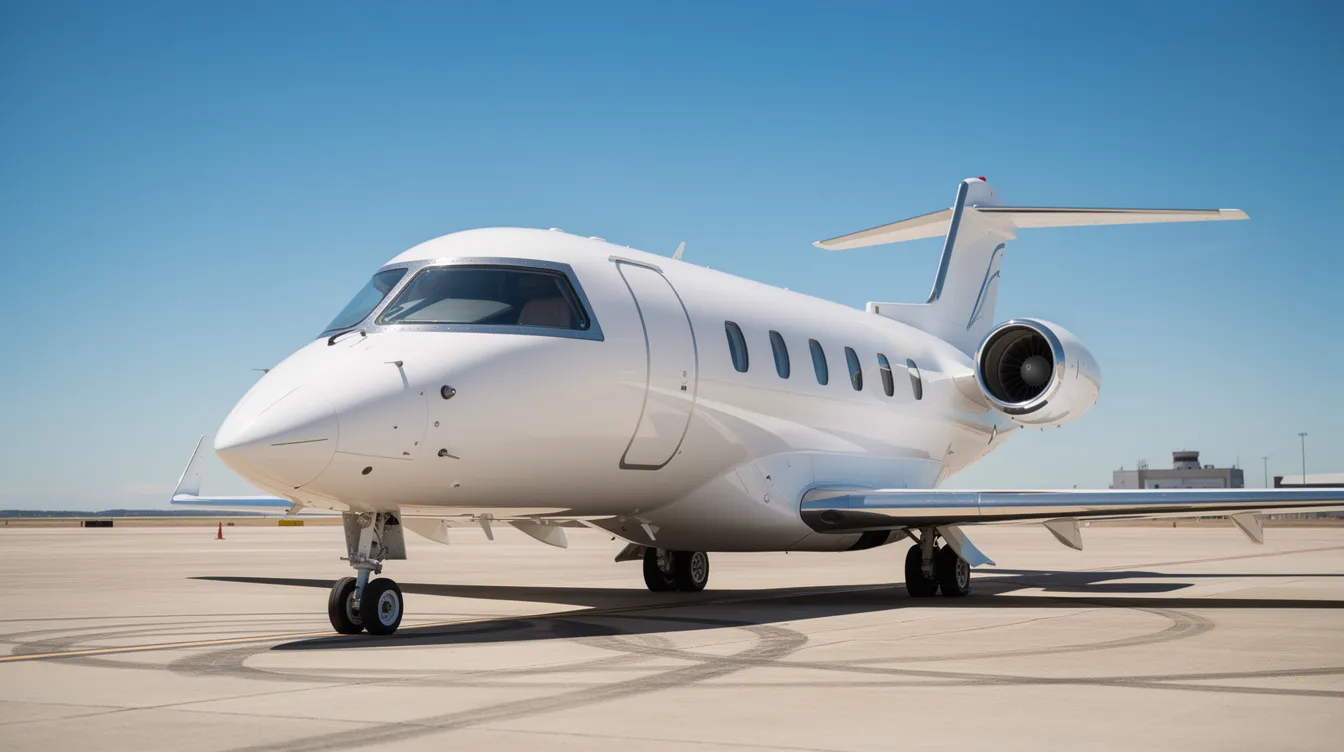
The private jet industry features various manufacturers, each with unique aircraft designed for specific missions. This guide provides insights into key brands, jet categories, and practical tips for selecting the right aircraft for your travel needs. Understanding these factors can enhance your private flying experience, whether for business or leisure.
Jeff Ryan Serevilla
Sep 22, 2026
|
5
min read


View all
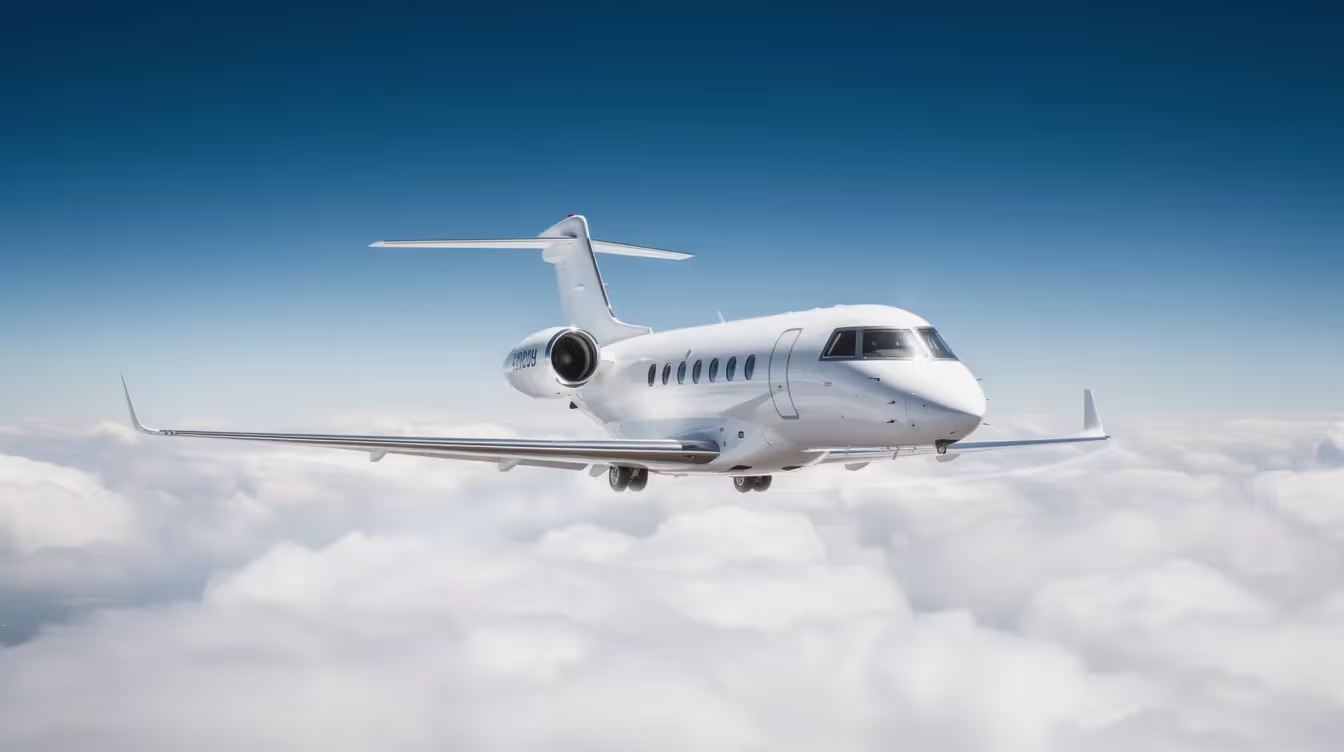
The Learjet private jet, a staple in business aviation since its first flight in 1963, is renowned for its speed, agility, and efficient cabin designs, with models like the Learjet 35, 45, 60, 70, and 75 available for charter. Although Bombardier ceased production in 2021, thousands remain active in global charter fleets, offering cruise speeds around Mach 0.80 and ranges between 1,900 and 2,800 nautical miles. Travelers can easily charter Learjets through platforms like Jettly, which provide transparent pricing and access to various models without the burdens of ownership. The Learjet's performance, cabin comfort, and operational flexibility make it an ideal choice for business trips, family getaways, and urgent travel needs.
Jay Franco Serevilla
Apr 18, 2026
|
5
min read
View all
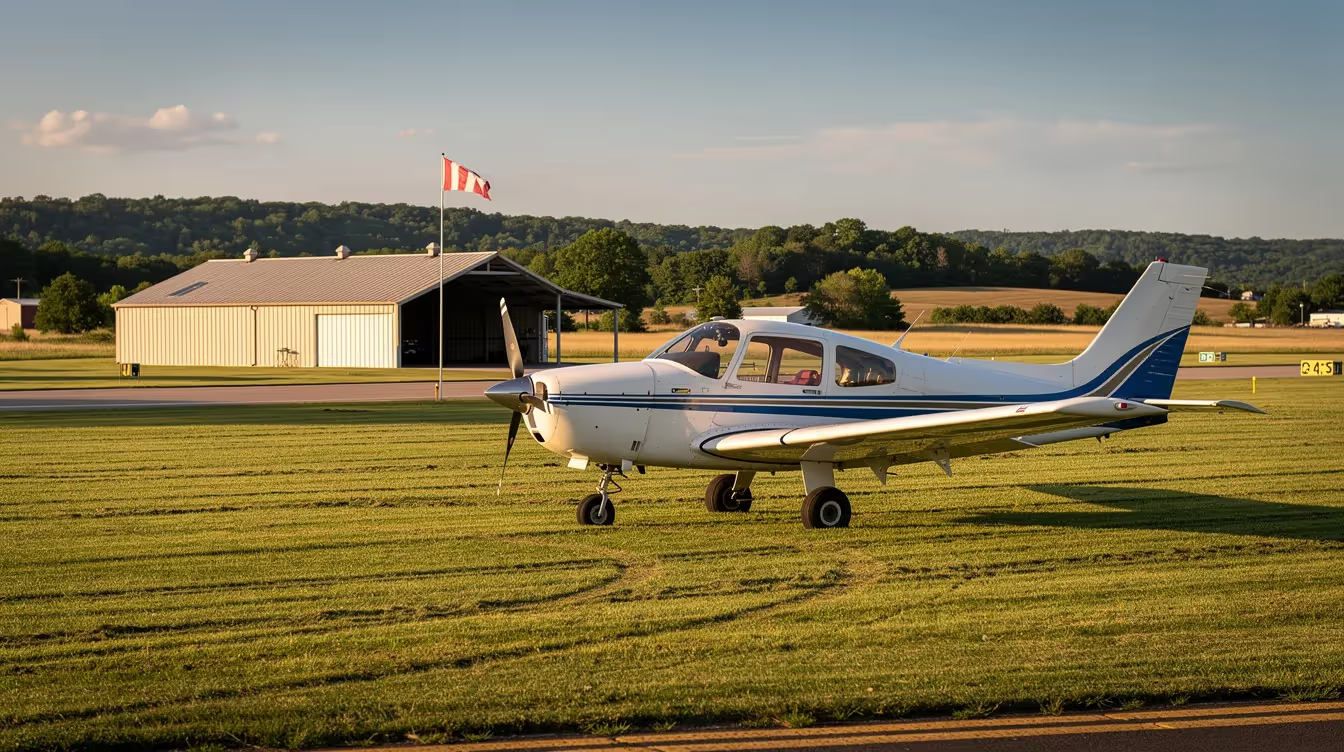
The cost of buying a plane varies widely, with used two-seat trainers starting around $15,000 and new large business jets exceeding $75 million. Buyers must also consider ongoing expenses, which can equal or surpass the purchase price over time, including maintenance, fuel, insurance, and crew salaries, with annual operating costs often ranging from $500,000 to over $1 million. For those flying less than 150 hours annually, chartering through platforms like Jettly may be more cost-effective than ownership, as it eliminates asset risk and maintenance responsibilities. Ultimately, the decision between buying and chartering should be based on individual flying needs and financial considerations.
Jay Franco Serevilla
Apr 18, 2026
|
5
min read
View all
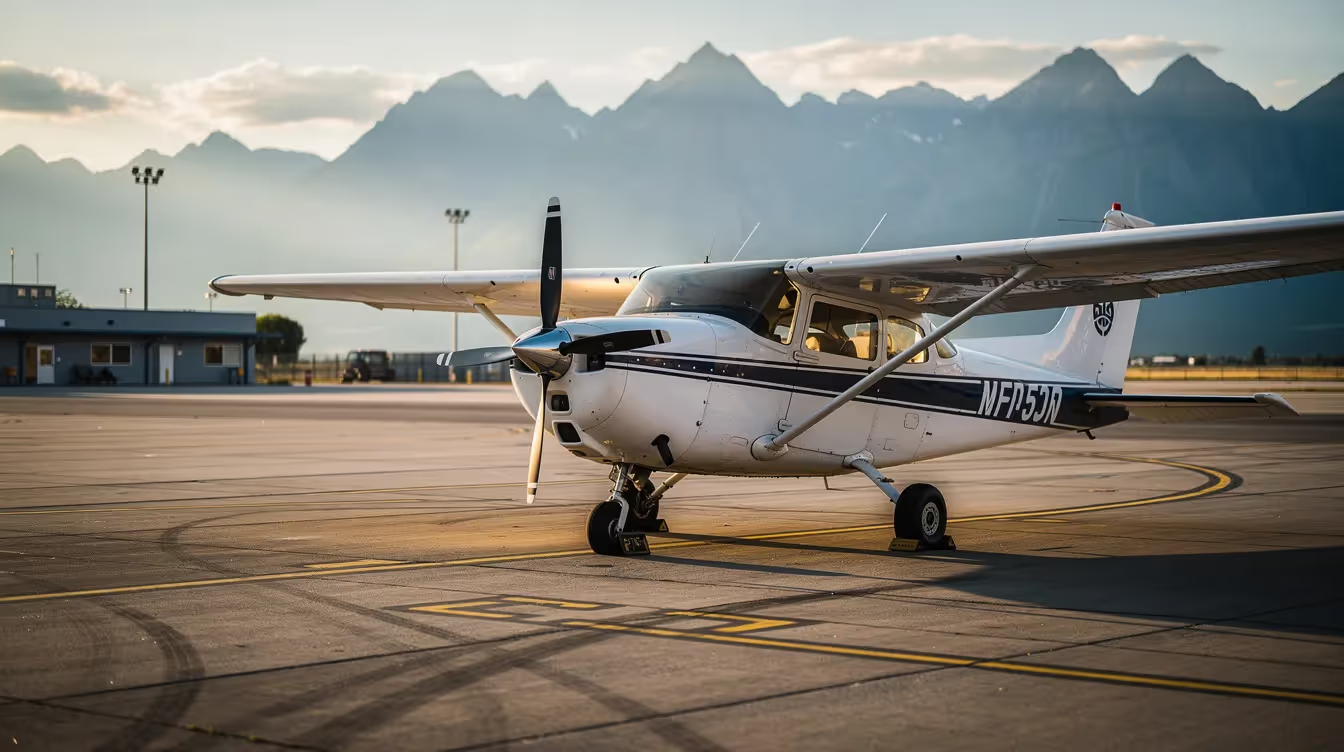
Plane operating costs encompass the ongoing expenses necessary to keep an aircraft operational, distinct from its purchase price. These costs vary significantly by aircraft type, with small pistons costing around $150–$250 per flight hour, while heavy jets can exceed $8,000 per hour. For travelers flying less than 150–200 hours annually, chartering through platforms like Jettly is often more economical than ownership, which involves substantial fixed and variable costs. Jettly provides access to over 20,000 private charter aircraft globally, allowing users to avoid the complexities and financial burdens of aircraft ownership while enjoying the benefits of private aviation.
Jay Franco Serevilla
Apr 18, 2026
|
5
min read
View all
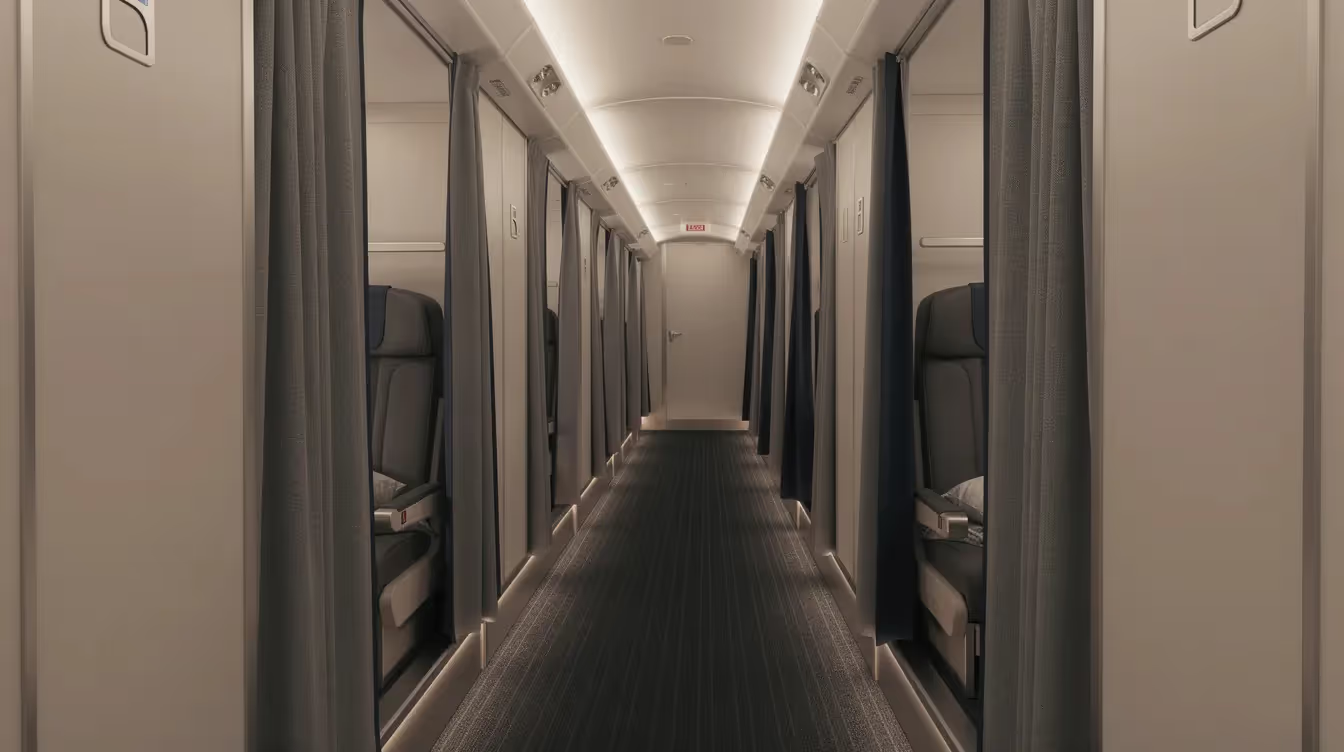
The article explores the various sleeping arrangements available on airplanes, including hidden crew bunks for flight attendants and pilots, as well as luxurious lie-flat beds in premium cabins and private jet staterooms. It highlights the importance of these spaces for safety and comfort during long-haul flights, with regulations mandating crew rest areas on flights exceeding 8-12 hours. Jettly's platform simplifies the process of finding flights with ideal sleeping arrangements, allowing travelers to compare options for both commercial and private aviation. Ultimately, the choice of sleeping accommodations depends on budget, route, and personal preferences.
Jay Franco Serevilla
Apr 18, 2026
|
5
min read
View all
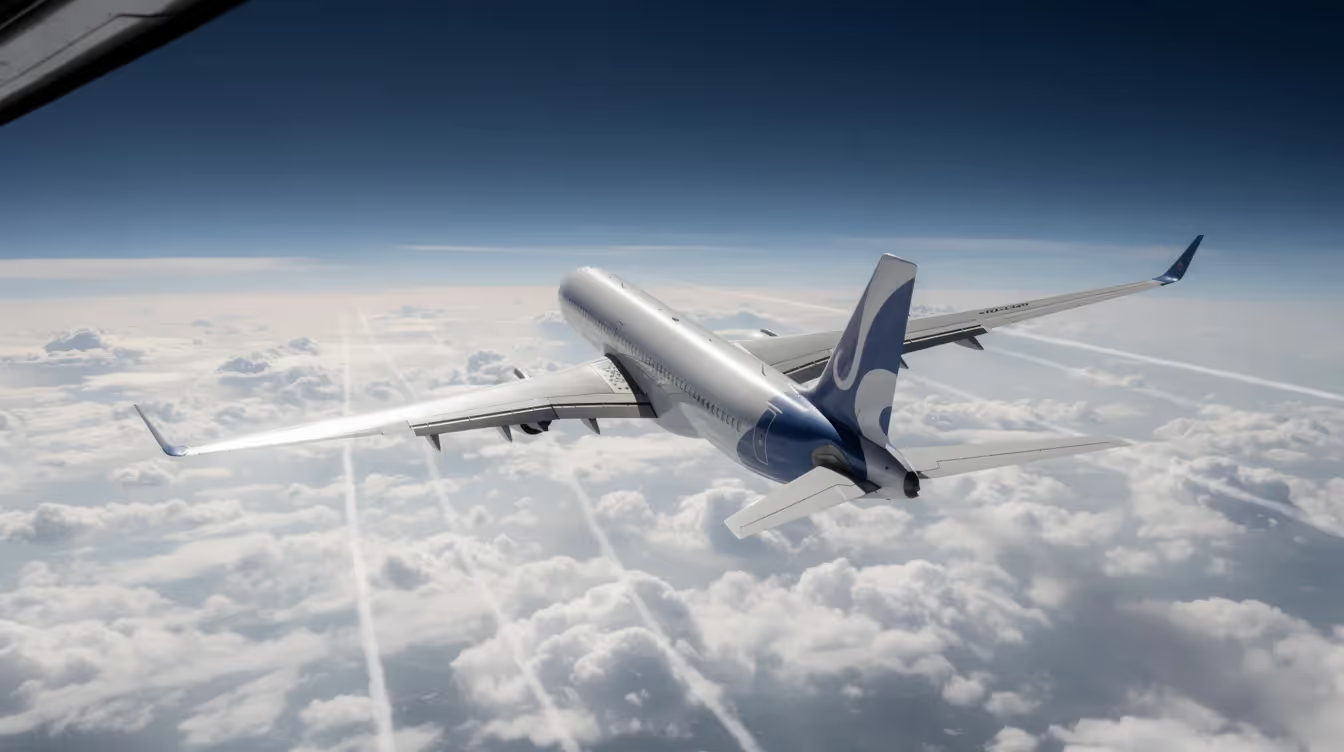
Modern jet airliners typically cruise at speeds between 550 and 600 mph (Mach 0.85 to 0.90), while private jets may operate at similar or slightly higher speeds but can save time by avoiding hub airports and delays. Factors such as aircraft design, altitude, wind conditions, and regulatory limits influence actual flight speeds. Despite advancements in technology, commercial airliner speeds have remained relatively stable due to economic and environmental considerations. Understanding these dynamics helps travelers make informed choices between commercial and private aviation options.
Jay Franco Serevilla
Apr 18, 2026
|
5
min read
View all
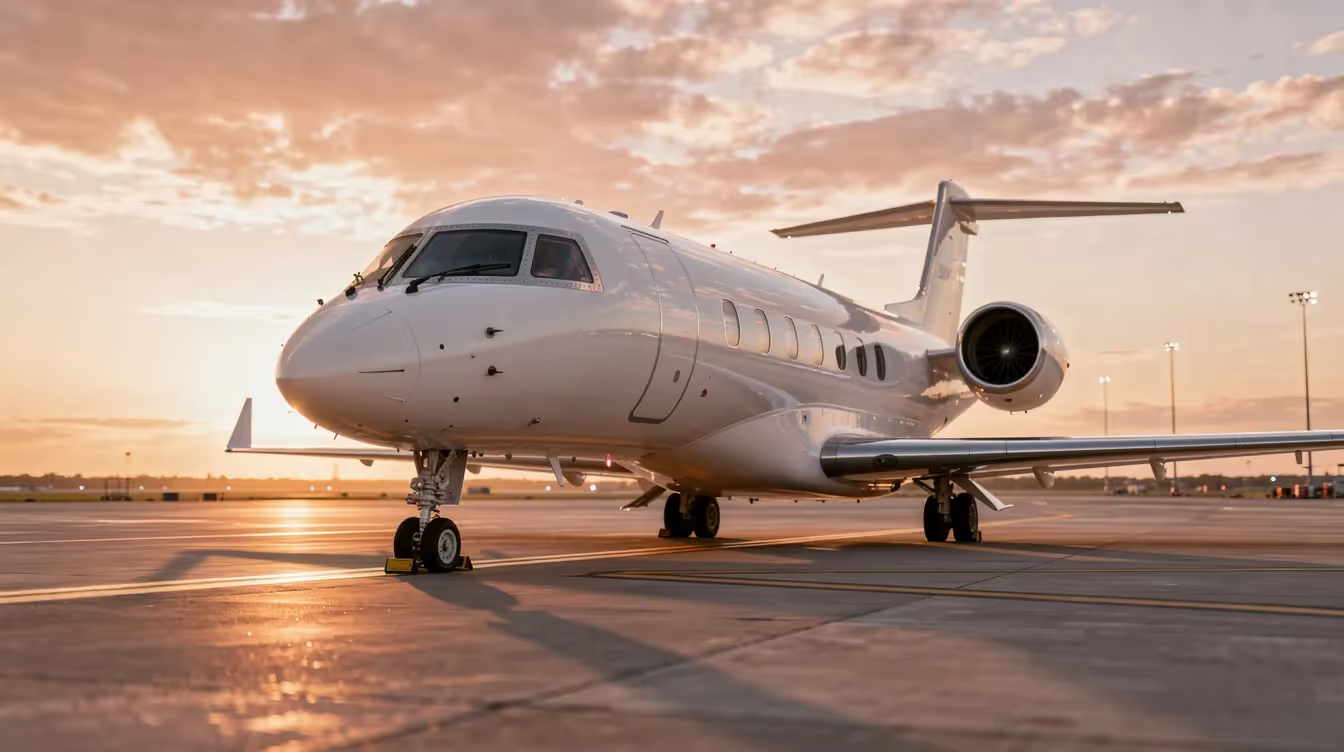
In 2026, the cost of jet aircraft varies significantly, with new private jets priced from $2 million for very light jets to over $400 million for customized VIP airliners, while charter rates range from $1,500 to $28,000 per hour based on aircraft type. For most business travelers, chartering is more economical than ownership, especially for those flying fewer than 200-300 hours annually, as ownership entails substantial fixed and variable costs. Jettly, a digital private jet charter platform, offers a transparent marketplace for on-demand bookings, allowing users to compare costs and access over 20,000 aircraft globally. Key strategies for reducing costs include choosing the right aircraft size, being flexible with travel times, and utilizing empty leg flights.
Jay Franco Serevilla
Apr 18, 2026
|
5
min read
Explore our latest articles and updates.

5
min read
When to Purchase Flight Tickets: Timing Tips for Cheap Flights and Private Jet Travel
Timing your flight ticket purchases can significantly affect travel costs, with optimal booking windows varying for commercial and private flights. For U.S. domestic flights, the best time to book is typically 1–3 months in advance, while international flights should be booked 3–6 months ahead. Private jet charters are best booked 2–4 weeks before short-haul trips and 4–8 weeks for long-haul flights, with Jettly offering tools for transparent pricing and aircraft comparisons. Monitoring prices and flying on off-peak days can further enhance savings for both commercial and private travel.
Read More
5
min read
How to Get Cheap Tickets: Smart Ways to Find Cheap Flights (Including Private Jets)
To find cheap flights in 2026, travelers should leverage flexibility in travel dates, book 1–3 months in advance, and utilize fare comparison tools like Google Flights and Jettly. Midweek flights and off-peak travel periods often yield the best prices, with empty-leg private jet flights offering significant savings of 25–75%. Setting up price alerts and using incognito mode can help avoid dynamic pricing and secure the best deals. Overall, combining smart booking strategies with technology can make both commercial and private aviation more affordable without sacrificing safety or comfort.
Read MoreJoin our community and receive the latest blog updates directly in your inbox.
MEMBERSHIPS AND ASSOCIATIONS



Disclaimer: Jettly operates as a charter broker, offering access to a global digital jet charter marketplace. Jettly is not a direct air carrier and does not own or operate aircraft. All advertised flights are conducted by third-party air carriers that are fully licensed and hold the appropriate Part 135 or Part 121 certifications issued by the Federal Aviation Administration (FAA) or equivalent regulatory authorities under U.S. or foreign law. Jettly complies fully with the U.S. Department of Transportation's Part 295 and Part 298 Charter Broker regulations. Jettly does not carry additional liability insurance. Passengers are covered by aircraft operator insurance. TICO: 50023770


