


Login
Get Instant Pricing On 23,000+ Aircraft

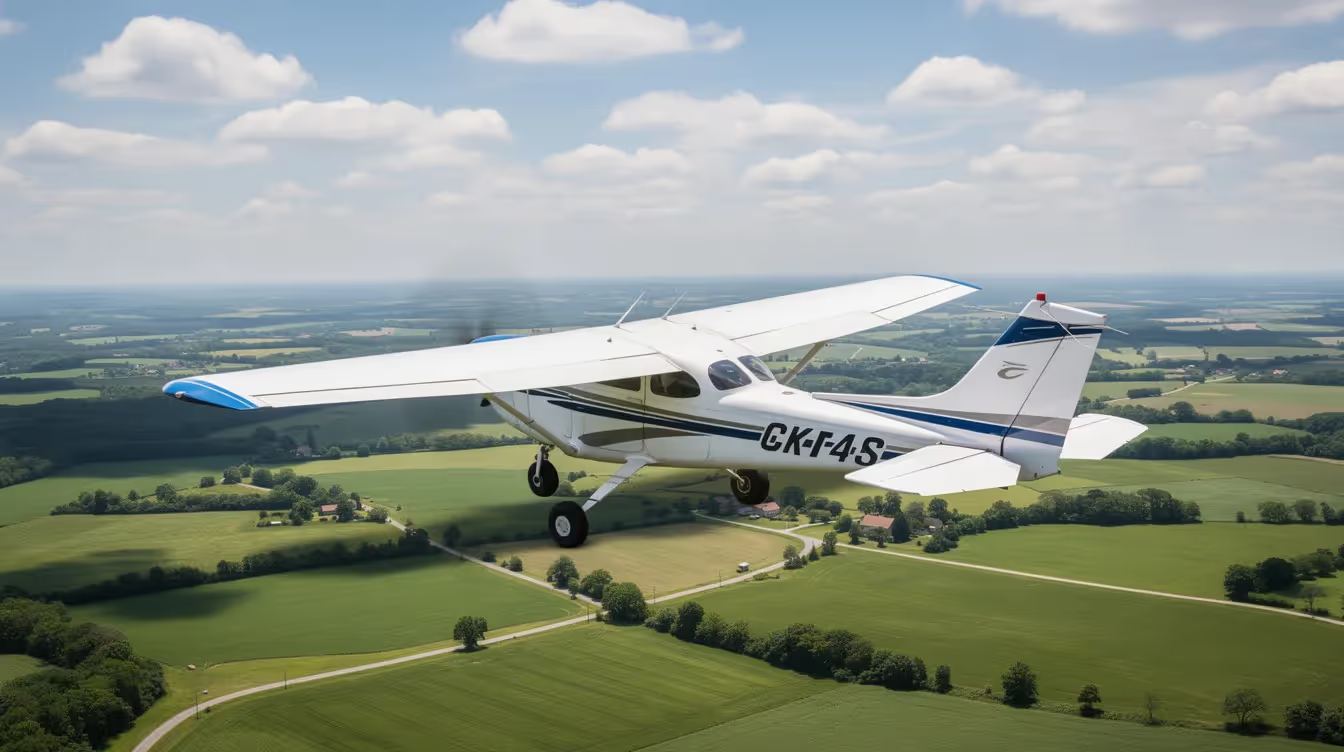
The Cessna 172S Skyhawk is a four-seat, single-engine aircraft known for its reliability and forgiving handling, making it a popular choice for flight training and personal aviation. Introduced in 1998, it features a 180-hp fuel-injected engine and modern Garmin G1000 NXi avionics, enhancing its appeal for both new and experienced pilots. With a cruise speed of 124 knots and a range of approximately 600-680 nautical miles, the 172S is well-suited for training missions and short regional flights. Its extensive production history, with over 44,000 units built, underscores its status as the most produced aircraft in history, ensuring robust support and maintenance availability.
Jay Franco Serevilla
Apr 13, 2026
|
5
min read


View all
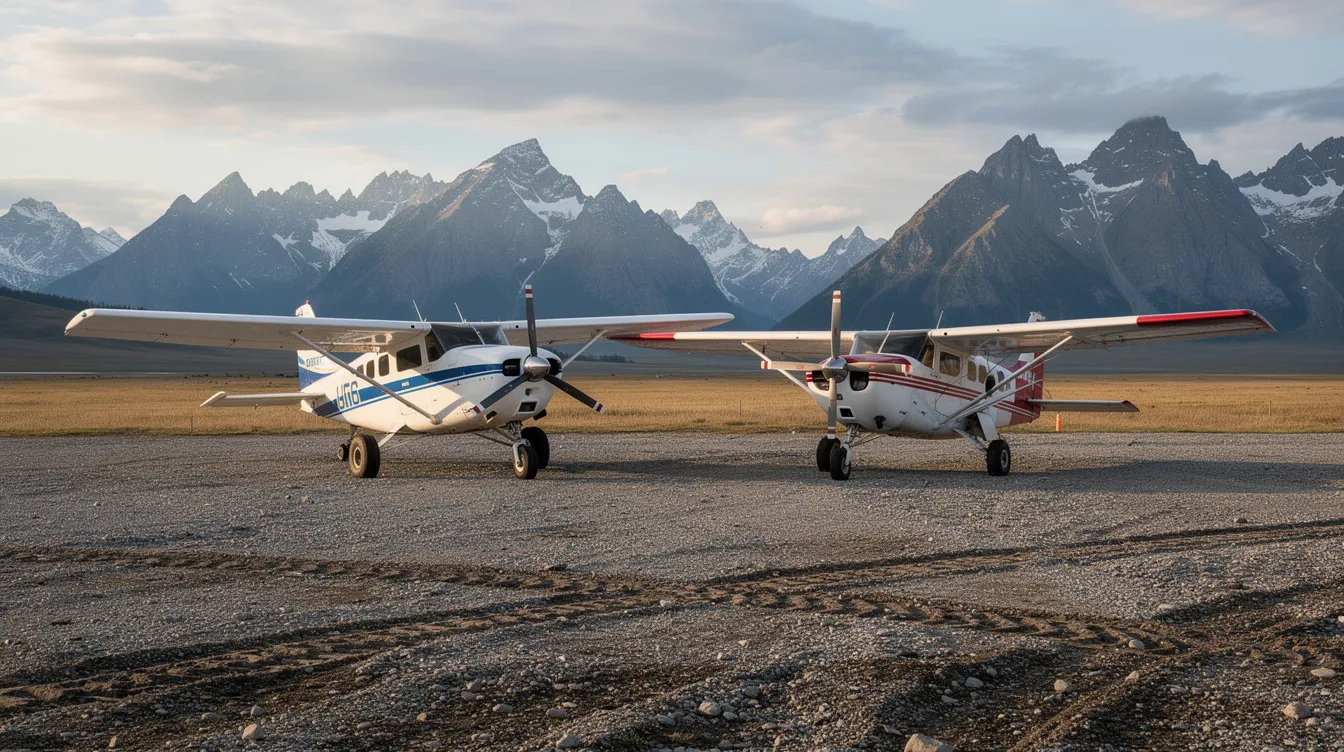
The Cessna 206 and 207 are rugged utility aircraft designed for different missions. The 206 excels in short-field performance and versatility for personal use, while the 207 is optimized for heavier loads and larger groups. Understanding their differences in capacity, performance, and operational costs is crucial for selecting the right aircraft for your needs.
Jay Franco Serevilla
Aug 13, 2026
|
5
min read

View all
The Cessna 172 Skyhawk, a staple in aviation, has a service ceiling of 13,500 to 14,000 feet, with some variants reaching up to 15,000 feet. While it excels in flight training and short trips, factors like weight and weather can limit its altitude performance. For higher, faster travel, private jets are a more suitable option.
Jay Franco Serevilla
Aug 13, 2026
|
5
min read

View all
Cessna single-engine aircraft, particularly the Cessna 172 Skyhawk, are essential in pilot training and personal flying due to their affordability and stability. This guide explores their history, key models, ownership costs, and how they integrate with private charter services like Jettly for longer trips. Understanding these aircraft helps pilots and enthusiasts make informed decisions about training and travel.
Jay Franco Serevilla
Aug 13, 2026
|
5
min read
View all
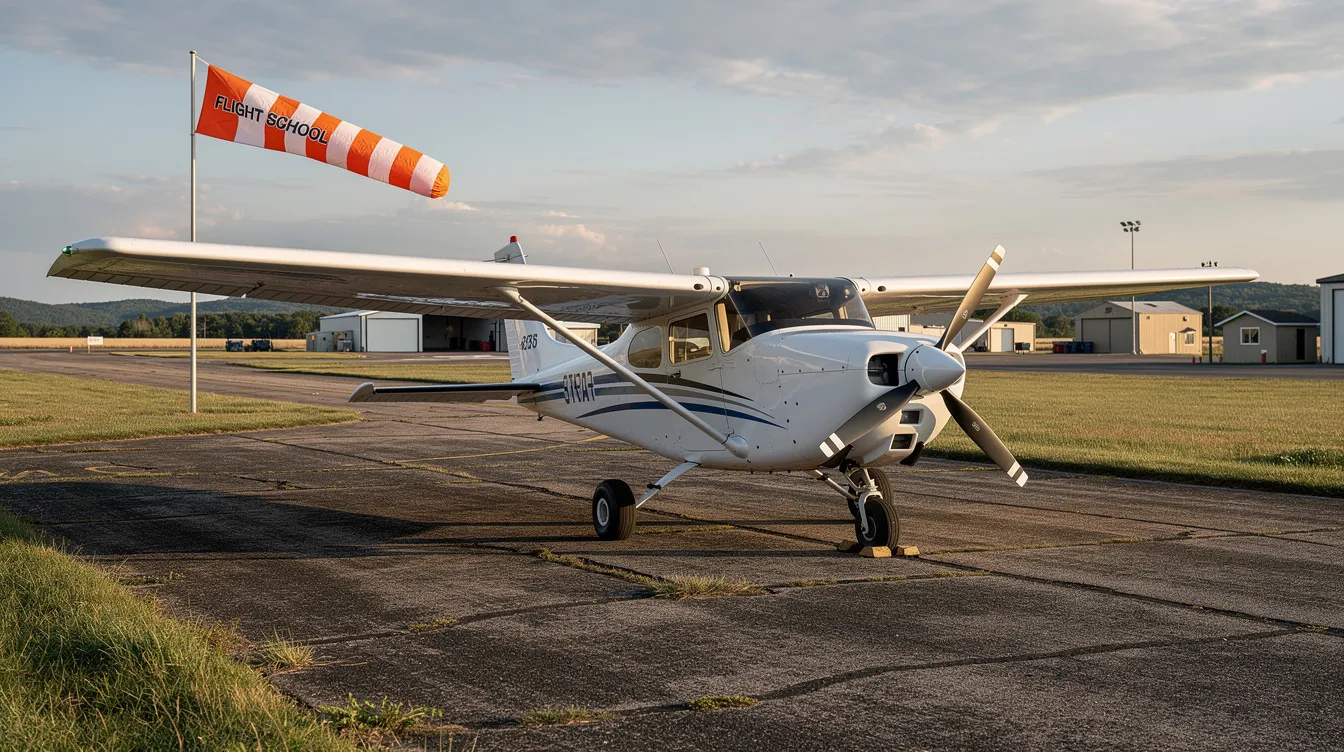
Choosing between the Cessna 152 and Cessna 172 is crucial for student pilots. This guide outlines their key differences, including cost, performance, and comfort, helping you make an informed decision based on your training needs and budget.
Jay Franco Serevilla
Aug 12, 2026
|
5
min read
View all
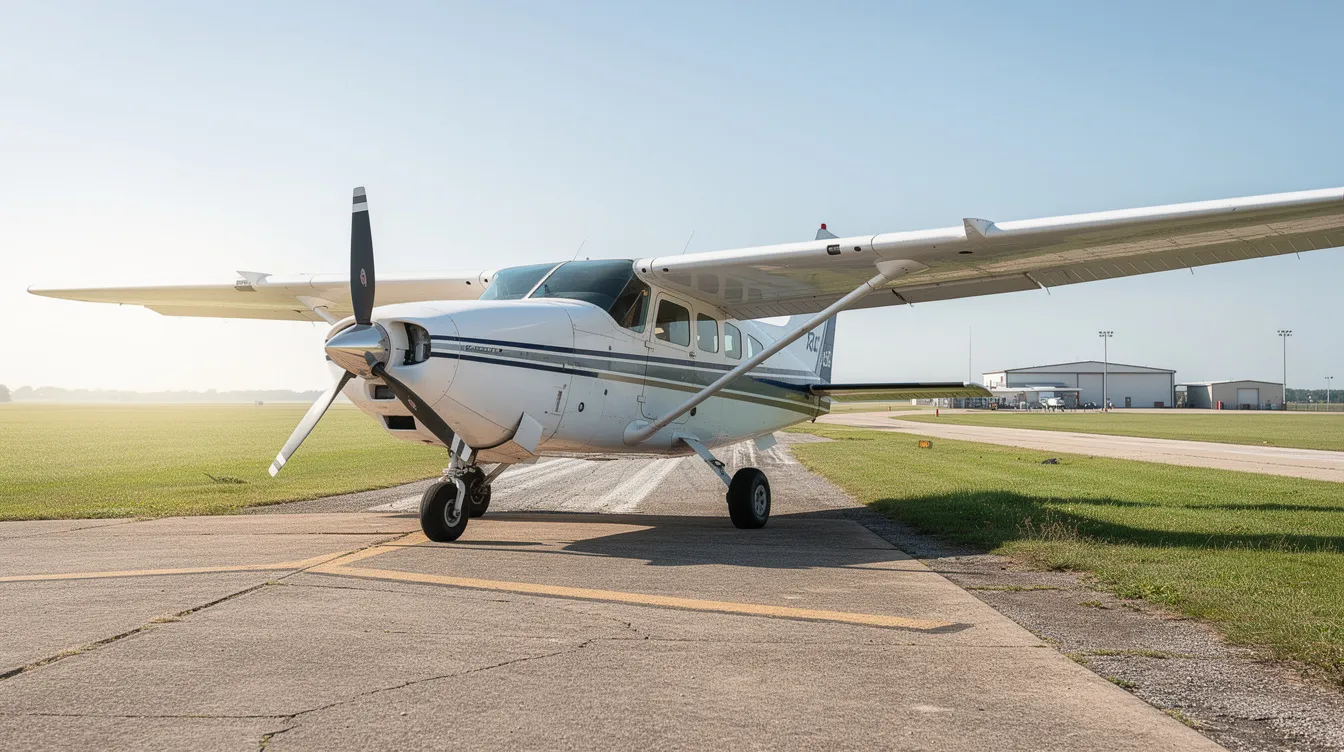
Cessna twin-engine aircraft have significantly influenced private aviation since the 1950s, offering models like the 310, 340A, and 421C that combine performance and safety. These versatile planes are ideal for charter, training, and personal use, providing enhanced operational flexibility and engine redundancy. This guide helps pilots and aviation enthusiasts understand the advantages and operational considerations of Cessna twin-engine aircraft.
Jay Franco Serevilla
Aug 12, 2026
|
5
min read
View all
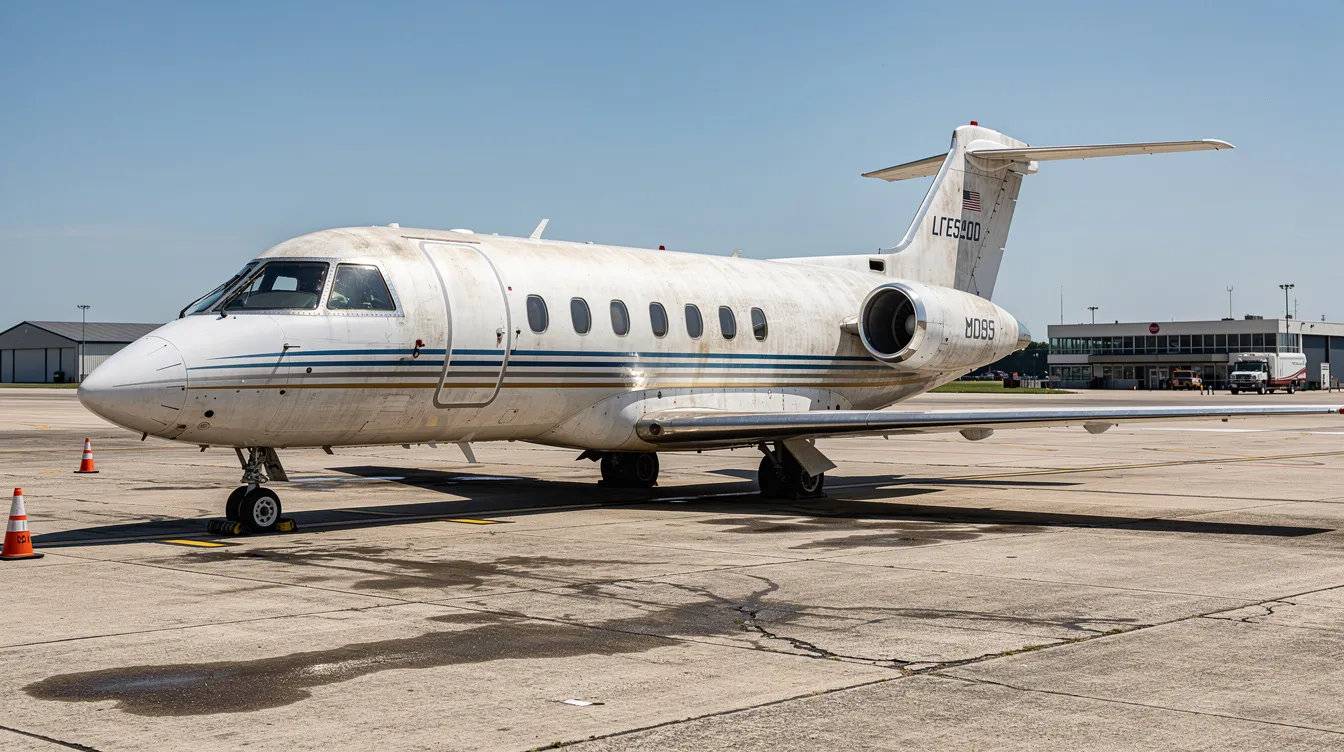
Buying a private jet for under $1 million can be appealing, but it often means acquiring older aircraft with high operating costs. This guide explores the options available, the true costs of ownership, and when chartering through platforms like Jettly may be a better choice. Understanding the pros and cons of older jets versus chartering is crucial for potential buyers.
Jay Franco Serevilla
Aug 12, 2026
|
5
min read
Explore our latest articles and updates.

5
min read
Plane Flying Height in km: How High Different Aircraft Fly and Why It Matters
Most commercial planes fly between 9 to 12 km, while private jets can reach up to 15.5 km. The chosen altitude balances fuel efficiency, safety, and passenger comfort. Understanding these heights helps travelers appreciate the dynamics of air travel and optimize their flight experience.
Read More
5
min read
Travel Insurance Airfare: How Flight Insurance Works for Private and Commercial Air Travel
Travel insurance for airfare is crucial for protecting your investment in non-refundable tickets against cancellations and delays. Whether you're flying commercially or chartering a private jet, understanding the nuances of flight insurance can save you from significant financial loss. This guide covers what flight insurance entails, its benefits, and when it's worth purchasing.
Read MoreJoin our community and receive the latest blog updates directly in your inbox.
MEMBERSHIPS AND ASSOCIATIONS



Disclaimer: Jettly operates as a charter broker, offering access to a global digital jet charter marketplace. Jettly is not a direct air carrier and does not own or operate aircraft. All advertised flights are conducted by third-party air carriers that are fully licensed and hold the appropriate Part 135 or Part 121 certifications issued by the Federal Aviation Administration (FAA) or equivalent regulatory authorities under U.S. or foreign law. Jettly complies fully with the U.S. Department of Transportation's Part 295 and Part 298 Charter Broker regulations. Jettly does not carry additional liability insurance. Passengers are covered by aircraft operator insurance. TICO: 50023770


