


Login
Get Instant Pricing On 23,000+ Aircraft


The Gulfstream GV is an ultra long range business jet designed for nonstop intercontinental travel, featuring a spacious cabin for up to 18 passengers. With a maximum range of 6,500 nautical miles and advanced avionics, it offers unparalleled comfort and efficiency for corporate executives and families alike. Chartering through Jettly provides a flexible, cost-effective alternative to ownership.
Jeff Ryan Serevilla
Sep 20, 2026
|
5
min read


View all
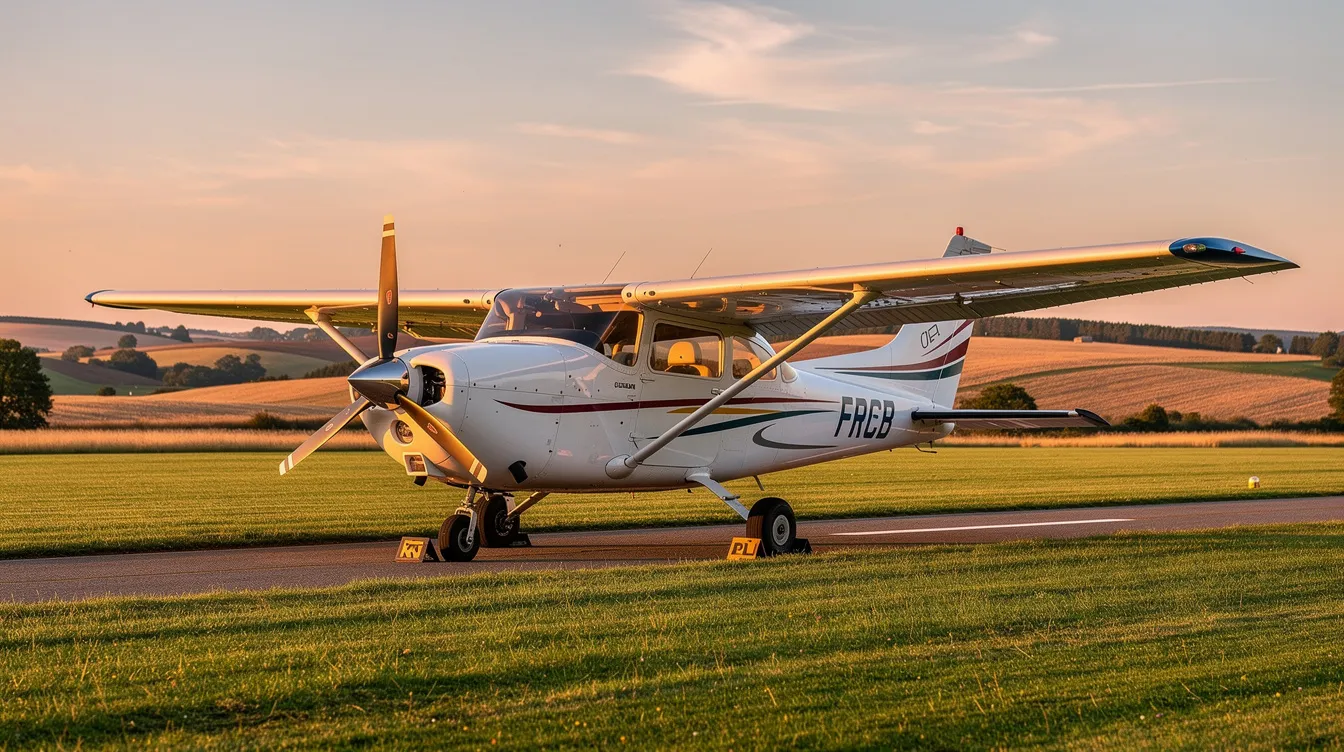
Cessna pictures are essential for pilots, travelers, and aviation enthusiasts, providing a visual comparison of aircraft models. This guide explores where to find high-quality images, how to use them legally, and the best types for various missions. From training to charter flights, the right images enhance understanding and decision-making in private aviation.
Jay Franco Serevilla
Aug 15, 2026
|
5
min read

View all
Cessna motors power a diverse range of aircraft, from the iconic Cessna 172 to advanced Citation jets. Understanding the different engine types—piston, turboprop, and turbofan—helps travelers choose the right aircraft for their needs, balancing cost, speed, and performance. Jettly's platform simplifies this process, offering tailored options for private flights.
Jay Franco Serevilla
Aug 15, 2026
|
5
min read

View all
The Cessna 172, a popular training aircraft, has a service ceiling of approximately 14,000 feet, influenced by factors like weight, temperature, and density altitude. Understanding this ceiling is crucial for pilots in planning safe flights, especially in mountainous regions. For those needing to fly higher, private jet charters through platforms like Jettly offer a viable alternative.
Jay Franco Serevilla
Aug 15, 2026
|
5
min read

View all
The avioneta Cessna, including models like the Cessna 172 Skyhawk and Grand Caravan, is a popular choice for private flying and flight training. Known for their safety, versatility, and cost-effectiveness, these light aircraft serve a variety of missions from training to charter flights. This guide explores their history, key models, and how to charter a Cessna through Jettly's platform.
Jay Franco Serevilla
Aug 15, 2026
|
5
min read

View all
The Cessna Silver Eagle is a unique turboprop conversion of the Cessna P210, featuring a Rolls-Royce engine for enhanced performance and reliability. This guide explores its specifications, ownership considerations, and charter alternatives for those seeking turboprop capabilities without the commitment of ownership.
Jay Franco Serevilla
Aug 15, 2026
|
5
min read

View all
The Cessna 150/150 conversion transforms a standard Cessna 150 into a more powerful and capable aircraft, ideal for training and commuting. With a 150-hp Lycoming engine, it offers improved climb rates and cruise speeds, making it a popular choice among pilots. This guide provides essential information on performance, specifications, and ownership considerations for prospective buyers.
Jay Franco Serevilla
Aug 13, 2026
|
5
min read
Explore our latest articles and updates.

5
min read
Booking Flights Best Time: How Timing Affects Prices for Commercial and Private Travel
Timing significantly impacts flight prices for both commercial and private travel. For domestic flights, booking 1-3 months in advance typically yields the best prices, while international flights are best booked 2-8 months ahead, depending on the route. Midweek flights are generally cheaper than weekend flights, and private jet pricing operates differently, often benefiting from last-minute bookings and empty leg flights. Utilizing tools like Google Flights for commercial tickets and Jettly for private jets can help travelers find the best deals and optimize their booking strategies.
Read More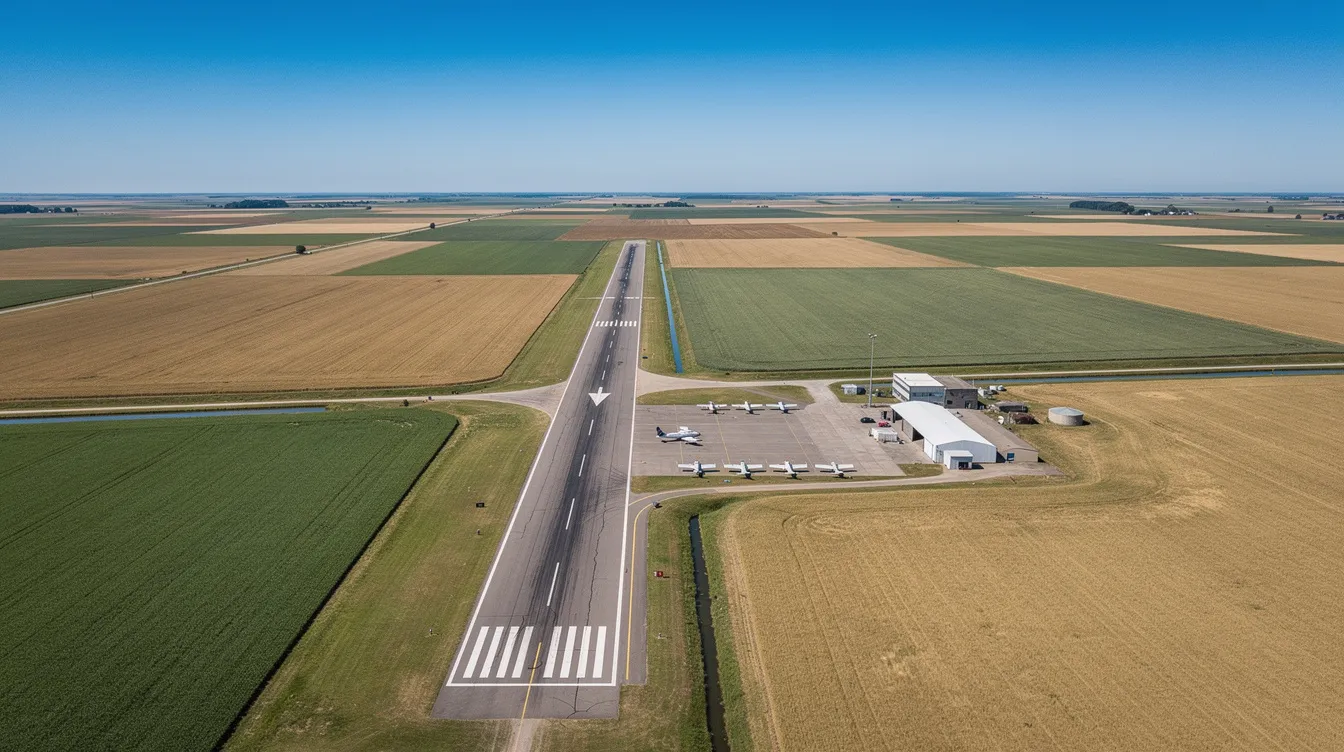
5
min read
Wasco Airport Guide: Wasco-Kern County Airport (L19) & Wasco State Airport for Private Flyers
The Wasco Airport Guide outlines two general aviation airfields: Wasco-Kern County Airport (L19) in California and Wasco State Airport (35S) in Oregon, both catering to private flyers and agricultural operators without commercial airline service. The guide provides essential information for flight planning, including runway specifications, airport operations, and charter logistics through Jettly's platform. Wasco-Kern County Airport features a 3,380-foot runway and serves a high volume of general aviation operations, while Wasco State Airport has a 3,450-foot runway with a focus on itinerant traffic. Understanding the distinctions between these airports is crucial for optimizing private travel itineraries and ensuring efficient access to rural regions.
Read MoreJoin our community and receive the latest blog updates directly in your inbox.
MEMBERSHIPS AND ASSOCIATIONS



Disclaimer: Jettly operates as a charter broker, offering access to a global digital jet charter marketplace. Jettly is not a direct air carrier and does not own or operate aircraft. All advertised flights are conducted by third-party air carriers that are fully licensed and hold the appropriate Part 135 or Part 121 certifications issued by the Federal Aviation Administration (FAA) or equivalent regulatory authorities under U.S. or foreign law. Jettly complies fully with the U.S. Department of Transportation's Part 295 and Part 298 Charter Broker regulations. Jettly does not carry additional liability insurance. Passengers are covered by aircraft operator insurance. TICO: 50023770


