


Login
Get Instant Pricing On 23,000+ Aircraft

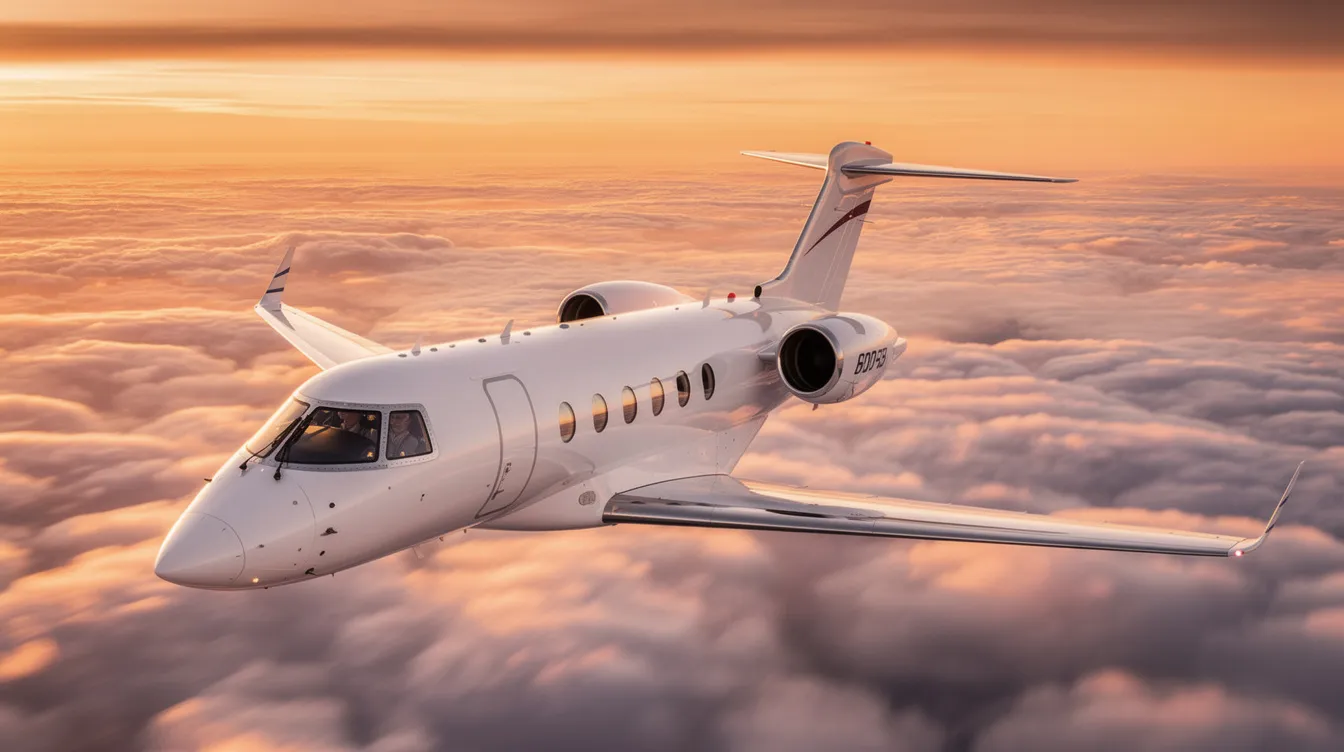
The Dassault Falcon 100 is a light-to-midsize business jet known for its speed and operational efficiency, ideal for short-to-medium-range travel. Produced from 1983 to 1989, it features a compact cabin accommodating up to six passengers and advanced avionics for its time. Despite its age, the Falcon 100 remains popular in the charter market, offering flexibility and access to smaller airports.
Jay Franco Serevilla
Sep 19, 2026
|
5
min read


View all
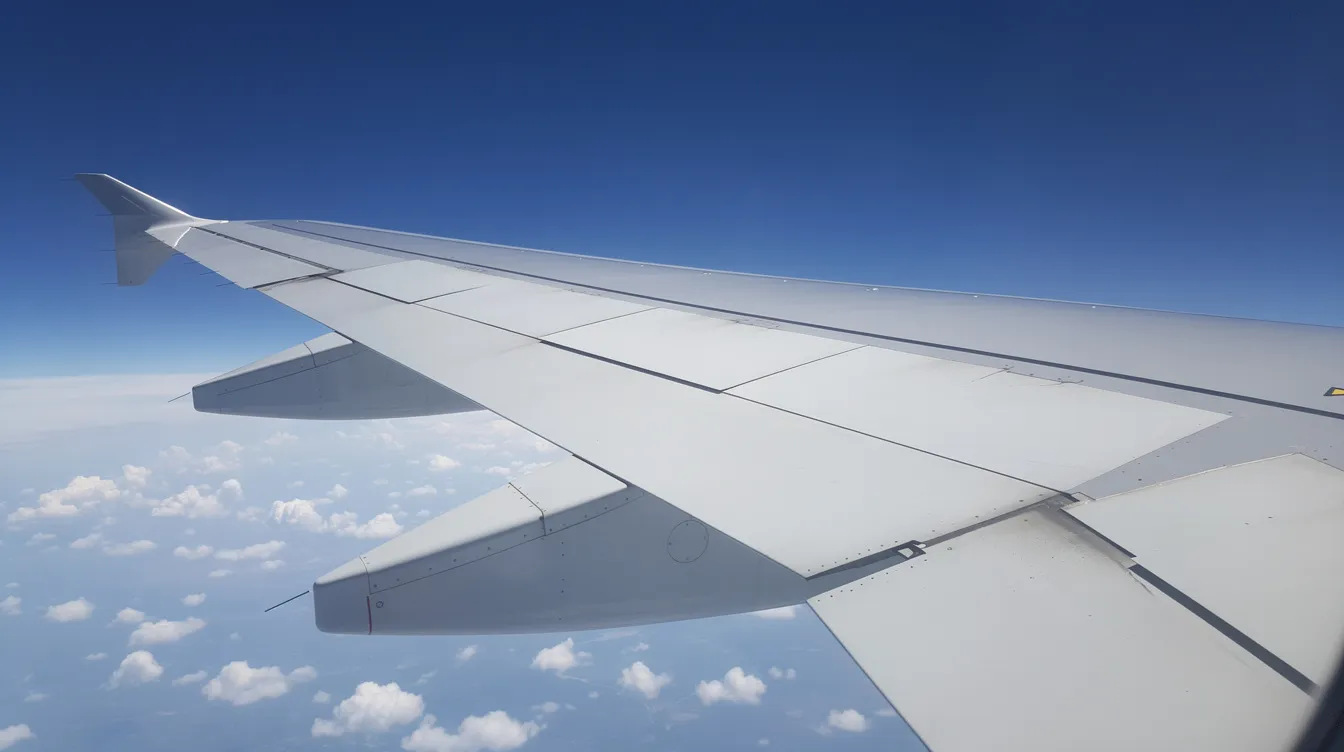
The Boeing 737 typically holds between 6,000 and 7,800 gallons of jet fuel, depending on the variant. This fuel capacity influences the aircraft's range, efficiency, and operational costs, making it a popular choice for airlines worldwide. Modern models like the 737 MAX are designed for improved fuel efficiency, reducing emissions while maintaining performance.
Jay Franco Serevilla
Aug 9, 2026
|
5
min read
View all
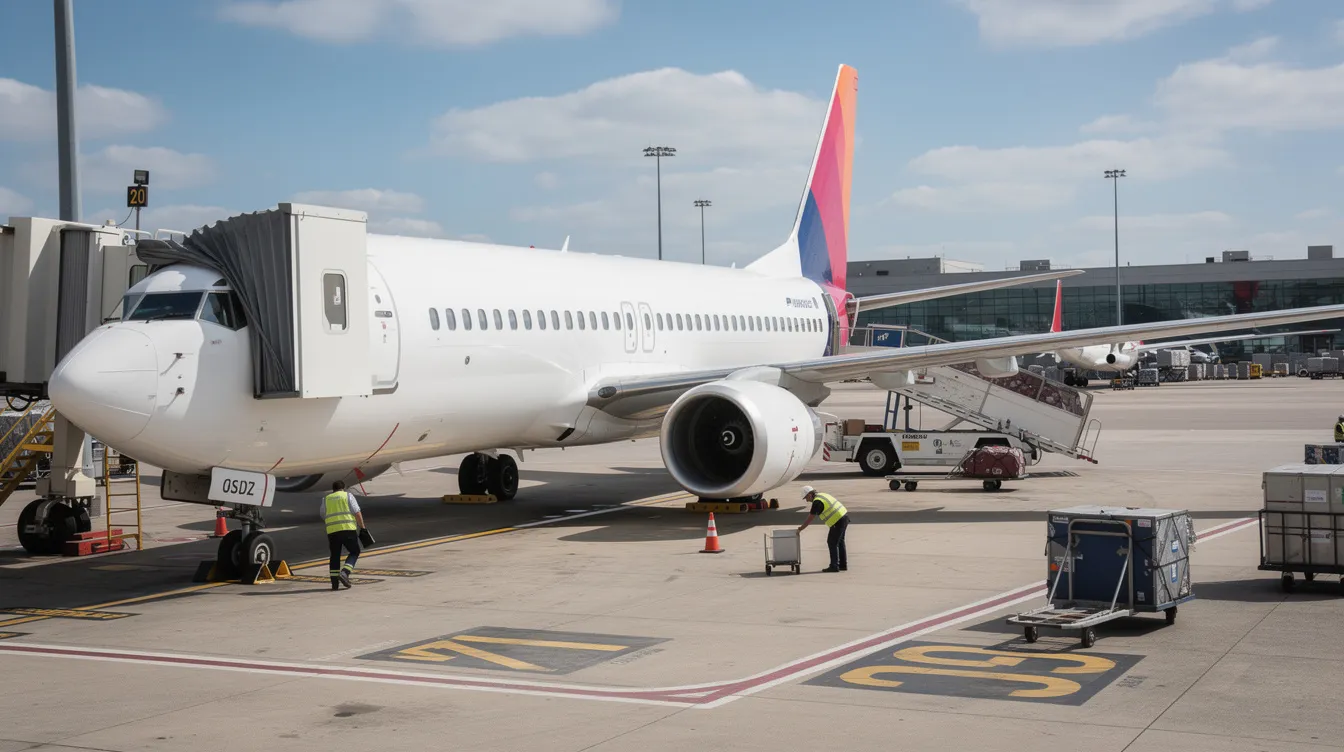
The Boeing 737-800, known as '738', is a popular narrow-body aircraft widely used for short- to medium-haul flights. This guide explores its layout, comfort features, and how it compares to private charter options, highlighting the benefits of both travel methods. Understanding the differences can help travelers make informed decisions for their next journey.
Jay Franco Serevilla
Aug 9, 2026
|
5
min read
View all
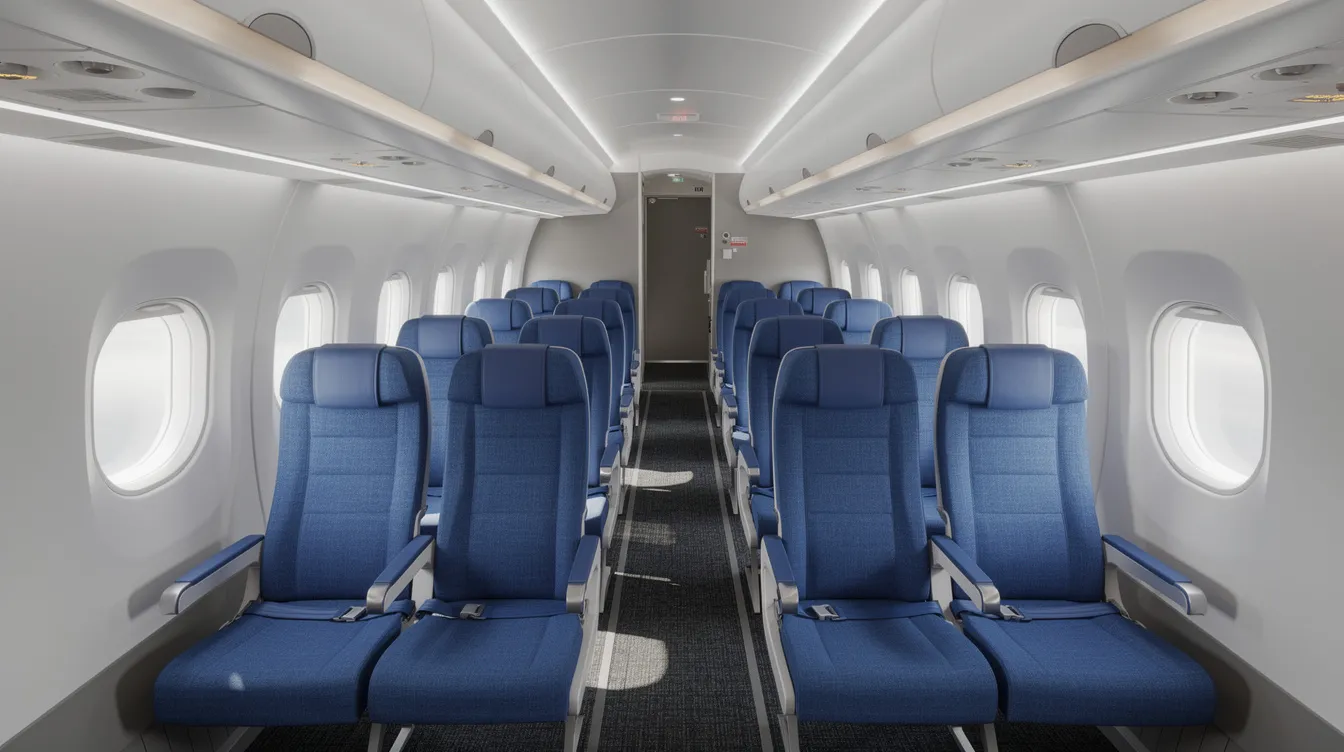
The Boeing 737-700 features a 3-3 economy layout with 137 to 143 seats, making seat selection crucial for comfort. Rows 1-6 and exit row 15 offer extra legroom, while the last rows near lavatories are less desirable. For those seeking flexibility and comfort, private jet charters through Jettly provide a tailored flying experience.
Jay Franco Serevilla
Aug 9, 2026
|
5
min read
View all
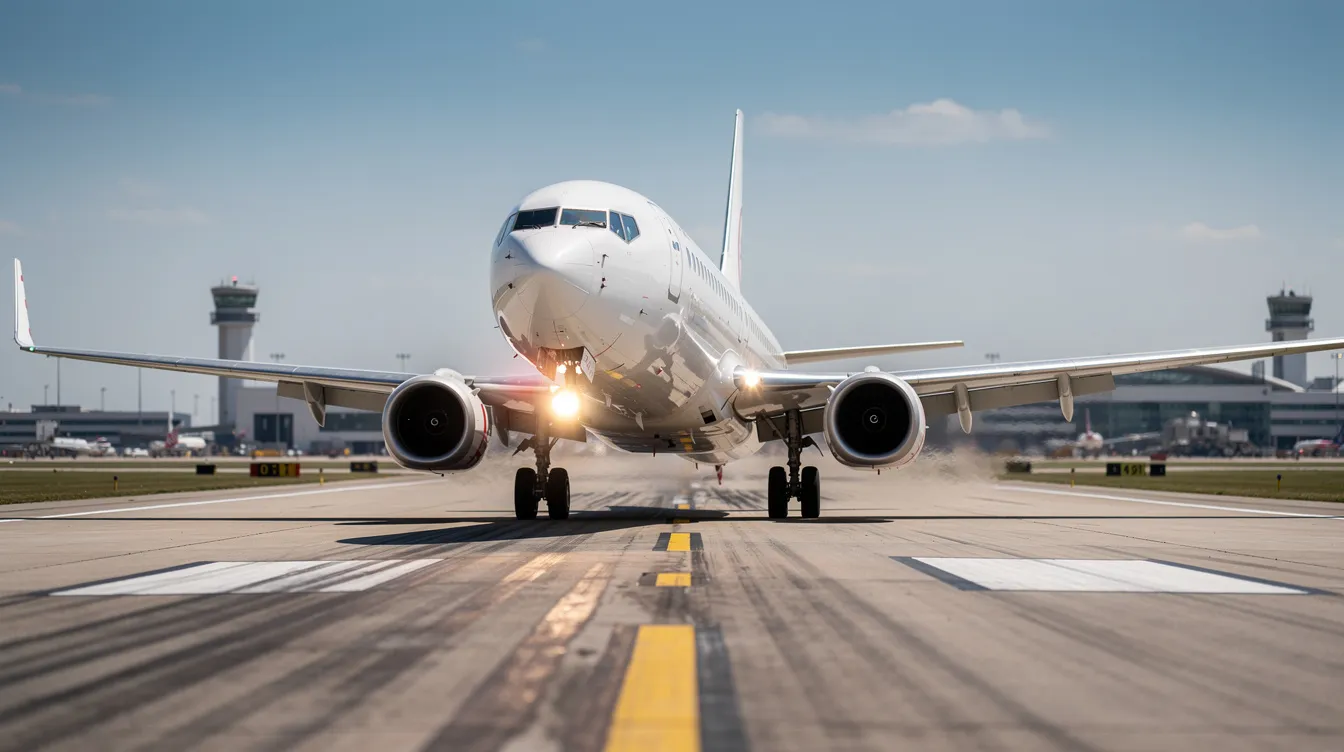
This practical guide outlines the minimum runway length requirements for Boeing 737 operations, crucial for pilots, operators, and charter travelers. It details how various factors such as aircraft weight, environmental conditions, and runway surface affect takeoff and landing distances, providing essential insights for safe and efficient flight planning.
Jay Franco Serevilla
Aug 9, 2026
|
5
min read
View all
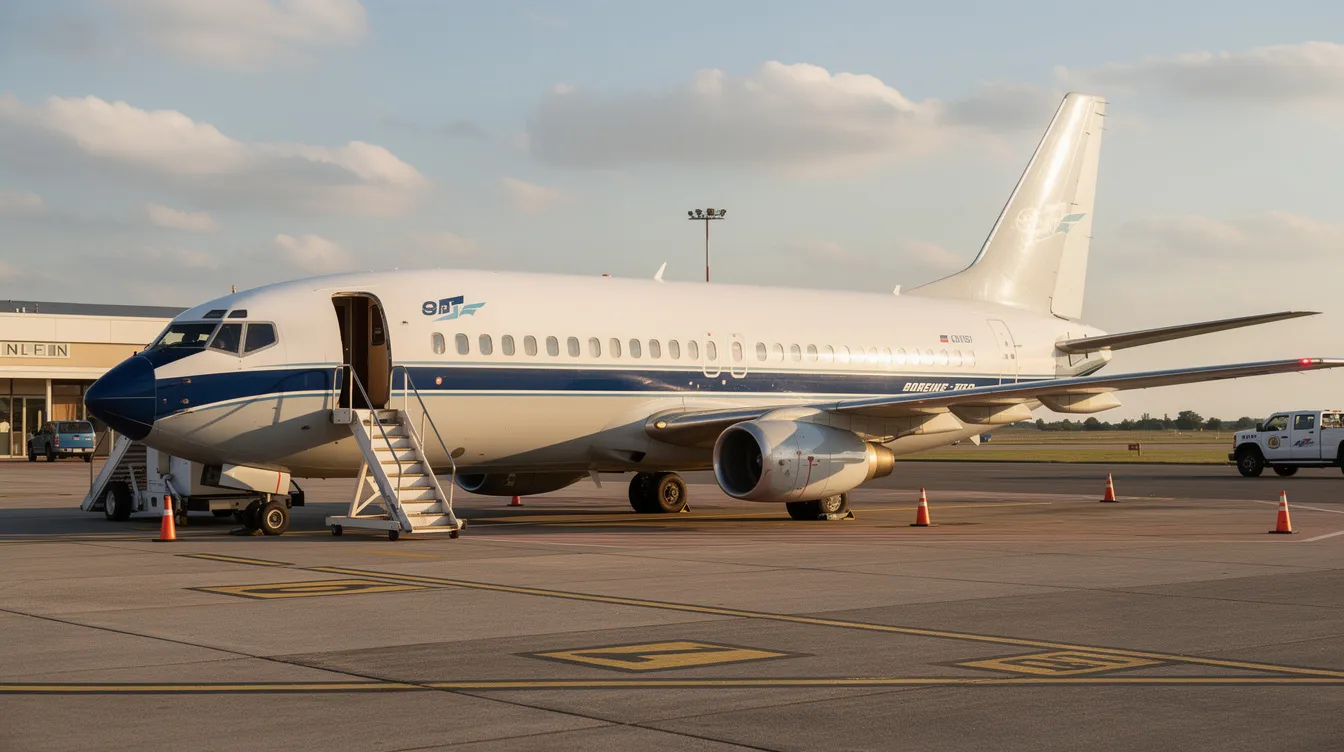
The Boeing 737-200, introduced in 1968, is a rugged twinjet designed for short and medium-haul routes, accommodating 100 to 136 passengers. Despite its high fuel consumption, it remains relevant in niche roles such as cargo and private charters, particularly in remote areas. This guide explores its history, features, and operational capabilities, highlighting its unique advantages in today's aviation landscape.
Jay Franco Serevilla
Aug 9, 2026
|
5
min read
View all
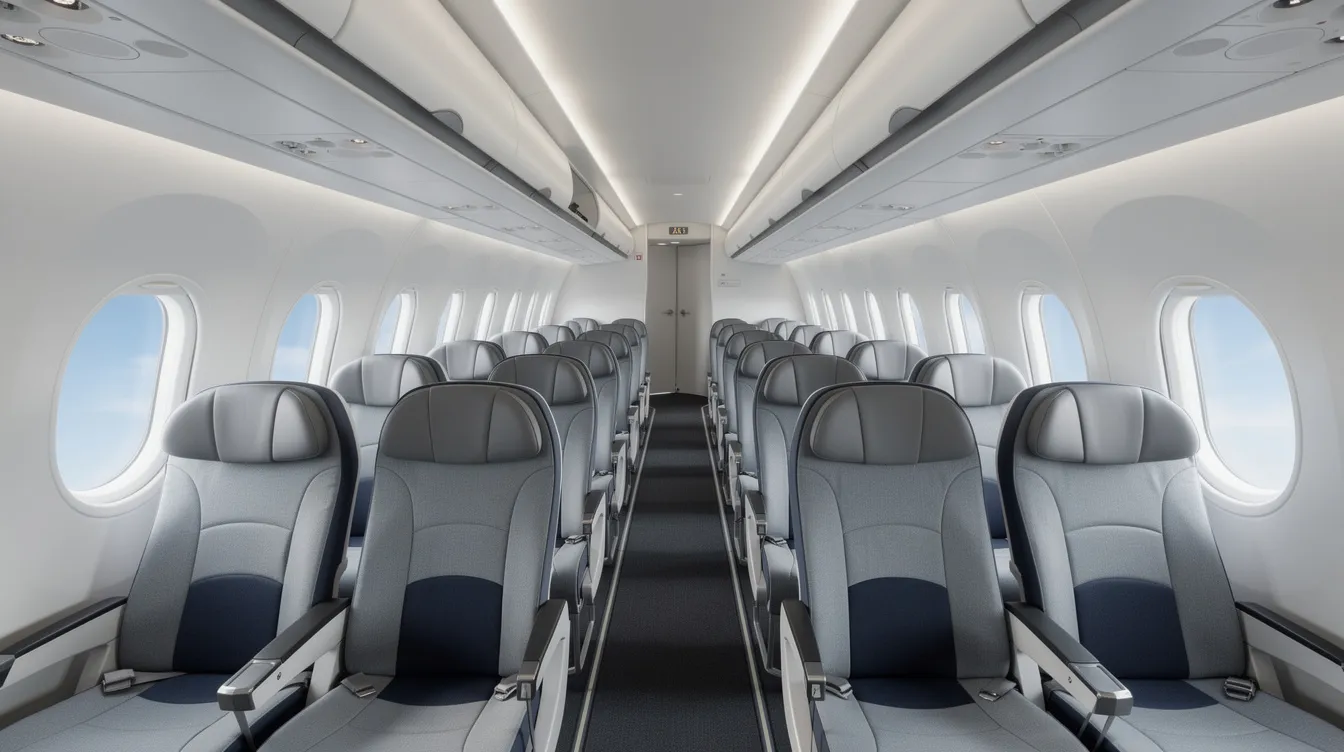
The Boeing 787-8 seat map is essential for travelers seeking comfort on long flights. This guide details cabin layouts, best seat selections, and features like power outlets and Wi-Fi. It also compares commercial flying with private jet charters for those desiring more privacy and flexibility.
Jay Franco Serevilla
Aug 9, 2026
|
5
min read
Explore our latest articles and updates.
5
min read
Jet Card vs Fractional Share Costs in 2026 (Upfront Funds, Monthly Fees, Hourly Rates, and Terms)
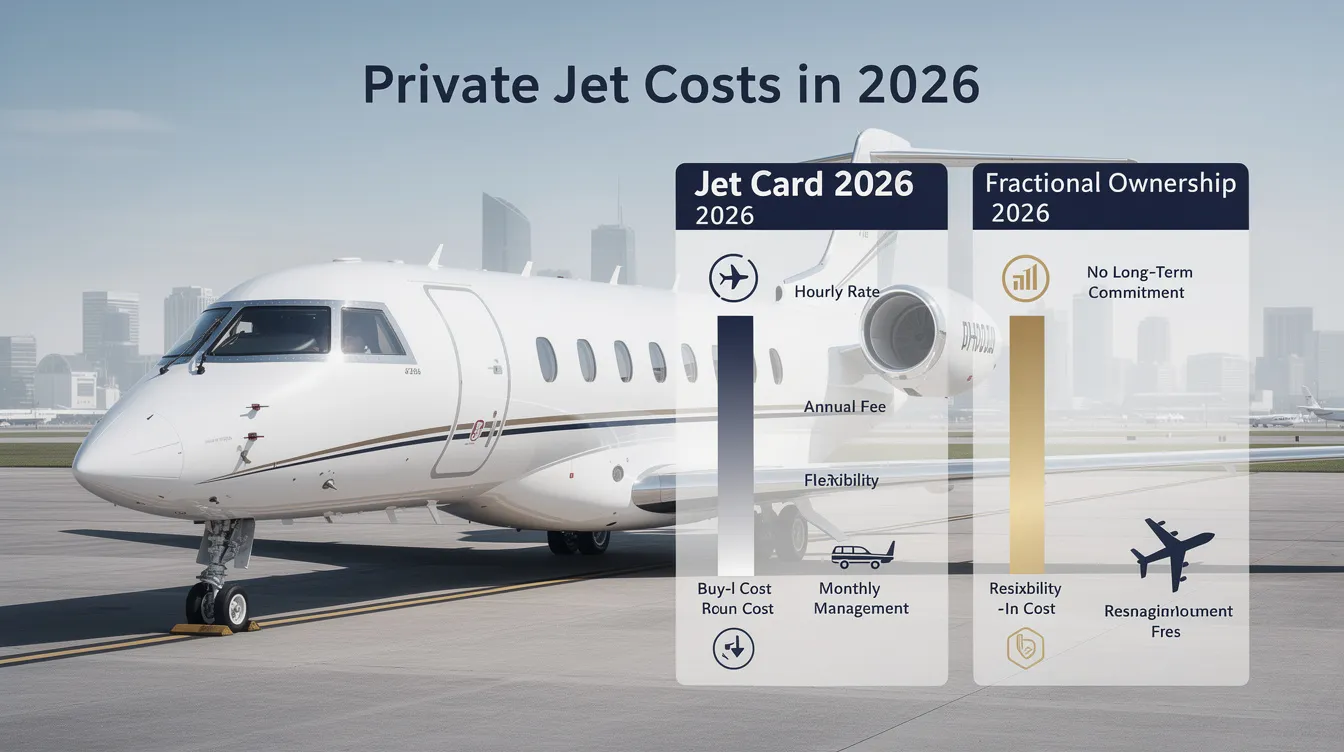
In 2026, private jet access options include jet cards and fractional shares, each with distinct cost structures. Jet cards offer prepaid flight access without ownership, typically involving lower upfront costs and no monthly fees, while fractional shares require significant upfront capital, monthly management fees, and hourly operating charges tied to a multi-year contract. Cost comparisons should consider four key buckets: upfront funds, recurring fees, hourly charges, and contract terms, as well as factors like peak-day surcharges and minimum billing rules. Ultimately, the choice between these options depends on individual flying frequency, budget, and desired flexibility, with Jettly providing a platform for transparent comparisons and bookings.
Read More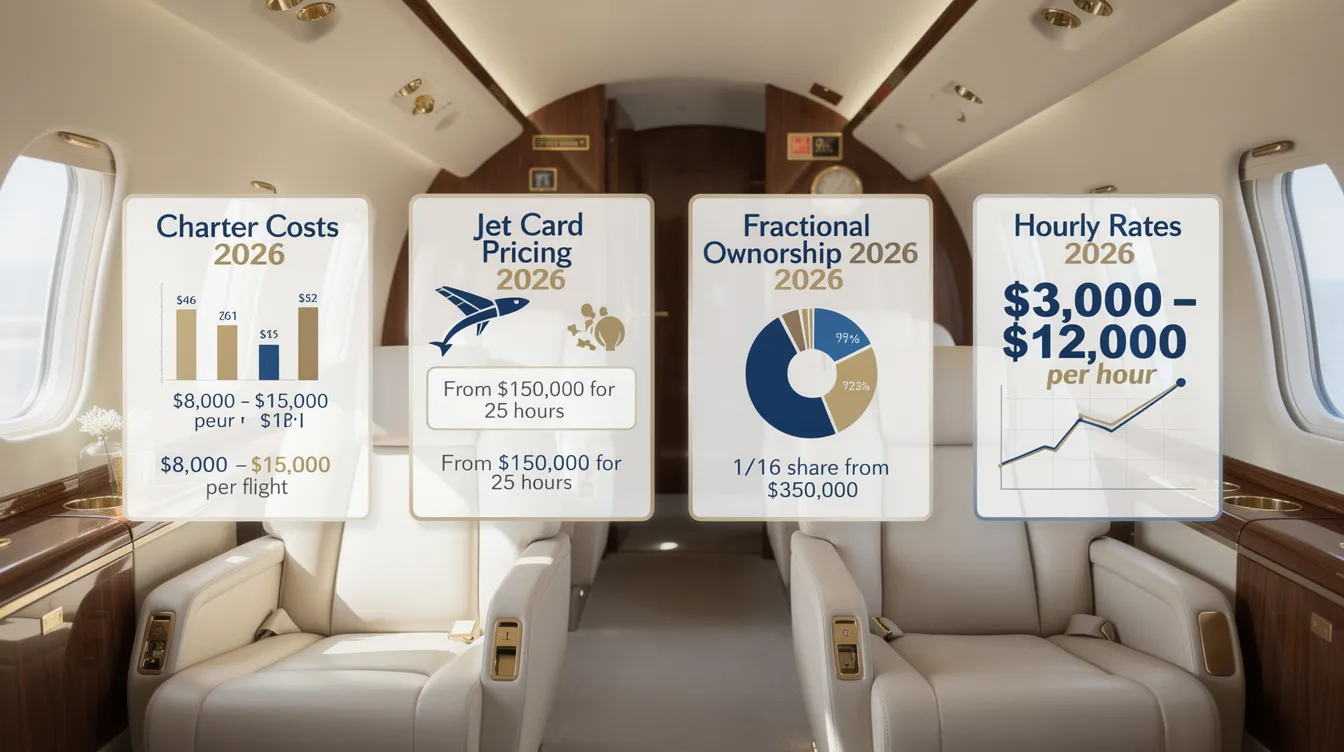
5
min read
Private Jet Costs and Pricing in 2026 (Complete Breakdown With Jettly Program Math)
In 2026, private jet costs are categorized into fixed access fees and variable trip costs, with Jettly providing a detailed breakdown of pricing structures. On-demand charters range from $1,800 to over $15,000 per hour based on aircraft type, while Jettly's 25-hour Jet Card costs $50,000 plus a $12,997 enrollment fee, with hourly rates starting at $3,528. Fractional-style access through Jettly Cloud requires a license fee, monthly management fee, and hourly charges, with costs varying significantly based on usage patterns. To effectively compare quotes, it’s crucial to normalize costs by considering all fees, billing methods, and potential add-ons, ensuring transparency and informed decision-making.
Read MoreJoin our community and receive the latest blog updates directly in your inbox.
MEMBERSHIPS AND ASSOCIATIONS



Disclaimer: Jettly operates as a charter broker, offering access to a global digital jet charter marketplace. Jettly is not a direct air carrier and does not own or operate aircraft. All advertised flights are conducted by third-party air carriers that are fully licensed and hold the appropriate Part 135 or Part 121 certifications issued by the Federal Aviation Administration (FAA) or equivalent regulatory authorities under U.S. or foreign law. Jettly complies fully with the U.S. Department of Transportation's Part 295 and Part 298 Charter Broker regulations. Jettly does not carry additional liability insurance. Passengers are covered by aircraft operator insurance. TICO: 50023770


