



Login
Get Instant Pricing On 23,000+ Aircraft

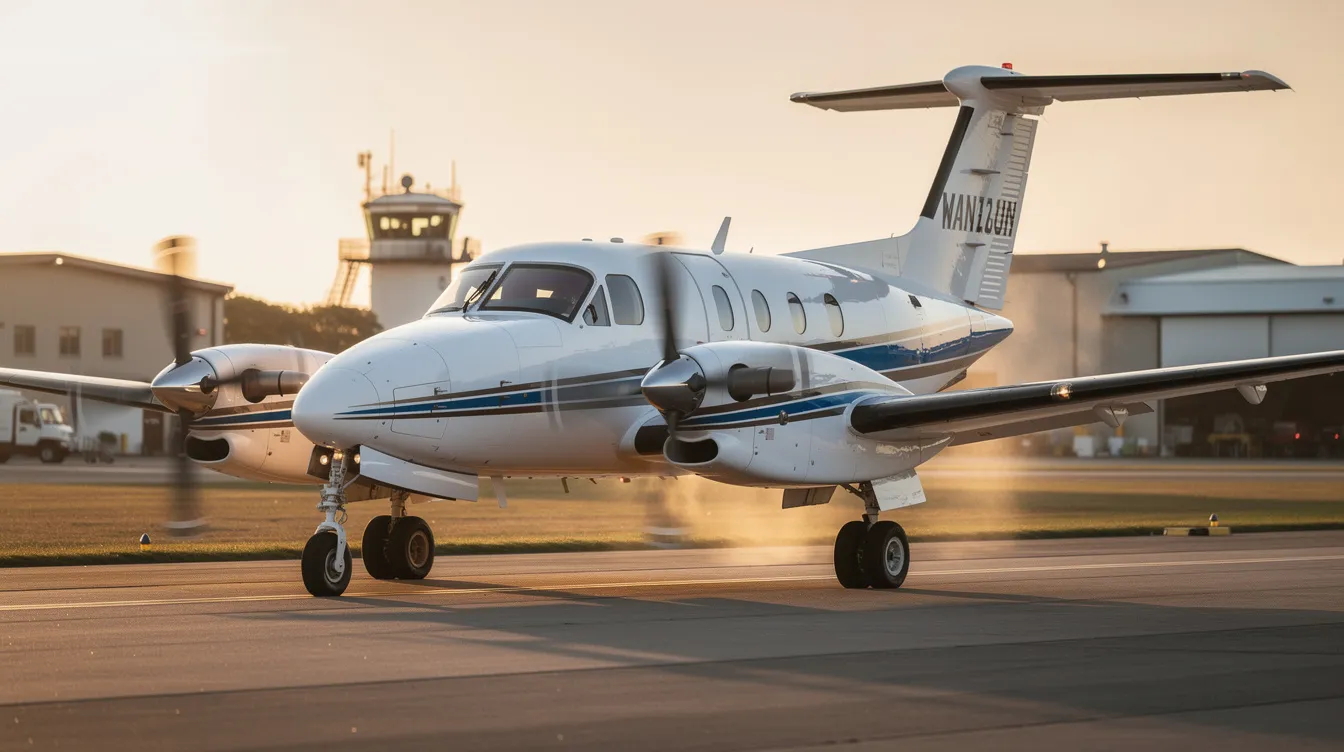
The Beechcraft King Air 100, introduced in 1969, is the first stretched version of the King Air 90 series, designed for enhanced performance and passenger capacity, making it a popular choice for corporate travel, medevac missions, and charter services. With a cruise speed of 235–250 knots and a range of over 1,325 nautical miles, it offers cost-effective operations compared to light jets, particularly on regional routes. The aircraft's ability to access smaller airports and its lower operating costs make it attractive for frequent travelers, with charter options available through Jettly's platform. Overall, the King Air 100 remains a versatile and economical choice for private aviation needs.
Jay Franco Serevilla
Jul 3, 2026
|
5
min read



View all
In 2026, private charter flight costs range from $2,000 to over $20,000 per flight hour, influenced by aircraft type, distance, and demand. A typical 2-hour domestic flight on a light jet costs between $5,000 and $10,000, with additional fees for taxes and services. This guide provides detailed pricing factors, examples, and tips for reducing costs when flying private.
Jay Franco Serevilla
Nov 2, 2026
|
5
min read

View all
The Boeing 777 is a prominent long-haul aircraft that typically cruises between 30,000 and 39,000 feet, balancing factors like weight and fuel efficiency. Understanding cruise altitude is crucial for both airlines and travelers, as it impacts comfort, operating costs, and overall flight efficiency. This article explores how altitude choices are made and their implications for long-range travel.
Jay Franco Serevilla
Nov 2, 2026
|
5
min read

View all
Understanding Delta Airlines airplane seating can greatly enhance your travel experience by providing comfort and potential cost savings. This guide details the various cabin classes, how to read seat maps, and tips for selecting the best seats for your journey. Whether you're flying Delta One or Basic Economy, knowing your options can make a significant difference.
Jay Franco Serevilla
Nov 2, 2026
|
5
min read

View all
Jet A fuel is a kerosene-based aviation fuel primarily used for turbine engines in the U.S. It is essential for both commercial airlines and private jet charters, offering specific properties that ensure safety and efficiency during flights. This guide provides insights into its technical specifications, performance in cold weather, and the differences between various aviation fuels.
Jay Franco Serevilla
Nov 2, 2026
|
5
min read

View all
Understanding the types of jet fuel is crucial for private flight operations. Jet A and Jet A-1 are the most common kerosene-based fuels, each with unique properties that affect performance, safety, and costs. Knowledge of these fuels helps travelers make informed decisions when booking private charters.
Jay Franco Serevilla
Nov 2, 2026
|
5
min read
View all
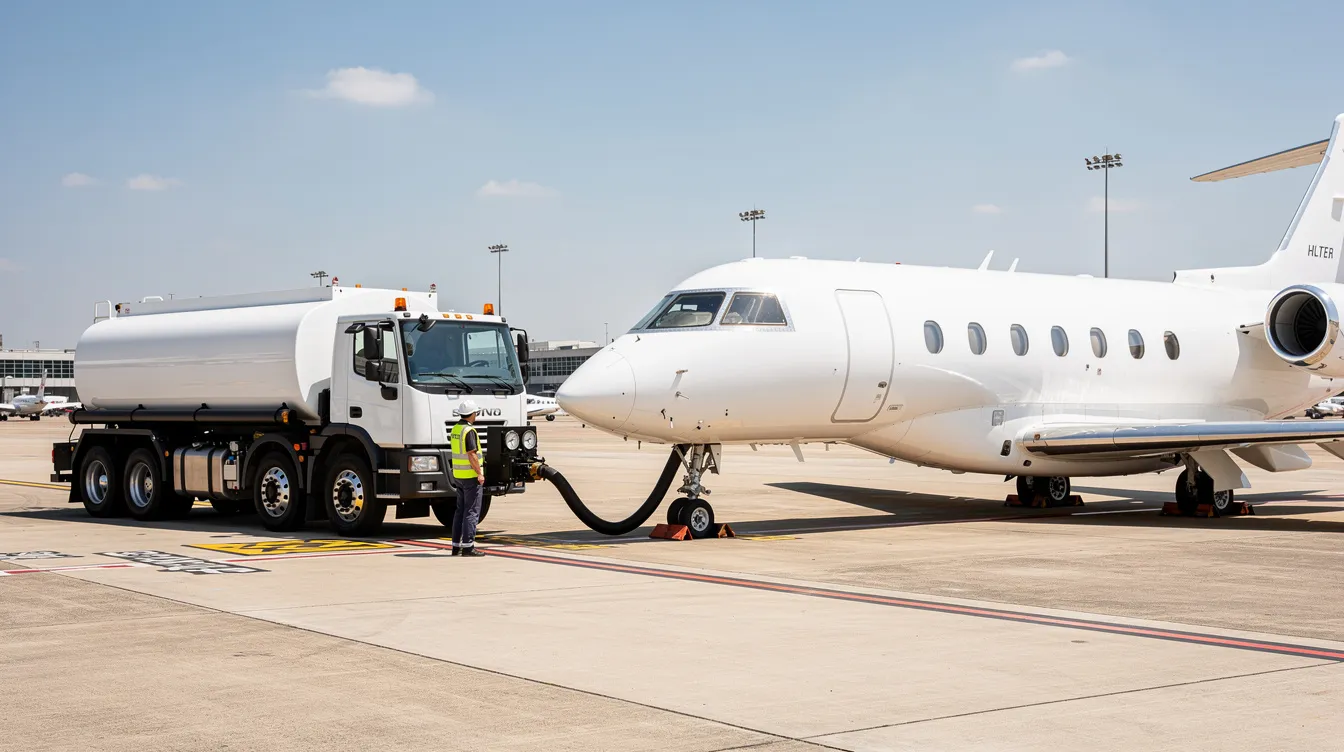
Jet fuel is indeed flammable, but its behavior differs significantly from gasoline. With a flash point above 38 °C, jet fuel requires specific conditions to ignite, making it safer to handle than more volatile fuels. Understanding jet fuel's properties is essential for aviation safety and informed travel decisions.
Jay Franco Serevilla
Nov 2, 2026
|
5
min read
Explore our latest articles and updates.

5
min read
What Happens When a Plane Crashes? (And What It Really Means for Flight Safety)
Understanding what happens during a plane crash can alleviate fears about flying. While the odds of experiencing a crash are extremely low, knowing the causes, survival strategies, and the importance of passenger actions can enhance safety. This article provides insights into aviation safety, the factors contributing to crashes, and what passengers can do to prepare.
Read More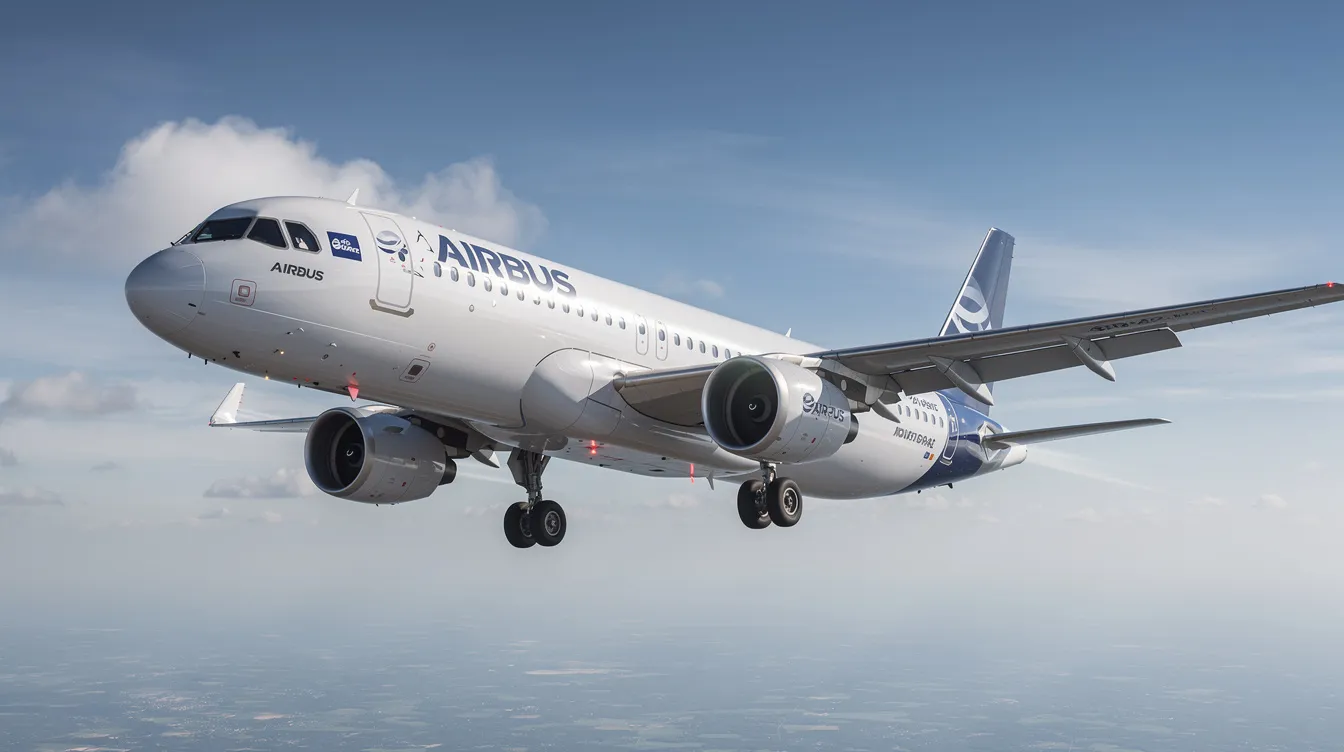
5
min read
Airbus Crash: Major Incidents, Safety Lessons, and What They Mean for Modern Aviation
Airbus crashes, though rare, have significant implications for aviation safety. This article reviews major incidents since 2000, highlighting key findings and lessons learned that have shaped safety reforms in the industry. Understanding these events helps travelers make informed choices about air travel and charter services.
Read MoreJoin our community and receive the latest blog updates directly in your inbox.
MEMBERSHIPS AND ASSOCIATIONS



© 2026 Jettly Inc. All rights reserved.
Disclaimer: Jettly operates as a charter broker, offering access to a global digital jet charter marketplace. Jettly is not a direct air carrier and does not own or operate aircraft. All advertised flights are conducted by third-party air carriers that are fully licensed and hold the appropriate Part 135 or Part 121 certifications issued by the Federal Aviation Administration (FAA) or equivalent regulatory authorities under U.S. or foreign law. Jettly complies fully with the U.S. Department of Transportation's Part 295 and Part 298 Charter Broker regulations. Jettly does not carry additional liability insurance. Passengers are covered by aircraft operator insurance. TICO: 50023770


