


Login
Get Instant Pricing On 23,000+ Aircraft


Modern jet engines have revolutionized aviation since the late 1940s, enabling faster and more efficient flights for both private and commercial travelers. Key engine types include turbojet, turbofan, turboprop, and turboshaft, each optimized for specific performance characteristics such as speed, range, and fuel efficiency. Understanding these engines is crucial for travelers as they impact flight experience, safety, and costs, with platforms like Jettly offering tools to help select the right aircraft based on engine type and travel needs. Overall, advancements in jet engine technology have improved operational efficiency and reduced environmental impact, enhancing the overall travel experience.
Jay Franco Serevilla
May 13, 2026
|
5
min read



View all
The Dassault Falcon 100 is a light-to-midsize business jet known for its speed and operational efficiency, ideal for short-to-medium-range travel. Produced from 1983 to 1989, it features a compact cabin accommodating up to six passengers and advanced avionics for its time. Despite its age, the Falcon 100 remains popular in the charter market, offering flexibility and access to smaller airports.
Jay Franco Serevilla
Sep 19, 2026
|
5
min read
View all
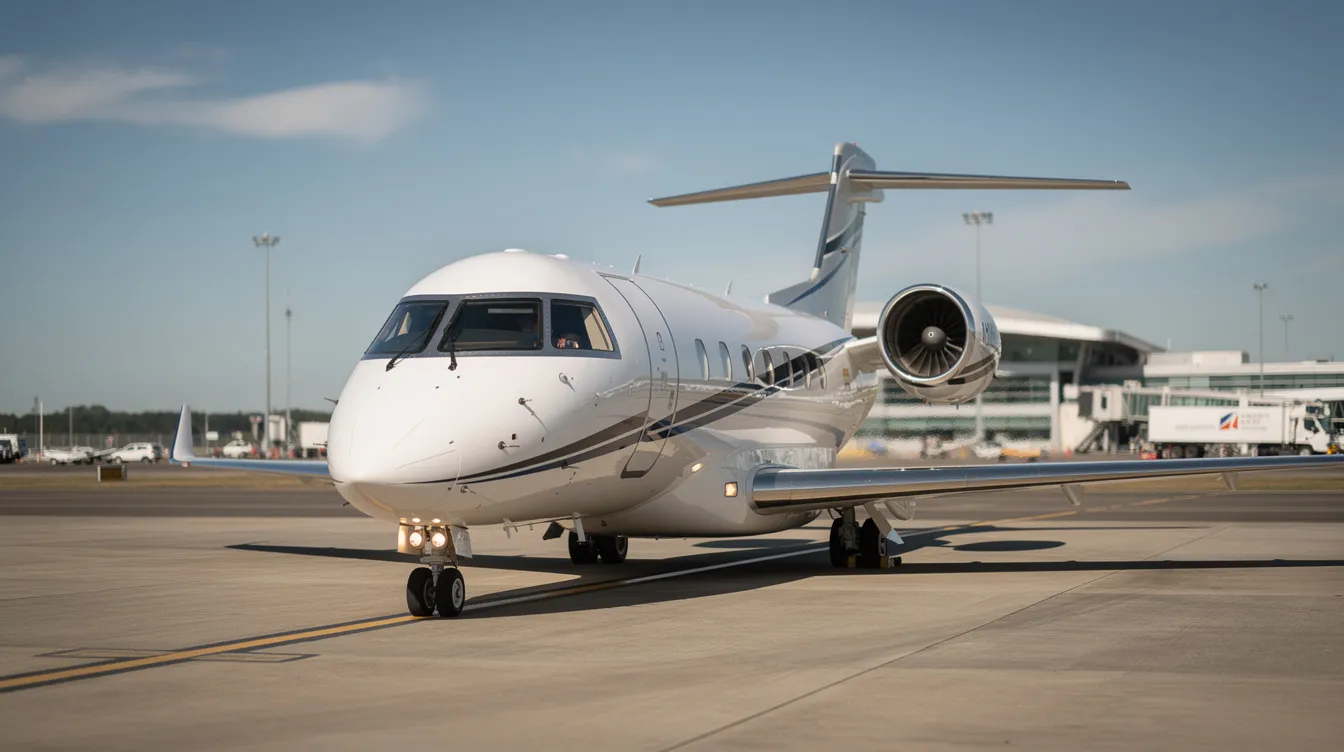
The Embraer Legacy 650 is a large-cabin business jet designed for long-range travel, accommodating up to 13 passengers with a range of 3,900 nautical miles. Ideal for transatlantic flights and corporate travel, it features a spacious three-zone cabin and advanced avionics for safety and efficiency. With its impressive baggage capacity and comfort, the Legacy 650 is a top choice for those seeking flexible private jet charters.
Jay Franco Serevilla
Sep 18, 2026
|
5
min read
View all
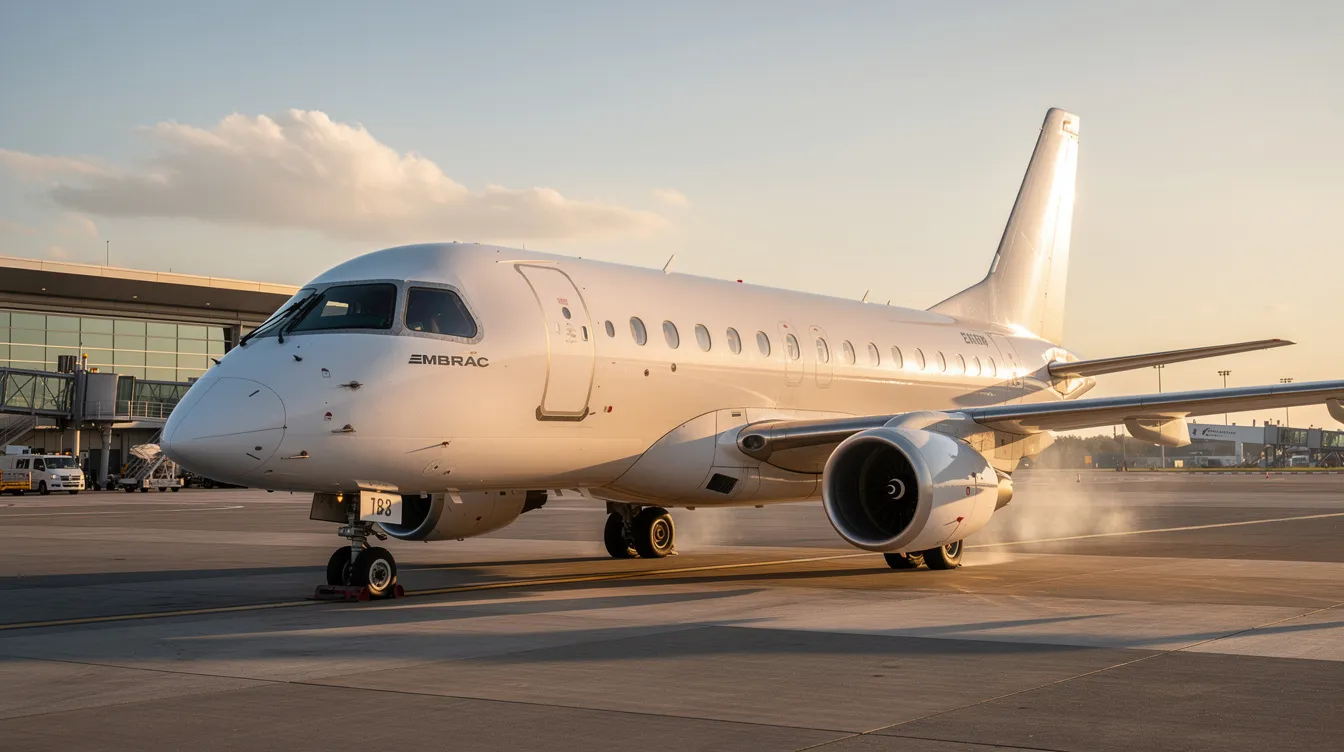
The Embraer 175 jet is a popular regional aircraft known for its comfort, performance, and safety. With a flexible cabin layout and advanced features, it caters to both business and leisure travelers. Ideal for charter services, the E175 efficiently connects secondary cities to major hubs, making it a cost-effective choice for group travel.
Jay Franco Serevilla
Sep 18, 2026
|
5
min read

View all
The Embraer ERJ 145 is a popular regional jet available in the pre-owned market, with prices ranging from $2.8 million to $4 million. This guide provides insights into the aircraft's specifications, market dynamics, and charter alternatives, making it essential for prospective buyers and aviation professionals. Understanding the ERJ 145's operating costs and value drivers is crucial for informed purchasing decisions.
Jay Franco Serevilla
Sep 18, 2026
|
5
min read

View all
Choosing the right billing model for private jet travel can save you thousands. For approximately 60 hours of flying annually, hours-based or occupied-hour billing typically offers the best value, providing predictable costs without the burden of fixed fees. This guide breaks down the differences between days-based, hours-based, and occupied-hour billing to help you make an informed decision.
Jeff Ryan Serevilla
Sep 17, 2026
|
5
min read

View all
Choosing the best private jet for business travel in 2025 and 2026 depends on specific mission profiles, passenger needs, and budget considerations. Top contenders include the Bombardier Global 7500 and Gulfstream G700 for ultra-long-range travel, while the Embraer Phenom 300E excels for regional trips. This guide helps decision-makers evaluate jets based on range, cabin productivity, and operating economics to find the ideal fit for their travel requirements.
Jeff Ryan Serevilla
Sep 17, 2026
|
5
min read
Explore our latest articles and updates.

5
min read
Rent Cirrus Aircraft with Jettly: Smart Options for Training and Travel
Jettly offers a digital platform for renting Cirrus aircraft (SR20, SR22, SR22T), catering to pilots and travelers for flight training and regional trips. With transparent pricing and access to vetted operators, users can benefit from specialized instruction by Cirrus Standardized Instructor Pilots (CSIPs) and flexible scheduling options. Rental rates range from $245 to $540 per hour, depending on the model, and Jettly simplifies the booking process by providing instant pricing and customizable options. This service presents an efficient alternative for personal and business travel, allowing users to access advanced aviation technology without the need for local fleet ownership.
Read More
5
min read
Weight of a Private Jet: How It Shapes Performance, Cost, and Comfort
The weight of a private jet significantly impacts its performance, operating costs, and passenger comfort, with categories ranging from very light jets (6,000–10,000 lbs MTOW) to heavy jets (over 100,000 lbs MTOW). Understanding maximum takeoff weight (MTOW) is crucial for travelers, as it influences range, runway requirements, and onboard amenities. Heavier jets offer more luxury features and longer ranges but come with higher operating costs, while lighter jets provide better fuel efficiency and access to smaller airports. Jettly's platform helps users navigate these factors by matching them with the most suitable aircraft based on their trip requirements.
Read MoreJoin our community and receive the latest blog updates directly in your inbox.
MEMBERSHIPS AND ASSOCIATIONS



Disclaimer: Jettly operates as a charter broker, offering access to a global digital jet charter marketplace. Jettly is not a direct air carrier and does not own or operate aircraft. All advertised flights are conducted by third-party air carriers that are fully licensed and hold the appropriate Part 135 or Part 121 certifications issued by the Federal Aviation Administration (FAA) or equivalent regulatory authorities under U.S. or foreign law. Jettly complies fully with the U.S. Department of Transportation's Part 295 and Part 298 Charter Broker regulations. Jettly does not carry additional liability insurance. Passengers are covered by aircraft operator insurance. TICO: 50023770


