



Login
Get Instant Pricing On 23,000+ Aircraft

>
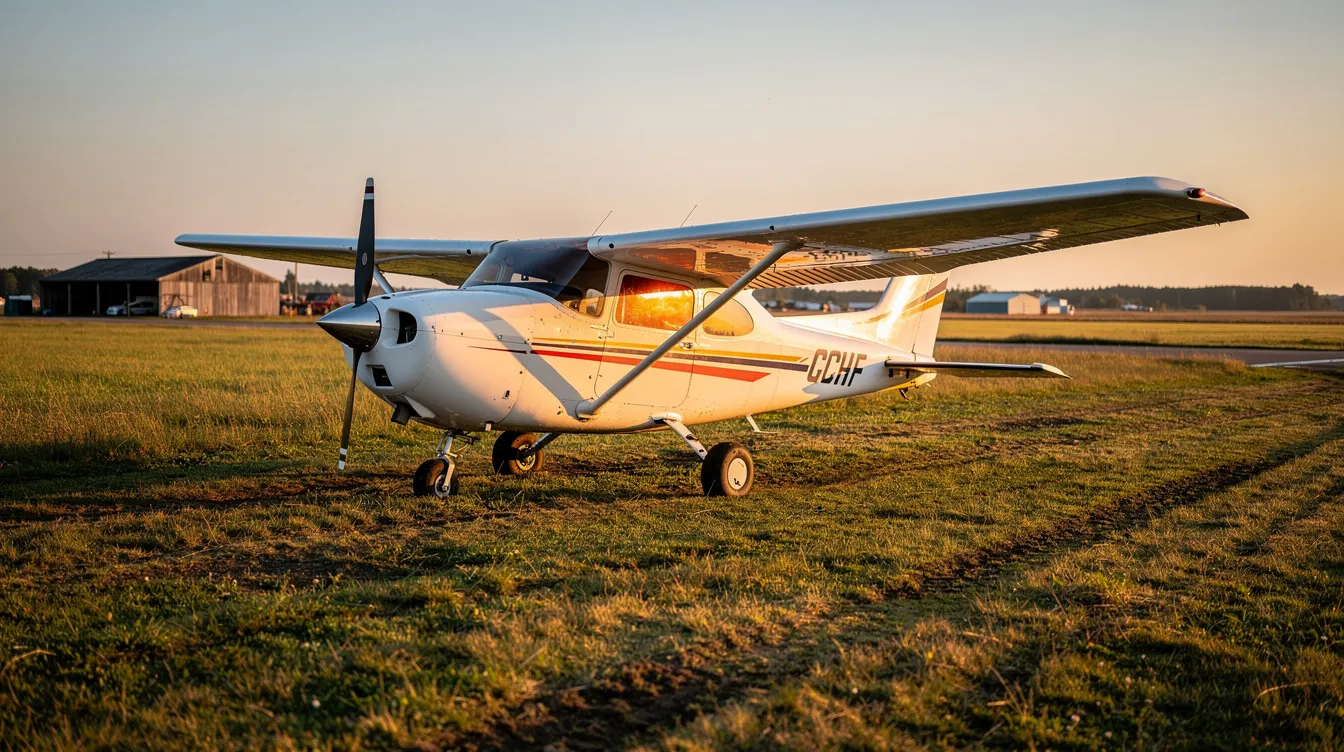
Understanding the true Cessna 182 operating cost means looking at two buckets: fixed costs that come due every year regardless of whether the airplane leaves the ground, and variable costs that scale with each flight hour. The Cessna 182 Skylane is a popular four-seat, single-engine aircraft known for its versatility-used for family travel, training, backcountry trips, and general aviation missions since the late 1950s. It is classified as a high-performance aircraft featuring a 230-horsepower engine, which gives it strong climb rates and useful load compared with lighter singles.
In 2026, most private owners see a realistic hourly cost in the $180 to $210 range when all major expense categories are included. That figure shifts depending on the model (182P, 182Q, 182T, T182T), avionics suite, engine type, and whether the aircraft is used privately, for rental, or for training. This post walks through each cost category with practical numbers and example annual budgets so owners and prospective buyers can plan with confidence.
Hourly operating costs for a Cessna 182 typically range from $180 to $210 when fixed and variable expenses are combined, though the figure can climb above $250 per hour at low utilization rates.
Total annual operating costs for a Cessna 182 generally range from $25,000 to $40,000, depending on hours flown, location, and aircraft condition.
The biggest cost drivers are fuel costs (roughly $80 to $120 or more per flight hour), regular maintenance inspections and annual inspections ($2,500 to $4,000), insurance costs ($1,000 to $6,000), and hangar fees or tie-down charges.
Newer, higher-value Skylanes cost more to insure and finance, while older airframes can carry higher maintenance and overhaul expenses.
Pilots flying fewer than 50–75 hours per year may find that chartering through a platform like Jettly is more economical than owning a Cessna 182, since fixed costs dominate low-utilization budgets.
Fixed costs hit the budget every year whether pilots fly one hour or two hundred. Variable operating costs, by contrast, scale directly with hours flown. Knowing the difference is essential for building an accurate plane operating cost estimate.
Typical fixed costs for a Cessna 182 include:
Insurance premiums
Hangar fees or tie-down charges
Annual inspection
Database subscriptions (GPS, charts, ADS-B)
Registration and property tax (where applicable)
Typical variable costs include:
Fuel and oil
Regular maintenance inspections between annuals
Engine reserves and propeller reserves (maintenance reserves set aside per hour)
Tires, brakes, and landing fees at certain airports
Variable costs for operating a Cessna 182 typically run between $100 and $200 per flight hour. Estimates suggest that flying more hours per year reduces per-hour costs for aircraft ownership because the same fixed expenses are spread over more flight hours. A simple rule of thumb: estimate your fixed annual cost, then add a realistic per-hour variable figure to build a personal budget.
Fuel is usually the single largest variable cost per hour. The Cessna 182 typically uses 100LL aviation gasoline, and the Cessna 182's fuel burn can vary based on conditions such as altitude, weight, and power settings. The Cessna 182 burns about 14 gallons of fuel per hour at standard cruise, though real-world figures across different models sit in the 11–14 gph range. The 182P variant, for example, burns approximately 13.8 gallons per hour.
As of May 2026, the average price for 100LL was $7.22 per gallon. Regional variation is significant-rural fields in Texas may sell fuel at $6.50 per gallon, while major metro FBOs can charge well over $8.
Sample calculations at 13 gph:
|
Fuel Price |
Fuel Cost Per Hour |
|---|---|
|
$6.25/gal |
~$81 |
|
$7.22/gal |
~$94 |
|
$8.00/gal |
~$104 |
Overall, fuel costs can range from $77 to $105 per hour, and fuel costs for a Cessna 182 typically account for around $80 to $120 or more per flight hour depending on fuel prices. Fuel usage drops when pilots operate at lean-of-peak mixture settings and moderate cruise speed, while heavy payloads, full fuel loads, and high density altitude push burn rates higher. Fuel prices can significantly influence operating costs for the Cessna 182, making location and fueling strategy a real money factor.
Cessna 182 insurance cost remains moderate compared with faster retractable-gear aircraft, thanks to the Skylane's forgiving handling and solid safety record. Insurance premiums for a Cessna 182 range from $1,000 to $6,000 annually, with the wide spread driven by pilot credentials and hull value.
Here is how premiums typically break down by pilot experience:
Insurance for a Cessna 182 with an experienced, instrument-rated pilot typically runs between $530 and $1,200 per year for liability-focused coverage, or $1,200 to $2,000 when combined hull and liability are included.
New pilots may pay $2,000 to $3,500 for insurance due to limited total time and time in type.
Insurance premiums fluctuate based on pilot experience and aircraft hull value-underwriters often price hull coverage at roughly 1.5–3% of hull value.
To convert the annual insurance cost to a per-hour figure: a $2,400 annual premium divided by 120 flight hours equals $20 per hour. At 60 hours per year, the same premium equals $40 per hour. Insurance costs add about $3 to $6 per flight hour for owners who fly regularly. Hangar storage, recurrent training, clean aircraft records, and a claims-free history all help keep premiums toward the lower end.
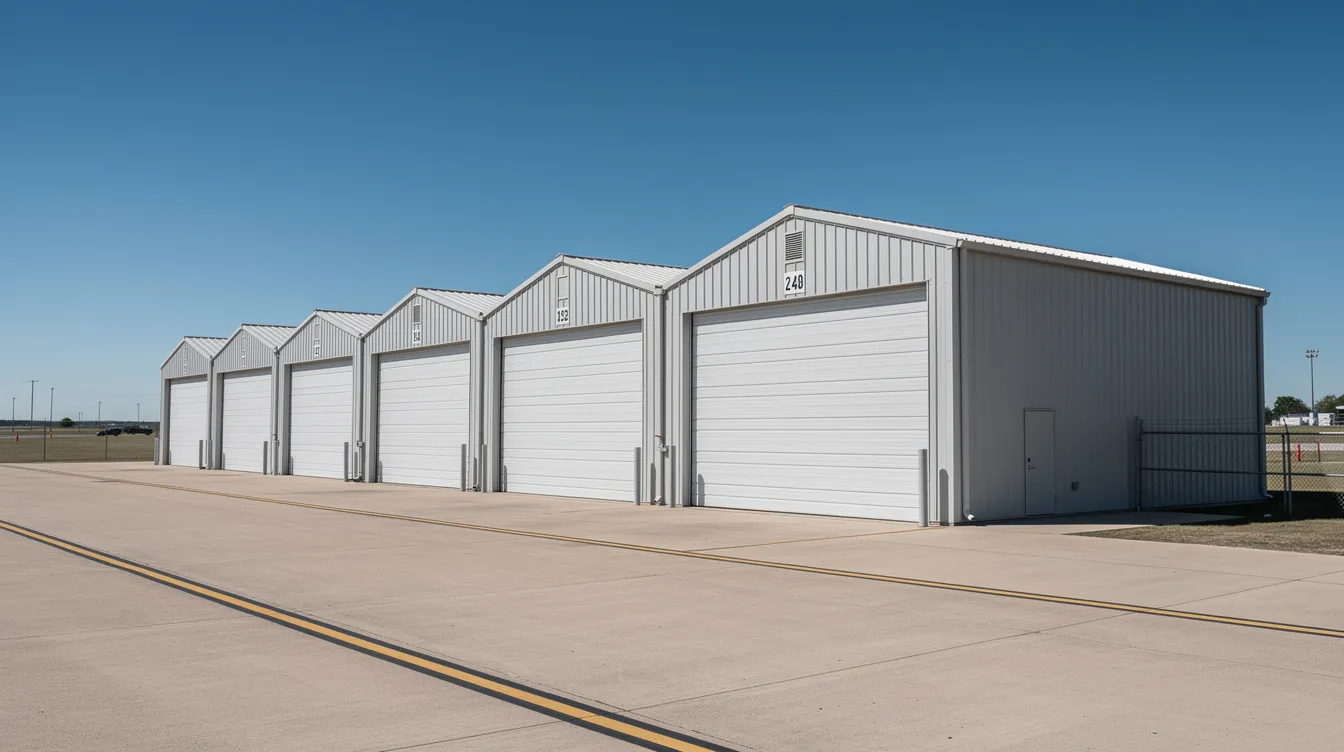
Storage options such as hangar or tie-down directly impact annual costs for aircraft ownership-and they also influence long-term maintenance needs.
Realistic 2026 ranges for hangar storage:
|
Storage Type |
Monthly Range |
Annual Range |
|---|---|---|
|
Small-town T-hangar |
$250–$400 |
$3,000–$4,800 |
|
Metro enclosed hangar |
$800–$1,000+ |
$9,600–$12,000+ |
|
Outdoor tie-down |
$100–$500 |
$1,200–$6,000 |
Hangar storage costs between $3,600 and $12,000 per year depending on location and type. Storage fees for tie-downs are typically $100 to $500 per month, and represent about half the cost of enclosed storage at comparable airports.
Beyond storage costs, pilots may encounter landing fees, ramp fees, and overnight parking charges-mainly at towered or commercial airports. These typically run $10–$40 per landing or overnight stay for a light piston aircraft. At many small non-towered fields, fees are zero.
The trade-off matters: paying more for a hangar reduces corrosion, paint damage, and interior wear, which can decrease long-term maintenance expenses and preserve the purchase price at resale.
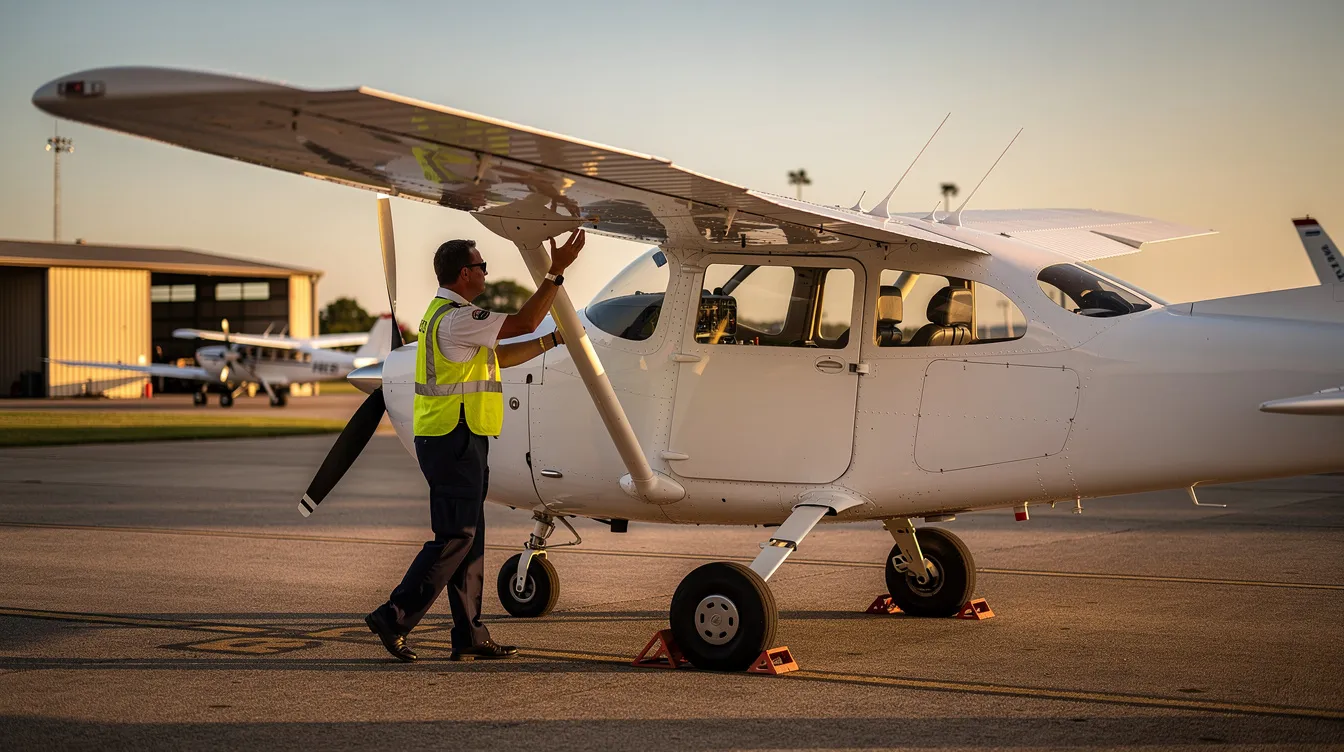
The FAA requires an annual inspection of every aircraft to maintain airworthiness, regardless of hours flown. Annual inspection costs typically range from $2,500 to $4,000 for a Cessna 182 at a typical GA maintenance shop, with the final figure depending on discrepancies found during the inspection. Some shops quote the base inspection at $1,500 to $3,000 before adding parts and unexpected repairs.
Routine maintenance costs average between $15 and $30 per hour when spread across scheduled inspections and mid-cycle checks. Aircraft used for rental or training face additional 100-hour inspection requirements, which add cost. Typical annual maintenance costs range from $3,000 to $5,000 when all recurring items are combined.
Recurring consumables include:
Oil changes every 25–50 hours, costing approximately $100 to $150 each
Spark plugs and filters
Brake pads and tires
Owners should set aside a maintenance reserve of $25–$50 per hour to cover both routine inspections and minor unscheduled issues. This approach keeps surprise expenses from disrupting the overall budget and helps cover any upgrades needed to keep avionics and systems current.
Engines and propellers have finite time-between-overhaul limits that must be factored into the true cost per hour. Cessna aircraft typically have a TBO ranging from 1,500 to 2,000 hours, depending on the engine variant.
Many legacy Cessna 182 models use Continental O-470 engines. Engine overhauls for a Cessna 182 cost approximately $35,000 to $55,000, depending on the engine type and shop. Some sources place engine overhauls between $20,000 and $40,000 for less complex rebuilds, though full factory overhauls with accessories tend to land on the higher end in 2026 market conditions.
Newer models such as the 182T use Lycoming IO-540 engines with TBOs around 2,000 hours and overhaul costs that can exceed $55,000.
Owners should budget for an hourly reserve for engine overhauls when calculating operating costs. The calculation is straightforward:
$45,000 overhaul ÷ 1,500 hours TBO = $30/hour engine reserves
$60,000 overhaul ÷ 2,000 hours TBO = $30/hour
Propeller overhauls cost between $1,000 and $2,000 every 1,800 hours for most constant-speed props, adding roughly $2–$5 per flight hour to the reserve. Combined, engine and propeller reserves represent a significant but manageable portion of the per-hour operation figure-typically $25–$35 total.
Putting all the numbers together, here are two example budgets for a privately owned Cessna 182 in North America in 2026. For a deeper look at the total cost of aircraft ownership, these scenarios illustrate how utilization changes the math.
|
Category |
Annual Cost |
|---|---|
|
Insurance |
$2,000–$2,500 |
|
Hangar fees |
$4,000–$7,000 |
|
Annual inspection |
$3,000–$4,000 |
|
Subscriptions & registration |
$500–$1,000 |
|
Fixed total |
$9,500–$14,500 |
|
Fuel (~$90/hr) |
$9,000 |
|
Maintenance & consumables (~$30/hr) |
$3,000 |
|
Engine/prop reserves (~$32/hr) |
$3,200 |
|
Variable total |
~$15,200 |
|
All-in annual |
~$24,700–$29,700 |
|
All-in per hour |
~$247–$297 |
Fixed ownership costs total between $6,500 and $19,500 annually depending on location, insurance, and hangar choices. At 100 hours, fixed costs alone can add $95–$145 per hour on top of variable expenses.
At 150 hours, fixed costs spread more thinly-roughly $63–$97 per hour. Combined with variable costs of $140–$170 per hour, the all-in figure drops into the $190–$250 range. Total annual operating costs for a Cessna 182 in this scenario typically land between $28,000 and $38,000. An airplane cost calculator can help model these numbers against specific purchase price and financing scenarios.
Not all Cessna 182 models cost the same to operate. Older 1960s–1970s airframes often have a lower purchase price but may demand more frequent structural maintenance-corrosion control, wiring repairs, and legacy avionics support. These factors can push expenses well above the average for the type.
Modern glass panels, autopilots, and IFR-capable avionics improve utility and cabin comfort but add ongoing costs: database subscriptions, component repairs, and sometimes higher insurance due to elevated hull value.
Usage patterns also matter. Aircraft flown for training or rental operation accumulate wear faster-more brake and tire replacements, higher engine cycle counts, and mandatory 100-hour scheduled inspections. Low-utilization aircraft, conversely, risk corrosion and lead fouling even when total hours are low.
Buyers should review detailed logbooks, engine times, and avionics configurations carefully. Type clubs focused on the Cessna 182 community are a helpful resource. The smartest approach is to build a budget based on the actual aircraft records rather than relying on generic average figures.
For many pilots and families, owning a Cessna 182 offers flexibility, access to smaller airports, and the freedom to fly on short notice. But the annual cost structure only pencils out above a certain minimum flight time per year.
Pilots flying fewer than about 50–75 hours annually often find that their true per-hour cost climbs steeply once fixed costs are included. At 40 hours per year, for example, $12,000 in fixed costs alone adds $300 per hour before fuel or maintenance.
Charter and on-demand platforms like Jettly work differently. There are no long-term fixed costs, no hangar to pay for, no annual inspection to schedule. Travelers pay only for each flight while gaining access to a wide range of aircraft-from piston singles to turboprops and light jets-matched to the actual trip.
A family that takes two or three regional trips per year might spend less chartering those flights than covering a full year of Cessna 182 ownership expenses. A pilot flying weekly business hops, on the other hand, may benefit from owning a small private plane outright.
For those unsure about their annual flying profile, comparing an ownership budget against a few sample charter quotes is the clearest way to decide. Jettly's instant pricing tools make that comparison straightforward-explore options and request a quote at https://www.jettly.com.
A Cessna 172 typically burns 8–10 gph versus 11–14 gph for a 182, so fuel costs per hour are noticeably lower. Insurance, hangar fees, and annual inspections also tend to run slightly less for the lighter airplane. Overall, total hourly operating costs are usually 20–30% less in a 172 compared with a 182 for similar usage. Many owners accept the higher expense of the Cessna 182 in exchange for its greater useful load, cruise speed, climb performance, payload capacity, and short-field range.
Plan for a contingency fund of at least $3,000–$5,000 per year beyond scheduled inspections and routine items. Common unscheduled issues include avionics glitches, alternator or starter replacement, corrosion treatment, and interior repairs-each of which can run several hundred to a few thousand dollars. First-time owners should invest in a thorough pre-purchase inspection and consult a maintenance shop familiar with the Cessna 182 to identify potential upcoming unexpected repairs for that specific airframe.
At many small non-towered airports, there are no landing fees at all. At busier towered or commercial airports, light piston aircraft may face modest landing or ramp fees of $10–$40 per visit, which can add up for pilots who frequently operate at those fields. Including a buffer of $5–$10 per hour in the budget is reasonable if the airplane regularly visits fee-charging airports.
Financing payments are not operating costs in the narrow technical sense, but from a cash-flow perspective they are a major annual investment. As an example, a $350,000 used Cessna 182 financed over 15–20 years with a 20% down payment may result in monthly payments of $1,800–$2,500 depending on 2026 interest rates. It is best to treat loan payments as a separate line item from maintenance and fuel when building a full cost-of-ownership analysis.
If total expected annual flying is low-say 20–40 hours per year-the fixed costs of owning dominate, making each hour extremely expensive to fly. On-demand charter through a digital platform like Jettly removes those fixed expenses entirely. Customers spend money only when they actually travel, and they gain access to aircraft types that may be faster or better suited for longer trips. Travelers focused on convenience and flexibility rather than piloting themselves should compare ownership estimates with Jettly's instant charter quotes at https://www.jettly.com to see which model fits their budget and travel goals.
The Cessna 182 operating cost depends on fuel prices, annual flight hours, aircraft condition, insurance, and storage. A practical estimate is $180 to $210 per flight hour when operating expenses are combined, with annual costs commonly reaching $25,000 to $40,000. Owners should also budget separately for financing, unexpected repairs, and major engine or propeller work. For a broader view, see Jettly’s guide to aircraft ownership costs.
Ownership tends to make more sense for pilots who fly regularly and value control over their schedule. For occasional trips, fixed expenses can make each flight costly. Comparing a realistic ownership budget with on-demand private flight costs and charter quotes can help travelers choose the option that fits their routes and annual flying needs.
Jettly provides access to a broad aircraft marketplace and instant quote options for travelers who prefer not to manage aircraft ownership. Learn more about Jettly’s charter options. Jettly is a charter broker; flights are operated by properly certified third-party carriers. Ready to compare travel options? Explore flights or request a quote.
Share this post:
Jay Franco Serevilla
Nov 8, 2026
|
5
min read
Discover tips and trends in the industry.
5
min read
Military Plane With Two Propellers: Twin-Engine Turboprops, Tiltrotors, and Modern Missions
Military planes with two propellers, including twin-engine turboprops and tiltrotors, play crucial roles in logistics, surveillance, and humanitarian missions. This guide explores their capabilities, key aircraft, and how their performance informs civilian turboprop travel choices. Understanding these military aircraft helps travelers make informed decisions when comparing civilian options.
Read More
5
min read
Weather in Virginia Beach: Forecast, Seasons, and Private Jet Travel Planning
Virginia Beach's weather can change rapidly, impacting travel plans, especially for private jet travelers. Understanding the local forecast and seasonal patterns is crucial for smooth operations and optimal scheduling. Jettly provides tools to help travelers adjust their flights based on real-time weather conditions.
Read MoreStay updated with our latest insights and tips to elevate your journey with us.
MEMBERSHIPS AND ASSOCIATIONS



© 2026 Jettly Inc. All rights reserved.
Disclaimer: Jettly operates as a charter broker, offering access to a global digital jet charter marketplace. Jettly is not a direct air carrier and does not own or operate aircraft. All advertised flights are conducted by third-party air carriers that are fully licensed and hold the appropriate Part 135 or Part 121 certifications issued by the Federal Aviation Administration (FAA) or equivalent regulatory authorities under U.S. or foreign law. Jettly complies fully with the U.S. Department of Transportation's Part 295 and Part 298 Charter Broker regulations. Jettly does not carry additional liability insurance. Passengers are covered by aircraft operator insurance. TICO: 50023770


