



Login
Get Instant Pricing On 23,000+ Aircraft

>
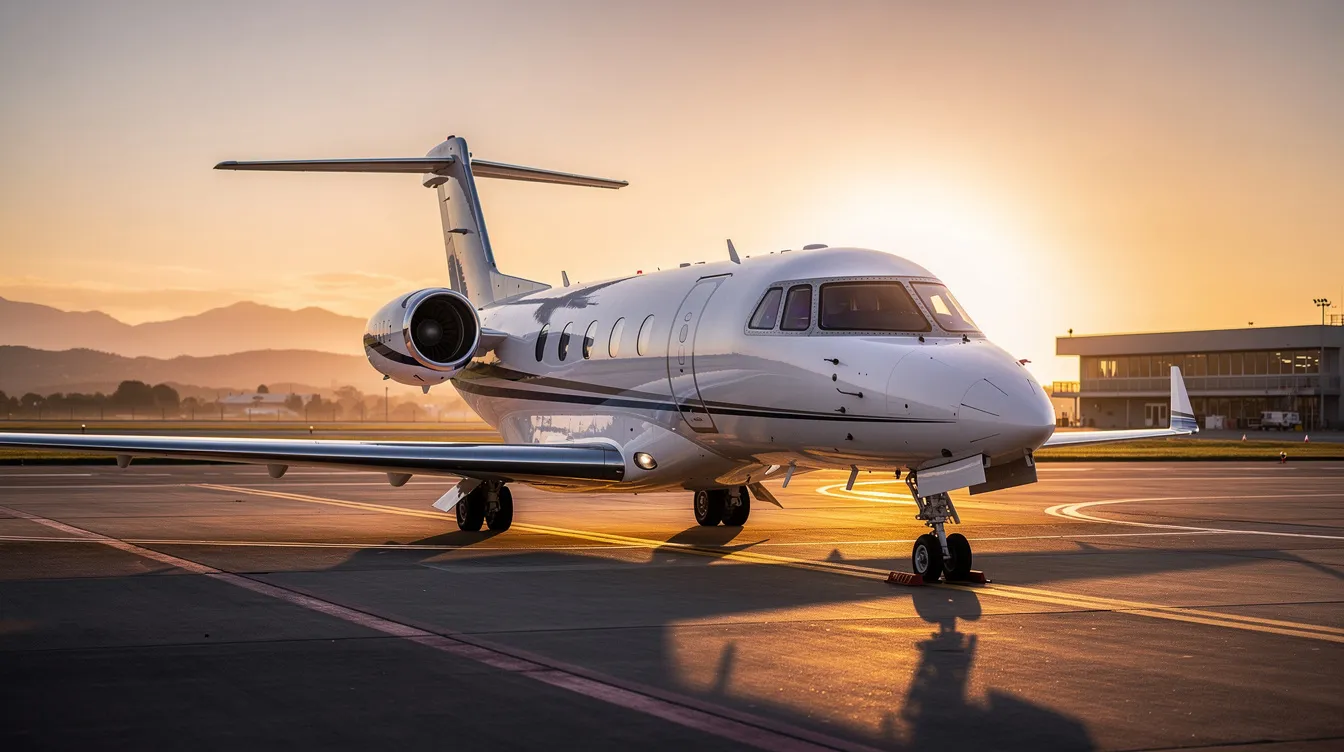
Finding the cheapest very light jet in 2026 comes down to more than scanning listing prices. Purchase cost, operating expenses, mission profile, and how often you actually fly all shape which aircraft—or which access model—delivers the best value. This guide breaks down the leading VLJ contenders, real-world costs, and practical alternatives like chartering through a digital marketplace.
Very light jets such as the Eclipse 500, Cirrus Vision Jet SF50, and Cessna Citation Mustang dominate the cheapest very light jet segment, with pre-owned prices typically between about $800,000 and $3.5 million in 2026.
"Cheapest" must factor both purchase price and operating costs; even the least expensive VLJs commonly cost $800 to $1,500 per flight hour to run, plus annual fixed expenses that can reach $400,000 to $800,000 or more depending on utilization.
For travellers flying under roughly 150–200 hours per year, chartering very light jets and compact light jets through a broker like Jettly is usually cheaper than full private jet ownership.
VLJs are optimized for short trips (typically up to 1,000–1,200 nautical miles) with two to five passengers, making them efficient aircraft for regional private jet travel.
Readers can use Jettly's online marketplace and instant-quote tools to compare VLJ charter options, light jets, and turboprop aircraft and find the most affordable aircraft for each mission.
A very light jet is a certified jet aircraft with a maximum take-off weight under 10,000 lbs, typically seating four to six passengers, and designed for single-pilot operation on regional routes. They sit below the light jet category in size and cost, and above turboprop planes in speed. When people search for the cheapest private jet, VLJs consistently top the list—but "cheapest" in 2026 means realistic resale pricing plus total operating costs, not just a brochure number.
Here are typical 2026 pre-owned purchase price bands:
Older Eclipse 500: around $800,000–$1.5 million
Cessna Citation Mustang: about $1.5–$2.5 million
Embraer Phenom 100: roughly $1.8–$2.7 million
Cirrus Vision Jet SF50: generally $1.8–$2.2 million pre-owned
|
Very light jet |
Typical pre-owned price (2026) |
Typical seats |
Approx. range |
Indicative hourly operating cost |
|---|---|---|---|---|
|
Eclipse 500 |
$800,000–$1.5 million; some under $800,000 |
4–5 |
1,000–1,200 nm |
$1,000–$1,300 |
|
Cirrus Vision Jet SF50 |
$1.8–$2.2 million |
Up to 5 adults plus 2 children |
About 1,200 nm |
$800–$1,200 |
|
Cessna Citation Mustang |
$1.5–$2.5 million |
4 passengers |
1,000–1,150 nm |
$1,000–$1,200 |
|
Embraer Phenom 100 |
$1.8–$2.7 million |
4–6, depending on layout |
1,178 nm |
$1,200–$1,600 |
|
HondaJet HA-420 |
$2.5–$3.5 million |
4–5 |
1,200–1,400 nm |
$1,500–$1,900 |
Prices and costs are estimates, not quotes. Actual figures depend on aircraft condition, model year, equipment, maintenance status, fuel prices, route, and utilization. Factors impacting VLJ pricing include aircraft age, total flight hours, and avionics upgrades. Modern upgrades can significantly increase a used VLJ's market value by hundreds of thousands of dollars, making two aircraft of the same model year trade at very different prices. Those factors also influence overall private jet operating cost breakdowns.
Key cost categories beyond the purchase price include financing or lease payments, depreciation, fixed costs (hangar fees, insurance, management, crew salaries), and variable costs per flight hour (fuel burn, maintenance reserves, engine programs). VLJs are an economical entry point into private jet ownership, but whether a given model is truly the cheapest depends on how often you fly, your typical passenger count, and your preferred routes.
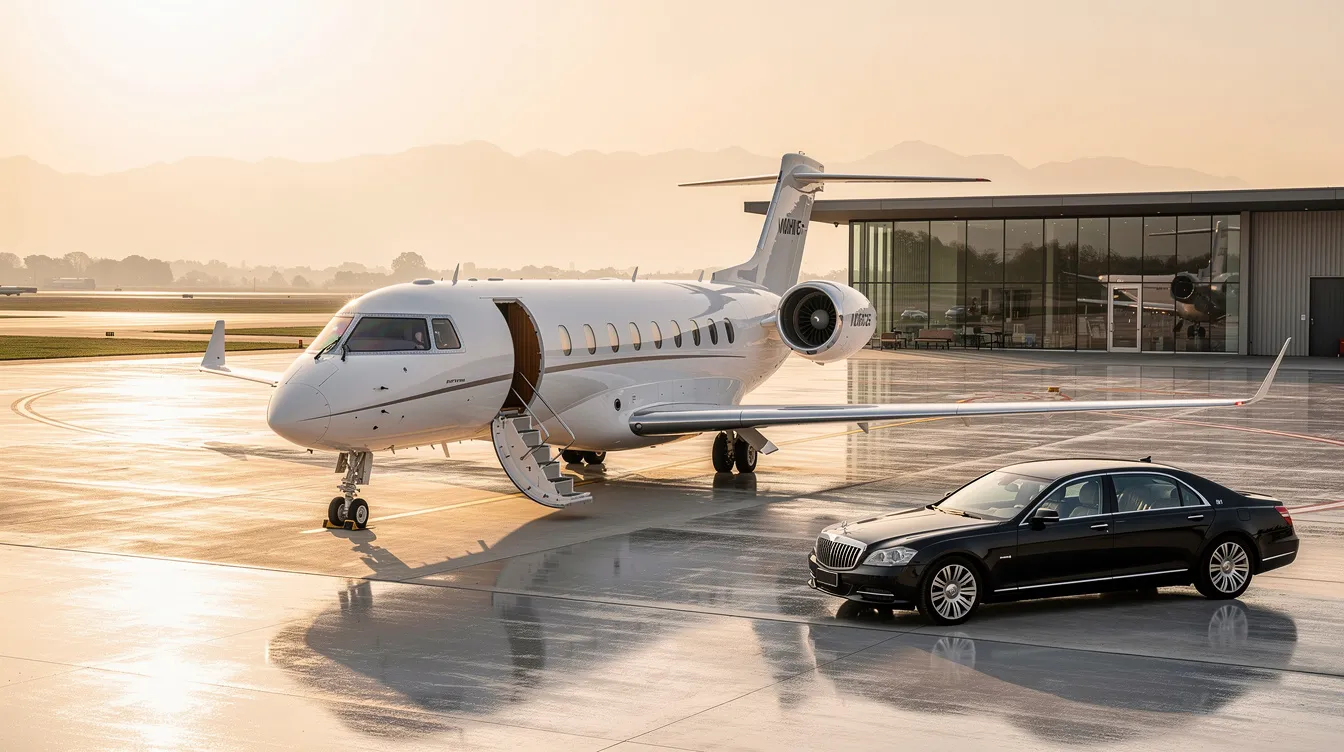
Below is a fast overview of the most frequently cited budget-friendly VLJs, designed for readers who want a quick answer before diving deeper. For a broader look at the cheapest private aircraft across categories, including turboprops and light jets, very light jets can cruise at speeds between 300 to 420 knots, and the contenders below cover that full range.
Eclipse 500 – Twin-engine VLJ; ~1,000–1,200 nm range; 4–5 seats; pre-owned from about $800,000; low purchase price but niche support network.
Cirrus Vision Jet SF50 – Single-engine jet; ~1,200 nm range; 5 adults + 2 children; around $3 million new in 2026; lowest operating costs in its class.
Cessna Citation Mustang – Twin-engine VLJ; ~1,000–1,150 nm range; 4 passengers in club seating; pre-owned about $1.5–$2.5 million; robust Cessna Citation support.
Embraer Phenom 100 – Larger-cabin VLJ; ~1,178 nm range; up to 6–7 seats; usually $1.8–$2.7 million used; slightly higher hourly costs.
HondaJet HA-420 – Innovative light/VLJ-class jet from Honda Aircraft Company; ~1,200–1,400 nm; 4–5 pax; about $2.5–$3.5 million used; higher speed and comfort.
Each model aligns with different use cases: the Eclipse for the lowest entry-level jet buy-in, the Vision Jet for owner pilots who value simplicity, the Mustang for global support and charter work, the Phenom for cabin space on business shuttles, and the HondaJet for speed-conscious travellers on regional routes. For a broader look at small jets, see Best Small Jet Aircraft: Top Light Jets and Very Light Jets for Charter in 2026.
The Eclipse 500 effectively launched the modern very light jet category in the mid-2000s and remains one of the absolute cheapest jets to purchase in 2026. Pre-owned Eclipse 500s can sell for under $800,000 in some cases, though well-maintained examples typically trade in the $800,000–$1.5 million range. The cheapest very light jets on the pre-owned market start around $800,000 to $1.5 million, and the Eclipse sits squarely at the bottom of that band.
Performance highlights:
Seating for four passengers in a tight cabin
Range roughly 1,000–1,200 nautical miles
Cruise speeds around 370–380 knots
Single-pilot certified, reducing crew expenses for owner pilots
Approximate direct operating costs run $1,000–$1,300 per hour, covering fuel, maintenance, and engine reserves. The downside: limited cabin space, constrained baggage volume, and parts availability concerns after manufacturer upheavals. Buyers should budget $100,000–$300,000 beyond the purchase price for inspections, avionics updates, and deferred maintenance on older airframes. For details on chartering this type, check Eclipse 500 Charter Rates & Specs.
For travellers flying fewer than 100–150 hours per year, chartering a similar VLJ through Jettly can still be more economical than owning an Eclipse when fixed costs and capital tie-up are factored in; this aligns with broader private jet cost comparisons across ownership models.
The Cirrus Vision Jet SF50 holds a unique position: it is the most affordable brand-new private jet in 2026 and the only single-engine jet in its class still in production. Cirrus Aircraft has iterated through G1, G2, G2+, and G3 generations, each improving avionics and performance.
Cost reality:
The Cirrus Vision Jet costs around $3 million new for 2026 deliveries (G3 with options can reach ~$3.5–$3.7 million)
Pre-owned examples trade roughly between $1.8 and $2.2 million depending on hours and generation
Performance and cabin:
~1,200 nm range with reserves at long-range cruise
Cruise speed near 300 knots true airspeed
Seats up to 5 adults plus 2 smaller children on removable jump seats
Modern Garmin Perspective Touch+ avionics and CAPS whole-aircraft parachute system
Operating costs for the Vision Jet typically fall in the $800–$1,200 per hour range, benefiting from single-engine fuel efficiency and simplified maintenance. The trade-off versus twin-engine VLJs is reduced redundancy and slower cruise speed. The ideal mission profile covers short flights under 2–2.5 hours for small families and business owners who prefer to fly private as pilot-in-command, especially those already exploring affordable aeroplane rental options. Learn more about this personal jet in the Cirrus Vision Jet guide.
The Citation Mustang is one of the most proven and widely supported very light jets ever built. Cessna sold 479 units from 2006 to 2017, creating a deep pre-owned market with strong global service through the broader Cessna Citation network.
Market data for 2026:
Cessna Citation Mustang prices range from $1.5 million to $2.5 million for 2008–2016 aircraft with modern avionics
Airframes with heavy cycles or outdated interiors trade near the lower end
Technical highlights:
Approximate range 1,000–1,150 nautical miles
Cruise speed around 340 knots
Standard four passengers in club seating plus single pilot cockpit
Operating costs for the Cessna Citation Mustang run $1,000 to $1,200 per hour when fuel prices are moderate. Textron's broad maintenance programs and parts availability make the Mustang attractive for both commercial charter and private jet ownership and position it well within the wider landscape of private charter airlines. For charter specifics, see Citation Mustang Charter Rates & Specs.
Lower-utilization users should compare full ownership against chartering Mustangs or similar VLJs on Jettly, especially if flying 50–150 hours per year.
The Phenom 100 occupies a unique space in the very light jet category: it offers a noticeably larger cabin than the Eclipse or Mustang, making it feel more like a bigger aircraft in a smaller package. More than 400 Phenom 100s have been produced since 2007.
Pricing and variants:
Embraer Phenom 100s typically cost around $2 million used for original models
Later 100E and 100EV variants can reach $2.7 million or more, with EVs featuring upgraded avionics and higher-thrust jet engines
Performance and cabin:
The Embraer Phenom 100 has a range of 1,178 nautical miles
Typical cruise speed: 330–350 knots
Seating for four passengers in club configuration plus a side-facing seat and optional belted lavatory, giving capacity up to 6–7 depending on configuration
Estimated hourly operating costs land around $1,200–$1,600, reflecting the larger cabin and heavier structure. Strong OEM backing from Embraer with programs like ESP and EEC boosts appeal for fleet operators and charter providers. The Phenom costs slightly more to buy and operate than a Citation Mustang but delivers more cabin space and baggage volume—often favoured for business shuttles on short trips between regional hubs and for those comparing private charter aircraft across multiple classes.
The HondaJet began as a concept in the late 1990s, completed its maiden flight in 2003, and received FAA certification in 2015. Its signature over-the-wing engine configuration improves cabin quietness and interior volume, setting it apart from every other aircraft in the private jet industry at this price point.
Market pricing:
Pre-owned HondaJet HA-420s in 2026 typically sell for about $2.5–$3.5 million
Later Elite and Elite S variants can command up to roughly $4.5 million depending on avionics and condition
Performance and comfort:
Range approximately 1,200–1,400 nautical miles with reserves
Cruise speed around 420 knots—faster than most affordable private jets in the VLJ segment
Seating for four to five passengers plus optional belted lavatory seat
Standout cabin noise levels and fit-and-finish for this price segment
Variable operating costs run an estimated $1,500–$1,900 per flight hour. High cruise speed shortens block times and can partially offset the higher hourly cost on longer stage lengths. The typical buyer or charter user values modern tech and speed on regional routes. Many travellers access HondaJets through charter brokers such as Jettly without committing to ownership or fractional ownership, often after reviewing top private jet charter companies and their services.
Choosing between very light jets, light jets, and turboprops depends on passenger count, distance, and airport access. Here is how they compare for real-world private flight missions, a decision that should be weighed alongside a detailed private jet operating cost calculator guide. For a deeper breakdown, see Private Jet Types and Sizes.
|
Aircraft category |
Typical passenger capacity |
Best suited for |
Key trade-off |
|---|---|---|---|
|
Very light jet |
4–6 |
Short regional trips with small groups and lighter baggage |
Lowest jet purchase and charter costs, but compact cabins and baggage limits |
|
Light jet |
5–7 |
Longer regional legs or trips where cabin comfort and luggage matter |
Higher hourly cost, often more room and lavatory options |
|
Turboprop |
6–9, depending on model |
Short routes, smaller airports, and shorter runways |
Slower cruise speed, but can offer strong value and airport access |
When VLJs make the most sense:
Ideal for 2–4 passengers on short trips under ~1,000–1,200 nautical miles
Smallest purchase price range among jets, especially on older Eclipse 500 and Citation Mustang airframes
Efficient aircraft for missions like Los Angeles–Las Vegas, London–Geneva, or Toronto–New York
When light jets provide more value:
Light jets such as Citation CJ1, CJ1+, or CJ3 offer better baggage, full lavatories, and more comfortable cabins for 5–7 passengers
Hourly operating costs often run $1,400–$1,800, but cost per seat can be lower with a higher passenger count
Better suited for flights beyond about 2 hours where cabin comfort matters
When turboprops win:
Turboprop planes like the King Air 90/100 series and Pilatus PC-12 are often cheaper to buy than newer jets
Hourly operating costs comparable to VLJs ($1,000–$1,500 per hour)
Access to shorter runways and even unpaved strips, making them strong alternatives for regional routes
The cheapest solution for many itineraries may be a turboprop aircraft rather than a very light jet. Readers can use Jettly's Private Jet Cost Calculator to compare real trip costs across VLJs, light jets, and turboprops.
For any private jet—including the most affordable private jets in the very light jet category—purchase price can represent less than half of total five-to-ten-year costs. The rest comes from operating costs and fixed overhead. Annual operating costs for small jets range from $400,000 to $1 million depending on type and utilization, which is why many buyers also evaluate private jet lease cost structures before committing to a purchase.
Typical fixed annual expenses:
Hangar fees: roughly $1,000–$3,000 per month depending on airport
Insurance: often $15,000–$30,000 per year based on hull value and pilot experience
Crew salaries where professional pilots are used: $80,000–$200,000 per year including benefits
Management, administration, or accounting services if the whole aircraft is professionally managed
Fixed annual ownership costs can include hangar fees, maintenance, insurance, and crew salaries. Annual fixed costs for VLJs can add $400,000 to $800,000 or more depending on utilization, reinforcing the need to understand the full private jet operating cost breakdown.
Variable operating costs per flight hour:
Fuel costs for jets range from $300 to $700 per hour, depending on fuel prices and aircraft type
Maintenance reserves and engine program contributions to cover inspections and overhauls
Landing, handling, navigation fees, and catering
Operating costs for VLJs can run roughly $1,000 to $1,400+ per hour. Very light jets typically operate at $800 to $1,500 per hour when all variable expenses are included.
How utilization drives cost: Below about 150 hours per year, fixed costs dominate, and per-hour cost rises sharply. Owners flying 200–300+ hours yearly spread fixed costs more efficiently. Prospective owners should model expected hours, routes, and crew arrangements—and compare those figures with all-in charter pricing from Jettly, which already includes operating and positioning costs. Those considering shared solutions can also review the best fractional jet ownership companies. For a detailed look at pricing, see How Much Is It to Purchase a Private Jet?.
The decision between buying the cheapest very light jet available, purchasing a fractional share, or relying on private jet charter depends on annual hours and flexibility needs. Chartering private jets costs less than ownership for under 200 hours per year in most scenarios.
|
Access model |
Typical fit |
Main cost structure |
Main advantage |
Main consideration |
|---|---|---|---|---|
|
Full ownership |
200–300+ hours yearly, often on predictable routes |
Purchase, fixed overhead, and hourly costs |
Maximum control over aircraft and schedule |
Capital, depreciation, maintenance, and management responsibilities |
|
Fractional ownership |
Often 50–150 hours yearly |
Share purchase, monthly fees, and hourly rates |
Managed access and a more predictable cost structure |
Long-term commitment and access to a defined fleet |
|
On-demand charter |
Occasional or variable travel |
Pay per booked trip |
No aircraft asset or ongoing maintenance burden |
Pricing and availability vary by route and date |
|
Jet card |
Frequent flyers seeking predictable pricing |
Prepaid hours or funds under program terms |
Greater cost predictability and planned access |
Review minimums, terms, availability, and fees before joining |
Full private jet ownership:
Best suited to individuals or companies flying 200–300+ hours per year on predictable routes
Maximum control over schedule, interior, and branding
Requires capital outlay, exposure to depreciation, and responsibility for regulatory compliance
Fractional ownership: (fractional jet ownership pros, cons, and costs)
Buyers purchase a share (e.g., 1/16 or 1/8) and gain access to a fleet of similar jets, but should weigh the good, bad, and ugly of fractional ownership
More predictable cost structure with monthly management fees and hourly rates
Efficient for 50–150 hours of flying per year but typically requires multi-year commitments
On-demand charter through Jettly: (in addition to affordable private jet charter options)
Pay only for flights taken, with no asset risk or long-term contract
Chartering eliminates maintenance and crew management responsibilities
Suitable for flyers who need flexibility in aircraft type—VLJs, light jets, larger jets, or turboprops—and who may benefit from comparing shared charter flights with full charters
Jettly acts as a charter broker, sourcing flights from certified third-party operators and providing transparent, instant pricing
Estimate annual hours and mission mix, then run scenario comparisons to see which path delivers the lowest effective cost without sacrificing safety or flexibility.

Jettly is a global private jet charter marketplace and charter broker—not an aircraft owner. It connects travellers with a network of certified operators flying very light jets, light jets, and turboprop aircraft worldwide and serves as a flexible NetJets alternative for cost-conscious flyers.
Key ways Jettly supports cost-conscious private travel:
Instant online pricing for VLJs, compact light jets, and turboprops, showing real trip costs instead of just hourly quotes
Chartering provides access to over 20,000 aircraft globally, increasing the chance of finding a nearby VLJ and minimizing positioning costs on short trips through a broad private charter aircraft network
Empty leg flights and shared options:
Jettly can surface empty leg flight opportunities—these flights are repositioning flights sold at reduced rates when very light jets move without passengers
Empty leg flights can be discounted up to 75% off standard rates, sometimes bringing costs close to commercial first-class tickets, especially when travellers crowdsource private jet flights and share empty seats
Modern technology has made booking empty leg flights easier than ever, though travellers must be flexible with schedules for empty leg flights
Membership and on-demand access:
Frequent flyers can review jet card programs for predictable pricing
On-demand access lets travellers sample various aircraft types—Eclipse, Citation Mustang, Phenom 100, HondaJet, and turboprops—before considering private jet ownership, private jet memberships, or fractional ownership, and they can also use an airport locator tool to optimize departure and arrival choices
Ready to experience private aviation without the commitment of buying your first private jet? Explore charter options and compare costs at https://www.jettly.com.
"Cheapest very light jet" is mission-dependent. Passenger count, distance, runway length, baggage needs, and schedule all drive which aircraft sales category is truly most economical for a specific trip.
Rule-of-thumb guidance:
For 1–3 passengers on sub-90-minute flights, VLJs like the Eclipse 500, Cirrus Vision Jet, or Citation Mustang often deliver the lowest charter price or best ownership cost ratio
For 4–6 passengers or routes exceeding 2 hours, larger aircraft in the light jet category—or even a heavy jet for transcontinental—may deliver better cost per seat despite higher hourly rates
For short regional flights into smaller airfields with shorter runways, turboprop aircraft can beat VLJs on door-to-door time and total trip price
Beyond cost:
Wi-Fi availability, baggage capacity (golf clubs, skis), cabin space, and onboard lavatory type matter alongside purchase price and operating costs
Business aviation travellers might prioritize workstation-style seating, while families often value quiet cabins and flexible luggage space
Many travellers start with VLJs for short flights and later mix in light and midsize jets as their private jet travel patterns evolve. To compare aircraft for a specific itinerary, try Jettly's charter cost estimator.
Below are answers to common questions not fully covered in the main article.
As of 2026, pre-owned Eclipse 500s can sell for under $800,000 for higher-time examples. However, buyers should budget an additional $100,000–$300,000 for inspections, avionics updates, and required maintenance. While this represents the lowest cash entry point into owning your own jet, ongoing operating costs and fixed overhead still apply—which is why occasional flyers often charter instead of pursuing aircraft sales.
Safety in private jets—whether very light jets, light jets, or larger aircraft—depends more on maintenance quality, pilot training, and regulatory oversight than on size. Many VLJs (Citation Mustang, Phenom 100, HondaJet, Vision Jet) are certified under the same stringent FAA standards as luxurious aircraft in heavier categories and are widely used in commercial charter fleets worldwide.
Chartering very light jets costs between $2,000 and $3,000 per flight hour in North America and Europe, excluding taxes and certain fees. Charter rates for very light jets range from $2,000 to $3,000 per hour, with final trip price influenced by positioning distance, airport charges, and seasonal demand. Use Jettly's instant-quote feature to see all-in trip prices on specific routes across VLJs, light jets, and turboprops.
Several realistic options exist: choose smaller, efficient aircraft like VLJs and turboprops for short trips; stay flexible with departure times to leverage empty leg flights (which can offer discounts up to 75% off standard rates); share flights with business partners or family; and use charter brokers such as Jettly to compare multiple aircraft categories and operators for the same route. Smart aircraft selection and schedule flexibility typically have more impact on price than chasing the lowest possible hourly rate alone.
Start by estimating annual flight hours, average stage length, and typical passenger count. Then calculate total ownership cost—finance payments, depreciation, and fixed and variable operating costs—divided by expected hours. Compare that figure to average charter quotes for similar missions on Jettly. For most individuals and small businesses flying under about 150–200 hours per year, charter and membership solutions remain more cost-effective than owning even the cheapest very light jet in the aviation industry.
VLJs like the Eclipse 500, Cirrus Vision Jet SF50, Cessna Citation Mustang, Phenom 100, and HondaJet deliver some of the lowest purchase prices and low operating costs in the private jet sales market. But ownership still involves substantial fixed expenses, depreciation risk, and management complexity that can surprise first-time buyers.
For many travellers—especially those flying only a few dozen hours per year—chartering affordable private jets on an on-demand basis often proves cheaper and more flexible than owning or entering fractional ownership. The smartest approach: match the aircraft to the mission, compare real costs, and keep options open.
Ready to fly private on your terms? Explore aircraft options, compare costs, and request transparent quotes via Jettly's digital charter platform at https://www.jettly.com.
Share this post:
Jay Franco Serevilla
Nov 16, 2026
|
5
min read
Discover tips and trends in the industry.
5
min read
Cheapest Very Light Jet: 2026 Guide to Budget-Friendly VLJs and Smart Alternatives
In 2026, finding the cheapest very light jet (VLJ) involves considering purchase prices, operating costs, and flight frequency. Popular models like the Eclipse 500 and Cirrus Vision Jet offer budget-friendly options, but chartering may be more economical for infrequent flyers. This guide explores the best VLJs and alternatives for cost-effective private travel.
Read More
5
min read
Do Flights Ever Get Cheaper? A Practical Guide to Timing Airfare (and Private Jet) Prices
Flight prices can drop, particularly 1 to 3 months before domestic trips and 2 to 8 months before international flights. Factors like demand, seasonality, and booking windows play a crucial role in determining when fares are lowest. Understanding these patterns can help travelers secure better deals and make informed decisions about commercial versus private jet travel.
Read MoreStay updated with our latest insights and tips to elevate your journey with us.
MEMBERSHIPS AND ASSOCIATIONS



© 2026 Jettly Inc. All rights reserved.
Disclaimer: Jettly operates as a charter broker, offering access to a global digital jet charter marketplace. Jettly is not a direct air carrier and does not own or operate aircraft. All advertised flights are conducted by third-party air carriers that are fully licensed and hold the appropriate Part 135 or Part 121 certifications issued by the Federal Aviation Administration (FAA) or equivalent regulatory authorities under U.S. or foreign law. Jettly complies fully with the U.S. Department of Transportation's Part 295 and Part 298 Charter Broker regulations. Jettly does not carry additional liability insurance. Passengers are covered by aircraft operator insurance. TICO: 50023770


