



Login
Get Instant Pricing On 23,000+ Aircraft

>
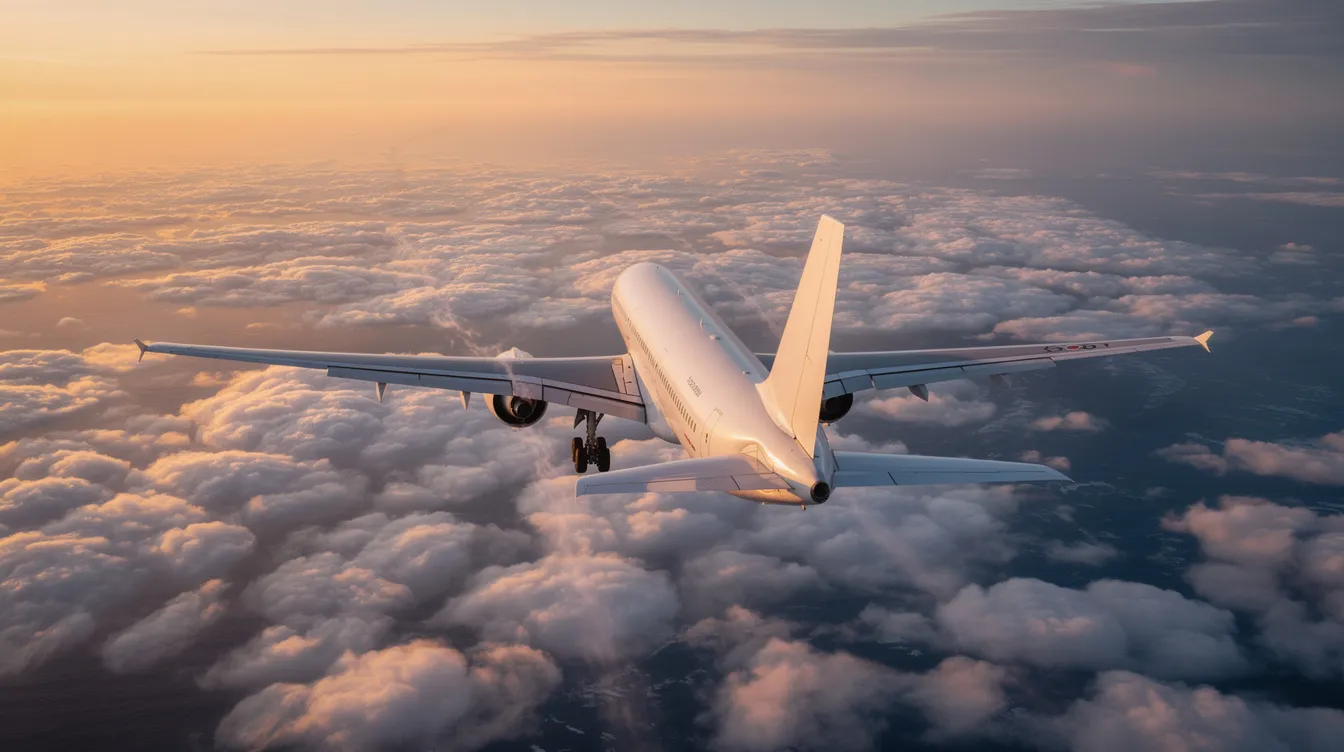
The flight time from NY to London is typically about 6.5 to 7.5 hours on eastbound commercial flights, while private jets often make the trip in roughly 6 to 7 hours depending on the aircraft and wind conditions. That range matters on one of the world’s busiest transatlantic routes—roughly 739 nonstop flights operate each week—because the right airport, departure time, and aircraft choice can determine whether you arrive ready for a meeting or lose a day to delays and jet lag.
Built for frequent flyers, corporate executives, high-net-worth travelers, and families considering private charter, this guide explains the variables that shape a New York to London trip: commercial versus private flight times, New York and London airport options, jet stream effects, time-zone changes, jet lag management, aircraft types, smarter scheduling, and how to book through Jettly’s private jet charter platform.
A typical commercial flight from New York to London takes about 6.5 to 7.5 hours eastbound. Private jets on the same route usually range from roughly 6 to 7 hours depending on aircraft type and winds.
London is usually five hours ahead of New York. Most evening departures land the following morning local time, which matters for scheduling meetings and managing jet lag.
Newark Liberty International Airport (EWR) and JFK are the two main departure points for nonstop London flights. London Heathrow (LHR) is the primary arrival airport for most travelers.
The New York to London leg is faster than the return because jet stream tailwinds push eastbound planes along, while westbound flights fight headwinds that add 45 to 60 minutes.
Jettly, a private jet charter marketplace, can shorten overall door-to-door travel time through flexible scheduling, smaller airports, and faster ground handling at private terminals.
Standard commercial eastbound block times from JFK or EWR to Heathrow average about 6 hours 45 minutes to 7 hours 30 minutes. Seven hours is a realistic expectation for most nonstops.
Here are the core numbers:
The great-circle distance is roughly 3,450 miles (about 5,550 km).
Typical flight duration from JFK to LHR is 7 hours. Typical flight duration from EWR to LHR is 7 hours 10 minutes.
The time printed on the ticket is gate-to-gate, including taxi out and taxi in. Actual time in the air is often 20 to 30 minutes shorter than the schedule shows, depending on congestion and routing.
Connecting flights from New York to London generally take 9 to 14 hours. Average flight time for connecting flights depends on layover length and can exceed 10 hours.
For those considering private charters, many heavy and ultra-long-range jets fly the route in about 6 to 7 hours, broadly similar to airlines. The real time savings come before and after the flight: shorter check-in, faster boarding, and quicker customs clearance. Travelers who also want to budget accurately can use Jettly's private jet charter cost estimator to see how aircraft type and distance affect pricing. For a deeper dive, see Jettly's guide on how long a flight to London, England takes across different aircraft categories.
The jet stream is a band of fast-moving air flowing west to east across the North Atlantic at altitudes between 30,000 and 40,000 feet. Planes heading from New York to London ride this tailwind; planes returning to NYC fly against it. That single variable explains why the same plane, same crew, and same distance produce different flight times depending on direction.
Eastbound flights from NYC to London average 6.5 to 7 hours. Westbound flights from London to NYC typically take about 8 hours. Jet stream tailwinds can reduce eastbound flight times by nearly an hour, while the jet stream adds 45 to 60 minutes to westbound journeys.
Seasonal shifts amplify this gap. In winter, the jet stream strengthens and moves south, which can shorten eastbound travel times by an extra 20 to 30 minutes on top of the usual savings. Flights can take as little as 6 hours 22 minutes with strong tailwinds. The fastest recorded flight on this route was 4 hours 56 minutes. In winter, the flight time gap between directions can increase to well over an hour.
Flight planning systems and pilots sometimes route north, near Greenland, or shift south to balance wind strength, turbulence avoidance, and fuel burn. These routing choices explain why flight times vary due to the jet stream's influence even on the same day. For more on what a transatlantic flight involves, Jettly's resource covers routing, fuel stops, and weather variables in detail.
Flight time is only part of the journey. What matters for most travelers is door-to-door time, including check-in, security, boarding, and immigration.
Commercial New York to London travelers usually arrive at the airport 2 to 3 hours before departure, queue for security and boarding, and then exit through larger immigration halls on arrival. Add ground transport on both ends, and the total trip from Manhattan office to London hotel can stretch to 12 to 14 hours.
Private jet passengers using a platform like Jettly typically arrive 20 to 45 minutes before departure, use small private terminals (FBOs), and board directly. Many charter providers report savings of 1 to 2 hours on the ground each way compared to commercial flights on international legs. Private flights can also use airports closer to home or to the final destination on either side of the Atlantic, cutting commute time further, and tools like Jettly's airport locator help identify the most convenient options.
Jettly's marketplace provides transparent, up-front flight time estimates and schedule flexibility. Instead of fixed airline timetables, travelers pick exact departure windows and see estimated airborne times per aircraft before confirming. Read more about how private jet travel saves time at each stage of the journey.
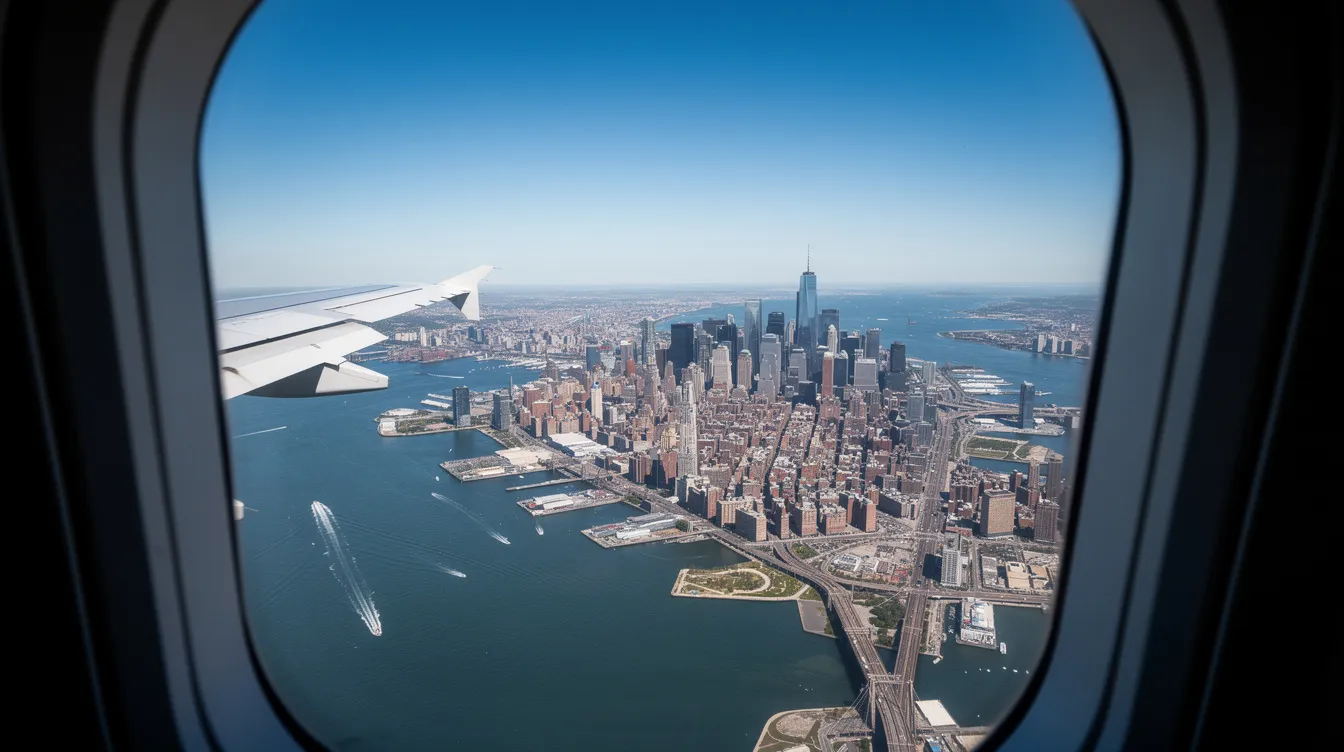
Most nonstop London flights leave from JFK or Newark Liberty International Airport (EWR). New York has three major airports: JFK, EWR, and LGA, though LaGuardia does not operate transatlantic nonstops.
JFK is the primary hub for transatlantic commercial London flights. Five airlines fly nonstop from JFK to Heathrow, and JFK offers the most nonstop flights to London airports overall. Six airlines operate nonstop flights from New York to London across both JFK and EWR. Major carriers include American Airlines, British Airways, and others running late afternoon and evening departures. JFK sits 16 miles from Midtown Manhattan, making it closer for travelers in Brooklyn, Queens, and Long Island. Airline competition on JFK routes is strong, with fares spanning economy to lie-flat business class, and comparing prices across airlines and nearby airport options can save money on this route. JetBlue Mint offers private suites on nonstop flights from JFK to London, a budget option relative to legacy carriers' premium cabins.
Newark Liberty International Airport is often easier for passengers from Manhattan's west side and northern New Jersey. EWR is 11 miles from Midtown Manhattan, making it the closer airport for many NYC-based travelers. Two airlines operate nonstop flights from Newark to Heathrow. British Airways serves both JFK and Newark to London, giving travelers on either side of the Hudson River a direct option.
Private jet users can depart from dedicated terminals at both JFK and Newark, or from Teterboro (TEB) in New Jersey and Westchester County (HPN), depending on aircraft and routing available through Jettly's private charter aircraft network.
Heathrow Airport (LHR) is the main long-haul hub for London flights, handling most arrivals from New York in dense morning banks between 6:00 a.m. and 9:00 a.m. local time.
London has six major airports: LHR, LGW, STN, LTN, SEN, and LCY. Gatwick Airport (LGW) sometimes handles New York-area flights, but with fewer nonstop options. Ground transport trade-offs differ by airport.
Heathrow offers multiple connections to central London:
Elizabeth line: approximately 35 to 40 minutes to central London
Heathrow Express: approximately 15 minutes to Paddington
Standard Underground: approximately 45 minutes depending on destination
A practical example: landing at 7:00 a.m., clearing customs and immigration in 30 to 45 minutes, and catching the Heathrow Express puts a traveler near the Thames River and central London by roughly 8:15 a.m., in time for a walk to a 9:00 a.m. or 10:00 a.m. meeting.
Private jets may arrive at business aviation terminals at Heathrow, Farnborough, Biggin Hill, or Luton. These terminals handle customs and immigration faster because of smaller passenger volumes. A traveler landing at Farnborough at 7:00 a.m. can be in central London by 8:00 a.m. with a pre-arranged car, saving time relative to the commercial Heathrow experience. For more about where private jets can land, airport access as well as flights to London, England, and airport selection, Jettly's complete guide covers arrival logistics in detail.
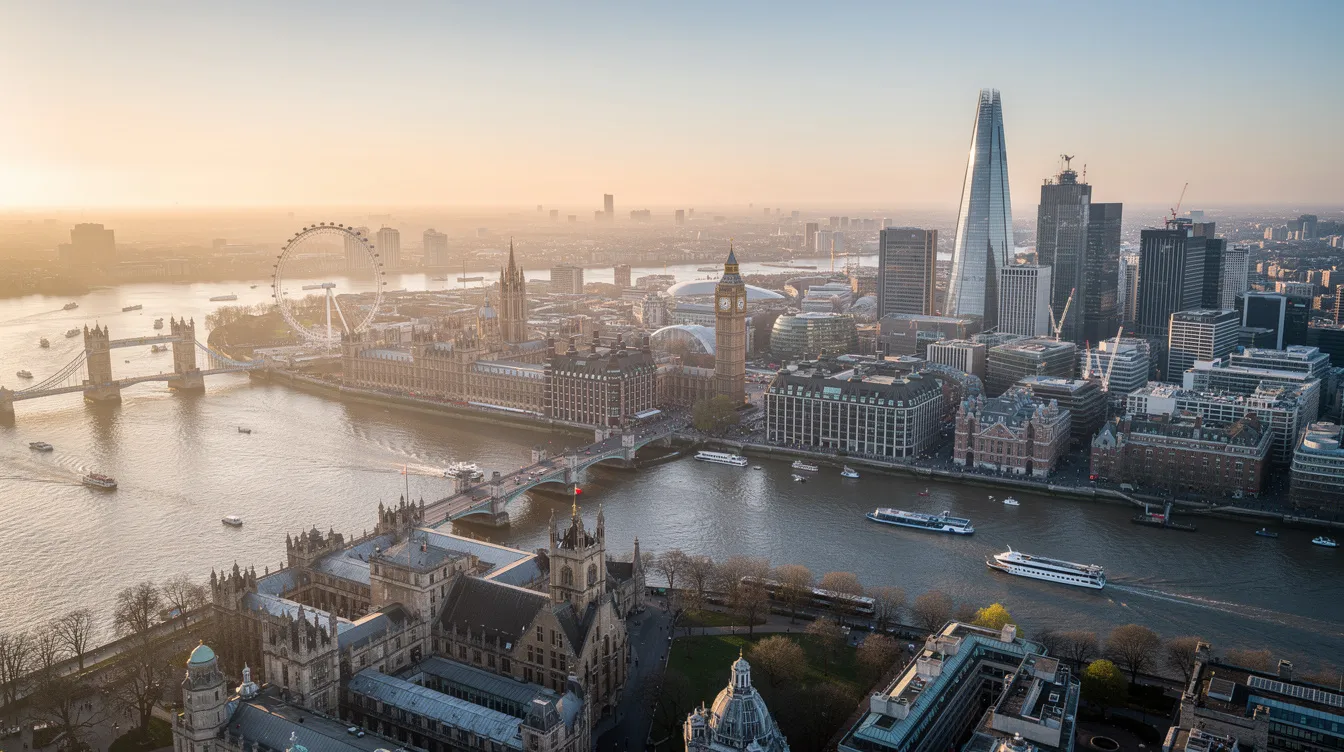
Aircraft type does not drastically change scheduled flight time on the New York to London route, but it shapes comfort, sleep quality, and productivity during those 7 hours.
For commercial flights, common widebody models include the Boeing 777, Boeing 787, and Airbus A350. Business class on these planes typically offers lie-flat seats and quieter cabins. Passengers in premium economy or business class on overnight flights often arrive more rested, making jet lag easier to manage. Noise-canceling headphones are standard gear for frequent flyers trying to sleep on these red-eye departures.
JetBlue Mint offers private suites on JFK flights to London, providing a lie-flat bed, a closing door, and competitive fares compared to legacy carriers' first class.
For private jets that can fly to Europe nonstop, heavy and ultra-long-range models (Gulfstream G650ER, Bombardier Global 7500, Dassault Falcon 8X) cover the distance with range to spare. Super-midsize jets like the Praetor 500E can sometimes make the crossing nonstop under ideal conditions but may face payload or wind constraints. Light jets and most midsize jets require a fuel stop, typically in eastern Canada or Iceland, and anyone planning global itineraries should understand how private jets fly internationally, including permits, customs, and overwater rules.
On Jettly's marketplace, travelers can compare different jet sizes, range capabilities, and typical flight times before booking, filtering by cabin features, speed, and whether the plane can complete the route nonstop.
London is usually five hours ahead of New York. An evening departure typically results in a next-morning arrival local time, which is why overnight flights dominate this route's schedule.
During a few weeks in March and October, the US and UK switch daylight saving time on different dates. The time difference temporarily compresses to four hours during these transition windows. Double-check time zones during these periods when planning conference calls, ground transportation, or same-day connections beyond London.
A concrete example: a 7:00 p.m. departure from JFK or Newark lands around 7:00 a.m. to 8:00 a.m. in London. That gives travelers enough time to clear the airport and reach central London for a 10:00 a.m. meeting, assuming efficient rail or car transfer.
Jettly's booking interface displays departure and arrival times in local time zones, which helps frequent flyers coordinate across multiple cities without manual conversion, and can be paired with private jet tracking tools for real-time operational awareness.
Crossing five time zones overnight creates jet lag, especially on a short 6.5-to-7-hour flight that leaves limited time for a full night of sleep. Eastward travel tends to produce worse jet lag than westbound, because the body's clock has to advance rather than delay.
Pre-flight strategies:
Adjust sleep and meal times a day or two before departure toward UK time, especially for important next-day commitments
Eat dinner earlier than usual the night of departure
In-flight strategies:
Eat lightly and avoid heavy alcohol use
Stay hydrated throughout the flight
Try to sleep soon after reaching cruising altitude
Arrival-day tactics:
Get natural daylight as early as possible after landing
Walk outside rather than sitting in a dark hotel room
Time caffeine carefully; avoid it after early afternoon London time
A short 20- to 30-minute nap is fine after landing, but longer daytime naps can make it harder to sleep at night
Private jet cabins with flat sleeping surfaces, custom departure times, and quieter environments can make it easier to rest properly during the crossing. Tailored in-flight catering for private jets also helps travelers eat on their new time zone and avoid heavy meals that worsen jet lag. For more tips, Jettly's guide on managing jet lag on long flights covers recovery strategies in depth.
Jettly is a digital charter broker, not an airline. The platform gives travelers access to over 20,000 aircraft operated by certified third-party carriers for routes like New York to London.
The on-demand booking flow works like this:
Enter the route (e.g., "New York to London"), select dates and preferred departure time
Compare aircraft types, estimated flight times, and cabin features
Review transparent pricing, including fees and taxes
Confirm the charter and coordinate ground details
Memberships add price predictability for frequent flyers who travel between New York and London regularly for business or family reasons. Jettly's range of private jet memberships offers options from basic access to higher-tier plans with additional perks. Benefits specific to this route include the ability to choose exact departure windows, select preferred FBOs at JFK or Newark Liberty International Airport, and coordinate ground transportation and in-flight catering through the platform.
All flights are operated by properly certified air carriers. Safety, regulatory compliance, and aircraft suitability (range, payload, runway requirements) are core parts of Jettly's matching process, which fits into the broader landscape of charter airlines and private operators. Learn more about how to book a private jet and what the process involves from first quote to boarding.
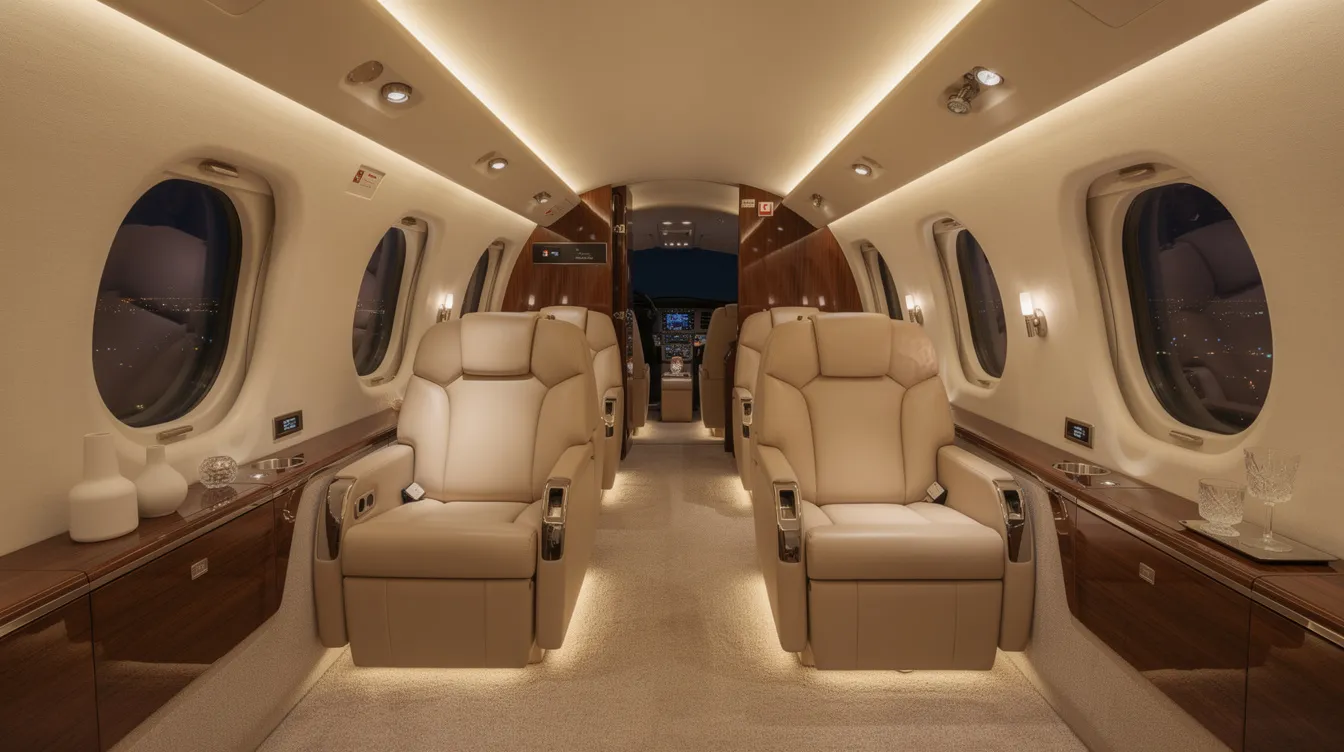
The "best" departure time depends on purpose: board meetings, connecting travel, family vacations, or short weekend stays.
For business travelers: Classic overnight departures between 7:00 p.m. and 9:00 p.m. land early morning in London. Schedule meetings no earlier than late morning to allow for transit and a quick refresh. A CEO leaving Newark at 9:00 p.m. lands around 9:00 a.m. London time, clears customs by 9:45 a.m., and can reach a 10:30 a.m. board meeting in the City with time to spare.
For leisure travelers: Consider slightly earlier evening departures, or even daytime flights on weekends in February or October when fares dip due to lower competition. Arriving in the early evening London time lets families eat dinner and sleep immediately, reducing first-day fatigue.
For private charter: Travelers can shift departure times by hours or even days more easily than with fixed commercial schedules. A family might arrange a late-morning private departure to arrive in London late evening and go straight to sleep, or even explore crowdsourced and shared private jet flights to reduce costs while keeping schedule flexibility. Jettly's flight timing guide covers how departure windows affect rest and productivity on long routes.
These FAQs address common questions not fully covered above, with concise answers for quick reference.
Actual flying time is often similar: many long-range private jets and widebody airliners complete the route in roughly 6 to 7 hours eastbound under normal conditions.
Time savings come from the ground side. Private flyers can cut 1 to 2 hours per leg by arriving closer to departure time, using smaller terminals, and avoiding long boarding queues.
Private jets also reduce waiting caused by missed connections, rigid airline schedules, or long layovers when traveling beyond London.
Jettly's platform shows estimated flight durations for each aircraft option, so travelers can see both airborne time and approximate door-to-door gain while also reviewing affordable private jet charter cost guidance for the route.
True light jets and many midsize jets do not have the range to fly New York to London nonstop with standard passenger and baggage loads.
Most nonstop private charters on this route use super-midsize or heavy jets with transatlantic range and appropriate safety margins, and those evaluating different options should understand how much a private jet costs to own or charter.
Some operators offer one-stop routes via eastern Canada or Iceland for smaller aircraft, adding time for refueling but potentially lowering the charter price, especially if you get a seat on a private jet through group bookings or empty-leg opportunities.
Jettly users can filter aircraft by range and see whether a given jet can complete the route nonstop before booking.
For commercial flights, arrive 2 to 3 hours before departure at JFK or Newark Liberty International Airport, especially during busy evening banks or holiday periods.
For private flights, many operators advise arriving 20 to 45 minutes before departure, since security and boarding are handled at private terminals with free parking and lounge access.
Travelers with checked luggage, pets, or larger groups should allow extra buffer time regardless of travel type.
Confirm exact arrival guidance with the airline or the charter representative listed within Jettly's booking details.
Seasonal jet stream strength does change average flight times. In winter, eastbound flights can be noticeably faster and westbound flights slower.
Typical schedule differences are on the order of 20 to 60 minutes, not hours, so most travelers plan around published times rather than seasonal variations.
Winter weather in New York or London can create occasional delays from de-icing, low visibility, or strong crosswinds, separate from jet stream effects.
Travelers with time-critical meetings should build in a buffer or consider private charter flexibility via Jettly for high-stakes trips, particularly if they are comparing Jettly as a NetJets alternative for flying private.
For commercial options, airline websites and flight aggregators show schedules, cabin classes, and typical block times.
Private flyers can visit https://www.jettly.com to enter "New York to London," view available aircraft, and see estimated flight durations and pricing in real time, or explore partner operators like Dexter Air Taxi private jet services available through the platform.
Frequent travelers should compare total travel time, including airport access, security, and ground transport, rather than only the airborne portion when deciding between commercial and private options.
Ready to experience private travel on your terms? Explore flight options or request a quote at https://www.jettly.com, and if you are weighing aircraft choices beyond this route, see Jettly's guide to finding the best cross-country plane for your travel.
The flight time from NY to London is usually about 6.5 to 7.5 hours eastbound, with jet stream conditions, airport choice, and aircraft affecting the exact schedule. The return flight typically takes longer, while connecting itineraries can add several hours. For most travelers, total door-to-door time matters as much as time in the air.
Commercial flights offer frequent nonstop options from JFK and Newark to Heathrow. Private charter can provide a more flexible departure, access to private terminals, and aircraft choices suited to the trip, though the aircraft must have the range and payload capacity for a nonstop crossing. Jettly is a charter broker connecting travelers with properly certified third-party carriers; its platform lets users compare available aircraft, estimated flight times, and pricing, with membership options for more predictable costs.
Ready to plan your trip? Explore Jettly’s aircraft options or request a quote at https://www.jettly.com.
Share this post:
Jay Franco Serevilla
Nov 15, 2026
|
5
min read
Discover tips and trends in the industry.
5
min read
Flight Time From NY to London: What to Expect on Commercial and Private Jets
The flight time from New York to London typically ranges from 6.5 to 7.5 hours for commercial flights, while private jets can complete the journey in about 6 to 7 hours. Factors such as jet stream conditions, airport choice, and aircraft type significantly influence travel times. This guide provides insights into optimizing your trip, whether flying commercially or privately.
Read More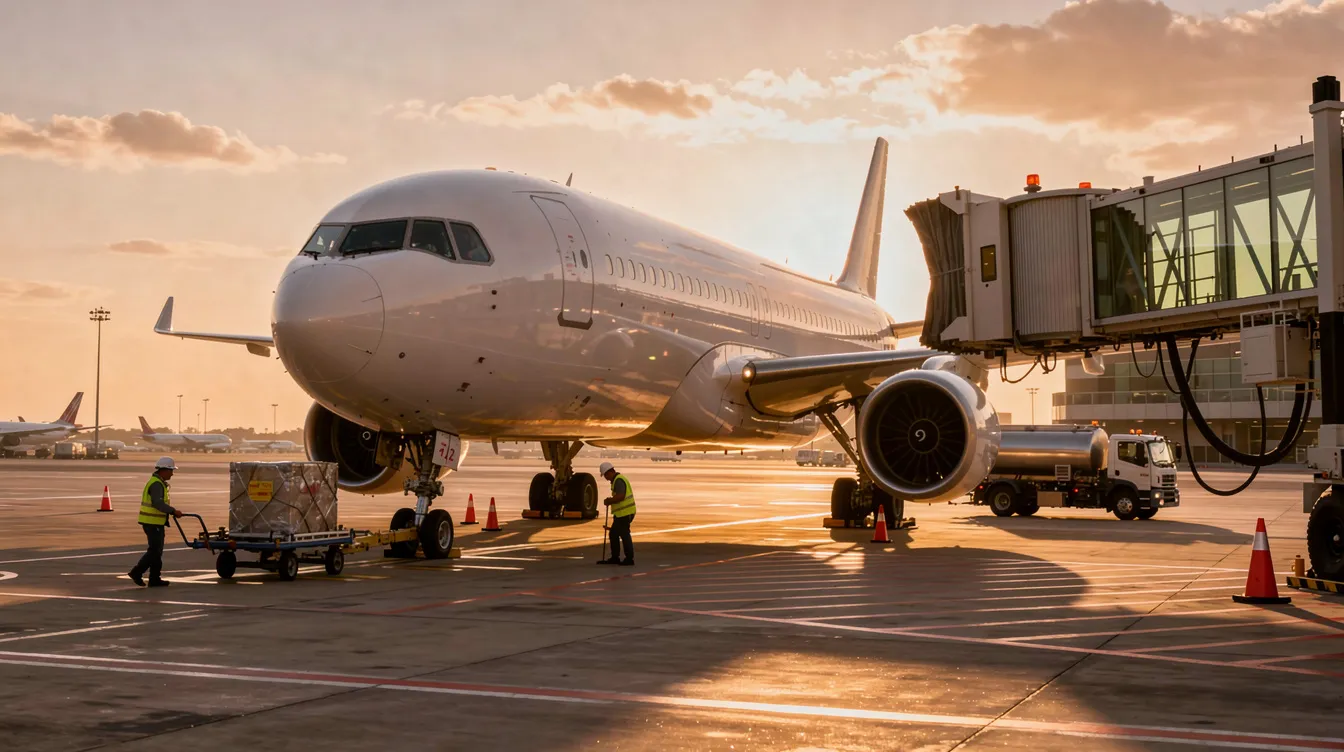
5
min read
How Far in Advance Should I Book a Flight? (Private & Commercial)
Understanding how far in advance to book a flight is crucial for travelers. For commercial flights, the ideal booking window is typically 1 to 3 months ahead, while private jet charters can often be arranged closer to departure. Factors like destination, seasonality, and route type significantly influence the best time to secure your tickets.
Read MoreStay updated with our latest insights and tips to elevate your journey with us.
MEMBERSHIPS AND ASSOCIATIONS



© 2026 Jettly Inc. All rights reserved.
Disclaimer: Jettly operates as a charter broker, offering access to a global digital jet charter marketplace. Jettly is not a direct air carrier and does not own or operate aircraft. All advertised flights are conducted by third-party air carriers that are fully licensed and hold the appropriate Part 135 or Part 121 certifications issued by the Federal Aviation Administration (FAA) or equivalent regulatory authorities under U.S. or foreign law. Jettly complies fully with the U.S. Department of Transportation's Part 295 and Part 298 Charter Broker regulations. Jettly does not carry additional liability insurance. Passengers are covered by aircraft operator insurance. TICO: 50023770


