



Login
Get Instant Pricing On 23,000+ Aircraft

>
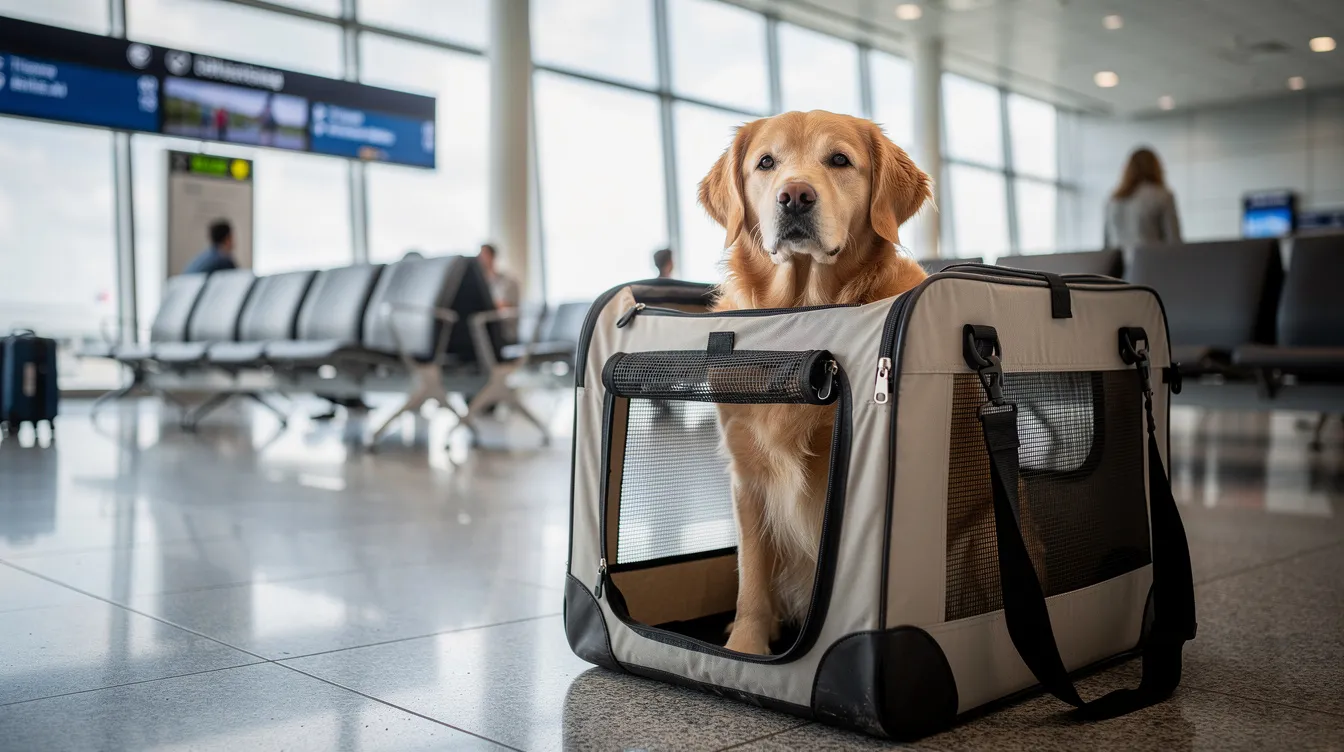
Flying with your dog in 2026 is entirely possible — but airline pet policies, health requirements, and the choice between cabin, cargo hold, and private jet travel make planning essential. This complete guide covers everything pet owners need to know, from choosing the best airline to packing the right carrier and calming aids.
Most airlines allow only small pets to fly in the cabin, with in-cabin fees typically ranging from $100 to $200. Larger dogs usually travel in the cargo hold or by private charter.
Alaska Airlines is widely considered the most pet-friendly airline in the U.S., while American Airlines charges $125 for in-cabin pets and Delta Airlines charges $75 to $200 depending on location.
Brachycephalic breeds such as French Bulldogs and pugs face stricter airline policies and higher respiratory risks, making short, non-stop domestic flights or private jets a safer choice.
A health certificate must be issued within 10 days of travel by a USDA-accredited vet, and dogs must be at least 8 weeks old to travel by air.
Jettly is a digital private jet charter marketplace offering access to over 20,000 unique aircraft where dogs of almost any size can stay in the cabin, bypassing many commercial airline restrictions.
Air travel is not right for every dog. Before booking any flight, consider your pup's age, health conditions, temperament, and how long the trip will be.
Common stressors include engine noise, confined carriers, air pressure changes during climb and descent, unfamiliar animals and people, and long periods without bathroom breaks. Dogs that are seniors (10+ years), very young puppies under 8 weeks, or those with heart or lung disease face higher risk.
Brachycephalic breeds — French Bulldogs, pugs, Bulldogs, Boxers — deserve special attention. Their flat-faced anatomy makes breathing and temperature regulation harder. Brachycephalic breeds are often restricted from flying in the cargo hold entirely, and they face higher respiratory risks during flights even in the cabin.
Most airlines require dogs to be at least 8 weeks old for domestic flights. For international flights entering the U.S. under 2024–2026 CDC rules, dogs must be at least six months old.
Schedule a vet visit 10–30 days before travel. Your veterinarian can review vaccinations, assess whether your dog should fly, and issue the required health certificate. If your dog should not fly commercially, consider reputable ground transport, driving, or a private jet charter where the dog stays in a climate-controlled cabin.
There are three main ways a dog can board a plane:
In-cabin - The pet's carrier fits under the seat in front of you. Combined dog-plus-carrier weight limits hover around 15–20 lbs on many airlines. The dog must stay in an airline-approved carrier for the full flight.
Cargo hold - Larger dogs travel in a pressurized, climate-controlled compartment below the passenger cabin. Cargo holds can expose pets to discomfort and respiratory distress due to extra handling, noise, and temperature swings during ground loading. Cargo transport costs can exceed $1,000 depending on size and route.
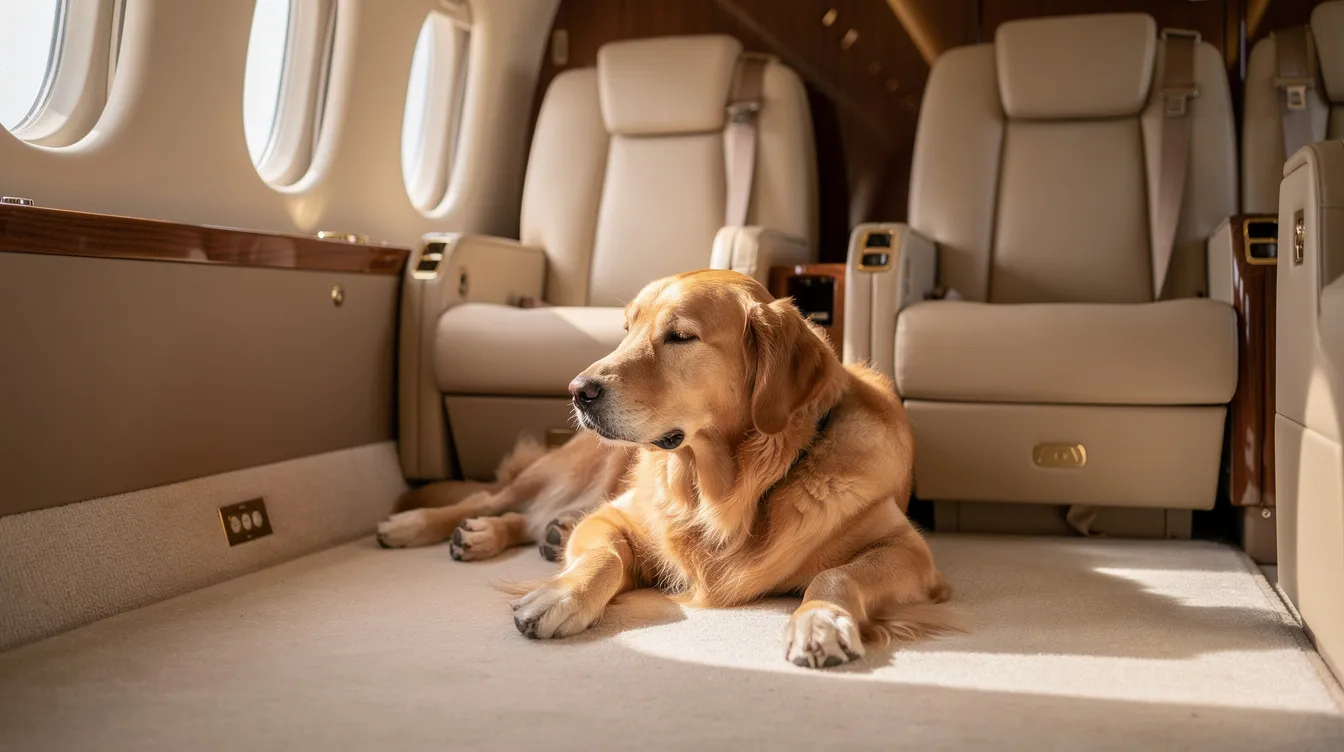
Private jet - Dogs of almost any size stay in the main cabin with their owner, board from private terminals, and avoid conveyor belts and crowded boarding areas.
Several airlines have reduced or eliminated checked-baggage pet options for the general public, shifting to dedicated cargo programs. Only three airlines currently allow pets in cargo on domestic flights.
With private charter aircraft options, travelers can select aircraft size to fit their dog comfortably, choose direct routes, and schedule departure times that match the dog's routine. The cost is higher, but pet owners gain maximum comfort and control over their furry friend's experience.
Airline policies change frequently. As of late 2026, passengers must check each carrier's rules before purchasing any ticket.
Common elements across airline pet policies include:
Breed restrictions for snub-nosed (flat-faced) dogs in cargo
Limits on the number of one carrier pet spots per flight
Health certificate and vaccination date requirements
Weather embargoes when ground temperatures fall outside safe ranges
U.S. carriers typically require a health certificate issued within 10 days of departure for cargo pets and sometimes for in-cabin dogs, plus proof of rabies vaccination. Dogs must be vaccinated no more than 21 days before travel.
CDC, USDA, and DOT regulations interact with airline policies — especially for international arrivals. The CDC dog import form, updated in 2026, applies to all dogs entering the U.S. regardless of which airline is used.
Many airlines do not allow sedated animals to fly. Most airline policies warn against tranquilizers because sedation alters blood pressure and breathing. Psychiatric service dogs still have cabin access protections, while emotional support animals are now treated as standard pets.
Finding the best airline for your dog depends on route, aircraft, and your dog's size — not just brand reputation. Here is how major U.S. carriers stand in 2026:
|
Airline |
In-Cabin Fee |
Cargo Option |
Notes |
|---|---|---|---|
|
Alaska Airlines |
~$100 each way |
Yes (baggage compartment ~$200) |
Most pet-friendly airline in the U.S.; breed ban in cargo for brachycephalic dogs since Oct 2026 |
|
American Airlines |
$125 each way |
Limited/suspended for general public |
American Airlines charges $125 for pets traveling in the cabin |
|
Delta |
$75–$200 (location dependent) |
Via Delta Cargo only |
Checked-baggage pets reserved for military; Delta Airlines charges $75 to $200 for pet travel |
|
Hawaiian Airlines |
$125 cabin / $225 cargo |
Yes, cabin and cargo |
Hawaiian Airlines allows pets in both cabin and cargo |
|
JetBlue |
$125 each way |
No cargo |
JetBlue charges $125 for each pet traveling in the cabin |
|
Southwest |
$95 each way |
No cargo |
Southwest Airlines allows pets only in the cabin, not cargo |
French Bulldogs, pugs, and other brachycephalic breeds face the strictest rules at most of these airlines, especially for cargo hold travel. Some carriers ban them from cargo entirely.
For travelers who need flexibility beyond what other airlines offer, private jet charter through platforms like Jettly removes the competition for limited pet slots and lets owners design the trip around their dog's needs.
Safety planning for a dog flight experience goes beyond buying a ticket. Owners must address medical readiness, ear comfort, hydration, and stress management.
Pre-flight veterinary checklist:
Physical exam covering heart, lungs, and joints
Updated vaccinations (rabies and core vaccines)
Parasite prevention
Obtain a health certificate from a USDA-accredited vet
Certificate of Veterinary Inspection for cargo or international travel
Consider using calming aids like chews containing L-theanine or tryptophan, pheromone sprays, or anxiety wraps during the flight. Any medication must be vet-approved. Sedatives are generally discouraged - especially in the cargo hold - because they impair the dog's ability to balance and regulate breathing.
Temperature rules for cargo:
Most airlines accept pets when ground temps are between roughly 45°F and 85°F
Bans typically apply below ~20°F or above ~95°F
Extra restrictions for snub-nosed breeds above ~75°F
In-cabin travel on modern jets is generally safe with proper preparation. Cargo hold introduces more variables. Private jets reduce handling and keep dogs in the same environment as the passenger. For more on managing pet comfort in-flight, see tips for bringing pets on private jets.
Start preparing at least 30 days before your departure date.
Choosing a carrier or kennel:
Must be airline-approved with ventilation on multiple sides
Dog must be able to stand, turn, and lie down comfortably
Soft-sided carriers for in-cabin travel (fits under the seat); hard-sided crates for cargo
Typical under-seat dimensions: approximately 18" L × 11" W × 11" H
Familiarize your dog with the carrier weeks before travel. Feed meals inside, take short car rides, and gradually increase duration. This is essential for reducing stress on flight day.
Pre-flight checklist:
Confirm airline pet reservation and verify airline policies one week before
Print health certificate and vaccine proof
Label the carrier with "Live Animal," directional arrows, and your contact info
Pack a leash, spare collar, pee pads, wipes, collapsible water bowl, and a small portion of regular food
Day-of-travel routine:
Arrive 90–180 minutes early
Exercise your dog before the flight to reduce anxiety — a long walk helps burn energy
Offer water but skip large meals
Keep the dog leashed and calm through security; remove from carrier for TSA screening if required
Choose non-stop flights whenever possible. Avoid tight layovers, and locate pet relief areas at connecting airports. Monitor your dog closely for signs of stress or heat after landing at your destination.
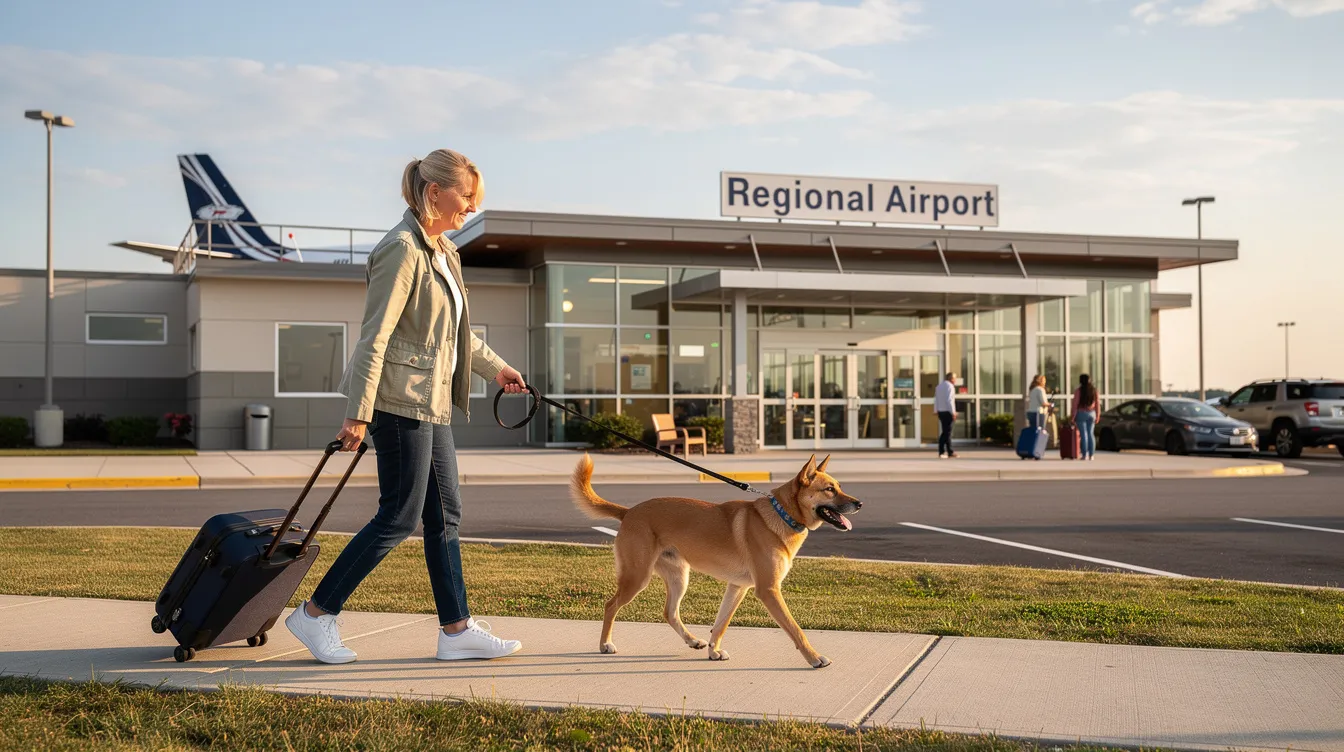
For owners who fly frequently, travel with larger dogs, or have at-risk breeds like French Bulldogs, private jet charter can simplify flying with your dog dramatically, while resources that explain how to keep private jet charter costs affordable help you understand the budget implications. High-net-worth individuals increasingly prefer on-demand private jet services over traditional ownership models — and resources like guides to private and charter airlines highlight how pet travel has become a major reason for this shift.
Private aviation allows for more direct airport access compared to commercial airlines, and an airport locator tool for private flights can help you identify convenient departure and arrival points. Dogs board from private terminals (FBOs), skip public security lines, and avoid long waits in crowded boarding areas. Frequent flyers prioritize convenience, flexibility, and luxury in private jet travel, and structured solutions like world-class corporate jet card programs support that demand, while having a dog ride comfortably beside you in the cabin delivers on all three.
Jettly is a charter broker and digital marketplace — not an operator — giving customers access to over 20,000 unique aircraft globally. Digital booking platforms enhance accessibility to private aviation services, and the private jet charter cost estimator within the private jet charter marketplace provides instant pricing and booking options. Jet charter services include integrated in-flight catering for private jets, so both you and your furry friend can eat comfortably in the air.
Flight safety and operator regulations are critical in the private jet charter industry. Flights are operated by properly certified third-party carriers, ensuring compliance with FAA standards and, for international flights, IATA Live Animal Regulations; specialized operators like Dexter Air Taxi private jet services illustrate how these standards are applied in practice.
On many private flights, especially for members enrolled in private jet membership programs, multiple dogs or larger breeds can travel together in the cabin without strict weight or crate limits. Owners can bypass cargo entirely — especially valuable when airline policies ban dogs from the cargo hold due to temperature, route, or breed restrictions.
For empty leg deals on pet-friendly routes or crowdsourcing private jet flights and sharing empty seats, travelers can sometimes pay significantly less while still giving their dog a stress-free cabin experience.
Ready to fly with your furry friend on your terms? Explore pet-friendly flight options or request a quote at https://www.jettly.com.
These questions address specific, practical concerns that come up once pet owners start planning real trips with their dogs.
Most major U.S. airlines allow small dogs to fly in the cabin if the dog and carrier meet strict size and weight limits, but not every aircraft type or route permits cabin pets. Airlines cap in-cabin pets per flight - often 4–6 in economy - so reserve a pet spot as soon as you book your own ticket. Large dogs almost never fly in the cabin on commercial flights unless they are trained service animals. For non-service larger dogs, private jet charter is the realistic option. Cats and rabbits may also be allowed in-cabin on some airlines, though rules vary by carrier.
Book at least 3–4 weeks ahead for popular domestic flights and 6–8 weeks for international flights, since pet slots fill faster than human seats. Schedule your vet visit 10–30 days before departure to secure a health certificate dated within airline time windows. Private charters can often be arranged within 24–48 hours, though pet-friendly aircraft may be limited during busy travel periods.
For many healthy, well-adjusted medium and large dogs, a direct cargo hold flight on a reputable airline can be acceptable — though it carries more stress than cabin travel. Long road trips allow more bathroom breaks, food and water access, and close supervision, which may be kinder for anxious dogs or those with health conditions. Compare total travel time, weather at your destination, and your dog's personality: a 6-hour drive might beat cargo, while a 3,000-mile journey may be more realistic by air.
International trips typically require a microchip, updated rabies vaccinations, a country-specific health certificate, and sometimes blood tests like rabies antibody titers (FAVN) completed months in advance. Check both your airline's requirements and the destination country's government website, as rules vary between the EU, UK, Hawaii, and other countries. Re-entering the U.S. requires a CDC dog import form and meeting age and microchip rules as of 2026.
Travelers can visit Jettly's website to input their route, date, passenger count, and note that a dog will be traveling. The platform returns instant charter pricing from multiple pet-friendly aircraft operators, letting you compare aircraft size, baggage allowances, and total cost. Explore flight options or request a custom quote for dog-friendly private travel at https://www.jettly.com.
Flights with dogs require more than choosing a route: owners should check current airline and destination rules, confirm veterinary paperwork, and match the travel option to their dog’s size, health, and temperament. For small dogs, a commercial cabin flight may work if the carrier meets the airline’s limits. For larger dogs or owners seeking more control over the schedule and cabin experience, a private charter may be worth considering.
Jettly is a charter broker that connects travelers with aircraft operated by properly certified third-party carriers. Its marketplace provides access to more than 20,000 aircraft and an instant-quote workflow for comparing available options. Ready to plan flights with dogs? Explore pet-friendly flights or request a quote at https://www.jettly.com.
Share this post:
Jay Franco Serevilla
Nov 20, 2026
|
5
min read
Discover tips and trends in the industry.
5
min read
How to Find Empty Seats on Private Jets: A Practical Guide to Empty Legs with Jettly
Finding empty seats on private jets is easier than it seems, primarily through discounted empty leg flights. These repositioning flights can save travelers 25% to 75% compared to standard charter rates, making private travel more accessible. This guide outlines how to locate these flights, what to consider before booking, and when they are most beneficial for your travel needs.
Read More
5
min read
Victor Empty Legs vs. Jettly Empty Leg Flights: How to Find the Best Deals
This guide compares Victor and Jettly empty leg flights, highlighting how travelers can save significantly on private jet travel. While both platforms offer discounted repositioning flights, they differ in geographic coverage and pricing workflows. Flexibility in travel plans can lead to substantial savings, making empty legs an attractive option for those willing to adapt their schedules.
Read MoreStay updated with our latest insights and tips to elevate your journey with us.
MEMBERSHIPS AND ASSOCIATIONS



© 2026 Jettly Inc. All rights reserved.
Disclaimer: Jettly operates as a charter broker, offering access to a global digital jet charter marketplace. Jettly is not a direct air carrier and does not own or operate aircraft. All advertised flights are conducted by third-party air carriers that are fully licensed and hold the appropriate Part 135 or Part 121 certifications issued by the Federal Aviation Administration (FAA) or equivalent regulatory authorities under U.S. or foreign law. Jettly complies fully with the U.S. Department of Transportation's Part 295 and Part 298 Charter Broker regulations. Jettly does not carry additional liability insurance. Passengers are covered by aircraft operator insurance. TICO: 50023770


