


Login
Get Instant Pricing On 23,000+ Aircraft

>
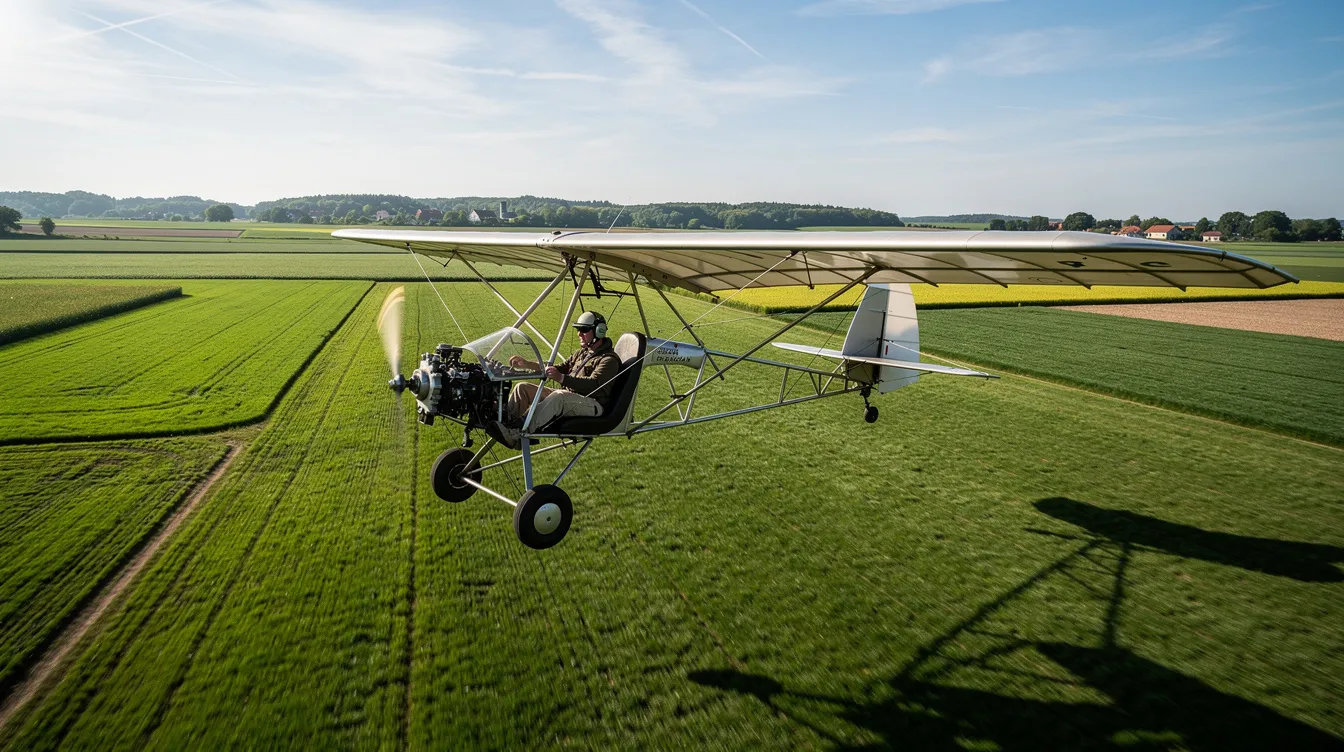
The Ison Airbike ultralight is a unique, minimalist aircraft that has captured the imagination of pilots, prospective builders, and aviation enthusiasts alike. This article provides a comprehensive guide to the Ison Airbike, covering its history, design, regulatory context, flying experience, and how it fits into the broader aviation landscape. Whether you're considering building your own Airbike, curious about ultralight flying, or simply fascinated by innovative aircraft, this guide is for you.
An ultralight, as defined by FAA Part 103, is a lightweight, single-seat aircraft with strict limits on weight (254 lb empty), fuel capacity (5 gallons), and speed (55 knots max, 24 knots stall). These regulations allow pilots to fly without a license or registration, making ultralights an accessible entry point into aviation. The Ison Airbike stands out for its minimalist, open-frame design, providing pilots with an open-air experience and external rudder pedals that enhance its motorcycle-like feel. This distinctive configuration has earned it the nickname "motorcycle of the air," as pilots sit in a saddle seat with their feet on external pedals, enjoying an unobstructed view and a direct connection to the sky.
The Ison Airbike ultralight is a minimalist air bike conceived by Wayne Ison through TEAM Aircraft in the 1990s, built around a narrow open-frame fuselage that has earned a loyal following among Part 103 and experimental builders across the USA.
Empty weight and fuel capacity determine whether an Airbike qualifies as a legal Part 103 ultralight (254 lb max, 5 gallons of fuel) or must register as an experimental amateur-built aircraft.
Classic Airbike configurations use two-stroke engines like the Rotax 447 or the Hirth 2702 engine with 40 hp, achieving a cruise speed ranging from 45 to 60 mph on sub-two-hour legs.
The stall speed of the Ison Airbike is under 28 mph, and the airplane has been described as the motorcycle of the air due to its open-cockpit, saddle-seat design.
The Ison Airbike features a conventional tailwheel configuration, a welded 4130 chrome-moly steel tube fuselage combined with a wood wing structure, and a wingspan of approximately 26.75 feet.
The Airbike is economical and straightforward to build from plans using basic woodworking and minimal shop tools.
While Jettly focuses on private jet charter at the opposite end of the aviation spectrum, the Airbike illustrates how different aircraft serve entirely different missions—from fun weekend flying to time-sensitive business travel.
Wayne Ison developed the Airbike design in the early 1990s under Tennessee Engineering and Manufacturing, known as TEAM Aircraft. The company introduced this strut-braced, open-cockpit plane as a kit and plans-built project aimed at pilots who wanted the simplest possible way into flying and into the sky. The Ison Airbike features a welded 4130 chrome-moly steel tube fuselage combined with a wood wing structure, fabric covering, and sub-kits for controls, landing gear, and hardware assembly.
After trademark disputes in the early 2000s, the design transitioned from TEAM Aircraft to Ison Aircraft. Building plans and components for the Airbike have been distributed over the years, and today Jordan Lake Aero supplies plan sets, parts, and sub-kits to keep the lineage alive.
The first flight of one well-documented Ison Airbike build occurred in spring 2002, after construction that began in spring 2000—roughly 850 hours of work for a diligent homebuilder.
By December 1998, 127 single-seaters were flying, most as unregistered ultralights, along with 23 tandem configurations.
In July 2009, 45 Airbikes were registered in the USA as experimental or light sport aircraft.
Many Airbikes still in the air today are original TEAM or Ison examples, plan-built derivatives, or custom ultralights styled on the same open-frame concept.
With this background, let's explore the unique design features that set the Airbike apart.
The Ison Airbike features a narrow fuselage that provides an open-air experience for the pilot. The design allows the pilot's feet to rest on external rudder pedals, with the heel area left naturally supported to enhance the motorcycle-like feel. A high parasol wing with a wingspan of approximately 26.75 ft sits above the seat, and the Ison Airbike has a conventional tailwheel configuration with sprung main gear.
Under U.S. FAR Part 103, a powered ultralight must not exceed 254 lb empty weight, 5 gallons of fuel, 55 knots top speed, or a 24-knot stall speed. The Airbike can carry up to 5 gallons of fuel in a single tank for Part 103 compliance, while experimental builds often run two wing tanks totaling around 10 gallons.
Empty weight: approximately 315 pounds in a common configuration; original empty weight about 345 pounds with heavier equipment—both above the Part 103 threshold.
Gross weight: 560 pounds, leaving roughly 245 lb of useful load for pilot and light baggage.
Cruise speed: 60 mph for travel.
Maximum speed: approximately 80 mph.
Stall speed: under 28 mph.
Practical endurance: 1.5 to 2 hours.
Forgiving stall behavior, allowing a gentle controllable descent rather than a sharp break.
Range: approximately 115 to 180 miles depending on setup.
Optional folding wings for easier transport and storage.
Now that we've covered the Airbike's structure and performance, let's look at how engine choices and modifications affect its capabilities.
Engine choice on an Ison Airbike ultralight directly shapes performance, empty weight, and which regulatory board the aircraft falls under.
The Rotax 447 (around 40 hp) and Hirth 2702 (about 40 hp) are the most common two-stroke powerplants, paired with reduction drives and propellers in the low-60-inch range. The typical fuel consumption for the Airbike is about 2.5 gallons per hour at cruise, and these combinations have supported long cross-country flight legs when properly maintained. Some owners now attempt compact 30–40 hp four-stroke engines for smoother operation and better fuel burn, though the weight penalty pushes the plane further from Part 103.
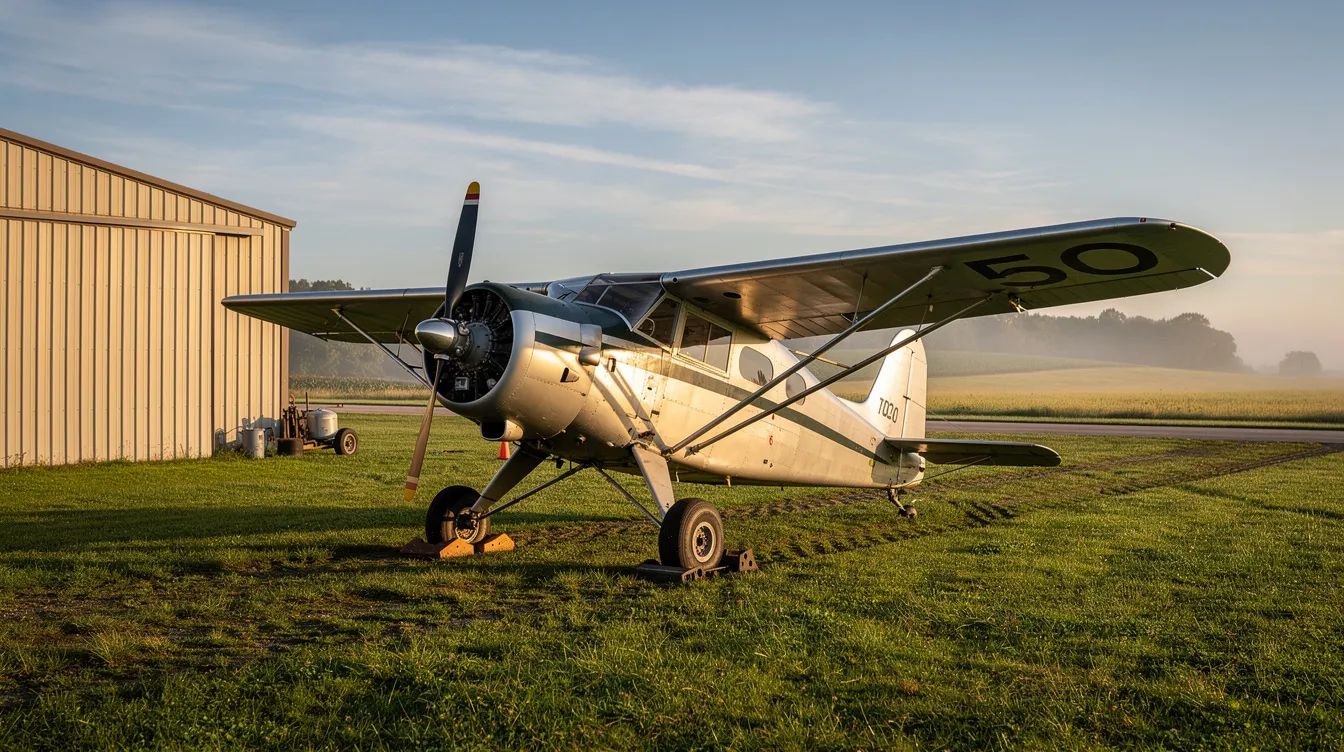
The construction of the Airbike relies on basic woodworking and minimal shop tools, making it economical and straightforward to build from plans—a fair bit closer to a weekend shop project than a factory assembly line. Common owner modifications include upgraded tailwheels for rough-field durability (sometimes reverted to save weight), improved rudder pedal ergonomics, custom exhaust mounting with welded tabs, and stripped-down instrument panels carrying only a tach, altimeter, and airspeed indicator. Paint is often kept to a minimum for the same reason.
Each accessory nudges empty weight higher. Brakes, wheelpants, or a starter system can be the difference between staying within the ultralight order and registering as experimental.
With a clear understanding of the Airbike's build and modification options, it's important to know how regulations affect your flying experience.
Part 103 keeps things simple: single seat, empty weight no more than 254 lb, fuel capacity no more than 5 gallons, top speed 55 knots, and stall speed 24 knots or less. No pilot certificate, no registration, no airworthiness certification required. Many air bike machines flying under Part 103 achieve compliance through bare-bones instrumentation, lighter engines, and minimal finish work.
When any threshold is exceeded, the aircraft must register as experimental amateur-built, and the pilot must hold at least a sport certificate. Some earlier builds later transitioned into the light sport category after that rule took effect in 2004. In July 2009, 45 Airbikes were registered in the USA as experimental or light sport aircraft—a fraction of the 127 single-seaters reported flying by December 1998, since most operated as unregistered ultralights.
Regulatory frameworks differ outside the USA, so builders in Washington state or abroad should always verify local rules. This minimal-oversight environment contrasts sharply with certified charter operations, where strict maintenance, crew training, and safety standards apply.
Understanding the regulatory environment sets the stage for what it's like to actually fly an Airbike.
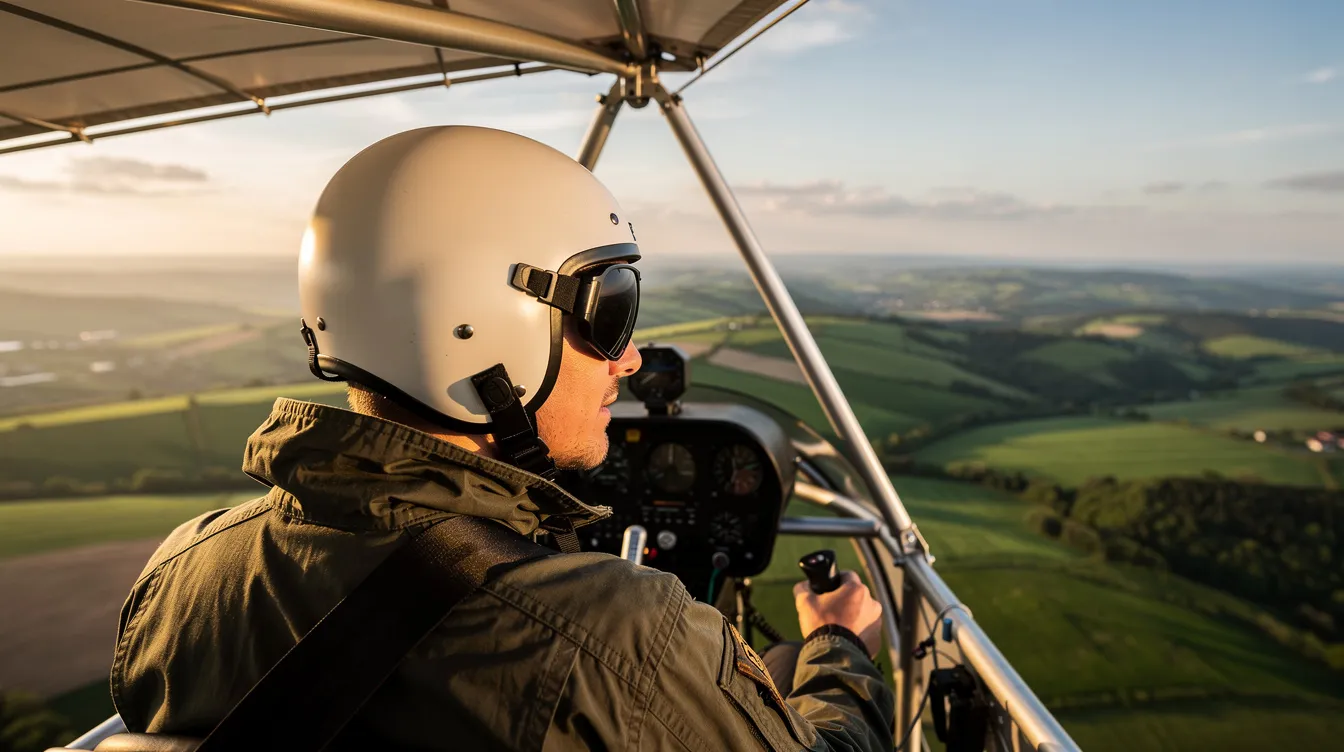
Wind on your helmet, feet resting on the rudder pedals, an unobstructed view in every direction—flying an Airbike feels closer to riding a motorcycle on an elevated road than sitting inside an airplane. The experience is raw, immediate, and a lot of fun.
Typical local flights involve 45–60 mph cruise, pattern work at grass field strips, and 60–90-minute sightseeing hops limited by fuel, pilot endurance, and day-VFR weather margins, while private flyers may plan longer itineraries around a broader network of fields using an airport locator tool.
Mike Jefferson flew nearly 500 miles in one day in a multi-leg journey, requiring weather delays, stops at small airports, and careful time management—proof that taking on cross-country trips is possible but demands patience and planning, much like the longer itineraries described in broader overviews of the charter airline landscape.
Even with a reliable engine, the pilot must manage fatigue, sun exposure, and limited baggage space. Safety margins are narrower than in larger aircraft. Where an Airbike might spend a full day covering 400–500 miles, a light jet or turboprop accessed through Jettly can complete the same path nonstop in under 90 minutes, drawing on a global fleet of private charter aircraft.
Enthusiasts still love the Ison Airbike ultralight for hands-on flying joy and simplicity. Business travelers and families, however, typically read the situation differently and turn to private jet charters for speed, comfort, and schedule control, weighing factors like hourly rates, aircraft type, and route as outlined in Jettly's guide to affordable private jet charter costs.
With the Airbike's flying experience in mind, let's see how it compares to other options in the aviation world.
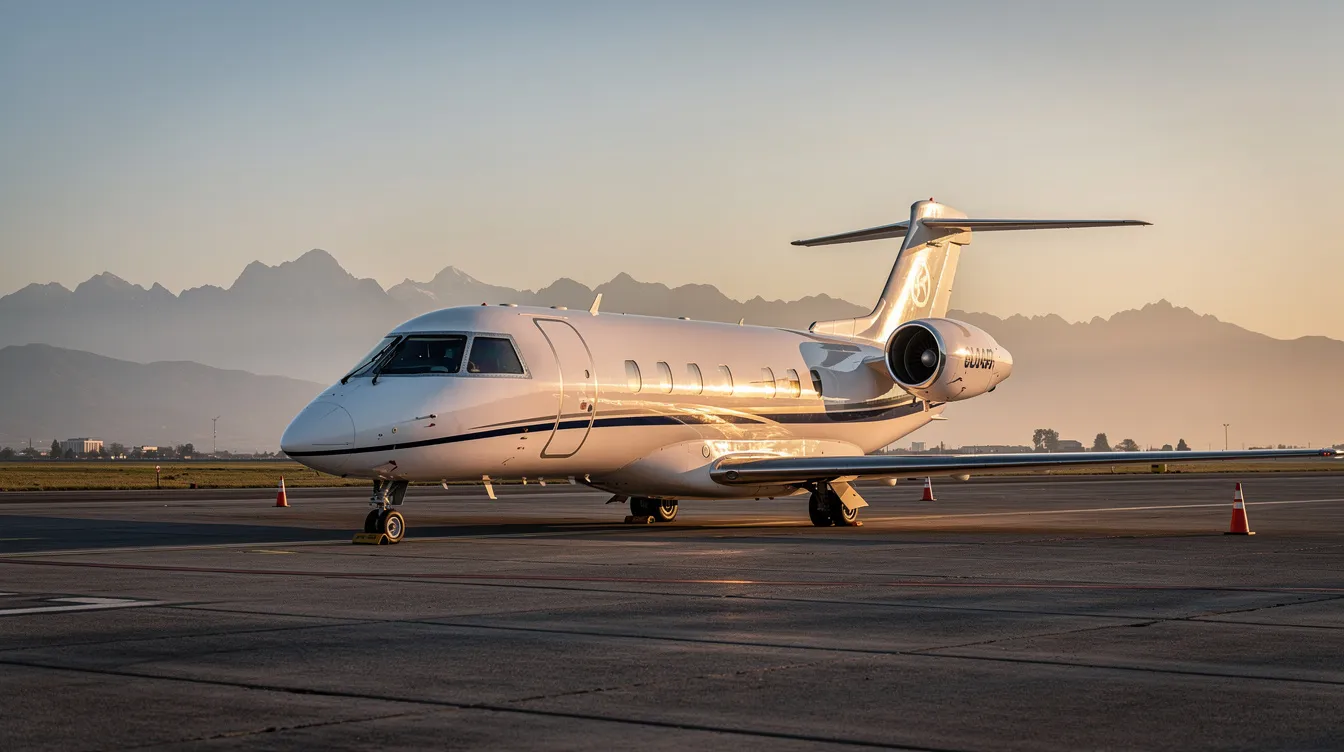
The Airbike represents one of the most minimal powered aircraft you can build and fly. Jettly serves the opposite end: on-demand access to fully crewed, professionally operated private aircraft worldwide.
Cruise speed: tens of mph (Airbike) vs. hundreds (chartered light jet). Payload: single pilot with minimal baggage vs. multiple passengers with luggage. Operational environment: day VFR from small grass strips vs. IFR-capable, all-weather flights into major and small airports alike, with options ranging from traditional charters to crowdsourced private jet flights and shared empty seats.
Charter operators on Jettly's platform fly under commercial regulations with strict oversight, while Part 103 ultralights rely heavily on owner competence, making services that position Jettly as a flexible NetJets alternative for private flying appealing to travelers who want structure without ownership. Typical use cases split cleanly: Airbikes for solo recreational flights in good weather; Jettly-enabled charters for time-sensitive business trips, family vacations, or multi-city work where reliability matters more than the raw flying feel, as outlined in this guide to top private jet charter companies.
Whether you explore aviation from an ultralight seat or a jet cabin, learn more about Jettly's charter options at https://www.jettly.com.
Yes. Jordan Lake Aero currently offers full plan sets (around $150), short kits, and complete kits for ultralight and light sport versions of the Airbike. The original TEAM Aircraft kit production largely ended in the mid-2000s, but generic ultralight components—engines, fabric, steel tubing, hardware—remain widely available from specialist suppliers. Second-hand airframes also surface in the homebuilt marketplace, and community forums share build tips in English for new builders.
If the aircraft meets all Part 103 limits—single seat, empty weight at or below 254 lb, fuel capacity of 5 gallons, and within the speed and stall speed thresholds—no pilot certificate or medical is required. Once any limit is exceeded, you must register the aircraft (typically as experimental) and hold at least a sport pilot certificate. A tandem or two-seat configuration always requires registration and a license.
Fuel burn runs about 2.5 gallons per hour, and hangar or tie-down fees are modest—often a few hundred dollars per month. All-in hourly costs may fall in the $30–$100 range. That is an order of magnitude less than chartering a small plane, but tools like Jettly's private jet charter cost estimator make it easier to understand how distance, aircraft size, and other factors drive charter pricing, and the trade-offs in speed, comfort, weather capability, and payload capacity are significant.
Many small airports used by ultralight communities are also accessible to light piston and turboprop charter aircraft. Jettly's network includes operators willing to fly into shorter runways, though fuel availability and runway length must be confirmed. For destinations with minimal infrastructure, positioning charges may apply.
The Ison Airbike ultralight is a lightweight, open-frame aircraft that prioritizes simplicity, low empty weight, and direct flying enjoyment over speed, range, or all-weather capability. Design choices—engine selection, modifications, and regulatory category—shape what an Airbike can legally achieve and how it feels in the air every day of the year.
Where an Airbike turns a 100-mile hop into an afternoon adventure, a Jettly-arranged light jet or turboprop turns a multi-state business itinerary into a same-day, tightly scheduled mission, especially when trips are planned around a jet card flight cost estimator that clarifies expected spend in advance. Ready to experience private travel on your terms? Explore flight options or request a quote at https://www.jettly.com.
Share this post:
Jay Franco Serevilla
Aug 15, 2026
|
5
min read
Discover tips and trends in the industry.
5
min read
Dassault Falcon 20F: Legacy Midsize Jet and Modern Charter Alternatives
The Dassault Falcon 20F is a notable midsize business jet that played a crucial role in defining the charter category from the 1970s to the 1980s. While it offers a rich history and solid performance, modern jets surpass it in efficiency, comfort, and technology. Today, platforms like Jettly provide access to newer alternatives that better meet the needs of private travelers.
Read More
5
min read
Fastest Non-Military Jet: The Ultimate Guide to High-Speed Private Travel
Discover the fastest non-military jet, the Bombardier Global 8000, which reaches speeds of Mach 0.94 and offers an intercontinental range of 8,000 nautical miles. This guide explores the importance of speed in private aviation, comparing top contenders and highlighting how Jettly connects travelers with high-speed jets for efficient travel.
Read MoreStay updated with our latest insights and tips to elevate your journey with us.
MEMBERSHIPS AND ASSOCIATIONS



Disclaimer: Jettly operates as a charter broker, offering access to a global digital jet charter marketplace. Jettly is not a direct air carrier and does not own or operate aircraft. All advertised flights are conducted by third-party air carriers that are fully licensed and hold the appropriate Part 135 or Part 121 certifications issued by the Federal Aviation Administration (FAA) or equivalent regulatory authorities under U.S. or foreign law. Jettly complies fully with the U.S. Department of Transportation's Part 295 and Part 298 Charter Broker regulations. Jettly does not carry additional liability insurance. Passengers are covered by aircraft operator insurance. TICO: 50023770


