



Login
Get Instant Pricing On 23,000+ Aircraft

>
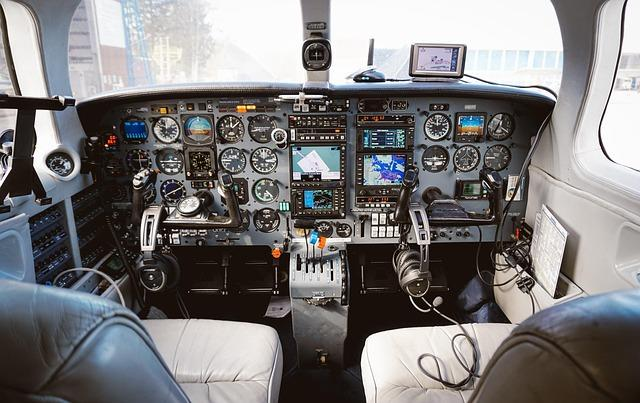
Understanding pilot class cost is the first step toward turning aviation dreams into a real logbook entry. Whether the goal is weekend flying or a professional pilot career, the numbers behind flight training are surprisingly layered. This guide breaks down what aspiring pilots actually pay in 2026—from aircraft rental and instructor fees to hidden expenses, financing options, and how training costs connect to real-world flying and charter use.
Pilot class cost is driven mainly by aircraft rental, instructor fees, and ground school. The typical cost for a private pilot license ranges from $10,000 to $20,000 in the U.S. in 2026, with a Private Pilot Certificate costing approximately $15,074.50 on average. Most students require additional flight hours beyond FAA minimums to earn that certificate.
|
Cost factor |
Typical estimate |
What to know |
|---|---|---|
|
Single-engine trainer rental |
$150–$200 per hour |
Usually “wet,” meaning fuel is included; aircraft type and avionics affect rates. |
|
Flight instruction |
$165–$250 per hour |
Rates vary by school, location, and training aircraft. |
|
Private Pilot Certificate |
About $15,074.50 average |
Most students need more than the FAA minimum flight hours. |
|
Instrument Rating (airplane) |
About $11,832 |
Simulator use may reduce aircraft rental expenses. |
|
FAA Medical Certificate |
About $125 |
Medical exam costs are generally separate from tuition. |
|
ATP Integrated Program |
€65,000–€140,000 |
Costs vary by academy and program inclusions. |
Average per-hour aircraft rental rates for single-engine trainers run $150–$200 “wet” (fuel included). Flight instruction costs range from $165 to $250 per hour depending on aircraft and school. Instructor fees typically fall between $50 and $90 per hour for basic training.
The Federal Aviation Administration sets a legal minimum of 35 to 40 flight hours for a Private Pilot License, but the national average for flight hours needed to attain proficiency is closer to 55 to 70 hours.
Additional ratings—instrument rating, commercial pilot license, multi-engine rating, and certified flight instructor—can push total pilot training investment into the $60,000–$90,000+ range across several years. Training for an airline transport pilot can require significant financial investment.
Financing options like loans, pay-as-you-go plans, and scholarships exist. Careful planning and consistent training frequency can cut overall cost substantially.
From recreational private pilot flying to building time toward airline or corporate careers, understanding these costs matters. Many Jettly customers train as pilots to better understand aircraft and routes they later charter.
Pilot class cost is the combined price of flight training, ground school, checkrides, exams, and miscellaneous fees required to earn a pilot certificate such as a private pilot license or instrument rating. Flight training is primarily billed by the hour rather than as flat tuition, which means the total cost scales directly with how long a student takes to reach proficiency.
Costs are calculated per hour for aircraft rental and instructor time, then multiplied by the hours a student needs. Even though the FAA minimum is 40 hours (or 35 under Part 141), most students log 55–75 hours for a private pilot certificate.
Major cost buckets include aircraft rental, flight instructor and instructor fees, ground school, testing and examiner fees, medical exams, books and headsets, insurance, and club dues.
Aviation students typically face a mix of direct and indirect costs during training—from fuel surcharges to scheduling gaps caused by weather.
Pilot training costs also connect to later flying choices: renting aircraft, joining a club, or using charter platforms like Jettly for private travel once licensed, using tools such as its airport locator and charter booking platform to plan flights efficiently.
Aircraft rental and instructor fees are the largest drivers of pilot class cost, often accounting for 70–80% of the total training expense. Aircraft rental rates significantly impact flight training costs, so understanding how billing works is essential before signing up.
Typical 2026 rates for a basic single-engine trainer (Cessna 172, Piper Cherokee) range from about $150 to $200 per Hobbs hour “wet” (fuel included). Some schools discount 10-hour blocks to roughly $140–$175 per hour. Rental costs vary by aircraft type and avionics—glass-cockpit models cost more.
Advanced trainers, glass-cockpit aircraft, or multi-engine airplanes can cost $230–$400+ per hour, which impacts commercial pilot and multi-engine rating training significantly.
A certified flight instructor typically charges $55–$90 per hour for in-aircraft instruction. Flight instructor fees are billed hourly and vary by school. Many schools also charge the same or slightly lower rate for ground instruction and briefing or debriefing time.
Aircraft rental is billed by Hobbs time (engine start to shutdown). Instructor time covers preflight briefing, the flight itself, and post-flight review, so a “1.0 hour” flight may involve 1.5–2.0 hours of instructor fees.
Students should ask for a written estimate of total aircraft rental hours and instructor hours for each course to budget realistically.
Pilot class cost scales as students progress from initial private pilot training to more advanced ratings. Here is what each stage typically runs in 2026:
Private Pilot (Recreational Focus): A Private Pilot Certificate costs approximately $15,074.50 on average. With 55–75 flight hours, ground school, the FAA checkride, and a written exam, most students should budget $10,000–$20,000. Some cost-effective programs with consistent training and good weather can come in around $9,000–$12,000.
Instrument Rating: A typical instrument rating for a single-engine airplane costs roughly $8,000–$13,000. Instrument Rating costs approximately $11,832 for airplanes on average, depending on the split between actual aircraft time and simulator hours.
Commercial Pilot Certificate: The incremental cost from private plus instrument up to a commercial pilot certificate often lands in the $20,000–$35,000 range. A Commercial Pilot Certificate costs between $27,232.50 and $33,082.50, driven by required total flight hours (often 190–250) and long cross-country flights. Many students save money by time-building in simple rental aircraft.
Certified Flight Instructor (CFI) and CFII: CFI training typically costs $4,000–$10,000 per certificate. Many commercial pilot candidates offset their earlier training cost by working as a flight instructor to build hours toward airline minimums.
Someone aiming from zero time to airline-ready (commercial, multi-engine, instrument, CFI) can easily invest $60,000–$90,000+ over several years depending on training pace and program type.
Advertised pilot class cost often lists only flying and instructor time. Students must also budget for ground training and regulatory requirements. Costs for medical exams and FAA written exams are separate from flight training tuition. Tuition fees can include separate charges for gear, exams, and administrative fees.
Ground school: Options include in-person classes at a flight school, remote classroom, or online self-paced courses. A typical price range is $300–$1,500 for private pilot ground school. Some schools package ground school into a program fee; others bill hourly. Ground school expenses contribute to overall flight training costs.
Testing and examiner fees: FAA written exam fees run around $150–$200 per test. Designated pilot examiner fees for the FAA checkride range from $600–$1,200+ depending on region and certificate level.
Medical certificate: Aspiring pilots need an aviation medical examination. An FAA Medical Certificate costs about $125. Class 1 medicals for commercial pilot training may be higher and must be renewed more frequently.
Training materials and equipment: Mandatory expenses include aviation headsets ($300–$1,200 for quality ANR models), electronic flight bag subscriptions, charts, logbooks, and, for instrument rating training, approach chart subscriptions.
Insurance, club fees, and miscellaneous costs: Some flight schools require renter's insurance or membership fees. Flying clubs charge monthly dues but offer reduced aircraft rental rates. Students should ask for a full list of one-time and recurring fees before committing and review guides to affordable airplane rental costs and options to benchmark local prices.
Beyond headline rates, a student's habits and circumstances have a major impact on the overall cost of pilot training.
Training frequency: Flying 2–3 times per week generally reduces total hours required. Training frequency can significantly affect training costs—flying once every few weeks can lead to 10–20 extra hours on a private pilot course and higher overall costs.
Student preparation: Studying at home, showing up prepared for each lesson, and using simulators effectively reduces wasted instructor time, improves a student's ability to handle the physical and mental demands of training, and keeps costs closer to the low end.
Weather and location: Geographic location and airport traffic can influence training costs. Training in major metropolitan areas generally carries higher rental and instructor costs. Regions with frequent poor weather stretch timelines further.
Aircraft choice: Basic trainers cost less per hour than high-performance or complex aircraft, which may not be necessary for initial private pilot or instrument rating flight lessons.
Regulatory path: Integrated airline academy programs, such as European EASA ATP integrated courses, carry upfront fees. ATP Integrated Program costs range from €65,000 to €140,000. Modular training costs can range from €50,000 to €100,000+, and overall flight training can cost between €50,000 and €140,000 depending on the path.
Personal goals: Recreational private pilot training is often enough for local aircraft rental or weekend trips. Full commercial pilot or airline career paths require a larger, multi-year investment in ratings and hours.
Like university degrees, pilot training is often financed through a mix of savings, loans, pay-as-you-go plans, and sponsorships for students interested in becoming pilots. Understanding financing options early keeps pilot class costs manageable.
Dedicated flight training loans: Third-party financing options can cover flight training costs. College Ave provides loans specifically for flight training tuition, and similar lenders offer fixed or variable rates with terms of 5–15 years. Compare APRs carefully, since the right structure can support long-term training success.
Pay-as-you-go models: Pay-as-you-go options allow students to pay after each lesson for aircraft rental and instructor fees, with no large upfront deposits required. This is attractive for part-time students managing a tight budget.
University and college programs: Some universities partner with flight schools, allowing students to use conventional student loans. University aviation programs often include high additional costs beyond flight training, however, so frequent travelers might compare those long-term expenses with flexible private jet memberships offering wholesale charter rates.
Scholarships and aviation associations: Organizations like AOPA, EAA, and airline cadet schemes can contribute several thousand dollars toward training. Alaska Airlines offers up to $27,000 for commercial flight training.
Airline and regional carrier pathways: Some airline programs offer stipends or conditional job offers once a pilot hits required hours, helping offset the high cost of later ratings and providing a clear path to a job in aviation.
Responsible budgeting: Build a realistic plan that includes aircraft rental, instructor fees, ground school, exams, living expenses, and an emergency buffer for extra hours or exam retakes.
Different types of flight schools have different cost structures, timelines, and career outcomes—even if the end pilot certificate is the same. Classes and structured facilities can influence the cost of training significantly.
Local flight school or flying club: Smaller Part 61 schools often use a handful of Cessna or Piper aircraft with pay-as-you-go pricing. Part 61 schools provide flexible scheduling and lower overhead costs than structured academies. This route is ideal for recreational private pilot students or working professionals training on evenings and weekends.
Structured academies (Part 141): Larger academies provide standardized syllabi, intense training schedules, and often faster paths to private pilot, instrument rating, commercial pilot, and certified flight instructor ratings. They may also offer mentorship and career guidance, but often have higher upfront tuition and possible housing expenses.
Integrated airline programs: European-style ATP integrated programs bundle ground school, simulator time, multi-crew cooperation training, and line-oriented flight training, usually quoted as a single figure.
Simulator use: Approved simulators and training devices can reduce aircraft rental costs for instrument procedures training. Simulation time can lower overall aircraft rental expenses during instrument training while improving safety and confidence, freeing budget for occasional trips booked using cost-saving strategies for the cheapest private jet flights.
Digital tools and scheduling: Students should look for schools with modern scheduling and billing systems for transparency into aircraft rental, instructor availability, and real-time account balances, since student services and clear communication can matter as much as price when comparing programs. Similar digital platforms now support crowdsourced private jet flights and shared empty seats, lowering charter costs for cost-conscious travelers.
Many commercial-track students later work in corporate or charter operations. Understanding different aircraft classes and operating costs helps future professional pilots interact more effectively with digital charter platforms like Jettly when arranging repositioning flights, empty legs, or personal travel, especially when they understand how much it costs to rent a private jet for specific missions.
Pilot training investments translate into actual flying in many forms—local sightseeing, business trips, or moving into commercial and charter operations. The knowledge gained during training helps pilots and travelers alike make smarter decisions.
Recreational and owner-pilot use: Private pilots may rent aircraft for weekend trips or buy a share in an airplane. Understanding per-hour aircraft rental cost and the full cost of owning or operating a private jet helps compare that expense to chartering.
Commercial and charter careers: Once pilots hold a commercial pilot certificate and sufficient hours, they may fly for regional airlines, cargo operators, or on-demand charter operators whose private charter aircraft fleets are also offered via brokers like Jettly.
When charter makes more sense: For many business travelers and high-net-worth individuals, the time and money to reach airline-level qualifications far exceed the benefit. They choose private jet charter instead and often look for affordable private jet charter options and pricing guides to control costs.
Jettly as a practical option: Jettly is a digital private jet charter marketplace offering access to over 20,000 private charter aircraft worldwide, transparent pricing, and instant quotes—a logical next step for those who understand aircraft from pilot training but prefer to charter rather than fly the mission themselves. Travelers who fly regularly can also use a jet card flight cost estimator to understand route-specific pricing. Flights are operated by properly certified third-party carriers.
Weigh lifetime pilot class cost and ongoing flying expenses against the flexibility of on-demand private jet charter. Frequent flyers may find that structured jet card programs with fixed hourly rates align better with their travel patterns. Explore options or request a quote at https://www.jettly.com.
Below are answers to common questions about pilot class cost and planning that go beyond the basics covered above.
Most students should budget around $10,000–$20,000 for a private pilot license in 2026, assuming 55–75 flight hours, ground school, instructor fees, exams, and equipment. Lower estimates often assume FAA minimums and perfect efficiency, which few students meet. Ask local schools for recent average completion hours—not just minimums—to refine your estimate and plan your budget accordingly, and compare that investment with strategies for booking the cheapest private jet flights if your primary goal is convenient travel rather than piloting.
Home simulators do not usually log as official time for a pilot certificate, but they can improve procedural knowledge and radio skills, reducing wasted aircraft rental and instructor time. FAA-approved training devices at a school can sometimes log toward an instrument rating, which is cheaper per hour than flying an airplane. Coordinate with a certified flight instructor to align home simulator practice with your flight lessons, knowing that for actual trips there are many easy ways to get a seat on a private jet without committing to full pilot training.
Accelerated programs that finish a private pilot course in a few weeks can reduce total flight hours by keeping skills sharp, which often makes the total cost lower despite the intense training schedule. Part-time, once-a-week lessons may feel cheaper per month but can add significant hours and expenses over time. Consistent training—not necessarily full-time—is the key driver of cost efficiency and progress, while travelers mainly interested in flexibility can explore buying a single seat on a private jet instead of committing to full licensure.
Many airlines have relaxed strict degree requirements, focusing more on total hours, type ratings, and safety records. Some legacy carriers still prefer university degrees. Integrated university–flight school programs may allow students to finance both a degree and pilot training together using conventional student loans. Research hiring requirements of target airlines before committing to a specific degree or training path.
Pilot training plus purchasing and operating an aircraft can make sense for very frequent flyers, but ownership carries ongoing hangar, maintenance, insurance, and fuel costs. Jettly's on-demand charter model lets travelers pay only for the flights they need, choosing among aircraft classes and routes with no long-term commitment. Compare real charter costs against projected pilot class and ownership expenses using the charter cost estimator at Jettly or consider Jettly as a cost-effective NetJets alternative for flying private.
Pilot class cost depends on the certificate you want, the aircraft you train in, and how consistently you fly. For a private pilot certificate, budget roughly $10,000–$20,000 in the U.S., while a professional training journey can require $60,000–$90,000 or more. Ask several flight schools for recent completion-hour averages, a full breakdown of fees, and details on what is excluded before committing. Compare schedules and financing options, and confirm you qualify for any loans or scholarships you plan to use.
If your goal is to travel rather than pilot an aircraft, chartering may be a more practical alternative to the time and expense of training and ownership. Jettly offers instant quotes and access to a global aircraft marketplace; flights are operated by properly certified third-party carriers. Learn more about Jettly’s charter options, explore available flights, or request a quote.
Ready to experience private travel on your terms? Explore flight options or request a quote at https://www.jettly.com, compare top private jet charter companies and industry leaders, understand how private jets handle international flights, review the ultimate list of charter airlines and services, arrange bespoke in-flight catering with Jettly Eats, or plan route-specific trips such as private jet charter in Kolkata, West Bengal.
Share this post:
Jay Franco Serevilla
Nov 20, 2026
|
5
min read
Discover tips and trends in the industry.
5
min read
How to Find Empty Seats on Private Jets: A Practical Guide to Empty Legs with Jettly
Finding empty seats on private jets is easier than it seems, primarily through discounted empty leg flights. These repositioning flights can save travelers 25% to 75% compared to standard charter rates, making private travel more accessible. This guide outlines how to locate these flights, what to consider before booking, and when they are most beneficial for your travel needs.
Read More
5
min read
Victor Empty Legs vs. Jettly Empty Leg Flights: How to Find the Best Deals
This guide compares Victor and Jettly empty leg flights, highlighting how travelers can save significantly on private jet travel. While both platforms offer discounted repositioning flights, they differ in geographic coverage and pricing workflows. Flexibility in travel plans can lead to substantial savings, making empty legs an attractive option for those willing to adapt their schedules.
Read MoreStay updated with our latest insights and tips to elevate your journey with us.
MEMBERSHIPS AND ASSOCIATIONS



© 2026 Jettly Inc. All rights reserved.
Disclaimer: Jettly operates as a charter broker, offering access to a global digital jet charter marketplace. Jettly is not a direct air carrier and does not own or operate aircraft. All advertised flights are conducted by third-party air carriers that are fully licensed and hold the appropriate Part 135 or Part 121 certifications issued by the Federal Aviation Administration (FAA) or equivalent regulatory authorities under U.S. or foreign law. Jettly complies fully with the U.S. Department of Transportation's Part 295 and Part 298 Charter Broker regulations. Jettly does not carry additional liability insurance. Passengers are covered by aircraft operator insurance. TICO: 50023770


