



Login
Get Instant Pricing On 23,000+ Aircraft

>
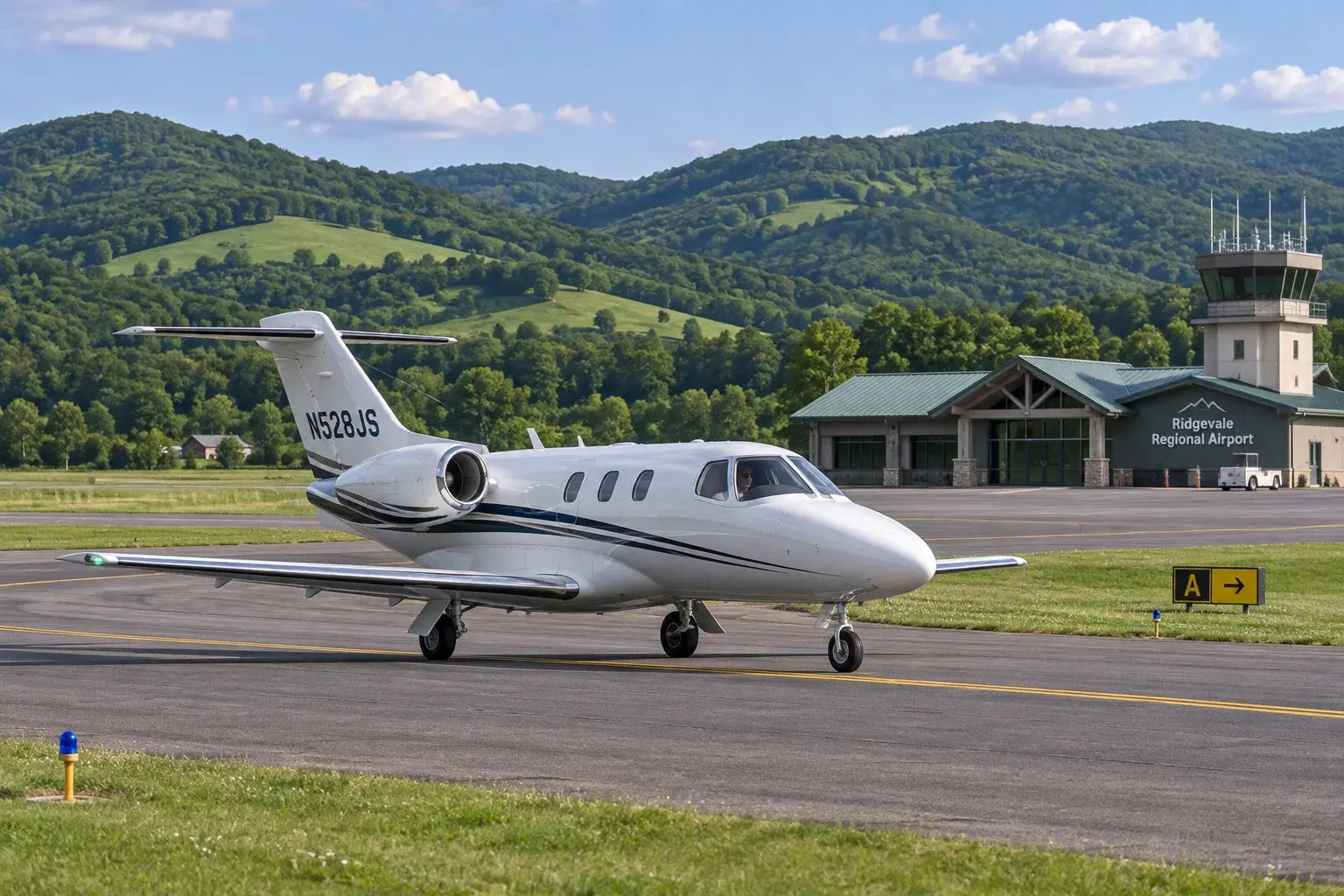
Flying private does not require owning an aircraft. Most private jet travel today happens through on-demand charter, where travelers hire an entire aircraft, crew, and itinerary for a single trip. This guide breaks down aircraft categories, pricing, cabin layouts, and booking steps so readers can match the right jet to their route, group size, and budget using Jettly's digital marketplace.
"Plane private" refers to flying by private jet via on-demand air charter services, not purchasing or owning an aircraft.
Jettly is a digital charter broker with global access to over 20,000 aircraft, from very light jets and turboprops to ultra-long-range jets.
Readers will learn which aircraft size (light, midsize, heavy) fits their route, cabin space needs, and budget.
The article compares private vs. commercial aviation on time savings, airport access, comfort, and cost.
Every section connects to action: how to get an instant quote and book through Jettly's platform.
Flying private means hiring an entire aircraft for a specific trip, complete with pilots, fuel, and maintenance handled by the operator. Private planes are designed for transporting small groups of passengers on demand, whether for business or leisure.
Most travelers now book on-demand charter services or memberships instead of full or fractional ownership. A charter broker like Jettly connects travelers with certified operators worldwide, sourcing from a network of over 20,000 aircraft for both business and leisure trips. Flights operate under regulatory frameworks like FAA Part 135 in the U.S. or EASA in Europe, which govern crew training, maintenance, and safety standards.
This guide covers the practical steps: choosing the right aircraft type, understanding operational costs, and evaluating whether fractional ownership, jet cards, or simple on-demand charter fits a traveler's plan, while complementary resources explain how renting a plane works from end to end.
Commercial aviation routes passengers through hub airports with security lines, connections, and boarding delays. Private charter flips that model: travelers depart from a private terminal or FBO on their own schedule, often boarding directly from a car.
Chartering private jets saves time with quicker boarding. Travelers can arrive just 30 minutes before their flight, skip security queues, and walk straight to the aircraft. Private flights can save time by allowing short-notice departures and avoiding security lines, and options like buying a single seat on a private jet make semi-private travel more accessible on popular routes. Private aviation can eliminate layovers and unnecessary connections, turning a multi-stop commercial itinerary into a single direct flight.
Private aviation allows for greater airport access than commercial airlines. Private planes can access a wider range of smaller regional airports; Teterboro instead of JFK in New York, Van Nuys instead of LAX in Los Angeles. Private jets provide access to remote locations not served by airlines, and private air travel can reduce travel time to remote locations where commercial service is thin or nonexistent, as highlighted in broader overviews of private and charter airlines and how they operate.
Cabin comfort separates private from commercial: more space per passenger, quiet cabins, Wi-Fi, meeting tables, and privacy for executives or families. Privacy on private flights allows for confidential meetings and discussions. Private aviation offers more personal service and customization than commercial airlines.
Safety standards remain high. Commercial airlines operate under strict federal safety regulations, while private aviation varies by operator; brokers like Jettly work only with certified carriers that meet FAA Part 135 or equivalent requirements, often with additional third-party audits from organizations like ARGUS or Wyvern.
Private aviation is typically more expensive per passenger compared to commercial flights. But the choice between private and commercial flights often depends on group size and travel needs. For groups of four to eight, the total cost of private charters can be shared among passengers, narrowing the gap with business class fares on less-served routes.
Choosing the right aircraft class is the most important decision when planning a private jet charter. Each category serves different ranges, passenger capacities, and budgets. For a deeper breakdown, see Private Jet Types and Sizes.
Turboprops like the Pilatus PC-12 and Beechcraft King Air 350 work well on shorter runways and trips under about 1,000 nautical miles. They seat 6-8 passengers and cost roughly $1,800-$5,000 per hour.
Very light jets seat 4 to 6 passengers and can use shorter runways, making them well-suited for short trips between nearby cities. Light jets like the Embraer Phenom 300 or Cessna Citation CJ4 carry 4-7 passengers. Light jets have a flight range of 1,400 to 2,500 nautical miles. Light jets offer lower operating costs than larger aircraft; they generally start at around $3 million to purchase. Charter rates run about $3,400-$6,500 per hour.
Midsize jets and super-midsize jets (Cessna Citation Latitude, Embraer Praetor 600) hit a sweet spot for coast-to-coast or Western Europe-to-Middle East flights. Mid-size jets typically accommodate 5 to 10 passengers comfortably. Hourly rates range from $6,000 to $12,000.
Heavy jets and ultra-long-range jets (Gulfstream G650ER, Bombardier Global 6000/7500) provide stand-up cabin height, multiple zones for sleep and work, and long-range capability. Heavy jets typically seat 10 to 16 passengers with spacious cabins. Ultra-long-range jets can fly nonstop for over 12 hours.
|
Category |
Typical Range |
Passengers |
Hourly Charter Rate |
|---|---|---|---|
|
Turboprop |
Up to ~1,000 nm |
6-8 |
$1,800-$5,000 |
|
Very Light / Light Jet |
1,400-2,500 nm |
4-7 |
$3,400-$6,500 |
|
Midsize / Super-Midsize |
2,500-4,500 nm |
5-10 |
$6,000-$12,000 |
|
Heavy / Ultra Long Range |
5,000-7,700 nm |
10-16 |
$8,000-$22,000+ |
Aircraft size shapes price, cabin comfort, airport access, and long-range capability. A detailed side-by-side is available in Jettly's Light Jets vs. Midsize vs. Heavy Jets comparison.
Light jets handle same-day business hops: Los Angeles to San Francisco, London to Geneva, or Toronto to New York, with 4 to 6 travelers and modest baggage. Business travelers on these routes save hours compared to commercial alternatives.
Midsize jets suit medium-haul flights with 5-8 passengers who need more cabin space and baggage capacity. Routes like Chicago to Nassau or Paris to Marrakesh fall into this category. The additional cabin room also accommodates bulkier luggage or equipment.
Heavy jets fit larger groups of 9-14 passengers or international trips over six hours, such as New York to London or Dubai to Singapore. Some heavy jets, like the Bombardier Global 7500 or Gulfstream G650ER, fly more than 6,000 nautical miles nonstop without a fuel stop, enabling intercontinental itineraries in a single leg.
Larger jets require longer runways, which can limit airport access compared with light and midsize jets that reach smaller airports. Operational costs also climb: fuel burn, crew rest requirements, and maintenance cycles all scale with aircraft size.
Cabin space and layout affect comfort on any flight longer than two to three hours. The difference between aircraft classes is measured in cabin height, width, and length, and prospective owners can dive deeper into choosing the best personal plane for their needs.

Very light jets have compact cabins suited for short trips. Midsize jets add enough room for club seating around tables and enclosed lavatories. Heavy jets and ultra-long-range jets offer separate bedrooms, conference areas, divans that convert to beds, and in some cases a dedicated flight attendant serving gourmet catering. Private aircraft provide flexibility with tailored experiences and amenities. Private jet charters allow customization of in-flight services, from dietary-specific meals to business presentation setups.
Modern jets like the Bombardier Global 7500 or Gulfstream G700 feature low cabin altitude (equivalent to roughly 4,000-5,000 feet even at cruise), advanced air filtration, satellite Wi-Fi, streaming, and power outlets at every seat. Many private jets fly at higher altitudes than commercial airliners for smoother flights and less exposure to turbulence. Owning or chartering a private jet also provides onboard Wi-Fi and meeting space.
Example itinerary: An 8-hour overnight New York-to-Zurich flight on an ultra-long-range jet. Passengers board at 7 PM, hold a 90-minute dinner meeting, then retire to converted sleeping berths. They land at 7 AM local time, rested and ready for a morning meeting; no red-eye fatigue, no layover at a hub.
Three main models exist for accessing private jets: full ownership, fractional ownership, and on-demand charter or membership. For a full cost comparison, see Fractional Ownership vs Jet Card vs Charter, and for travelers comparing providers, Jettly also positions itself as a flexible NetJets alternative with on-demand options.
Full ownership means buying and operating a jet. Full ownership gives owners complete control over the aircraft, letting them fly on their own schedule without commercial hassles. Private jet ownership offers unmatched privacy and comfort. But full ownership comes with higher purchase and maintenance costs. Annual operating costs can reach up to 10% of the aircraft's value. Full ownership is ideal for those flying over 300 hours per year.
Fractional ownership typically starts at 1/16th of a jet, granting a set number of flight hours per year while sharing purchase and maintenance costs with other owners. Fractional ownership reduces responsibilities compared to full ownership, but locks buyers into specific fleets and minimum-hour commitments; a dedicated guide to fractional jet ownership pros, cons, and costs can help frequent flyers evaluate this option.
Jet cards and memberships offer prepaid or subscription-style access at fixed hourly rates, without equity risk. They suit travelers who want predictable pricing and priority access, and Jettly’s range of private jet membership plans illustrates how subscriptions can unlock wholesale charter rates.
On-demand charter through digital platforms like Jettly is the most flexible entry point for most individuals and families, especially those flying roughly 150 hours per year. Chartering eliminates the burden of aircraft maintenance entirely.
|
Model |
Best For |
Key Trade-off |
|---|---|---|
|
Full Ownership |
300+ hours/year, total control |
Highest capital and ongoing cost |
|
Fractional Ownership |
50-300 hours/year, shared cost |
Fleet and schedule restrictions |
|
Jet Card / Membership |
Predictable pricing, no equity |
Non-refundable hours, blackout dates possible |
|
On-Demand Charter (Jettly) |
Under 150 hours, full flexibility |
Per-trip pricing fluctuates with demand |
Private jet charter pricing reflects operational costs: fuel, crew salaries, maintenance, insurance, positioning flights, and airport fees. Average charter costs vary by aircraft size and distance. Chartering a private jet costs between $1,200 and $10,000 per hour depending on aircraft class, with heavy and ultra-long-range jets pushing beyond that range. For detailed 2026 pricing, see Private Charter Flight Costs.
Factors that shift a trip quote beyond the base hourly rate:
One-way vs. round-trip: One-way flights often include repositioning costs.
Crew overnights: Multi-day trips or international itineraries add crew hotel and per diem fees.
Peak dates: Christmas, New Year, and major sporting events drive up rates and limit availability.
Short-leg minimums: Some operators charge a 1-2 hour minimum even for 30-minute flights.
A flight from New York to London costs around $185,000 on an ultra-long-range jet; a 3-hour light jet charter at $5,000 per hour totals about $15,000 plus fees, while the same route on a midsize jet at $7,000 per hour runs closer to $21,000. For more examples and strategies to save, Jettly details affordable private jet charter pricing and cost factors.
Empty-leg flights offer 30-70% discounts when aircraft reposition without passengers. Jettly's marketplace surfaces these opportunities for travelers with flexible schedules and maintains a dedicated section for empty-leg flight deals with discounts up to 75%. Transparent digital quotes on the platform show the full charter price up front, breaking down base rate, taxes, and fees.
Jettly operates as a global digital private jet charter marketplace and charter broker, not an aircraft operator. Flights are carried out by certified third-party carriers.

The booking flow works like this:
Enter trip details: Route (e.g., New York to Miami), date, passenger count, and preferred departure time are entered in Jettly's online search form.
Review options: The platform returns instant pricing across multiple aircraft classes, from light jets and turboprops to heavy jets, all from certified operators.
Filter and compare: Results can be sorted by cabin space, long-range needs, airport access (shorter runways, remote airports), and budget.
Book or explore membership: Travelers can book a single on-demand flight or discover membership options for more predictable pricing and additional services if they fly several times per year.
Some flights can be arranged with as little as 3-6 hours' notice, though 5-7 days delivers better aircraft selection and lower repositioning costs, especially when drawing from Jettly’s global private charter aircraft inventory.
Ready to experience private plane travel on your terms? Explore flight options or request a quote at https://www.jettly.com.
Environmental impact is generally higher per passenger on private flights than on commercial flights. The industry is responding. Private aviation companies are adopting sustainability programs to reduce climate impact.
Technological advancements enhance fuel efficiency in private jets. Newer aircraft from Bombardier and Gulfstream use advanced aerodynamics and geared turbofan engines that help reduce fuel consumption and emissions compared to older models. For more on this topic, see Sustainable Aviation Fuel and Carbon Offsets for Private Jets.
Sustainable aviation fuel can reduce carbon emissions by up to 80% over its lifecycle where available. Carbon-neutral flight programs at some operators offset 300% of carbon emissions for a given trip. Optimizing aircraft size to mission- using a light jet instead of a heavy jet for a short trip- also lowers both cost and environmental footprint.
Some charter services and marketplaces now let travelers choose lower-emission aircraft types or purchase carbon offsets during booking. Sustainability is one of several decision factors when selecting aircraft on Jettly's platform, alongside cost, cabin comfort, speed, and schedule.
These FAQs cover practical points for new private flyers, adding detail beyond what the sections above address.
Charter flights must meet strict regulatory standards such as FAA Part 135 or local equivalents and often undergo additional audits from bodies like ARGUS and Wyvern. Jettly only works with certified third-party operators and encourages checking safety ratings and aircraft age when booking. Maintenance schedules, crew training requirements, and weather decision-making protocols are comparable in rigor to commercial aviation, even though private flights are smaller and more flexible.
Baggage limits depend on aircraft type. Light jets typically allow one medium suitcase and one carry-on per person, while midsize and heavy jets have larger cargo holds. Travelers should confirm baggage weight and dimensions at the quote stage. Jettly's booking process lets travelers flag bulky items like skis, golf bags, or camera equipment so the broker can match a suitable aircraft with enough hold capacity.
Many private charter operators are pet-friendly, though policies vary by carrier and route. Private aircraft can accommodate pets in the cabin without carriers, reducing stress for both animal and owner. Travelers should provide pet details when requesting a quote on Jettly and have vaccination records and destination-specific health documents ready before departure.
Booking 5-7 days ahead offers more aircraft choices and better pricing, especially for popular routes or weekend departures. Urgent same-day or next-day trips are possible but depend on aircraft availability near the departure airport and may carry a premium. Frequent business executives and leisure travelers should consider Jettly membership for faster confirmations and more predictable access during peak periods.
Standard immigration and customs rules apply to all international private flights. Passengers must bring valid passports and any required visas, but clearance often happens at a private terminal with shorter queues than commercial international airport processing. During booking, Jettly's team and the operating carrier collect passenger details to file flight manifests and comply with each destination's border regulations.
Flying plane private gives travelers more control over departure times, airport access, and the onboard experience. The best choice depends on the route, passenger count, baggage, and budget: a turboprop or light jet may suit a short regional trip, while midsize and heavy jets offer more cabin space and range for longer journeys.
Jettly helps travelers compare aircraft and pricing through its global charter marketplace, with on-demand flights and membership options for more predictable access. Jettly is a charter broker, and all flights are operated by certified third-party carriers. For trips to Orlando, for example, travelers can compare nearby airports, including Orlando International Airport, to find an option that fits their itinerary.
Ready to plan private travel? Explore luxury air travel options, compare aircraft, or request an instant quote at https://www.jettly.com.
Share this post:
Jay Franco Serevilla
Nov 28, 2026
|
5
min read
Discover tips and trends in the industry.

5
min read
Shannon SSN Airport Guide for Private and Commercial Travelers
Shannon Airport (SNN) is a key international gateway in western Ireland, facilitating both commercial and private travel. With streamlined facilities and US Preclearance, it serves as a practical starting point for various trips, including business and leisure. The airport's compact terminal ensures easy navigation, making it a popular choice for travelers heading to the Wild Atlantic Way and beyond.
Read More5
min read
Plane Private: A Practical Guide to Booking and Flying on Private Jets with Jettly
Flying private offers a flexible and luxurious alternative to commercial aviation, allowing travelers to hire entire aircraft for specific trips. Jettly's guide provides insights into aircraft categories, pricing, and booking steps, making it easier to find the right jet for any journey. Whether for business or leisure, this resource helps navigate the world of private jet travel effectively.
Read MoreStay updated with our latest insights and tips to elevate your journey with us.
MEMBERSHIPS AND ASSOCIATIONS



© 2026 Jettly Inc. All rights reserved.
Disclaimer: Jettly operates as a charter broker, offering access to a global digital jet charter marketplace. Jettly is not a direct air carrier and does not own or operate aircraft. All advertised flights are conducted by third-party air carriers that are fully licensed and hold the appropriate Part 135 or Part 121 certifications issued by the Federal Aviation Administration (FAA) or equivalent regulatory authorities under U.S. or foreign law. Jettly complies fully with the U.S. Department of Transportation's Part 295 and Part 298 Charter Broker regulations. Jettly does not carry additional liability insurance. Passengers are covered by aircraft operator insurance. TICO: 50023770


