


Login
Get Instant Pricing On 23,000+ Aircraft

>
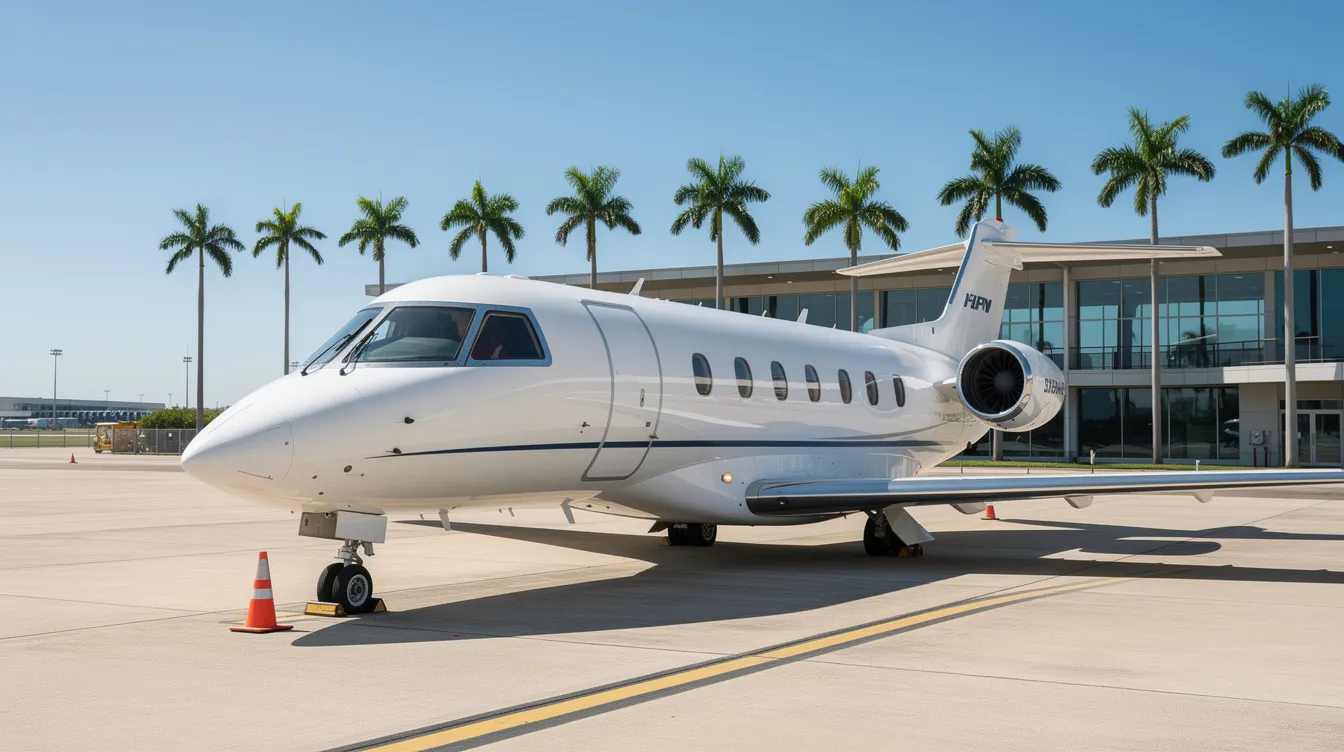
Presidential aviation means different things depending on context. For private travelers, it refers to Presidential Aviation, Inc., a U.S.-based aircraft charter and management company headquartered in Fort Lauderdale, FL. For the general public, the phrase often evokes Air Force One and state aircraft fleets. This article covers both, with a focus on how the private operator works, what fleet it maintains, and how digital platforms like Jettly give travelers a faster way to compare jets from multiple operators at once.
Presidential Aviation is a private jet charter and aircraft management company based in Fort Lauderdale, FL, operating under FAA Part 91 and Part 135 rules. It is not affiliated with any government fleet.
The company's fleet includes Gulfstream, Falcon, Citation, Challenger, Learjet, Hawker, and other airframes suited to missions from Caribbean hops to transatlantic crossings.
Government "presidential aviation" (Air Force One, state aircraft) involves military-operated, multi-engine widebodies with onboard medical facilities, anti-missile defenses, and mid-air refueling capability. The private charter company shares a name, not a mission.
Travelers can book directly with a single operator like Presidential Aviation or use a marketplace such as Jettly to compare aircraft from over 20,000 options with instant pricing, after understanding how much a private jet really costs across ownership, leasing, and charter models.
Jettly's platform offers on-demand digital booking, transparent cost breakdowns, and flexible membership options for business and leisure flyers.
Presidential Aviation, Inc. is a private-sector company offering on-demand aircraft charter, aircraft management, aircraft sales, brokerage, and maintenance services, operating within the wider ecosystem of providers covered in Jettly's ultimate list of charter airlines and private flight options. It has operated for decades out of South Florida and is not connected to any government head-of-state fleet.
The company specializes in executive aviation: sourcing, crewing, and operating private jets for corporate, leisure, and international travel clients. It holds FAA Part 135 certificate 9PVA416M, with roughly 14 aircraft actively listed under that certificate. Its safety credentials include an ARGUS Platinum rating, Wyvern Wingman status, and IS-BAO Stage 2 registration.
Presidential Aviation operates in the same broader private aviation market where Jettly's marketplace connects travelers to thousands of operators. Where Presidential Aviation is a single fleet operator and manager, Jettly aggregates aircraft from many such companies into one searchable platform and features in guides to the best private jet charter companies and top luxury options.
Presidential Aviation's primary base sits at 1725 NW 51 Place, Fort Lauderdale, FL 33309, with operations running through Fort Lauderdale Executive Airport (KFXE). Fort Lauderdale is a strategic location for private aviation: it sits within minutes of Miami and Palm Beach, serves as a natural gateway to the Bahamas and Caribbean islands, and connects to Latin American destinations without long overwater detours, especially when using Jettly's airport locator tool to plan departure and arrival fields.
Other common bases and crew domiciles for operators of this size include Van Nuys, CA (KVNY), a hub for West Coast charter activity, and Cincinnati, OH (KLUK or KCVG), which provides central U.S. coverage. Aircraft managed by Presidential Aviation can be positioned at owner home bases across the country, which means the fleet's geographic reach extends well beyond South Florida.
The fleet spans multiple size classes, from light jets suited to 300-mile Caribbean island hops to ultra-long-range aircraft built for nonstop transatlantic missions. Many of these aircraft are owner-operated: private owners enroll their jets in management programs, and Presidential Aviation charters them to paying clients when the owner is not flying.
Light and super-light jets: Typically seat 6 to 8 passengers, best for regional travel under 2,000 nautical miles. Examples include Learjet 45 and Learjet 60 models.
Midsize and super-midsize jets: Seat 8 to 10, with ranges around 2,500 to 3,000 nautical miles. The Hawker 800XP and Citation Sovereign fall into this bracket.
Heavy and large-cabin jets: Seat 10 to 16, with ranges from 3,800 to 4,500 nautical miles. Challenger 604 and Gulfstream IV variants serve this role.
Ultra-long-range jets: The Gulfstream G650ER and Dassault Falcon 7X can fly 5,950 to 7,000 nautical miles nonstop. These cover intercontinental routes, including transatlantic crossings.
Travelers using Jettly can often access aircraft operated by companies like Presidential Aviation alongside thousands of other jets in a single digital search. For a broader look at categories, see Jettly's aircraft types guide.
|
Aircraft Model |
Category |
Seating Capacity |
Range (nautical miles) |
Typical Use Case |
|---|---|---|---|---|
|
Gulfstream G650ER |
Ultra-long-range |
13-16 |
6,500 - 7,000 |
Nonstop intercontinental flights |
|
Gulfstream IV-SP |
Heavy jet |
12-17 |
4,200 - 4,300 |
Coast-to-coast U.S. and Caribbean |
|
Dassault Falcon 7X |
Ultra-long-range |
14-16 |
~5,950 |
Long-range with short field access |
|
Cessna Citation Sovereign |
Super-midsize |
~8 |
2,600 - 2,700 |
Mid-range U.S. and Caribbean routes |
|
Bombardier Challenger 604 |
Heavy jet |
10-12 |
3,800 - 4,000 |
Transcontinental with stand-up cabin |
|
Learjet 45/60 |
Light to super-light |
7-8 |
1,700 - 2,000 |
Short regional flights |
|
Hawker 800XP |
Midsize |
~8 |
~2,900 |
Moderate international/domestic |
FAA Part 91 governs general aircraft operations, primarily for non-commercial, private owner flights. Maintenance and airworthiness requirements apply, but the regulatory burden is lighter than for commercial operations.
Part 135 governs on-demand charter and commuter flights for hire. Operators must hold an air carrier certificate, comply with stricter maintenance inspection programs, observe crew duty-time limits, and submit to safety audits. Presidential Aviation is responsible for meeting all of these requirements under certificate 9PVA416M.
In practice, a single aircraft might fly under Part 91 when the owner uses it personally, then switch to Part 135 when chartered to a paying client. The distinction matters for passengers because Part 135 flights carry additional protections:
Crew rest and duty-time limits to reduce fatigue
More frequent and rigorous aircraft inspections
Mandatory safety audit participation (ARGUS, Wyvern, or equivalent)
Incident and accident reporting requirements
Private jet chartering is popular among high-net-worth individuals and corporate teams whose time carries a measurable cost. Charter services provide flexibility without ownership burdens: no hangar fees, no crew payroll, no maintenance schedules to manage.
Business travel: An executive team flying from New York to Fort Lauderdale saves 3 to 4 hours compared to commercial, factoring in security lines and terminal wait time, especially when booking through a broker model like Jettly's Dexter Air Taxi private jet operator page that connects clients with licensed carriers.
Caribbean leisure: Fort Lauderdale to Nassau, Bahamas, is a 45-minute flight on a light jet. Turks and Caicos, St. Barts, and the U.S. Virgin Islands are all within easy range.
West Coast routes: Los Angeles (Van Nuys) to Las Vegas is a 45-minute hop; Van Nuys to San Francisco runs about 75 minutes on a midsize jet.
Special events: Sports teams, wedding parties, and corporate retreats often charter multiple aircraft for group logistics.
International missions: Ultra-long-range jets like the G650ER or Falcon 7X handle flights to São Paulo, London, or Dubai nonstop from the East Coast, and some travelers reduce per-seat expense by using Jettly's tools to crowdsource private jet flights and share empty seats.
For pricing transparency on these routes, Jettly's marketplace shows real-time quotes across multiple operators, letting travelers compare costs rather than calling one company at a time, or use a dedicated private jet charter cost estimator to model trip budgets in advance. Digital booking allows for on-demand private jet rentals without lengthy back-and-forth negotiations.
Operators like Presidential Aviation, Inc. provide full aircraft management: crewing, scheduling, dispatch, regulatory compliance, insurance coordination, and hangar arrangements.
Maintenance is handled in-house or through approved maintenance organizations. Every aircraft on a Part 135 certificate must follow an FAA-approved inspection program with detailed record-keeping.
Owners who enroll in management-plus-charter programs can sell unused flight hours to charter clients, offsetting the cost of ownership. This leasing of flight time to the charter market generates revenue that can cover a portion of fixed costs like crew salaries and insurance.
In addition to maintenance, operators coordinate fuel purchasing (often at discounted FBO rates), international permits, customs handling, and ground transportation.
Some owners eventually choose to purchase new aircraft through the same operator's brokerage arm, or sell their current jet, using the operator's aircraft sales connections, while others rely on resources explaining how much a private jet costs across ownership and charter, and global platforms offering access to private charter aircraft on demand.
Operators like Presidential Aviation regularly hire pilots and crew for their fleet. Captains and first officers fly aircraft ranging from Learjets to Gulfstream G650ERs, with some positions including cabin attendant roles on larger jets.
Pilots at these companies typically operate under both Part 91 and Part 135, flying from bases in Florida (Fort Lauderdale), California (Van Nuys), Ohio (Cincinnati), and other U.S. locations where managed aircraft are domiciled. Typical requirements include type ratings on specific aircraft (Gulfstream, Challenger, Citation, Falcon), several thousand total flight hours, and experience in corporate or charter operations with international exposure.
For those exploring career paths in business aviation, Jettly's private aviation job guide covers salary ranges, qualifications, and how the charter sector differs from airline flying; individuals with strong travel networks may also be interested in Jettly's ultra high ticket affiliate program for referring private charter clients.
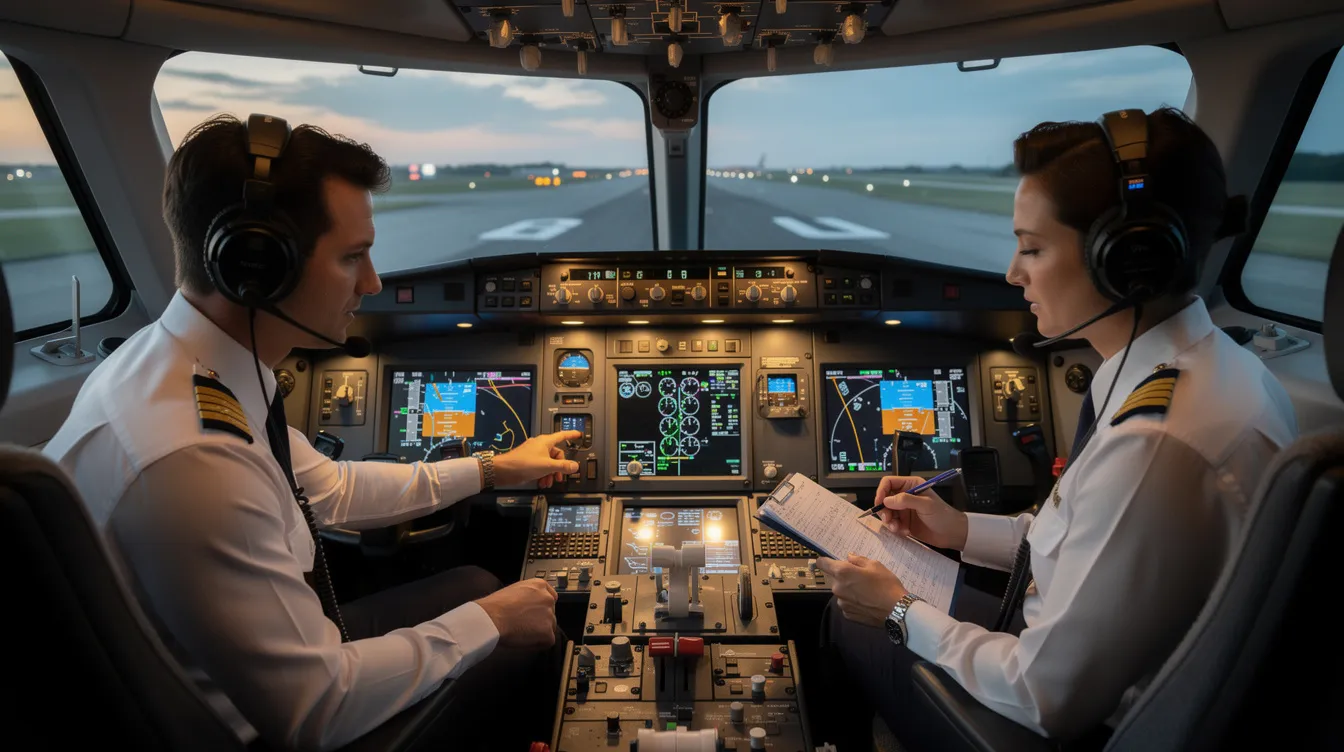
The name "Presidential Aviation" belongs to a private charter company. Government "presidential aviation" is an entirely different category: military-operated, security-hardened aircraft fleets serving heads of state around the world. Here is how they differ.
U.S. presidential aircraft. The U.S. uses two Boeing 747-200B jets (designated VC-25A) as Air Force One. The call sign "Air Force One" applies to any U.S. Air Force aircraft carrying the president; the 747s are simply the most recognized. Helicopters transporting the president are referred to as "Marine One" when operated by the U.S. Marine Corps. The next-generation presidential aircraft is planned to be the VC-25B, based on the Boeing 747-8.
Flight operations for presidential travel are managed by military offices, specifically the 89th Airlift Wing at Joint Base Andrews. Presidential aviation requires massive logistical support, often involving cargo planes flying ahead with vehicles, communications gear, and security equipment. Incoming presidential flights operate in strictly controlled and restricted airspace.
Onboard capabilities. Presidential aircraft must meet FAA safety standards in addition to military specifications. Aircraft for heads of state must have multiple engines for safety. Presidential aircraft are heavily modified for secure communications and to function independently without local ground support. Aircraft used for presidential travel require secure communication systems, and presidential aircraft often have anti-missile defense systems installed. Presidential aviation operations involve strict communication protocols and rigorous security measures.
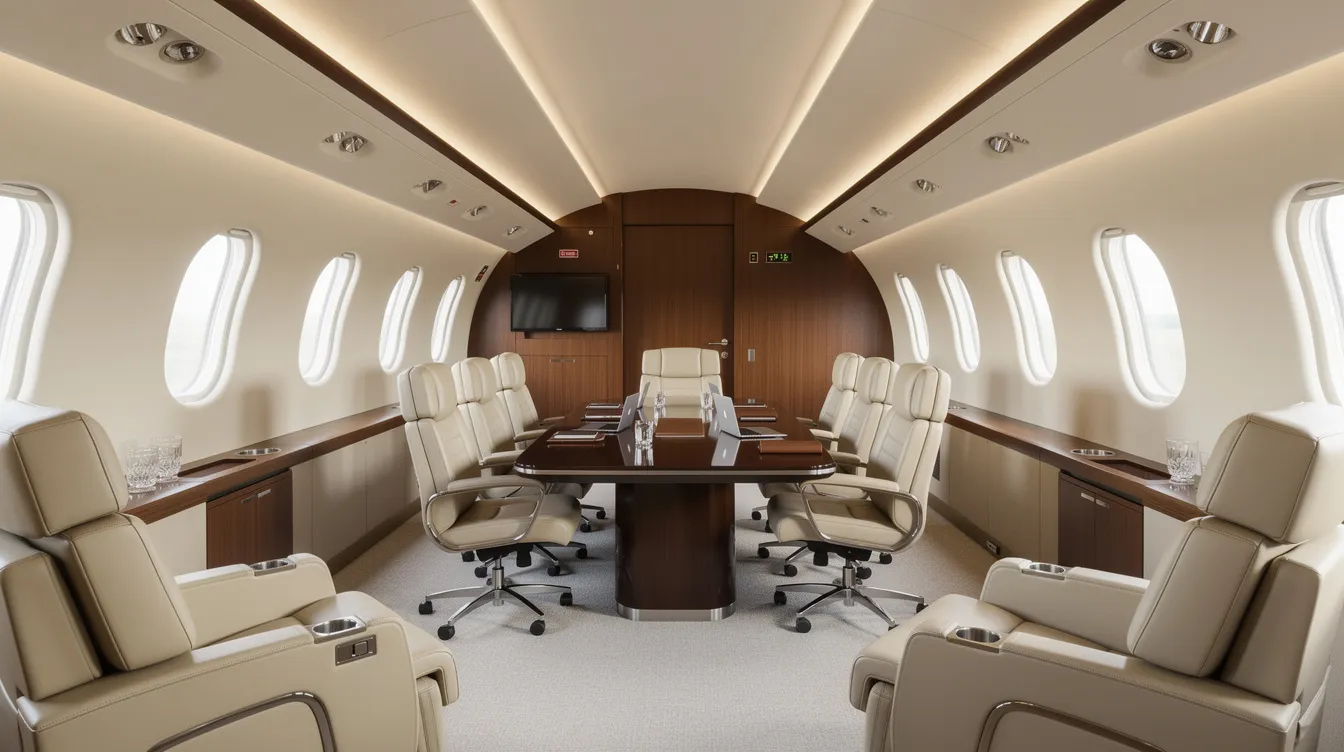
Large interior spaces of presidential aircraft include executive suites, conference areas, and staff accommodations. Presidential aircraft feature onboard medical facilities staffed by medical personnel. Aircraft designated for presidential aviation can be refueled in mid-air, extending their operational range.
Other national fleets around the world:
South Korea's president has traveled on a Boeing 747-8I since 2022.
Egypt has operated a Boeing 747-8I for presidential transport since 2021.
Tajikistan acquired a Boeing 787-8 BBJ for $92 million in 2023.
The Netherlands uses a Boeing 737 BBJ for government transport.
Belgium operates two Dassault Falcon 7X for royal family transport.
The private company Presidential Aviation shares only a name with these state operations. It charters business jets to paying clients; it does not carry heads of state or operate under military authority.
Jettly is a digital private jet charter platform that aggregates flights from thousands of operators across the world, including companies similar to Presidential Aviation. Jettly offers access to over 20,000 unique aircraft, covering everything from turboprops to ultra-long-range jets.
The core difference between a marketplace and a single-fleet operator: booking directly with Presidential Aviation limits a traveler to that company's 14 or so aircraft, whereas Jettly positions itself as a flexible NetJets alternative for flying private without long-term fractional commitments. Searching through Jettly pulls in aircraft from many operators, which means more options for aircraft size, availability windows, and pricing. Instant pricing is available for private jet rental quotes, so travelers see cost breakdowns before committing. Learn more about how to book a private jet through Jettly's platform.
Jettly also offers membership tiers for frequent flyers and pure on-demand charter for occasional travelers. Both models avoid the capital commitment of fractional ownership or full jet purchase, and travelers can use a jet card flight cost estimator to compare jet card pricing with on-demand charter. For a comparison of private jet costs in 2026, Jettly publishes updated pricing data by aircraft category and route.
Aircraft size vs. mission distance: Light jets handle short hops under 1,500 miles well. For cross-country or transatlantic needs, a super-midsize or large-cabin jet like a Gulfstream or Falcon is the better fit.
Passenger count: A Learjet seats 7 to 8. A Challenger 604 seats 10 to 12. Match the aircraft to your group size to avoid paying for unused cabin space.
Schedule flexibility: Single operators may have availability gaps. A marketplace like Jettly surfaces options from multiple fleets, increasing the chance of finding a jet that matches your departure time and airport preferences; Jettly's jet card programs further help frequent flyers lock in capacity on predictable terms.
Departure airport: Fort Lauderdale, FL alone has multiple private aviation fields (KFXE, FLL, OPF nearby). Choosing the right field can cut ground transfer time.
Safety and certification: Confirm that any operator holds a valid Part 135 certificate, carries appropriate insurance, and participates in third-party safety audits. Jettly works with vetted, regulated operators, and a leader in this space will always make those credentials available on request.
Amenities: Wi-Fi, catering, luggage capacity, and ground transportation vary by aircraft and operator. For a detailed comparison of private jets, Jettly's guides break down what each category offers.
No. Presidential Aviation is a private charter and aircraft management company headquartered in Fort Lauderdale, FL. It has no connection to government-operated fleets. Air Force One refers to the call sign of any U.S. Air Force aircraft carrying the sitting president, currently two VC-25A Boeing 747-200B jets operated by the 89th Airlift Wing. The name overlap is coincidental.
Fort Lauderdale is one of the busiest departure points for private flights to the Bahamas, Turks and Caicos, and other Caribbean destinations. A light jet covers Nassau in about 45 minutes. Travelers can use Jettly to compare operators and aircraft types for these routes, with instant pricing and availability shown before booking.
Jettly works with operators that hold appropriate certifications, such as FAA Part 135 in the U.S. The platform reviews safety records, insurance documentation, and operational standards before featuring an operator. Details on this process are available in Jettly's FAQ.
Light jets and turboprops handle short hops of 300 to 800 miles efficiently and cost less per hour than larger aircraft. For cross-country or transcontinental missions, super-midsize and large-cabin jets like the Gulfstream IV-SP or Falcon 7X provide the range, cabin space, and fuel capacity needed. Matching the aircraft to the mission distance avoids overpaying for capability you do not need.
Jettly supports both on-demand charter (pay per flight, no commitment) and optional membership programs that offer benefits like preferred pricing and priority booking. Travelers who fly a few times a year may prefer on-demand access, while those flying monthly or more often may find a membership tier saves money over time.
Presidential Aviation occupies a specific niche: a Fort Lauderdale, FL-based charter operator and aircraft manager with a diverse fleet of light, midsize, and ultra-long-range jets. For travelers who know they want a specific aircraft from that fleet, booking directly makes sense.
For everyone else, digital platforms like Jettly offer a faster path to the right aircraft. Comparing multiple operators, seeing transparent pricing, and booking on-demand across a global inventory of over 20,000 jets saves time and often money. Whether the trip is a 45-minute hop to Nassau or a 10-hour transatlantic crossing, the platform matches the mission to the aircraft and supports options for travelers who prefer to buy a seat on a private jet rather than charter an entire aircraft.
Ready to explore private jet charter options for your next trip? Request a quote or browse available flights at https://www.jettly.com.
Share this post:
Jay Franco Serevilla
Sep 21, 2026
|
5
min read
Discover tips and trends in the industry.

5
min read
Best Ultralight Aircraft: Top Models, Rules, and How They Fit a Private Aviation Lifestyle
This comprehensive guide explores the world of ultralight aircraft, highlighting the best models, essential rules, and their role in a private aviation lifestyle. Ideal for aspiring pilots and aviation enthusiasts, it covers everything from FAA regulations to the unique flying experiences ultralights offer. Discover how ultralight flying complements private jet charter for varied travel needs.
Read More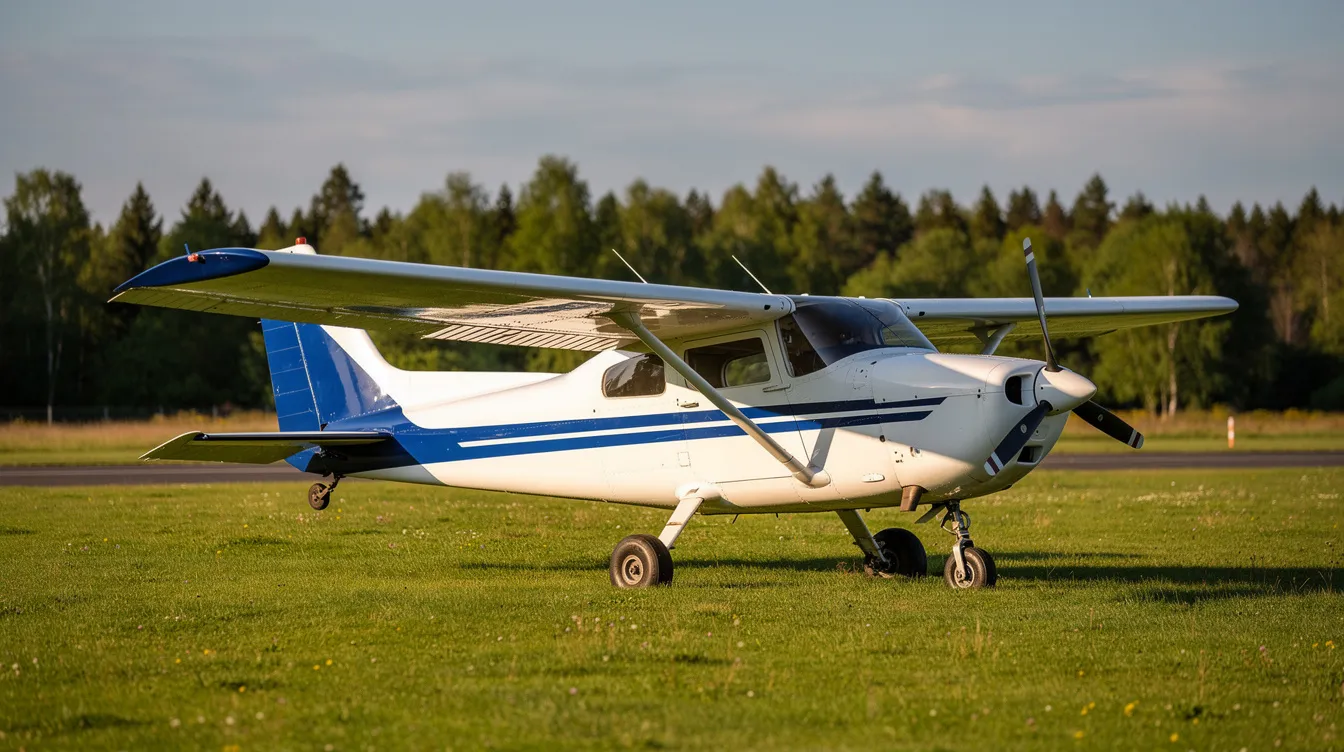
5
min read
Cessna 150M: Specs, Performance, and Training Role in Modern Aviation
The Cessna 150M is a renowned two-seat trainer in aviation, known for its forgiving handling and reliability. Produced between 1974 and 1977, it features a 100 hp engine and is ideal for flight training and recreational flying. This article explores its specifications, performance, and the transition from training aircraft to private jet charter.
Read MoreStay updated with our latest insights and tips to elevate your journey with us.
MEMBERSHIPS AND ASSOCIATIONS



Disclaimer: Jettly operates as a charter broker, offering access to a global digital jet charter marketplace. Jettly is not a direct air carrier and does not own or operate aircraft. All advertised flights are conducted by third-party air carriers that are fully licensed and hold the appropriate Part 135 or Part 121 certifications issued by the Federal Aviation Administration (FAA) or equivalent regulatory authorities under U.S. or foreign law. Jettly complies fully with the U.S. Department of Transportation's Part 295 and Part 298 Charter Broker regulations. Jettly does not carry additional liability insurance. Passengers are covered by aircraft operator insurance. TICO: 50023770


