



Login
Get Instant Pricing On 23,000+ Aircraft

>

Choosing the safest U.S. airline matters to every traveller, but the answer might surprise you. Recent data shows that all major U.S. carriers maintain strong safety records, with differences measured in incident rates and fleet age rather than crash risk. Here is how the numbers break down — and when private jet charter offers a different kind of safety advantage.
Based on WalletHub's 2025 and 2026 safety scores, Spirit Airlines, Alaska Airlines, and Hawaiian Airlines consistently rank among the safest airlines in the U.S., though the margins between carriers are narrow. The safest U.S. airlines typically have strong operational practices and rigorous training.
Statistically, no major U.S. airline has experienced a fatal jet crash since 2009. Differences among carriers come down to incident rates, safety culture, fleet age, and regulatory compliance rather than fundamental risk.
Hawaiian Airlines has had zero major crashes in 50 years. Alaska Airlines has 23 years without a fatal accident. Delta, American, and United Airlines maintain robust safety management systems under strict FAA regulation.
The safest low-cost airlines, including Spirit and Frontier, operate under the same Federal Aviation Administration rules as legacy carriers. Airline safety should be evaluated with data, not brand perception alone.
For travellers whose main concern is avoiding crowded terminals, tight connections, or exposure risks, Jettly offers private jet charter access to over 20,000 aircraft through certified operators.
Rankings for the safest airlines blend historic air safety records, incident rates per million flights, fleet age, and safety audits. For U.S. carriers, the FAA and NTSB supply most of the underlying data. Airline safety rankings vary by methodology and data used for evaluation, which is why independent rankings can produce different results.
Key metrics include:
Number of fatal accidents and serious onboard incidents per million departures
NTSB investigations and regulatory actions, such as enhanced FAA oversight of Alaska Airlines and United Airlines in 2024
IATA Operational Safety Audit registration, which is linked to significantly lower accident rates across the airline industry
Accident and incident history as a critical factor in independent safety assessments
Fleet age alone does not determine safety when maintenance is rigorous. Independent safety assessments consider maintenance standards, pilot training, and incident rates together. Pilot training includes regular simulator sessions and emergency response exercises. These recurrent checks, along with Safety Management Systems and Flight Operations Quality Assurance programs, form the backbone of modern airline safety.
All U.S. airlines operate under strict Federal Aviation Administration oversight, and FAA regulations ensure high baseline safety standards whether a carrier is budget or full-service. Major U.S. airlines also encourage reporting potential hazards to improve safety culture across the industry.
The table below offers a traditional side-by-side comparison of selected U.S. airlines. Historical crash figures are not a prediction of future performance, and rankings vary depending on the period and methodology used.
|
Airline |
Major crashes in the last 50 years |
Safety context |
Practical takeaway |
|---|---|---|---|
|
Hawaiian Airlines |
0 |
Strong maintenance and pilot-training practices; frequently cited among the safest U.S. carriers |
A strong safety history, particularly relevant for Hawaii routes |
|
Alaska Airlines |
3 |
23 years without a fatal accident before the 2024 door-plug incident, which caused no fatalities |
Consider the full record and current FAA or NTSB updates |
|
Delta Air Lines |
7 |
Large operation with extensive simulator training and safety systems |
A long operating history and broad route network |
|
American Airlines |
14 |
Large mixed Boeing and Airbus fleet with established maintenance programs |
Compare route, schedule, aircraft, and current operational information |
|
United Airlines |
11 |
Strong safety systems; FAA oversight increased after 2024 incidents |
Review current notices alongside long-term data |
|
Spirit Airlines |
Not stated here |
Scored highly in recent WalletHub safety comparisons and has received maintenance recognition |
Low-cost service does not mean lower FAA safety requirements |
|
Frontier Airlines |
Not stated here |
Young, Airbus-only fleet; ranked highly in one 2026 evaluation |
Rankings depend on the evaluation's chosen metrics and dates |
The largest U.S. legacy carriers — Delta Air Lines, American Airlines, United Airlines, Alaska Airlines, and Hawaiian Airlines — each bring decades of operational history. The comparison table above summarizes historical figures; current procedures and operational records add useful context.
Hawaiian Airlines has had zero major crashes in 50 years, a record frequently cited among U.S. network carriers. Its fleet includes Boeing aircraft, and the airline maintains rigorous training and maintenance practices. Hawaiian Airlines has also received numerous safety awards.
Alaska Airlines has a long period without a fatal accident. The January 2024 Boeing 737 MAX 9 door-plug incident prompted FAA inspections but caused no fatalities. The event underscores why travellers should distinguish between an incident and a fatal accident and follow current investigation updates.
Delta Air Lines experienced seven major crashes in the last 50 years, but none in recent years. Delta operates thousands of daily flights, invests in simulator-based pilot training, and has received recognition for operational performance. Its fleet includes older Boeing and newer Airbus aircraft.
American Airlines has had 14 major crashes in the last 50 years. Today, it maintains modern safety measures, advanced avionics, and a mixed Boeing and Airbus fleet. Airlines that standardise around one aircraft family can reduce pilot transition errors, and American has moved toward fleet simplification.
United Airlines has had 11 major crashes in the last 50 years. The FAA increased oversight in early 2024 after gear and runway incidents — an example of regulatory oversight in practice. United uses avionics and data-monitoring tools to support operational safety.
Budget airlines like Spirit Airlines, Frontier Airlines, JetBlue, and Southwest Airlines must meet the same FAA safety standards as legacy carriers. Price and onboard comfort differ, but the baseline safety requirements remain high. Travellers can compare these carriers with Jettly as a NetJets alternative when weighing commercial and private options.
Spirit Airlines topped WalletHub's 2025 safest-airline scoring and received the FAA Aviation Maintenance Technician Diamond Award of Excellence multiple times between 2019 and 2024. Young aircraft fleets can incorporate improved technology, but fleet age alone does not establish safety.
Frontier Airlines operates a young fleet and flies Airbus aircraft exclusively. It ranked highly in WalletHub's 2026 evaluation, though rankings depend on the data and metrics selected.
Southwest Airlines and JetBlue have had FAA audits and non-fatal incident investigations. Their operations remain subject to FAA requirements. Private travellers can also compare shared charter flights and full charters as part of broader strategies for affordable private flying.
To compare low-cost airlines, check multi-year incident data, fleet information, and recent NTSB or FAA notices rather than relying on social media impressions.
Many travellers compare U.S. carriers with international airlines like Qatar Airways, Etihad Airways, Singapore Airlines, Air New Zealand, and Qantas when planning long-haul trips.
Qatar Airways has had zero major crashes since operations began and is known for stringent safety standards. Qatar Airways has received numerous safety awards. The phrase “none Qatar Airlines” is sometimes used in search queries about its crash record, but Qatar Airways is the airline's correct name.
Etihad Airways, a UAE-based airline founded in 2003, reports no fatal passenger accidents and uses advanced navigation technology.
Air New Zealand has two historic major crashes, including the 1979 Mount Erebus accident. The airline now uses advanced safety technologies and training.
Singapore Airlines has a long safety record, while Qantas Airways has had zero major crashes in the last 50 years according to the historical comparison used here. Qantas Airways follows rigorous training and maintenance practices and uses redundant safety measures.
U.S. majors compare well with international airlines on fundamental passenger safety. Differences in ranking often reflect methodology, operating scale, and the time period assessed. Families comparing commercial cabins with the best private planes for family travel may also consider comfort and scheduling needs.
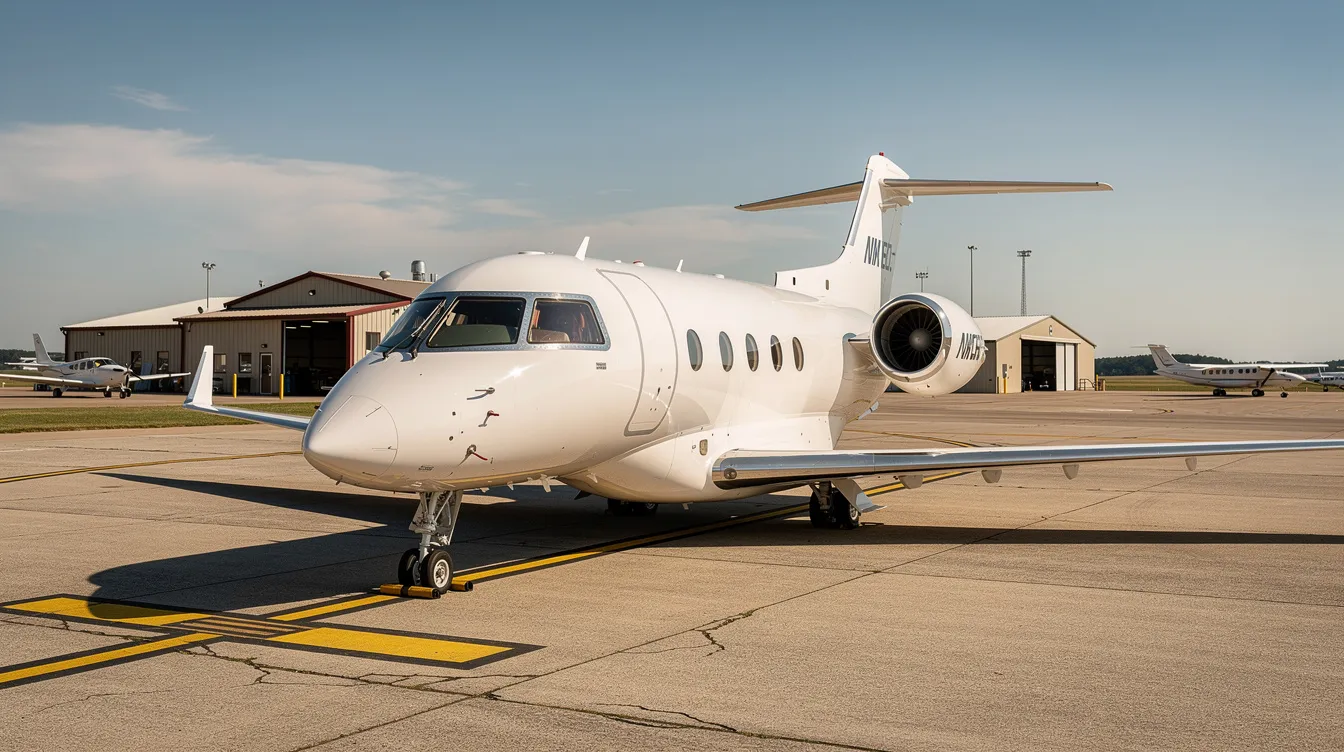
For many executives and families, safety also involves crowded airports, long security lines, and overnight connections. Private charter aircraft options change the travel process, but private charter should not be described as inherently safer than commercial flying.
Jettly is a digital charter broker connecting clients with certified third-party operators that meet applicable regulatory standards, including Part 135 requirements in the U.S. Safety and operational responsibility rest with the carrier operating the flight. Aircraft options range from turboprops and light jets to midsize and large-cabin jets. The platform provides instant pricing, access to more than 20,000 aircraft globally, and membership options for travellers seeking predictable charter pricing.
Private flights can reduce terminal time, use smaller regional airports, and offer more control over the itinerary. Before booking, travellers should confirm the operating carrier, aircraft, crew qualifications, and relevant safety certifications. Learn more about private jet safety certifications and private aviation safety technology.
In 2026, travellers can treat major U.S. carriers as operating within a strong regulatory framework. Decisions should also consider route network, schedule, travel style, and whether a private jet charter company fits specific needs.
Review multi-year safety rankings and NTSB summaries rather than reacting to one viral incident. See this guide to charter airlines and private flights for alternative travel formats.
Check the aircraft type on your booking page, such as a Boeing 737, Airbus A320-family aircraft, or Boeing 787. Learn how to choose the best cross-country plane for your journey.
Look into each airline's documented safety initiatives and regulatory notices. If considering private charter, ask about operator certifications and pilot experience, and read this guide to how to fly private.
Compare schedule control, fatigue, connections, and price. Frequent travellers may combine commercial long-haul flights with private jets on regional hops and use Jettly's charter cost estimator to plan a budget.
Ready to experience private travel on your terms? Explore flight options or request a quote at https://www.jettly.com.
Recent public rankings have placed Spirit Airlines, Alaska Airlines, and Hawaiian Airlines near the top. Margins among major carriers are narrow, and results depend on methodology. All U.S. airlines operate under FAA oversight.
No. All must meet the same FAA safety standards. Differences generally involve service, fees, and cabin experience, not the baseline regulatory requirements.
Both groups maintain strong modern safety records. Qatar Airways has had zero major crashes since operations began. Route convenience, schedule, and personal comfort may matter more than small differences between rankings.
Jettly is a charter broker. Flights are operated by third-party carriers, which must hold applicable certifications, such as Part 135 certification in the U.S. Travellers can learn more in Jettly's aircraft charter guide.
Consider cost, flexibility, time savings, and your tolerance for crowded hubs. If schedule control and reduced terminal time matter, private charter may be worth comparing. Explore instant private jet pricing to review options.
There is no single safest U.S. airline for every traveller. Rankings depend on the data and methodology used, while all major U.S. carriers operate under strict FAA oversight. Spirit, Alaska, and Hawaiian often perform well in recent comparisons, but travellers should weigh long-term records, current operational information, schedule, and route alongside any ranking.
For trips where schedule control or smaller airports matter, private charter is another option — not a guarantee of greater safety. Jettly connects travellers with certified third-party operators and provides access to aircraft options and instant quotes. Compare the practical trade-offs, then choose the flight that fits your needs. Explore flights or request a quote at Jettly.com.
Share this post:
Jay Franco Serevilla
Nov 22, 2026
|
5
min read
Discover tips and trends in the industry.
5
min read
United Premium Economy vs Delta Premium Select: Which Premium Cabin Is Better for Long-Haul Flights?
When comparing United Premium Plus and Delta Premium Select for long-haul flights, the choice hinges on personal preferences such as seat width versus dining quality. United offers wider seats and consistent layouts, while Delta excels in meal service and entertainment options. Both cabins provide enhanced comfort over standard economy, making them appealing alternatives to business class.
Read More
5
min read
Delta Meal Selection: Complete Guide to Pre-Selecting Meals and Private Jet Alternatives
Delta's meal selection program allows eligible passengers to pre-select their in-flight meals, enhancing their travel experience. This guide details the eligibility, benefits, and comparison with private jet catering through Jettly, helping travelers make informed choices about their dining options. Understanding these features can significantly improve comfort and satisfaction during flights.
Read MoreStay updated with our latest insights and tips to elevate your journey with us.
MEMBERSHIPS AND ASSOCIATIONS



© 2026 Jettly Inc. All rights reserved.
Disclaimer: Jettly operates as a charter broker, offering access to a global digital jet charter marketplace. Jettly is not a direct air carrier and does not own or operate aircraft. All advertised flights are conducted by third-party air carriers that are fully licensed and hold the appropriate Part 135 or Part 121 certifications issued by the Federal Aviation Administration (FAA) or equivalent regulatory authorities under U.S. or foreign law. Jettly complies fully with the U.S. Department of Transportation's Part 295 and Part 298 Charter Broker regulations. Jettly does not carry additional liability insurance. Passengers are covered by aircraft operator insurance. TICO: 50023770


