



Login
Get Instant Pricing On 23,000+ Aircraft

>
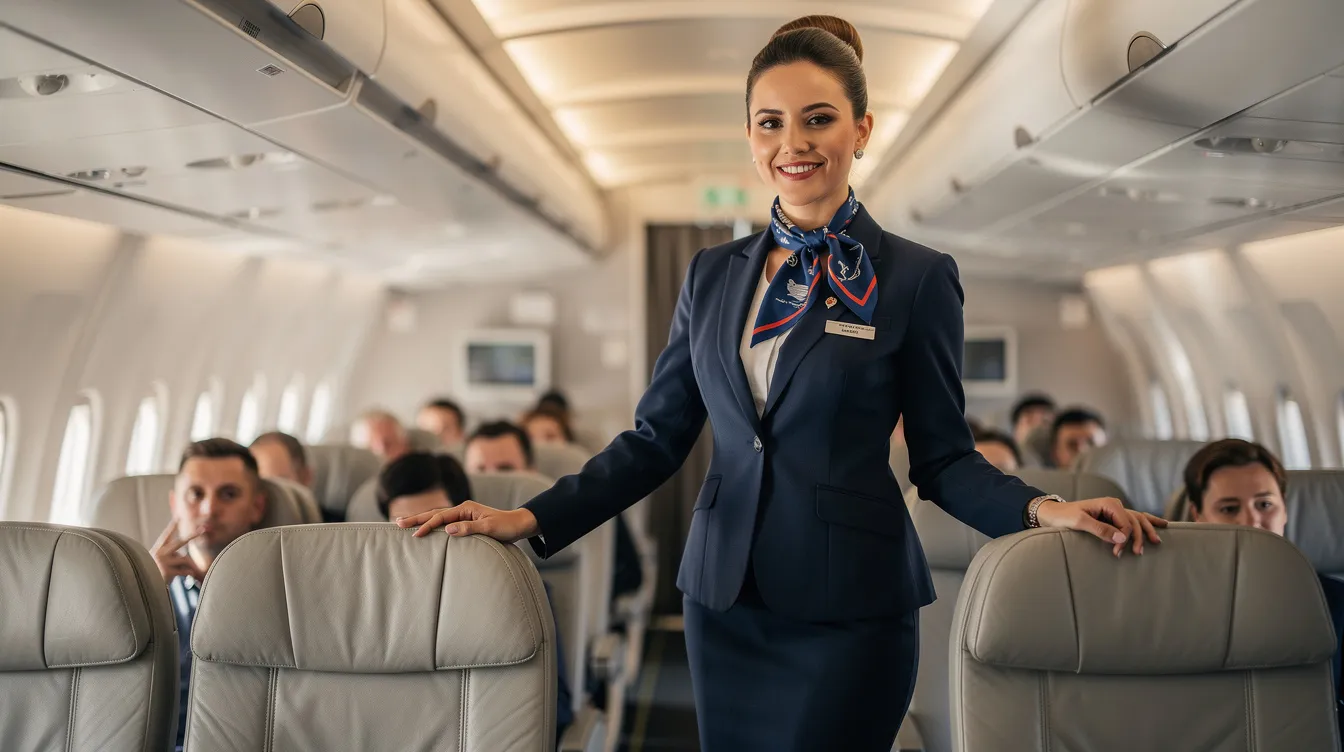
A stewardess salary—now more commonly called a flight attendant salary—can range from about $35,000 for new crew to more than $100,000 for experienced attendants, depending on the airline, seniority, and hours flown. This guide explains how commercial cabin crew pay works in 2026, including flight-hour rates, per diem, benefits, and route differences. It also compares airline roles with private aviation, where the operating carrier—not the charter broker—employs or contracts the crew.
The typical flight attendant salary in the U.S. is about $65,000 to $70,000 per year in 2026, while entry-level cabin crew often earn $35,000 to $45,000.
Senior flight attendants at major airlines can exceed $100,000 annually, particularly on international routes and with per diem, bonuses, and premium pay.
Pay depends mainly on flight hours, seniority, and route type, with per diem and overtime adding to earnings.
Commercial and private aviation have different pay structures and work patterns. On private charters arranged through Jettly, the operating carrier—not Jettly—employs or contracts the cabin crew.
“Stewardess” is an older term for the job now generally called flight attendant or cabin crew. In 2026, stewardess salary typically ranges from $35,000 to $45,000 for entry-level crew, around $65,000 to $70,000 at the median, and above $100,000 for some senior flight attendants at major airlines. The role includes passenger safety, customer service, and in-flight duties; salary figures apply regardless of the title used.
The median annual salary for U.S. flight attendants was $63,760 in 2022, according to the U.S. Bureau of Labor Statistics (BLS). Experienced flight attendants can earn more than $68,370 annually. For 2026, labor data and recent union contracts suggest a typical commercial-carrier range of $65,000 to $70,000. These estimates cover major and regional airline employees, not private jet cabin crew.
Salary can include base flight-hour pay, per diem, bonuses, and premium pay. “Flight-hour pay” generally refers to compensation from door close to door open. “Duty time” includes other work, such as boarding and ground tasks, some of which may be unpaid. “Per diem” is an allowance for expenses while away from base, and “reserve” refers to on-call periods that may have guaranteed pay. Gross earnings are before taxes; take-home pay is what remains after deductions.
For people considering the career—or comparing commercial and private aviation—the useful questions include how airline type, seniority, route, benefits, schedule, and time away from home affect total compensation and work-life balance.
Flight attendants are typically paid by flight hours, not by all the time spent at an airport. The clock commonly starts at “block out,” when the aircraft leaves the gate, and stops at “block in,” when it arrives at the gate. Boarding, delays, and time between flights may be unpaid or partially compensated, depending on the airline contract.
Typical 2026 hourly rates at U.S. carriers include:
New flight attendants at major airlines may earn around $30 to $40 per flight hour. Entry-level crew at smaller or regional carriers may earn $25 to $35 per hour. Major-airline starting rates are around $38; United’s first-year rate is $38.21.
Experienced flight attendants may earn $70 to $90 or more per flight hour after 10 to 12 years. United’s top rate is scheduled to reach $87.47 by July 2026.
Some airlines also pay for part of boarding time. United’s 2026 contract introduced boarding pay at 50% of the flight-hour rate. Delta introduced a similar policy in 2022, which continues into 2026.
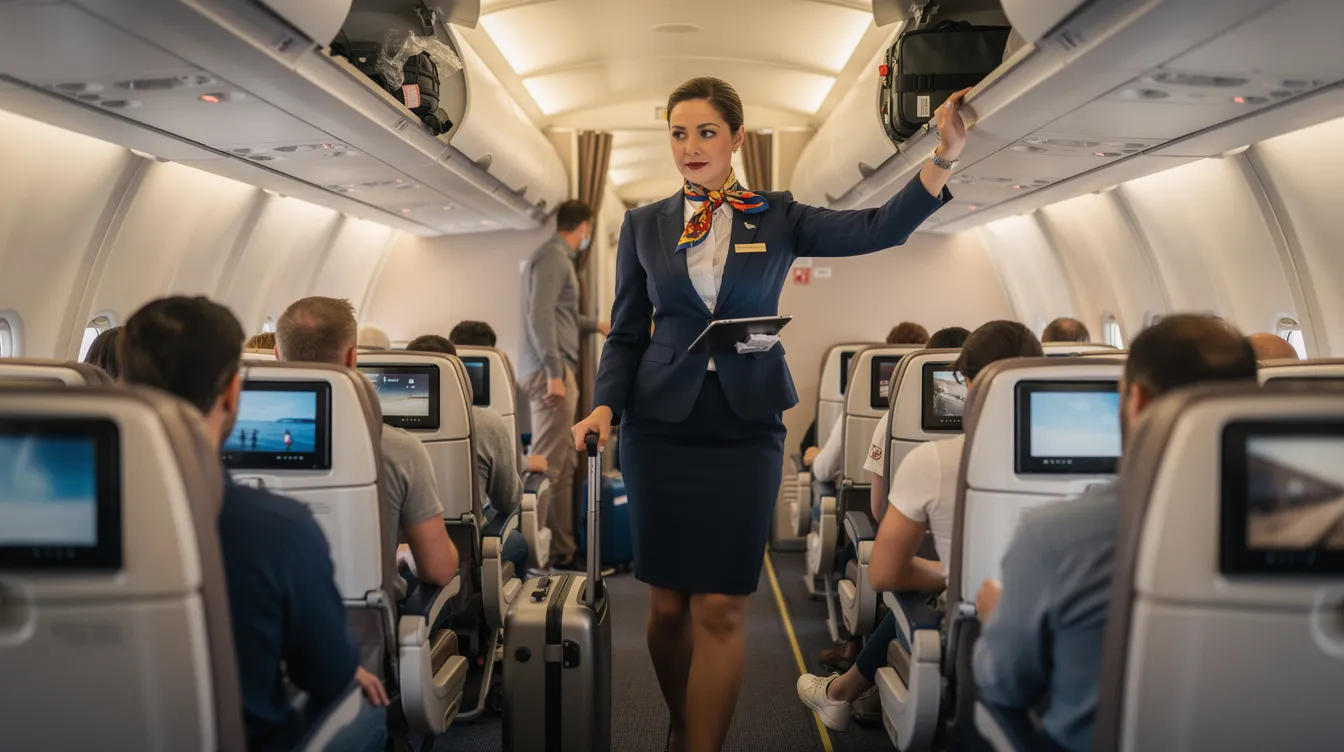
Flight attendants often receive per diem for expenses while traveling. The allowance helps cover meals during layovers and may range from $1.50 to $2.00 per hour on domestic trips at some carriers. United pays $2.97 domestically and $3.54 internationally for each hour away from base. Per diem can add an estimated $5,000 to $10,000 annually. Holiday pay may be 150% to 200% of the usual flight-hour rate, while lead roles and language skills can bring additional premiums.
For example, a first-year flight attendant flying 75 to 85 hours a month at $38 per hour earns about $34,000 to $38,000 in base flight pay, a useful comparison point if you later use a private jet charter cost estimator or jet card flight cost estimator to understand how charter pricing is structured. Per diem, boarding pay, and reserve guarantees can bring total annual pay to $35,000 to $45,000. A senior attendant on international routes earning $87 per hour and flying 85 hours monthly makes more than $88,000 in base pay. With per diem and premiums, annual earnings may reach $90,000 to $120,000 or more.
Seniority is a significant driver of flight attendant pay. It affects hourly rates as well as schedule quality, route access, and vacation priority.
Most airlines require a high school diploma or equivalent and provide airline-specific training after hiring. First-year total pay commonly ranges from $35,000 to $50,000, depending on the airline and schedule. New flight attendants earn $35,000 to $50,000 annually before taxes. Junior crew often spend more time on reserve and have less control over their schedules.
Mid-career flight attendants with five to 10 years of service may earn $45 to $70 per flight hour at large U.S. airlines. Annual pay can range from $60,000 to $90,000 for those flying a mix of domestic and international routes. Schedule bidding and access to premium routes often improve with experience.
Top flight attendants can earn $80,000 to $135,000 per year. Major-airline top rates may reach $80 to $100 or more per flight hour after 12 to 15 years. Premium long-haul routes can raise annual earnings above $110,000 to $135,000. Union contracts at carriers such as United, Delta, and American publish pay steps, helping employees understand how rates change with seniority.
Some senior flight attendants choose to fly fewer hours for a better work-life balance. As a result, annual income can differ even among employees at the top of the pay scale.
|
Career stage |
Typical annual earnings |
Common pay factors |
|
|---|---|---|---|
|
Entry-level |
$35,000–$50,000 |
Starting rate, reserve schedule, and monthly flight hours |
|
|
Mid-career |
$60,000–$90,000 |
Seniority, route mix, and schedule access |
|
|
Experienced or senior |
$80,000–$135,000 |
Top hourly rates, long-haul routes, per diem, and premiums |
|
|
Private charter cabin crew |
Varies; some earn $800–$1,200 per day |
Trip length, aircraft, operator, and irregular work availability |
These are broad estimates, not guaranteed salaries. Actual compensation depends on airline contracts, hours flown, benefits, and whether private-aviation work is offered consistently.
The airline and route a flight attendant works can shift compensation by tens of thousands of dollars a year. Major airlines generally pay more than regional carriers, though exact earnings depend on contract terms, seniority, and hours flown. Delta flight attendants start at $38.40 per flight hour, with top rates reaching $86.32 after 12 years. United and American offer comparable pay scales, while regional and low-cost airlines may have lower rates or different per diem policies.
International routes may bring additional compensation through longer flight segments, higher per diem, or language premiums. A New York-to-Tokyo flight can involve more than 13 hours in one leg, while a Dallas-to-Houston trip is about one hour. Route length can therefore affect monthly paid flight hours. Base location and cost of living may also influence which routes employees seek.
Commercial and private aviation use different pay models, and the aircraft available through private charter aircraft providers can also influence crew compensation:
Scheduled airline cabin crew generally work under established pay tables and seniority-based bidding systems.
Private jet cabin crew may be paid by the day or trip. Some experienced crew earn $800 to $1,200 per day, but they may have fewer guaranteed hours.
For private charters booked through platforms such as Jettly, travelers who fly frequently may also consider world-class corporate jet card programs, while the operating carrier hires or contracts the cabin crew and pays them. Pay reflects the aircraft, trip, and client requirements—not Jettly’s role as a charter broker.
Total compensation includes more than salary. Major-airline benefits commonly include:
Health, dental, and vision insurance
Retirement contributions, including 401(k) matching at some U.S. airlines
Paid time off and sick leave
Disability and life insurance options
Flight attendants often receive paid time off, retirement benefits, and health and life insurance. Employees of major airlines commonly receive free or discounted travel, including standby travel privileges for eligible family members. Standby passengers may have to wait until close to departure to learn whether a seat is available, and priority can depend on seniority. Employees may also receive discounts on travel and accommodations.
Additional earnings may come from training duties, purser or lead positions, and knowledge of destination languages. Per diem allowances help cover meals during layovers and other expenses while away from base.
In private aviation, corporate flight attendants may receive higher per-day or per-leg pay, particularly on longer international trips, and these roles are often found with top private jet charter companies that specialize in premium service. Tips and bespoke service expectations can add income, but trips are irregular and annual earnings may be less predictable than airline pay. Jettly is a digital private jet charter broker. It connects travelers with properly certified third-party air carriers, which employ or contract their own cabin crew. Passengers booking through Jettly can request flexible departure times and tailored catering, including curated menus via Jettly Eats in-flight catering, while the carrier is responsible for operating the flight and providing its crew.
The BLS reported about 111,100 flight attendant jobs in the U.S. in 2022 and projects employment growth of approximately 11% by 2032. Demand for air travel is expected to recover over the long term, and many travelers are exploring private options by consulting comprehensive guides to charter airlines and private flights, as well as affordable airplane rental costs and options guides. Employment had declined by 21% from 2019 to 2029, a period affected by the pandemic; more recent hiring has reflected the industry's recovery.
The work also comes with challenges:
Irregular schedules that may include nights, weekends, and holidays
Jet lag and health considerations on long-haul routes
Commuting to base and waiting on reserve, which may involve unpaid time
Career options beyond scheduled airlines include corporate or VIP flight attendant roles on business jets and charter flights, often working for clients who choose flexible NetJets alternatives like Jettly rather than traditional fractional ownership. Other paths include training, cabin safety, and customer experience roles on the ground. Private aviation charter has created opportunities for cabin crew who can support small groups on customized trips, including shared or crowdsourced flights where platforms help crowdsource private jet flights and share empty seats and guide passengers on how to buy a seat on a private jet, though schedules and employment terms vary by operator.
Travelers who are interested in private flying rather than a cabin crew career can use Jettly’s online tools to compare aircraft, routes, and pricing, and to explore affordable private jet charter options or private jet memberships that fit different budgets. Learn more about charter options at https://www.jettly.com.
No. Most commercial flight attendants receive their full hourly rate for flight time, generally from aircraft door close (“block out”) to door open (“block in”). Gate time, delays, and commuting to base are usually unpaid. Some airlines, including United and Delta, pay part of boarding time, but policies differ by carrier.
Corporate and charter cabin crew may earn higher daily or trip rates. Experienced crew on large-cabin aircraft may bill $800 to $1,200 per day, but they can have fewer guaranteed hours and less consistent benefits. Annual income therefore varies more than it may under a major airline’s pay scale, just as passenger costs differ between shared charter flights and full private charters.
Tipping is uncommon and sometimes discouraged on commercial airlines. In private aviation, passengers may tip cabin crew for exceptional service, but tipping practices and amounts vary. Tips should be treated as possible additional income, not guaranteed compensation.
At unionized airlines, seniority can influence pay steps, schedule bidding, base assignments, vacation priority, and access to premium international routes. A first-year employee may spend more time on reserve, while a veteran may have more choice over routes and time off.
Travelers can visit https://www.jettly.com to request an instant charter quote, compare aircraft, and arrange an on-demand flight operated by a properly certified third-party carrier, using tools such as an airport locator for private jet flights to find the most convenient departure and arrival points. Jettly offers access to private charter options without requiring aircraft ownership or a long-term jet card contract.
Ready to explore private travel options? Compare flights or request a quote at https://www.jettly.com.
A stewardess salary—more commonly described as flight attendant pay—can range from about $35,000 for new crew to more than $100,000 for experienced attendants at major airlines in America. Actual earnings vary depending on seniority, flight hours, route type, airline, and added compensation such as per diem. Domestic and international flights may also involve different schedules and allowances. Candidates should check current airline contracts and hiring details, since pay and benefits can change.
The role calls for strong customer service skills and may involve flexible schedules, reserve duty, and time away from home. Those weighing the career against private aviation should remember that private charter cabin crew are hired or contracted by the operating carrier; Jettly is a charter broker that connects travelers with properly certified third-party operators.
For travelers, Jettly provides access to a broad private jet marketplace, instant charter quotes, and membership programs that can support more predictable pricing, often through vetted operators such as DEXTER AIR TAXI private jet services. Explore private charter options or request a quote.
Share this post:
Jay Franco Serevilla
Nov 20, 2026
|
5
min read
Discover tips and trends in the industry.
5
min read
Charter Flight Group: How Jettly Makes Private Jet Charter Simple
Charter Flight Groups provide travelers with access to a vast network of private jets and aircraft without the need for ownership. Jettly simplifies the booking process, connecting users to over 20,000 aircraft worldwide, ensuring flexibility and safety. This service is ideal for business trips, family vacations, and special events, allowing for tailored travel experiences.
Read More
5
min read
GrandView Aviation: How It Compares to Digital Charter Platforms Like Jettly
GrandView Aviation, known for its safety-focused charter services and specialized organ transplant missions, has been integrated into Wheels Up following its acquisition. As travelers seek alternatives, digital charter platforms like Jettly offer broader access to a variety of aircraft without the constraints of a single fleet. This article compares the two, highlighting the flexibility and options available through Jettly's marketplace model.
Read MoreStay updated with our latest insights and tips to elevate your journey with us.
MEMBERSHIPS AND ASSOCIATIONS



© 2026 Jettly Inc. All rights reserved.
Disclaimer: Jettly operates as a charter broker, offering access to a global digital jet charter marketplace. Jettly is not a direct air carrier and does not own or operate aircraft. All advertised flights are conducted by third-party air carriers that are fully licensed and hold the appropriate Part 135 or Part 121 certifications issued by the Federal Aviation Administration (FAA) or equivalent regulatory authorities under U.S. or foreign law. Jettly complies fully with the U.S. Department of Transportation's Part 295 and Part 298 Charter Broker regulations. Jettly does not carry additional liability insurance. Passengers are covered by aircraft operator insurance. TICO: 50023770


