



Login
Get Instant Pricing On 23,000+ Aircraft

>
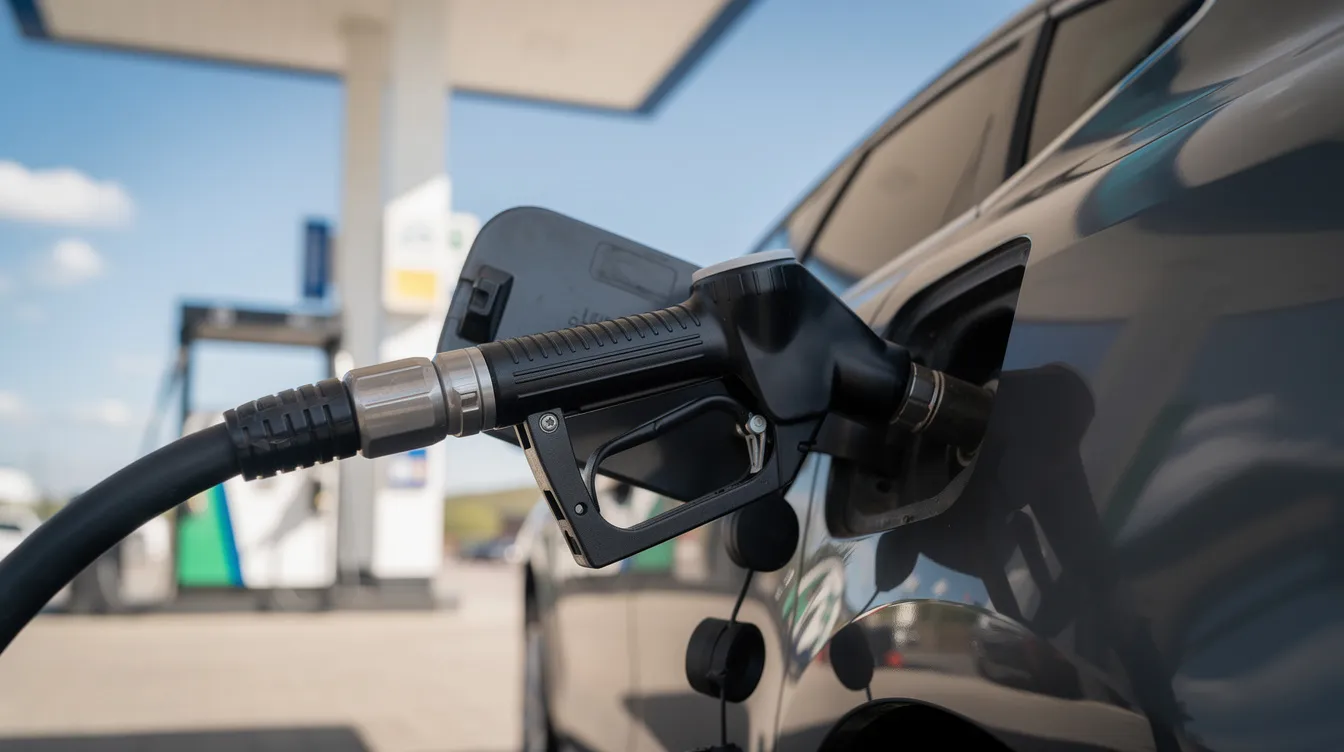
Understanding what fuel is matters whether you fill up at the corner gas station or step onto a chartered private jet. Fuel is any material that can react with other substances to release energy, and it powers nearly every form of modern transportation. This guide breaks down the different types of fuel used on roads, in the air, and at sea—and explains how fuel choice affects performance, cost, and emissions for everyday drivers and private aviation travellers alike.
Fuel is any substance that stores energy and releases it through combustion or other processes, powering cars, trucks, ships, and private jets.
Fossil fuels like gasoline, diesel fuel, natural gas, and jet fuel still dominate global transport, but renewable energy sources such as biofuels, electricity, and hydrogen are growing.
Different types of fuel match different engines: gasoline for spark-ignition cars, diesel for compression-ignition trucks, and kerosene-based Jet A or Jet A-1 for turbine-powered private jets booked through platforms like Jettly.
Fuel efficiency measures how much useful movement or thrust comes from a given amount of fuel—directly affecting both trip cost and greenhouse gas emissions.
Choosing the right fuel type and aircraft for a route can optimize costs, range, and environmental impact when booking private flights via Jettly's digital charter marketplace.
Fuel is any substance that stores chemical or nuclear energy and can be converted into useful work—movement, heat, or electricity—through chemical or physical processes. Proper fuel should have high calorific value and be affordable, easy to store, and low in pollution. Transportation, electricity generation, and heating are the primary applications of fuel worldwide.
Fuels are generally categorized by their physical state as solid, liquid, or gas:
Solid fuels such as wood and coal retain their shape without a container and are among the oldest energy sources, used directly in furnaces and stoves for residential heating.
Liquid fuels flow easily and possess high energy density, making them ideal for transportation. Most transportation fuels are liquids for this reason.
Gaseous fuels expand to fill their containers and burn cleanly compared to solids.
There is also a separate category: nuclear fuels rely on changes in the nucleus of atoms to release energy. Nuclear fuels release energy via nuclear fission, producing large amounts of thermal energy. Electricity generation from fuels typically involves burning to produce steam that drives turbines.
In the mid-2020s, most cars in North America still run on gasoline or diesel, while newer vehicles increasingly use electricity or flex fuel blends. In aviation, private jets listed on Jettly use refined liquid hydrocarbon fuels—typically Jet A or Jet A-1—because of their higher energy density and stability across a wide range of temperatures.
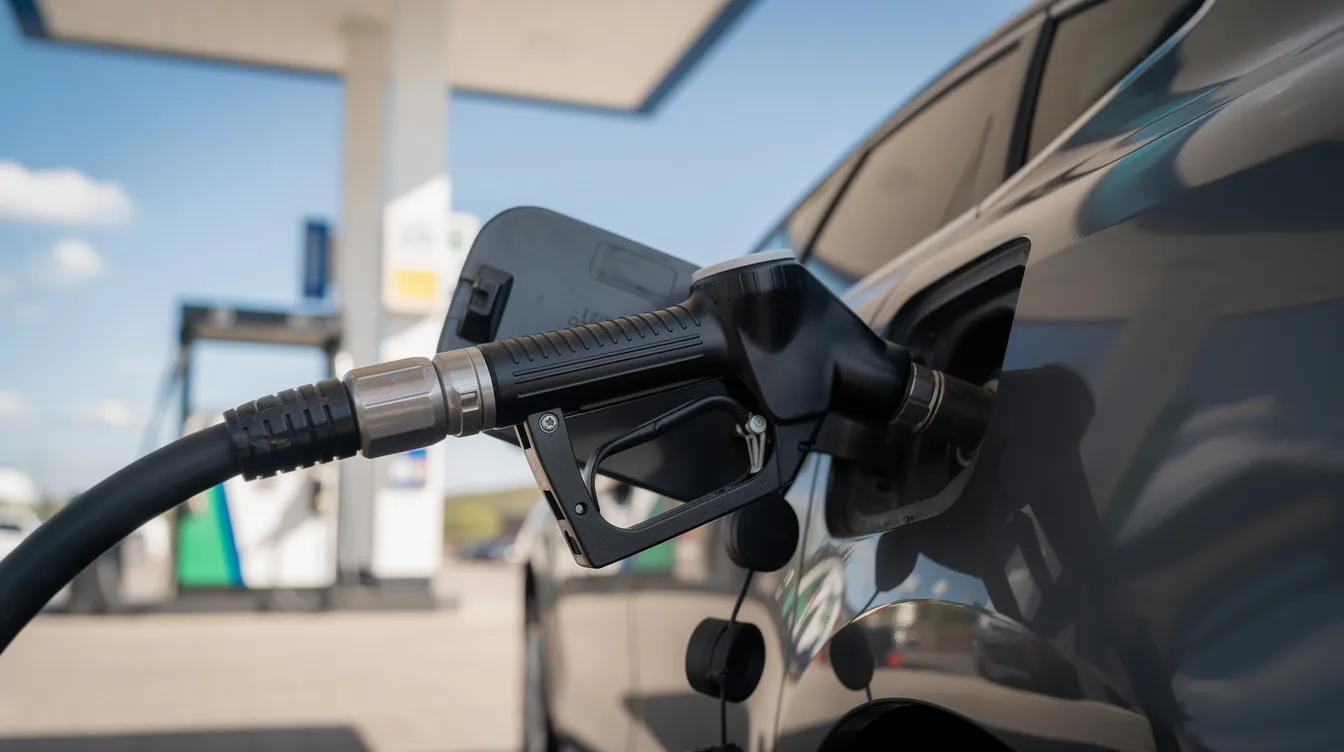
Fossil fuels are formed from the decomposed remains of ancient plants and animals over millions of years. They dominated 20th- and early 21st-century transport because they are energy-dense, easy to move, and scalable. Oil, coal, and natural gas all fall into this category.
Gasoline is the primary fuel for spark-ignition engines in passenger cars. Regular gasoline has an octane rating of 87, while premium fuel typically has an octane rating of 91–94. The octane rating indicates a fuel's resistance to premature ignition; using too low a grade in a high-performance engine can cause engine knock, which damages internal components over time.
Diesel fuel is thicker and oilier than gasoline and powers compression-ignition diesel engines commonly found in trucks, buses, and some cars. Diesel engines deliver better fuel efficiency and stronger low-RPM torque, which is why they are preferred for heavy transportation.
Fuel oil refers to heavier petroleum products used for heating oil in buildings, marine fuel oil for ships, and industrial boilers. It is distinct from road diesel and jet fuel in both composition and regulation.
Natural gas (compressed natural gas or liquefied natural gas) is a gaseous fossil fuel used in fleet vehicles, power generation, and some buses and trucks. It burns cleaner than coal and heavier oils. Natural gas is also widely used for residential heating and cooking.
Jet fuel itself is a kerosene-type fossil fuel distilled from crude oil and is currently essential for long-range commercial and private jet flights. Learn more about aviation fuel types and specifications.
This section categorizes the main types of fuel used in transport and how they match various types of engines and vehicles.
Road vehicle fuels:
|
Fuel Type |
Common Use |
Key Feature |
|---|---|---|
|
Gasoline |
Passenger cars |
High octane rating, widely available |
|
Diesel |
Trucks, buses, some cars |
Higher energy density per liter |
|
Flex fuel (E85) |
Flex fuel vehicles |
Up to 85% ethanol mixed with gasoline |
|
CNG / LPG |
Fleet buses, taxis |
Cleaner burning than gasoline |
|
Electricity |
Battery EVs |
Zero tailpipe emissions |
|
Hydrogen |
Fuel-cell vehicles |
Releases only water vapour |
E85 fuel contains up to 85% ethanol mixed with gasoline. Flex fuel vehicles can use E85 because their fuel systems are designed to handle the higher ethanol content. Pros include a renewable portion that can reduce greenhouse gas emissions; cons include lower energy per litre and limited infrastructure.
Biofuels like ethanol and biodiesel are produced from organic materials—including plant oils, animal fats, and agricultural residues—and are considered renewable fuels.
Seasonal blending also matters: gas stations switch to winter blends by September 16 each year. Winter blend fuel has additives for better cold weather performance, helping engines start reliably at low temperatures during the colder summer months' end and beyond.
Aviation fuels include Jet A and Jet A-1 for turbine aircraft, AVGAS for small piston aircraft, and emerging sustainable aviation fuel (SAF) made from renewable feedstocks. Hydrogen is a clean-burning fuel that releases only water vapour upon combustion, though it is still experimental in aviation.
Marine fuels include marine diesel, low-sulphur fuel oil, and LNG for ships.
Platforms like Jettly focus on aircraft powered by jet fuel or SAF. Fuel choice influences range, operating cost, and airport availability when planning charter flights. For a deeper look, see Fuel for Jets: Types, Performance, and What Matters for Private Jet Travel.
Although fuels differ, the basic principle is the same: convert stored chemical energy into mechanical work or thrust through direct combustion or electrochemical conversion.
Gasoline engines (spark-ignition):
Air and vaporized gasoline enter the cylinder (intake).
The mixture is compressed under pressure.
A spark plug ignites the mixture.
Combustion produces expanding heat and gas, pushing the piston down (power stroke).
Exhaust exits the cylinder.
Diesel engines (compression-ignition): There is no spark plug. Diesel fuel is injected into highly compressed, hot air. The higher compression ratio (roughly 15:1 to 25:1) gives diesel engines better fuel efficiency and stronger low-RPM power, making them ideal for heavy vehicles.
Jet engines (turbofan/turbojet): Air enters the intake, passes through a multi-stage compressor, mixes with kerosene-based jet fuel in the combustion chamber, and the resulting hot exhaust accelerates through a turbine and nozzle to produce thrust. Fuel quality—flash point, freezing point, sulphur content—is critical. Impurities or the wrong fuel type can damage turbine components.
Electric and hydrogen vehicles skip combustion entirely. Battery EVs store electricity and discharge it to power electric motors. Hydrogen fuel-cell vehicles convert hydrogen and oxygen into electricity, emitting water vapour. Both still rely on "fuel" in the broader energy-carrier sense. Hydrogen has a gravimetric energy density of roughly 120 MJ/kg-nearly three times that of jet fuel—but its volumetric density is extremely low, creating storage challenges.
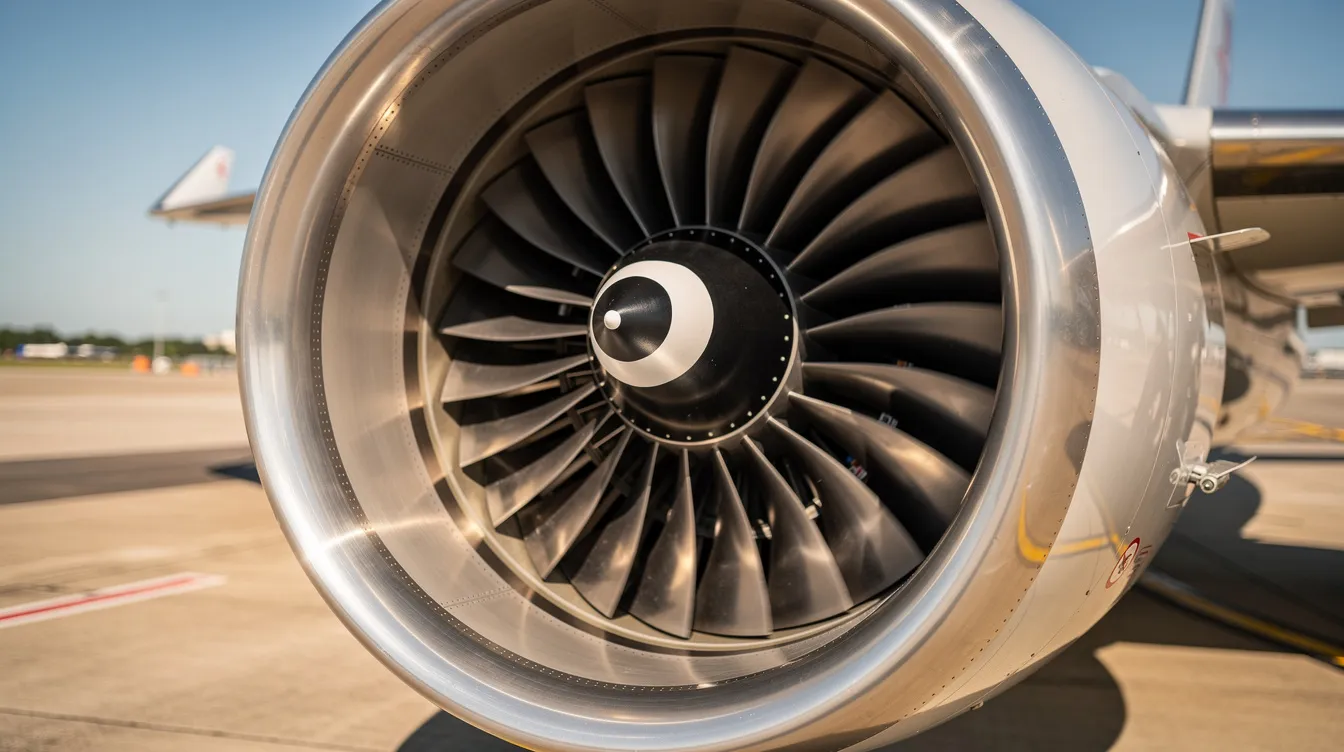
Fuel efficiency is how far a vehicle or aircraft can travel—or how much useful work it can do—per unit of fuel consumed.
Common metrics include miles per gallon (mpg) in the United States, litres per 100 kilometres (L/100 km) in Europe and Canada, and specific fuel consumption (kg of fuel per hour or per unit of thrust) in aviation.
Diesel engines generally achieve better fuel efficiency than gasoline engines because of higher thermodynamic efficiency and the fact that diesel fuel contains more energy per litre. Using premium fuel in non-required vehicles offers no meaningful efficiency gain—it usually just costs more per tank.
In private aviation, fuel burn varies sharply by aircraft size:
|
Aircraft Category |
Avg. Fuel Burn (US gal/hr) |
Avg. CO₂ (kg/hr) |
|---|---|---|
|
Turboprop |
~80 |
~780 |
|
Very Light Jet |
~92 |
~900 |
|
Light Jet |
~188 |
~1,830 |
|
Midsize Jet |
~267 |
~2,610 |
|
Ultra Long-Range Jet |
~466 |
~4,540 |
Fuel can represent the largest share of total trip cost on longer routes. Practical factors affecting efficiency include weight, aerodynamics, speed, route choice, weather, and maintenance (clean filters, engine tuning, tire pressure). Learn more about how much fuel a private jet uses.
Jettly users can work with flight advisors to select aircraft categories and routings that balance comfort, range, and fuel efficiency on routes like New York–Miami or Toronto–Vancouver.
Governments and companies across many countries are pushing a shift from fossil fuels to renewable energy and low-carbon fuel options to reduce greenhouse gas emissions from the transportation sector.
Biofuels such as biodiesel and ethanol are produced from biomass, plant oils, waste cooking oils, animal fats, and agricultural residues. They can replace or blend with diesel fuel and gasoline. Global biofuel consumption reached roughly 120 million tonnes of oil equivalent by the mid-2020s, with the vast majority consumed in road transport. The renewable fuel standard in the U.S. sets blending requirements. Renewable diesel, a hydroprocessed fuel, offers a drop-in alternative that meets conventional diesel specifications.
Sustainable aviation fuel (SAF) is a drop-in jet fuel alternative derived from renewable or waste feedstocks. It must meet the same specifications as Jet A-1—density, freezing point, flash point, and heat of combustion—so turbines can use it without modification. SAF has the potential to significantly cut lifecycle CO₂ emissions. For more detail, read about greener airlines and how aviation is cutting carbon.
Electricity from renewable sources (wind, solar, hydro) powers battery-electric vehicles. Environmental impact depends on how the electricity is produced—coal-heavy grids produce more emissions than grids dominated by renewables.
Hydrogen serves as an energy source for fuel-cell vehicles and is being tested for future aircraft. Green hydrogen, produced via renewable electricity, emits only water vapour at the point of use.
Private aviation stakeholders, including operators accessible via Jettly, increasingly consider carbon offset programs and more efficient aircraft to manage environmental impact. Explore green private jet options for more.
Choosing the correct fuel type is essential for performance, safety, warranty compliance, and cost control.
For road drivers: Always follow the fuel recommendations on the fuel door or in the owner's manual, including octane rating, diesel versus gasoline, and whether flex fuel is acceptable. Regular gas is usually 87 octane, used by most vehicles. Regular gas in a premium vehicle can reduce performance and may trigger warning lights.
Wrong-fuel consequences can be severe:
Using diesel in a gasoline car can cause expensive repairs to the fuel system and catalytic converter.
E85 in a non-flex-fuel car can damage rubber components, seals, and fuel lines.
Contaminated fuel can cause engine misfires and stalling.
Drivability problems occur quickly after using the wrong fuel—often within minutes.
Petroleum refineries produce energy products to tight specifications, and additives are blended to control volatile organic compounds, combustion quality, and seasonal performance. The fuel ratio of various types of hydrocarbons determines whether the end product is gasoline, diesel, kerosene, or fuel oil.
In aviation, operators must follow strict fuel specifications (Jet A, Jet A-1, AVGAS). Substituting road fuels is a serious safety hazard. Charter brokers like Jettly work only with certified air carriers that adhere to national aviation authority standards, including correct fueling procedures. For trip planning—especially international private flights—travellers should factor in fuel availability, local fuel price differences, and range limits. See where to buy jet fuel for more on airport fuel logistics.

Fuel is one of the largest variable operating costs in private aviation, directly influencing hourly rates and total private jet charter cost as part of overall private jet operating costs.
Different aircraft categories have different fuel burn rates. Very light jets burning around 92 gallons per hour suit short hops like LA–Vegas, while ultra-long-range jets consuming over 460 gallons per hour handle transcontinental legs like New York–Los Angeles. Turboprops offer the lowest fuel burn but at slower cruise speeds.
Jettly's marketplace gives access to over 20,000 private charter aircraft, allowing travellers to compare options where fuel burn and efficiency are reflected in the quotes they receive. Explore various private jet models to see how aircraft choice shapes cost.
Empty leg flights—repositioning legs flown without passengers—can influence pricing. Passengers with flexible schedules can sometimes book these at significant discounts and can also search dedicated empty leg flight deals.
Efficient flight planning matters: direct routings, optimal cruising altitude, and right-sized aircraft all create opportunities to reduce overall fuel consumption. Jettly's instant pricing tools and airport locator tool let travellers see how aircraft choice, departure and arrival airports, and route length affect estimated cost differences between itineraries.
Fuel technologies and policies are evolving quickly and will shape how people drive and fly into the 2030s and beyond.
Improvements in internal combustion efficiency, lightweight composite materials, and hybrid powerplants continue to lower fuel burn in both cars and aircraft without immediately replacing liquid fuels. Electric and hybrid-electric aircraft are being tested for short regional routes; when battery energy densities improve, short-haul private aviation could see meaningful change.
Wider adoption of sustainable aviation fuel and stricter emissions regulations will gradually shift the fuel mix used by operators, including those working with Jettly. Digital tools—flight path optimization, dynamic routing, predictive maintenance—help reduce fuel use in real time and could surface efficiency trade-offs directly to charter customers.
Understanding what fuel is and how it is used helps travellers make more informed choices about aircraft type, route, and environmental impact when booking private jet emissions-conscious flights.
Below are practical questions not fully covered in the main sections, along with context for tools like Jettly's private jet charter cost estimator that help translate fuel and operating concepts into trip pricing.
Always use the fuel type and octane rating recommended by the vehicle manufacturer. This ensures proper performance, fuel efficiency, and engine longevity. Using higher-octane gasoline than required usually does not improve fuel efficiency enough to offset the higher per-gallon price.
Passengers do not typically choose the specific fuel. Certified operators select the correct aviation fuel—Jet A, Jet A-1, AVGAS, or approved SAF blends—based on aircraft requirements and airport availability. Passengers interested in lower-carbon options can ask Jettly or the operator about sustainable aviation fuel use or carbon offset programs when planning a flight, and can review how private jet fuel costs fluctuate by fuel type and region.
Fuel cost is built into the hourly or trip-based rate. Aircraft that burn more fuel per hour generally carry higher charter rates, especially on long routes. Travellers looking to manage cost can consider smaller or more fuel-efficient aircraft categories and stay flexible on departure times to access favourable options through Jettly; understanding one private jet flight cost also helps clarify how fuel and other variables affect pricing.
As of the mid-2020s, natural gas is not commonly used as a direct aviation fuel for commercial or private jets. Some experimental aircraft and ground operations equipment may use LNG or CNG, but most aircraft still rely on refined liquid fuels like Jet A. Research into SAF, hydrogen, and hybrid-electric systems continues for future use.
Choose the smallest practical aircraft that safely and comfortably serves the route—it typically burns less fuel per trip. Consolidate trips, use non-stop routings when feasible, ask about SAF availability, and consider carbon offset services offered through operators or third-party providers.
Ready to explore efficient aircraft options for your next trip? You can review affordable private jet charter options and request an instant quote at https://www.jettly.com.
Fuel is a material or energy carrier that releases usable energy, but the right type depends on the engine, application, and operating conditions. For drivers, following the vehicle manufacturer’s fuel and octane guidance helps protect performance and avoid costly damage. In aviation, certified operators select approved fuel for each aircraft, while aircraft size, route, and fuel availability influence charter costs and emissions.
Travellers can compare aircraft and routes through Jettly’s global charter marketplace, which offers access to more than 20,000 aircraft and an instant-quote workflow. Jettly is a charter broker; flights are operated by properly certified third-party carriers. Explore Jettly’s charter options at https://www.jettly.com or request a quote for your next trip.
Share this post:
Jay Franco Serevilla
Nov 16, 2026
|
5
min read
Discover tips and trends in the industry.

5
min read
Is It Better to Book Flights Early or Late? A Practical Guide for 2026
Deciding whether to book flights early or late can significantly impact your travel experience and costs. This guide outlines the optimal booking windows for both commercial and private flights, emphasizing that early booking generally offers better prices and more choices. However, there are exceptions for flexible travelers who can take advantage of last-minute deals.
Read More5
min read
What Fuel Is: A Complete Guide for Everyday Drivers and Private Jet Travellers
Understanding fuel is crucial for both everyday drivers and private jet travelers. This comprehensive guide explores various fuel types, their applications, and how they impact performance, costs, and emissions. From fossil fuels to renewable alternatives, learn how to make informed choices for your transportation needs.
Read MoreStay updated with our latest insights and tips to elevate your journey with us.
MEMBERSHIPS AND ASSOCIATIONS



© 2026 Jettly Inc. All rights reserved.
Disclaimer: Jettly operates as a charter broker, offering access to a global digital jet charter marketplace. Jettly is not a direct air carrier and does not own or operate aircraft. All advertised flights are conducted by third-party air carriers that are fully licensed and hold the appropriate Part 135 or Part 121 certifications issued by the Federal Aviation Administration (FAA) or equivalent regulatory authorities under U.S. or foreign law. Jettly complies fully with the U.S. Department of Transportation's Part 295 and Part 298 Charter Broker regulations. Jettly does not carry additional liability insurance. Passengers are covered by aircraft operator insurance. TICO: 50023770


