


Login
Get Instant Pricing On 23,000+ Aircraft

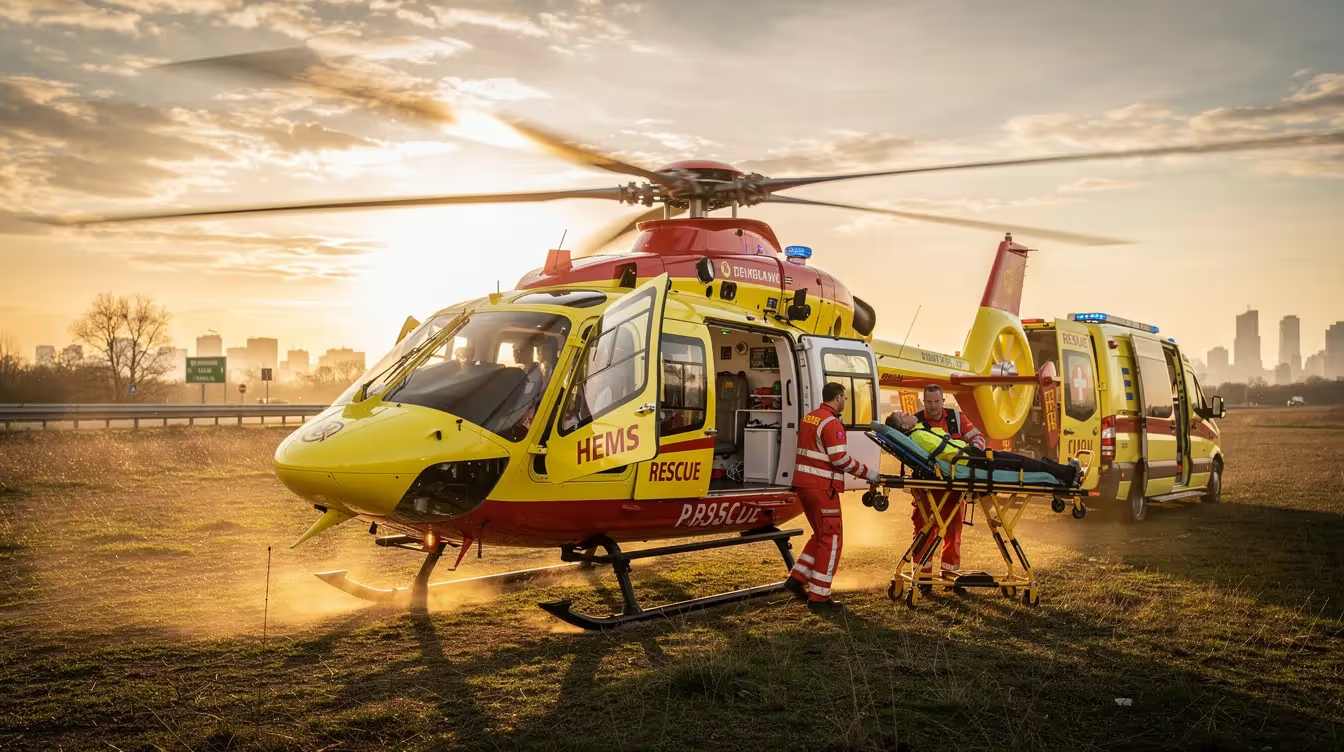
Helicopter ambulance costs in the U.S. are projected to range from $25,000 to $60,000 in 2026, influenced by factors such as distance, medical complexity, and insurance coverage. Patients may face significant out-of-pocket expenses, especially if the provider is out-of-network, with bills potentially exceeding $30,000. Understanding the pricing structure, which includes base fees and per-mile charges, is crucial for managing costs, as well as reviewing insurance provisions and considering medevac memberships for better financial protection. For non-emergency medical transport, platforms like Jettly offer transparent pricing and alternatives to costly emergency services.
Jay Franco Serevilla
Mar 30, 2026
|
5
min read


View all
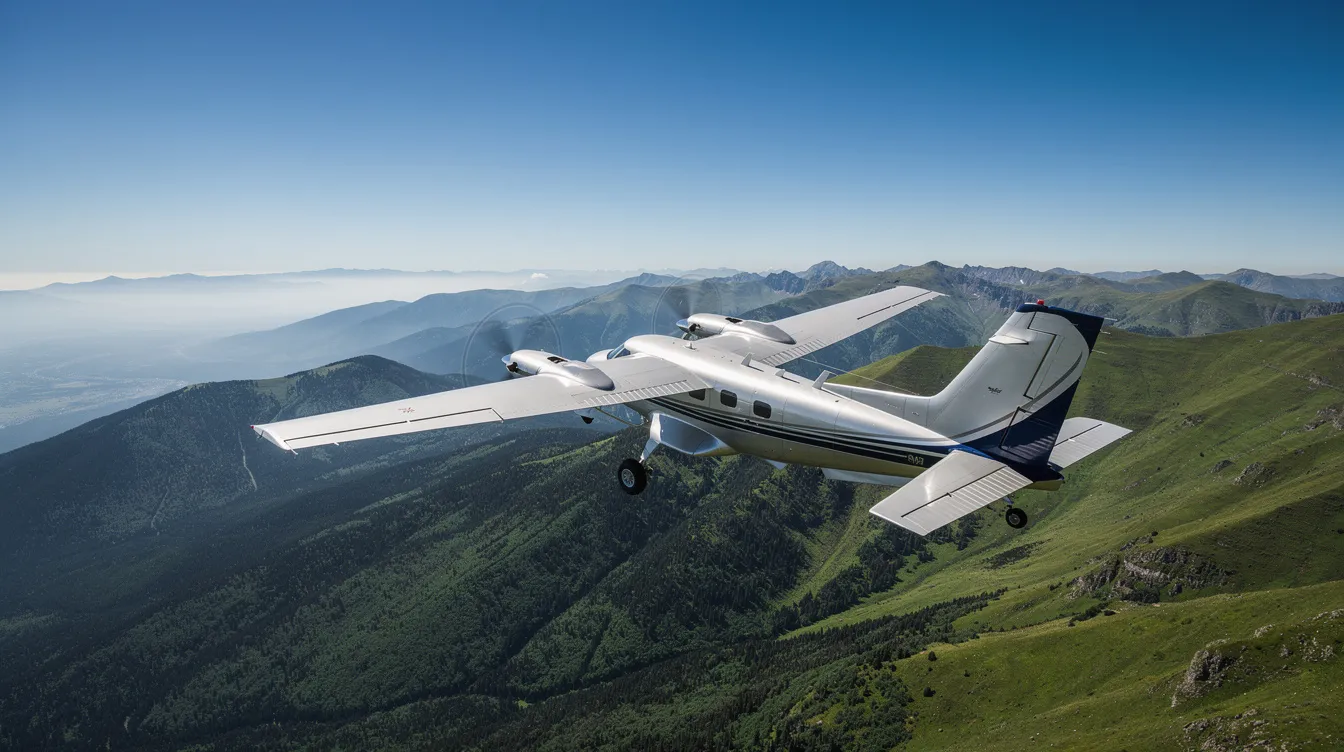
The fastest single engine plane today is the Epic E1000 GX, reaching speeds of 333 KTAS, while the Mooney M20V Acclaim Ultra leads piston aircraft at 242 KTAS. This guide explores their performance, real-world applications, and comparisons to private jets, helping pilots and travelers make informed choices for regional trips.
Jay Franco Serevilla
Jul 19, 2026
|
5
min read

View all
The Airbus A320 family boasts a range of 3,100 to 4,700 nautical miles, depending on the variant and configuration. This versatility allows airlines and charter operators to efficiently serve various city pairs nonstop, catering to both corporate and leisure travelers. Understanding the range capabilities of each model, including the A320neo and A321XLR, is crucial for optimizing flight planning and operational efficiency.
Jay Franco Serevilla
Jul 19, 2026
|
5
min read
View all
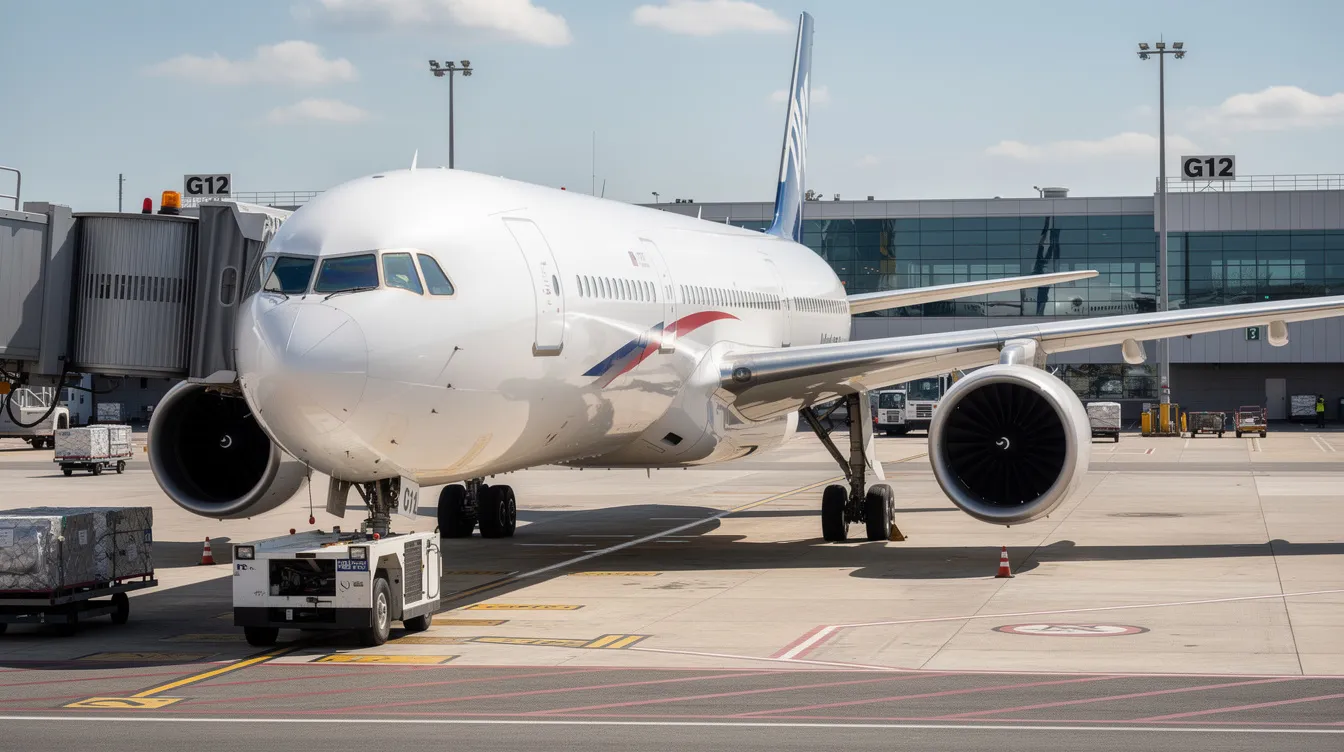
The Airbus A330, a versatile twin-engine widebody aircraft, has a varied cost structure influenced by its model, age, and usage type. In 2025, new A330-900neo models are valued around $107 million, while pre-owned variants average $18 million. Operating costs, including fuel and maintenance, can significantly impact total expenses, making it essential for airlines and private users to evaluate their options carefully.
Jay Franco Serevilla
Jul 19, 2026
|
5
min read
View all
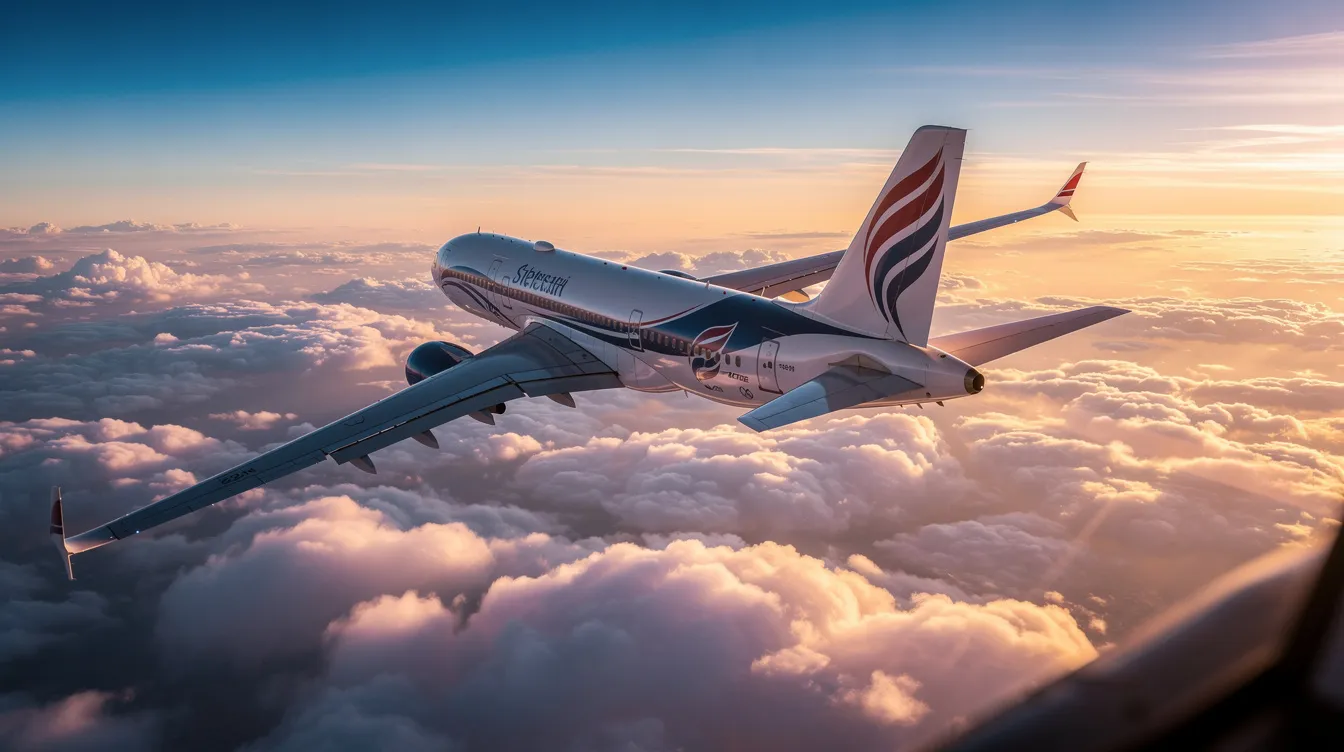
The Airbus A330 boasts a maximum operating speed of Mach 0.86, with typical cruising speeds ranging from Mach 0.82 to 0.84 for optimal fuel efficiency. Variants like the A330neo enhance fuel economy while maintaining similar speed capabilities. Understanding these speeds aids travelers in comparing commercial flights with private jet options.
Jay Franco Serevilla
Jul 19, 2026
|
5
min read
View all
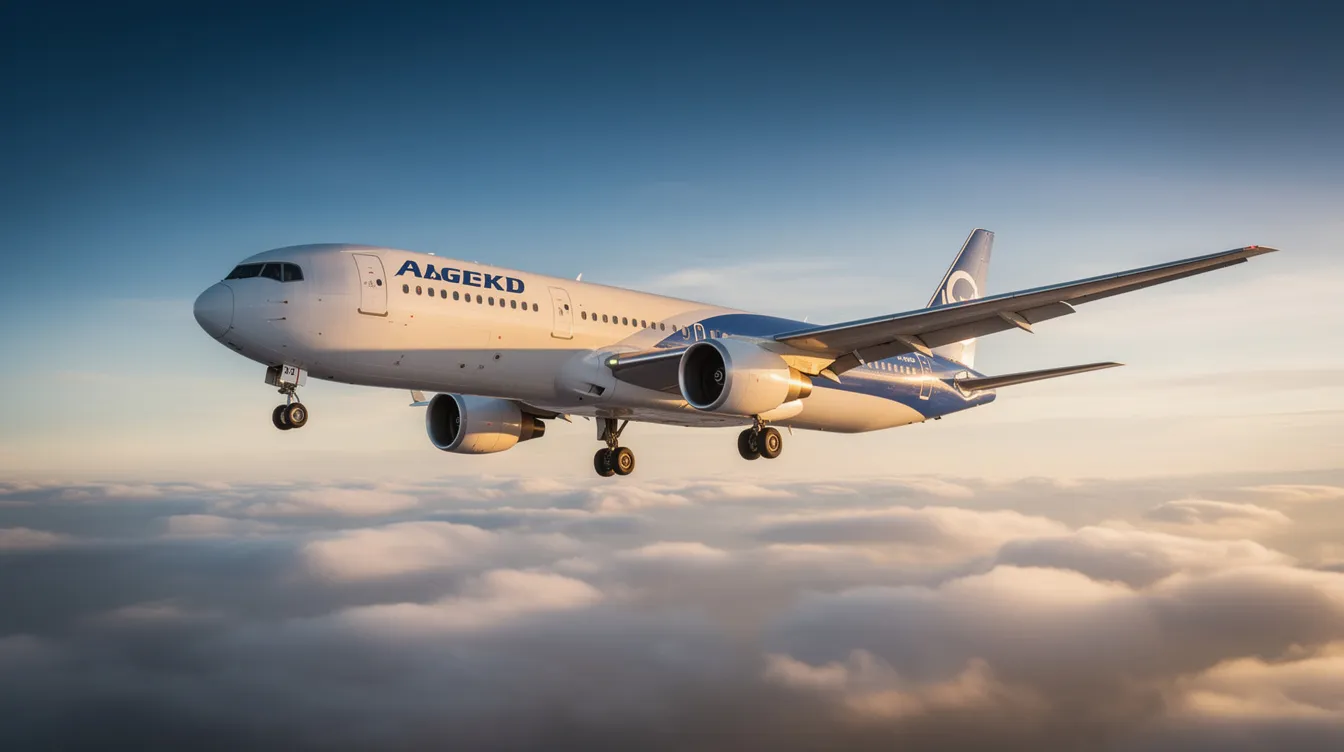
The Boeing 767, with a top speed of approximately Mach 0.86, has been a staple in global aviation since 1982. Its cruising speed typically ranges from Mach 0.80 to 0.82, making it competitive among wide-body aircraft. Ideal for long-haul flights and private charters, the 767 balances speed, range, and fuel efficiency, ensuring reliable service for both passengers and cargo.
Jay Franco Serevilla
Jul 19, 2026
|
5
min read
View all
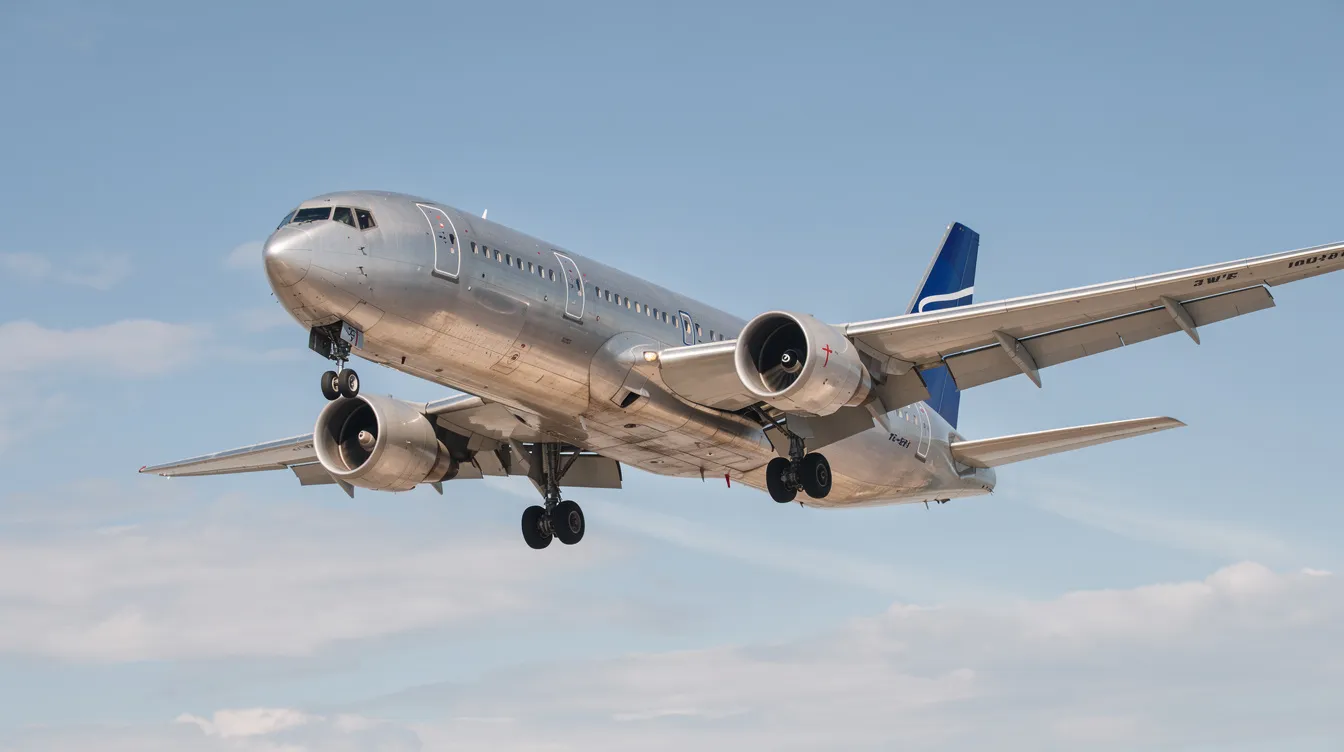
The Boeing 767 has been a staple in aviation for over 40 years, with weight specifications crucial for operators and charter planners. This guide details the weight data across the 767 family, highlighting how it impacts payload, range, and airport compatibility. Understanding these figures is essential for optimizing flight operations and ensuring efficient charter missions.
Jay Franco Serevilla
Jul 19, 2026
|
5
min read
Explore our latest articles and updates.

5
min read
Jettly Launches Special Missions, Expanding On-Demand Access to Helicopters, Group Charter, Cargo, Medevac and VIP Airliners
Jettly has launched "Special Missions," integrating complex charter categories—including helicopters, group charter (18–200 seats), cargo freighters, medevac flights, and VIP airliners—into its instant-pricing digital marketplace. Supported by a network of over 23,000 aircraft and 24/7 flight operations, the feature replaces slow, offline sourcing with transparent digital access for high-stakes, specialized flying.
Read More
5
min read
Tom Brady's Aviation Habits After His Retirement From Pro Football
Tom Brady’s post-NFL career has transformed his travel needs from those of a professional athlete into those of a broadcaster, investor, and business executive. While he has long been associated with the Gulfstream G550, the economics of private aviation suggest that flexible access can be more efficient than whole-aircraft ownership for travelers flying fewer than several hundred hours per year. His evolving schedule illustrates why depreciation, fixed operating costs, productivity, and fleet flexibility increasingly shape how ultra-high-net-worth travelers approach private aviation.
Read MoreJoin our community and receive the latest blog updates directly in your inbox.
MEMBERSHIPS AND ASSOCIATIONS



Disclaimer: Jettly operates as a charter broker, offering access to a global digital jet charter marketplace. Jettly is not a direct air carrier and does not own or operate aircraft. All advertised flights are conducted by third-party air carriers that are fully licensed and hold the appropriate Part 135 or Part 121 certifications issued by the Federal Aviation Administration (FAA) or equivalent regulatory authorities under U.S. or foreign law. Jettly complies fully with the U.S. Department of Transportation's Part 295 and Part 298 Charter Broker regulations. Jettly does not carry additional liability insurance. Passengers are covered by aircraft operator insurance. TICO: 50023770


