



Login
Get Instant Pricing On 23,000+ Aircraft

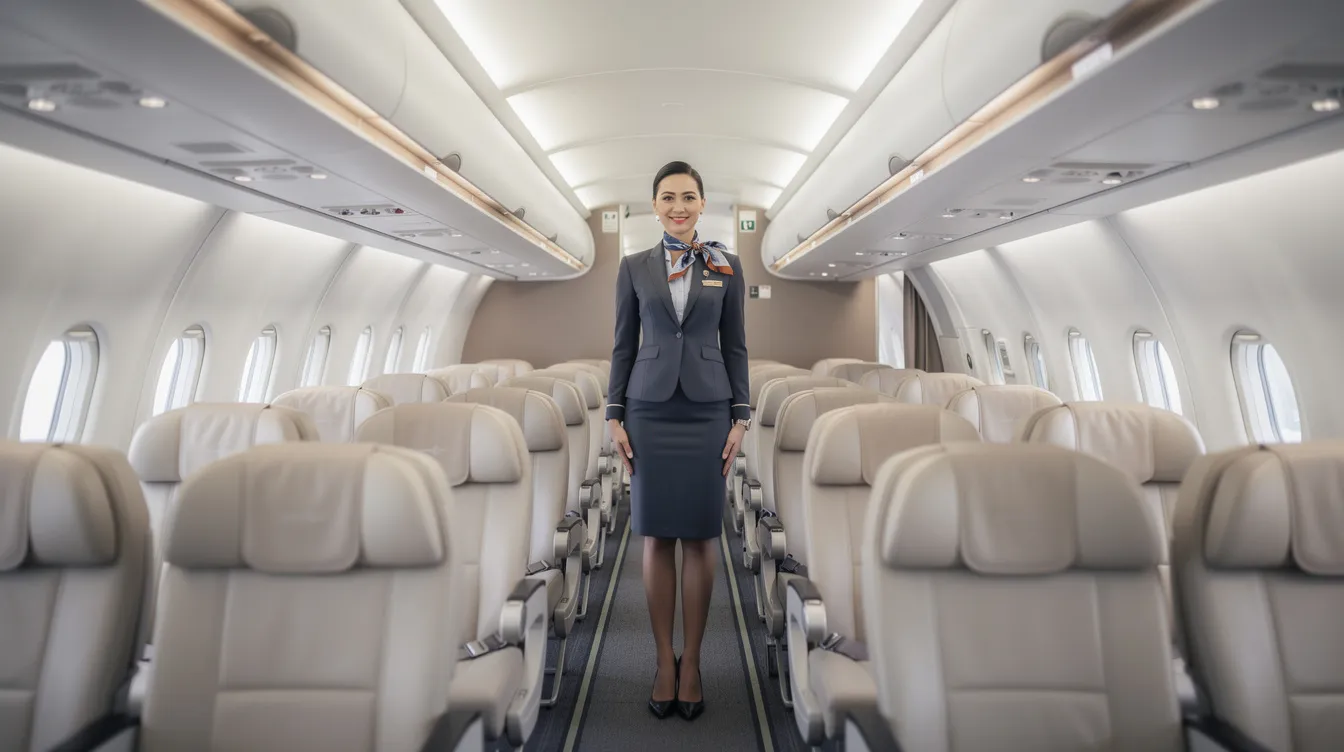
The term 'stewardess' has evolved into the more inclusive 'flight attendant,' reflecting the significant changes in the role from the mid-20th century to today. Modern flight attendants are trained safety professionals responsible for passenger safety, emergency response, and in-flight service, contrasting sharply with the outdated stereotypes of glamorous service. This article explores the history, training, and responsibilities of today's cabin crew across commercial and private aviation.
Jay Franco Serevilla
Oct 25, 2026
|
5
min read


View all
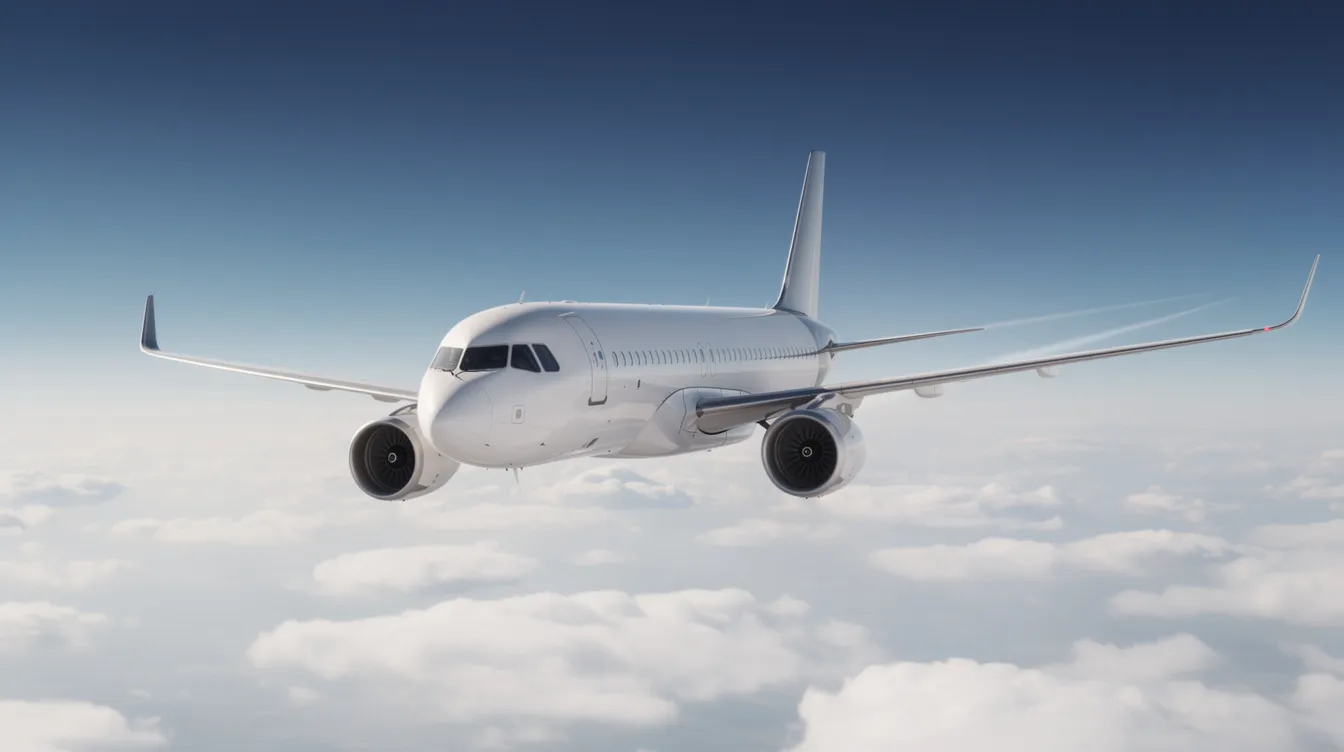
The Airbus A320 family boasts a range of 3,100 to 4,700 nautical miles, depending on the variant and configuration. This versatility allows airlines and charter operators to efficiently serve various city pairs nonstop, catering to both corporate and leisure travelers. Understanding the range capabilities of each model, including the A320neo and A321XLR, is crucial for optimizing flight planning and operational efficiency.
Jay Franco Serevilla
Jul 19, 2026
|
5
min read
View all
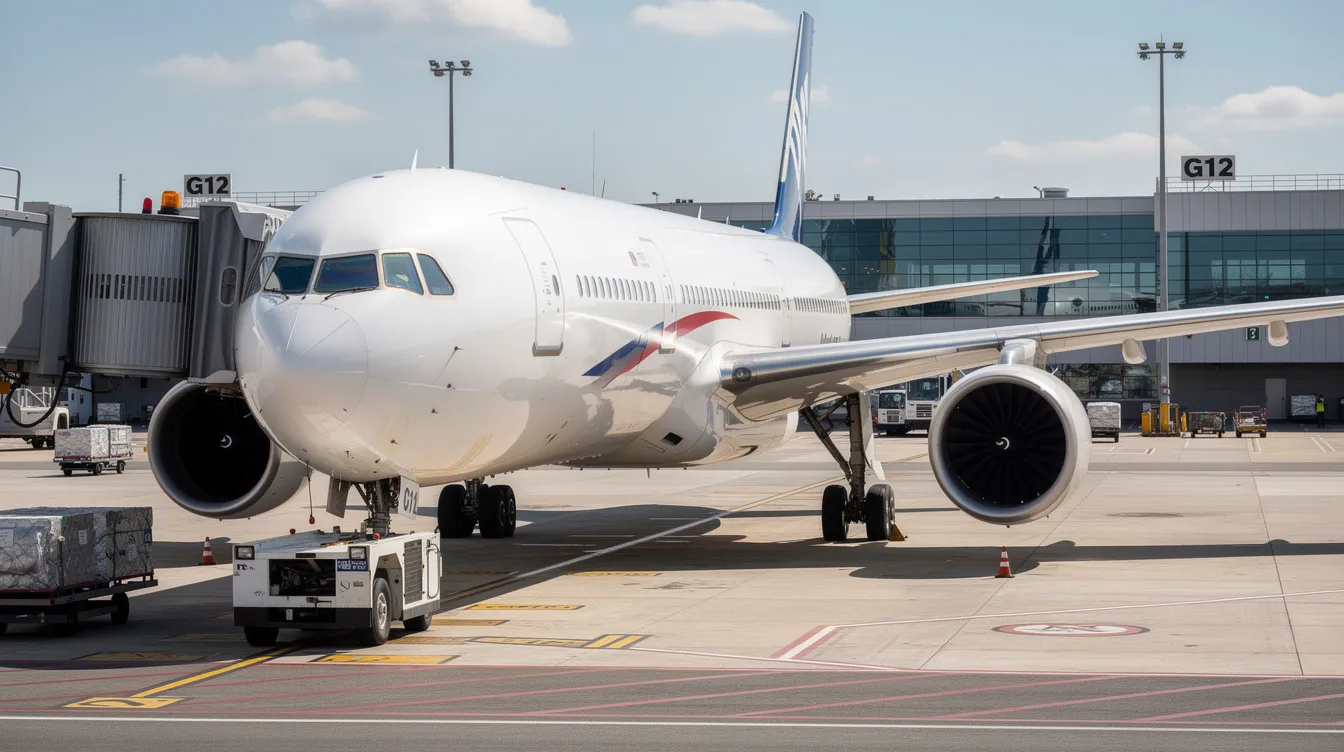
The Airbus A330, a versatile twin-engine widebody aircraft, has a varied cost structure influenced by its model, age, and usage type. In 2025, new A330-900neo models are valued around $107 million, while pre-owned variants average $18 million. Operating costs, including fuel and maintenance, can significantly impact total expenses, making it essential for airlines and private users to evaluate their options carefully.
Jay Franco Serevilla
Jul 19, 2026
|
5
min read
View all
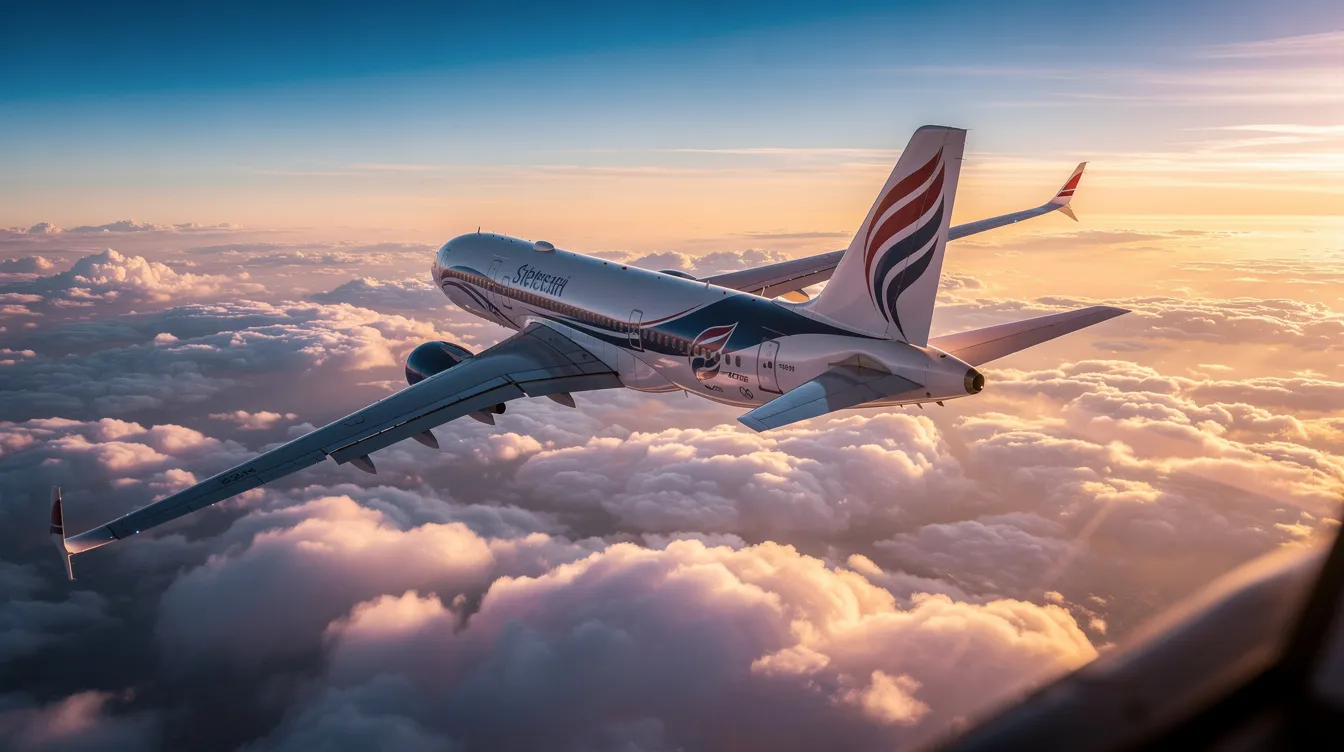
The Airbus A330 boasts a maximum operating speed of Mach 0.86, with typical cruising speeds ranging from Mach 0.82 to 0.84 for optimal fuel efficiency. Variants like the A330neo enhance fuel economy while maintaining similar speed capabilities. Understanding these speeds aids travelers in comparing commercial flights with private jet options.
Jay Franco Serevilla
Jul 19, 2026
|
5
min read

View all
The Boeing 767, with a top speed of approximately Mach 0.86, has been a staple in global aviation since 1982. Its cruising speed typically ranges from Mach 0.80 to 0.82, making it competitive among wide-body aircraft. Ideal for long-haul flights and private charters, the 767 balances speed, range, and fuel efficiency, ensuring reliable service for both passengers and cargo.
Jay Franco Serevilla
Jul 19, 2026
|
5
min read

View all
The Boeing 767 has been a staple in aviation for over 40 years, with weight specifications crucial for operators and charter planners. This guide details the weight data across the 767 family, highlighting how it impacts payload, range, and airport compatibility. Understanding these figures is essential for optimizing flight operations and ensuring efficient charter missions.
Jay Franco Serevilla
Jul 19, 2026
|
5
min read

View all
The Airbus A320 typically cruises at Mach 0.78 to 0.80, translating to about 450-470 knots true airspeed. Understanding its cruise speed is essential for flight planning, fuel efficiency, and passenger comfort. Factors like aircraft weight, altitude, and atmospheric conditions influence these speeds, making them crucial for both airlines and travelers.
Jay Franco Serevilla
Jul 19, 2026
|
5
min read
Explore our latest articles and updates.

5
min read
Fractional Jet Ownership Resale, Buyback & Exit Guide
This guide outlines the complexities of fractional jet ownership resale, focusing on resale value, buyback terms, and exit strategies for current and prospective owners. It highlights that fractional ownership is an illiquid asset with significant depreciation, typically retaining 60-70% of its value after three years and 45-60% after five years, influenced by contractual restrictions and provider control. Owners face challenges such as lockup periods, right of first refusal clauses, and ongoing costs until a sale is finalized, which can take several months to over a year. For those seeking flexibility without the burdens of ownership, transitioning to jet cards or charter services may be a viable alternative.
Read More
5
min read
Fractional Jet Ownership Tax Benefits: Depreciation, Section 179 & Deductibility
Fractional jet ownership can offer significant tax advantages for qualified business operators, primarily through bonus depreciation, Section 179 expensing, and deductions for business-use flight activity. However, these benefits come with complexities, including compliance requirements, limitations on business use, and potential tax consequences such as depreciation recapture upon resale. The tax treatment varies based on ownership structure and individual circumstances, making it essential for buyers to consult with tax professionals to navigate these intricacies. For those prioritizing flexibility and reduced administrative burdens, jet card programs and charter services may provide simpler alternatives without the tax benefits associated with ownership.
Read MoreJoin our community and receive the latest blog updates directly in your inbox.
MEMBERSHIPS AND ASSOCIATIONS



Disclaimer: Jettly operates as a charter broker, offering access to a global digital jet charter marketplace. Jettly is not a direct air carrier and does not own or operate aircraft. All advertised flights are conducted by third-party air carriers that are fully licensed and hold the appropriate Part 135 or Part 121 certifications issued by the Federal Aviation Administration (FAA) or equivalent regulatory authorities under U.S. or foreign law. Jettly complies fully with the U.S. Department of Transportation's Part 295 and Part 298 Charter Broker regulations. Jettly does not carry additional liability insurance. Passengers are covered by aircraft operator insurance. TICO: 50023770


