



Login
Get Instant Pricing On 23,000+ Aircraft

>
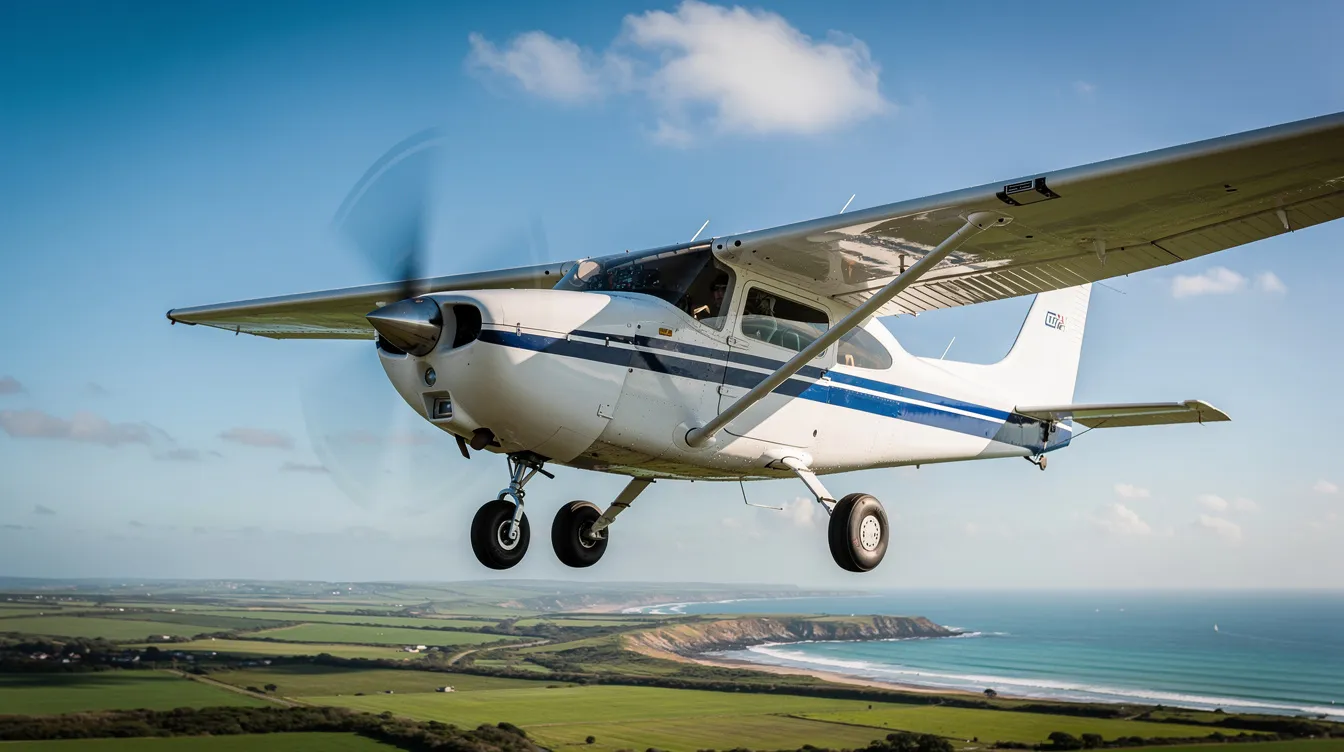
The word avioneta shows up constantly in travel forums, news reports, and everyday conversation across Spanish-speaking countries. It refers to a small airplane—a light aircraft built for short-range trips, low passenger counts, and runways that larger planes cannot use. For anyone exploring private aviation, understanding what an avioneta is and when it makes sense to charter one can save time, money, and hassle.
This guide explains the term, the aircraft types it covers, when a light aircraft can outperform larger options, and how to book one through a digital charter marketplace like Jettly.
An avioneta is a Spanish feminine noun meaning “small airplane” or “light aircraft.” En el ámbito de la aviación privada, these aircraft are widely used for short-haul and regional flights, connecting travelers to destinations commercial airlines may not serve. Avionetas are classified as light aircraft with a maximum takeoff weight under 12,500 lbs. They play a key role in general aviation by providing flexible transport solutions worldwide.
Light aircraft are useful for short business hops, family trips to remote areas, and urgent travel when scheduled airlines fall short. They can operate from smaller airfields than commercial airliners, often landing on short runways, grass strips, or other suitable private landing areas. That flexibility makes them useful for point-to-point travel.
Jettly’s platform provides access to more than 20,000 aircraft through private charter options, including piston planes and turboprops that Spanish speakers may call avionetas. Travelers can compare aircraft and receive instant quotes before booking. Jettly is a charter broker; flights are operated by properly certified third-party carriers.
“Avioneta” is a common Spanish term for a light airplane, widely used in Spain and Latin America. It appears in daily conversation, news coverage, tourism marketing, and aviation communities. Aviation regulators typically use more precise terms such as “avión pequeño” or “aeronave ligera,” but avioneta remains common in everyday speech.
Avioneta (N f): small airplane or light aircraft designed for short-range travel, typically with a low passenger capacity.
Major bilingual resources, including PONS and the Real Academia Española, classify “avioneta” as a feminine noun: la avioneta. The RAE defines it as “avión pequeño y de poca potencia” (small, low-power airplane). The Diccionario del Español de México describes a small airplane with one or two propeller engines, few passengers, and typically a wing mounted above the cabin.
The standard IPA pronunciation is [a.βjoˈne.ta], with syllable stress on “ne.”
Examples in context:
“En lo alto, una avioneta sobrevolaba el valle.” — “High above, a light aircraft was flying over the valley.”
“Las avionetas despegan desde el aeropuerto Maria Reiche en Nasca.” — “The light aircraft depart from Maria Reiche airport in Nasca.”
“Preparen la avioneta para el vuelo regional.” — “Prepare the small plane for the regional flight.”
It helps to understand how avioneta relates to other Spanish aviation terms. Avión refers to an airplane, including a commercial airliner or larger private jet. Aeronave is broader and covers aircraft such as helicopters and drones. Avioneta implies a small aircraft often used in private or general aviation. Official classification, however, relies on weight categories and certification standards rather than colloquial labels. ICAO defines a small airplane as having a maximum takeoff weight up to 5,670 kg (12,500 lb), which aligns with many aircraft people describe as avionetas.
In aviation contexts, avionetas commonly correspond to light aircraft such as single-engine piston planes and small turboprops.
“Avioneta” is informal. In practice, it can refer to several technical categories of small aircraft used in general and private aviation. A flight-school trainer, crop duster, turboprop business shuttle, or even a small light jet might be called an avioneta in conversation, depending on the context. These categories differ in speed, capacity, range, and runway needs.
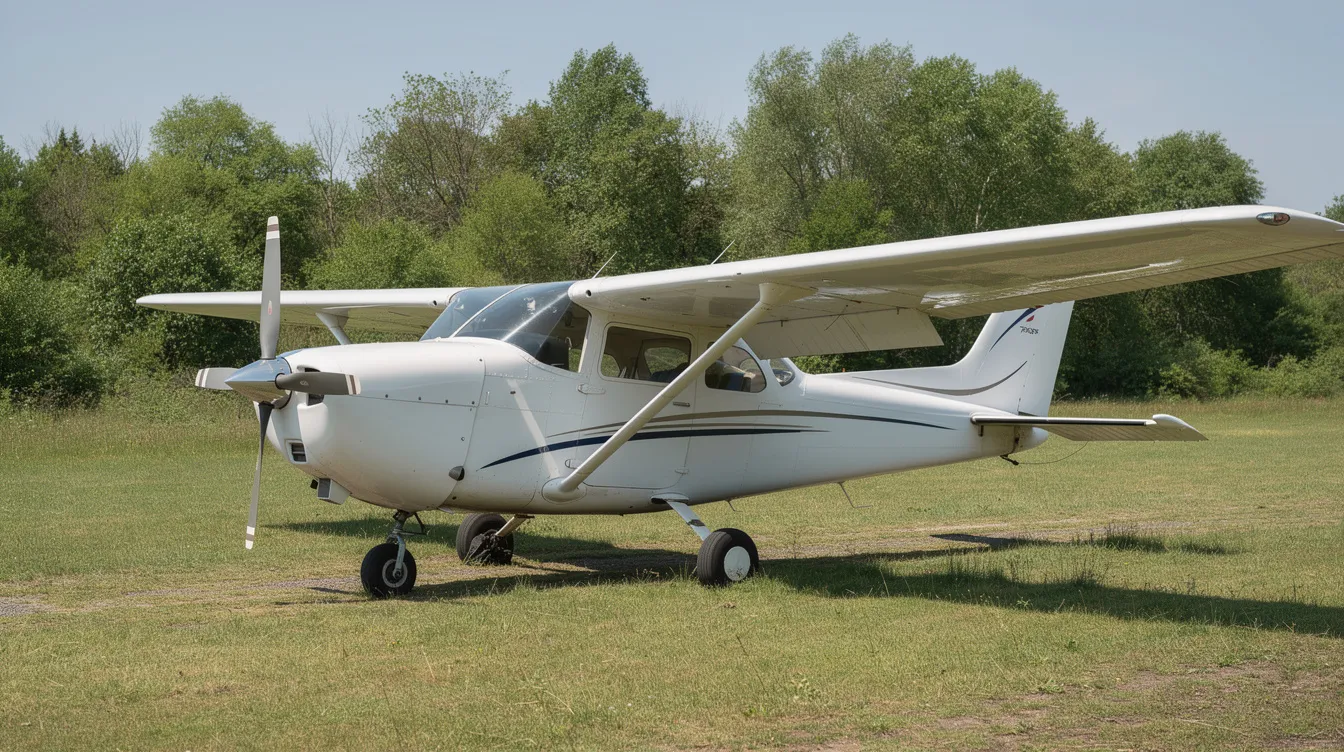
These are the classic avionetas. Models such as the Cessna 172 and Piper PA-28 are workhorses of general aviation. A Cessna 172, for example, has a gross weight of roughly 2,550 lb (about 1,157 kg), cruises around 120–122 knots, and offers a range of about 696 nautical miles under ideal conditions. Depending on the model, avionetas usually seat between 2 and 6 people.
Avionetas are commonly used for flight training, aerial photography, and crop dusting. They typically fly at lower altitudes, often under 15,000 feet, and run on a single piston engine. Many models provide superior visibility for navigation and operation, thanks to high-wing designs and large cockpit windows.
Además, avionetas can take off and land on short airstrips and grass fields when conditions and operating approvals allow. These capabilities distinguish them from most larger powered aircraft.
Aircraft such as the Beechcraft Baron and Piper Seneca represent a step up. Twin engines provide redundancy, higher cruise speeds (often 180–220 knots), and better climb performance. Spanish speakers may still call these avionetas, especially in regions where they serve as regional shuttles. Passenger capacity usually reaches 5–6.
Models such as the Pilatus PC-12 and Beechcraft King Air C90/200 bring the avioneta concept into business aviation. The PC-12, for instance, cruises at roughly 285 knots, can carry up to 9 passengers in a pressurized cabin, and has a range of approximately 1,845 nautical miles. Turboprops use turbine engines; piston engines are a separate aircraft type. The PC-12 is a notable single-engine turboprop.
Although more powerful and business-focused, these aircraft are still frequently referred to as avionetas in everyday Spanish. They are often used to transport cargo to remote or poorly serviced regions, thanks to their cargo capacity and, in the PC-12’s case, a large rear cargo door.
Many Spanish speakers casually say “avioneta” when pointing at a small light jet such as the Cessna Citation Mustang or Embraer Phenom 100. In technical charter language, these are classified as jets rather than piston or turboprop aircraft. Jets cruise significantly faster (400–500 knots), generally require longer runways, and cost more per hour. For a closer look at light jets, Jettly covers options in its best small jet aircraft guide.
|
Feature |
Single Piston |
Twin Piston |
Small Turboprop |
Light Jet |
|---|---|---|---|---|
|
Typical seats |
2–4 |
4–6 |
6–9 |
4–8 |
|
Cruise speed (knots) |
110–140 |
180–220 |
250–290 |
400–500 |
|
Typical range (nmi) |
300–700 |
500–1,000 |
1,000–1,900 |
1,500–2,500 |
|
Runway needs |
Very short |
Short–medium |
Short–medium |
Medium–long |
|
Pressurized cabin |
Rarely |
Sometimes |
Usually |
Yes |
Airplanes flying on Jettly-arranged charters are operated by certified third-party carriers overseen by local civil aviation authorities. In the U.S., charter operators must comply with FAA regulations, including Part 135 requirements. Operators in Europe and elsewhere are subject to applicable EASA or local rules.
For some routes and use cases, a suitable avioneta is more practical and cost-efficient than a larger private jet or airline itinerary. Guides on affordable private jet charter pricing explain how aircraft size, route distance, and flexibility influence the final cost. The right choice depends on matching the aircraft to the trip.

Flying with avionetas allows point-to-point travel without adhering to commercial airline schedules. Routes like Los Angeles to Palm Springs, Barcelona to Ibiza, or Guadalajara to Puerto Vallarta can suit a small aircraft, depending on availability, aircraft performance, and operating conditions. A turboprop can cover Guadalajara–Puerto Vallarta in roughly 40 minutes of flight time, compared with a 4–5 hour drive through mountain roads.
Charter services cater to business and leisure travelers on these short hops. A corporate team visiting regional facilities may reach several locations in one day. A family heading to a beach town with a suitable small airstrip can avoid airline connections and lengthy ground transfers.
Avionetas can provide a cost-effective option compared with larger commercial aircraft, particularly when the alternative involves buying several airline tickets and adding a rental car or overnight stay. Travelers comparing options may also explore how to buy a seat on a private jet through shared or semi-private services. The comparison depends on route, passenger count, and aircraft availability.
These are broad examples of hourly charter costs in the U.S. market; actual quotes vary by aircraft, route, availability, positioning, and other trip details.
|
Aircraft class |
Approximate hourly charter cost (USD) |
|---|---|
|
Small piston avioneta |
Low four figures for short legs |
|
Small turboprop (PC-12, King Air) |
$2,000–$4,500 |
|
Light jet |
$3,500–$6,000+ |
For a deeper breakdown, Jettly’s guide on how much it costs to charter a small plane covers specific models and route examples.
Another way to reduce costs is an empty leg flight: a discounted one-way private charter that occurs when an aircraft is scheduled to reposition without passengers after dropping off travelers. Empty legs are often available at short notice and can save travelers up to 75% compared with standard charter pricing. Availability, routing, and timing are fixed around the aircraft’s existing schedule, so these flights suit travelers with flexible plans. Some turboprop repositioning flights may also be available at a discount, and flight-sharing platforms that crowdsource private jet flights and empty seats can further lower per-passenger costs when travelers are flexible.
Avionetas can operate from smaller airfields than commercial airlines, which generally need larger airports and infrastructure. A PC-12’s takeoff distance over a 50-foot obstacle is roughly 2,600 feet (about 800 meters) under specified conditions. Small piston aircraft may need less runway, but actual performance depends on aircraft loading, weather, runway surface, elevation, and other factors. The carrier must confirm that a particular aircraft can safely use an airfield.
Access to regional, rural, and island airstrips can reduce ground travel time. Using an airport locator tool helps identify suitable regional and private airfields for these operations. Private charter also offers flexibility without the burdens of ownership: there is no hangar to maintain, crew to employ, or aircraft insurance to arrange. A traveler can book an aircraft suited to a specific trip.
Comfort expectations depend on aircraft type:
Piston avionetas: Basic private cabins, flexible seating, and excellent visibility for sightseeing. Amenities are limited; pressurization, lavatories, and baggage space may not be available.
Turboprops: Often offer pressurized cabins, improved noise insulation, sometimes a lavatory, and occasionally Wi-Fi. Baggage capacity is generally more generous than in small piston aircraft.
Light jets: Larger cabins, full pressurization, faster cruise speeds, and Wi-Fi on some models.
Travelers should confirm the specific aircraft’s amenities rather than assume they are standard for a category. Cabin photos or walkthrough videos can help set expectations before booking, and guides on how to get a seat on a private jet easily outline ways to balance comfort with budget and flexibility.
Multi-stop business day: A small business team charters a twin-engine aircraft to visit several facilities across a region and return home by evening, subject to weather, airport access, and flight-time limits.
Family beach trip: A family of four charters a turboprop from a major city to a remote coastal town in Costa Rica, avoiding a long drive on difficult roads.
Same-day urgent travel: A medical specialist needs to reach a town with no commercial service. A same-day charter may provide a faster departure, subject to aircraft and operator availability.
Avionetas generally burn less fuel per hour than larger jets, although total emissions depend on distance, aircraft, passenger load, and the alternative travel option. A piston aircraft consuming 10–15 gallons per hour uses less fuel in an hour than a midsize jet burning 200 or more gallons, but this is not a direct per-passenger emissions comparison. For travelers comparing regional avioneta trips with private jets flying internationally, total emissions and routing considerations may differ significantly. Jettly can help travelers explore options from operators or third-party providers offering carbon offsets or more efficient routing. Some operators are also exploring sustainable aviation fuel for turboprop fleets.
Jettly helps match a trip profile—distance, passenger count, baggage, and runway requirements—to an appropriate avioneta or small jet, balancing cost, comfort, and operational needs. Its global network of private charter aircraft spans multiple classes and sizes. Digital booking provides instant pricing, helping travelers compare options before committing. Jettly acts as a charter broker, and flights are performed by certified third-party carriers.
Although “avioneta” is an everyday term, Jettly organizes aircraft into specific classes, such as piston, turboprop, and light jet, with relevant specifications and pricing. This makes it easier to find suitable options even if a traveler starts with a general request for an avioneta.
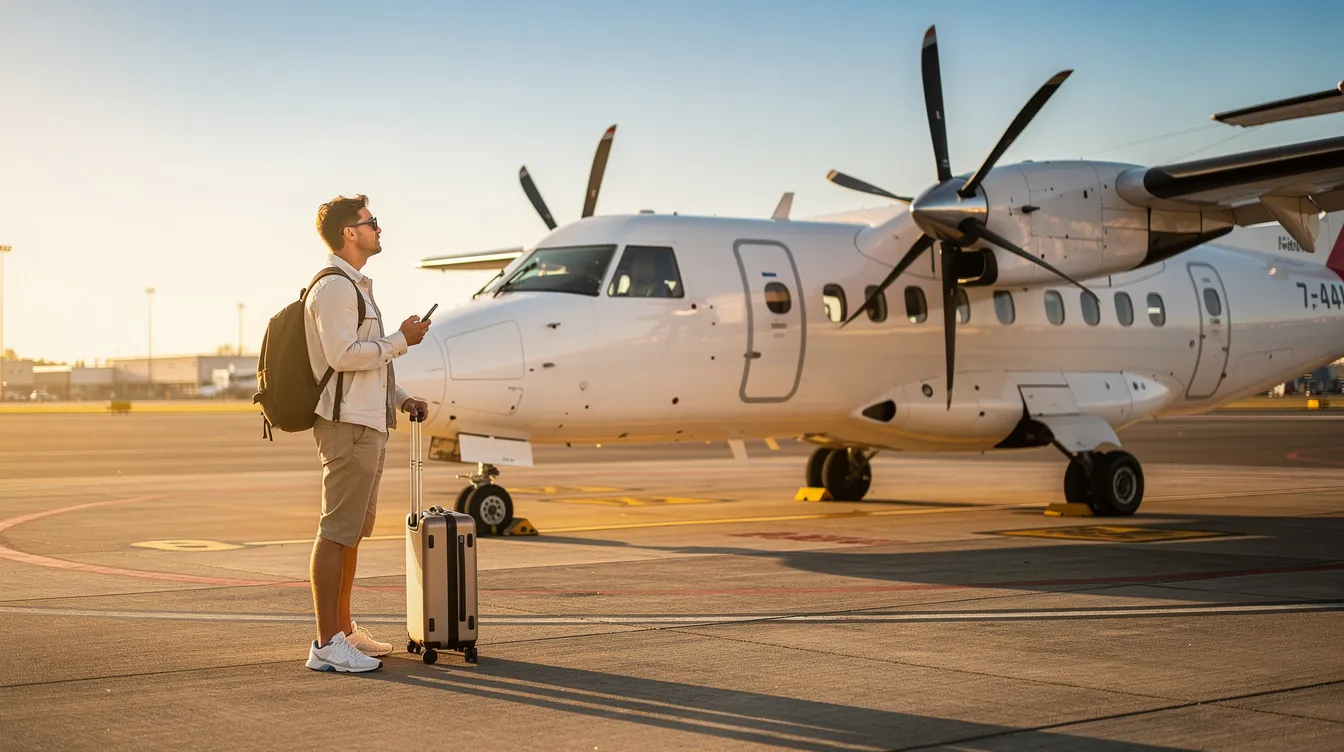
Digital booking provides flexibility for on-demand private aircraft rentals. The process is straightforward:
Enter departure and arrival airports.
Select dates and times.
Specify passenger count and baggage details.
Review pricing and suitable aircraft options.
Users can compare aircraft categories side by side and request a quote online. Jettly’s marketplace provides access to over 20,000 aircraft, including light planes and turboprops. Travelers can use a private jet charter cost estimator to understand how route length, aircraft type, and operating details affect pricing. The platform provides instant pricing and booking options, reducing the back-and-forth often involved in arranging a charter.
Jettly offers two ways to arrange travel:
On-demand charter: Book a single trip without a long-term commitment. This can suit occasional travelers or one-off routes and may appeal to those seeking a NetJets alternative with flexible private flights.
Membership programs: Frequent flyers may access more predictable pricing, potential discounts, and priority availability, depending on the program terms. Tools like a jet card flight cost estimator and overviews of world-class corporate jet card programs can help compare structured options against pay-as-you-go travel. Jettly’s private jet memberships are designed to offer flexible access and wholesale-style rates for frequent travelers. Travelers who regularly book small airplane flights on specific routes can compare membership costs with on-demand quotes.
Before confirming a booking, travelers should check whether chartering is more suitable than ownership. For those considering buying instead of renting, a guide to affordable, budget-friendly aircraft choices can clarify long-term cost trade-offs. Before confirming a booking, travelers should check:
Seat layout: Passenger capacity and seat arrangement.
Baggage allowance: Volume, weight limits, and whether soft bags or rigid suitcases are suitable.
Runway performance: Important for short or unpaved strips.
Pressurization: Relevant to comfort on flights at higher altitudes.
Wi-Fi and catering: Availability varies, and amenities are less common on basic piston avionetas. Dedicated services such as Jettly Eats in-flight catering can coordinate meals and refreshments on participating private jet flights.
Operator credentials: Safety information, maintenance standards, and regulatory compliance.
For anyone unfamiliar with the process, Jettly’s how to charter a plane guide walks through each step.
Jettly acts as a charter broker; it does not operate the aircraft. Flights are operated by licensed third-party air carriers that meet applicable safety and regulatory standards. Aircraft must undergo regular maintenance checks, and pilots must hold the certifications required for their operations. Travelers can review available operator credentials and safety information before finalizing a booking. For more detail, see Jettly’s overview of private jet safety ratings.
Travelers can coordinate airport transfers and timing through the platform or recommended partners. Ground transport to and from smaller airfields is part of the door-to-door journey. Using brokers that work with vetted operators, such as Dexter Air Taxi’s private jet services through Jettly, can simplify arranging both aircraft and ground transfers. A quote request can help clarify the flight and transfer details so travelers can plan the full trip.
Ready to charter an avioneta for your next trip? Explore flight options or request an instant quote at https://www.jettly.com.
These concise answers address practical questions for travelers considering small-aircraft private travel.
Safety requirements for charter avionetas are set by national aviation authorities such as the FAA and EASA. Professionally operated light aircraft must meet applicable maintenance and pilot qualification requirements. Jettly works as a charter broker connecting travelers with certified third-party operators. Travelers should review the operating carrier’s credentials and available safety information when choosing a flight. Jettly’s guide on whether private jets are safe provides more context.
Small piston avionetas such as the Cessna 172 commonly have a range of roughly 300–600 nautical miles, depending on conditions and reserves. Larger turboprops such as the Pilatus PC-12 can reach around 1,500–1,800 nautical miles under typical conditions. Actual range depends on passenger and baggage weight, weather, routing, and operational reserves. A quote request helps identify aircraft options suited to a specific itinerary.
Avionetas have more limited baggage capacity than larger jets. Many small piston aircraft are better suited to soft bags than rigid suitcases and have strict weight limits; allowances vary by aircraft and trip. Turboprops such as the PC-12 generally offer more generous holds, and some have rear cargo doors for larger items. Travelers should provide accurate baggage details when requesting a quote so the carrier can confirm capacity.
This is a key advantage of avionetas. They can use short or less-developed runways when the aircraft, weather, runway condition, and operating approvals allow. Each airfield has specific constraints, including runway length, surface, and obstacle clearance. The operating carrier must review these factors before accepting a flight. Jettly’s platform helps present aircraft options relevant to the requested route.
For shorter routes—often under about 400–600 nautical miles—with 2–6 passengers and limited baggage, a piston or turboprop avioneta may be more cost-effective. Longer routes or tight schedules may favor a light jet’s speed, depending on airport access and total trip requirements. Compare quotes for flight time, cabin features, baggage capacity, runway suitability, and total price. Jettly’s guide to light jet charter costs explains pricing by aircraft and route. Travelers can also contact support for itinerary-specific guidance.
Ready to experience private travel on your terms? Explore flight options or request a quote at https://www.jettly.com.
An avioneta can be a practical choice for short regional journeys, remote destinations, flight training, and trips where runway access and flexibility matter. These light aircraft typically seat 2–6 people and often fly below 15,000 feet, though performance and cabin features vary by model. The best option depends on route length, passenger and baggage needs, airfield conditions, and budget—not just the informal label avioneta.
Jettly helps travelers compare suitable piston aircraft, turboprops, and light jets through a digital charter marketplace with access to more than 20,000 aircraft and instant quote options. Jettly is a charter broker; flights are operated by properly certified third-party carriers. For a clear comparison of aircraft and pricing for your itinerary, explore avioneta charter options or request a quote.
Share this post:
Jay Franco Serevilla
Nov 14, 2026
|
5
min read
Discover tips and trends in the industry.
5
min read
Price of Cessna Aircraft: What Ownership Really Costs in 2026
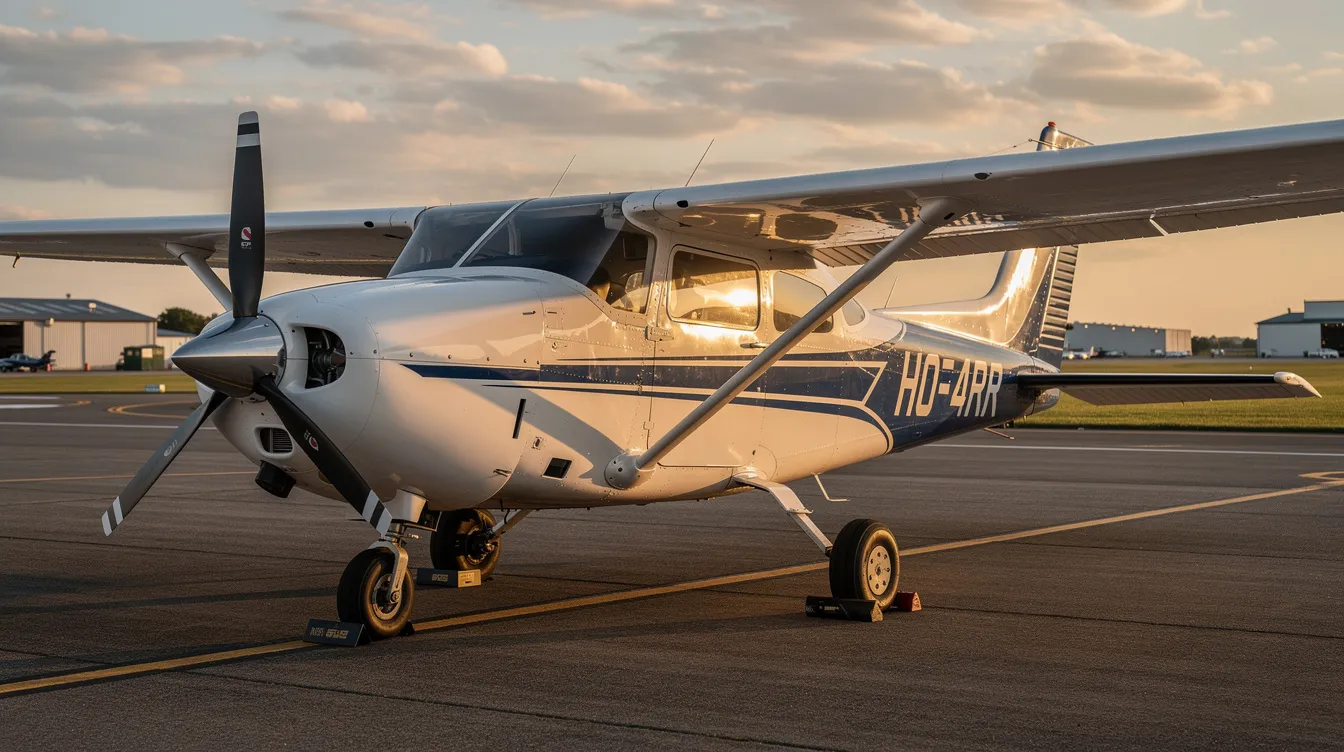
In 2026, Cessna aircraft prices range from approximately $80,000 for older models to over $15 million for new Citation jets. While the purchase price varies significantly based on model and condition, potential owners must also consider substantial annual operating costs that can rival the initial investment. Many travelers find chartering through platforms like Jettly to be a more cost-effective alternative to ownership.
Read More5
min read
Avioneta: What a Light Aircraft Is and How It Fits into Modern Private Aviation
An avioneta, or light aircraft, is a small airplane designed for short-range travel, often used in private aviation for its flexibility and access to smaller airfields. This guide explores the definition, types, and benefits of avionetas, as well as how to book one through platforms like Jettly for efficient travel solutions.
Read MoreStay updated with our latest insights and tips to elevate your journey with us.
MEMBERSHIPS AND ASSOCIATIONS



© 2026 Jettly Inc. All rights reserved.
Disclaimer: Jettly operates as a charter broker, offering access to a global digital jet charter marketplace. Jettly is not a direct air carrier and does not own or operate aircraft. All advertised flights are conducted by third-party air carriers that are fully licensed and hold the appropriate Part 135 or Part 121 certifications issued by the Federal Aviation Administration (FAA) or equivalent regulatory authorities under U.S. or foreign law. Jettly complies fully with the U.S. Department of Transportation's Part 295 and Part 298 Charter Broker regulations. Jettly does not carry additional liability insurance. Passengers are covered by aircraft operator insurance. TICO: 50023770


