



Login
Get Instant Pricing On 23,000+ Aircraft

>
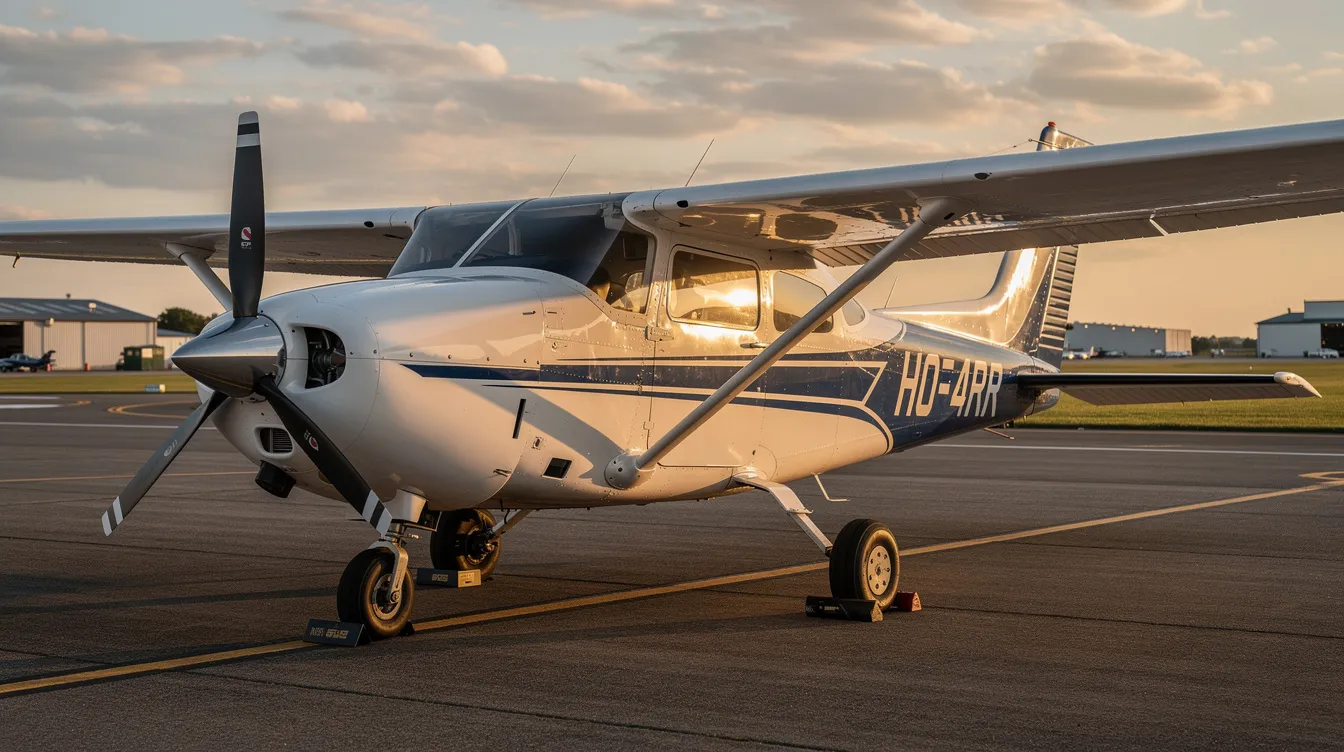
The price of Cessna aircraft in 2026 ranges from about $80,000 for older single-engine pistons to well over $15 million for new Citation business jets from Textron Aviation. Most private owners land somewhere between $300,000 and $3 million, depending on the model, age, and equipment. But the sticker price is only part of the story: annual operating costs can quietly rival the purchase price over time.
The price of a Cessna in 2026 varies dramatically. Cessna aircraft range from single-engine piston trainers to multi-million-dollar business jets. Here is what buyers and travelers should know before making a decision.
A new Cessna 172 Skyhawk costs between $400,000 and $500,000. Used Skyhawk prices range from $40,000 to $300,000. The 182 Skylane runs $650,000–$750,000 new.
Cessna's Caravan utility turboprop lists at $2.7–$3.5 million new. Citation light jets start around $6 million and climb past $12 million for models like the CJ4 Gen2.
Total cost of ownership includes maintenance, fuel, hangar fees, insurance, and engine reserves—easily adding $25,000 to $300,000 per year depending on aircraft size.
Many travelers choose charter instead of ownership. Jettly, a digital charter marketplace, gives access to Cessna and comparable aircraft without the fixed costs of owning.
This article compares Cessna purchase prices, ongoing ownership costs, and how those numbers stack up against on-demand private jet charter.
Pricing for Cessna aircraft varies significantly depending on the model and category. A legacy trainer, a high-performance piston, a utility turboprop, and a Citation business jet each sit in different worlds financially.
|
Model |
New Price (Approx.) |
Typical Used Price |
|---|---|---|
|
Cessna 150/152 (legacy trainer) |
No longer in production |
$40,000–$120,000 |
|
Cessna 172 Skyhawk |
$400,000–$550,000 |
$80,000–$350,000 |
|
Cessna 182 Skylane |
$650,000–$750,000 |
$200,000–$600,000 |
|
Cessna 206/Stationair |
$800,000–$1.1 million |
$300,000–$800,000 |
|
Caravan 208 / Grand Caravan EX |
$2.7–$3.5 million |
$1.4–$2.5 million |
|
Cessna SkyCourier (twin turboprop) |
~$9–$10 million |
Limited used market |
|
Citation M2 Gen2 |
~$6–$7 million |
$4–$6 million |
|
Citation CJ3 Gen2 |
~$9–$11 million |
$6–$9 million |
|
Citation Latitude / Longitude |
$18–$30 million |
$15–$25.5 million |
Prices fluctuate with exchange rates, factory equipment options, and Textron Aviation incentives. Market demand and availability can also cause aircraft pricing to change, so buyers should confirm figures against current listings and request a live market quote before making assumptions.
For those who fly fewer than 200–250 hours per year, on-demand private jet charter through Jettly can carry a lower lifetime cost than owning a Cessna. A broader look at the overall cost of private jet ownership and use can also help frame these numbers. Jettly's charter cost estimator can help put real numbers to that comparison.
Beyond the model name, buyers should evaluate more than the purchase price. Several variables can shift the price of a Cessna by tens or even hundreds of thousands of dollars.
Model and role: Trainer, family airplane, bush plane, utility turboprop, or business jet.
Year and generation: An older 1960s Cessna 172 versus a 2026 production model with modern avionics represents a very different value proposition. Aircraft model and age influence pricing more than almost any other factor.
Airframe and engine time: Total Time Airframe and Time Since Major Overhaul critically affect aircraft value. An engine approaching its recommended overhaul interval carries greater buyer risk.
Avionics and installed equipment: Modern avionics significantly affect Cessna aircraft pricing. A Garmin G1000 NXi glass cockpit can add substantial value over legacy analog gauges.
Maintenance and condition: Complete maintenance history and physical condition are essential for aircraft valuations. Clean logbooks, no damage history, and consistent service records may command premium sale prices.
Modifications: STOL kits, de-ice systems, floats, or utility conversion packages can affect value and suitability for a particular mission.
In the meantime, well-equipped aircraft, avionics, and engine status can swing the sale price by $50,000–$200,000, even within the same model year. Two otherwise similar aircraft can price very differently based on panel upgrades and remaining engine life. For Citation jets and Caravans used in charter or cargo, fleet maintenance programs and service plans from Textron Aviation also influence value at delivery.
Single-engine Cessna pistons remain the entry point for many pilots and owners. They are commonly used for flight training and personal travel, and remain a familiar sight across general aviation.
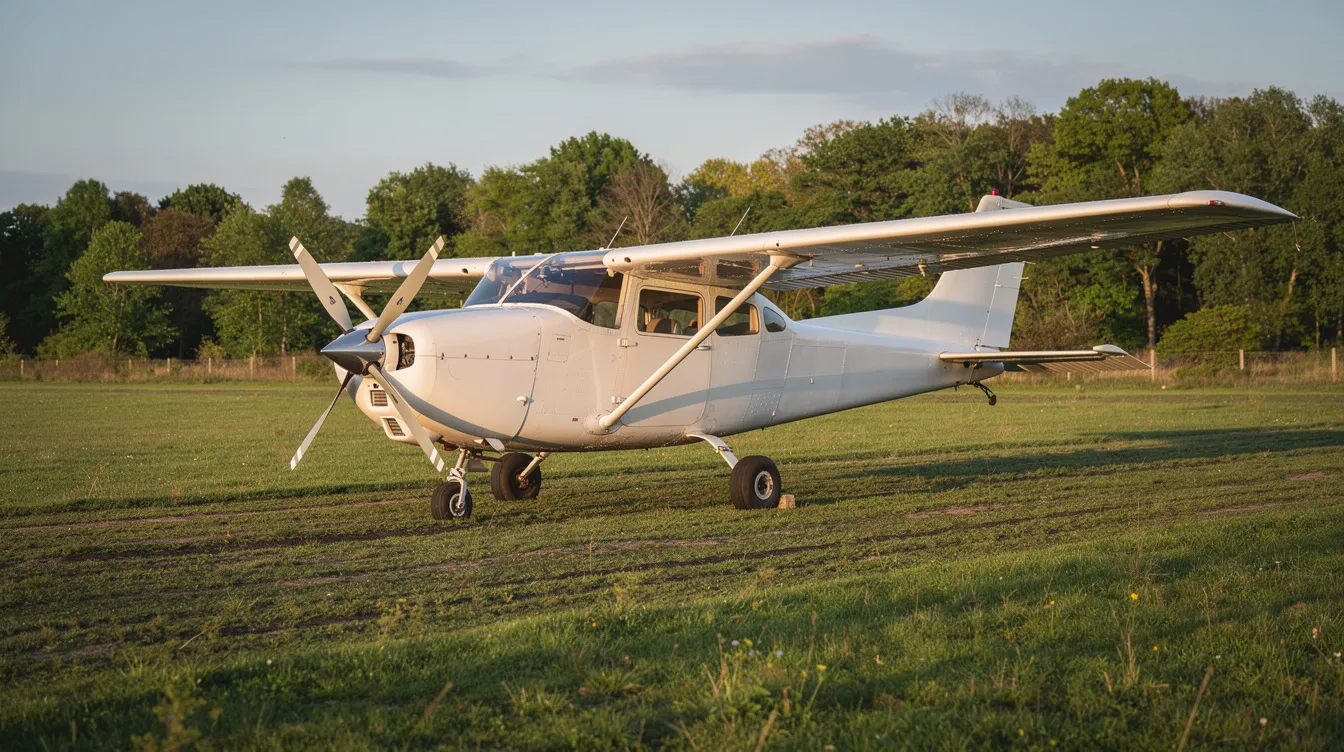
First built in 1956, the Skyhawk has one of the longest production histories of any airplane. A new Cessna 172 costs between $400,000 and $500,000, depending on avionics and options. Used Cessna 172 prices range from $30,000 to $200,000 for 1960s–1970s legacy models, while more modern G1000-equipped examples from the 2000s and 2010s can reach $250,000–$350,000 or more. A higher-time airframe can still be practical when priced appropriately and supported by a sound inspection. Many flight schools and instructors rely on the Skyhawk for training because of its familiar design and relatively straightforward operation.
A step up in performance and load-carrying capability over the 172, the Skylane appeals to owners who want more power and useful load. New pricing sits around $650,000–$750,000 with modern avionics and de-ice options. Used examples range from roughly $220,000 to $650,000 depending on age, engine time, and equipment. Pilots who want predictable costs without full ownership might also consider fractional ownership of a Cessna 172 as an alternative path into aircraft access.
The current Turbo Stationair HD has a new price in the $800,000–$1.1 million range. Legacy 206 and 210 models on the used market run $250,000–$800,000 based on condition and IFR capability. These aircraft are popular with bush pilots and operators carrying cargo or passengers to remote landing strips.
These older models are no longer manufactured, but flyable examples typically cost $40,000–$90,000. A local airport can also be a place to find aircraft listed for sale. Buyers may pay a premium for low-time, corrosion-free airframes with modern radios.
While single-engine Cessnas are far cheaper to buy than jets, owners still need to budget tens of thousands per year in running costs—a fact later sections detail.
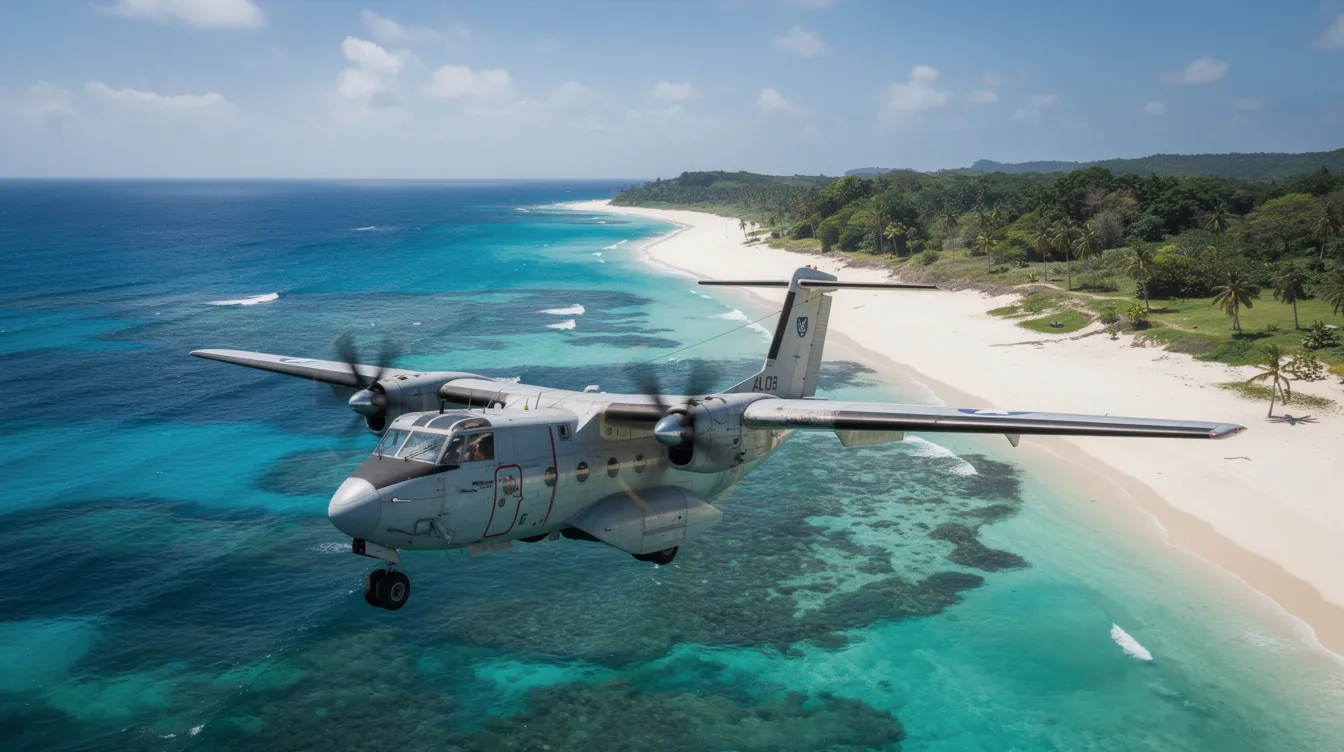
Cessna's utility turboprop line—especially the Caravan family and the newer SkyCourier—serves cargo, commuter, medevac, and adventure tourism operators around the world. Cessna turboprops are typically used for cargo and passenger transport operations, making them workhorses rather than personal aircraft.
A new Grand Caravan EX in 2026 is typically listed around $2.7–$3.5 million, depending on interior, avionics, and mission packages. Used Caravans often trade between $1.4 million and $2.5 million, with engine cycles, cargo versus passenger configuration, and avionics upgrades as key price drivers. The Caravan has a deep parts and support ecosystem that helps sustain its appeal to operators.
This twin-engine, high-wing utility turboprop entered service in the early 2020s, with FedEx and regional operators among its early customers. New-build pricing estimates sit around $9–$10 million depending on configuration, including cargo or 19-seat passenger layouts. At this level, buyers are typically commercial operators or governments rather than private individuals.
For travelers who want turboprop access to remote destinations, renting or chartering a Caravan through a platform like Jettly is usually more practical than owning one. Exploring Jettly's catalog of private charter aircraft can illustrate how different turboprops compare on range and operating costs. Learn more about how small aircraft transform short-haul travel.
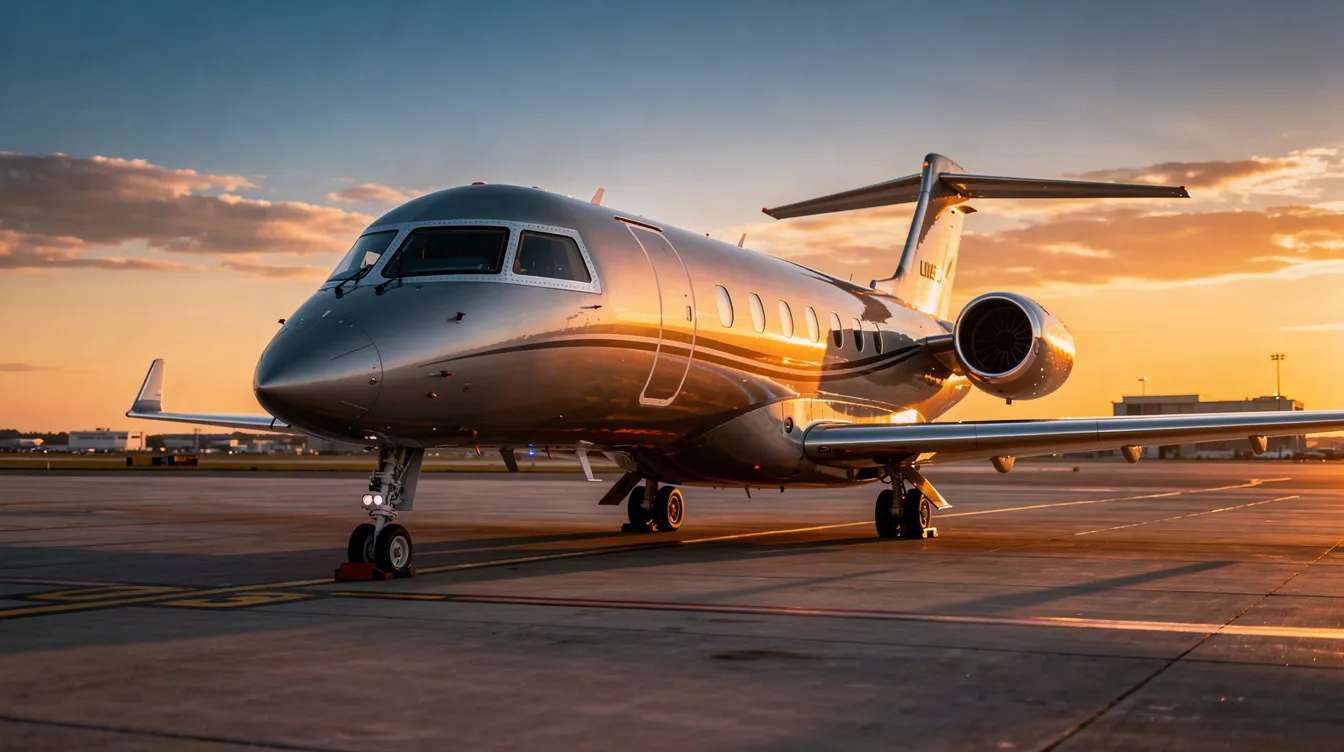
Citation jets are Cessna's (Textron Aviation's) business jet line, spanning from light jets like the M2 to larger aircraft like the Longitude. They are designed for business travel and high-performance transportation, and their pricing reflects that mission.
Citation M2 Gen2: New prices around $6–$7 million. Late-model used examples sell for $4–$6 million.
Citation CJ3 Gen2: New aircraft around $9–$11 million. Used prices fall in the $6–$9 million band.
Citation CJ4 Gen2: Approximate new price in the low-to-mid teens, roughly $13–$15 million.
Citation Latitude: Typical new pricing in the high teens to low twenties.
Citation Longitude: Roughly mid-twenties to around $30 million new, depending on options and connectivity packages. Used 2023 examples have been listed between $21.9 million and $25.5 million.
Options such as Gogo Galileo HDX global connectivity, cabin management systems, and interior refurbishments can add hundreds of thousands to the sticker price. At this level, buyers are often corporations, charter operators, or fractional jet ownership programs rather than individuals purchasing outright.
Many Jettly customers fly on Citation jets without assuming the capital cost, often comparing multiple private jet charter companies and providers before committing. Understanding the real cost of flying private helps put these ownership figures in perspective.
The true price of a Cessna is best understood as acquisition cost plus recurring annual expenses. Talking about purchase price alone misses a major part of airplane ownership.
Here are the major cost categories for 2026:
Insurance: Cessna 172 insurance premiums range from $1,200 to $5,000 annually, depending on pilot time and hull value. For a Caravan or Citation, expect $20,000–$80,000 or more per year.
Hangar/tie-down: From $150–$400 per month at smaller Midwest airports to $1,000 or more per month in busy coastal hubs. Jets need larger, climate-controlled hangars that cost significantly more.
Annual inspections: Annual inspection costs for a Cessna 172 are $1,000 to $2,000. Turboprops and jets require more extensive and costly inspection cycles, especially when operated under commercial Part 135 charter company standards.
Engine overhaul reserves: Budget $20,000–$40,000 for a Cessna 172 engine overhaul, depending on the work required.
. Planning $20–$40 per flight hour can help build that reserve over time. PT6 turboprop and jet engine reserves can exceed several hundred dollars per hour. Full engine replacement can cost far more than an overhaul and may exceed $50,000.
Fuel and operating: Operating costs for a Cessna 172 are about $100 to $150 per hour. Caravans run several hundred dollars per hour. Citation jets often cost $2,000–$4,000 or more per flight hour, as detailed in Jettly's guide to affordable private jet charter pricing.
Cosmetic upkeep: Repainting a Cessna 172 costs between $7,000 and $15,000, a periodic expense many owners overlook.
Even a modest single-engine Cessna can cost $15,000–$30,000 per year to keep airworthy at low utilization. A privately owned Citation may cost several hundred thousand dollars annually. These ongoing costs are why many pilots and travelers prefer renting or chartering, including cost-effective shared charter flights versus full charters, especially when they fly fewer hours each year than a typical full-time owner. Compare the estimate with hourly charter rates by aircraft type.
Owning a Cessna offers freedom for many pilots, but the financial reality requires an honest look at the numbers before making a commitment.
Ownership may make sense for:
Flight schools and flying clubs building high annual utilization.
Private owners flying 150–300 hours per year on regional trips.
Rural or remote owners using a plane as practical transport to airstrips with limited airline service.
Chartering or renting is often smarter for:
New pilots flying under 75–100 hours per year who can rent a Cessna 172 at $130–$200 per hour wet from a local FBO.
Business travelers who prefer the speed of a Citation or Caravan but only need it a few days each month.
Families or groups who occasionally need larger aircraft with more range and baggage space.
Jettly, a digital private jet charter marketplace, gives travelers access to aircraft without the capital outlay, depreciation risk, or long-term maintenance exposure of ownership. For frequent flyers who still want predictable access and wholesale pricing, Jettly's private jet memberships can bridge the gap between ad hoc charter and ownership. The platform offers a choice among thousands of aircraft types, so users can match aircraft size to each trip instead of compromising with one owned airplane.
Before buying any Cessna, potential owners should compare estimated annual ownership costs with a quote for similar flying done via on-demand charter.
Jettly is a private jet charter broker and digital marketplace, not an aircraft manufacturer or operator. Flights are performed by properly certified third-party air carriers.
Here is how a traveler might use the platform to fly on Cessna aircraft, beginning with tools like Jettly's airport locator and quote request platform:
Request an instant quote for a route commonly flown by Citation or Caravan, such as Los Angeles–Las Vegas, Calgary–Vancouver, or Nassau–Exuma, drawing on insights from the broader guide to private and charter airlines.
Filter by aircraft category (light jet or turboprop) when searching, which may surface Cessna options popular for that route, alongside other private charter aircraft that fit similar missions.
Compare operators' offers side by side, including aircraft age, cabin layout, Wi-Fi availability, and baggage capacity.
Key platform advantages include access to over 20,000 aircraft globally, transparent upfront pricing, and membership options for frequent travelers seeking more predictable pricing. Jettly also offers jet card-style membership programs for those who value fixed hourly rates and premium services. The platform helps users consider how aircraft class affects comfort, runway access, and cost, then review aircraft details before choosing.
Ready to experience private travel on your terms? Explore flight options or request a quote at jettly.com.
A used Cessna 172 has a far lower purchase price, but comparing money spent per mile, a fractional jet share delivers greater speed and range. Buyers should compare total annual costs—including financing, hourly fees, and the opportunity cost of time—with their predicted flying hours. Those comparing NetJets and similar programs may find Jettly as a NetJets alternative with more flexible terms. Chartering through Jettly offers private jet access without long-term contractual commitments or buy-in requirements.
New Cessna aircraft tend to depreciate fastest in the first 5–7 years, then may level off into a slower curve if well maintained. Regulatory changes such as ADS-B mandates can accelerate depreciation on older models that need expensive retrofits. Buyers should factor depreciation into any long-term cost calculation, especially for Caravans and Citation jets.
Some owners place their Cessna with Part 135 operators or flying clubs to generate revenue, but this introduces commercial wear, scheduling limits, and regulatory complexity. Revenue can offset some fixed costs, but owners may not break even once higher maintenance, upgrades, and management fees are counted. Travelers focused on financial efficiency may find chartering when needed more practical.
Local flight schools and flying clubs are cost-effective ways to log time in single-engine Cessnas like the 172 or 182; users pay hourly rental and instructor fees. Travelers focused on price can also explore crowdsourced and shared private jet flights that make use of empty seats. For business-class comfort in a Citation or a Caravan flight to a remote destination, on-demand charter via Jettly provides a trip without ongoing ownership commitments.
It comes down to trip length, passenger count, runway requirements, baggage needs, and budget per hour. Single-engine Cessnas suit short-range trips for 2–4 people and training. Utility turboprops like the Caravan handle short, rough-field operations and mixed cargo-passenger missions. Light jets such as the Citation M2 or CJ3 favor longer routes and faster city-to-city travel. Jettly's search and instant-quote tools help travelers see how each category affects pricing before choosing.
The price of a Cessna spans from under $100,000 for older single-engine pistons to tens of millions for new Citation jets, and the true cost must include ongoing operating expenses. Those looking beyond traditional models might also compare options like the Cessna 207 charter specifications and rates or review the Cessna 340 for business travel to understand how cabin comfort and range affect value. For many individuals and businesses, chartering Cessna aircraft and comparable models through Jettly or other private and charter airlines offers access to private aviation without the complexity and financial load of ownership.
Ready to compare charter pricing with ownership assumptions? Explore flight options or request a quote at jettly.com.
Share this post:
Jay Franco Serevilla
Nov 14, 2026
|
5
min read
Discover tips and trends in the industry.
5
min read
Price of Cessna Aircraft: What Ownership Really Costs in 2026
In 2026, Cessna aircraft prices range from approximately $80,000 for older models to over $15 million for new Citation jets. While the purchase price varies significantly based on model and condition, potential owners must also consider substantial annual operating costs that can rival the initial investment. Many travelers find chartering through platforms like Jettly to be a more cost-effective alternative to ownership.
Read More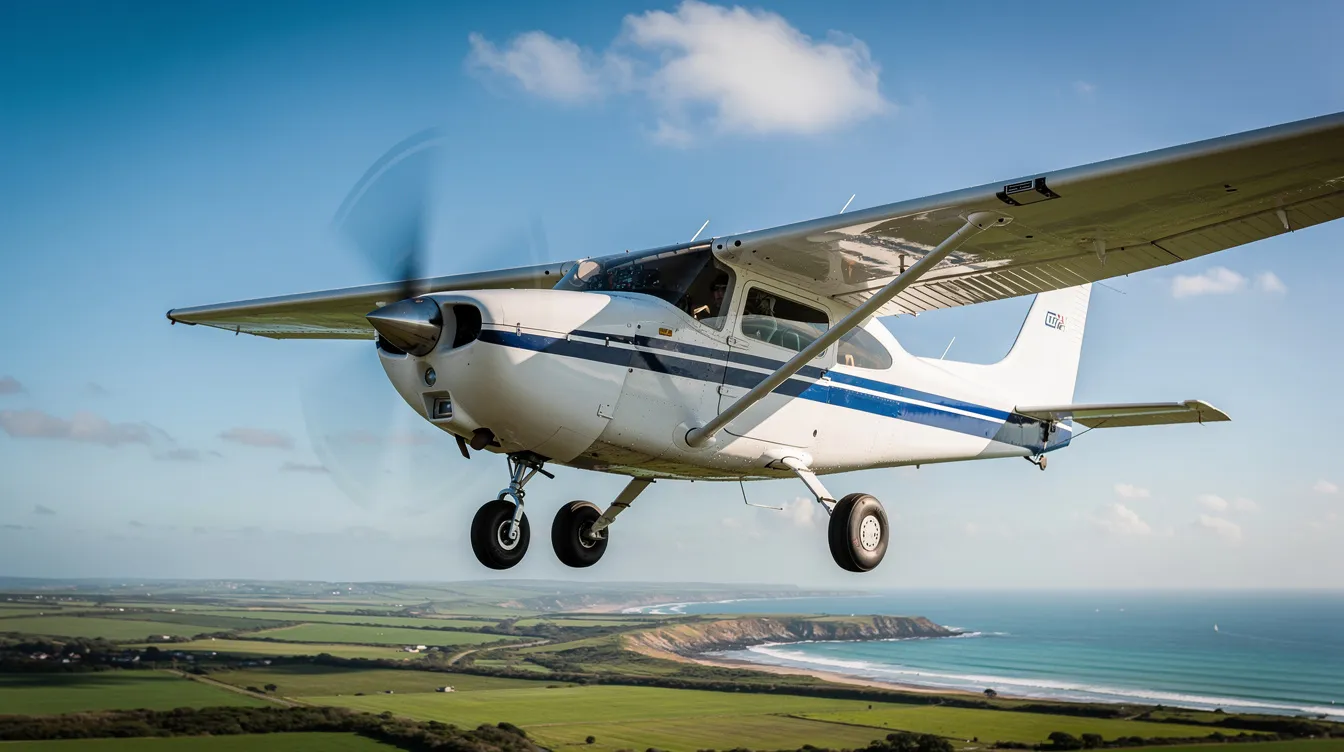
5
min read
Avioneta: What a Light Aircraft Is and How It Fits into Modern Private Aviation
An avioneta, or light aircraft, is a small airplane designed for short-range travel, often used in private aviation for its flexibility and access to smaller airfields. This guide explores the definition, types, and benefits of avionetas, as well as how to book one through platforms like Jettly for efficient travel solutions.
Read MoreStay updated with our latest insights and tips to elevate your journey with us.
MEMBERSHIPS AND ASSOCIATIONS



© 2026 Jettly Inc. All rights reserved.
Disclaimer: Jettly operates as a charter broker, offering access to a global digital jet charter marketplace. Jettly is not a direct air carrier and does not own or operate aircraft. All advertised flights are conducted by third-party air carriers that are fully licensed and hold the appropriate Part 135 or Part 121 certifications issued by the Federal Aviation Administration (FAA) or equivalent regulatory authorities under U.S. or foreign law. Jettly complies fully with the U.S. Department of Transportation's Part 295 and Part 298 Charter Broker regulations. Jettly does not carry additional liability insurance. Passengers are covered by aircraft operator insurance. TICO: 50023770


