



Login
Get Instant Pricing On 23,000+ Aircraft

>
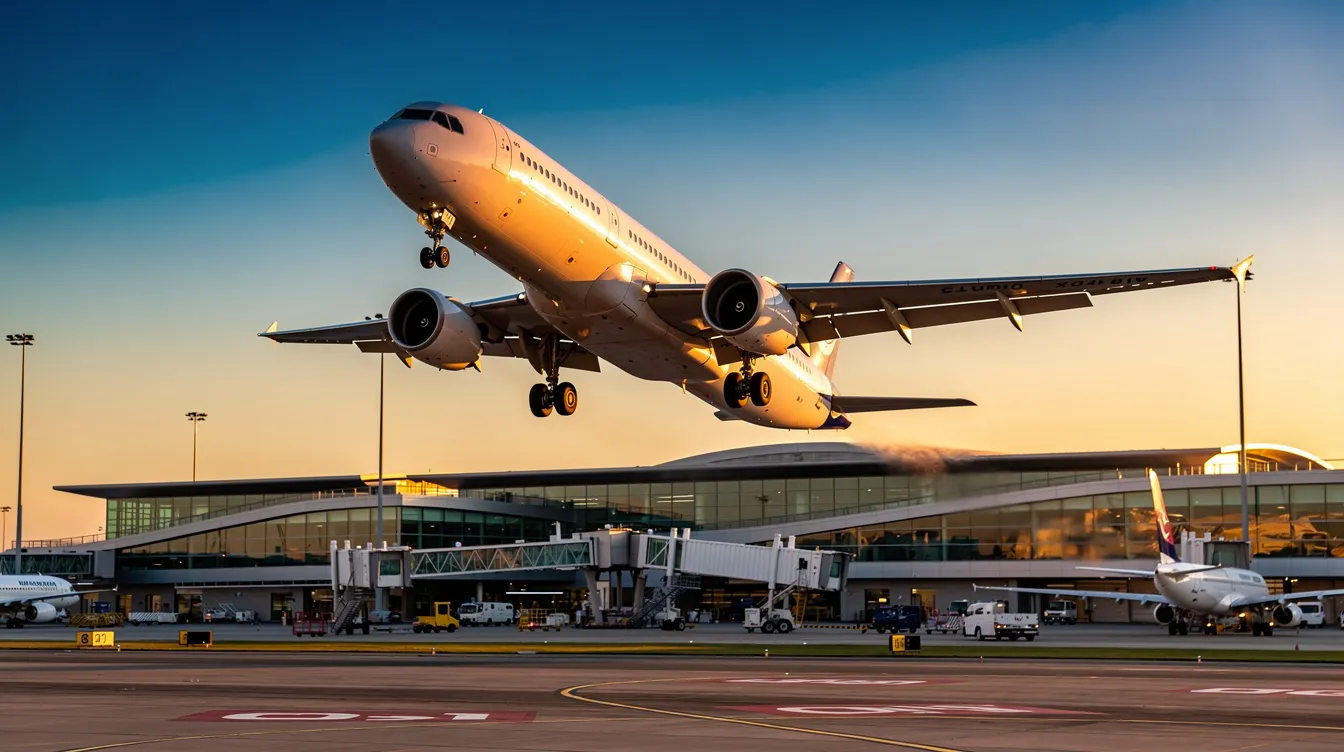
Wondering about the best time to book a flight? Timing your ticket purchase can save you hundreds of dollars.
Knowing the best time to book a flight can save hundreds of dollars on a single trip. But most advice online oversimplifies the answer. The truth is that timing depends on route type, seasonality, and how flexible your travel dates are — and sometimes, skipping the fare game entirely with a private charter is the smarter move.
This guide is for both leisure and business travelers who want to understand the best time to book flights—whether for domestic trips, international journeys, or peak holiday periods. We’ll also cover when private jet charter might make more sense than commercial flights.
How far in advance you book and which day of the week you fly matter far more than the exact calendar day you click "purchase." Here is what the data consistently shows across millions of commercial bookings.
Book domestic flights 15 to 30 days in advance for the lowest average flight prices, with booking early often explaining why fares are usually lower in that window. Booking 30 days in advance can save about 24% on fares compared to last-minute purchases.
For international flights, the sweet spot is typically 2 to 8 months ahead. Prices for international flights drop around 89 days before departure on average.
Flying on Tuesday or Wednesday can save 14% to 20% versus weekend departures. Sunday is often the most expensive day to fly.
Tracking price drops with alerts and staying flexible on travel dates and nearby airports can help travelers save money, often trimming 20–40% off a rigid itinerary.
Jettly offers a private jet charter marketplace where pricing is based on route, aircraft type, and operational costs — not algorithmic fare swings — making last-minute and business class–style travel more predictable.
Airlines adjust fares dynamically based on demand forecasts, seat inventory, competition, and historical booking patterns, and they rarely get cheaper closer to departure. Most airlines reprice the same flights multiple times per day. Flight prices change constantly - and the direction is almost always upward once you're inside three weeks of departure, while prices fall less often in that final window.
The typical price curve looks like this:
|
Days Before Departure |
Fare Trend |
|---|---|
|
60–45 days |
Moderate, often slightly above the eventual low |
|
45–21 days |
Dips to lowest range (the "sweet spot") |
|
21–14 days |
Begins climbing as cheaper fare buckets close |
|
14–7 days |
Sharp increase, often 20–30% above the low |
|
Under 7 days |
Highest prices, driven by business travelers |
The "best day of the week to buy flights" myth — like always booking on a Tuesday — now has only a small measurable impact, roughly 1–3% in studies. How far in advance you book flights has a much larger effect.
Private jet charter pricing works differently. Jettly's instant quotes are driven by aircraft operating costs, routing, and availability - not hidden yield-management algorithms. That means prices tend to stay stable regardless of which day you search.
Understanding these mechanics helps travelers decide when to buy flights and when it might make more sense to consider private charter for time-sensitive or complex itineraries.
Domestic flights and short haul flights - think routes under 3–4 hours like New York–Miami, Dallas–Denver, or London–Barcelona - follow a relatively compact pricing window.
The time to book flights on domestic routes is typically 15–45 days before departure, and that window is especially useful for travelers who fly domestically on predictable schedules. Prices for domestic flights drop around 39 days before departure on average, with many routes showing their low price range between 21 and 52 days out.
Here is how to adjust by season:
Spring and autumn shoulder season: 3–6 weeks ahead usually captures the cheapest fares.
Popular weekend city breaks: Push closer to 6 weeks to avoid sell-outs on Friday evening departures.
Peak summer trips: 2–3 months ahead, since demand compresses the sweet spot earlier.
Business-heavy domestic routes (Los Angeles–San Francisco, Chicago–New York) see very steep last-minute prices because corporate travelers must buy flights close to departure. Booking within 14 to 21 days before departure on these routes can cause sharp fare increases of 20–30%.
If you need specific seat assignments, are traveling as a family, or want business class seats on short-haul flights, book 45–60 days ahead to lock in availability.
International flights and long haul routes - flights of 6+ hours such as New York–London, Toronto–Tokyo, or Sydney–Los Angeles - price differently because airlines price tickets across wider booking windows with more fare classes.
International flights are best booked 2 to 8 months ahead, depending on season and route, and travelers should book international flights earlier for peak periods and complex itineraries. For off-peak international travel, 2–4 months in advance and international flights typically deliver the best deals. During peak seasons, extend that to 4–8 months.
Route-based guidance:
Europe from North America: Lowest prices tend to appear 60–120 days before departure.
Asia or transpacific: Aim for 90–180 days to secure optimal pricing and cabin choice.
Southern hemisphere (Australia, South America): Similar 3–6 month window, pushed earlier for December–January peak.
Last-minute international fares - inside 30 days - can run 40–60% higher than the sweet-spot price, especially for business class and premium cabins. Planning ahead is essential for those cabins.
Travelers who cannot commit months in advance, especially for business class or complex multi-city international trips, may benefit from exploring Jettly's private charter marketplace for more predictable availability.

The day of the week you travel affects costs far more than the day you actually purchase your airline tickets.
Cheapest days to fly:
Tuesday and Wednesday are typically the cheapest days to fly. Flying on Tuesday or Wednesday can save 14% to 20% compared to weekend departures.
Thursday and Saturday fall in the moderate range.
Friday is cheaper than Sunday - flying on Fridays can save up to 8% compared to Sundays.
Sunday is often the most expensive day to fly, and this is especially noticeable on the return leg of a round trip itinerary.
International flights are cheapest on Wednesdays.
Midweek flights can save travelers nearly $100 on average. Simply shifting travel dates by a day can lead to 8–20% savings on the same flights.
The cheapest day to book flights? Data from the Airline Reporting Corporation shows Sunday purchases edge out other days by about 8%, but this is small compared to choosing cheaper days to fly.
For business travelers using private jets via Jettly, the day of the week has minimal impact on pricing. Schedule flexibility becomes easier when meetings move or run late.
Seasonality and major holidays are some of the strongest drivers of higher prices. Average flight prices during peak weeks can be 30–50% above shoulder-season levels on the same routes.
Summer trips (June–August): Buy flights 2–5 months in advance for short-haul and 4–6 months in advance for long-haul international routes.
Spring break and Easter: Booking for major holidays should begin much earlier than standard windows, ideally 3 to 6 months ahead, especially to sun destinations.
Off-peak windows (late January–early March, September–early October): Travelers can often wait until 3–8 weeks out and still find fair airfare prices on most domestic routes.
Global events (conferences, sports finals, festivals): Book 6–9 months ahead, or use Jettly's private charter options to avoid sell-outs and complex connections.
Traveling midweek usually results in lower airfare costs even during peak season, so combining early booking with midweek departure dates is the most reliable way to find cheap flights, especially when you understand how much a private jet really costs compared with premium commercial cabins.
Holiday flights demand their own strategy because demand spikes fast and cheap flights disappear early.
Thanksgiving (U.S.):
Book Thanksgiving flights roughly 3–8 weeks before departure; fares are often best about 30–40 days out.
Traveling on the actual holiday can often reduce ticket prices significantly, since most people prefer to arrive the day before.
Christmas flights and New Year:
Search and book 6–10 weeks in advance. Mid-October to mid-November is often the best window for long-haul Christmas flights.
For New Year's Eve trips to major cities (New York, London, Dubai), secure flights 2–4 months early due to high demand and limited premium-cabin inventory.
Private charter through Jettly is often used by families and executives around Christmas and New Year to avoid overbooked airports and tight connections - especially when commercial price drops are unlikely close to the holidays, and when fixed-rate jet card programs provide additional certainty on costs.

Most airlines release schedules 10–11 months ahead, but the earliest fares are rarely the cheapest. Booking too early can increase prices by 15% because airlines haven't opened discount fare buckets yet and lack real demand data.
Booking too far in advance can increase prices by 15%, particularly on routes with strong business demand where airlines initially load higher baseline fares.
Ideal "months in advance" ranges:
|
Trip Type |
Recommended Window |
|---|---|
|
Domestic trips |
1–3 months |
|
International trips (off-peak) |
2–6 months |
|
Christmas flights and peak holidays |
4–8 months |
Exceptions exist: limited-service domestic routes, new routes, or flights into small regional airports may reward earlier booking when seat capacity is tight.
For Jettly's marketplace, securing an aircraft far in advance is mainly about locking in the preferred aircraft category and slots at smaller nearby airports through flexible private jet memberships - not chasing lower fares.
Start checking and tracking flight prices as soon as approximate dates are known. Track flight prices 2 to 4 months before international trips and at least 4–6 weeks before domestic trips.
Practical steps:
Set price alerts on Google Flights and Kayak. Price alert tools like Google Flights help track fare fluctuations and notify you when flight prices drop or rise.
Use flexible date searches to find cheaper flights. Most online travel agencies and aggregators offer full-month calendar views showing the cheapest day to depart.
Compare across platforms. Use tools like Skyscanner to compare flight prices from multiple airlines and booking channels side by side.
Set a target budget range in advance, then buy airline tickets once fares fall into that band instead of waiting for the absolute lowest price.
Rebook if prices drop after booking your flight. Some travelers book airline tickets when the fare is acceptable, then rebook if the price falls and the airline allows free changes; check the fare rules before purchasing basic economy tickets.
Jettly offers instant pricing on thousands of private aircraft worldwide, so travelers can compare private charter costs and even explore crowdsourced private jet flights and shared empty seats against commercial business class, especially when booking late or on busy routes.
Short haul flights (under ~4 hours) have shorter optimal booking windows than long haul flights because demand patterns differ.
Short haul flights: Booking 30–60 days ahead usually balances price and flexibility. Steeper price jumps happen inside about 14 days before the departure date. Book domestic flights 15 to 30 days in advance for the best price on most routes.
Long haul routes (transatlantic, transpacific): Buy flights 60–180 days out, especially for direct flights, business class availability, or specific seat locations.
Families traveling with children or groups should push toward the earlier end of these ranges to keep seats together and avoid limited-inventory surcharges, while those considering private travel can benefit from tips for booking the cheapest private jet flights.
For long distances where schedules matter - such as overnight business travel - private charter aircraft via Jettly offers more control over departure times and routing than waiting for limited commercial schedule choices.
Timing for business class and premium cabins differs from economy because inventory is smaller and corporate travelers dominate demand.
Book business class 2–4 months early on short haul and 3–6 months ahead on long haul routes when seeking specific airlines, lie-flat seats, or quieter cabins.
Occasional last-minute business class fare deals exist but are unpredictable - risky to count on for important international trips.
The comparison shifts when multiple people travel together. Jettly can often match or beat the total cost per seat for a small group compared with buying several individual business class airline tickets on a busy route. For a deeper breakdown, see private jet vs business class.
Executives or teams who frequently fly internationally in business class should run instant private charter quotes on Jettly alongside airline searches and consider jet rentals vs. first-class tickets for corporate travel to choose whichever option provides the best blend of timing, route, and total trip cost.
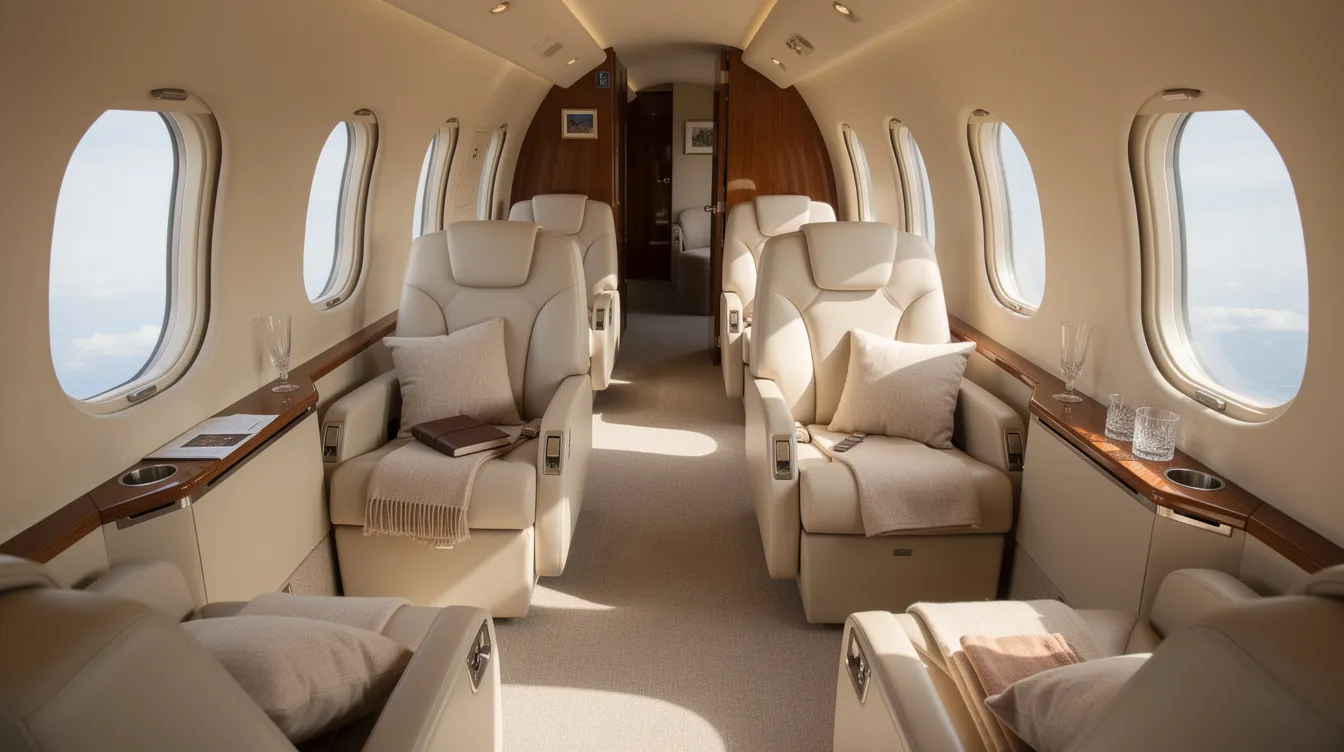
Even perfect timing cannot always solve sold-out routes, inconvenient connections, or sudden last-minute travel needs.
Jettly, as a private jet charter broker, offers access to a global inventory of private aircraft - light jets, midsize, heavy jets, turboprops, and helicopters - that operate on-demand around a traveler's schedule, similar to the broader landscape described in comprehensive guides to charter airlines and private flights. Pricing is based on aircraft type, distance, positioning legs, and operating costs, so travelers are not exposed to the same algorithm-driven price swings and last-minute premiums as commercial airline tickets.
Common use cases:
Emergency or same-day business trips
Meetings in multiple cities on the same day
Family holidays into smaller regional airports with no commercial service
Situations where first or business class tickets for several people approach the cost of chartering an entire aircraft
Taking advantage of empty leg flights and using an airport locator tool for private jet flights for significant savings
Compare commercial options against Jettly's private jet charter cost estimator to decide which mode fits your timing, privacy, and budget for a given trip.
Avoid these frequent errors when trying to find cheap flights:
Waiting too long for an unrealistic price drop. Most flight prices climb, not fall, inside two weeks. Last minute deals are the exception.
Booking far in advance without checking price history. Fares 9–11 months out are often inflated before airlines release discount buckets.
Obsessing over the day of the week to buy instead of choosing cheaper travel dates. The price difference from buying on a specific weekday is 1–3% at most.
Ignoring total trip cost. Baggage fees, seat selection charges, change fees, and overnight connections can erase savings from a slightly cheaper base fare on basic economy fare tickets.
Believing incognito mode dramatically lowers fares. Studies show this effect is negligible.
Instead, use a combination of strategies: travel date flexibility, alerts for price drops, consideration of nearby airports, and comparing commercial flights against affordable private jet charter options.
For important trips - business-critical or once-a-year holidays - prioritize reliable schedules and arrival times over chasing the lowest theoretical price.
Studies show small differences - often 1–3% - in average prices by booking day. Sunday tends to edge out other days by about 8% versus Friday, but there is no reliable "magic day" that works for every route. Travelers save far more money by choosing cheaper days to fly (midweek) and booking in the right advance window than by waiting for a specific weekday to purchase. Watch price trends over several days and book when fares align with your budget.
No. In most cases, flight prices climb steadily in the final 7–14 days as cheaper fare classes sell out. Airlines hold back some seats for late-booking business travelers willing to pay higher prices for fixed dates. If a trip is confirmed, do not wait inside two weeks hoping for a bargain unless you are very flexible on times and airports.
Flexible travelers can start checking 2–3 months before domestic trips and 3–6 months before international trips, then use flexible-date calendars to identify the cheapest time and day combinations. Flexibility lets you act when a genuine price drop appears. You can also consider alternate airports or a mixed itinerary - for example, flying to a nearby hub commercially and arranging a shorter private charter leg through Jettly to your final destination.
Check remaining commercial options first - including nearby airports and different times of day - to understand the current price range. For urgent or same-day trips with multiple travelers, request an instant private jet quote through Jettly or use its jet card flight cost estimator, as charter pricing is not as punitive for last-minute departures as commercial business fares. Private charter may also save hours at the airport by using private terminals and smaller airports closer to the final destination.
On a per-seat basis, charter is usually more expensive than a single business class ticket. But the math changes with groups. For 4–8 travelers on popular business routes, the combined cost of business class or flexible economy airline tickets can approach the cost of chartering a light or midsize jet — especially at short notice or during peak seasons. Use Jettly's platform to compare an instant charter quote with the combined price of multiple tickets before making a decision, and reference top private jet charter companies and options to ensure you choose the right provider.
The best time to book a flight depends mainly on how many days or months in advance you buy, your route type (short haul vs. long haul), and your travel dates — far more than the exact day you click "purchase."
Aim for 15–45 days in advance for domestic and short-haul flights, 60–180 days for international and long-haul itineraries, and book earlier for peak holiday periods like Christmas flights and summer trips. Use price alerts, flexible travel days, and alternate airports to catch meaningful savings instead of chasing myths about a perfect booking day.
Ready to see how private charter compares for your next trip? Explore Jettly's global private jet charter marketplace and instant pricing tools at https://www.jettly.com, whether you're comparing a NetJets alternative for flying private at lower cost, arranging in-flight catering with Jettly Eats, booking with operators like Dexter Air Taxi or Zenflight, joining Jettly's ULTRA High Ticket Affiliate Program, or planning regional trips such as private jet charter in Kolkata, West Bengal and private jet charter in New Delhi.
Share this post:
Jay Franco Serevilla
Nov 15, 2026
|
5
min read
Discover tips and trends in the industry.

5
min read
Flight Time From NY to London: What to Expect on Commercial and Private Jets
The flight time from New York to London typically ranges from 6.5 to 7.5 hours for commercial flights, while private jets can complete the journey in about 6 to 7 hours. Factors such as jet stream conditions, airport choice, and aircraft type significantly influence travel times. This guide provides insights into optimizing your trip, whether flying commercially or privately.
Read More
5
min read
How Far in Advance Should I Book a Flight? (Private & Commercial)
Understanding how far in advance to book a flight is crucial for travelers. For commercial flights, the ideal booking window is typically 1 to 3 months ahead, while private jet charters can often be arranged closer to departure. Factors like destination, seasonality, and route type significantly influence the best time to secure your tickets.
Read MoreStay updated with our latest insights and tips to elevate your journey with us.
MEMBERSHIPS AND ASSOCIATIONS



© 2026 Jettly Inc. All rights reserved.
Disclaimer: Jettly operates as a charter broker, offering access to a global digital jet charter marketplace. Jettly is not a direct air carrier and does not own or operate aircraft. All advertised flights are conducted by third-party air carriers that are fully licensed and hold the appropriate Part 135 or Part 121 certifications issued by the Federal Aviation Administration (FAA) or equivalent regulatory authorities under U.S. or foreign law. Jettly complies fully with the U.S. Department of Transportation's Part 295 and Part 298 Charter Broker regulations. Jettly does not carry additional liability insurance. Passengers are covered by aircraft operator insurance. TICO: 50023770


