



Login
Get Instant Pricing On 23,000+ Aircraft

>

Is booking flights in advance cheaper, or is the "book early" rule just travel folklore? The answer depends on route type, travel season, and whether you fly commercial or private. This guide breaks down real data on when flight prices hit their lowest and how to time your booking for the best results.
Booking 1–3 months ahead for domestic flights and 2–6 months for international trips often yields cheap flights, but booking extremely early (10+ months) or waiting until the last minute typically costs more.
Flights are not reliably cheaper closer to departure. Prices usually rise sharply in the last 2–3 weeks before takeoff, especially on popular routes and holiday dates.
The cheapest day of the week to fly is often Tuesday or Wednesday, while Sunday and peak holiday dates usually carry higher fares than other days of the week.
Passengers using airline tickets on commercial carriers can combine timing, flexible travel dates, and alternate airports for a cheaper price. Private charter travelers can use Jettly's instant pricing to lock in fares when they are comfortable.
Booking flights far in advance is best for peak holiday travel, large groups, and scarce routes. For most other trips, watching prices and booking in a sweet spot window works better than blindly booking as early as possible.
Airline tickets are priced dynamically, meaning the cost of the same seat changes constantly based on real-time demand, competition, and inventory. The advice to "book early to save" is only partially true for both commercial flights and private jet charters.
Airlines start each route with a range of fare buckets. The lowest fares go on sale first and fill up quickly. As those cheap tickets sell, remaining seats move into higher-priced tiers. Booking flights in advance saves money primarily by locking in these lower-tier fare buckets before they disappear.
However, cheap flights often appear in a middle window—roughly 21 to 60 days before departure for many domestic routes—rather than 10 or 11 months out. Travelers can still book flights months in advance, but the lowest fares often show up closer to departure, typically around 21 to 30 days out for domestic trips and 7 to 14 days for many international ones. Booking flights too early rarely results in the best price, though earlier booking can still make sense during peak travel seasons when demand is higher. In fact, booking too early can sometimes lead to paying a premium before airlines adjust prices downward to stimulate sales. Booking too early may also result in missing price drops that come later. Booking at the correct time can leverage promotional fares effectively, since dynamic pricing models influence the price adjustment of airline tickets throughout the selling period.
For private jet charter via Jettly, the pricing mechanics differ. Aircraft positioning, crew availability, and airport fees matter more than how many days before departure you book.
Data consistently shows that most U.S. domestic economy fares hit their lowest point roughly one to two months before departure—not a full year ahead. Booking 1–3 months ahead often yields better prices for domestic flights than booking on day one of schedule release.
Here is a practical timing guide for domestic trips:
Sweet spot: Book domestic flights 15 to 30 days before departure for most routes. Historical data shows that domestic flights are cheapest around 39 days before departure.
Avoid the last-minute zone: Buying plane tickets less than 21 days out usually triggers higher close-in fares, especially on business routes like New York–Chicago or Los Angeles–San Francisco.
Holiday domestic travel: For popular flights around Thanksgiving or the Fourth of July, plan to book holiday flights 1.5 to 3 months ahead to balance choice and cost.
Travelers looking to buy plane tickets should compare multiple days of the week and flight times within their booking window, since the best time depends more on booking within the right advance window and keeping travel dates flexible than on any single weekday. Tools like Jettly's airport locator and private jet booking platform can also help compare options across different departure points. Most flights see price variation depending on departure time and day.
International airline tickets often reward earlier booking than short domestic hops, but booking a full year ahead is rarely necessary. International flights are usually best booked 2 to 8 months in advance.
Specific target windows include:
|
Route Type |
Best Booking Window |
|---|---|
|
U.S. to Europe |
60–120 days before departure |
|
U.S. to Asia (long-haul) |
2–6 months ahead |
|
U.S. to Mexico/Caribbean |
~44 days out |
International flights are best booked 50 to 133 days in advance, and prices for international flights drop to their lowest 89 days before departure. Booking international flights 89 days in advance yields best prices on most transatlantic and transpacific routes.
Routes like New York–London or Los Angeles–Paris see strong competition among different airlines, so travelers may find deals in flash sales 3–4 months out. Some low-cost carriers in Europe release schedules 6–9 months early, and booking 2–4 months ahead on those airlines often secures the cheapest fares.
For certain short international trips, the timing can occasionally look more like domestic booking patterns: travelers flying international may sometimes find lower fares 7 to 14 days out on less competitive shoulder-season routes where airlines apply last-minute discounts to fill seats.
International peak seasons (mid-June to late August for Europe, Christmas–New Year's globally) require booking closer to the early end of these windows to avoid sell-outs.
The idea that flights get cheaper closer to departure is mostly a myth for regularly busy routes. On most flights, fares drop into a sweet spot window weeks before the departure date, then climb steeply.
Prices tend to rise sharply within 21 days before departure, with another jump in the final 7 days. Most airlines use this pattern to capture late-booking business travelers who must book a flight regardless of price. Booking early helps avoid last-minute price increases on these routes.
On less busy routes or shoulder-season travel, unsold inventory can push airlines to release sales 7–14 days out. But relying on this strategy is risky. If a traveler must depart on a fixed date, banking on prices dropping at the last minute is more likely to cost extra than to produce a cheap flight.
For private aviation, last-minute Jettly charters can still work because aircraft are sourced across a large marketplace. Empty leg flights may offer better pricing when travelers stay flexible on timing and route, and Jettly shares additional tactics for booking the cheapest private jet flights through smart timing and aircraft choices.
Modern research shows there is no magic best day to book flights online. However, the days of the week you actually fly can meaningfully impact the fare.
Key findings:
Tuesday and Wednesday are the cheapest days to fly.
Sunday is the most expensive day to fly.
Flying on Monday can be costly compared to midweek flights.
Weekend travel typically incurs higher fares compared to midweek travel.
Friday is generally the best day to book flights, as some airlines release weekend sales.
Travelers can save 14% to 20% by flying midweek instead of on weekends.
For example, a New York–Miami round trip in March is often noticeably cheaper when departing Tuesday through Thursday compared to a Friday–Sunday schedule on many airlines.
The difference between the cheapest day to book (less relevant now, with prices changing algorithmically) and the cheapest day to fly (still important) matters when aiming for a lower price. Use flexible date views on tools like Google Flights to compare days of the week rather than fixating on a single departure date.
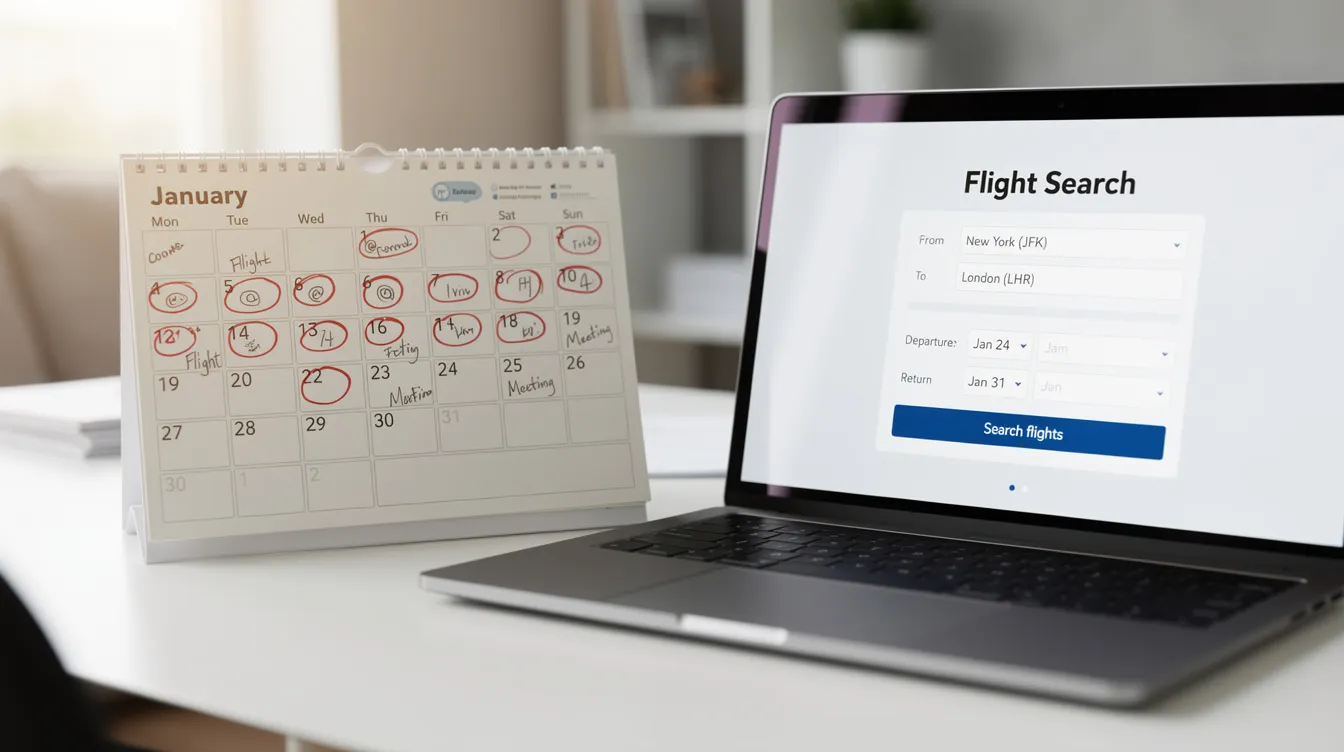
Holiday travel—Thanksgiving, Christmas, New Year's, spring break—is a special case where waiting usually costs more. Demand is high, routes are crowded, and most airlines restrict discounting as these dates approach.
Specific guidance for holiday flights:
Thanksgiving: Flights are cheapest about 35 days before departure. Aim to book 30–60 days out.
Christmas and New Year's: Target roughly 45–75 days before departure. Start monitoring prices by early October for late-December flights and by mid-November for January travel.
Spring break: Popular destinations like Florida and Mexico see prices rise early, so booking 6–8 weeks ahead helps.
Flying on the holiday itself (December 25 or January 1) is often cheaper than flying the weekend before or immediately after those dates.
Large family groups or those needing multiple seats together should prioritize booking flights in advance for availability, not just the absolute lowest fare. On popular flights during holidays, seat selection disappears fast.
Booking flights far in advance is often most important when redeeming airline miles or credit card points, because award tickets and premium cabin inventory are limited.
Most airlines allow bookings up to 11 months in advance, and award flight calendars on many carriers open roughly 330–360 days before departure. Early planners get first access to prime dates. Some saver-level award space appears when schedules first open, or again closer to departure if the airline does not sell enough seats for cash, similar to how travelers can buy a single seat on a private jet through shared or empty-leg options.
Members of a travel rewards team or frequent flyer program should monitor calendars early for international trips and holiday flights, just as frequent private flyers should understand jet card costs and pricing structures before committing to a program.
Frequent travelers can combine points for commercial flights with private jet memberships for specific trips where schedule control is critical. Jettly memberships are designed to provide more predictable private charter pricing across the year, acting as a complement to commercial airline loyalty programs, while Jettly's jet card program offers fixed hourly rates for travelers who fly privately more often.
Booking flights in advance works differently for private jets than for fixed-schedule commercial airlines. Supply and routing are more flexible, and there are no published fare buckets that fill up.
Private jet charter pricing depends on other factors—aircraft category, repositioning costs, runway length, peak dates—that can matter more than the exact number of days before departure, and understanding the best private plane manufacturers for each budget and need can help match aircraft types to your trip.
Booking charter flights 7–30 days ahead typically offers strong availability and allows Jettly to match travelers with suitable aircraft from its global inventory.
Last-minute charter is very feasible on routes like New York–Miami or London–Nice, but peak days (the Friday before Memorial Day, for instance) may command higher prices.
Empty leg flights are a way to access cheaper private flying when flexible. These often appear only a few days before departure as operators finalize schedules.
For a quick estimate on any route, Jettly's charter cost estimator shows real-time pricing without obligation and ties into Jettly's broader approach to affordable private jet charter through flexible routing and aircraft choice.
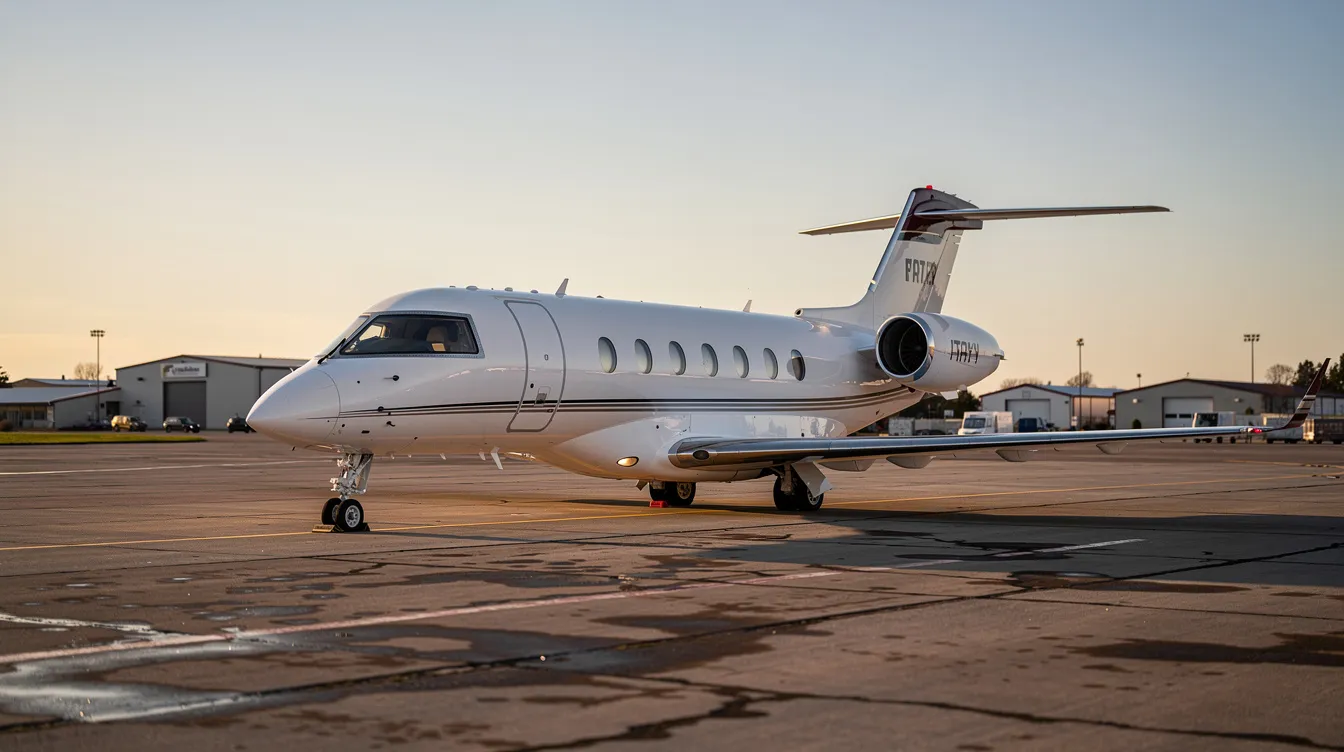
Jettly is a digital private aviation platform that lets travelers compare private charter options the way they compare airline tickets online. The platform connects users with over 20,000 aircraft globally across a network of certified operators, similar to how Zenflight's instant-book private jet service streamlines on-demand charter.
Jettly's instant-pricing tools allow users to see real-time charter estimates for specific flights, dates, and routes. This helps travelers decide when to book a flight based on their schedule and travel budget—without guesswork — whether they're planning common routes or private jet charters to destinations like Kolkata, West Bengal.
The platform's broad aircraft access increases the odds of finding an efficient option even when trips are arranged on short notice, giving travelers multiple ways to get a seat on a private jet easily without long-term commitments. For travelers interested in how private jet charter works, the process is straightforward: enter a route, review quotes, and book, making Jettly a compelling NetJets alternative for flexible private flying.
Frequent travelers who want pricing stability can explore Jettly membership programs for more predictable costs, rather than guessing whether flights will be cheaper closer to departure, and use Jettly's jet card flight cost estimator to understand one-way pricing on typical routes.
Ready to see what private charter costs for your next trip? Explore flight options or request an instant quote at jettly.com, and customize your journey further with Jettly Eats in-flight catering for private jets.
Timing is only one part of getting cheap flights. Flexibility, tools, and mode of travel also matter.
For commercial travel:
Set price alerts on tools like Google Flights. Automated price alerts can help track fare drops effectively, and price alerts notify you when flight prices change.
Google Flights shows price history for specific routes, making it easy to judge whether a current fare is a deal or not. Airfare price tracking tools compare current prices to past performance and past trends.
Use flexible date calendars to scan a full month at once, then compare nearby airports. Utilizing alternative airports can sometimes yield lower fares—like choosing Newark instead of JFK. If your dates are flexible, choosing a connection instead of a nonstop flight can also reduce the fare.
Early booking allows for better seat selection without additional fees on most airlines.
Booking early can also facilitate the coordination of non-refundable land costs like hotels and rentals, locking in a complete trip at a known cost while you evaluate options across different charter airlines and private flight providers.
For private travelers:
Compare light jet vs midsize options to match aircraft to your route. Check cheap private jet charter prices for current ranges and browse Jettly's private charter aircraft selection to see how different categories affect cost.
Consider turboprops for short regional hops to popular destinations while keeping an eye on key factors that influence private jet flight costs.
Check Jettly for empty leg opportunities that surface days before departure, or use Jettly's platform to share or crowdsource private jet flights and reduce per-seat costs.
Connect these strategies back to planning ahead: monitor prices, set alerts, and book once you see a fare or charter quote that fits your budget and schedule.
No. Booking flights 10–11 months ahead can secure choice of seats and schedules, but it does not guarantee the lowest prices. Mid-range booking windows—around 30–60 days for domestic and 60–120 days for international—often produce the best fares. Ultra-early booking is most useful for peak holidays, rare routes with limited service, or when using points and miles for limited award seats on eligible purchases.
Many airlines raise fares sharply within 21 days before departure, with another jump in the final 7 days. This pattern is strongest on business and holiday routes. Travelers with fixed dates should avoid waiting into this last-minute period if they want cheap flights. Research shows that in the final month, prices change an average of 11 times, and about two-thirds of those changes are increases.
Round-trip tickets can sometimes be cheaper overall, but the timing rules—booking 1–3 months ahead for domestic, 2–6 months for international—are similar for both formats. Some travelers use separate one-way tickets to mix different airlines and airports, which may offer savings if they stay flexible on days of the week and destination airports.
Cash tickets often have best deals within a defined window before departure, while award tickets should be booked as soon as calendars open for high-demand dates and cabins. For off-peak travel, award seats may reappear closer to departure if airlines release unsold inventory back into mileage programs—so monitoring specific flights in both cash and points pricing is worthwhile.
Yes. Jettly is a charter broker offering access to a global network of private aircraft, ideal when commercial options are sold out, overpriced, or poorly timed. Travelers can check instant pricing on Jettly for key routes such as New York–Miami or Toronto–Vancouver and compare the time savings and flexibility with regular airline tickets, especially once they understand how much a private jet really costs. Visit jettly.com to see real-time availability and pricing.
For most travelers, booking flights 1–3 months ahead for domestic trips and 2–6 months ahead for international travel strikes the best balance between cheap flights, best prices, and schedule choice. Flights are not reliably cheaper closer to departure—especially around holidays and on business-heavy routes. Waiting too long usually raises the final airline ticket price rather than lowering it.
Private jet flyers should think less about exact days before departure and more about aircraft type, route, and peak demand, using Jettly's marketplace to compare options quickly and save money while comparing top private jet charter companies and providers.
Ready to experience private travel on your terms? Explore charter options or request an instant quote at jettly.com to plan your next trip with confidence, or consider joining Jettly's ULTRA High Ticket affiliate program if you regularly refer other travelers to private flights.
Share this post:
Jay Franco Serevilla
Nov 15, 2026
|
5
min read
Discover tips and trends in the industry.

5
min read
Flight Time From NY to London: What to Expect on Commercial and Private Jets
The flight time from New York to London typically ranges from 6.5 to 7.5 hours for commercial flights, while private jets can complete the journey in about 6 to 7 hours. Factors such as jet stream conditions, airport choice, and aircraft type significantly influence travel times. This guide provides insights into optimizing your trip, whether flying commercially or privately.
Read More
5
min read
How Far in Advance Should I Book a Flight? (Private & Commercial)
Understanding how far in advance to book a flight is crucial for travelers. For commercial flights, the ideal booking window is typically 1 to 3 months ahead, while private jet charters can often be arranged closer to departure. Factors like destination, seasonality, and route type significantly influence the best time to secure your tickets.
Read MoreStay updated with our latest insights and tips to elevate your journey with us.
MEMBERSHIPS AND ASSOCIATIONS



© 2026 Jettly Inc. All rights reserved.
Disclaimer: Jettly operates as a charter broker, offering access to a global digital jet charter marketplace. Jettly is not a direct air carrier and does not own or operate aircraft. All advertised flights are conducted by third-party air carriers that are fully licensed and hold the appropriate Part 135 or Part 121 certifications issued by the Federal Aviation Administration (FAA) or equivalent regulatory authorities under U.S. or foreign law. Jettly complies fully with the U.S. Department of Transportation's Part 295 and Part 298 Charter Broker regulations. Jettly does not carry additional liability insurance. Passengers are covered by aircraft operator insurance. TICO: 50023770


