



Login
Get Instant Pricing On 23,000+ Aircraft

>
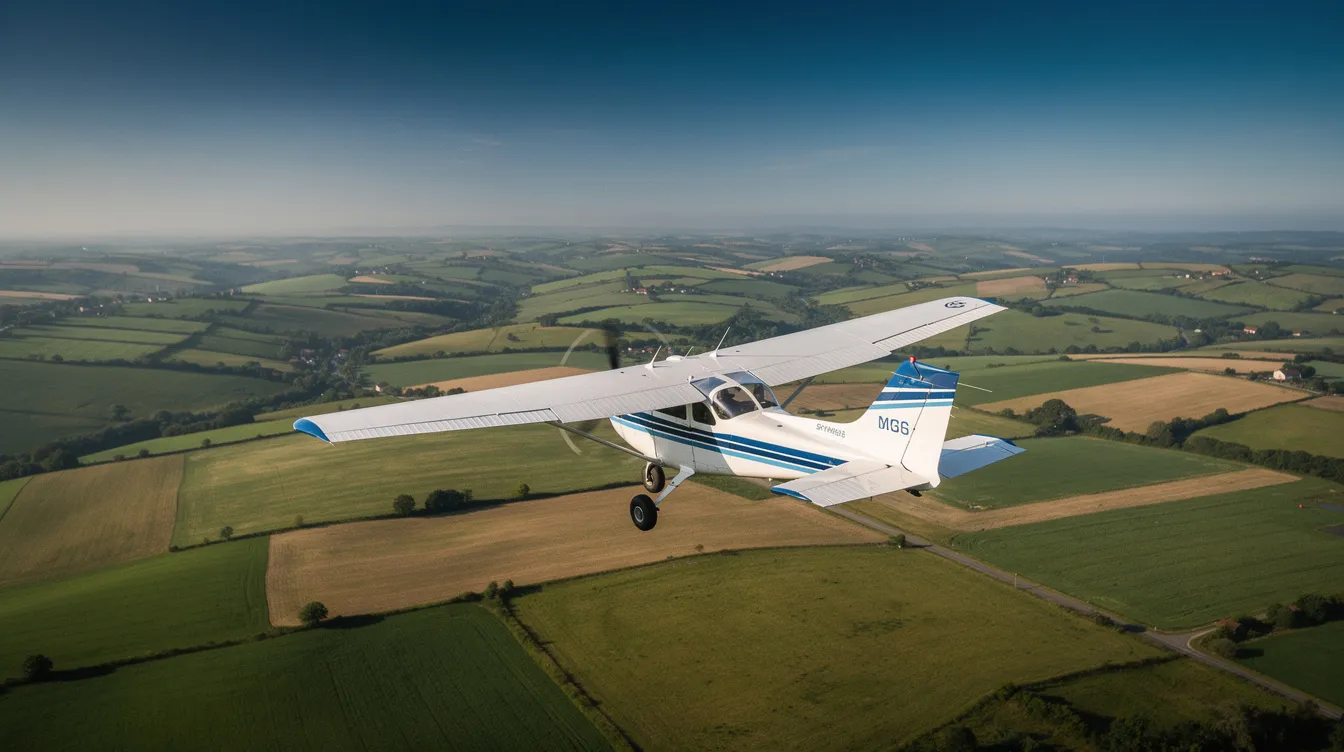
Planning a Cessna 172 cross-country flight is one of the most exciting milestones in any pilot's training. Whether it is a short 50-nautical-mile hop to a neighboring airport or a week-long trip from Florida to Arizona, the Skyhawk remains the airplane of choice for building real-world training in navigation, fuel planning, and aeronautical decision-making. This guide walks through every stage of that journey, from regulatory requirements and performance numbers to multi-day route strategy and knowing when to hand the mission to a faster aircraft.
This guide covers the full arc of Cessna 172 cross-country flying, from a student pilot's first 50-NM leg through ambitious coast-to-coast adventures across the United States.
The Cessna 172 has a fuel capacity of 56 gallons (53 gallons usable) and burns approximately 8–10 gallons per hour, giving roughly 4.5–5.5 hours of endurance. Most pilots plan legs of 2–3 hours with reserves.
Smart flight planning, realistic personal minimums, and respect for weather conditions and terrain matter more than chasing the small aircraft's maximum range on paper, and many pilots eventually compare the Skyhawk with other cross-country aircraft options as their missions evolve.
As pilots progress into longer trips—multi-day flights to New Mexico, the Grand Canyon, or cross-country to the West Coast—private jet charter platforms like Jettly become a practical alternative for family and business travel that exceeds what a Cessna or other planes can comfortably cover.
The article closes with FAQs and a call to action to explore Jettly's on-demand charter options for different missions.
The Cessna 172 Skyhawk is the most produced aircraft in aviation history and remains the global training standard in 2026. Its forgiving flight characteristics, widespread parts availability, and sheer ubiquity at every flight school make it the default choice for cross-country training.
The high wing design gives excellent downward visibility—a genuine advantage when scanning for checkpoints, airport traffic in the traffic pattern, and terrain during long legs. Slow-speed stability and predictable stall behavior reduce pilot workload, which matters when a student pilot is juggling navigation, radios, and weather monitoring over hours in the left seat.
Most training cross-country flights cover 50–150 NM per leg, with later trips extending to 250–400 NM days. Compared to other small aircraft like the Piper Archer or Diamond DA40, the Skyhawk wins on rental aircraft availability, instructor familiarity, and cost. Many pilots choose it for exactly those reasons.
Concrete specs tell the story:
Cruise speed of approximately 110 to 120 knots true airspeed (KTAS), with the 172S reaching a maximum cruise speed of 124 knots at 75% power.
Service ceiling around 14,000 feet, with a maximum operational altitude of 15,000 feet.
Fuel capacity of 56 gallons total, 53 gallons usable.
Practical maximum range of 600–800 nautical miles in no-wind conditions; a practical non-stop range of about 500 to 600 nautical miles with realistic reserves.
The term "cross country" has a specific meaning under FAA rules. A cross country flight is defined as landing at a point more than 50 nautical miles away from the departure airport. This definition matters for logging hours toward a private pilot license, an instrument rating, and commercial certificates.
For a private pilot license, FAR 61.109 requires a minimum of 40 flight hours total, including at least one solo cross country of 150 NM or more with full-stop landings at three points and one leg of at least 50 NM straight-line distance from departure. Flight training typically requires 40 to 60 hours of flight time in practice, depending on the student.
A student pilot certificate is required to fly solo, and student pilots must pass a Third-Class medical examination before that first solo flight. Early cross country experience often begins with airports 25–50 NM away, building to longer legs as proficiency grows, whether in a personally owned aircraft or via affordable aeroplane rental arrangements.
These regulatory definitions also tie into currency requirements for carrying passengers and into advanced training milestones for instrument and commercial cross country minimums. While this article uses U.S. FAA standards, the principles apply broadly for pilots training in other countries.
Honest performance numbers matter more than brochure figures when planning a cross country in a Cessna 172. The pilot's operating handbook is essential for understanding aircraft performance under real conditions-temperature, altitude, and the aircraft's weight all shift the numbers.
Key Cessna 172S stats:
|
Parameter |
Value |
|---|---|
|
Engine |
180 hp Lycoming IO-360 |
|
Fuel capacity |
56 gallons total, 53 gallons usable |
|
Fuel burn |
~8–10 GPH at 65–75% power |
|
Endurance (no reserve) |
~4.5–5.5 hours |
|
Maximum range |
600–800 NM (ideal, no wind) |
|
Useful load |
~878 lb |
|
Passengers |
Up to 3 plus pilot (4 total) |
A weight and balance calculation is necessary before flight. With full fuel, payload drops to roughly 560 lb-enough for two average adults and modest baggage, but not four passengers with luggage.
Most pilots plan 3.5–4.0 hours maximum leg time to allow for 45 minutes to one hour of fuel reserve, depending on personal minimums and regulations. Real-world days are broken into 250–450 NM segments to reduce fatigue and manage weather, and tools like an airport locator for potential stops make it easier to visualize options along the route.
Consider a 350-NM day in 2026 from Dallas Love Field (KDAL) to Santa Fe (KSAF) with a fuel stop in Lubbock (KLBB). At 110 knots ground speed with a light headwind, the first leg (~300 NM to Lubbock) takes about 2.7 hours and burns roughly 25 gallons. Top off in Lubbock, fly the remaining 50 NM to Santa Fe in under 30 minutes. Total flight time for the day: about 3.2 hours.
Flight planning is essential for safety and efficiency in cross country flights. Traditional nav logs still have value, but modern electronic flight bags like ForeFlight and Garmin Pilot streamline the process significantly.
Plan routes using SkyVector and official weather sources like aviationweather.gov.
Cruising altitudes for Cessna 172 flights typically range from 3,000 to 8,500 feet MSL, following the hemispheric rule (odd thousands plus 500 eastbound, even thousands plus 500 westbound when flying VFR).
Calculate burn, stops, and reserves for each leg.
Verify weight and balance before every departure.
Identify backup airports along the route.
Pre-flight preparation for a cross-country flight involves route and navigation planning well before engine start. Pilots are advised to monitor winds aloft during a cross-country flight to refine ground speed and fuel estimates.
Set conservative personal minimums-ceiling, visibility, and crosswind limits-stricter than legal VFR minimums, especially as a student pilot. Legal VFR may allow 3 SM visibility, but that is rarely comfortable for a newer aviator.
Short example: a 120-NM leg from Phoenix Deer Valley (KDVT) to Flagstaff (KFLG) at 9,500 feet MSL, checkpoints at Sunset Point and Munds Park, estimated time en route roughly 1.1 hours at 108 KTAS ground speed.
Route choice is the heart of cross country safety in a small aircraft. A straight line on the chart is rarely the best path.
Avoid high terrain near the airplane's service ceiling by following valleys, interstate corridors, or published VFR routes. Practical examples include following I-10 across west Texas.
Carefully plan around airspace, such as skirting around Denver Class B airspace or using the LA Special Flight Rules Area-advanced content best saved until well past a first solo flight.
Before every flight:
Check NOTAMs and TFRs along the route.
Review seasonal hazards: wildfire smoke is increasingly common across the western U.S. and can degrade visibility without warning. Summer convective weather in 2026 remains a serious risk for afternoon flights.
Verify runway length and conditions at planned stops.
For mountain routes-heading toward the Grand Canyon area or crossing the Rockies-extra mountain flying training is strongly recommended before attempting in a Cessna. Density altitude at places like Leadville, Colorado (9,900 feet elevation) can crush engine performance and extend takeoff rolls beyond available runway on hot days.
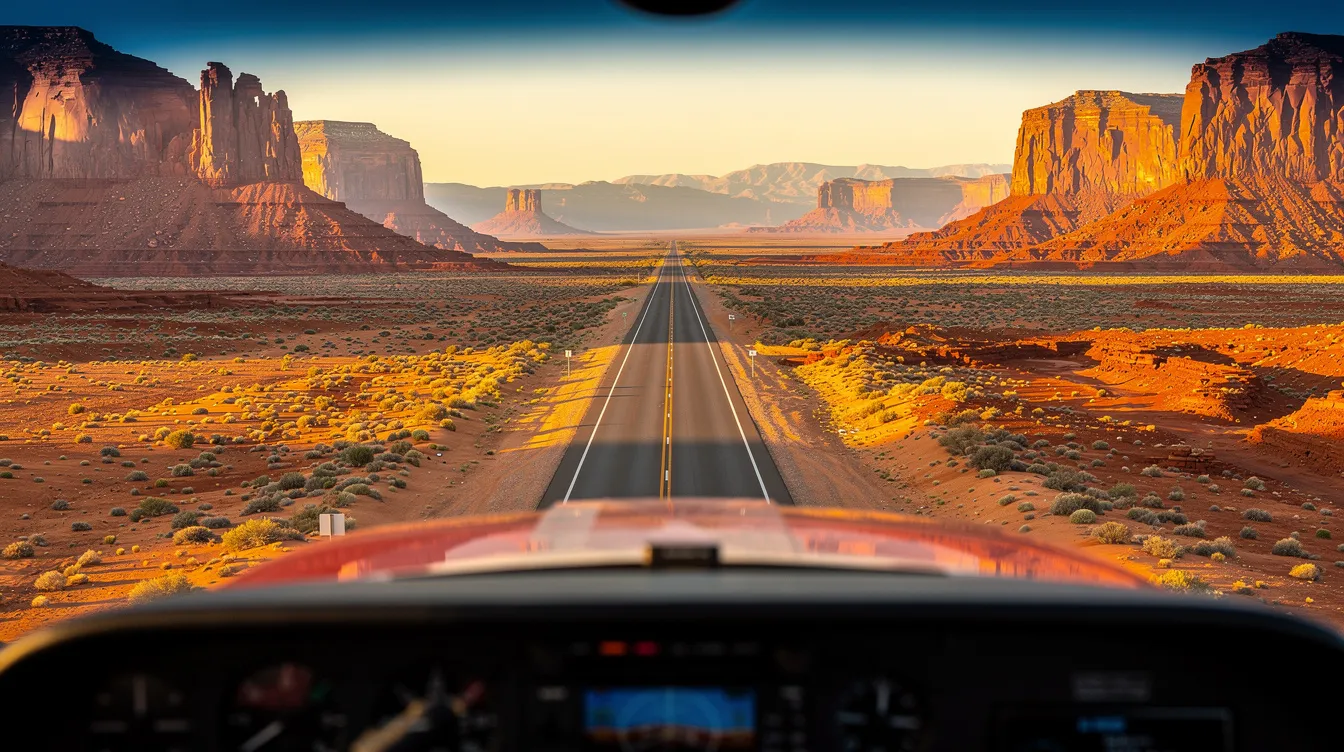
Fuel mismanagement remains a common accident factor in general aviation, making disciplined fuel planning critical on every cross country.
Plan fuel stops every 150–250 NM to leave generous reserves, especially when headwinds are forecast. The Cessna 172 burns approximately 8–10 gallons per hour, and cross-country flights require multiple fuel stops in a Cessna 172 to maintain safe margins. Fuel planning must consider legal reserves defined by the FAA-30 minutes for day VFR.
Check fuel availability, operating hours, and runway length at each airport the day before the trip.
Fuel management includes tracking fuel burn and monitoring engine performance throughout every leg.
Pilots should lean the fuel mixture at cruise altitude for efficiency, reducing fuel burn and extending range.
Numeric example: at 9 GPH and 110 knots ground speed, a 2.5-hour leg uses roughly 23 gallons, leaving about 30 usable gallons for alternate options and reserve. That is a comfortable buffer.
Business travelers often avoid such constraints by chartering jets with much longer legs. Jettly's platform highlights this advantage through its instant-quote tools and jet card flight cost estimator, giving travelers a fast comparison when the mission demands more range.
Cross country risk is as much about pilot condition as aircraft performance. No amount of fuel planning fixes a fatigued aviator in the cockpit.
Training progression typically follows this path:
Dual instruction cross country with a CFI.
Supervised solo planning and review.
First solo cross country of 50–120 NM once the instructor is satisfied with consistent navigation, communication, and decision-making.
Human-factor considerations for any long flight:
Get adequate sleep the night before.
Stay hydrated and eat before departure-skipping meals degrades judgment.
Fly in the morning when weather is typically more stable.
Limit flying to 4–6 hours per day until experience grows.
A coast-to-coast solo flight in a Cessna 172 is technically possible but physically and mentally exhausting-far from ideal for a new private pilot without an instrument rating and mountain training. Experienced pilots on longer multi-day trips often bring another pilot or passenger who can assist with radios, checklists, and situational awareness, making the whole trip safer and more fun.
Picture a student pilot in 2026 based at Orlando Executive (KORL), planning a 150-NM triangle to Gainesville (KGNV) and Daytona Beach (KDAB). This is the same kind of route that has launched thousands of aviation careers.
Meeting training requirements:
First leg KORL to KGNV: ~70 NM (exceeds the 50-NM minimum).
KGNV to KDAB: ~80 NM with a full-stop landing.
KDAB back to KORL: ~50 NM, completing the triangle.
Altitude selection follows the hemispheric rule: 5,500 feet MSL heading north, 4,500 feet heading east, adjusting for winds aloft and cloud layers.
Build in extra time at each stop for fuel, restroom breaks, and a quick review of the next leg's weather and NOTAMs. Learning to fly a Cessna 172 costs between $7,000 and $12,000 depending on the flight school and region, and this triangular cross country is a point where that investment starts paying dividends in real-world skill; understanding aircraft rental costs and options also helps students and new pilots budget realistically.
High-level nav log snapshot:
|
Leg |
Distance |
Heading (Mag) |
ETE |
Fuel Burn |
|---|---|---|---|---|
|
KORL → KGNV |
70 NM |
340° |
0:40 |
~6 gal |
|
KGNV → KDAB |
80 NM |
120° |
0:46 |
~7 gal |
|
KDAB → KORL |
50 NM |
220° |
0:29 |
~5 gal |
Once the private pilot license is in hand, many pilots dream of longer adventures. A 1,500-NM trip from Jacksonville, Florida (KCRG) to Chandler, Arizona (KCHD) over 5–7 days with 6–8 fuel stops is an attainable capstone experience.
Planning across time zones and climates demands attention to detail:
Southeast humidity vs. high-density altitude in New Mexico and Arizona.
Overnight logistics: hangars, tie-downs, hotels, and ground transportation at each destination, which becomes especially relevant when planning trips to busy hubs like Atlanta for private jet travel.
Checking runway conditions at smaller airports along the route.
Scenic routes like flying near the Grand Canyon Special Flight Rules Area require thorough briefing. Altitude restrictions, specific corridor entry points, and congested traffic patterns all need study before the flight. This is not a trip to improvise.
For multi-city routing that involves tight schedules or a larger group, chartering through a platform like Jettly can eliminate the logistical complexity while still letting pilots enjoy flying their Cessna on shorter weekend missions by matching the itinerary with a wide range of private charter aircraft.
Treat extended trips as capstone experiences. Build solid cross country hours on shorter missions first, and for larger groups consider step-up aircraft like the Cessna 207 for charter when a four-seat trainer is no longer enough.
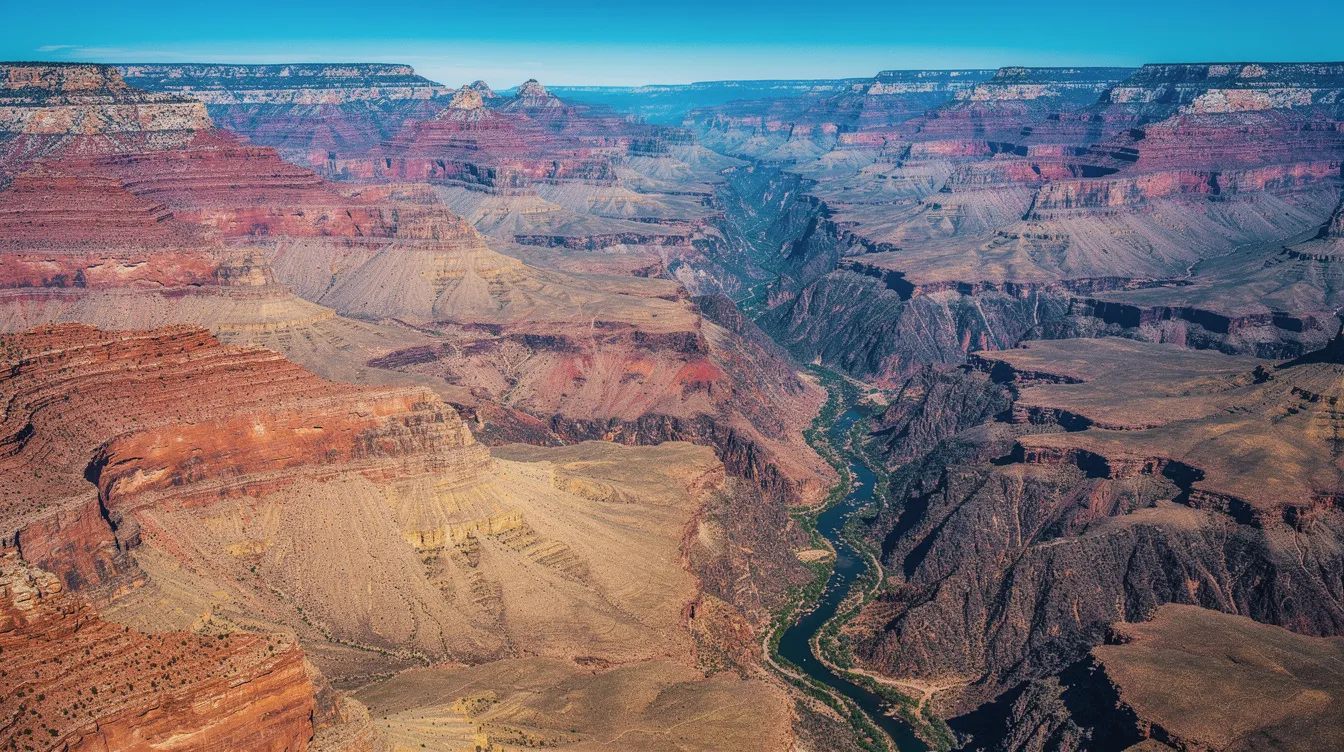
Weather is often the go/no-go decider on any cross country in a Cessna 172. Weather conditions must be checked before a cross-country flight-and rechecked throughout.
Student pilots should learn to interpret:
METARs - current airport conditions.
TAFs - forecast conditions for the next 24–30 hours.
Prog charts - broader weather patterns.
Radar imagery - convective activity in real time.
Key hazards for flying in a small aircraft:
Convective storms and thunderstorms (avoid by 20+ NM).
Icing conditions at or above the freezing level-the 172 is not equipped for flight into known icing.
Strong surface winds and mountain waves near terrain.
Low ceilings and visibility from fog or wildfire smoke.
Conservative choices save lives: divert early, land and wait, or cancel. Filing an IFR flight plan requires an instrument rating but gives access to ATC services that help manage unexpected delays and weather along the route.
IFR-capable private jets can safely fly above or around much of this weather. Platforms like Jettly pair travelers with certified Part 135 charter operators whose crews manage complex weather at higher altitudes, removing the weather-decision burden from the passenger entirely.
Many pilots love flying their own airplane but eventually compare that experience with booking a private jet for certain trips. The comparison is not about one being "better"-it is about matching the right aircraft to different missions and understanding the breadth of private charter aircraft categories available.
|
Factor |
Cessna 172 |
Light/Midsize Jet |
|---|---|---|
|
Cruise speed |
~110–124 KTAS |
400–500+ KTAS |
|
Range |
600–800 NM max |
1,500–3,000+ NM |
|
Weather capability |
VFR-primary |
Full IFR/all-weather |
|
Factor |
Cessna 172 |
Light/Midsize Jet |
|---|---|---|
|
Passengers |
4 (including pilot) |
4–16+ depending on model |
|
Pressurized cabin |
No |
Yes |
|
Factor |
Cessna 172 |
Light/Midsize Jet |
|---|---|---|
|
Cost per hour |
$125–$200 (rental) |
$3,500–$9,500 (charter) |
A 900-NM business trip that might take 2–3 days in a Skyhawk-with multiple fuel stops, overnight stays, and weather delays-can often be completed in one same-day return flight aboard a chartered jet. Private jets can accommodate 4-16+ passengers depending on the model, and private jets cruise at speeds of 400–500+ knots, with various ways for travelers to secure a seat on a private jet easily.
Jettly, as a digital charter broker, connects travelers with 20,000+ aircraft worldwide, offering instant pricing, private jet memberships, and digital booking. A pilot who enjoys weekend cross country flights in a Cessna 172 might use Jettly to charter a midsize jet for a family trip from Los Angeles to Chicago with eight passengers and luggage-a mission the Skyhawk simply cannot handle.
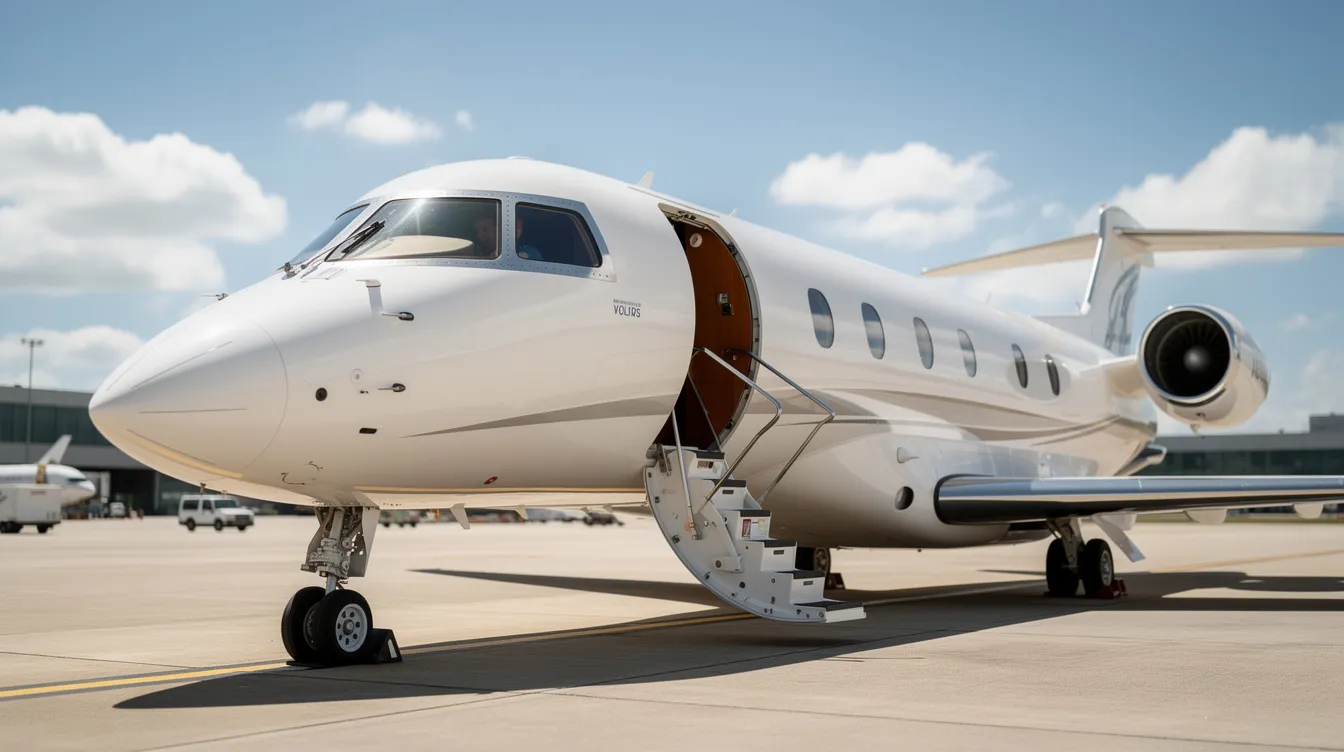
Jettly lets pilots and non-pilots match the aircraft to the mission instead of forcing every long trip into the Cessna 172 mold, positioning itself as a flexible alternative to programs like NetJets.
As a charter broker, Jettly does not operate flights directly. All flights are operated by certified third-party air carriers under relevant regulations such as Part 135 in the U.S., and instant-book options like Zenflight’s private jet marketplace further streamline the experience. Learn more about how private jet charter works on the platform.
Practical advantages include:
Instant online quotes and transparent pricing.
Access to light jets, turboprops, helicopters, and large-cabin jets.
Global routing beyond what a small aircraft can cover efficiently.
Schedule flexibility that does not depend on a single airplane's maintenance status.
Charter is especially compelling for urgent business meetings, medical or time-sensitive travel, large groups, or winter routes with widespread icing risks that would ground a Skyhawk; in these cases, understanding the wider charter airline ecosystem helps you choose the right provider. For a broader view of operators and service models, you can explore the wider charter airline landscape. Consider comparing the time and stop profile of your next 700–1,500 NM trip in a Cessna 172 vs. a chartered jet through Jettly.
These questions cover practical details on costs, endurance, safety, and how jet charter fits into an aviation lifestyle, complementing broader guides to top private jet charter companies and options.
Typical endurance is 4.5–5.5 hours on full usable fuel at 8–10 GPH, but pilots usually plan 3–4-hour legs to maintain reserves and reduce fatigue. Real-world endurance also depends on winds, altitude, and power settings. A Cessna 172 can fly approximately 600–800 nautical miles on a full tank under ideal conditions, but how many hours you actually fly per leg should be governed by your personal minimums-never plan to land with less than legal and personal minimum fuel reserves.
The Cessna 172 has an excellent safety record when well-maintained and flown within limits. The produced aircraft's track record spans decades and millions of flight hours-it is the most produced aircraft in history. However, pilot decision-making about weather, weight, and fatigue is crucial. Multi-day, coast-to-coast trips should be attempted only after gaining experience and, ideally, additional training such as instrument and mountain flying endorsements. An engine failure over remote terrain is survivable, but preparation and route planning reduce the odds of ever facing that scenario.
Using a rental rate around $150 per hour wet and a 110-knot ground speed, a 500-NM trip involves roughly 4.5–5.0 flight hours plus taxi time, totaling approximately $700–$850 in aircraft rental alone. Additional costs include landing or parking fees at larger airports, overnight hangar or tie-down charges, and instructor time if the pilot is still in training. A visit to a destination 500 NM away and back can easily top $1,500–$2,000 when you add fuel surcharges, meals, and lodging.
In the U.S., a pilot must have completed at least 3 takeoffs and landings in the preceding 90 days to carry a passenger. For night flights, those landings must be full-stop. Beyond legal currency, proficiency matters-recency in cross country navigation, radio work, and weather decision-making should factor into every go/no-go choice before carrying friends or family.
For missions over 500–700 NM in a single day, with a tight schedule, multiple passengers, or complex winter weather, a private jet charter often saves significant time and reduces risk, especially when paired with tools like a jet card flight cost estimator to predict expenses. Private jets can fly 1,500–3,000+ nautical miles non-stop, eliminating fuel stops, overnight stays, and weather delays entirely. Use Jettly's online platform to compare estimated door-to-door time and cost between self-flying a small aircraft and booking an on-demand jet for specific routes.
Cessna 172 cross country flying builds confidence, navigation skill, and aeronautical judgment from first 50-NM student flights through ambitious multi-day trips. Careful flight planning, realistic fuel and weather margins, and honest self-assessment are more important than chasing maximum range numbers on any given day. Private jet charter-via decision-focused platforms like Jettly-extends what pilots and travelers can do when distances, passenger counts, or timing exceed what a small aircraft can comfortably handle.
Ready to see how private charter compares to your next long cross country? Explore aircraft options or request an instant quote at https://www.jettly.com.
Share this post:
Jay Franco Serevilla
Nov 15, 2026
|
5
min read
Discover tips and trends in the industry.
5
min read
Flight Time From NY to London: What to Expect on Commercial and Private Jets
The flight time from New York to London typically ranges from 6.5 to 7.5 hours for commercial flights, while private jets can complete the journey in about 6 to 7 hours. Factors such as jet stream conditions, airport choice, and aircraft type significantly influence travel times. This guide provides insights into optimizing your trip, whether flying commercially or privately.
Read More
5
min read
How Far in Advance Should I Book a Flight? (Private & Commercial)
Understanding how far in advance to book a flight is crucial for travelers. For commercial flights, the ideal booking window is typically 1 to 3 months ahead, while private jet charters can often be arranged closer to departure. Factors like destination, seasonality, and route type significantly influence the best time to secure your tickets.
Read MoreStay updated with our latest insights and tips to elevate your journey with us.
MEMBERSHIPS AND ASSOCIATIONS



© 2026 Jettly Inc. All rights reserved.
Disclaimer: Jettly operates as a charter broker, offering access to a global digital jet charter marketplace. Jettly is not a direct air carrier and does not own or operate aircraft. All advertised flights are conducted by third-party air carriers that are fully licensed and hold the appropriate Part 135 or Part 121 certifications issued by the Federal Aviation Administration (FAA) or equivalent regulatory authorities under U.S. or foreign law. Jettly complies fully with the U.S. Department of Transportation's Part 295 and Part 298 Charter Broker regulations. Jettly does not carry additional liability insurance. Passengers are covered by aircraft operator insurance. TICO: 50023770


