



Login
Get Instant Pricing On 23,000+ Aircraft

>
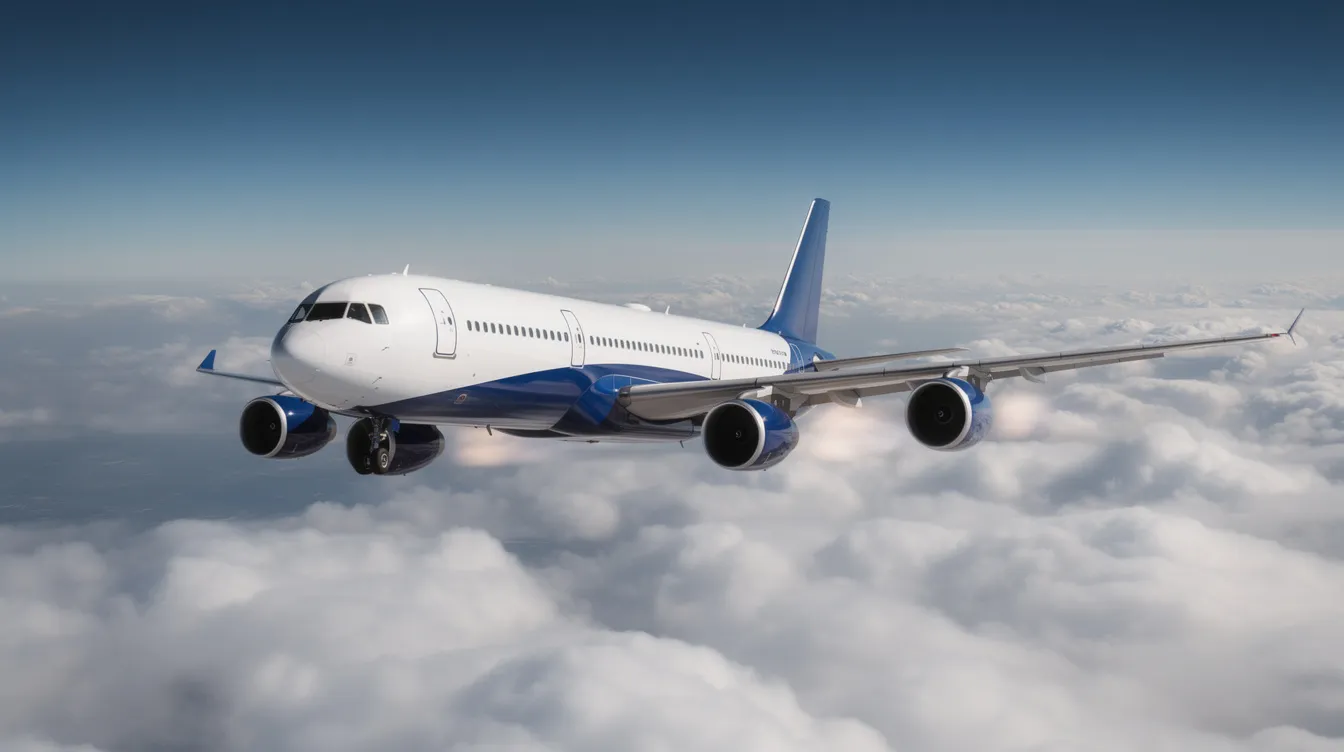
Few aircraft capture public imagination quite like Air Force One. Whether it's landing at a foreign capital or racing across the Atlantic, people want to know: how fast does Air Force One travel? The short answer sits in the high subsonic range, but the full picture involves airspeed physics, operational priorities, and some surprising comparisons to the jets available to private travelers today.
The VC-25A version of Air Force One typically cruises around 575–580 mph (Mach 0.84), with a published maximum speed near 630 mph (Mach 0.92).
Air Force One is a call sign, not a specific plane. It applies to any US Air Force aircraft carrying the president of the United States, most often the VC-25A and, in the future, the VC-25B.
Priority handling from air traffic control, direct routings, and in-flight refueling capability can matter as much as raw speed for real-world trip times.
The aircraft is not designed to be the fastest passenger aircraft. It balances speed with range, security, and communications.
Many business jets on platforms like Jettly can match or exceed typical Air Force One cruise speeds on common routes, offering similar time savings without the military infrastructure.
"Air Force One" is the official radio call sign used whenever the president of the United States is aboard any Air Force aircraft. It is not the name of a single airplane. When the president is not on board, the same plane flies under a standard US Air Force designation and is simply called a VC-25A.
In everyday use, Air Force One usually refers to the two customized Boeing 747-200B airframes that serve as the primary presidential aircraft, with tail numbers 28000 and 29000. The Presidential Airlift Group of the 89th Airlift Wing at Joint Base Andrews in Maryland operates these aircraft, which entered service in 1990. The first VC-25A flew as Air Force One on September 6, 1990.
The history of presidential air travel goes back decades. Franklin D. Roosevelt was the first president to fly in office. The first aircraft specifically for presidential travel was a Douglas Dolphin. Later, the VC-54C, nicknamed the Sacred Cow, served Roosevelt in 1945. The call sign "Air Force One" was first used in the 1950s, during the administration of President Dwight Eisenhower, to avoid confusion with other aircraft sharing similar identifiers. Before that, the VC-137C with tail number 26000 carried President Kennedy to Dallas in 1963, and President George H.W. Bush later oversaw the transition to the current aircraft.
Other airframes can also become Air Force One by call sign. When a president travels on a C-32A narrow-body, for instance, that plane carries the same call sign for the duration of the flight. The Columbine III, an earlier presidential plane, also served during the Eisenhower presidency, making it one of the most recognizable symbols of executive air travel.
The VC-25A Air Force One has a typical cruising speed of about 575–580 mph, or roughly Mach 0.84. During routine operations, it cruises at Mach 0.82 to 0.86 depending on mission profile, weight, and atmospheric conditions.
Its maximum speed is Mach 0.92, or about 630 mph at cruise altitude. Air Force One can fly over 600 miles per hour when conditions and mission requirements call for it, but it rarely sustains this upper range for entire flights.
In practice, the president's plane flies near the same long-range cruise speeds used by most airliners based on the Boeing 747 platform. Pushing closer to maximum speed burns fuel at a significantly higher rate, reducing range and offering diminishing time savings.
Ground speed can tell a different story. With strong tailwinds on transatlantic routes, the aircraft's ground speed can exceed 700 mph while true airspeed remains safely below Mach 1. During the September 11, 2001 flights, reports indicated that escorting F-16 fighters needed the VC-25A to slow down because it was cruising near its upper speed band, a reminder that this Air Force plane flies faster than most people assume.
Understanding how fast Air Force One travels requires a quick look at how pilots measure speed. There are three key metrics: indicated airspeed (what instruments show), true airspeed (actual speed through the air mass), and ground speed (how fast the plane covers distance over the Earth's surface).
Pilots measure speed primarily in knots (nautical miles per hour) and Mach numbers. A Mach number represents a fraction of the speed of sound, which changes with altitude and temperature. At 35,000 feet, Mach 0.84 equals roughly 485–500 knots true airspeed, or about 575 mph.
Wind and atmospheric conditions affect Air Force One's flight speed in meaningful ways. A VC-25A cruising at 490 knots TAS into a 50-knot headwind has a ground speed of only 440 knots. Flip that to a 50-knot tailwind, and ground speed jumps to 540 knots. That difference translates to roughly 30–45 minutes on a transatlantic crossing.
Like all large subsonic aircraft, the VC-25A must respect a maximum operating Mach number (Mmo) to avoid shock-wave formation on the wings, which can cause control difficulties.
The VC-25A is a heavily modified Boeing 747-200B configured as the primary presidential aircraft. It blends military aircraft robustness with long-range capability. The Boeing 747 airframe is one of the fastest subsonic commercial airliners ever built, and the presidential version retains that speed advantage.
|
Performance measure |
VC-25A detail |
|---|---|
|
Typical cruise speed |
Approximately 575–580 mph (Mach 0.82–0.86) |
|
Maximum speed |
Approximately 630 mph (Mach 0.92) |
|
Service ceiling |
Approximately 45,100 feet |
|
Unrefueled range |
Roughly 7,800 statute miles (about 12,550 km) |
|
Engines |
Four General Electric CF6-80C2B1 turbofans, about 56,700 pounds of thrust each |
Air Force One is designed for long-distance presidential transportation. Structural reinforcements, secure communications equipment, and defensive systems add significant weight, which influences how often the aircraft operates near maximum speed. Flight planners usually prioritize endurance, communications needs, and arrival timing over simply flying as fast as physics allows.
For context, typical long-haul commercial 747s cruise near Mach 0.84–0.85, and many large business jets cruise around Mach 0.80–0.85. The VC-25A sits squarely in that band.
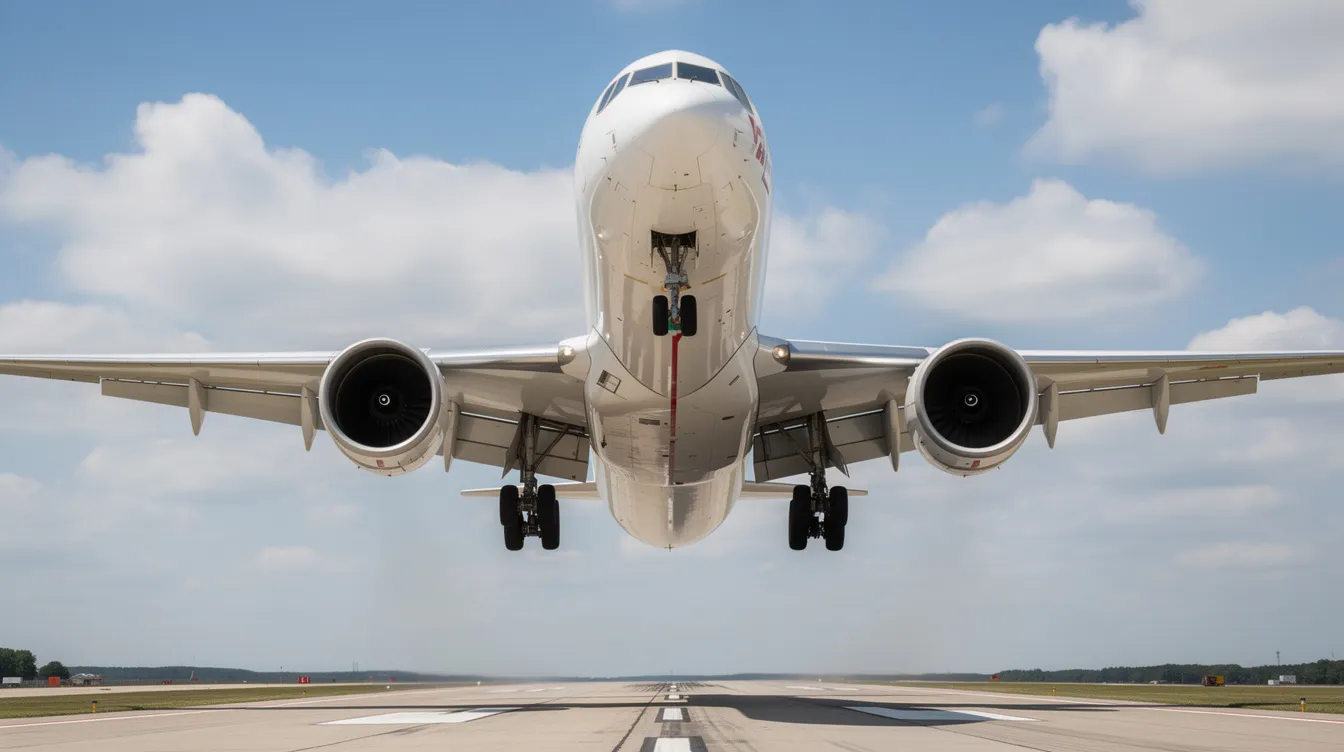
The VC-25A is not designed for supersonic flight and does not exceed Mach 1. Its near-supersonic top speed of Mach 0.92 remains safely below the sound barrier. Air Force One is not designed to be the fastest passenger aircraft; it is built to be the most capable and secure.
Aerodynamic drag increases significantly near transonic speeds. Beyond Mmo, wing shock waves can cause buffeting, loss of control authority, and structural stress. That is why subsonic transport aircraft, including this presidential aircraft, avoid pushing past their design limits.
The Concorde era (1976–2003) demonstrated that routine supersonic passenger travel was technically possible but economically and environmentally costly. No president routinely flew supersonic.
Recent US Air Force research contracts with companies like Exosonic, Hermeus, and Boom Supersonic have explored supersonic executive transport concepts. However, as of the mid-2020s, the president still flies on subsonic VC-25A aircraft, and the planned VC-25B is also subsonic, based on the Boeing 747-8 platform.
Real-world trip time for Air Force One depends as much on operations and routing as on raw cruise speed. Air Force One receives air traffic control priority: direct routes, minimal holding patterns, and expedited climbs and descents. These advantages shorten door-to-door time significantly compared to commercial flights.
Winds aloft, cruise altitude selection, and route planning all impact ground speed. A Washington, D.C. to London flight might take under six hours with favorable tailwinds and priority handling, versus seven or more hours for a scheduled commercial flight on the same route. Reports from July 2023 suggest Air Force One completed a D.C. to London Stansted flight in approximately five hours.
Air Force One can refuel in-flight for extended missions. The VC-25A is fitted to accept fuel from tanker aircraft, enabling it to remain airborne for extended periods during crises. This capability is rarely used in routine peacetime travel but remains critical for continuity-of-government scenarios.
Security constraints sometimes lead to detours or altitude changes. Security personnel, including Secret Service agents aboard, coordinate with the crew and pilots to adjust as needed. Despite occasional detours, priority handling still keeps total journey time competitive with or faster than most airliners on the same route.
Traveling at near-airliner cruise speeds is only useful if the commander in chief can continue working, communicating, and staying healthy at altitude. The VC-25A is built for exactly that.
The aircraft has an encrypted telecommunications system for secure communication. It carries encrypted voice, data, and video systems plus high-bandwidth satellite links, allowing Air Force One to function as a mobile command center during crises. Senior staff and the traveling press have dedicated work areas, and the commander in chief can conduct the business of the presidency from an airborne office.
The aircraft features a dedicated medical facility for emergencies, with operating room-level equipment, a stocked pharmacy, and a physician traveling with the president at all times. This enables high-speed diversions or long-distance legs without sacrificing medical readiness.
The layout spans approximately 4,000 square feet across three decks. It can carry up to 102 passengers in business-class seating, including a presidential suite, conference and dining rooms, Secret Service work areas, and media space. The aircraft is also equipped to repel airborne missiles, adding another layer of defense.
The aircraft features two galleys for meal preparation, capable of catering around 100 people. This means the president and senior staff can work through long, fast flights without relying on ground catering stops.
Air Force One occupies an interesting middle ground in the speed spectrum. Frontline fighters like the F-16 or F-22 can fly well above Mach 1, but when escorting the presidential aircraft, they throttle back to match its subsonic cruise. During such missions, the fighter jets essentially fly slower than their design intent.
|
Aircraft category |
Typical cruise speed |
Practical comparison |
|---|---|---|
|
VC-25A Air Force One |
About 575–580 mph (Mach 0.82–0.86) |
Long-range presidential transport; maximum near 630 mph |
|
Commercial wide-body jets |
About Mach 0.83–0.85 |
Similar cruise band on long-haul routes |
|
Long-range business jets |
About Mach 0.80–0.90 |
Some models approach or exceed the VC-25A's usual cruise |
|
Fighter aircraft |
Supersonic capability varies by model |
Much faster in performance terms, but not comparable passenger transports |
Commercial long-haul jets like the Boeing 777 or Airbus A350 typically cruise at Mach 0.83–0.85. Air Force One sits in roughly the same speed band, sometimes slightly faster thanks to its Mmo of 0.92.
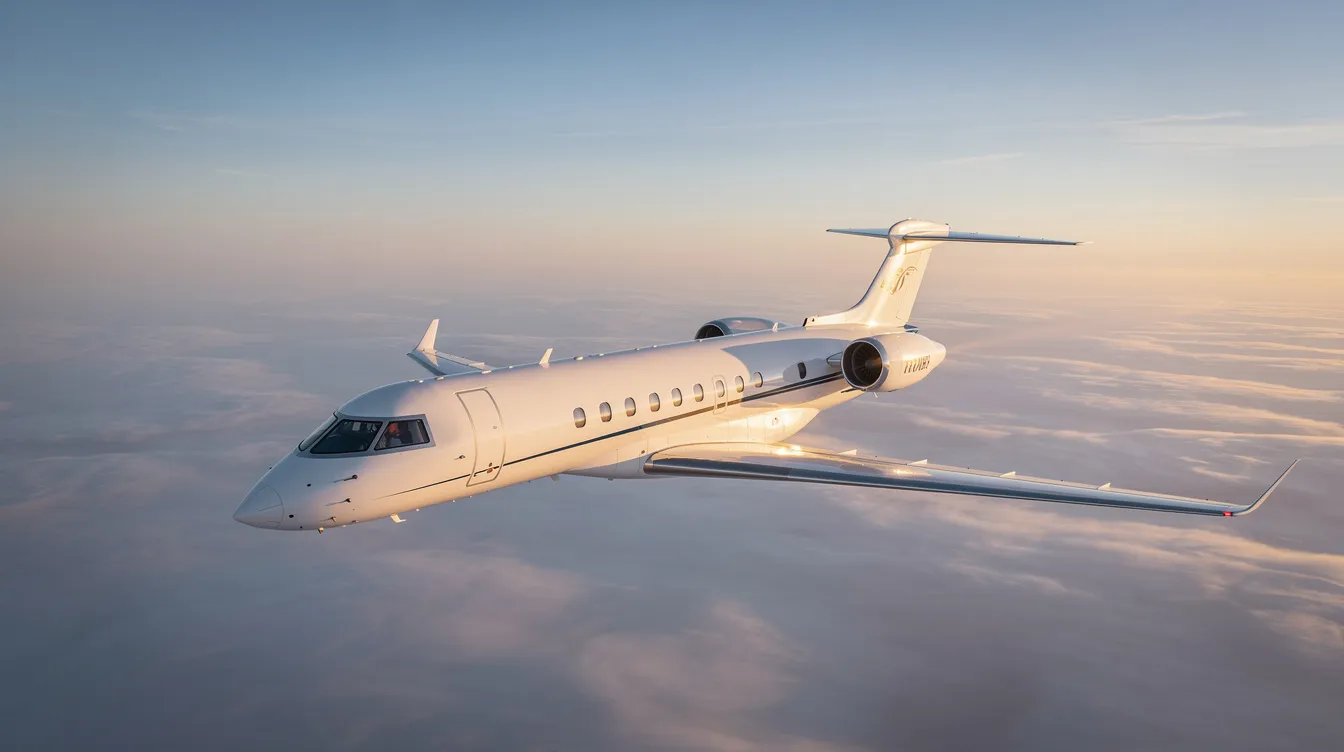
Modern long-range business jets push the comparison closer. Models like the Gulfstream G650/700 and Bombardier Global series cruise at Mach 0.85–0.90, with maximum speeds around Mach 0.925. That makes them technically comparable to or slightly faster than Air Force One's maximum operating speed.
This comparison highlights an important point for private travelers. Through digital platforms like Jettly, business and leisure flyers can access a wide selection of private charter aircraft and aircraft that cruise at Air Force One–level speeds on demand, without the heavy security and specialized military equipment.
The aging VC-25A fleet is being replaced. Rising maintenance costs, an obsolescent 747-200 airframe, and less-efficient engines than modern designs prompted the US Air Force to select the Boeing 747-8 Intercontinental as the basis for the next presidential aircraft, designated VC-25B.
A "bridge" version, an ex-Qatari 747-8I modified for secure executive use, arrived at Joint Base Andrews in mid-2026 and began commissioning flights. The full VC-25B fleet under contract to Boeing is expected to enter service around 2029.
The 747-8 platform offers improved fuel efficiency, greater range, and a slightly higher typical cruise Mach of about 0.85–0.86 than the current aircraft. Some sources cite a top speed near 660 mph for the VC-25B under favorable conditions.
From a traveler's perspective, the VC-25B's speed profile will feel similar to today's VC-25A. The gains come mostly in efficiency, reliability, and updated onboard systems rather than dramatic increases in maximum speed. The presidency will continue to operate aboard a subsonic airplane for the foreseeable future.
While Air Force One is unique as a military aircraft and airborne command center, its cruising speed sits in the same range as high-end private jets used by business and leisure travelers every day.
Light, midsize, and heavy business jets available through Jettly's on-demand private jet charter marketplace typically cruise between Mach 0.70 and 0.90. Top long-range jets match or slightly exceed Air Force One's usual cruise speed.
Private charters can actually reduce total city-to-city travel time by using smaller, more convenient airports located with an airport locator tool, shorter security lines, and custom departure times. The sky is more accessible than most people think. On routes like New York to London or Los Angeles to Tokyo, a heavy jet booked through Jettly can deliver a trip-time profile that rivals presidential mission times—without the motorcade.
Jettly operates as a digital charter broker, connecting travelers to a global inventory of over 20,000 aircraft through partners such as Dexter Air Taxi and other private jet operators. The platform offers instant pricing and on-demand booking without long-term ownership commitments. All flights are operated by properly certified third-party air carriers.
Knowing how fast Air Force One travels is interesting. Booking a flight that matches those speeds is practical.
Jettly's platform lets users request instant quotes on multiple aircraft types, use a private jet charter cost estimator to refine budgets, compare estimated flight times, and choose departure airports that minimize ground transfer time. Choosing the right airport can save as much time as a faster cruise speed.
Key advantages of on-demand charter through Jettly:
Cost transparency: See pricing upfront, with no hidden fees or long-term commitments.
Aircraft flexibility: Choose light jets for short hops, midsize for regional flights, or heavy jets for intercontinental routes.
No ownership required: Book per trip and avoid the costs of jet cards or jet card flight cost programs based on fractional ownership models.
Certified operators: Every flight is operated by a properly certified third-party carrier.
Ready to experience private travel on your terms? Explore flight options or request a quote at https://www.jettly.com.
These questions cover practical and technical details about how fast the presidential aircraft travels that go beyond the main sections above.
Exact highest recorded ground speeds are not officially published for security reasons. However, anecdotal accounts and flight-tracking data suggest that with strong tailwinds, the VC-25A has likely exceeded 700 mph in ground speed while remaining safely below Mach 1 in true airspeed. These figures result from combining high-subsonic cruise with favorable jet-stream winds rather than the aircraft exceeding its Mach limits. The first aircraft to serve as the official presidential plane was far slower, making today's performance a dramatic leap in presidential travel capability.
The aircraft's cruise speed is similar to large commercial jets. However, Air Force One often arrives sooner thanks to direct routing, priority takeoff and landing, and reduced time on the ground. A typical scheduled Washington, D.C. to London flight takes about seven to eight hours. A presidential mission on the same route, with priority handling and direct routing, can shave one to two hours off that time. President Barack Obama, for example, regularly made transatlantic crossings aboard these aircraft with notably shorter flight times than commercial schedules.
The VC-25A typically cruises between roughly 35,000 and 45,000 feet, where thin air allows more efficient high-subsonic speeds and greater flexibility to adjust for winds and other aircraft. Operating too low increases drag and fuel burn; flying too high can reduce engine efficiency and ride comfort. Flight planners and pilots choose an altitude that balances speed, fuel, and ride quality for each specific distance and route.
In an emergency, the crew can accelerate toward maximum operating Mach, coordinate with air traffic control for direct routing and clear airspace, and use in-flight refueling to avoid landing. The aircraft's defensive systems and board-level communications allow the presidency to operate continuously even under threat or attack. Safety margins still apply—the aircraft will not exceed its structural or Mach limits even under urgent circumstances.
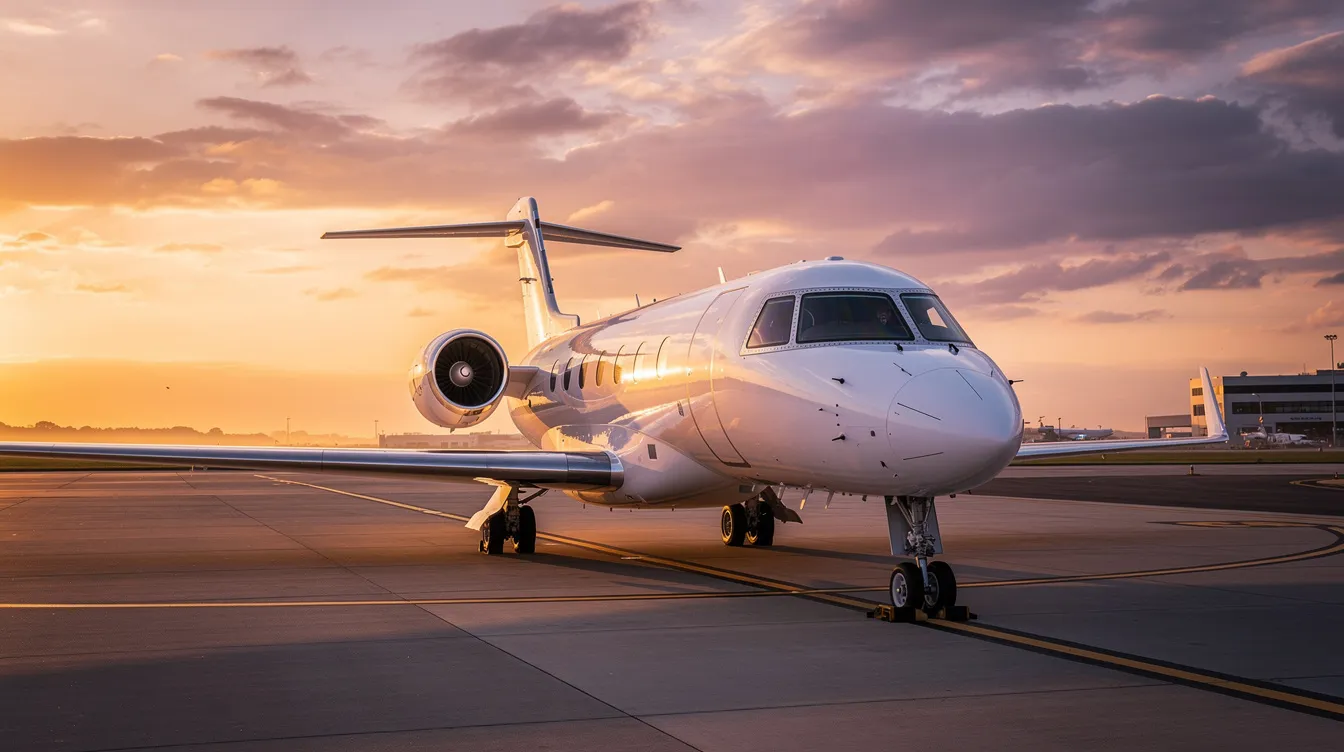
Many long-range business jets available through Jettly cruise at a similar Mach range to, or slightly faster than, the presidential aircraft. Models like the Gulfstream G650 or Bombardier Global 7500 can reach Mach 0.90–0.925. For business and leisure travelers, the biggest time savings come from flexible departure times, use of convenient airports, and direct routing. Private jet charters provide these advantages without the unique military capabilities of Air Force One. Travelers can search charter flights through Jettly to find the right aircraft for their next trip, use resources on affordable private jet charter pricing, or even crowdsource private jet flights and share empty seats to reduce individual costs.
Air Force One typically cruises at about 575–580 mph, with a maximum speed near 630 mph. Its arrival time also depends on wind, routing, and priority air traffic control—not just the aircraft’s speed. For private travelers, high-performance charter jets can offer comparable cruise speeds, while flexible departure times and airport access can reduce total travel time.
Jettly is a charter broker that connects travelers with aircraft options and instant quotes; flights are operated by properly certified third-party carriers. Explore flight options or request a quote at https://www.jettly.com.
Share this post:
Jay Franco Serevilla
Nov 26, 2026
|
5
min read
Discover tips and trends in the industry.
5
min read
First Class Air Travel: What It Is, Who It Suits, and How It Compares to Private Jets
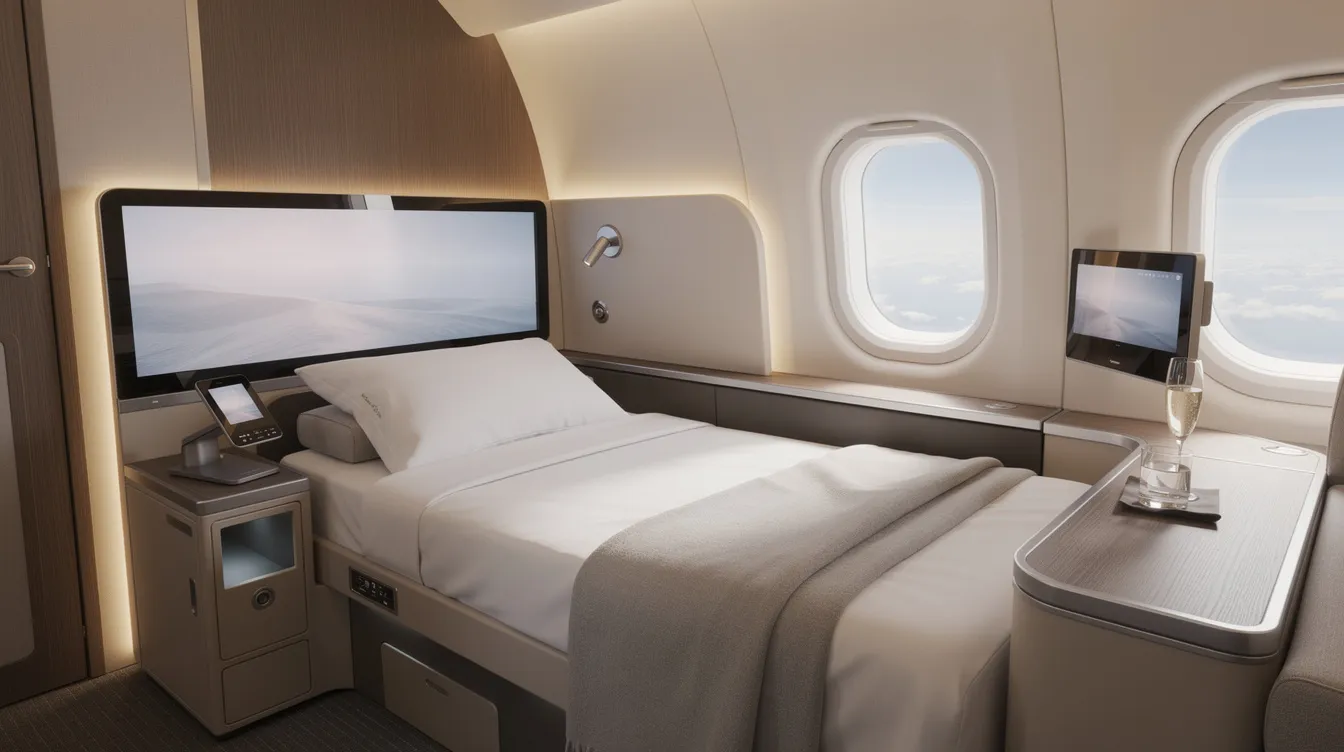
This guide explores the nuances of first-class air travel compared to private jet charters. It highlights the benefits of first class, including luxury amenities and priority services, while also discussing when private jets may offer better value, especially for groups. Factors like route length, traveler numbers, and privacy preferences are key in making the right choice.
Read More5
min read
How Fast Does Air Force One Travel? A Practical Speed & Travel Guide
Air Force One, primarily the VC-25A, typically cruises at speeds of 575-580 mph, with a maximum speed of around 630 mph. Its travel time is influenced by factors like air traffic control priority and atmospheric conditions, making it competitive with commercial flights. The upcoming VC-25B is expected to maintain similar speeds while improving efficiency and technology.
Read MoreStay updated with our latest insights and tips to elevate your journey with us.
MEMBERSHIPS AND ASSOCIATIONS



© 2026 Jettly Inc. All rights reserved.
Disclaimer: Jettly operates as a charter broker, offering access to a global digital jet charter marketplace. Jettly is not a direct air carrier and does not own or operate aircraft. All advertised flights are conducted by third-party air carriers that are fully licensed and hold the appropriate Part 135 or Part 121 certifications issued by the Federal Aviation Administration (FAA) or equivalent regulatory authorities under U.S. or foreign law. Jettly complies fully with the U.S. Department of Transportation's Part 295 and Part 298 Charter Broker regulations. Jettly does not carry additional liability insurance. Passengers are covered by aircraft operator insurance. TICO: 50023770


