



Login
Get Instant Pricing On 23,000+ Aircraft

>
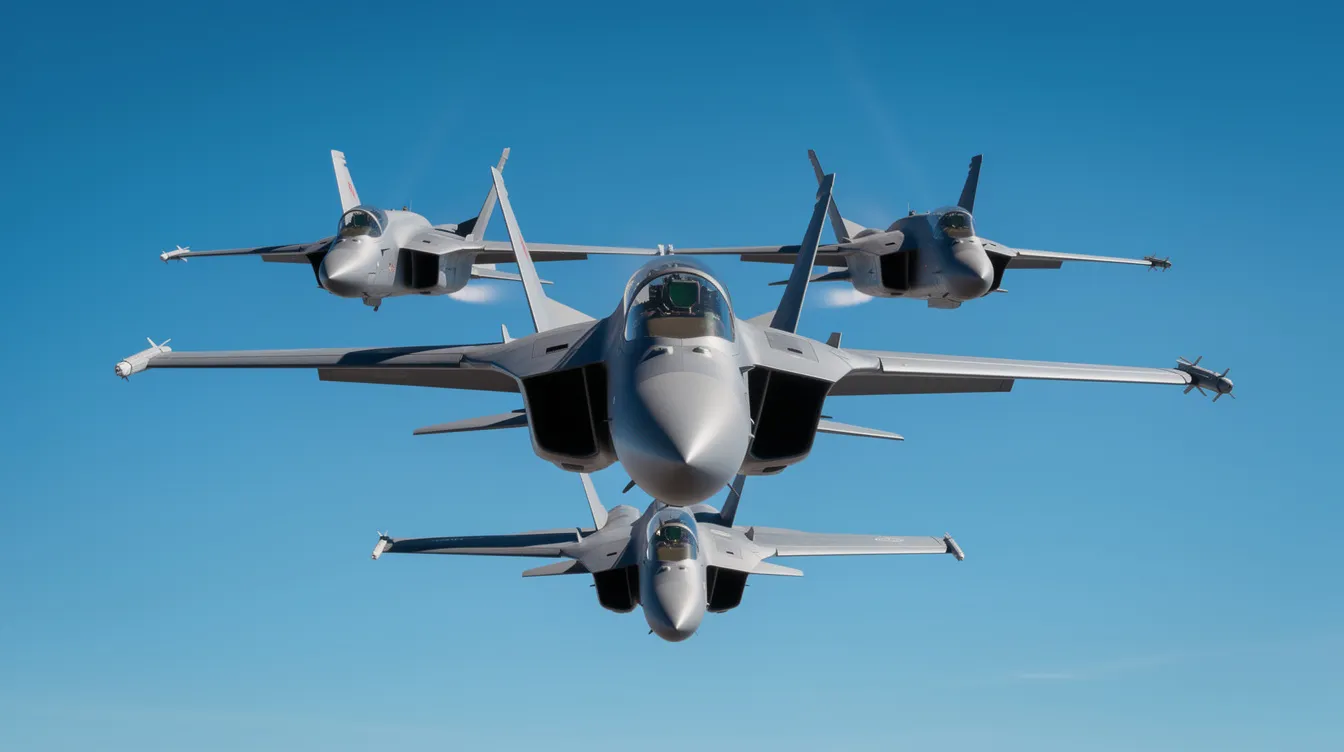
If you have ever watched six blue and gold jets scream overhead in tight formations, you have probably wondered: how many Blue Angels are there? Far more than the six jets in the sky. The full Blue Angels squadron includes about 145 active-duty personnel, with six core demonstration pilots flying six F/A-18 Super Hornets and additional pilots flying the C-130J Fat Albert support aircraft.
For air show fans, spectators, and aviation enthusiasts who want to understand how the team really works, this breakdown covers the squadron’s total headcount, the roles of the pilots and support crew, the standard flight demonstration setup, and the difference between the public-facing performance and the much larger organization behind it. That bigger picture matters because the precision people see at an air show depends on a large team handling maintenance, logistics, safety, and public engagement long before the jets ever leave the ground.
Who does what on the Blue Angels team? Demonstration pilots are the six officers who fly the F/A-18 Super Hornets in air shows. The Fat Albert crew includes three Marine pilots who operate the C-130J support aircraft. More than 100 enlisted personnel handle maintenance and support roles.
The Blue Angels team consists of roughly 145 active-duty personnel, including officers and support staff from the United States Navy and Marine Corps. Here is a quick summary of the numbers that matter most:
At a typical air show, spectators see six F/A-18 Super Hornets flying plus, in many cases, a C-130J Super Hercules known as Fat Albert. But the full Blue Angels squadron is far larger than what flies.
There are six demonstration pilots (#1–#6), one events and advance pilot (#7), three Fat Albert pilots, and approximately 100 enlisted maintenance and support crew.
Numbers can shift slightly from season to season, but the Blue Angels flight demonstration squadron structure has remained consistent since switching to the Super Hornet in 2020.
Later sections break down the Blue Angels team by pilots, Fat Albert crew, enlisted roles, and how many members travel to each air show.
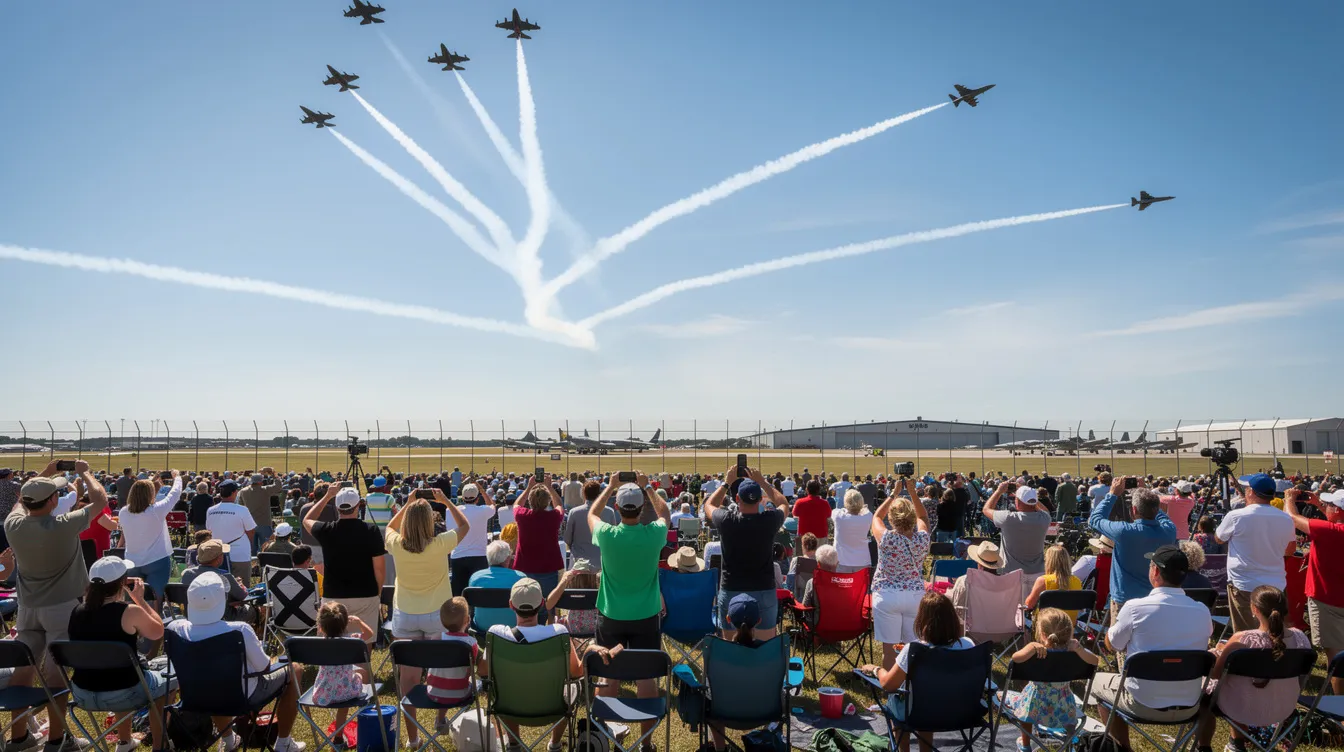
Most spectators see six blue and gold F/A-18 Super Hornets during a standard Blue Angels flight demonstration. These aircraft are Boeing F/A-18 Super Hornets, specifically using F/A-18E models for demonstrations, and they fill the sky with precision that draws roughly 11 million spectators annually.
The six core Blue Angels pilots are numbered #1 through #6. Positions #1 through #4 form the diamond formation, flying as close as 18 inches apart during maneuvers like the Diamond 360. The #5 lead solo pilot and #6 opposing solo pilot break away for individual routines, including the Opposing Knife-Edge Pass maneuver and the Sneak Pass, which reaches speeds of 700 miles per hour.
The C-130J Super Hercules, nicknamed Fat Albert, often performs its own demo before or after the jet routine. However, Fat Albert is not guaranteed at every air show—weather, operational constraints, or scheduling can affect its presence.
Spare jets may sit on the ramp ready to substitute if needed, but the public demonstration is built around a six-jet formation plus Fat Albert when scheduled. What the crowd sees in the air represents a fraction of the full squadron.
The Blue Angels squadron typically consists of about 145 personnel, including officers and weather staff. All are active-duty Sailors and Marines serving temporary tours with the Navy flight demonstration squadron.
That total encompasses:
Demonstration pilots and Fat Albert crew
Public affairs officers and medical staff (including a flight surgeon)
Aircraft maintenance technicians
Logistics, administration, and supply personnel
About 30 to 50 team members travel to each show site, while the rest support operations from home stations like NAS Pensacola, Florida. The difference between “how many Blue Angels fly” and “how many Blue Angels are on the squadron roster” is significant—only a handful of pilots fly at each flight demonstration, but the full roster supports everything from spare parts inventory to community outreach events.
This squadron size is comparable to other operational Navy aviation units, which underscores the depth of support behind every performance. The Blue Angels perform for 11 million spectators annually, and they visit 50,000 people in hospitals and schools each season. None of that happens without a large, well-organized unit behind the scenes.
The Blue Angels officer team usually includes around 15 to 17 officers from the Navy and Marine Corps—not just the visible Blue Angels pilots.
Here is how that breaks down:
Super Hornet officers: Six demonstration pilots (#1–#6) plus the #7 narrator and events pilot.
Fat Albert pilots: The Blue Angels team includes three C-130 pilots, all Marine Corps officers.
Additional officer billets: Commanding Officer and Flight Leader, Executive Officer, Events Coordinator, Public Affairs Officer, Flight Surgeon, Maintenance Officer, Assistant Maintenance Officer, and Supply Officer.
The Blue Angels' flight surgeon serves a two-year term. Other officer pilots typically serve two to three years in the Blue Angels before returning to fleet assignments. This rotation keeps the squadron fresh while ensuring each naval aviator or naval flight officer brings operational experience from the fleet and carries the pride of being a Blue Angel back into the Navy and Marine Corps.
There are six core Blue Angels pilots in the jet demonstration, each assigned a specific numbered position with defined responsibilities:
#1 — Flight Leader / Commanding Officer: Flies the diamond and calls every maneuver.
#2 — Right Wingman: Flies in the diamond formation.
#3 — Left Wingman: Flies in the diamond formation.
#4 — Slot Pilot: Completes the diamond formation.
#5 — Lead Solo Pilot: Flies the solo routines.
#6 — Opposing Solo Pilot: Flies the opposing solo routines.
Pilots #2 through #4 complete the diamond formation, flying in tight formations that put aircraft wingtip-to-wingtip at distances measured in inches. The solo pilot at #5 and the opposing solo at #6 execute high-speed crossing maneuvers that showcase the F/A-18 Super Hornet's ability to perform high angle of attack maneuvers at extreme closure rates.
The seventh Super Hornet pilot serves as the narrator, flying orientation flights, Key Influencer rides, and media flights in a two-seat aircraft. These two-seaters give VIP passengers a back-seat view of what Blue Angels pilots experience. The #7 pilot does not fly the main six-ship show but plays a critical role in public engagement.
Every demonstration pilot must be a carrier-qualified tactical jet aviator. New pilots must have at least 1,250 flight hours. Since the team's inception, the Blue Angels have had 299 demonstration pilots—a number that reflects how selective the program is. Each pilot tours for about two seasons before returning to fleet duty.
One signature maneuver that illustrates how tightly these six pilots work together is the Diamond 360, where planes fly just 18 inches apart as the formation executes a full 360-degree turn. There is no autopilot. Every adjustment happens through the control stick, visual reference, and trust.
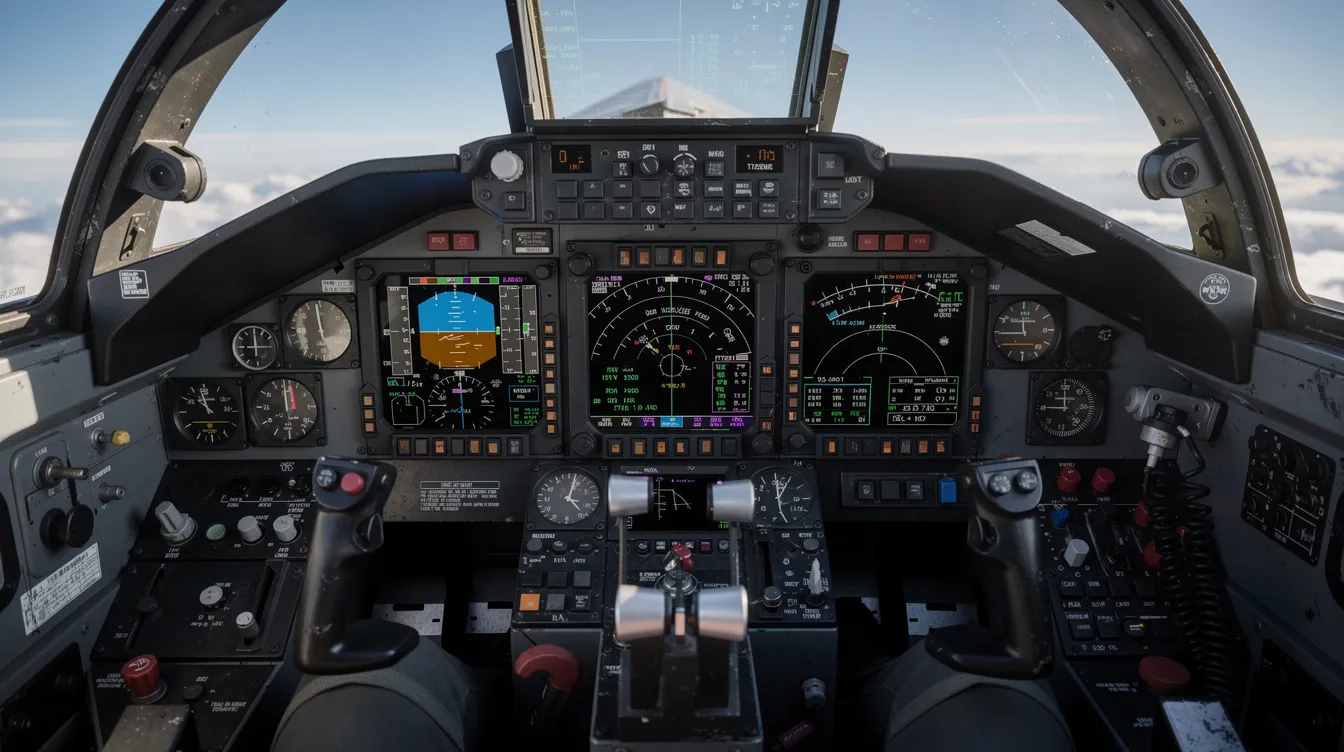
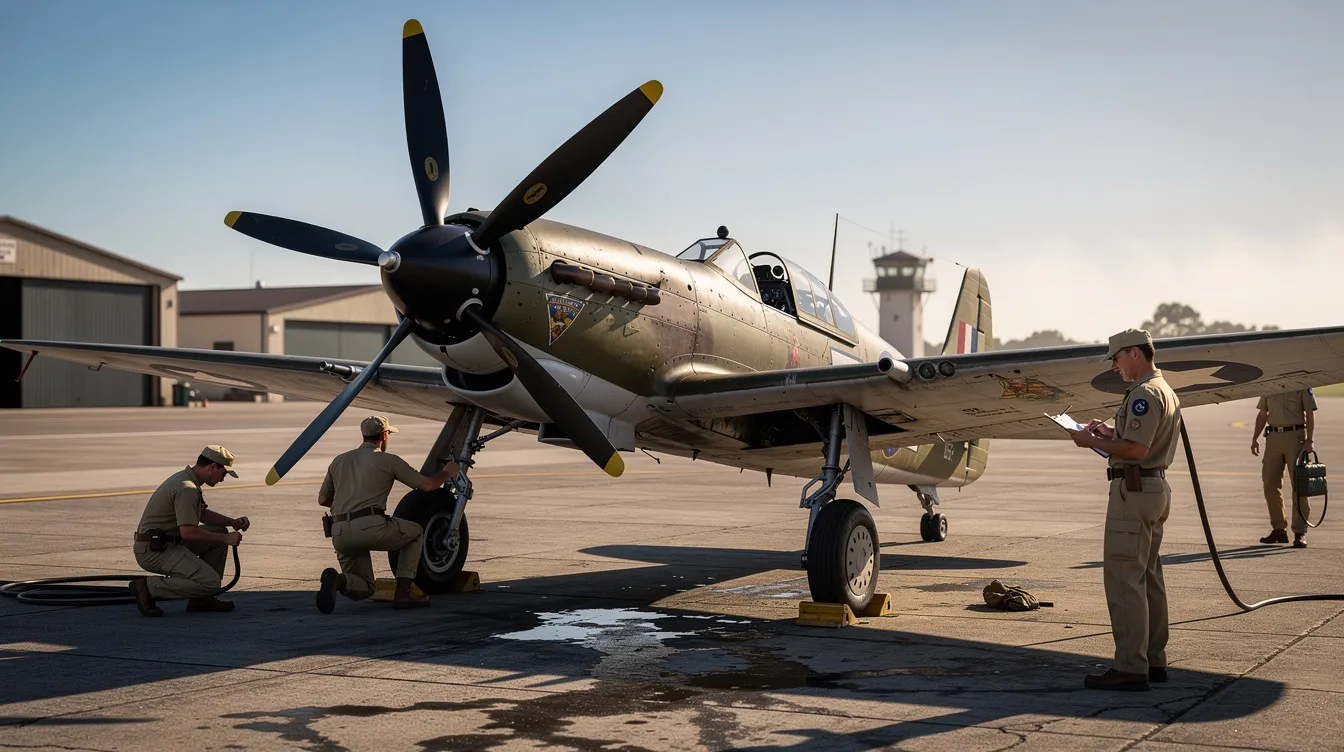
Fat Albert is the Blue Angels' all-Marine C-130J Super Hercules—a support aircraft that hauls people, tools, and equipment between air shows. The C-130J replaced the C-130T after 30,000 flight hours, bringing upgraded avionics and performance to the logistics mission.
The Fat Albert flight crew usually includes three Marine pilots plus five enlisted Marines, such as a flight engineer and loadmasters. That puts the total flight crew at about eight when the plane is flying.
There is an important distinction between Fat Albert's flight crew and Fat Albert's maintenance team, which services the C-130. Together, they represent a distinct sub-team within the Blue Angels squadron, with their own work centers and maintenance schedules.
Fat Albert supports the flight crew and road crew by moving about 40 road crew members and gear each show week. Without this aircraft, the Blue Angels could not maintain their demanding performance schedule across the country.
The Blue Angels team includes over 100 enlisted personnel—Sailors and Marines—who form the backbone of every flight demonstration. About 45 enlisted personnel usually travel to a given air show site, while the rest maintain operations at NAS Pensacola and other support locations.
These enlisted members fall into specialized work centers:
Airframes and structures personnel maintain the aircraft's structures and related systems.
Power plant personnel work on the engines, fuel, and smoke systems.
Electronics personnel maintain aircraft electronics and related systems.
Life support personnel maintain helmets, masks, oxygen systems, and other flight equipment.
Quality assurance personnel help ensure maintenance work meets the squadron's safety and operational standards.
Logistics and supply personnel coordinate equipment, parts, and supplies needed to keep the aircraft and support operations ready.
Administration and public affairs personnel support the squadron's day-to-day operations and public engagement.
Each crew chief is responsible for a specific aircraft, overseeing preflight checks and post-flight inspections. The U.S. Navy Blue Angels follow rigorous safety procedures for their flights, and the aircraft maintenance standard is among the highest in naval aviation.
Enlisted Blue Angels typically serve a three-year tour before returning to the fleet. That high-tempo experience in aircraft maintenance and operations makes them highly valued when they rejoin operational units. This large enlisted contingent explains why the total number of Blue Angels far exceeds the small group of pilots fans see in the air.
Within the Blue Angels team structure, several leadership positions coordinate flying safety, maintenance, and public engagement beyond the demonstration pilots.
Flies the #1 jet and leads the Blue Angels team both in the air and on the ground. This role is typically filled by an officer with extensive command experience and thousands of flight hours. The CO sets the tone for the entire squadron.
Manages day-to-day administration and serves as the second-in-command. Works closely with the Events Officer to coordinate air show schedules and logistics.
Oversee the roughly 100 enlisted maintainers and ensure every Blue Angels aircraft is safe and mission-ready before each practice flight and show. They manage work center operations, spare parts inventories, and maintenance tracking.
Monitors pilot health, manages medical readiness, and ensures every pilot is fit to fly under the physical demands of demonstration flying.
These leadership roles connect back to the central question—“how many Blue Angels are there”—and include a deep bench of officers managing safety, logistics, and team culture. Every squadron member, from the supply officer to the crew chief, plays a role in making each landing and takeoff happen safely.
A typical weekend air show may involve around 30 to 50 Blue Angels personnel on the road. That usually means seven Super Hornet pilots, several Fat Albert crew members, and about 40 enlisted maintainers and support specialists deploying to the show location.
Tasks performed on site include:
Aircraft inspections and preflight checks
Crowd line safety coordination
Show narration from the #7 pilot
School and hospital visits as part of community outreach
Key Influencer and media orientation rides
The Events office and crew coordinators work with local air show organizers to arrange fuel, ground support, hotel rooms, and transportation for the squadron members. It is a logistics operation that mirrors what any group charter requires—coordinating people, schedules, and ground transport to a specific destination on a tight timeline, much like the planning behind flights listed in a broad charter airlines guide to private flights.
For corporate groups or families attending air shows as spectators or hosts, private aviation offers a way to bypass commercial congestion at busy show-weekend airports. Jettly helps coordinate exactly this kind of travel, connecting passengers with properly certified carriers for on-demand flights to regional airports near major air show venues using its airport locator tool.
The Blue Angels formed in April 1946 as the Navy Flight Exhibition Team. They were renamed the Blue Angels after a New York nightclub—a name suggested by one of the original pilots. The first demonstration aircraft were Grumman F6F-5 Hellcats, and the team was small: just a handful of pilots and minimal support staff in the years following World War II.
The Blue Angels transitioned to F9F-2B Panthers in August 1949, marking their entry into the jet age. The Korean War temporarily disbanded the team, but they were reactivated as a flight demonstration team on 25 October 1951. From there, the squadron grew steadily.
Key aircraft transitions over the years included:
F9F Panther (1949)
F-4 Phantom II (1969)
A-4 Skyhawk (1974)
Legacy F/A-18 Hornet (1986)
Boeing F/A-18E/F Super Hornet (November 2020)
The original unit, sometimes informally linked to the legacy of Satan's Kittens (a World War II fighter squadron), evolved from a small demonstration team into a full-scale squadron. Each aircraft change shifted how many people were required for maintenance, avionics, power plants, and life support, leading to the modern team size of around 145 personnel.
In 2020, they conducted flyovers to honor healthcare workers during the pandemic—an example of how the team's mission has expanded from pure flight demonstration to broader public engagement with the American public. The Blue Angels switched to F/A-18 Super Hornets in 2020, beginning a new chapter for the Navy Blue Angels. The first year with Super Hornets also meant retraining maintenance crews and updating procedures across every work center.
Blue Angels pilots do not wear G-suits during flights—a fact that surprises most spectators. During a flight demonstration, these pilots routinely pull forces that would cause most people to black out, yet they fly without the inflatable garments that nearly every other military pilot relies on.
The reason is precision. G-suits inflate and deflate around a pilot's legs and abdomen to counteract g-forces. But that inflation can cause subtle, involuntary movements of the control stick inside the tight cockpit during close-formation flying. When aircraft are separated by 18 inches, even a small unintended input can be dangerous.
Instead, Blue Angels pilots use intense muscle-tensing techniques and specialized breathing methods to resist grayout or blackout during maneuvers like the Sneak Pass or Opposing Knife-Edge Pass. Life support technicians maintain oxygen systems, flight gear, helmets, masks, and other safety equipment that every pilot relies on in place of G-suits.
This decision is a distinctive aspect of the Blue Angels team compared with most other naval aviators. It reflects the unique demands of demonstration flying, where formation precision matters more than individual comfort. The training required to fly without G-suits adds another layer to the already demanding preparation each pilot undergoes during their first year on the team.
Both officers and enlisted applicants go through a selective screening process to join the Blue Angels, which helps maintain the squadron's small, elite roster.
For pilots:
Must be active-duty Navy or Marine Corps
Must hold tactical jet carrier qualification (experience on an aircraft carrier is essential)
Need at least 1,250 flight hours for F/A-18 applicants
Must demonstrate a strong record of professionalism and airmanship
Pilots serve two to three years in the Blue Angels before returning to fleet assignments. The selection is competitive—candidates visit during the show season, attend multiple air shows as observers, and interview with current team members to ensure a strong cultural fit.
For enlisted candidates:
Recommended by their commanding officers
Screened and interviewed across competitive centers
Each selected member volunteers for a three-year tour
New members—whether officers or enlisted—spend significant time during training season at practice flight locations, learning the Blue Angels' specific procedures and culture. This rigorous selection process helps explain why the number of Blue Angels serving at any time is carefully managed, and why the program attracts enormous public interest and pride.
The Blue Angels Association, made up of former squadron members, helps maintain connections among those who have served. The phrase “always a Blue Angel” reflects a lasting bond that extends well beyond active duty.
Fans who regularly attend shows or refer friends and clients to travel services may also be interested in Jettly's ULTRA high ticket affiliate program, which rewards referrals for private aviation bookings.
Many fans travel specifically to see Blue Angels air shows, and private aviation offers a flexible way to reach busy show destinations without the hassle of commercial congestion. The Blue Angels' performance schedule spans the country from March through November, often at airports that become crowded during show weekends.
Corporate groups or high-net-worth families might use Jettly to charter a private jet or turboprop to a regional airport close to a major air show. Jettly provides instant pricing through its private jet charter cost estimator, access to over 20,000 aircraft worldwide, and on-demand booking—making it practical to plan last-minute air show trips or multi-city itineraries during show season.
While the Blue Angels operate as a Navy flight demonstration squadron, Jettly acts as a charter broker connecting you with properly certified third-party carriers. For anyone planning to attend a private jet trip to a major event, the platform simplifies the logistics of getting there and can even leverage crowdsourced private jet flights and shared empty seats to keep costs competitive.
Ready to fly private to your next air show? Explore flight options or request a quote at https://www.jettly.com, or compare ongoing benefits through Jettly's private jet memberships.
Below are answers to specific number-related questions about the Blue Angels team, covering details not fully addressed in the sections above.
At any given season, there are usually seven Super Hornet officers—six demonstration pilots and the #7 narrator and events pilot—plus three Marine pilots for Fat Albert, bringing the total to roughly 10 flying officers. Add officers serving in roles such as Executive Officer, Events Officer, Public Affairs Officer, and maintenance leadership, bringing the officer count to around 15 to 17. Pilot and officer numbers can shift slightly year to year, but the structure has stayed broadly similar in recent seasons.
The modern Blue Angels squadron typically operates about 11 Boeing F/A-18E/F Super Hornets, including spares, and a single C-130J Super Hercules nicknamed Fat Albert. Only six Super Hornets fly in most public demonstrations, but additional jets are kept ready as backups in case of aircraft maintenance issues. The six-jet demo plus Fat Albert format has become standard since the transition to Super Hornets.
Yes. All official Blue Angels team members—officers and enlisted personnel—are active-duty Sailors and Marines assigned to the squadron for temporary tours. After serving with the Blue Angels, members return to operational fleet units in the Navy or Marine Corps. Civilians work with the team only in support or contractor roles, not as official Blue Angels pilots or maintainers.
A typical Blue Angels air show appearance brings 30 to 50 team members, including pilots, crew chiefs, technicians, logistics staff, and public affairs personnel. The exact number depends on distance from home base, the show schedule, and maintenance needs, but audiences can expect the full six-jet demo and often Fat Albert. Fans planning travel can check the official Blue Angels performance schedule and use Jettly to arrange private flights to nearby airports for convenient access.
The Blue Angels show season usually runs from March through November. Winter months are dedicated to intensive training at locations like NAF El Centro, where pilots practice flight routines and new members learn the demonstration program. Although air shows pause in winter, the full team—including pilots, maintenance, and support—remains active, keeping roughly the same headcount year-round. Fans can check the current schedule and plan trips with help from Jettly's on-demand charter options.
The Blue Angels are much more than the six F/A-18 Super Hornets seen in a typical demonstration. The full squadron includes about 145 Navy and Marine Corps personnel, including pilots, enlisted maintainers, and support staff. Fat Albert and its crew add another part to the team’s flight and logistics operations, while the exact lineup can vary by season and event.
Understanding the difference between the aircraft in the air and the people behind each performance makes the answer clear: six jets may lead the show, but a much larger squadron makes it possible. For more aviation and travel insights, explore Jettly’s charter options at https://www.jettly.com.
Share this post:
Jay Franco Serevilla
Nov 15, 2026
|
5
min read
Discover tips and trends in the industry.
5
min read
Flight Time From NY to London: What to Expect on Commercial and Private Jets
The flight time from New York to London typically ranges from 6.5 to 7.5 hours for commercial flights, while private jets can complete the journey in about 6 to 7 hours. Factors such as jet stream conditions, airport choice, and aircraft type significantly influence travel times. This guide provides insights into optimizing your trip, whether flying commercially or privately.
Read More
5
min read
How Far in Advance Should I Book a Flight? (Private & Commercial)
Understanding how far in advance to book a flight is crucial for travelers. For commercial flights, the ideal booking window is typically 1 to 3 months ahead, while private jet charters can often be arranged closer to departure. Factors like destination, seasonality, and route type significantly influence the best time to secure your tickets.
Read MoreStay updated with our latest insights and tips to elevate your journey with us.
MEMBERSHIPS AND ASSOCIATIONS



© 2026 Jettly Inc. All rights reserved.
Disclaimer: Jettly operates as a charter broker, offering access to a global digital jet charter marketplace. Jettly is not a direct air carrier and does not own or operate aircraft. All advertised flights are conducted by third-party air carriers that are fully licensed and hold the appropriate Part 135 or Part 121 certifications issued by the Federal Aviation Administration (FAA) or equivalent regulatory authorities under U.S. or foreign law. Jettly complies fully with the U.S. Department of Transportation's Part 295 and Part 298 Charter Broker regulations. Jettly does not carry additional liability insurance. Passengers are covered by aircraft operator insurance. TICO: 50023770


