



Login
Get Instant Pricing On 23,000+ Aircraft

>
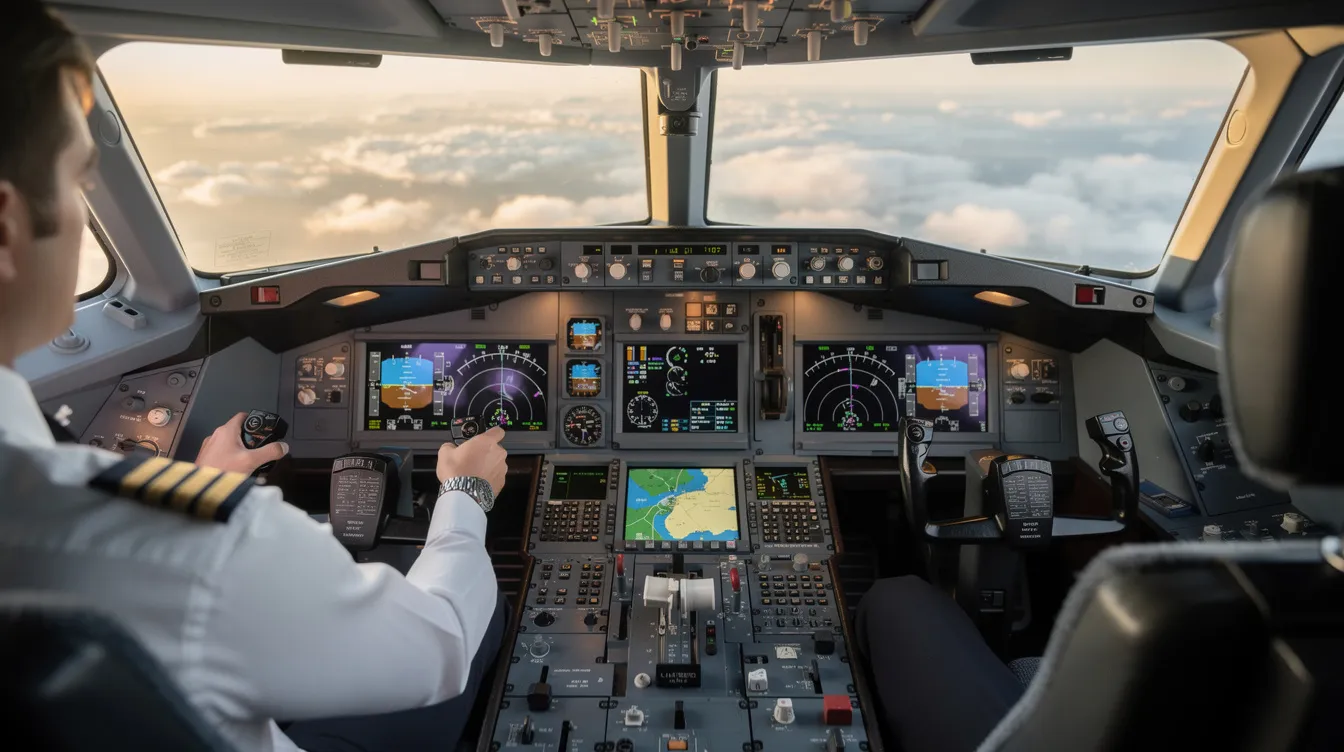
How much does a pilot make a year? The answer ranges from roughly $85,000 for first-year regional pilots to over $450,000 for senior major airline captains, depending on rank, aircraft type, and employer. This guide breaks down pilot salary data for 2027 so readers can see exactly where the money comes from and what drives the gaps.
Median annual wage: The median annual wage for airline pilots, copilots, and flight engineers is about $226,600 in 2027, while commercial pilots outside scheduled airlines earn a median near $123,220.
Salary range: Pilot salaries range from $85,000 to $450,000 annually. First-year regional First Officers earn between $70,000 and $90,000, while senior widebody Captains can earn $350,000 or more.
Pay structure: Pilots are typically paid hourly based on flight hours worked. Airline pilot pay is calculated as hourly pay multiplied by guaranteed credit hours each month—not a flat salary.
Additional compensation: Compensation packages may include profit sharing, sign-on bonuses, per diem, and retirement contributions, meaning base pay tells only part of the story.
Jettly charter operations: Many Jettly charter flights are operated by third-party carriers employing highly experienced commercial pilots whose training, certification, and backgrounds mirror those of major-airline captains.
Airline pilot salaries have risen steadily, reflecting strong demand for qualified pilots across every sector. According to U.S.According to U.S. Bureau of Labor Statistics data, the median annual wage for airline pilots, copilots, and flight engineers is approximately $232,140 based on recent reports. Commercial pilots who fly charter, corporate, or instructional roles outside scheduled airlines earn a median closer to $123,220.
It helps to understand why averages often run higher than medians. A relatively small group of senior captains flying widebody jets at major carriers and cargo airlines pulls the mean upward. The bottom 10% of airline pilots earn below roughly $107,000, while the top 10% exceed $463,000.
Here is how pilot pay breaks down by career stage:
|
Career stage |
Approximate annual pay |
|---|---|
|
Entry regional airline pilot (first officer) |
$70,000–$90,000 |
|
Mid-career narrowbody Captain at a legacy airline |
$200,000–$300,000 |
|
Senior widebody Captain at a major or cargo airline |
$350,000–$500,000+ |
These figures represent the base salary equivalent-hourly rates times guaranteed credit hours-not a fixed annual salary line item like most office jobs.
Most pilots are not paid a flat salary. Instead, airline pilot pay is built on a pay scale defined by a collective bargaining agreement or company contract. Pilots are typically paid an hourly rate that varies by rank, aircraft type, and years of service.
Each month, airlines guarantee a minimum number of credit hours—typically 70 to 85—regardless of how many hours the pilot actually flies. So a first officer earning $100 per hour with a 75-hour monthly guarantee would see a base salary of about $90,000 per year. That hourly pay multiplied by credit hours is the foundation of every airline pilot's annual income.
Federal safety rules also cap total flight time per year (roughly 1,000 hours), which limits how much base hourly pay can accumulate. Most contracts guarantee a monthly minimum that stabilizes income even when schedules shift due to weather or maintenance.
Base pay, however, is only one piece. A pilot's earnings can be augmented through per diem allowances, overtime, premium trips, training pay, holiday flying, and additional incentives. Compensation packages at most airlines also include profit sharing and retirement contributions, health insurance, and travel benefits.
Pilot pay varies significantly based on type of employer and position.
Airline type is one of the biggest factors driving airline pilot salaries and long-term earning potential. Whether a pilot flies for a legacy carrier, a low-cost airline, a regional, or a cargo operator shapes both starting pay and the ceiling.
Major carriers like American Airlines, Delta, and United offer some of the highest salaries in the industry. First-year first officers at major airlines earn roughly $70,000 to $180,000 depending on the specific airline and equipment, with many starting around $117,735. Senior major airline captains can earn $450,000 annually, and senior captains flying widebody jets can exceed $500,000 when profit sharing and bonuses are included. Major airlines generally offer higher salaries than regional airlines, and long-term earning potential is substantially greater.
Regional airlines represent the entry point for most new pilots. First-year regional pilots earn between $70,000 and $90,000, depending on the carrier and union contracts in place. Regional airline captains earn around $120,000 or more before transitioning to major carriers. Hourly rates at regionals have climbed sharply—GAO data shows first-year regional first officer hourly pay rose roughly 76% between 2022 and 2024, reflecting strong demand for qualified pilots.
Cargo and express operators like FedEx and UPS pay rates comparable to or sometimes exceeding passenger majors. A senior widebody captain at FedEx can earn north of $416,000 in base pay alone, with total compensation climbing higher through night-fly premiums and international route pay. These roles attract experienced airline pilots looking for top-tier pay scales.
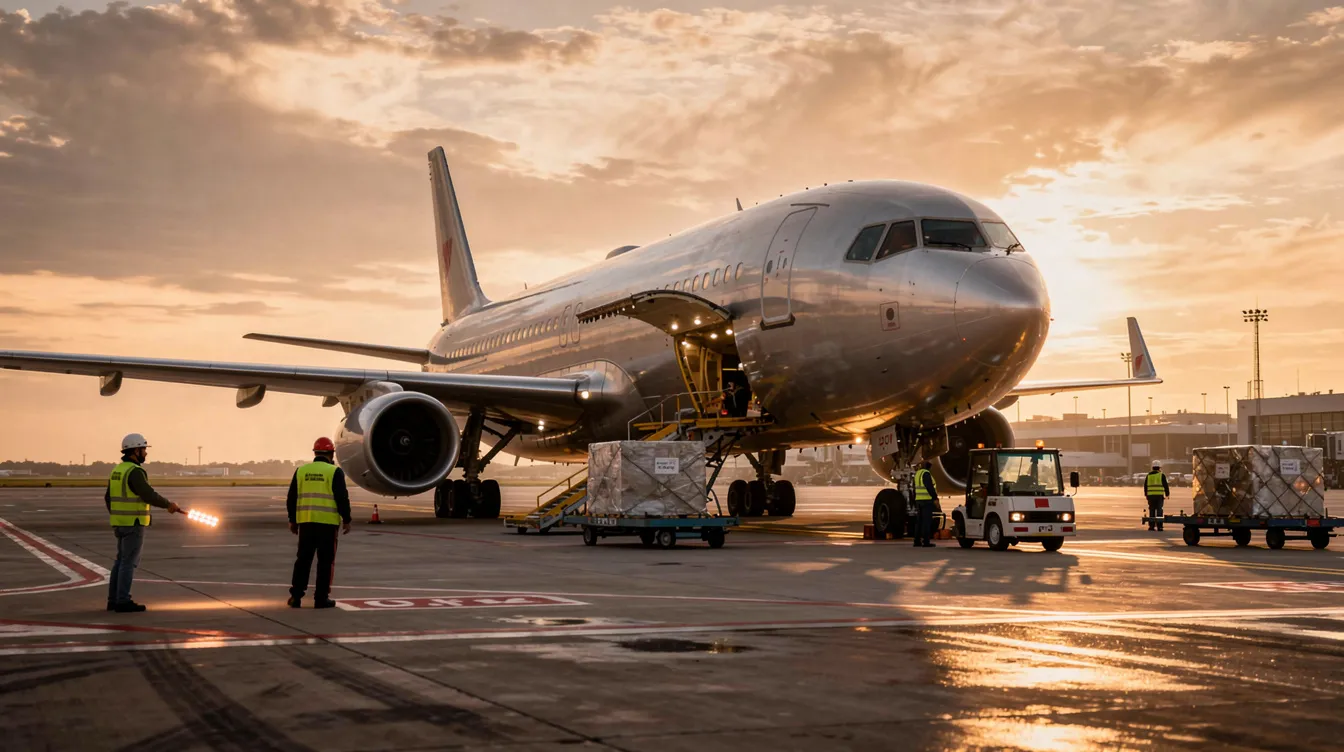
The two primary flight deck roles are Captain (left seat, final authority) and first officer (right seat, copilot). Rank is a major factor in determining how much pilots earn throughout a pilot career.
New commercial airline pilots almost always enter as first officers, earning lower hourly rates while building seniority and accumulating flight hours. Pilot salaries are governed by union-negotiated contracts based on seniority, and upgrading to Captain can increase base salary by 40–70% on the same aircraft type. At regional airlines, for instance, first-step captain hourly rates often reach $160–$170 per hour compared to roughly $100 for a first officer.
Pilots qualified to operate larger aircraft typically receive higher compensation. Moving from a regional jet to a widebody at a major carrier creates another significant pay jump. A senior widebody captain at Delta or United earns approximately $483 per hour, translating to well over $450,000 per year in base pay.
Seniority controls when upgrades happen. Pilots who join a fast-growing airline early may reach Captain and widebody positions years ahead of peers at slower-moving carriers, greatly impacting lifetime airline pilot salaries.
A commercial airline pilot flies scheduled passenger or cargo routes under Part 121 regulations. A commercial pilot, more broadly, can include anyone flying charter, corporate, air ambulance, aerial survey, or instructional flights. Pilot compensation varies significantly across sectors and aircraft size.
The median annual wage for commercial pilots outside scheduled airlines is around $123,220 in 2027. Certified flight instructors typically earn between $40,000 and $90,000 annually at the lower end of the commercial spectrum. At the higher end, captains flying midsize and heavy private jets can match or exceed many narrowbody airline captains in total annual compensation, particularly when flying for leading private jet charter companies. Corporate aviation compensation varies based on aircraft size and operation model.
Many flights booked through platforms like Jettly are operated by third-party commercial operators, such as Dexter Air Taxi and similar private jet operators, employing highly experienced charter captains, often with airline or military backgrounds. Their pay reflects aircraft type, trip volume, and routing complexity, as well as broader private jet charter cost factors. While airline pilots follow rigid pay scales, many commercial pilots negotiate individually, which creates both higher upside and more variability year to year.
How much pilots make per year depends on multiple variables beyond job title. Here are the key factors:
Employer category: Airline type and employer category (legacy, regional, cargo, charter)
Aircraft type: Flying a regional jet pays less than a widebody
Route type: Domestic versus international routes, with long-haul commanding premium pay
Contract terms: Union contracts and collective bargaining agreement terms at each specific airline
Experience and qualifications: Total flight hours, type ratings, and seniority date
Base and schedule: Base location and willingness to fly reserve or premium trips
Non-wage elements also increase total compensation significantly. Pilots receive comprehensive health insurance packages. For those flying in business aviation, compensation can also be tied to the cost structure of jet card flight programs. Many airlines offer 401(k) retirement plans with matching contributions.
Pilots often enjoy generous paid time off, including vacation days, and travel benefits include free or discounted flights for pilots' families. In the private sector, some high-use travelers rely on structured jet card programs, which can indirectly influence pilot demand and scheduling. Pilots may receive bonuses and profit-sharing plans from airlines, with Delta's recent profit sharing reaching 8.9% of eligible pay.
Geography matters too. A first-year regional pilot earning approximately $85,000 annually takes home more in a low-cost city than a pilot earning the same in New York or San Francisco. Future earnings depend heavily on how these variables stack up over time.
Many salary figures online are theoretical. Here are four grounded scenarios showing how airline pilot pay translates into real income:
Base pay: Around $90,000.
Additional components: Per diem and a $10,000–$25,000 signing bonus.
Total first-year compensation: Roughly $100,000–$115,000.
Starting reference: Major airline first officers earn around $117,735 in their first year.
Third-year earnings: Climbing to $130,000–$150,000 by year three with per diem and schedule premiums.
Base pay: Exceeding $460,000.
Additional components: Profit sharing, holiday pay, and layover premiums.
Potential total earnings: Senior captains flying widebody jets can exceed earnings of $500,000 annually—some reaching $600,000 or more.
Annual compensation: $150,000–$300,000 depending on how often the aircraft flies, whether international legs are included, and which types of airports private jets can access.
Schedule choices affect income directly. Pilots bidding high-time lines increase annual earnings, while those prioritizing days off may earn closer to the guaranteed minimum pay. Pilots who move between commercial airlines and private charter roles may see shifts not just in gross pay but in predictability of hours and lifestyle, since compensation in charter flying is closely tied to trip volume and private jet charter cost estimates.
Flight training is a serious financial investment—often $80,000 to $120,000 or more for flight school, ATP certification, and required type ratings. Tuition reimbursement programs at some airlines help offset this cost, but most new pilots carry meaningful debt early in their careers.
The typical path runs roughly as follows: one to two years of intensive flight training, two to four years building hours as certified flight instructors or in entry-level commercial roles, then three to six years at regional airlines before moving to a major carrier. Pay increases sharply at each transition.
Major airlines offer higher long-term earning potential than regional airlines, and total lifetime earnings for a successful pilot career can reach several million dollars over a 25–30-year span.
Growing private jet demand and expanding charter markets, supported by a wide range of private charter aircraft, have also opened high-paying opportunities for experienced commercial pilots outside the traditional airline path.
Many commercial pilots and former airline pilots work in private jet charter, flying business travelers and families on-demand rather than fixed airline schedules through marketplaces like Zenflight and other instant-book platforms. Compensation for charter captains typically includes base salary plus per-trip or per-day pay, with higher earnings on larger aircraft, especially for those flying with established charter airlines and private operators.
Platforms like Jettly act as charter brokers, connecting travelers to flights operated by certified third-party operators or through flexible private jet memberships. Those operators employ qualified commercial pilots whose pay reflects aircraft category, duty days, and routing. Qualitative benefits also matter—charter pilots often fly more varied routes, access smaller airports closer to passengers' final destinations, and sometimes enjoy better schedule flexibility.
Below are answers to the most common questions about pilot pay and career earnings.
Most new airline pilots start at regional airlines as first officers. First-year regional First Officers earn between $70,000 and $90,000 once bonuses, per diem, and guaranteed minimum hours are included. Some entry-level offers fall slightly above or below this range depending on the carrier, union agreements, and any sign-on or retention bonuses tied to current pilot demand. Starting pay at most airlines has risen substantially since 2022.
Experienced commercial pilots earn competitive pay when flying midsize and large private jets for corporate flight departments or charter operators. Total compensation can rival many airline captains, especially when factoring in bonuses and daily trip rates. Pay is often more individualized in business aviation, influenced by aircraft type, trip frequency, international routing, and benefits.
Most contracts guarantee pay for mandatory training days and a monthly minimum that covers reserve periods. Full-time airline and charter pilots receive some form of base or guarantee that smooths out month-to-month fluctuations. Actual policies vary, but pilots with zero experience flying the line still earn their guarantee.
It commonly takes 10 to 20 years from the start of flight training to reach senior captain pay on large aircraft. Timing depends on hiring cycles, fleet growth, large-scale retirements at major carriers, and how quickly a pilot upgrades. Those who join fast-growing airlines or step into in-demand charter roles may hit high salary brackets sooner.
Jettly is a charter broker connecting travelers to flights operated by certified third-party carriers employing qualified commercial pilots, many with airline or military backgrounds. While Jettly does not set pilot salaries directly, the strong demand for flexible private flying helps sustain competitive airline pay and stable work for charter pilots worldwide. Learn more about how to book a private jet through Jettly's digital platform.
So, how much does a pilot make a year? Airline pilot earnings vary widely, from roughly $70,000–$90,000 for many first-year regional First Officers to $450,000 or more for senior major-airline Captains. Employer, aircraft, rank, seniority, and flight schedule all shape annual pay, while benefits and bonuses can add to total compensation.
Learn more about pilot salary ranges and career earnings and explore private jet charter cost factors. For travelers, Jettly provides access to private flights operated by properly certified third-party carriers. Compare charter options, learn how to book a private jet, or request an instant quote at https://www.jettly.com.
Share this post:
Jay Franco Serevilla
Nov 18, 2026
|
5
min read
Discover tips and trends in the industry.
5
min read
How Much Does a Pilot Make a Year? (2027 Guide to Airline Pilot Salaries)
In 2027, airline pilot salaries range from approximately $85,000 for entry-level regional pilots to over $450,000 for senior captains at major airlines. Factors such as rank, aircraft type, and employer significantly influence earnings, with additional compensation often including bonuses and profit sharing. This guide provides a comprehensive breakdown of pilot salaries, pay structures, and career progression.
Read More
5
min read
Fuel for Jet Engine: Types, Specifications, and What Matters for Private Jet Travel
Choosing the right jet fuel is crucial for private jet travel, impacting range, cost, and safety. This guide explains the main types of jet fuel, their specifications, and how they influence charter flights. Understanding these factors helps travelers make informed decisions when booking through platforms like Jettly.
Read MoreStay updated with our latest insights and tips to elevate your journey with us.
MEMBERSHIPS AND ASSOCIATIONS



© 2026 Jettly Inc. All rights reserved.
Disclaimer: Jettly operates as a charter broker, offering access to a global digital jet charter marketplace. Jettly is not a direct air carrier and does not own or operate aircraft. All advertised flights are conducted by third-party air carriers that are fully licensed and hold the appropriate Part 135 or Part 121 certifications issued by the Federal Aviation Administration (FAA) or equivalent regulatory authorities under U.S. or foreign law. Jettly complies fully with the U.S. Department of Transportation's Part 295 and Part 298 Charter Broker regulations. Jettly does not carry additional liability insurance. Passengers are covered by aircraft operator insurance. TICO: 50023770


