



Login
Get Instant Pricing On 23,000+ Aircraft

>
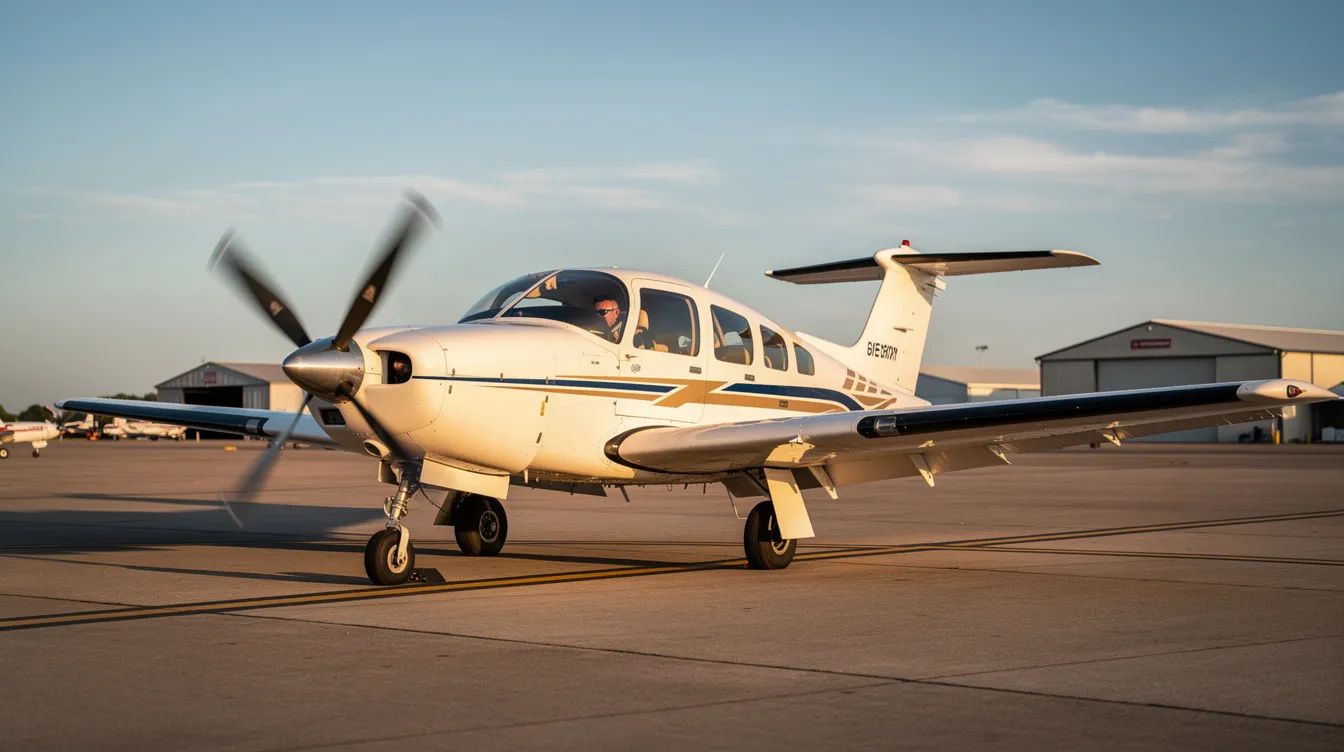
The Piper Arrow II remains one of the most practical stepping stones in general aviation. Whether you are shopping for your first complex aircraft, building hours toward a commercial certificate, or looking for a cost-effective cross-country airplane, the Piper Arrow II deserves a close look. This guide covers airframe details, operating costs, market values, pre-purchase advice, and when chartering through a platform like Jettly may make more sense.
The Piper Arrow II (PA-28R-200) is a four-seat, low-wing, retractable-gear single produced in its stretched form from 1972 to 1976. It sits between fixed-gear Archers and higher-performance retractable singles. Its 200 hp Lycoming IO-360-C1C engine drives a constant-speed propeller.
Typical cruise speed ranges from 130 to 145 knots true airspeed. Fuel burn is about 9–10 gallons per hour, and useful load is approximately 1,141 lbs, making it a practical complex trainer and regional cross-country airplane.
Ownership involves fixed costs such as hangar rental, insurance, and annual inspections. Occasional flyers may find charter more economical for longer or time-sensitive trips.
The guide compares the Arrow II with the Arrow III, T-tail Arrow IV, Archer II, and Archer LX, including operating costs, pre-purchase inspection priorities, and popular upgrades.
For missions beyond the Arrow II’s performance envelope—larger groups, pressurized cabins, or multi-city itineraries—a turboprop or light jet charter can fill the gap without the burden of owning another aircraft.
The Arrow II is part of the Piper Arrow line within the broader PA-28 family. It sits between fixed-gear Cherokee and Archer models and higher-performance complex singles. Piper designed the Arrow series to bridge the gap between basic trainers and high-performance aircraft, and the Arrow II serves that role well.
Understanding the naming helps: PA-28 refers to the broader Cherokee family, while PA-28R designates retractable-gear variants. The “200” reflects the 200 hp engine, which replaced the original 180 hp powerplant. Later came the Arrow III with its semi-tapered wing and the Arrow IV with its distinctive T-tail.
A typical mission involves two or three people flying 300–500 nm legs. The aircraft also suits instrument training, complex endorsements, commercial time-building, and regional travel. Compared with many high-performance aircraft, the Piper Arrow II has relatively low operational complexity, making it a natural step up from fixed-gear trainers.
Many Arrows now fly with upgraded GPS, ADS-B transponders, and digital engine monitors. They can serve as a stepping stone before pilots transition to faster turboprops or jets, sometimes chartered through platforms like Jettly for longer missions.
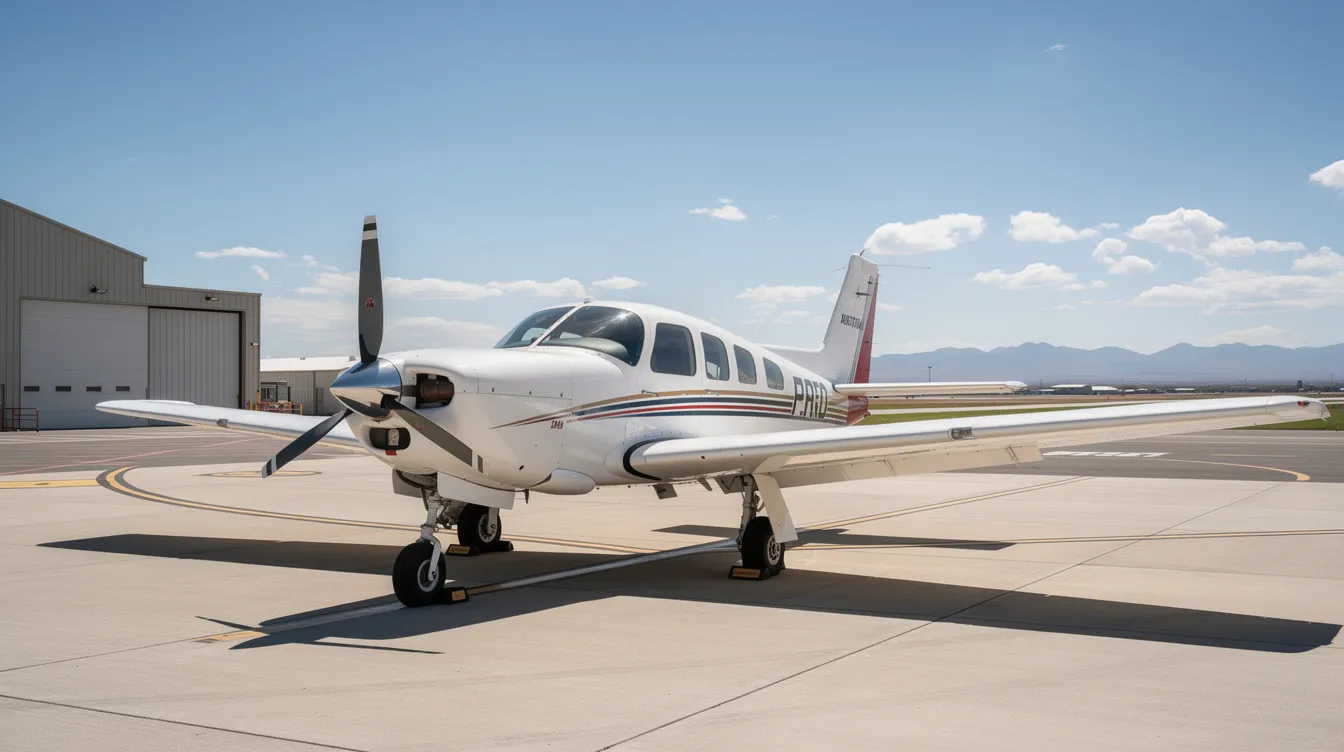
The Arrow family traces back to 1967, when Piper introduced the original Cherokee Arrow, the PA-28R-180. Piper produced the Arrow series from 1967 to the present in various forms, making it one of general aviation’s long-running retractable-gear lines. More than 32,000 PA-28 aircraft have been delivered since production began, with Arrow variants representing a significant share.
Key dates in the Arrow lineage:
1967–1971: PA-28R-180 Cherokee Arrow, the first retractable Arrow, with a 180 hp engine.
1969: Introduction of the PA-28R-200, adding the 200 hp Lycoming IO-360.
1972: Piper added a five-inch fuselage stretch, a larger stabilator, and increased gross weight, creating the definitive Arrow II configuration many buyers seek.
1976: Final production year for the PA-28R-200 Arrow II.
1977–1978: Arrow III (PA-28R-201) arrives with a semi-tapered wing and conventional low tail.
Late 1970s onward: Arrow IV introduces the T-tail design; turbocharged variants follow.
The Piper PA-28R-200 Arrow II is a general aviation aircraft produced between 1972 and 1976 in its stretched form. Roughly 1,778 were built overall, with approximately 1,222 currently active on the US registry. Its sizable fleet supports parts availability and maintenance expertise.
Licensed production extended the Arrow’s global footprint. Embraer built the EMB-711 Corisco in Brazil, and Chincul produced variants in Argentina, reflecting the design’s international reach.
The Arrow II airframe grew out of the Piper Cherokee fuselage. The 1972 stretch added meaningful cabin comfort. Its low-wing design contributes to flight stability and passenger comfort, a trait shared across the PA-28 family.
Key physical and ergonomic details:
Seating: The four-seat cabin suits personal travel. The Piper Arrow typically seats four people for cross-country flying, though rear-seat legroom improves in the post-1972 stretched models.
Entry: The standard PA-28 layout has a single door on the right side for passenger entry.
Baggage: The aft baggage area behind the rear seats holds up to 200 lbs. Cabin width is approximately 42 inches, competitive with other four-seat aircraft in this class.
Wing: The Arrow II retains the constant-chord “Hershey bar” wing rather than the tapered wing introduced on the Arrow III. Its simpler construction can be easier to repair, though it creates more drag at cruise.
Dimensions: Wingspan is approximately 32 feet, and overall length is about 24 feet 7 inches. Most standard T-hangars can accommodate the aircraft.
Weight: Typical empty weight is around 1,499 lbs. Maximum takeoff weight is 2,600 lbs, yielding a useful load of approximately 1,141 lbs in standard configuration.
The Arrow II is powered by a Lycoming IO-360-C1C engine producing 200 hp. This fuel-injected, normally aspirated powerplant drives a constant-speed propeller, typically a two-blade Hartzell or McCauley. It provides more power than the earlier 180 hp Arrows. The throttle quadrant includes mixture, propeller, and throttle controls, which pilots manage during different phases of flight.
Retractable landing gear and a constant-speed propeller make the Arrow II a complex aircraft. The electro-hydraulic gear system includes warning horns, squat switches, and uplock/downlock indicators. An automatic gear extension system helps prevent gear-up landings, but pilots still need to understand the system and maintain it regularly.
Fuel system basics:
Total capacity: 50 US gallons, approximately 48 gallons usable.
Fuel type: 100LL aviation gasoline.
Management: Standard left-right tank selection from the cockpit; proper leaning supports fuel efficiency and engine health.
Engine TBO for the IO-360-C1C is typically 2,000 hours. Buyers should check hours since major overhaul (SMOH) and propeller overhaul dates. An engine with around 1,000 hours SMOH may balance remaining service life with purchase price, depending on its condition and maintenance history.
Avionics vary across the fleet. Early airframes may have legacy analog panels, while upgraded examples can include Garmin 430W or 650 GPS units, G5 or GI-275 flight displays, ADS-B In/Out transponders, and modern autopilots. ADS-B compliance and IFR capability are selling points for training and cross-country travel. The Arrow II is commonly used for instrument flight training because of its stable platform and complex systems.
Arrow II performance sits in a practical sweet spot for a complex single: enough speed for cross-country trips without the fuel burn or operating costs of turbocharged or higher-performance models.
Cruise speed: The Piper Arrow II cruises at about 144 knots at 75% power. At 65% power, expect 130–135 KTAS at 6,000–8,000 feet. Normally aspirated models have a service ceiling of 15,000 feet.
Climb: Best rate of climb is approximately 900 fpm near sea level when light, decreasing with altitude and load.
Fuel burn: Piper Arrow II fuel burn is 9–10 gallons per hour in cruise when properly leaned. Climb and pattern work increase consumption.
Range: The Piper Arrow II has a range of 600 nautical miles with full fuel, a 45-minute reserve, and two or three people on board. Many owners plan three- to four-hour legs for comfort.
The Arrow III’s semi-tapered wing and slightly higher gross weight offer different handling and efficiency characteristics. The Turbo Arrow III can cruise at 165 knots at altitude, while turbo Arrow variants consume 12–13 gallons per hour. That extra speed and altitude capability comes with higher fuel use and maintenance complexity.
The Arrow II’s useful load is 1,141 lbs in standard trim. With full fuel—roughly 288 lbs—approximately 850 lbs remain for people and baggage. That can accommodate three adults and reasonable luggage but may be tight for four full-sized adults with bags. Weight-and-balance planning is essential.
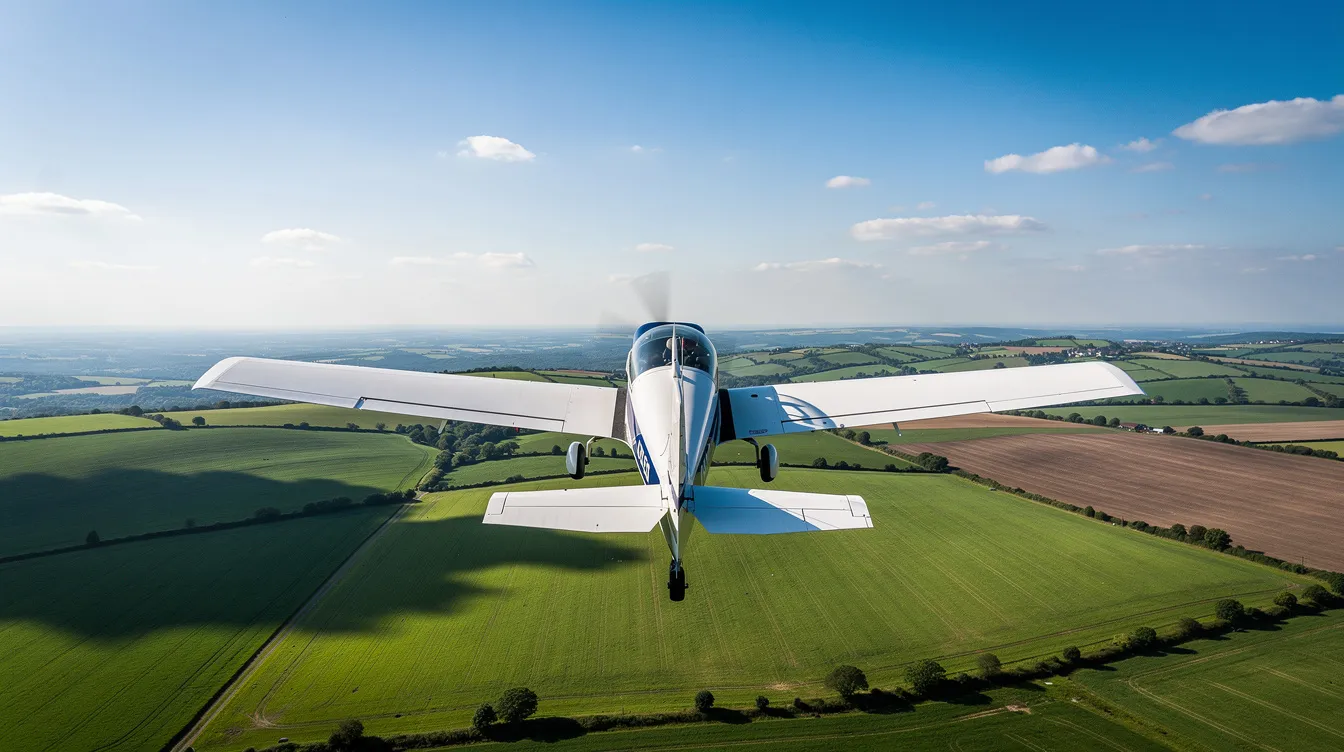
The Arrow II retains the constant-chord Hershey bar wing of the original Piper Cherokee line. Its predictable, Cherokee-like handling is familiar to transitioning pilots, though it does not have the refined stall characteristics and crosswind performance of the Arrow III’s semi-tapered wing.
Takeoff and climb behavior are straightforward. Typical climb rates near 900 fpm when light reward proper pitch and power management. Gear and flap management during climbout add training value: pilots learn to retract the gear after a positive rate of climb and manage the constant-speed propeller across power settings.
The Arrow II is known for forgiving, predictable handling. Stalls are generally docile, with a gentle buffet and mild break, though the constant-chord wing can break more sharply than tapered-wing models. The manually operated flap system has multiple notches for different configurations, helping pilots manage energy in the pattern. These traits make the aircraft useful for commercial maneuvers and checkride preparation.
The Arrow II is widely used for complex endorsements because it flies much like a fixed-gear PA-28, such as an Archer II or Archer LX, while adding retractable gear and a constant-speed propeller. Many flight schools rely on the PA-28R-200 for this training.
Crosswind handling is adequate for many conditions, but pilots transitioning from fixed-gear trainers should approach published crosswind limits conservatively during initial checkouts.
Choosing among the Arrow II, Arrow III, T-tail Arrow IV, and fixed-gear Archer II or Archer LX depends on mission, budget, and handling preferences.
|
Aircraft |
Wing and gear |
Typical advantage |
Main trade-off |
|---|---|---|---|
|
Piper Arrow II |
Constant-chord wing; retractable gear |
200 hp, complex-aircraft training, and regional cross-country capability |
More maintenance and insurance complexity than a fixed-gear Archer |
|
Piper Arrow III |
Semi-tapered wing; retractable gear |
Refined stall behavior, higher gross weight, and greater fuel capacity |
Typically higher purchase price than an Arrow II |
|
Piper Arrow IV |
T-tail; retractable gear |
Later-generation design, with turbocharged versions available |
Different low-speed handling characteristics |
|
Archer II / Archer LX |
Fixed gear; constant-speed propeller varies by model |
Simpler systems and generally lower ownership costs |
Roughly 20–30 knots less cruise speed than the Arrow II |
Arrow II vs. Arrow III: The Arrow III (PA-28R-201) adds a semi-tapered wing, conventional low tail, refined stall behavior, and slightly different cruise efficiency. It also increases maximum takeoff weight to approximately 2,750 lbs and carries up to 72–77 gallons of fuel, compared with the Arrow II’s 48 gallons usable. Arrow III models often cost more on the used market.
Arrow III / Turbo Arrow III vs. Arrow IV: The Arrow IV introduced a T-tail configuration. The T-tail changes pitch behavior, particularly at low speeds and during flare; some pilots find it less intuitive during takeoff and landing. Conventional-tail Arrow III models are often preferred by pilots seeking familiar handling. Turbo Arrow III and IV variants add high-altitude capability at the cost of increased fuel burn and maintenance complexity.
Arrow II vs. Archer II / Archer LX: The fixed-gear Archer II and Archer LX share a similar cabin and Cherokee feel. They lack retractable gear and a constant-speed propeller, which generally means simpler maintenance, lower insurance, and reduced operating costs. The trade-off is roughly 20–30 knots less cruise speed. A fixed-gear Cherokee can be cheaper to own and insure but does not provide complex-aircraft experience.
The Arrow II is often compared with other four-seat, single-engine general aviation aircraft. Pilots who do not need complex time or extra speed may prefer an Archer. Those planning commercial ratings or building retractable-gear hours may value the Arrow. For longer, multi-city trips, owners can book turboprops or light jets through charter platforms to save time.
Arrow II prices depend on avionics, engine and propeller times, corrosion status, and overall condition.
Price bands: Piper Arrow II prices range from $84,900 to $169,900 for many listings. Broader market values range from $80,000 to $280,000, including exceptionally clean, fully upgraded examples.
Typical value: The typical value for a 1969 Piper Arrow II is about $114,500. This reference applies to a different year than the definitive 1972–1976 Arrow II configuration; buyers should compare like model years and equipment.
Inventory: Market data reports 455 Piper Arrow II aircraft for sale. Availability changes, so confirm current listings before making a purchase decision.
Negotiation: Asking prices may exceed final sale prices. A pre-purchase inspection and documented findings can support negotiations, especially when deferred maintenance or corrosion is found.
Installed equipment strongly affects desirability. An aircraft with a Garmin 430W or 650, G5 flight display, digital engine monitor, and updated panel may command more than one with legacy avionics. The large fleet and broad distribution support parts availability and maintenance expertise compared with more obscure retractable singles.
Aircraft ownership has fixed costs, owed whether the airplane flies or not, and variable costs tied to flight hours.
Typical fixed costs for an Arrow II include:
Hangar or tie-down rental, ranging by location from roughly $200 per month for a tie-down to $800 or more for a T-hangar.
Insurance, which is generally higher than for a fixed-gear Archer and varies with pilot experience, aircraft value, and training history.
Annual inspections and insurance, both fixed ownership costs that can total several thousand dollars per year.
Navigation data, charts, weather subscriptions, and reserves for upgrades or regulatory compliance.
Operating costs also include hangar fees and maintenance. The Arrow II offers lower maintenance costs than complex twin-engine aircraft, but it is not as inexpensive to maintain as a fixed-gear airplane.
Major variable costs include:
Fuel: 9–10 GPH at current avgas prices.
Routine maintenance: Costs tied to flight hours and aircraft condition.
Overhaul reserves: Amounts set aside for future engine and propeller overhauls.
Trip expenses: Landing and parking fees at away airports.
Ownership can cost less per hour than renting when utilization is high. At 150–200 or more hours per year, fixed costs are spread over more flying hours. Below 50 hours per year, fixed costs may outweigh the benefits, making rental or charter more rational. Travelers can use a private jet charter cost estimator or a dedicated jet card flight cost estimator to compare options for their own usage.
This illustrative scenario assumes a US-based owner flying approximately 100 hours per year in a PA-28R-200 Arrow II.
Annual fixed costs (approximate ranges):
Hangar: $3,600–$9,600 ($300–$800 per month, depending on location).
Insurance: $2,000–$4,500, depending on pilot experience and hull value.
Annual inspection and routine maintenance: $2,500–$5,000.
Navigation data, charts, and subscriptions: $500–$1,000.
Fixed-cost subtotal: $8,600–$20,100.
Variable costs per hour (approximate):
Fuel: $55–$65 per hour (9.5 GPH at $5.80–$6.80 per gallon).
Maintenance reserve: $10–$15 per hour.
Engine overhaul reserve: $15–$20 per hour.
Propeller overhaul reserve: $5–$8 per hour.
Variable-cost subtotal: $85–$108 per hour.
At 100 hours per year, the combined estimated cost is approximately $17,100–$30,900 annually, or $171–$309 per flight hour. At an average of 135 KTAS, that is approximately $1.27–$2.29 per nautical mile.
These are planning estimates, not guarantees. Actual costs depend on local fuel prices, shop rates, and aircraft condition. Pilots can compare these estimates with charter costs to decide whether ownership or on-demand flying better fits a specific mission.
A thorough pre-purchase inspection by a mechanic experienced with PA-28R aircraft is essential before buying an Arrow II. Skipping this step can turn a small inspection saving into a much larger repair bill.
Critical inspection points include:
Wing spar ADs: AD 2020-24-05 and AD 2020-26-16 require eddy-current inspections of lower main spar bolt holes for cracks and corrosion. Verify compliance in the logbooks. Spar corrosion, particularly around steel-to-aluminum attach fittings, may be hidden and require panel removal or borescope access.
Service bulletins: SBs 789B, 1244C, 1006, and SB-977 address corrosion protection and inspection panels. Confirm compliance and pay particular attention to aircraft operated in humid coastal climates.
Landing gear system: Inspect actuators, uplock/downlock mechanisms, hydraulic hoses, and pump condition. A gear swing test and review of records for gear-up incidents or manual override use are prudent.
Airframe corrosion: Check the tail cone, belly skin near gear wells, wing roots, and interior floor panels. Verify prior accident repairs and gear-up damage against available records.
Logbooks: Review complete records as far back as possible. Gaps can raise questions and reduce resale value.
Avionics age, engine and propeller time since overhaul, and interior condition can inform price negotiations. Modernizing an older Arrow II panel can cost $30,000–$50,000 or more, so include that possibility in the purchase budget. A well-documented aircraft with clean inspection findings may be a stronger buy than a lower-priced example with deferred maintenance.
Many Arrow owners modernize their aircraft to improve capability while retaining a lower acquisition cost than a newer model.
Common avionics upgrades:
WAAS GPS units such as Garmin 430W, 530W, or 650.
Glass PFD/HSI replacements such as Garmin G5 or GI-275 displays.
Digital engine monitors for real-time CHT, EGT, and fuel-flow data.
ADS-B In/Out transponders to meet applicable requirements.
Modern autopilots with altitude hold.
Cabin and comfort improvements:
One-piece windshield replacement to reduce leaks and improve visibility.
Soundproofing kits and LED interior lighting.
Reupholstered seats and updated side panels.
USB power outlets for passenger devices.
Aerodynamic and safety enhancements:
Gap seals on flaps and ailerons to reduce drag and improve roll authority.
Wheel fairing improvements.
Updated ELT or personal locator beacons.
Angle-of-attack indicators.
Owners should weigh upgrade budgets against resale value and mission needs. A $40,000 avionics overhaul on a $90,000 airframe may not return dollar for dollar at resale, but it can make the aircraft more capable and useful to fly.
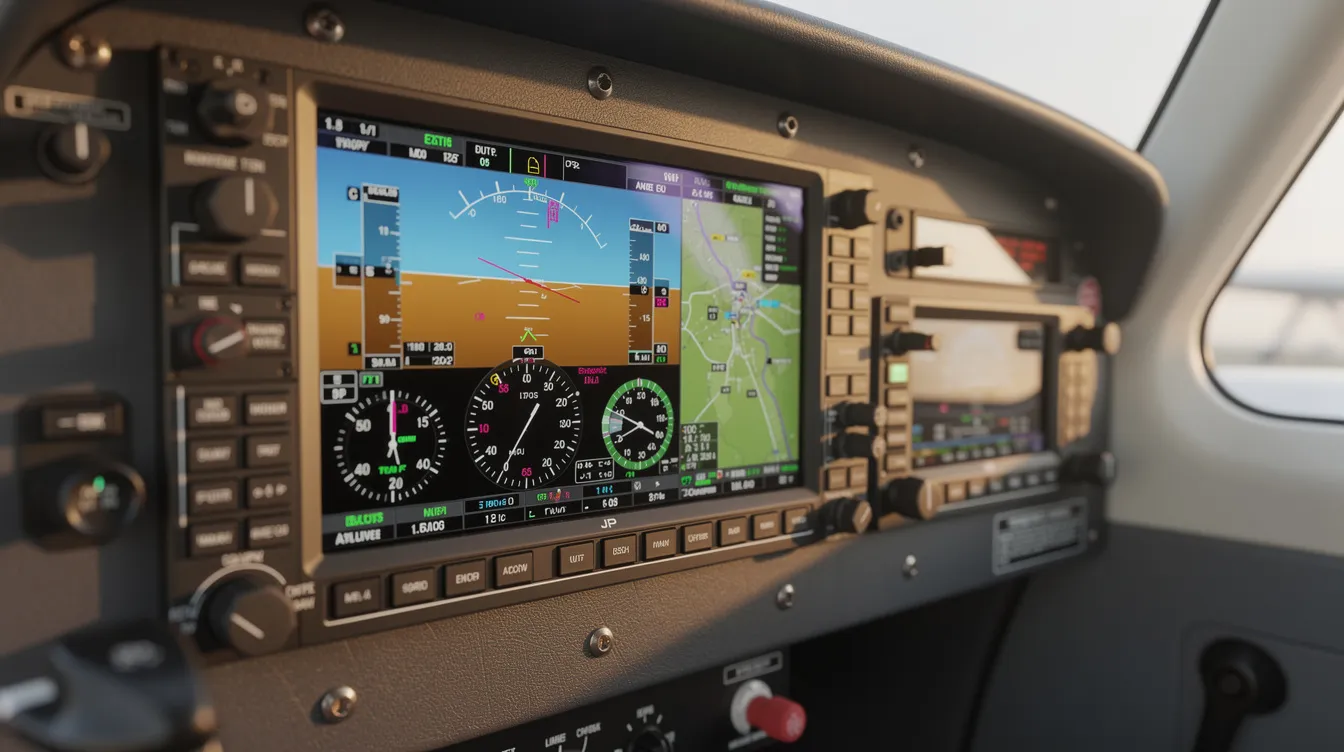
The Arrow II competes with several complex and semi-complex singles. It offers a practical price point for pilots seeking a step up from basic trainers, especially for regional trips that might otherwise be flown on private jet charters to Chennai, Kolkata, or New Delhi.
Arrow II vs. Mooney M20 series: Mooneys often cruise 10–20 knots faster on similar fuel burn, thanks to their aerodynamic airframes. They can feel narrower inside, and maintenance may require Mooney-specific expertise. Arrow owners trade some speed for a wider cabin and a broad support network.
Arrow II vs. Cessna Cardinal RG / Cutlass RG: Cessna retractable singles offer a second door and high-wing visibility. Parts availability for these models can be more limited than for the PA-28 family.
Arrow II vs. fixed-gear alternatives: The Archer and fixed-gear Cherokee models generally cost less to insure, maintain, and operate. They sacrifice roughly 20–30 knots of cruise speed and do not build complex time.
Arrow II vs. Beechcraft Bonanza / Mooney M20J: These aircraft offer higher performance but come with higher acquisition and operating costs. They may suit pilots who have already built complex time and are ready to move up.
The Arrow II excels when its speed, payload, and systems match the mission.
Regional business trip: Two people fly 350 nm for a meeting. A 135 KTAS cruise takes about 2.5 hours in ideal conditions. Using a smaller airport near the destination can reduce ground travel compared with an airline itinerary. The aircraft can remain at the destination for the return flight.
Family vacation flight: Two adults and two children fly 250 nm with luggage. With all four seats occupied, careful weight-and-balance planning is essential, especially with full fuel. A fuel stop may be needed to stay within limits.
Training scenario: A flight school uses its PA-28R-200 fleet for complex endorsement and instrument training. Students learn gear management, constant-speed propeller operation, and IFR procedures in an aircraft with predictable handling. It is also a popular choice for commercial pilot training.
For multi-city itineraries in a single day, international legs, or trips requiring pressurization, owners may turn to private charter aircraft such as turboprops or light jets to reduce travel time and fatigue, similar to the long-range options discussed when finding the best cross-country plane for your travel journey.
Aircraft ownership is not the most efficient choice for every trip. Recognizing when to charter is part of sound aviation planning.
Charter may make more sense when:
Flying fewer than 50 hours per year, when fixed costs can dominate.
Carrying more passengers than the Arrow II’s four seats allow.
Requiring a pressurized cabin, cabin altitude control, or specific weather capability.
Taking a time-critical, multi-leg business trip where a faster aircraft can save hours.
Charter services provide access to over 20,000 aircraft, and airport locator tools and charter platforms offer faster options for longer trips. Depending on the aircraft and route, private charter may offer higher cruise speeds, Wi-Fi, dedicated in-flight catering through services like Jettly Eats, and access to airports closer to a destination. Travelers can explore how much it costs to rent a private jet and light jet charter costs to compare options.
Some Arrow II owners keep their airplane for regional and leisure flights while using affordable private jet charter for larger groups, long distances, or weather-sensitive trips. Travelers interested in moving beyond piston singles can compare the best private plane manufacturers for every budget and need when evaluating turboprops and jets. Chartering can be more cost-effective for occasional long-distance travel and avoids the fixed responsibilities of aircraft ownership, including hangar costs, annual inspections, and insurance.
Jettly is a digital private aviation marketplace that complements aircraft like the Arrow II by covering missions outside the PA-28R’s performance envelope. It is not a replacement for ownership; it is another option for a different trip profile.
Arrow II owners and pilots can use Jettly for longer trips, larger groups, or missions requiring a different aircraft category. The platform provides access to turboprops, light jets, midsize jets, and heavy jets. Rather than buying a second airplane or stretching an Arrow beyond its limits, travelers can select an aircraft for the specific mission.
Jettly features that may appeal to aircraft owners include membership-based private jet memberships, flexible jet card programs, and transparent jet card pricing details:
Instant pricing and digital booking via a private jet charter cost estimator to simplify planning and help travelers understand one-off private jet flight costs.
Access to a broad marketplace of aircraft, including options to crowdsource private jet flights and share empty seats and to buy a seat on a private jet through shared and empty-leg options, illustrating how to get a seat on a private jet easily for different passenger and route needs.
On-demand access without requiring a jet card or fractional share.
Jet card membership options that may help frequent charter users manage pricing while they evaluate the broader economics described in this guide to how much a private jet really costs.
Jettly is a charter broker. Flights are operated by properly certified third-party carriers that meet Part 135 charter company requirements. For pilots building complex time in an Arrow II while planning to move up to turboprops or jets, the platform offers a way to arrange charter for trips beyond the aircraft’s capability. Learn more about Jettly’s charter options at https://www.jettly.com.
The Arrow II is widely regarded as a useful first complex aircraft thanks to its Cherokee-like handling, manageable cruise speed, and familiar gear and propeller systems. Its predictable handling helps pilots focus on gear, propeller, and energy management.
Many flight schools use the PA-28R-200 for complex and commercial training, so instructor and maintenance experience is broadly available. For pilots building complex time toward commercial certificates, the Arrow II offers a practical way to gain experience in retractable gear and constant-speed propeller operations.
A pilot needs at least a Private Pilot Certificate with a Single-Engine Land rating and a complex endorsement covering retractable landing gear and constant-speed propeller operations. The endorsement requires training from an authorized instructor and a logbook endorsement; there is no separate checkride for the endorsement.
An Instrument Rating is not mandatory for VFR flights, but it is strongly recommended for pilots planning regular cross-country or IFR travel. No type rating is required for the PA-28R-200, and pilots who do not wish to own can explore affordable aeroplane rent options through clubs, schools, and charter services.
Arrow II insurance premiums are typically higher than those for fixed-gear Archers because of the retractable gear and additional systems. Underwriters consider pilot experience, complex time, and recent training when setting premiums.
New complex pilots may be asked to complete supervised dual time or a formal checkout. Prospective owners should obtain insurance quotes early because premiums can materially affect total ownership costs.
Owning a PA-28R-200 provides scheduling control and can lower marginal costs per flight hour, but it brings fixed costs and responsibilities: maintenance coordination, regulatory compliance, hangar management, and keeping an older aircraft airworthy.
Renting shifts maintenance and fixed costs to a club or school, but may limit scheduling flexibility, aircraft availability, and avionics choices. Travelers comparing options can also weigh shared charter flights vs. full charters when they don’t need sole use of an aircraft. For infrequent long-distance trips or group travel, private charter through a platform like Jettly can be more time-efficient and, depending on utilization, more economical than maintaining an aircraft that sits idle, especially when used as a NetJets alternative for flying private and as a point of comparison with NetJets as the industry leader in private aviation. Annual flying hours and mission requirements are key variables.
The Arrow II can be a useful stepping stone. It builds complex-aircraft, IFR, and cross-country planning experience that can support later training in more advanced aircraft. Knowledge of retractable gear, constant-speed propellers, and avionics also helps pilots prepare for future transitions.
Pilots can combine Arrow II ownership for local and training flights with on-demand charter through Jettly or partner operators such as DEXTER AIR TAXI and ZENFLIGHT for business-critical or long-range trips, and can compare these options with app-based competitors like XO charter flights. This approach allocates each aircraft option to the mission it suits.
The Piper Arrow II (PA-28R-200) offers a practical balance of performance, training value, and manageable operating costs for pilots ready to fly a complex aircraft. Its 200 hp engine, retractable gear, and typical 130–145 KTAS cruise speed make it a useful choice for regular regional flying—provided the pilot is prepared for ownership and maintenance responsibilities.
The economics depend on utilization. Owners who fly regularly can spread fixed costs across more hours, while occasional flyers may find renting or chartering the cheapest way to meet their needs. Compare annual hours, mission requirements, and budget before choosing between ownership, club rental, and charter.
For trips beyond the Arrow II’s range, payload, or speed—such as travel with a larger group or time-critical business itineraries—a turboprop or light jet charter can fill the gap. Jettly connects travelers with a broad aircraft marketplace and instant quote options and appears alongside other top private jet charter companies and providers featured in comprehensive lists of charter airlines. Jettly is a charter broker; flights are operated by properly certified third-party carriers.
Ready to complement Arrow II ownership with an aircraft better suited to your next trip? Explore flight options or request a quote at https://www.jettly.com. Travelers interested in referrals can also learn about Jettly’s ULTRA High Ticket Affiliate Program.
Share this post:
Jay Franco Serevilla
Nov 14, 2026
|
5
min read
Discover tips and trends in the industry.
5
min read
Moffett Federal Airfield (KNUQ) Guide for Private Flyers and History Enthusiasts
Moffett Federal Airfield (KNUQ) is a historic site in California, transitioning from a Naval Air Station to a NASA research hub. With restricted access for private flyers, understanding nearby airport options is crucial for efficient travel to Silicon Valley. The airfield also features a museum that showcases its rich aviation history.
Read More
5
min read
Southwest Flight Status: How to Check, Decode, and Stay in Control (and When to Consider Private Charter)
Staying updated on your Southwest Airlines flight status is crucial for a smooth travel experience. This guide outlines how to check and interpret flight statuses, as well as when to consider private charter options through Jettly for more control over your travel plans.
Read MoreStay updated with our latest insights and tips to elevate your journey with us.
MEMBERSHIPS AND ASSOCIATIONS



© 2026 Jettly Inc. All rights reserved.
Disclaimer: Jettly operates as a charter broker, offering access to a global digital jet charter marketplace. Jettly is not a direct air carrier and does not own or operate aircraft. All advertised flights are conducted by third-party air carriers that are fully licensed and hold the appropriate Part 135 or Part 121 certifications issued by the Federal Aviation Administration (FAA) or equivalent regulatory authorities under U.S. or foreign law. Jettly complies fully with the U.S. Department of Transportation's Part 295 and Part 298 Charter Broker regulations. Jettly does not carry additional liability insurance. Passengers are covered by aircraft operator insurance. TICO: 50023770


