



Login
Get Instant Pricing On 23,000+ Aircraft

>

The Piper Lance is one of aviation's most practical six-seat singles, combining strong payload, useful range, and retractable-gear efficiency in a package that still earns loyalty from owners decades after production ended. Whether you plan to buy one or charter a comparable aircraft, this guide covers the numbers that matter.
This guide is designed for prospective buyers, charter customers, and aviation enthusiasts seeking detailed information on the Piper Lance’s capabilities, costs, and suitability for private aviation.
The Piper Lance (PA-32R-300) is a single-engine, six-seat retractable-gear aircraft with a spacious cabin that can seat 6 to 7 occupants, a range of 875 nautical miles with reserve fuel, and a maximum speed of 157 knots. It suits many family and business missions.
Piper Lance owners report overall satisfaction, frequently citing comfortable seating and legroom. Most enjoy flying the aircraft despite minor concerns, such as adjusting to the longer nose.
Used Piper Lance models range from $90,000 to $230,000, depending on condition, avionics, and engine time. Annual inspections commonly cost $5,000 to $8,000, and proper maintenance helps retain resale value.
Travelers who want a similar mission without ownership can explore comparable single-engine aircraft through Jettly's digital marketplace, with transparent pricing and instant booking.
This guide covers specifications, performance, maintenance, ownership costs, comparisons, and charter options.
The Piper PA-32R Lance is a single-engine light aircraft manufactured from 1976 to 1979 and introduced as a retractable-gear version of the Cherokee Six. It has a low-wing design, retractable landing gear, constant-speed propeller, and a 300 hp engine. Piper produced three variations before transitioning to the Saratoga in 1980: the PA-32R-300 Cherokee Lance, with a low horizontal stabilator and constant-chord wings; the PA-32RT-300 Lance II, which introduced a high T-tail design; and the PA-32RT-300T Turbo Lance II, with a turbocharged engine for high-altitude performance.
The Lance serves as a cross-country cruiser, family load carrier, IFR platform for pilots building complex and high-performance time, and, in some regions, an air-charter aircraft, similar in mission to other high-performance types like the Piper Aerostar 600. It competes in concept with the Beechcraft Bonanza and Cessna 210, discussed below.
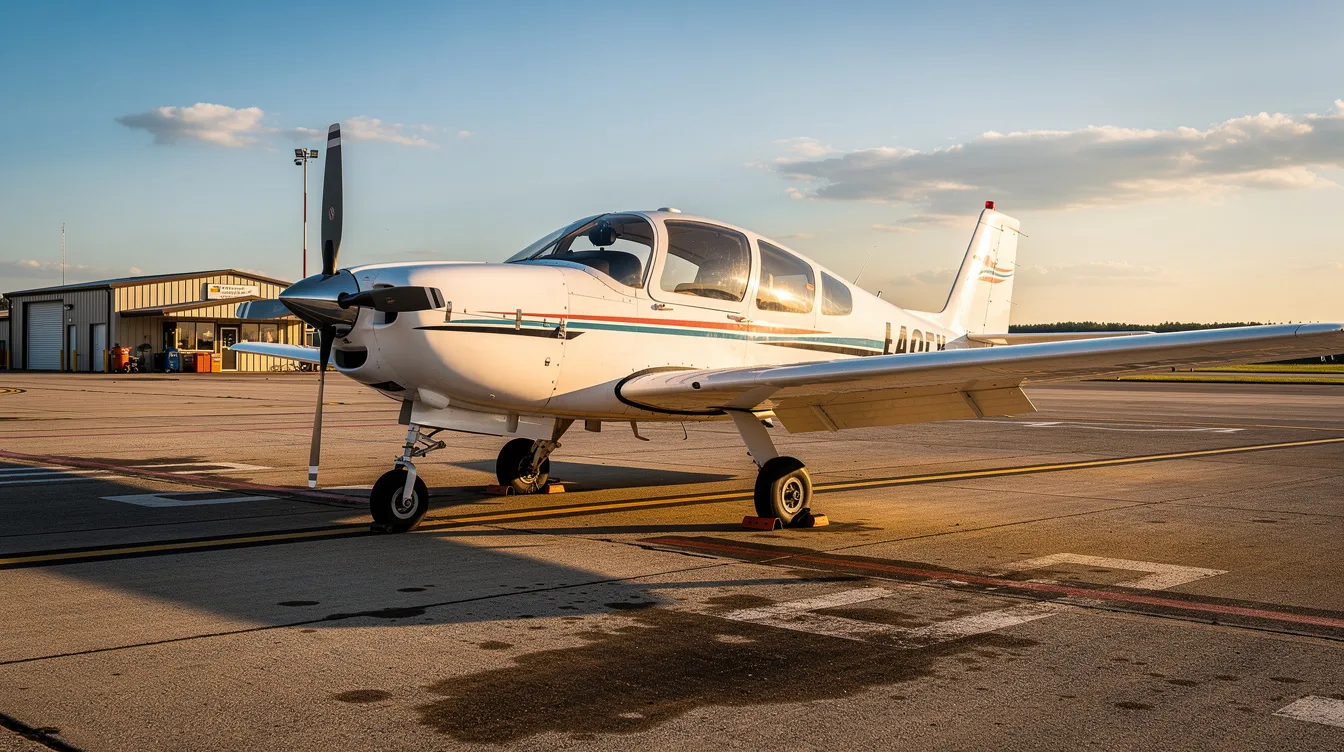
The Piper Lance measures 27 feet 9 inches long, has a wingspan of roughly 32 feet, and an empty weight of 1,980 lbs. Its gross weight is 3,600 lbs, yielding a useful load of around 1,300 to 1,600 lbs depending on installed equipment. Fuel capacity is 94 US gallons. A 300 horsepower Lycoming IO-540 drives a constant-speed Hartzell propeller.
|
Specification |
Piper Lance detail |
|---|---|
|
Seating |
Six passengers comfortably; a seventh seat is occasionally included, subject to weight limits |
|
Engine |
300 hp Lycoming IO-540 |
|
Maximum speed |
157 knots |
|
Range |
875 nautical miles with reserve fuel |
|
Fuel capacity |
94 US gallons |
|
Baggage capacity |
24 cubic feet across two compartments |
|
Gross weight |
3,600 lbs |
The cabin features club seating in the middle row, a rear bench or individual seats, and a large right-side door. Dual baggage compartments total 24 cubic feet. Many Piper Lancers were equipped with factory air conditioning. Avionics vary: some aircraft have modern glass panels, GPS navigators, and autopilots, while others retain analog instruments. New avionics can enhance resale value.
Cruise speeds range from 145 to 157 knots depending on configuration, with normal cruise often reported at 156 to 158 knots at 65–75% power. Retractable landing gear reduces drag and increases cruise speed compared with the fixed-gear Cherokee Six. The Piper Lance has a range of 875 nautical miles with reserve fuel and can fly for seven hours at 55% power. Its sea-level climb rate is about 1,000 feet per minute.
Fuel burn is 13.8 US gallons per hour at economy cruise, though consumption is approximately 14 to 18 gallons per hour depending on power setting. The Lance is known for stability during instrument flight and predictable handling in turbulence. Some pilots note climb performance issues at higher altitudes, and a fully loaded aircraft needs a longer takeoff roll. Pilots may also need time to adjust to the longer nose during taxi and rotation. The normally aspirated model has a service ceiling of around 15,000 feet; turbo variants can reach higher altitudes.
Piper Turbo Lance models may overboost engines if the throttle is advanced excessively. Turbo Lance II aircraft have also had reports of hot-running engines, making disciplined power management important.
A straightforward annual inspection typically costs $5,000 to $8,000. Significant findings can push the bill above $10,000, while the broader reported range is $5,000 to $15,000. Regular checks are required every 100 flight hours for commercial operations.
The Piper Lance engine overhaul is suggested at around 1,800 hours and can cost up to $40,000. Landing gear inspections are crucial: reported issues include cracked nosegear actuators and trunnions. Engine fires prompted FAA inspections of the Turbo Lance exhaust system on certain models.
Used Piper Lance resale values range from $90,000 to $230,000. A 1978 Piper Lance Turbo II may cost around $120,000, while models with lower airframe time may reach $220,000. Condition and maintenance history significantly affect value; accumulated engine and airframe hours tend to reduce it. Age-related maintenance concerns also matter when evaluating older aircraft.
Insurance can include liability and hull coverage. Hull not-in-motion insurance protects a stationary aircraft. Qualified pilots may receive lower premiums, with annual liability premiums of $650 to $800 reported for qualified pilots. Hull premiums can reach $17,100 for experienced pilots. Costs depend on pilot experience and aircraft use.
New Piper Lance parts are available from Aircraft Spruce. Used parts may be found on eBay and Kijiji. Facebook owner groups are a free resource for Piper owners to connect, discuss issues, and sometimes locate parts. Piper Lance clubs can help owners locate replacement parts, and mechanics may have spares for common issues. Although production ceased in 2009, parts remain available. Modifications can optimize performance: aerodynamic kits improve airspeed and reduce drag, speed brakes enhance control and can reduce landing distances, and upgraded propeller systems improve thrust efficiency.
A pre-purchase inspection by a PA-32-experienced shop is essential. Use Jettly's airplane cost calculator and private jet charter cost estimator to compare ownership costs with chartering.
The Piper Lance has a high payload capability suited to family or business use, fitting well into many scenarios discussed in broader guides to affordable airplane rental costs and options. The Beechcraft Bonanza is faster, often cruising 10–20 knots quicker, and offers refined handling. The Lance typically has an advantage in useful load and cabin width for full-family trips. The Cessna 210 Centurion offers excellent short-field capabilities and competitive performance, though its cabin layout and door design differ.
The Piper Lance generally sells for less than comparable Bonanzas or late-model Saratogas, making it attractive to budget-conscious buyers. For travelers, all three can offer similar comfort on routes under 600 nm, such as a 3–4-hour flight between New York and Chicago. Charter customers may not see “Piper Lance” listed specifically, but may find comparable prop planes with similar cabin size and range.
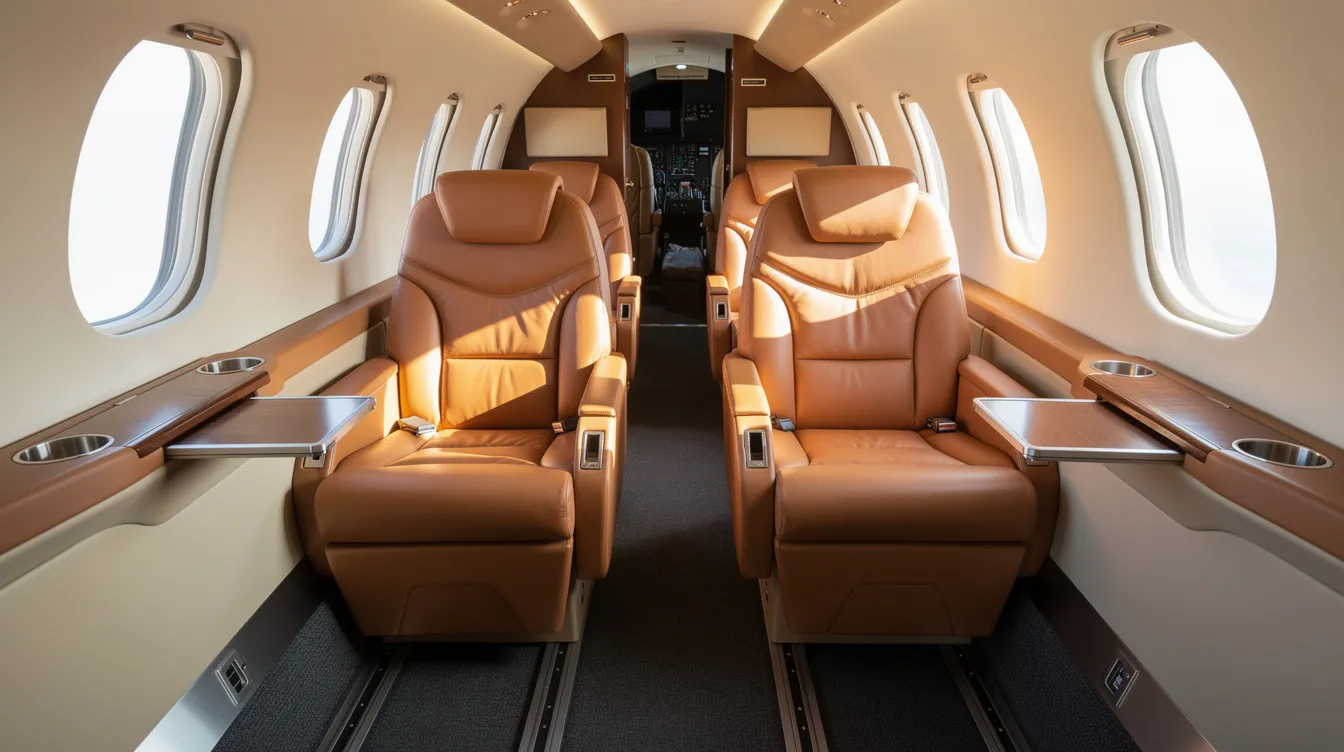
Most Piper Lances in service today are owner-operated, but travelers can book similar high-performance singles and light aircraft through Jettly for regional private flights, following the same general steps outlined in guides on how renting a plane works. Enter a route and date, view instant pricing across suitable aircraft categories, compare options, confirm a booking digitally, or reduce your per-seat cost by using Jettly’s tools to crowdsource private jet flights and share empty seats.
The Lance's sweet spot—regional hops under 400–600 nm, point-to-point trips between smaller airports, family travel, or small-team business flights—maps to missions available through Jettly. Chartering avoids aircraft capital costs and maintenance responsibilities, with pricing presented for each flight. Jettly is a charter broker; flights are operated by properly certified third-party carriers that meet applicable regulatory standards, with frequent flyers sometimes opting for structured jet card programs to lock in predictable access and pricing.
When a trip calls for more speed or pressurization, travelers can compare Lance-class aircraft with turboprop charter options, light jets, or other categories within Jettly's global inventory of private charter aircraft. Learn more about how to fly private or explore Jettly's instant-quote tools at jettly.com.
These FAQs address practical questions that complement the main sections above and tie into broader advice on how to get a seat on a private jet.
Many pilots transition to the Piper Lance after time in simpler trainers or step up from other high-performance singles such as the Piper Matrix. Its stable handling can make it a useful platform for building complex and high-performance experience, but its weight and retractable gear require proper training. Insurers may require minimum hours, an instrument rating, and recent training. Flying with a mentor for the first 25–50 hours is common practice.
With four adults, two children, and full fuel, baggage capacity may be constrained by weight-and-balance limits even when physical space remains. Filling every seat with adults and carrying full fuel often requires compromises, such as less luggage or a fuel stop. Work through weight-and-balance calculations with a flight instructor or charter operator before each trip.
Experienced pilots commonly fly the Lance under IFR in varied conditions. However, many Lances are not certified for flight into known icing. Some aircraft have de-ice or anti-ice systems, but conservative go/no-go decisions remain essential.
A private pilot license with complex and high-performance endorsements is required. An instrument rating is strongly recommended for safe cross-country work, particularly for business or frequent long-distance travel.
Lance-class piston aircraft fly slower and at lower altitudes but cost less per hour and may access smaller airstrips, especially when compared with the diverse fleets outlined in comprehensive guides to charter airlines and private flight options. Light jets available through Jettly offer faster cruise, pressurization, and added comfort on longer legs, similar to those featured in overviews of the best private jet charter companies. Compare distance, budget, and schedule with Jettly's charter plane cost calculator. The Piper Flyer Association charges $44 annually, and the Piper Owner Society offers a $59 one-year membership. Facebook also hosts free owner groups for Piper aircraft, where owners can join discussions and look for parts leads.
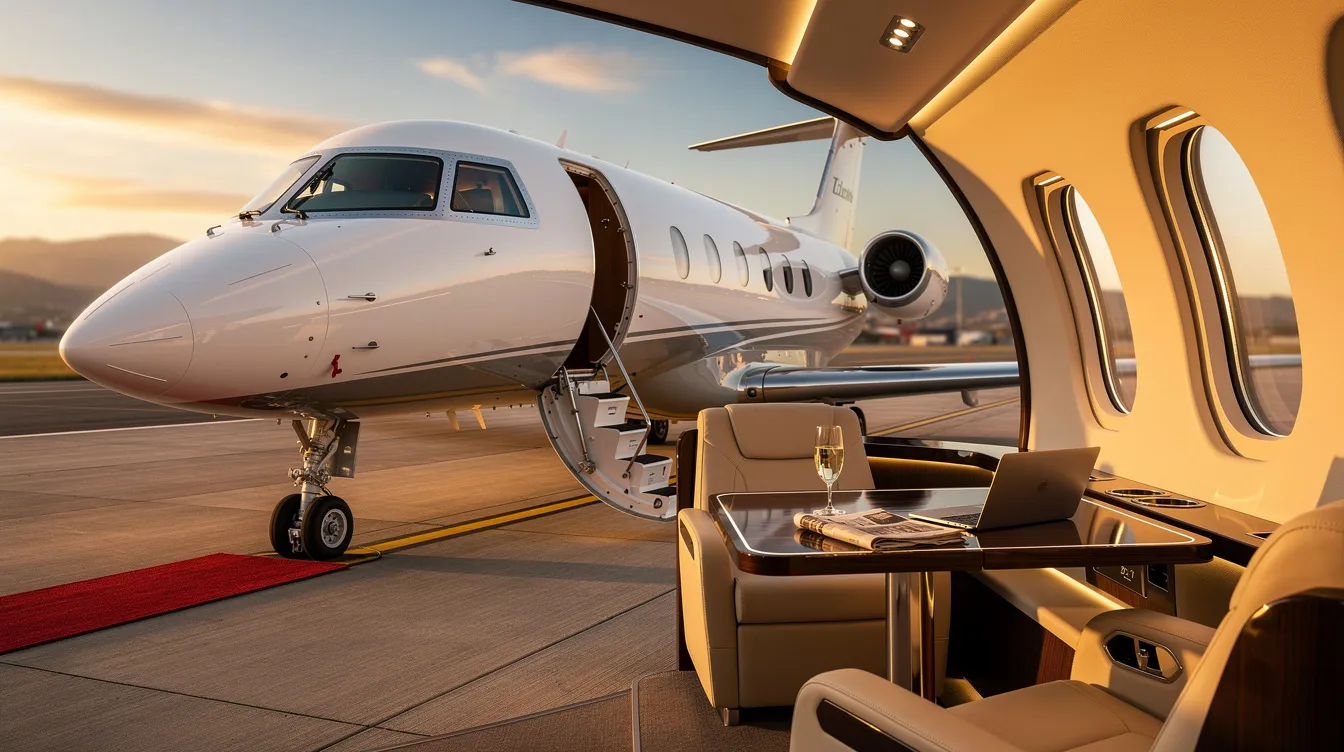
The Piper Lance remains a respected six-seat single, balancing payload, range, and cost in ways few competitors match at its price point. Aircraft like the Lance complement turboprops and light jets on shorter regional legs, especially when smaller airports are useful.
Travelers do not need to own a Piper Lance to access similar benefits. Jettly's private aviation marketplace offers on-demand access to comparable aircraft types with digital booking and transparent pricing. As a charter broker, Jettly arranges flights operated by properly certified third-party carriers.
Ready to experience private travel on your terms? Explore flight options or request an instant quote at Jettly, whether you’re planning departures from major hubs like Atlanta or arranging private jet charter in Houston.
Share this post:
Jay Franco Serevilla
Nov 19, 2026
|
5
min read
Discover tips and trends in the industry.
5
min read
How to Find Empty Seats on Private Jets: A Practical Guide to Empty Legs with Jettly
Finding empty seats on private jets is easier than it seems, primarily through discounted empty leg flights. These repositioning flights can save travelers 25% to 75% compared to standard charter rates, making private travel more accessible. This guide outlines how to locate these flights, what to consider before booking, and when they are most beneficial for your travel needs.
Read More
5
min read
Victor Empty Legs vs. Jettly Empty Leg Flights: How to Find the Best Deals
This guide compares Victor and Jettly empty leg flights, highlighting how travelers can save significantly on private jet travel. While both platforms offer discounted repositioning flights, they differ in geographic coverage and pricing workflows. Flexibility in travel plans can lead to substantial savings, making empty legs an attractive option for those willing to adapt their schedules.
Read MoreStay updated with our latest insights and tips to elevate your journey with us.
MEMBERSHIPS AND ASSOCIATIONS



© 2026 Jettly Inc. All rights reserved.
Disclaimer: Jettly operates as a charter broker, offering access to a global digital jet charter marketplace. Jettly is not a direct air carrier and does not own or operate aircraft. All advertised flights are conducted by third-party air carriers that are fully licensed and hold the appropriate Part 135 or Part 121 certifications issued by the Federal Aviation Administration (FAA) or equivalent regulatory authorities under U.S. or foreign law. Jettly complies fully with the U.S. Department of Transportation's Part 295 and Part 298 Charter Broker regulations. Jettly does not carry additional liability insurance. Passengers are covered by aircraft operator insurance. TICO: 50023770


